
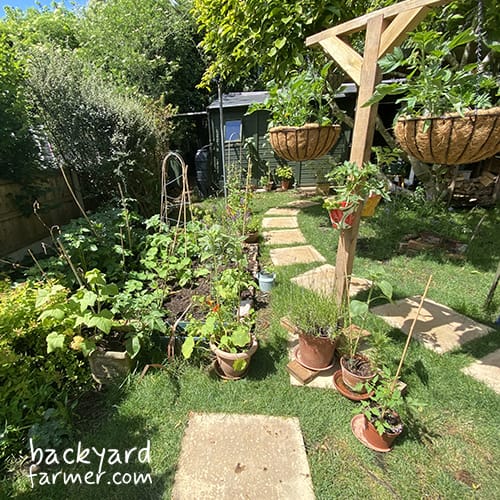
The best vegetables to grow in the UK are crops that cope with cool springs, changeable summers and occasional poor weather. Potatoes, salad leaves, radishes, beetroot, peas, beans and courgettes are all dependable choices for new growers.
Your best options will also depend on your available space, the time you can give them and what you enjoy eating. This guide compares reliable crops for gardens, raised beds, containers and allotments, including where to grow them and the main limitations to consider.
Quick Answer: Best Vegetables for UK Beginners
Radishes and salad leaves are ideal for quick results, while potatoes, courgettes and beans provide larger harvests. Peas make good use of vertical space, and beetroot, onion sets and Swiss chard are dependable choices for beds and containers.
Tomatoes are also rewarding, but they need more warmth and regular care than most crops on this list. Use the table below to compare each vegetable’s main benefit, suitable growing space and likely limitation.
| Vegetable | Best reason to grow it | Suitable for | Main limitation |
| Potatoes | Reliable, substantial harvests | Beds, potato bags and large containers | Need watering and earthing up |
| Salad leaves | Fast, repeated harvests | Small beds, pots and window boxes | Can bolt in hot weather |
| Radishes | Very quick results | Small spaces and containers | Become woody if left too long |
| Beetroot | Easy and versatile | Beds and containers | May need thinning |
| Peas | Sweet crops from vertical space | Beds and supported containers | Cropping period can be short |
| Courgettes | Heavy yields from few plants | Beds and large containers | Need plenty of room |
| Beans | Long, productive harvests | Beds, allotments and large pots | Need support and regular picking |
| Onion sets | Low-maintenance storage crop | Beds and raised beds | Slow compared with leafy crops |
| Swiss chard | Long harvesting period | Beds and containers | Mature plants need space |
| Tomatoes | Flavourful, high-value harvests | Pots, greenhouses and sheltered beds | Need warmth and regular care |
The Best Vegetables to Grow in the UK
Potatoes
Best for: Reliable, substantial harvests
Where to grow: Beds, raised beds, large containers and potato bags
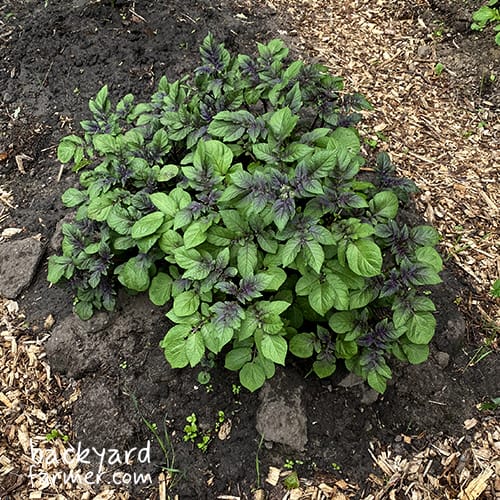
Potatoes suit the UK’s cool spring conditions and can provide a substantial crop from a relatively small area. First early varieties are particularly useful for beginners because they mature quickly and are often harvested before the main period of blight risk. Second earlies follow later, while maincrop potatoes take longer but usually produce larger harvests that store well.
UK growing tip: Potatoes still need regular watering and occasional earthing up. Container-grown plants can dry out quickly during warm weather.
Salad Leaves: Lettuce, Rocket and Spinach
Best for: Quick, repeated harvests
Where to grow: Beds, containers, window boxes and gaps between larger crops
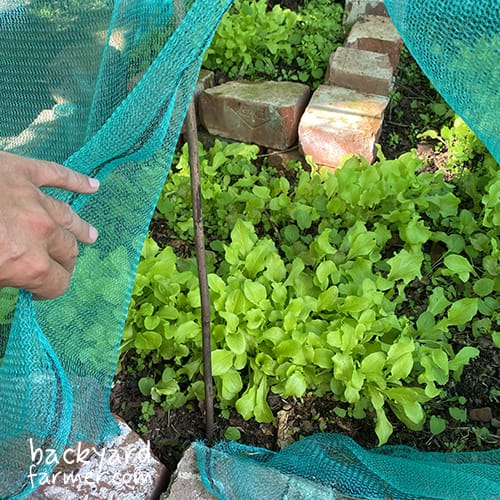
Salad leaves grow quickly and can be picked a few leaves at a time, allowing the plants to continue cropping. Lettuce generally performs well during spring and early summer, while traditional spinach prefers cooler conditions. Sowing small amounts every few weeks provides a steadier supply than planting everything at once and allows you to harvest only what you need.
UK growing tip: Rocket and spinach can bolt in hot, dry weather. Keep plants watered and use partial shade during summer.
Radishes
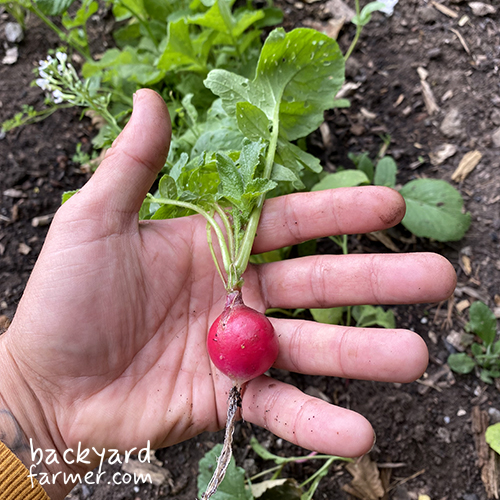
Best for: Fast results and filling small gaps
Where to grow: Containers, raised beds and spaces between slower crops
Some radish varieties can be ready in around four weeks, making them one of the quickest crops for new growers. They require little room and perform particularly well during the cooler conditions of spring and early autumn. Sow short rows every couple of weeks rather than one large batch to maintain a regular supply. Both the roots and young leaves are edible.
Worth knowing: Radishes can become woody, pithy or overly hot if they dry out or remain in the ground too long.
Beetroot
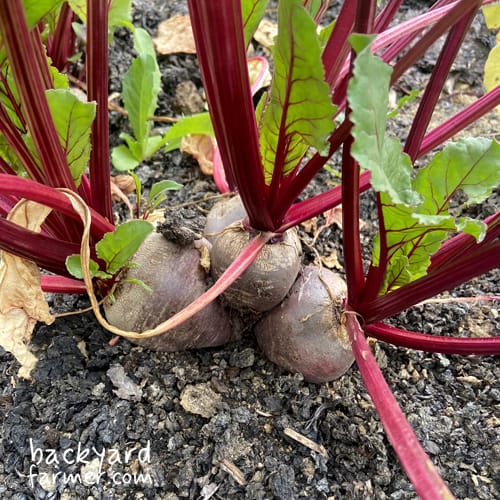
Best for: Versatile roots and edible leaves
Where to grow: Beds, raised beds and reasonably deep containers
Beetroot grows well in cooler UK conditions and does not require especially rich soil. The roots can be harvested young for salads or left to mature for roasting, pickling and storage. Young leaves are also edible and can be used like spinach. Carefully spaced direct sowings reduce thinning, while multisown modules allow the largest roots to be harvested first.
UK growing tip: Baby roots can be lifted early to create more room for those left to mature.
Peas
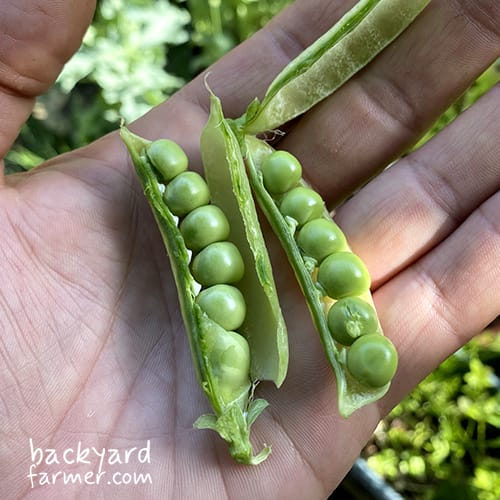
Best for: Sweet harvests from vertical space
Where to grow: Beds, raised beds and containers with support
Peas tolerate cool conditions and can be sown relatively early in the UK growing season. They climb upwards rather than spreading across the ground, making them useful where space is limited. Freshly picked peas are noticeably sweeter than stored peas, while any surplus can be frozen. Mange tout and sugar snap varieties provide more edible crop per pod because the pods are harvested whole.
UK growing tip: Protect young plants from mice and pigeons where necessary, and pick regularly once pods begin to mature.
Courgettes
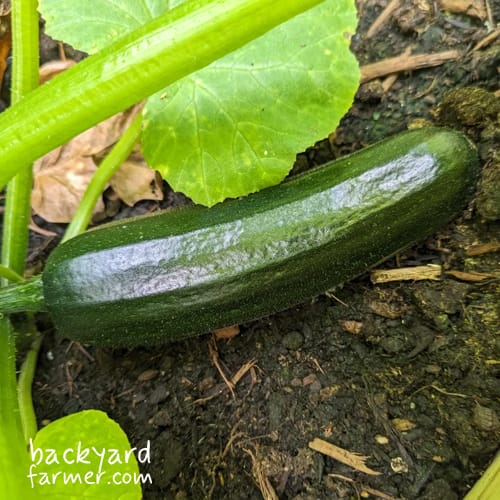
Best for: Heavy yields from one or two plants
Where to grow: Open beds, raised beds and large containers
Courgettes establish quickly once the weather warms, and a couple of healthy plants can provide plenty for an average household. Pick the fruits while they are still relatively small and tender, as regular harvesting encourages continued production. Both the courgettes and their flowers are edible, making this a particularly productive summer crop.
Worth knowing: Courgettes are tender and need generous spacing, regular watering and occasional feeding. Do not plant them outdoors until frost risk has passed.
Broad, French and Runner Beans

Best for: Productive harvests from vertical space
Where to grow: Beds, allotments and large containers
Different beans suit different parts of the growing season. Broad beans tolerate cooler weather and can be sown earlier, while French and runner beans need warmer conditions. Dwarf French beans are compact, whereas climbing French beans and runner beans use supports to produce large harvests from a relatively small footprint. Regular picking keeps tender beans cropping, and surplus harvests can be frozen.
UK growing tip: Put strong supports in place before climbing beans become tangled. Tender varieties should only go outdoors after frost risk has passed.
Onion Sets and Spring Onions
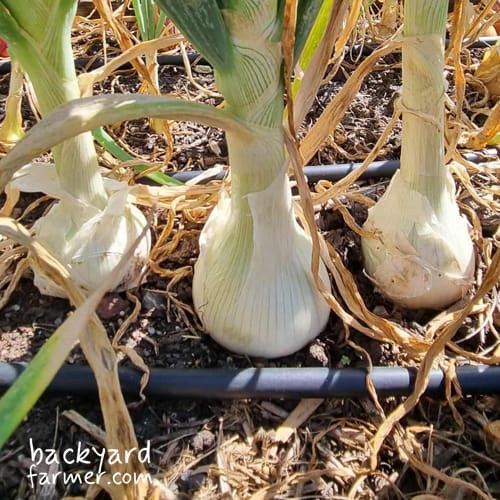
Best for: Low-maintenance crops with everyday kitchen uses
Where to grow: Beds, raised beds and suitably large containers
Onion sets are generally easier for beginners than onions raised from seed. They are planted individually, need relatively little attention once established and produce mature bulbs that can store for several months when properly dried. Spring onions are much faster and can be sown repeatedly in smaller spaces for harvests throughout the growing season.
Worth knowing: Bulb onions need most of the season to mature and do not compete well with weeds. Good drainage is also important because persistently wet soil can encourage rot.
Swiss Chard
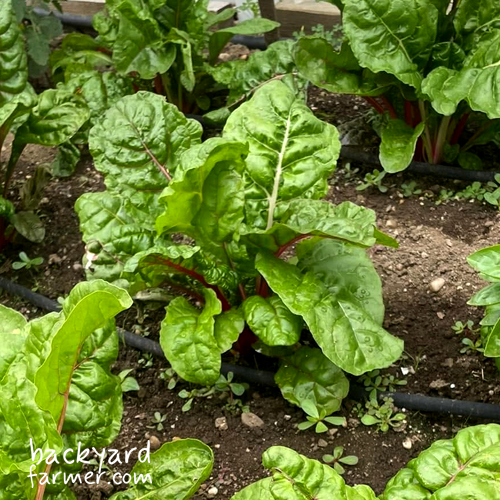
Best for: A long season of repeated leaf harvests
Where to grow: Beds, raised beds and large containers
Swiss chard tolerates cool conditions and usually crops for much longer than most salad leaves. Individual outer leaves can be picked as required while the centre continues producing new growth. Both the stalks and leaves are edible, and established plants cope better with summer heat than traditional spinach. In mild areas, they may also survive winter and provide additional harvests the following spring.
UK growing tip: Mature plants become surprisingly large, so allow sufficient spacing and pick outer leaves regularly before they turn coarse.
Tomatoes
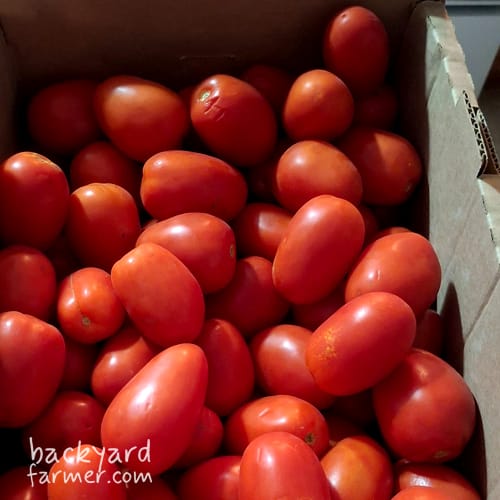
Best for: Flavourful, high-value summer harvests
Where to grow: Greenhouses, sheltered beds, grow bags and large pots
Tomatoes are highly rewarding for beginners who are prepared to provide regular care. Starting plants indoors or under cover gives them the long growing season they need, while greenhouse cultivation generally provides more reliable results than outdoor growing. Bush varieties are often simpler to manage than cordon tomatoes because they require less training and side-shoot removal.
UK growing tip: Outdoor plants need a warm, sheltered position and remain vulnerable to blight. Water consistently, as irregular moisture can contribute to split fruit or blossom-end rot.
Other Worthwhile Crops
Rhubarb: Best for Long-Term Harvests
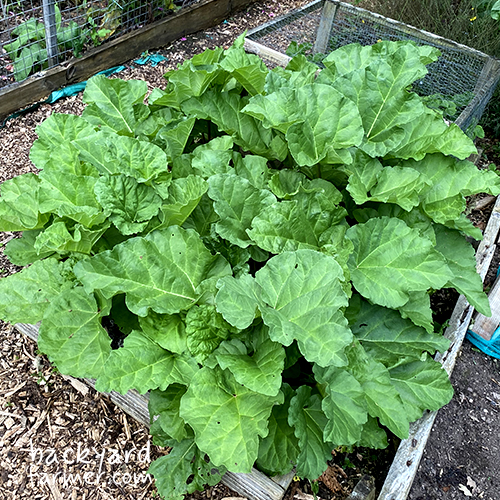
Best for: Dependable perennial harvests
Where to grow: A permanent bed with room to spread
Rhubarb is a hardy perennial that copes well with UK winters and returns each spring once established. A healthy crown can remain productive for many years, providing stalks for crumbles, jams, compotes and preserves with relatively little ongoing maintenance.
New plants need time to establish, so avoid harvesting during the first year. Take only a light crop in the second year, after which established plants can usually be harvested through spring and early summer.
Worth knowing: Only the stalks are edible. Rhubarb leaves contain harmful compounds and should never be eaten.
Chillies: Best with Extra Warmth
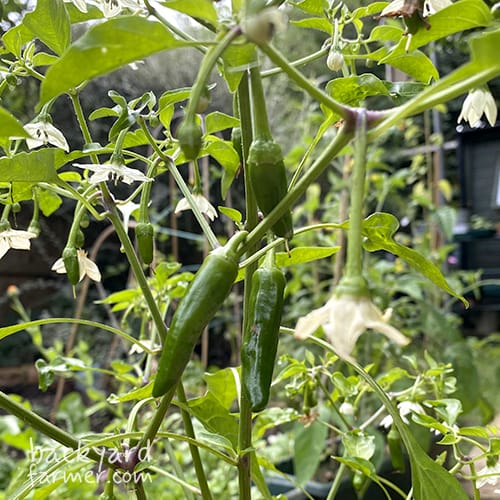
Best for: High-value harvests from a small area
Where to grow: Greenhouses, conservatories and warm, sheltered containers
Chillies are compact plants, and one healthy specimen can produce plenty of fruit. Surplus chillies can be dried, frozen or made into sauces and pastes, offering good value compared with buying small supermarket packs.
Seeds are normally started indoors early in the year, and plants need plenty of warmth and light. They crop most reliably in a greenhouse, conservatory or very warm, sheltered position.
UK growing tip: Outdoor chillies can succeed during warm summers, but they are less dependable than crops such as radishes, beetroot and courgettes.
Which Vegetables Suit Your Garden?
Choose vegetables according to the space, light and growing depth available. Salad leaves and radishes suit small containers and narrow beds, while potatoes, courgettes and tomatoes need more root room. Peas and climbing beans are useful where vertical space is easier to provide than extra ground.
Also consider the type of harvest you want. Radishes and salad leaves provide quick results, while Swiss chard, beans and courgettes crop over a longer period. Potatoes, onions and beetroot are better suited to storage.
| Growing situation | Good choices |
| Pots and containers | Salad leaves, radishes, beetroot, dwarf beans, bush tomatoes and chillies |
| Large containers | Potatoes, courgettes and tomatoes |
| Narrow beds | Beetroot, onion sets, salad leaves and radishes |
| Vertical growing | Peas, runner beans and climbing French beans |
| Partial shade | Lettuce, Swiss chard, spinach and beetroot |
| Quick harvests | Radishes, salad leaves and spring onions |
| Long harvest period | Swiss chard, beans, courgettes and tomatoes |
| Crops for storage | Potatoes, onions and beetroot |
Container tip: A crop being suitable for containers does not mean it will thrive in a small pot. Larger plants need more compost and usually require more frequent watering than crops grown in the ground.
When to Plant These Vegetables in the UK
Hardy crops such as peas, broad beans and radishes can be started early in the season, while courgettes, runner beans and outdoor tomatoes should wait until conditions are reliably warm. Starting tender crops under cover can extend the growing season and give plants a useful head start.
Frost dates, exposure and soil temperature vary across the UK, so treat the periods below as planting windows rather than fixed deadlines. Colder, northern and exposed gardens may need to wait longer than mild or sheltered locations.
| Period | Suitable crops |
| February–April under cover | Tomatoes, chillies and early salad leaves |
| March–April outdoors | Broad beans, peas, radishes, beetroot and onion sets |
| March–May | Potatoes and repeated salad sowings |
| May–June after frost | Courgettes, runner beans, French beans and outdoor tomatoes |
| July–August | Radishes, salad leaves, spring onions and Swiss chard |
Not Sure What to Plant Now?
See what you can sow and plant this month with the free UK planting calendar.
Which Vegetables Save the Most Money?
The best-value crops are usually those that are expensive to buy, spoil quickly or provide repeated harvests.
- Best value from a small space: Salad leaves, chillies and tomatoes
- Highest summer output: Courgettes, runner beans and French beans
- Best long-term value: Rhubarb and perennial herbs
Small sowings of salad leaves can replace packaged bags that often deteriorate before they are fully used. Chillies and tomatoes can also provide good value, particularly when flavour and variety are considered. Courgettes and beans often produce heavily when picked regularly, while established rhubarb returns for many years.
Freezing, drying, pickling or turning surplus harvests into sauces can extend their usefulness. Potatoes remain satisfying and productive, but standard varieties are inexpensive to buy, so they are not always the strongest money-saving choice.
Ultimately, the most economical crop is one that grows reliably in your conditions, is harvested regularly and replaces something you would otherwise buy.
Final Thoughts
You do not need to grow ten different vegetables in your first season. Start with three or four crops that suit your space and that you regularly use in the kitchen. Radishes and salad leaves provide quick results, while courgettes, beans and potatoes offer larger harvests.
Whether you grow in containers, raised beds, a small garden or an allotment, begin simply. As you gain experience with watering, pests and seasonal conditions, you can gradually add more demanding crops such as tomatoes and chillies.