
Taking a pallet apart without wrecking the boards comes down to using the right method and not forcing it. Rush the job with a hammer and pry bar, and you will usually end up with split timber, bent nails, and far less usable wood.
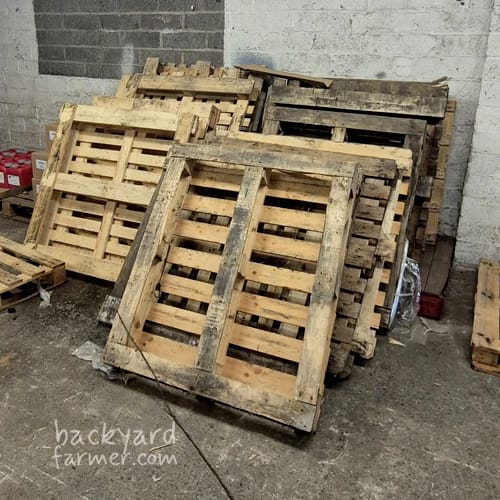
In most cases, the easiest way to save the boards is to work methodically, loosen the fixings properly, and use a tool that matches the job. For some pallets, that means a reciprocating saw to cut through the nails. For others, a pallet breaker or pry bar will do the job if you lift the boards slowly and evenly.
This guide covers the best ways to dismantle a pallet without breaking the boards, the tools worth using, and the simple mistakes that cause most of the damage. If you want clean reclaimed timber for planters, shelves, compost bins, or other DIY projects, this is the approach that gives you the best chance of keeping the wood intact.
Quick Guide
| Best method | Best for | Why |
|---|---|---|
| Reciprocating saw with metal-cutting blade | Fastest method | Cuts nails without forcing boards apart |
| Pallet breaker / pallet buster | Best manual tool | Lifts boards evenly and reduces splitting |
| Pry bar and hammer | Basic hand-tool method | Cheap and simple, but slower |
Before you can dismantle a pallet to make wonderful things, you need to find one! Luckily the Backyard Farmer has judt the tool, use our Free Pallet Finder Tool & Guide to locate a stash of used pallets close to home,
Safety Tips for Dismantling Pallets
Taking a pallet apart safely matters just as much as getting the boards off cleanly. Between nails, splinters, and heavy timber, it is easy to get hurt if you rush or work carelessly.
Wear Protective Gear
Start with the basics:
- Gloves: Protect your hands from splinters, rough timber, and sharp nails.
- Safety Glasses: Help shield your eyes from dust, chips, and flying metal.
- Sturdy Boots: Protect your feet from dropped boards or tools.
- Ear Protection: Use it when working with saws, grinders, or other loud power tools.
Check the Pallet Before You Start
Inspect the pallet before dismantling it.
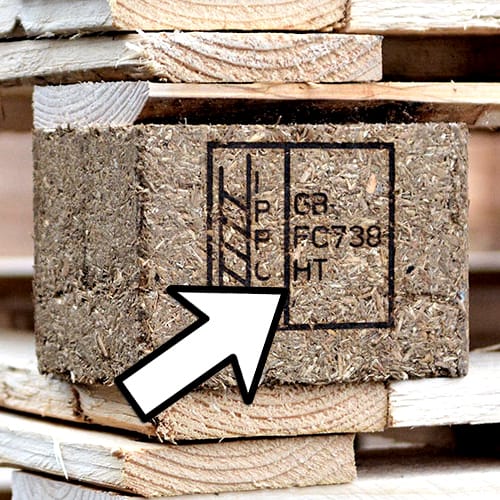
- Look for the HT stamp, which means the pallet was heat treated.
- Avoid pallets marked MB, as these were chemically treated.
- Skip any pallet that smells odd, feels oily, or shows dark stains, paint, or signs of contamination.
Set Up a Safe Work Area
Work on a flat, stable surface with enough room to move around safely. Keep your tools close by and avoid damp or uneven ground where the pallet can shift. If possible, raise the pallet on sawhorses or a bench to make the job easier and more controlled.
Watch for Nails
Loose and protruding nails are one of the biggest hazards. Remove or tap them down as you go, and keep a magnet, tray, or container nearby to collect them safely. This keeps the workspace tidier and reduces the risk of hidden sharp metal.
Work Slowly
Most accidents and broken boards happen when people rush. Work steadily, check for hidden nails, and move along the pallet in stages rather than forcing boards off in one go. Taking a few extra minutes is usually worth it.
Tools You’ll Need to Take a Pallet Apart
Having the right tools makes all the difference when learning how to take a pallet apart safely and efficiently. You don’t need a full workshop — just a few reliable essentials that help you loosen boards without splitting or breaking them. Choosing the right tools to take apart pallets will save time and keep your reclaimed wood in top condition.
| Tool | Best use | Notes |
|---|---|---|
| Reciprocating saw | Fast dismantling | Use a metal-cutting blade to cut through nails |
| Pallet breaker | Preserving boards | Best manual option if you dismantle pallets often |
| Pry bar | Basic hand-tool dismantling | Use slowly and work along the board |
| Hammer/mallet | Loosening boards and nails | Tap boards back down to loosen nail heads |
| Nail punch | Removing nail stubs | Useful after boards are removed |
| Angle grinder | Cutting stubborn nails | Only use carefully with proper safety gear |
Best Ways to Take a Pallet Apart
The best method depends on your tools and how important it is to keep the boards intact. These are the three most practical ways to dismantle a pallet cleanly.
Method 1 – Pry Bar and Hammer
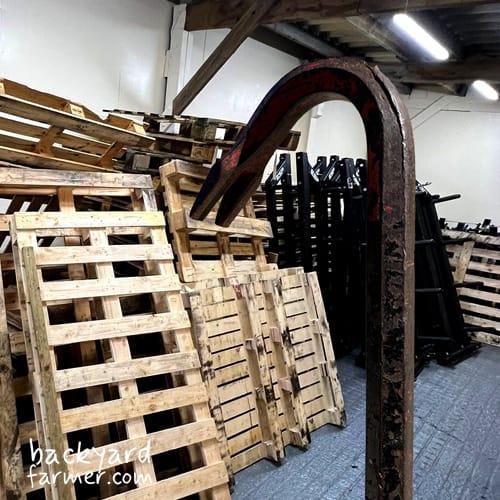
This is the simplest manual method and works well if you do not have power tools. It takes more patience, but it can save a lot of usable timber if you work slowly.
- Lay the pallet flat or secure it upright.
- Start at the edge and slide a pry bar between the deck board and stringer.
- Lift gently in short sections rather than pulling from one end.
- Tap the board back down lightly between lifts to loosen the nails.
- Remove or punch through the nails once the board is free.
Method 2 – Reciprocating Saw
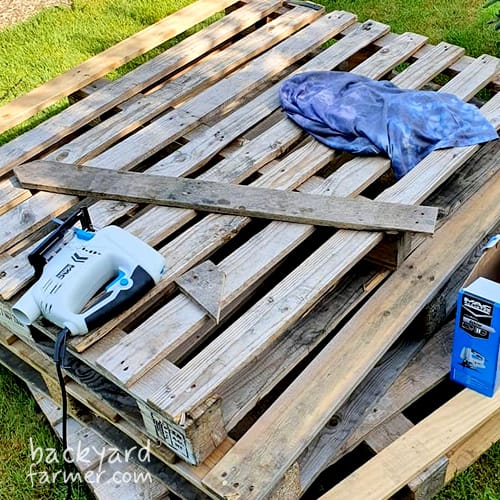
If you have one, this is usually the fastest and cleanest way to take a pallet apart without breaking the boards.
- Stand the pallet securely upright.
- Fit a reciprocating saw with a metal-cutting blade.
- Slide the blade between the deck board and stringer.
- Cut through the nails at each fixing point.
- Lift the board away and deal with any nail stubs afterwards.
This method keeps most of the wood intact and is often the best option if your main goal is to save the boards.
Method 3 – Pallet Breaker Tool
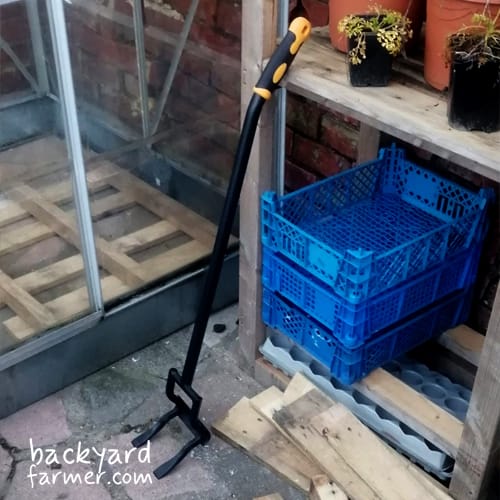
A pallet breaker, also called a pallet buster or deck wrecker, is designed specifically for this job. It is especially useful if you dismantle pallets regularly.
- Slide the prongs under the deck board.
- Push down on the handle to lift both sides evenly.
- Work along the board gradually instead of forcing it up in one go.
- Repeat across the pallet until the boards come free.
A pallet breaker gives more even pressure than a standard pry bar, which helps reduce splitting and bent boards. Be sure to check out our dedicated page to things you can build from pallet wood once you have a pile ready to use.
How to Take a Pallet Apart Without Breaking the Boards
If you want to keep the boards intact, the key is to work slowly and keep the pressure even. Most breakages happen when boards are forced from one end or pried up too quickly.
Work From the Outside In
Start with the outer boards first. They are usually easier to loosen and give you better access to the inner fixings.
Apply Even Pressure
Lift the board gradually in small sections rather than pulling hard from one end. If you are using a pry bar or pallet breaker, work along the length of the board to reduce the risk of splitting.
Loosen the Nails First
Nails cause most of the resistance. Before lifting fully:
- Tap the board back down lightly to loosen the nail heads
- Wiggle the pry bar from both sides
- Cut stubborn nails with a reciprocating saw instead of forcing them
Support the Board
If a board starts to flex, place a scrap block underneath as you lift. This helps spread the pressure and reduces the chance of snapping it.
Know When to Stop
If a board starts to split or bend badly, stop and change method. It is usually better to cut the nails or switch tools than force the wood and lose the board.
Gentle, steady movements will save more timber than brute force.
What to Do with Reclaimed Pallet Wood
Once the pallet is apart, you can reuse the boards for all sorts of simple DIY jobs at home or in the garden. Just make sure the wood is safe to use before building with it, especially for indoor projects, planters, or anything near food crops.
Garden Projects
- Raised beds and planters
- Compost bins
- Tool racks
- Potting benches
- Simple garden seating or tables
Home and Workshop Projects
- Shelving
- Wall storage
- Benches
- Rustic cladding or feature panels
Small Offcut Projects
- Birdhouses or insect hotels
- Signs
- Picture frames
- Coat racks or small storage pieces
Pallet wood is useful because it is free, easy to repurpose, and good for rough DIY builds where a bit of character does not matter. Sand it well, remove all nails, and only use clean, safe boards for indoor or garden projects.
FAQs: Taking Pallets Apart
Here are some of the most common questions people ask when learning how to take a pallet apart. These quick, practical answers will help you work smarter, stay safer, and get more usable wood from every pallet you reclaim.
Yes — but only for cutting through nails. Fit a metal-cutting disc and move carefully along the joins. Avoid grinding too close to the wood, as the heat can scorch or splinter it. Always wear gloves, safety glasses, and ear protection when using power tools.
The reciprocating saw method is often the best way to take pallets apart quickly and cleanly. It cuts straight through the nails while keeping the boards intact. If you prefer a quieter, manual method, use a pallet breaker tool — it’s efficient, low effort, and helps you take apart wood pallets without splitting them.
It’s known as a pallet breaker, pallet buster, or deck wrecker. The dual-pronged design lifts boards evenly, making it one of the most effective tools to take apart pallets without damaging the wood.
That depends on your tools and experience. Using a reciprocating saw or pallet breaker, you can dismantle a pallet in about 10–15 minutes. If you’re using only hand tools, expect around 30–45 minutes per pallet — slower, but ideal if you’re trying to save every board.
Yes, as long as it’s heat-treated (HT) and free from stains, paint, or oil. Avoid pallets marked MB (Methyl Bromide) — they were chemically treated and aren’t safe for indoor or food-use projects. When in doubt, choose clean, dry, HT-marked pallets.
Keep your boards stacked flat in a dry, well-ventilated area. Avoid damp ground or direct sunlight, which can cause warping. Before storing, sand rough edges, remove leftover nails, and group boards by size. Properly stored reclaimed pallet wood stays straight, clean, and ready for your next DIY pallet project.
Closing Thoughts
Learning how to dismantle a pallet is one of those small but useful skills that pays off fast. With the right pallet take apart tools, a steady hand, and a bit of patience, you can reclaim quality wood, cut costs, and reduce waste — turning old pallets into something new and sustainable like a wood store, or raised bed.