
Introduction
When I started what I now think of as Phase 2 of the Backyard Farm, I made a simple decision early on: I wanted to grow food without relying on chemical shortcuts.
No pesticides. No quick fixes. Instead, I wanted a healthier, more resilient garden built around natural systems — ones that could look after themselves over time.
That said, growing organically doesn’t mean growing without problems. Pests are still part of the picture and, in many UK gardens — especially in the North — slugs and snails can overwhelm young plants almost overnight.
At first, I tried the usual low‑impact options for natural pest control in the garden:
- Traps
- Barriers
- Deterrents
Some of these helped in the short term. However, they never dealt with the issue at its root and, before long, the pest pressure returned.
Because of that, I started looking beyond products and treatments and began thinking more in terms of ecosystems. Rather than constantly reacting to problems, I wanted to build a garden system that could regulate pests naturally and stay productive over time.
From there, keeping chickens for pest control felt like a logical next step — not as a novelty, but as part of a broader approach to chemical‑free gardening and organic food growing. Chickens offered a way to work with the garden rather than constantly fighting against it.
Chickens don’t just offer eggs. Instead, they scratch, forage, and actively reduce pest populations, helping with slug and snail control while also contributing to soil health and the wider garden ecosystem.
This article shares my early experience of bringing chickens into a food garden — what worked, what I learned along the way, and why using animals as part of a natural pest control system can play a genuinely valuable role in sustainable, small‑scale growing systems.
Continue your backyard chickens & wildlife journey
If you’re building nest boxes, these guides will help you with chicken care, wildlife integration, and creating spaces that benefit both poultry and beneficial garden species.
- What can I feed my backyard chickens? – A comprehensive guide to balanced and safe feeding for backyard chickens — helpful for overall flock health.
- How to keep chickens in the suburbs – Practical tips for raising backyard chickens successfully — great context for nest box planning and care.
- How to make your garden wildlife-friendly – Ideas for attracting and supporting beneficial wildlife while complementing your chicken area and nest box setup.
Why I Decided to Keep Chickens
The biggest pressure point in my garden wasn’t aphids or caterpillars — it was slugs and snails. In many UK gardens, particularly in the North, damp conditions create the perfect environment for them to thrive. As a result, seedlings would emerge healthy one day and be stripped back almost overnight, despite my best efforts.
Like most gardeners working towards chemical-free gardening, I started with the usual low-impact options for natural slug control. I tried:
- Barriers
- Traps
- Coffee grounds
- Crushed eggshells
- Copper tape
At first, some of these slowed things down. However, none of them offered a reliable, long-term solution, and the slug population always seemed to bounce back.
The problem became even more noticeable as invasive Spanish slugs began appearing locally. These larger, more aggressive slugs seemed largely unfazed by methods that had previously helped. At that point, it became clear I wasn’t dealing with a short-term nuisance — I was dealing with an imbalance in the garden ecosystem.
Rather than escalating deterrents or constantly intervening, I began to rethink the problem altogether. In natural environments, pest populations are kept in check through relationships, not products. Predators, forage cycles, and biodiversity all play a role in maintaining balance. Because of this, I started looking for a form of pest control that worked with the garden rather than against it.
That shift in thinking is what led me to keeping chickens for pest control. Instead of trying to exclude slugs from the garden entirely, I wanted a way to reduce pest numbers naturally, while also adding something productive back into the system. Chickens scratch through mulch, hunt insects, and consume slugs, snails, larvae, and eggs — helping control garden pests at multiple stages of their life cycle.
Importantly, keeping chickens wasn’t about turning them loose and hoping for the best. Instead, it was about managed integration — using animals deliberately, at the right times, and in the right places. Used this way, chickens become an effective form of natural pest control in the garden, rather than a new problem to manage.
Ultimately, this approach aligned perfectly with my goal of building a chemical-free garden that relies on systems rather than inputs — one where pest control becomes part of a wider, living balance rather than an ongoing battle.
Meet the Hens: Giblets & Apollo
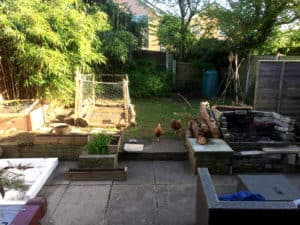
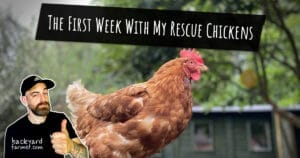
Meet Giblets and Apollo — the two hens now helping to keep the Backyard Farm in balance and playing an active role in natural pest control within the garden.
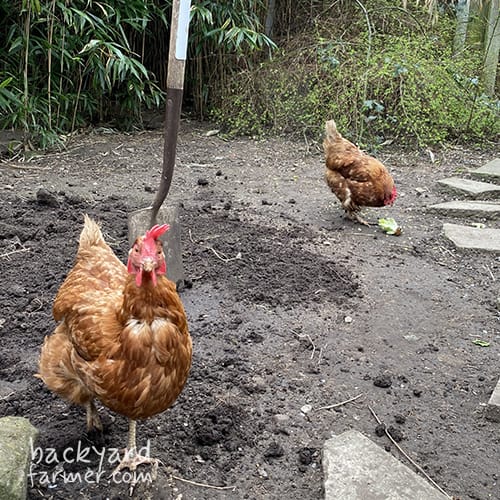
Naming animals might seem like a small thing. However, for me it matters. Giving them names was a simple reminder that these weren’t just tools for pest control or egg production. Instead, they were living animals joining the wider garden ecosystem, each with their own behaviour, routines, and quirks.
In the early days, their personalities quickly began to show. One was bolder and more inquisitive, while the other was more cautious and observant. As a result, watching them explore their new surroundings — scratching through mulch, foraging through soil, and investigating corners of the garden — made it clear how instinctively chickens interact with their environment.
At the same time, seeing them up close was a confronting experience. Their condition told a story long before I knew the details of their background. Patchy feathers, pale combs, and hesitant movements are things many people never associate with the eggs they pick up from a supermarket shelf, or think about when considering backyard chickens.
That contrast felt important. Because of it, the project stayed grounded in reality and reinforced why I wanted food production at home to remain connected to animal welfare and ethical choices, rather than separated from them. Giblets and Apollo weren’t just additions to the garden — they became reminders of the wider food systems we all rely on, and why small-scale, humane food growing still matters.
As they settled in, it also became clear that their role would extend beyond pest control or egg laying. Over time, simply having chickens in the space changed how the garden felt — more active, more dynamic, and noticeably more alive — reinforcing the value of animals as part of a balanced, sustainable growing system.
Where Giblets & Apollo Came From (Battery Hen Rescue)
Giblets and Apollo weren’t bought from a breeder or hatchery. Instead, they were rescued battery hens, removed from a commercial egg‑laying system once their productivity began to drop.
In large‑scale egg production, hens are typically kept in tightly controlled indoor environments designed to maximise output. Lighting, feed, and space are carefully managed to push consistent laying. As a result, this often comes at the expense of the birds’ long‑term health and natural behaviour. When egg production slows, many hens are then considered no longer viable within the system.
At that point, battery hen rescue schemes step in, rehoming birds that would otherwise be culled. For small gardens and backyards, adopting rescued battery hens offers a practical way to give animals a second chance while also supporting ethical egg production and more humane food growing.
These hens often arrive with their history written on their bodies. Feather loss, pale combs, weak muscle tone, and cautious behaviour are common. However, none of this reflects neglect by individual keepers. Rather, it’s a direct outcome of how industrial poultry systems are designed to operate.
I’m an animal lover, but I also accept the realities of eating animal products. For me, that means taking responsibility for how those products are produced. If an animal is going to contribute to my food system, I want its life to be as good as possible — not just efficient.
Rescuing battery hens felt like a practical way to close that gap. Now, Giblets and Apollo have space to move, dust‑bathe, forage, and behave like chickens again. In return, they contribute eggs, natural pest control, and fertility back into the garden ecosystem.
Ultimately, this exchange — care in return for contribution — sits at the heart of how I want the Backyard Farm to function: ethical, transparent, and grounded in real relationships between people, animals, and land.
Common Health Issues in Rescued Battery Hens
Rescued battery hens often arrive needing time, patience, and supportive care. In many cases, the issues they show aren’t illnesses in the usual sense. Instead, they’re the physical effects of intensive egg production systems and industrial poultry farming. Understanding what’s normal — and what simply takes time to heal — helps set realistic expectations, especially for anyone new to keeping rescued battery hens.
Feather Loss and Moulting
One of the most visible issues in rescued battery hens is patchy or missing feathers. In commercial egg systems, hens are kept under artificial lighting to maximise output. As a result, their natural rhythms are disrupted and normal moulting cycles are often suppressed.
Instead of regularly replacing feathers, energy is diverted into continuous laying. Consequently, hens are left with thin plumage, bald patches, and poor feather quality. Once they’re removed from these conditions and given proper nutrition, space, and natural daylight, feathers usually begin to return. However, full recovery can take several months.
Stress, Pecking Order, and Behavioural Recovery
Chickens are social animals with clear hierarchies. When space is limited or conditions are unnatural, these behaviours can become distorted. Feather pecking and defensive habits are common, particularly when birds are first rehomed from intensive systems.
Over time, as rescued hens settle into calmer environments with room to move, dust-bathe, and forage, these behaviours often reduce naturally. In addition, establishing routine, providing visual barriers or hiding spaces, and allowing a natural pecking order to form all help support behavioural recovery.
Muscle Weakness and Movement
Battery hens are often kept with little opportunity to walk, perch, or stretch fully. Because of this, they may appear unsteady or reluctant to move when first introduced to outdoor areas or garden spaces.
Gradual exposure to varied ground, gentle encouragement to explore, and access to perches all help rebuild strength. In most cases, improvement becomes noticeable within weeks, as confidence and coordination return and muscles begin to develop.
What to Expect in the First Few Months
Recovery is rarely instant. Feather regrowth, strength, and confidence all happen at different rates, so progress can feel uneven at times.
Early signs of improvement often include:
- Increased curiosity and natural foraging behaviour
- Brighter comb colour and improved circulation
- Stronger legs and steadier movement
- Gradual feather regrowth and improved plumage
With consistent care and realistic expectations, most rescued battery hens go on to live healthy, productive lives. Given time and space, they often become some of the most resilient and rewarding birds to keep — reinforcing the value of battery hen rescue as part of ethical, small-scale food growing.
Are Chickens Good Pest Control in a Vegetable Garden?
In short, yes — chickens can be very effective pest control, but only when they’re used thoughtfully. They aren’t a set‑and‑forget solution. Instead, they work best as part of a wider garden ecosystem and a broader approach to natural pest control in the garden.
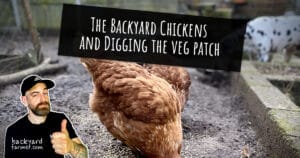
Chickens are natural foragers. When they have access to soil, mulch, composting areas, and garden paths, they instinctively scratch and hunt for food. As they do, they consume a wide range of common garden pests and, just as importantly, interrupt pest life cycles before populations can build up.
Pests Chickens Commonly Help Control
When managed correctly, chickens are particularly effective at controlling garden pests naturally, including:
- Slugs and snails
- Insect larvae and eggs
- Caterpillars
- Beetles
- Flies and maggots
- Ticks and fleas
By targeting pests at multiple stages — adults, larvae, and eggs — chickens help reduce overall pest pressure, rather than simply reacting to visible damage once it’s already done.
Why Chickens Work Where Other Methods Fall Short
Many organic pest control methods focus on exclusion or deterrence. While these approaches can help, they often leave the underlying population untouched. Chickens, by contrast, actively remove pests from the system, making them an effective form of biological pest control.
They scratch through leaf litter, turn over mulch, and expose hidden larvae that would otherwise remain protected. Because of this, chickens are particularly useful in areas where slugs and insects overwinter, such as vegetable beds, borders, and garden paths.
The Importance of Management
Chickens are effective pest control only when their access is managed. Left to roam freely for long periods, they’ll happily move from pests to plants — especially tender leaves, seedlings, and fruit.
For that reason, short, controlled sessions in the vegetable garden work best. By limiting access, chickens stay focused on foraging for pests rather than grazing crops, while still delivering meaningful and consistent pest reduction.
Used this way, chickens become active contributors to a healthy garden ecosystem rather than a source of new problems. Ultimately, this reinforces the idea that using chickens for pest control works best when it’s integrated, intentional, and balanced — not rushed or unmanaged.
Using Chickens Without Destroying Your Crops
One of the most common worries about introducing chickens into a food garden is the fear that they’ll undo months of work in a single afternoon. That concern isn’t unfounded — chickens will happily eat salad leaves, scratch around roots, and sample ripe fruit if they’re given free rein, especially in a vegetable garden.
However, the solution isn’t exclusion. The real key is control and timing. Chickens don’t need constant access to be effective. In fact, they work best as part of a managed approach to using chickens for pest control, where their behaviour is guided rather than left unchecked.
Controlled Access Works Best
Rather than letting chickens roam freely all day, short, focused sessions are far more productive. When access is limited, chickens stay busy foraging for insects, larvae, and slugs, supporting natural pest control in the garden instead of settling into grazing behaviour.
Allowing chickens into beds:
- Before planting
- After harvest
- During seasonal clear-ups
helps reduce pest pressure naturally without putting crops at risk or damaging soil structure.
Protecting Beds and Vulnerable Plants
Simple physical barriers make a big difference. Low fencing, netting, or temporary bed covers allow chickens to work around crops while still contributing to controlling garden pests naturally.
Young seedlings, leafy greens, and soft fruit are especially vulnerable and benefit from extra protection. Once plants are established and tougher, the risk drops. Even so, supervision still matters — particularly in smaller gardens.
Rotation and Observation
Moving chickens between areas prevents over-scratching and gives soil time to recover. At the same time, rotational access spreads fertility more evenly and avoids compacting or stripping any one section of the garden ecosystem.
Observation is just as important as infrastructure. By watching how chickens behave in different spaces, you can fine-tune timing and access. Every garden is slightly different, and learning when to step in is simply part of using animals successfully for natural pest control.
Ultimately, when managed this way, chickens become a support rather than a liability. They reduce pests, improve soil health, and interact with the garden without dominating it — reinforcing the idea that successful pest control in a vegetable garden is about integration, balance, and intention, rather than constant intervention.
What Chickens Need: Beginner Basics
Chickens are often described as low‑maintenance animals, and in many ways that’s true — once the basics are in place. Most problems don’t come from complexity. Instead, they usually come from missing one or two core needs, especially for people new to backyard chickens.
Keeping things simple and consistent goes a long way. Chickens don’t need constant attention. However, they do rely on daily care and a setup that allows them to behave naturally, which is essential when keeping chickens in the garden.
Space and Shelter
Chickens need two main spaces: a secure coop for sleeping and laying, and an outdoor area where they can move, scratch, and forage. Adequate space supports natural behaviour and reduces stress, particularly in small gardens.
As a general guide:
- 2–3 square feet per bird inside the coop
- 8–10 square feet per bird outdoors
Adequate space helps reduce stress, feather pecking, and boredom. As a result, overall health, behaviour, and egg laying tend to improve.
Shelter should be:
- Dry and well‑ventilated
- Secure from predators
- Dark enough for laying
Food and Water
Access to fresh water is non‑negotiable. Chickens drink more than many people expect, particularly in warm weather or when laying regularly.
A good‑quality layers feed should form the foundation of their diet. This way, birds get balanced nutrition without guesswork, supporting health and consistent egg production. Extras like vegetable trimmings and garden waste can supplement this. That said, they shouldn’t replace a complete feed.
Roosting and Nesting
Chickens instinctively roost off the ground at night. Because of this, sturdy perches inside the coop support natural behaviour and help keep birds comfortable and calm.
Nest boxes give hens a quiet, sheltered place to lay. In most cases, one box for every two to three hens is sufficient for small‑scale and backyard chicken keeping.
Daily Care vs Ongoing Maintenance
Daily tasks are simple and predictable:
- Checking food and water
- Letting birds out and securing them at night
- Quick health checks
Ongoing tasks happen less often:
- Cleaning the coop
- Replacing bedding
- Checking fencing and security
With a sensible setup, chicken keeping quickly becomes part of a routine rather than a chore. Over time, once their basic needs are met, chickens prove to be surprisingly resilient and easy to care for — making them well suited to backyard chickens UK, small gardens, and sustainable food‑growing systems.
Feeding Chickens for Health and Egg Production
What chickens eat has a direct impact on health, behaviour, and egg quality. Chickens will happily peck at almost anything. However, a good diet is really about consistency and balance, not variety for its own sake — especially when keeping backyard chickens.
For backyard chickens — and particularly for rescued battery hens — feeding well supports recovery, steadier laying, and long-term resilience. In other words, nutrition underpins almost everything, from day-to-day behaviour to reliable egg production.
A Solid Base Diet
A good-quality layers feed should form the foundation of a chicken’s diet. Complete feeds are designed to provide the right balance of protein, energy, vitamins, and minerals needed for regular egg-laying, without placing unnecessary strain on the birds.
For laying hens, calcium is particularly important. Many feeds already include it. That said, offering oyster shell or limestone grit separately allows hens to regulate their own intake, which helps produce stronger, more consistent eggshells and supports healthy egg production.
Supplementing With Scraps and Garden Waste
Kitchen scraps and garden trimmings can be a useful addition to a chicken’s diet. However, they work best as supplements, rather than replacements for a complete feed — particularly when keeping chickens in the garden.
In moderation, chickens generally enjoy:
- Vegetable peelings
- Leafy greens
- Cooked root vegetables
- Apples (cores removed)
- Broccoli and cabbage
Scraps also encourage natural foraging behaviour. As a result, birds stay more active, curious, and engaged, which supports both wellbeing and natural feeding habits.
Foods to Avoid
Some foods can cause digestive upset or interfere with nutrient balance, so they’re best avoided — even in small amounts.
- Raw green potato peelings
- Citrus fruits in large amounts
- Salty or highly processed foods
- Mouldy leftovers
When in doubt, moderation is key. If something wouldn’t form part of a balanced diet, it’s usually better left out.
Eggs as a Secondary Benefit
Fresh eggs are one of the most rewarding parts of keeping chickens for eggs. Even so, they’re best seen as a by-product of good care, not the main goal.
Healthy hens lay more consistently, produce better-quality eggs, and cope more easily with seasonal changes. By focusing on nutrition first, egg production tends to take care of itself — reinforcing the idea that productivity follows welfare, not the other way around.
What I’ve Learned So Far
Bringing chickens into the garden has reinforced something I’ve come to appreciate more with every season: there are no shortcuts in natural systems. Chickens aren’t a silver bullet for pests, and they don’t remove the need for observation or management. Instead, what they offer is balance — especially when using chickens for pest control as part of a wider system.
When used thoughtfully, chickens reduce pest pressure, improve soil health, and add fertility back into the garden ecosystem. More importantly, they change how you interact with the garden. Rather than constantly reacting to problems, you begin to anticipate cycles — when pests emerge, where they overwinter, and how different elements support natural pest control in the garden.
Caring for animals also adds a layer of responsibility that naturally sharpens awareness. As a result, feeding, sheltering, and observing chickens encourages a slower, more attentive approach to food growing. Over time, it becomes harder to see the garden as a set of outputs and easier to see it as a living system working together.
Ethics and productivity don’t have to be in conflict. In practice, healthy, well‑cared‑for chickens lay better eggs, recover more quickly, and contribute more reliably to the garden as a whole. Welfare isn’t a trade‑off — it’s part of what makes sustainable food growing work, particularly in small‑scale and chemical‑free gardening systems.
Most of all, adding chickens has made the garden feel more complete — more active, more alive. Over time, pest control has shifted away from fighting nature and towards working with it, helping to build a small ecosystem that can largely support itself.
For anyone considering chickens as part of chemical‑free gardening or organic food growing, my advice is simple: start small, observe closely, and be willing to adapt. After all, learning how systems respond is an ongoing process — and that’s part of the appeal.