
Natterjack toads are one of those species you hear about a lot, but rarely actually see. On paper, they’re one of the UK’s rare amphibians. In reality, the natterjack toad population in the UK hangs on in very specific conditions — and even when you’re standing in what looks like perfect ground, they might not be there at all.
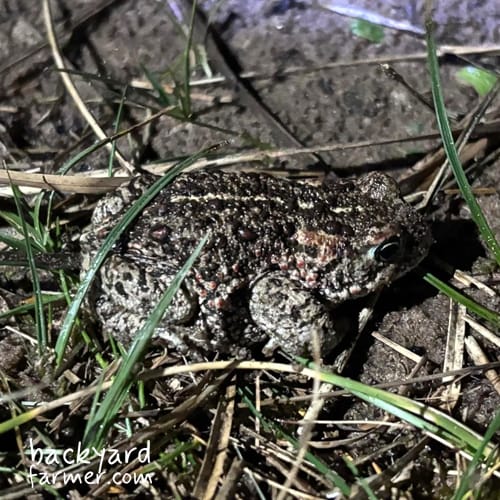
Along parts of the UK coast — especially within dune systems — they persist in small, fragile pockets. Spend a bit of time walking those areas and it becomes obvious why. The habitat shifts constantly. A few warm days, a bit of wind, a slight change in how water sits — and things can tip out of balance quickly.
That’s the key thing most guides miss. This isn’t a species you can just “make space for” in the usual way. The natterjack habitat in the UK depends on has to line up almost exactly — water, sand, temperature, and timing — and even then, it doesn’t always work.
In this guide, we’ll look at where natterjack toads live in the UK, how dune slacks actually behave on the ground, and why they’re one of the hardest coastal amphibians to properly support.
What Is a Natterjack Toad? (UK Overview)
The natterjack toad population is small, scattered, and quite particular about where it lives. It’s not like the common toads you’ll find in garden ponds or shaded corners inland. These are coastal specialists, and they behave differently because of it.
They’re built for open, shifting ground — the sort of places most other amphibians avoid. And once you’ve seen the kind of habitat they use, it makes sense why they don’t turn up just anywhere.
A quick way to recognise one in the wild
The easiest giveaway is the thin yellow stripe running down the middle of its back. It’s not always bright, but once you clock it, it stands out straight away against the sand.
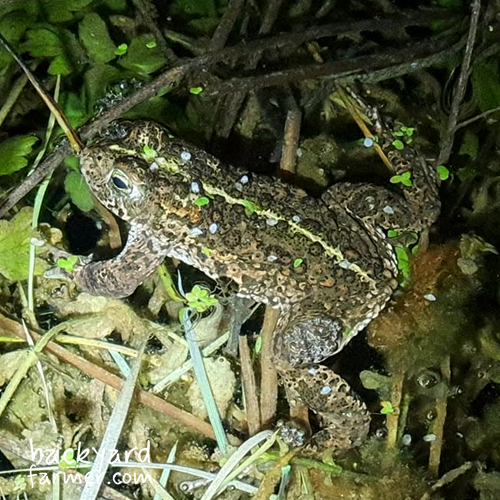
They’re also smaller and a bit more compact than common toads. Instead of a slow plod, they move with a quicker, almost hurried crawl — especially on open ground.
If you’re out near dunes on a still evening in spring, you’re actually more likely to hear them first. The males make a loud, rasping call that carries surprisingly far — once you’ve heard it, you’ll recognise it every time.
How they differ from common toads
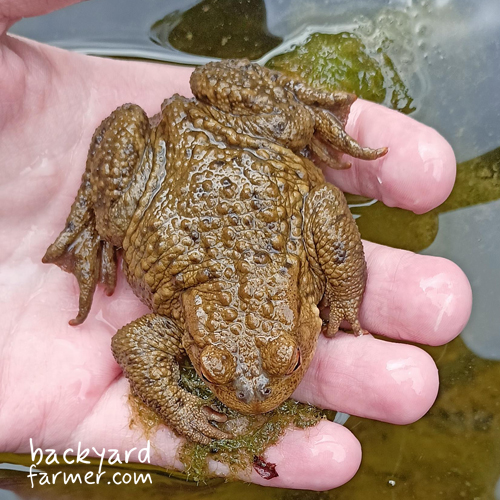
The main difference isn’t just how they look — it’s how they use the landscape.
Common toads will happily use deeper ponds, shaded areas, even built-up garden spaces. Natterjacks won’t. They need shallow, temporary pools that warm up quickly, usually out in open sandy ground.
That alone rules out most of the UK.
They’re also far less tolerant of change. A common toad will adapt if conditions shift. A natterjack usually won’t — if the setup isn’t right, they simply don’t use it.
Where you’ll realistically find them in the UK
If you’re looking for natterjack toads in the UK, you’re mainly looking at coastal dune systems — places where sand is still moving, water collects in shallow dips, and the ground hasn’t fully settled.
There are a few inland sites, but they’re the exception, and most are actively managed to keep conditions right.
Along stretches like the Wirral, Sefton coast, and parts of Cumbria, you’ve got the right ingredients — at least in patches. But even there, it’s hit and miss.
You can walk straight through what looks like ideal ground and see nothing at all. Then a few hundred metres on, something shifts slightly — a bit more water held, a bit more exposed sand — and that’s where they are.
The Peak Cluster Carbon Capture project currently threatens Natter jacks along the coast of the Wirral, learn more about Peak Cluster here.
Natterjack Habitat UK: Why They Depend on Dune Systems
If there’s one thing that decides whether natterjack toad populations exist somewhere or not, it’s the habitat. And in practice, that nearly always comes back to coastal dune systems.
On paper, it sounds simple — shallow pools, sandy ground, open space. But once you’re actually out there, you realise how specific the natterjack habitat really is. Most places miss it by a small margin, and that’s enough.
What are dune slacks? (simple explanation)
Dune slacks are the low points between sand dunes where water collects. After rain — or when the water table is high — these dips fill up and form shallow pools.
They don’t look like much. Often it’s just a thin sheet of water over sand, sometimes with a bit of vegetation creeping in. But for natterjacks, that’s exactly the point.
The key thing is that these pools are temporary. They’re not permanent ponds. They come and go depending on rainfall, groundwater, and how the dunes shift over time.
The role of shallow, temporary pools
Natterjacks rely on these shallow pools for breeding. And shallow really does mean shallow — sometimes only a few centimetres.
Because the water is so thin, it warms up quickly. That warmth speeds up tadpole development, which is critical in a habitat that doesn’t stick around for long.
However, that’s the trade-off. The same conditions that help them grow quickly also mean the pool can disappear just as fast.
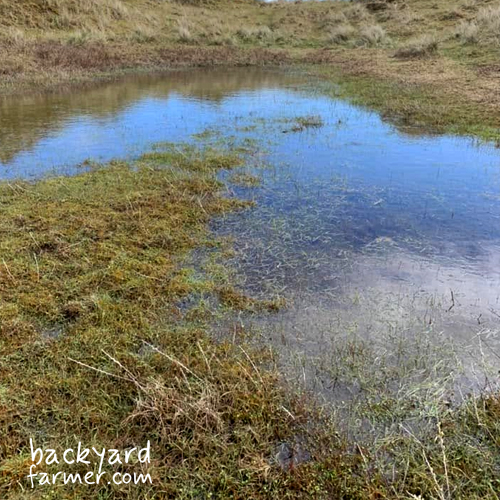
It’s a constant balance:
- too deep and cold → development slows
- too shallow and exposed → the pool’s gone before they’re ready
That balance is where most sites fail.
Why sandy, open ground matters more than you’d think
You’ll notice natterjack areas are usually quite bare. Not much tree cover, not dense vegetation — just open sand with patches of grass and low plants.
That openness matters. It lets sunlight hit both the ground and water, keeping temperatures up. It also makes it easier for the toads to move and find breeding spots.
Once an area starts to stabilise — more vegetation, less exposed sand — it often becomes less suitable, even if it still looks healthy from a distance.
How coastal wind, salt, and movement shape the habitat
Coastal dunes aren’t stable environments. Wind shifts sand, salt spray limits what can grow, and the whole landscape moves over time.
That constant movement is actually what keeps the habitat usable. It stops the system from becoming too overgrown or settled.
At the same time, it keeps everything on a bit of a knife edge. A few seasons of change — less wind, slightly different rainfall, more vegetation creeping in — and the balance can tip.
That’s why natterjack habitat in the tends to exist in small, patchy areas rather than long, continuous stretches. It’s there, but only where everything lines up just right.
Dune Slacks in Real Life (Not the Textbook Version)
This is the bit most guides gloss over. On paper, dune slacks sound reliable — low points that hold water, ideal for breeding. In reality, they’re anything but consistent.
Spend a bit of time walking them and you’ll see it straight away. The same slack can look spot-on one week, then be bone dry the next. A few warm days, a bit of breeze, and it’s already pulling back.
How quickly pools appear — and disappear
After decent rain, water can sit in the slacks almost overnight. You’ll get shallow sheets forming across the sand, sometimes linking up into wider patches.
But it doesn’t last. Give it a few days of sun and a bit of wind, and the edges start shrinking. Then you’re down to a few pockets, and then nothing at all.
If you’re thinking in terms of ponds, you’re thinking wrong. These are more like temporary skins of water that come and go quickly.
Good years vs bad years (weather impact)
Some seasons line up nicely — regular rain, mild temperatures, not too much wind. Pools hold just long enough and you get decent breeding success.
Other years, it just doesn’t happen. Either it’s too dry and the slacks never really form, or it’s wet early on and then dries out too quickly right when it matters.
From the outside, the natterjack habitat might look fine. But if the timing’s off, that’s enough to wipe out a season.
Why a “perfect-looking” site often isn’t suitable
You notice this pretty quickly on the ground. You’ll come across areas that look ideal — shallow dips, open sand, a bit of water — but there’s no sign of activity.
Usually it comes down to something small:
- water not holding quite long enough
- a bit too much vegetation creeping in
- slightly cooler or shaded ground
It doesn’t take much. The margins are tight, and most sites sit just outside them.
The narrow window for breeding success
Once eggs are laid, everything is on a timer.
Tadpoles need warm, shallow water and enough time to develop before the pool disappears. If the water drops too soon, that’s it for that batch.
And because everything depends on short-term conditions, success can swing massively from one year to the next — even on the same stretch of coast.
That’s why these habitats can look fine on a map or in a report, but on the ground they’re far more fragile and unpredictable than they seem.
Why Natterjack Toads Are Rare in the UK
Once you’ve spent time on these sites, the rarity stops being surprising. It’s not just low numbers — it’s that the conditions they rely on are scarce, fragile, and easy to tip out of line.
Natterjacks aren’t generalists. If the setup isn’t right, they don’t hang around. And across most of the UK, that setup either no longer exists or only works in small pockets.
Loss of coastal habitat and dune systems
Large stretches of dune habitat have been reduced, reshaped, or built around. What’s left is often fragmented — short runs of suitable ground rather than long, connected systems.
That fragmentation matters. It limits movement between sites, slows recovery, and makes each pocket more vulnerable to local change.
Even where dunes remain, they’re not always functioning in a way that suits natterjacks.
Stabilisation of dunes (and why that’s a problem)
Stabilising dunes might protect the coastline, but it often works against this species.
As dunes settle, vegetation builds up. Grasses thicken, scrub creeps in, and exposed sand starts to disappear. Over time, fewer slacks form and the ones that do tend to behave differently.
From a distance, it can still look like healthy habitat. On the ground, it’s often just a bit too stable — and that’s enough to reduce breeding opportunities.
Human pressure: paths, dogs, development
Coastal areas take a lot of use. Paths widen, ground gets compacted, and dogs move straight through wetter slack areas.
None of it looks dramatic on its own. However, over time it changes how water sits, how quickly areas dry, and how vegetation spreads.
Then you’ve got development — anything from access works to larger infrastructure — which can subtly alter drainage and ground levels. Those small shifts are often what matter most.
Why inland habitats rarely replace coastal ones
There are inland sites where natterjacks are supported, but they’re usually managed systems, not natural ones.
They often need ongoing work — cutting back vegetation, controlling water levels, maintaining open ground. Without that input, they drift away from what the toads need.
Coastal dune systems, when they’re functioning properly, do a lot of that on their own.
That’s why replacing lost habitat isn’t straightforward. You can recreate parts of it, but getting all those moving pieces — water, sand, timing — to line up naturally is a different challenge altogether.
Why They’re So Difficult to Support or Relocate
This is where things usually fall apart. It’s one thing to understand what natterjacks need on paper — it’s another trying to recreate or move that setup somewhere else.
A lot of mitigation plans sound neat enough: dig a few scrapes, keep vegetation down, maybe move individuals under licence. However, once you’ve seen how tight the margins are on site, you realise how easy it is to miss the mark by a small amount.
And with natterjacks, a small miss is often enough for it not to work.
Specific breeding conditions (temperature, depth, timing)
For breeding to come off, everything has to line up at the right moment. The water needs to be shallow enough to warm quickly, but not so shallow that it disappears within a few days.
Temperature is a big one. Even slight differences — a touch more shade, slightly deeper water — can slow development just enough to cause problems later on.
Then there’s timing. If pools form a bit too early, or a bit too late, it throws the whole cycle out.
Tadpoles vs drying pools — a constant race
Once eggs are laid, it’s basically a race against the habitat.
Tadpoles need to grow fast while the water is still there. In a good slack, they just about make it. In a poor one, the edges start pulling back too quickly and you’re left with stranded pockets.
If you’re watching it day to day, you can actually see the water retreat. It doesn’t take long.
That’s why even small shifts in water level or ground shape can have a knock-on effect.
Why moving them isn’t straightforward
On paper, relocating a species sounds like a fix. In reality, you’re not just moving animals — you’re trying to drop them into a system that behaves the same way as the original site.
And that’s the hard part.
If the new ground doesn’t hold water in quite the same way, or warms differently, or carries slightly more vegetation, it can fail quietly over time.
You might still find toads there, but breeding success tails off — which is what actually matters long-term.
Habitat recreation: why it often falls short
Creating habitat is possible, but getting it to behave properly is another thing.
You can shape shallow pools, strip back vegetation, and open up sand. However, replicating natural dune dynamics is difficult. Wind movement, groundwater levels, and seasonal swings all play a part.
Without that natural movement, sites often either stabilise too quickly or become a bit too predictable — neither of which suits natterjacks.
That’s why many recreated areas need ongoing input just to stay usable. And even then, results can swing from year to year depending on conditions.
Legal Protection in the UK (Plain English)
Natterjack toads are legally protected in the UK. However, it’s easier to understand what that actually means on the ground rather than getting lost in legal wording.
In simple terms, if they’re present, the site can’t just be treated like any other bit of land. The protection isn’t just about the toads themselves — it extends to the breeding habitat they rely on.
What you can’t do (without getting into legal jargon)
You can’t:
- harm or deliberately disturb them
- damage or destroy breeding sites
- move them without the right licences
That includes things people don’t always think about — like changing ground levels, draining shallow pools, or altering how water moves through a site.
It doesn’t take much either. A small change in how a slack holds water can be enough to affect whether it works at all.
Why developments get flagged when they’re present
If natterjacks are known — or even suspected — in an area, developments usually trigger ecological surveys.
That’s because the risk isn’t just direct harm. It’s the knock-on effect on the habitat. Shift the drainage slightly, compact the sand, or reshape a dip, and you can lose the exact conditions they rely on.
From the outside, everything might still look fine. But it’s those subtle changes that tend to cause problems.
How surveys and mitigation usually work (briefly)
Surveys tend to focus on presence, breeding activity, and habitat condition. They’re usually timed carefully, because if you miss the right window, you won’t see much.
If natterjacks are confirmed, mitigation might include:
- creating or restoring nearby habitat
- managing existing dune slacks
- timing works to avoid breeding season
In some cases, licensed relocation is used. However, as covered earlier, moving them is only part of the issue. The new habitat still has to behave in the right way — and that’s where things often fall short.
So while protection exists on paper, in practice it comes down to whether the habitat is properly understood and handled on the ground. That’s usually where the real difference is made.
Development, Coastal Change & Natterjacks
This is where you start to see the impact more clearly. Look at any stretch of coast that’s had work done — even fairly minor changes — and you can usually spot how the balance has shifted.
It’s rarely one big, obvious change. More often it’s a series of small adjustments that, together, alter how water moves and sits across the site.
What happens when habitat is disturbed
Even light disturbance can change how a slack behaves. Compact the sand a bit and water won’t soak or hold in quite the same way. Nudge the surface levels and you shift where water collects.
From a distance, it can still look untouched. On the ground, though, the pooling pattern is different — and that’s what matters.
Over time, those small shifts can mean fewer suitable breeding spots, or none at all in a given season.
Pipelines, coastal builds, and ground disruption
Anything involving digging, trenching, or regrading has the potential to disrupt the system.
It’s not just the footprint of the work. It’s how it affects drainage, groundwater movement, and the subtle dips that form dune slacks.
You can end up with areas that still hold water, but not in that shallow, fast-warming way natterjacks rely on. On paper it still looks like habitat. In practice, it behaves differently.
Why “replacement habitat” isn’t a quick fix
A common approach is to create new habitat nearby — shallow scrapes, managed slacks, cleared patches of sand. And sometimes that works, to a point.
However, it often lacks the variability of natural dunes. The way wind reshapes sand, how water levels rise and fall, the slight differences across a site — that’s hard to recreate.
So you end up with habitat that looks right but doesn’t perform the same year to year. That’s usually where things start to fall off.
The knock-on effect on wider wildlife systems
Natterjacks sit within a wider coastal system — insects, birds, plants — all tied into the same conditions.
When those conditions shift, it doesn’t just affect one species. You start to see broader changes: fewer insects in wetter areas, different plant cover, changes in bird activity.
That’s often the bigger signal. If the ground stops behaving like a dune system, everything that depends on it starts to drift away as well.
Natterjacks and the Wider Coastal Ecosystem
Once you start noticing natterjack sites properly, you realise it’s never just about the toads. They sit right in the middle of a wider coastal system — and that system only works when things stay a bit rough and unsettled.
These aren’t tidy habitats. They’re shifting, patchy, and constantly changing — which is exactly why so many different species manage to slot into them.
Connection to insects, birds, and plant life
Those shallow, temporary pools don’t just support tadpoles. They’re full of insect life — larvae, midges, small beetles — and that draws in birds and other predators.
Around the edges, you’ll find specialist plants that can handle the wet–dry cycle. Nothing lush — just tough, low-growing species that come and go with the conditions.
It’s all linked. If the pools don’t form properly, insect numbers drop. Then bird activity shifts. You start to notice it pretty quickly once you’re looking for it.
Why dune systems are more alive than they look
At first glance, dunes can look almost empty — just sand, a bit of grass, maybe some scrub. However, once you slow down, there’s a lot going on.
Tracks across the sand, movement at dusk, insects lifting as you walk through. It’s subtle, but it’s active.
That’s why these systems don’t respond well to being overly managed or tidied up. A bit of mess and movement is what keeps them working.
How losing one species signals a bigger issue
Natterjacks are a good indicator of how well the system is functioning. If they’re breeding successfully, it usually means the water, ground, and timing are lining up.
If they start dropping off, it’s rarely just about the toads. It usually means something has shifted — maybe the slacks aren’t holding water the same way, or the dunes have become a bit too stable.
You might not notice it straight away, but over time other species tend to follow the same pattern.
That’s why they’re worth paying attention to — not just as a rare UK amphibian, but as a signal of how the wider coastal habitat is behaving.
Can You Support Natterjack Toads Locally?
Short answer — not in the way most people expect.
These aren’t like frogs or common toads where you can add a pond and hope they turn up. Natterjacks are tied to coastal dune systems, and without those conditions, they simply don’t use a site.
Realistic expectations (this isn’t a garden species)
You’re not going to attract natterjack toads into a garden or allotment. Even if you build a shallow pond, it won’t behave like a dune slack.
The water won’t warm and dry in the same pattern, the ground won’t shift, and the wider habitat just isn’t there.
That’s why you don’t see them spreading inland naturally.
What actually helps: protecting existing habitat
The biggest impact comes from protecting the habitat that already exists.
That means keeping dune systems open, shifting, and a bit unpredictable. Once those areas are altered or lost, they’re very difficult to replace properly.
Even small things help:
- stick to established paths
- keep dogs out of wetter slack areas where possible
- avoid disturbance during the breeding season
On their own, they seem minor. Over time, they add up.
Supporting coastal conservation efforts
Many natterjack sites are actively managed — clearing vegetation, maintaining slacks, monitoring populations.
Backing those efforts (even just by being aware of them and respecting site guidance) tends to make more difference than trying to recreate habitat elsewhere.
It’s not always visible work, but it’s what keeps populations ticking over year to year.
Why leaving things alone is sometimes the best option
It sounds counterintuitive, but sometimes the best approach is to leave the system to do its thing.
These habitats rely on natural processes — wind, water movement, seasonal swings. Over-managing or trying to “improve” them can tip things the wrong way.
A slightly rough, shifting landscape is exactly what natterjacks need. Once it becomes too stable or controlled, it starts working against them.
Final Thoughts: A Species That Only Works in the Right Conditions
Natterjack toads in the UK aren’t rare by accident. They only work where a very specific set of conditions comes together — and most places just don’t quite meet that mark.
Once you’ve walked these dune systems a few times, you start to see how fine the margins are. A few dry days at the wrong time, a bit too much vegetation, a slight shift in how water sits — and things stop lining up.
That’s what makes them so difficult to protect properly. It’s not just about the toads themselves. It’s about keeping a whole coastal system behaving the way it should — open, shifting, and a bit unpredictable.
And when that system is working, you notice it. Not just in the presence of natterjacks, but in everything around them — the insects, the birds, the movement across the sand.
Lose that, and it’s not just one species that goes quiet.