
Introduction: What This Bag Is Really For
If you spend more time harvesting food than hiking miles, the Barebones Harvesting & Gathering Bag quickly starts to make sense. It’s designed for people who are constantly stopping, bending, picking, and moving on, rather than covering long distances or chasing ultralight setups.
In practice, this is a working harvest bag, not a hiking pack. As a result, it’s particularly well suited to:
- gardeners and allotment holders
- orchard and fruit pickers
- casual foragers working close to home
Because of that, it’s the sort of harvesting bag you wear while moving steadily along rows, reaching into hedges, or gathering from the ground. Once it’s full, you simply empty it straight into a crate or bucket and carry on working. Consequently, the overall workflow stays smooth and efficient.
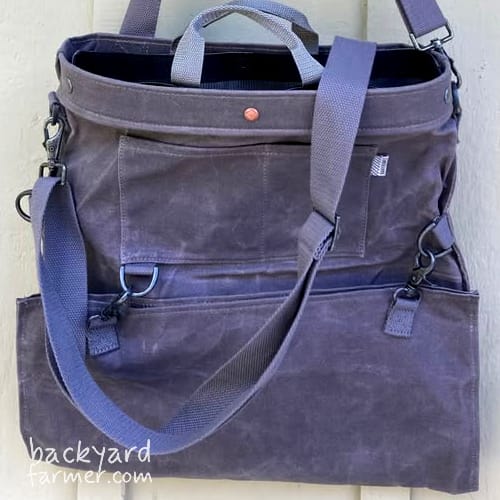
That distinction matters. This bag isn’t trying to replace a backpack or a traditional foraging basket. Instead, it sits comfortably in the middle ground between common options:
- more structured and durable than a basic tote or sack
- more practical for active harvesting than a rigid basket
- easier to work with than juggling multiple loose bags
So, if your foraging or harvesting happens close to home, the garden, or a nearby woodland, and you value easy access, clean unloading, and long-term durability over lightweight minimalism, this foraging and harvesting bag is very much aimed at you.
On the other hand, if you’re planning long hikes, want an ultralight setup, or need to carry large volumes over distance, it’s probably not the right tool for the job.
Continue your harvesting & outdoor tools journey
If you’re reading a review of the Barebones harvesting and gathering bag, these guides will help you explore other garden tools, storage solutions, and gear that make outdoor work easier and more efficient.
- Finding free and cheap firewood near you made easy – A guide to sourcing and collecting firewood — relevant if you’re gathering materials or managing outdoor projects.
- Best bike trailers in the UK (including Klarfit review) – A useful guide to trailers that help transport harvests, tools, and materials around gardens or allotments.
- Best garden tool sharpener UK – A practical overview of sharpeners that keep your cutting tools ready for harvesting and trimming tasks.
What the Barebones Harvesting & Gathering Bag Is Designed to Do
The Barebones Harvesting & Gathering Bag is built around active harvesting, rather than distance walking or load carrying. In other words, it’s designed for situations where you’re moving slowly, stopping often, and working with both hands — which is exactly how most garden harvesting and foraging actually happens.
Instead of carrying a fixed load from A to B, this harvesting bag supports a steady pick–move–empty rhythm. As a result, it suits gardens, allotments, orchards, and nearby woodland far better than long trails or extended hikes.
Core Design Purpose
At its core, the Barebones Harvesting & Gathering Bag is designed to:
- keep both hands free while harvesting, whether you’re picking fruit, cutting veg, or gathering from the ground
- stay open and accessible, so you can drop items in quickly without stopping or fumbling
- move with your body as you bend, crouch, or reach, rather than swinging or tipping out of the way
- unload quickly into crates, buckets, or boxes, which reduces handling and saves time
Because of this, it’s particularly well suited to short-to-medium harvesting sessions, where efficiency matters more than raw carrying capacity. For example, it works well when you’re clearing a bed of vegetables, moving along a hedge, or picking from several fruit trees in one go — rather than covering miles of trail with a full pack.
Designed for Real-World Harvesting
At the same time, the design reflects how harvesting usually works in real life. Most people aren’t just gathering one thing at a time. Instead, they collect a mix of produce, tools, and finds. Because of that, this foraging and harvesting bag adapts easily to mixed use, including:
- vegetables, herbs, and leafy greens
- fruit and nuts from trees
- mushrooms and other woodland finds
- small tools, gloves, or containers
Importantly, it isn’t trying to be everything. This isn’t a minimalist sack, an ultralight foraging bag, or a hiking backpack. Rather, it sits squarely in the middle as a purpose-built harvesting bag for people who spend more time working than travelling — and that focus shapes every design choice.
Real‑World Use Cases (From Actual Users)
In real use, the Barebones Harvesting & Gathering Bag tends to show up wherever harvesting is hands‑on, repetitive, and close to base. Rather than being carried all day with a fixed load, this foraging and harvesting bag works as a practical container — one that fills, empties, and fills again as you move through a job.
Garden and Allotment Harvesting
Gardeners and allotment holders most often use this harvesting bag for everyday tasks, including:
- vegetables and salad greens
- herbs and cut flowers
- beans, courgettes, tomatoes, and similar crops
Because the bag can be worn on the front or across the body, you can move steadily along beds without constantly putting tools down or juggling containers. As a result, you simply drop produce straight in, then empty it into a crate or trug at the end of a row. This is where the bag really earns its keep as a garden harvesting bag.
Orchard and Fruit Picking
This is one of the bag’s strongest use cases. In particular, it works well as an orchard picking bag or fruit picking bag for:
- apples, plums, pears, and other tree fruit
- nuts such as walnuts or hazelnuts
Many users wear it high on the body so fruit can be placed straight into the bag while climbing ladders or reaching overhead. Once it’s full, the contents release directly into boxes or crates. Consequently, there’s less tipping, less handling, and a lower risk of bruising fruit.
Mushroom and Woodland Foraging
Foragers tend to use the bag for short woodland sessions rather than long hikes. Typical uses include:
- mushroom foraging
- gathering berries or wild greens
- carrying small containers, knives, and brushes
Here, the structured shape helps prevent contents from being crushed. Meanwhile, the removable liner makes cleaning far easier after muddy or damp finds. Overall, this mushroom foraging bag works best when the focus is control and access, rather than carrying maximum volume.
Mixed and Secondary Uses
Beyond food gathering, many people also press the bag into service for:
- carrying hand tools and gloves
- collecting eggs or garden debris
- market trips or general outdoor carrying
Because of this flexibility, the bag doesn’t feel like a single‑purpose specialist item. Instead, it works as a general working bag that adapts to whatever harvesting or foraging task happens to be on the list that day.
Across all these uses, the pattern stays consistent. This foraging bag works best when you’re actively harvesting in one area, emptying regularly, and prioritising access and workflow over maximum carrying capacity.
Build Quality and Materials in Practice
In day‑to‑day use, the Barebones Harvesting & Gathering Bag feels built for work rather than display. The thick waxed canvas gives this harvesting bag enough structure to stay open while you work. At the same time, it doesn’t feel brittle or precious, which matters when you’re using a foraging and harvesting bag regularly rather than treating it gently.
Waxed Canvas in Real Use
The canvas holds its shape well and, because of that, loading the bag feels straightforward. Instead of collapsing or folding in on itself, it stays open. As a result, you’re not constantly prying the opening apart with one hand while harvesting with the other.
In damp conditions, the waxed finish behaves as expected. Light rain, dew, and wet produce don’t immediately soak through, while mud tends to brush off once dry. Over time, the canvas softens slightly and develops a worn, lived‑in feel. Importantly, it doesn’t sag or lose its structure as it ages, which is exactly what most people want from a waxed canvas harvesting bag.
Stitching, Hardware, and Overall Robustness
Stitching is heavy and purposeful, particularly around load points and strap attachments. Because of this, failures are uncommon, and most users report the bag holding up well through repeated seasons of garden harvesting and foraging.
The metal hardware feels solid and functional rather than decorative. Buckles and clips are easy to use with cold or dirty hands, which makes a real difference outdoors. Consequently, the bag feels designed to be used regularly in gardens, orchards, and woodland — not babied or kept pristine.
Handling Mud, Moisture, and Rough Use
Used in gardens and woodland, the bag copes well with rough handling. Being set down on soil, grass, or gravel doesn’t immediately mark it. Meanwhile, the structured build helps prevent contents from being crushed when the bag is only partially full.
The removable liner takes most of the punishment from wet or dirty harvests, which helps protect the canvas itself. As long as the bag is dried properly between uses, there’s little sign of premature wear or breakdown. This makes it a practical choice if you’re looking for a durable foraging bag rather than something disposable.
Overall, the materials and construction match the bag’s purpose. It isn’t lightweight or minimalist. Instead, it feels durable, dependable, and built for repeated use — the sort of build that makes sense if you expect to reach for this harvesting bag regularly rather than occasionally.
The Liner and Drop-Bottom: Why These Features Matter
The liner and drop-bottom are the two features that most clearly separate the Barebones Harvesting & Gathering Bag from basic totes or sacks. In real use, they aren’t gimmicks. Instead, they directly affect how clean, efficient, and practical this foraging and harvesting bag feels over time.
The Removable Liner in Daily Use
The heavy-duty liner snaps securely into the bag and takes the brunt of wet, muddy, or sticky harvests. As a result, it makes a noticeable difference for both gardeners and foragers using this foraging bag with liner:
- damp mushrooms, greens, or berries don’t soak into the waxed canvas
- soil and leaf litter stay contained rather than spreading through the bag
- cleaning is usually as simple as lifting the liner out and giving it a quick rinse
Because the liner is structured rather than flimsy, it doesn’t collapse or twist as you work. At the same time, it helps the bag hold its shape when it’s only partially full. Consequently, repeated loading feels quicker, smoother, and far less fiddly.
Keeping the Main Bag Clean Over Time
Over repeated seasons, the liner plays a big role in preserving the canvas itself. Users who make a habit of using it tend to see far less staining, odour build-up, or long-term grime inside the bag.
This matters with waxed canvas. While the material is durable, it isn’t something you want to deep-clean after every muddy session. Instead, the liner reduces that effort and keeps day-to-day maintenance realistic rather than burdensome. As a result, the bag remains far easier to live with over time.
The Drop-Bottom for Fast, Clean Unloading
The drop-bottom design really comes into its own when it’s time to unload. Rather than tipping the entire bag or reaching in to pull items out by hand, you can:
- release the bottom
- empty straight into a crate, bucket, or box
- close it again and carry on working
Because of this, orchard picking and garden harvesting feel far more fluid. Fruit is less likely to be bruised, and you’re not repeatedly lifting, twisting, or shaking the bag just to empty it. In practice, this harvesting bag with drop-bottom saves time and reduces unnecessary handling.
Why This Matters in Practice
Taken together, the liner and drop-bottom support the bag’s core purpose: efficient, repeatable harvesting. They reduce mess, minimise handling, and make it easier to work in short, productive bursts.
If you harvest regularly, these features stop feeling novel very quickly and start feeling necessary. On the other hand, if you only gather occasionally, they may seem excessive. However, for frequent use, they’re what make this foraging bag with drop-bottom feel properly thought through rather than improvised.
The Liner and Drop-Bottom: Why These Features Matter
The liner and drop-bottom are the two features that most clearly separate the Barebones Harvesting & Gathering Bag from basic totes or sacks. In real use, they aren’t gimmicks. Instead, they directly affect how clean, efficient, and practical this foraging and harvesting bag feels over time.
The Removable Liner in Daily Use
The heavy-duty liner snaps securely into the bag and takes the brunt of wet, muddy, or sticky harvests. As a result, it makes a noticeable difference for both gardeners and foragers using this foraging bag with liner:
- damp mushrooms, greens, or berries don’t soak into the waxed canvas
- soil and leaf litter stay contained rather than spreading through the bag
- cleaning is usually as simple as lifting the liner out and giving it a quick rinse
Because the liner is structured rather than flimsy, it doesn’t collapse or twist as you work. At the same time, it helps the bag hold its shape when it’s only partially full. Consequently, repeated loading feels quicker, smoother, and far less fiddly.
Keeping the Main Bag Clean Over Time
Over repeated seasons, the liner plays a big role in preserving the canvas itself. Users who make a habit of using it tend to see far less staining, odour build-up, or long-term grime inside the bag.
This matters with waxed canvas. While the material is durable, it isn’t something you want to deep-clean after every muddy session. Instead, the liner reduces that effort and keeps day-to-day maintenance realistic rather than burdensome. As a result, the bag remains far easier to live with over time.
The Drop-Bottom for Fast, Clean Unloading
The drop-bottom design really comes into its own when it’s time to unload. Rather than tipping the entire bag or reaching in to pull items out by hand, you can:
- release the bottom
- empty straight into a crate, bucket, or box
- close it again and carry on working
Because of this, orchard picking and garden harvesting feel far more fluid. Fruit is less likely to be bruised, and you’re not repeatedly lifting, twisting, or shaking the bag just to empty it. In practice, this harvesting bag with drop-bottom saves time and reduces unnecessary handling.
Why This Matters in Practice
Taken together, the liner and drop-bottom support the bag’s core purpose: efficient, repeatable harvesting. They reduce mess, minimise handling, and make it easier to work in short, productive bursts.
If you harvest regularly, these features stop feeling novel very quickly and start feeling necessary. On the other hand, if you only gather occasionally, they may seem excessive. However, for frequent use, they’re what make this foraging bag with drop-bottom feel properly thought through rather than improvised.
Comfort, Carry Options, and Weight Distribution
Comfort is where the Barebones Harvesting & Gathering Bag shows both its strengths and its limits. It’s designed to be worn while working, not to carry heavy loads over long distances. Because of that, how you use this foraging and harvesting bag makes a big difference to how it feels in practice.
Carry Options in Real Use
The adjustable strap system gives you several ways to wear this hands-free harvesting bag:
- across the body or on one shoulder
- high on the front while harvesting
- backpack-style for short moves between areas
In garden and orchard settings, front carry is where the bag feels most natural. It keeps the opening visible and easy to reach. At the same time, the weight stays close to your centre instead of swinging at your side. As a result, repeated bending and reaching feels far easier than carrying a bucket or rigid basket, especially during active harvesting.
Comfort During Active Harvesting
With light to moderate loads, the bag is generally comfortable. The structured canvas helps spread weight more evenly and, because the bag sits relatively flat against the body, it doesn’t pull or twist as you move.
For short harvesting sessions — moving along rows, working under trees, or gathering from the ground — many users find this harvesting bag noticeably more comfortable than constantly lifting and setting down containers. In practice, that reduction in strain adds up over time.
Where Comfort Starts to Fall Short
Once the bag is fully loaded, its limitations become more obvious. The straps are functional rather than padded, and there’s no frame or hip support to shift weight away from the shoulders.
As a result, heavier loads or longer carries can start to feel tiring. However, this isn’t really a flaw so much as a reflection of the bag’s intended role. It simply isn’t designed to replace a hiking backpack or act as a long-distance carry system.
Weight Distribution in Context
Used as intended — filling, emptying, and moving on — the weight rarely becomes an issue. Problems usually appear when the bag is treated as a transport solution rather than a working tool.
So, if your harvesting involves frequent unloading and relatively short movements, the carry system works well. On the other hand, if you plan to load it once and walk for miles, a backpack or basket with proper support will be the better choice.
Capacity: How Much It Really Holds
Capacity is one area where expectations really matter. The Barebones Harvesting & Gathering Bag holds a useful, practical amount. However, it isn’t designed for large, single‑load hauls. Instead, this harvesting bag works best when you treat capacity as part of the workflow, not the end goal.
Practical Capacity in Day‑to‑Day Use
In real harvesting situations, this foraging and harvesting bag comfortably handles:
- mixed vegetables and greens from a garden bed
- a moderate amount of apples, plums, or pears
- a solid session’s worth of mushrooms or berries
Because the bag stays relatively flat and close to the body, it fills evenly rather than ballooning outward. As a result, it’s easier to move and work with while harvesting. At the same time, that shape naturally limits how bulky the contents can be, which helps keep weight under control.
What Fills It Quickly
Larger or awkward items reduce usable space faster than many people expect. For example, this fruit picking bag fills up quickly when carrying:
- large apples or bulky fruit
- squash, marrows, or oversized vegetables
- dense loads that don’t settle easily
In these situations, it usually makes more sense to empty the bag more often rather than trying to carry everything in one go.
Working With the Capacity, Not Against It
Used as intended — filling, emptying, and continuing — the capacity feels well judged. Instead of encouraging overloading, this garden harvesting bag supports a steady harvesting rhythm that keeps weight manageable.
Because of this, many users keep crates, trugs, or boxes nearby and use the bag as a transfer tool rather than a final container. Consequently, strain on the straps stays low and the whole process feels more controlled.
When a Second Container Makes Sense
If you regularly harvest large volumes in a single session, or if you want to carry everything back in one trip, this bag will feel limiting. In those cases, a larger basket or a backpack often becomes the more practical option.
For most garden, orchard, and short foraging sessions, however, the capacity of this foraging bag strikes a sensible balance between usability and comfort — provided expectations are set from the start.
Durability, Ageing, and Maintenance Over Time
The Barebones Harvesting & Gathering Bag is built with long-term use in mind. Over time, the materials tend to age rather than wear out, provided you look after this foraging and harvesting bag in a fairly basic, common-sense way. As a result, it suits gardeners and foragers who want reliability rather than something disposable.
How the Canvas Ages
With regular use, the waxed canvas gradually softens and becomes more flexible. However, it doesn’t lose its overall structure. Instead, scuffs, creases, and marks tend to add character rather than signal failure. The bag is slow to sag or lose its shape, which is exactly what most people want from a waxed canvas harvesting bag used for real outdoor work.
Most signs of wear remain cosmetic. As long as the bag is used for harvesting — rather than overloaded hauling — there’s little evidence of thinning fabric or stress tears developing over time.
Straps, Stitching, and Hardware Over Time
Stitching around load points and straps generally holds up well through repeated seasons of garden harvesting and foraging. As a result, reports of stitching failure or broken hardware are uncommon, and most users find this durable foraging bag remains solid with regular handling.
The metal clips and buckles are practical rather than decorative. They’re designed to be used with dirty or cold hands, which matters in real outdoor conditions. Provided that the bag isn’t stored wet or kept under constant strain, the fittings tend to age slowly and predictably.
The Role of the Liner in Longevity
The removable liner plays a big part in extending the life of the bag. By containing moisture, soil, and sap, it prevents the canvas from absorbing grime and developing lingering odours.
Because of this, users who consistently use the liner report far less need for deep cleaning, along with noticeably less wear to the inside of the bag overall. In practice, this makes the bag far easier to live with season after season.
Cleaning and Ongoing Care
Day-to-day maintenance is straightforward:
- empty debris after use
- rinse or wipe the liner when needed
- allow the bag to dry fully before storage
Occasional re-waxing helps maintain water resistance and keeps the canvas supple. While this isn’t something most people do often, it becomes worthwhile if the bag sees heavy use or regular wet conditions — particularly for anyone relying on this as a long-term harvesting bag.
What to Expect Long-Term
When treated as a working tool rather than a disposable item, the bag is likely to last for years. It responds well to regular use and light care, and there’s little sign of rapid degradation when it’s used as intended.
For anyone who values durability, repairability, and longevity over throwaway convenience, this remains one of the strongest reasons to choose the Barebones Harvesting & Gathering Bag.
Where This Bag Falls Short
No harvesting bag suits every situation, and the Barebones Harvesting & Gathering Bag is no exception. That said, most of its limitations come from the same design choices that make this foraging and harvesting bag effective for active, close-range harvesting in the first place. In other words, its drawbacks are closely tied to how — and where — it’s intended to be used.
Heavier Than Minimalist Options
Because of the waxed canvas and structured build, this waxed canvas harvesting bag carries more weight than minimalist alternatives. Compared to mesh foraging bags, simple sacks, or lightweight totes, it feels noticeably heavier even before you load it up.
However, for short garden or orchard sessions, that extra weight rarely causes problems. Over longer periods, or when you start covering more ground, it becomes more noticeable — particularly once the bag is full.
Not Ideal for Long-Distance Carrying
This foraging bag isn’t designed for long hikes or extended carries. While the strap system works well for harvesting, it doesn’t include padding, framing, or hip support to spread weight over distance.
As a result, if your foraging involves loading once and walking for miles, a backpack or pack basket with proper support will usually feel more comfortable and efficient.
Limited Volume for Large Harvests
The bag encourages regular unloading rather than carrying everything in one go. That suits garden and orchard harvesting well. However, it can feel restrictive if you’re harvesting:
- large quantities of fruit
- bulky vegetables
- heavy, dense loads
In these situations, you’ll often find yourself emptying the bag more frequently or keeping a second container nearby.
Waxed Canvas Requires Basic Care
Although the canvas is durable, it isn’t maintenance-free. After wet use, the bag needs to dry properly, and occasional re-waxing helps maintain water resistance and flexibility.
For people who prefer fully washable, zero-maintenance gear, this can feel like an inconvenience. For others, it’s simply part of owning a long-lasting waxed canvas foraging bag.
When These Limitations Matter
In practice, most of these drawbacks only become issues when the bag is used outside its intended role. Treated as a working harvest bag — rather than a long-distance carrier or bulk hauler — its limitations are easy to work around.
By understanding these trade-offs upfront, you’re far more likely to find the Barebones Harvesting & Gathering Bag useful and dependable, rather than quietly frustrating.
Who This Bag Is (and Is Not) For
By this point, the pattern should be fairly clear. The Barebones Harvesting & Gathering Bag works best for people who harvest regularly, tend to work in short, productive bursts, and value ease of use over sheer carrying capacity. In other words, this harvesting bag suits active, hands‑on work rather than long‑distance carrying.
This Bag Is a Good Fit If You:
- regularly harvest from a garden, allotment, or orchard
- use a foraging bag close to home or in nearby woodland
- want to keep both hands free while you work
- prefer unloading little and often rather than hauling one heavy load
- value durability and long‑term use over ultralight minimalism
For these users, the bag often becomes part of the everyday harvesting routine. As a result, it’s reached for regularly rather than saved for occasional use.
This Bag May Not Suit You If You:
- mainly forage over long distances or on extended hikes
- want to carry large volumes in a single trip
- prefer ultralight or fully washable, low‑maintenance gear
- only harvest occasionally and don’t need specialist features
In those cases, a backpack, pack basket, or simpler container will usually be the more comfortable and practical choice.
A Simple Way to Decide
If your harvesting involves working in one area and unloading regularly, this foraging and harvesting bag fits naturally into that workflow. On the other hand, if it involves travelling long distances with a full load, it’s simply the wrong tool for the job.
Being clear about that distinction from the outset makes it far more likely the Barebones Harvesting & Gathering Bag will feel genuinely useful, rather than quietly frustrating, over time.
How It Compares to Other Foraging Bag Options
Most people considering the Barebones Harvesting & Gathering Bag are already weighing it up against simpler or more traditional alternatives. In reality, the differences aren’t really about build quality alone. Instead, they come down to how you prefer to harvest and work, and which type of foraging or harvesting bag best supports that workflow.
Versus Traditional Pack Baskets
Pack baskets are excellent at carrying large volumes and spreading weight over distance. They’re robust, breathable, and well suited to longer foraging walks where you load up once and head home.
However, where this harvesting bag differs is in day-to-day workflow:
- easier access while you’re actively harvesting
- quicker unloading without taking the bag off
- less awkward movement when bending, crouching, or working in tight spaces
So, if you prioritise capacity and distance, a pack basket still makes a lot of sense. On the other hand, if you value movement, access, and frequent unloading, the Barebones bag often feels more practical for garden harvesting and orchard work.
Versus Lightweight or Mesh Foraging Bags
Lightweight and mesh foraging bags are easy to carry and pack down small. Because of that, they’re appealing if you want something simple and unobtrusive. However, they offer very little structure or protection for harvested food.
Compared to those options, the Barebones Harvesting & Gathering Bag:
- protects contents from being crushed
- contains mud and moisture far more effectively
- holds its shape while loading, rather than collapsing
The trade-off, of course, is weight. If minimalism matters more than durability or organisation, lighter bags usually win. However, if you want something that feels solid and controllable while working, this waxed canvas foraging bag tends to pull ahead.
Versus Backpacks With Inner Bags
Using a backpack with inner sacks or totes is a common DIY solution. It’s flexible and relatively inexpensive. That said, it becomes less efficient once you start harvesting actively.
Backpacks work best when you’re carrying a fixed load from one place to another. By contrast, this harvesting and gathering bag works best when that load is constantly changing.
Because you can drop items in quickly, unload without removing the bag, and keep mess contained, the Barebones bag has a clear edge for garden harvesting, orchard picking, and short foraging sessions.
Why People Choose the Barebones Bag
In practice, people tend to choose this foraging and harvesting bag when they want:
- a single, durable solution instead of juggling multiple loose containers
- a smoother, more efficient harvesting workflow
- a bag that feels purpose-built, rather than improvised
It doesn’t replace every other option. However, it fills a useful gap between baskets, sacks, and backpacks — one that many harvesters only fully appreciate once they start using it.
Final Verdict: Should You Buy the Barebones Harvesting & Gathering Bag?
If you spend more time harvesting than travelling, the Barebones Harvesting & Gathering Bag does exactly what it sets out to do. It supports a hands-on, active harvesting workflow, keeps mess under control, and, over time, makes garden and foraging sessions feel smoother rather than more tiring.
In regular use, the strengths of this harvesting and foraging bag are easy to spot:
- easy access while you’re working, without stopping or setting the bag down
- quick, clean unloading between tasks
- durable materials that hold up season after season
- a design that suits gardens, orchards, and nearby woodland
At the same time, its limits are just as clear. It isn’t a long-distance carrier, it isn’t built for single heavy loads, and it isn’t a low-maintenance, ultralight option. As a result, when this foraging bag is used outside its intended role, it can start to feel heavy or restrictive.
However, for gardeners, allotment holders, orchard pickers, and casual foragers who work close to base and unload regularly, it remains one of the most practical harvesting bags available. On the other hand, for hikers, bulk harvesters, or occasional users, simpler or more traditional options — such as a pack basket or backpack — will often make better sense.
If that distinction lines up with how you actually harvest, the Barebones Harvesting & Gathering Bag is the kind of foraging and harvesting bag you’ll keep reaching for — not because it looks good on paper, but because, quietly and reliably, it makes the job easier.