
Choosing a good UK foraging book comes down to what you want to identify and where you’ll use it. Beginners usually need clear photographs and a portable field guide, while more experienced foragers may want seasonal detail or specialist mushroom coverage.
Below are my top picks for UK foragers, including the books I actually use myself.
Best for Beginners — The Foraging Pocket Guide
Best Seasonal Guide — The Forager’s Calendar
Best Mushroom Guide — Edible Mushrooms
Quick Comparison of the Best Foraging Books UK
| Book | Best For | Format | Coverage | Beginner Friendly |
|---|---|---|---|---|
| The Foraging Pocket Guide | Beginners/field use | General UK wild foods | Yes | |
| The Forager’s Calendar | Seasonal learning | Hardback | Plants + seasonal advice | Yes/Intermediate |
| Edible Mushrooms | Mushroom identification | Reference | Britain, Ireland & Europe | Intermediate |
Best Foraging Book for Beginners – The Foraging Pocket Guide
If you’re new to foraging and want something you can actually carry with you, The Foraging Pocket Guide from Wild Food UK is the strongest starting point in this guide. It is compact, straightforward to navigate and covers more than 120 wild species found across the UK, including plants, trees and mushrooms.
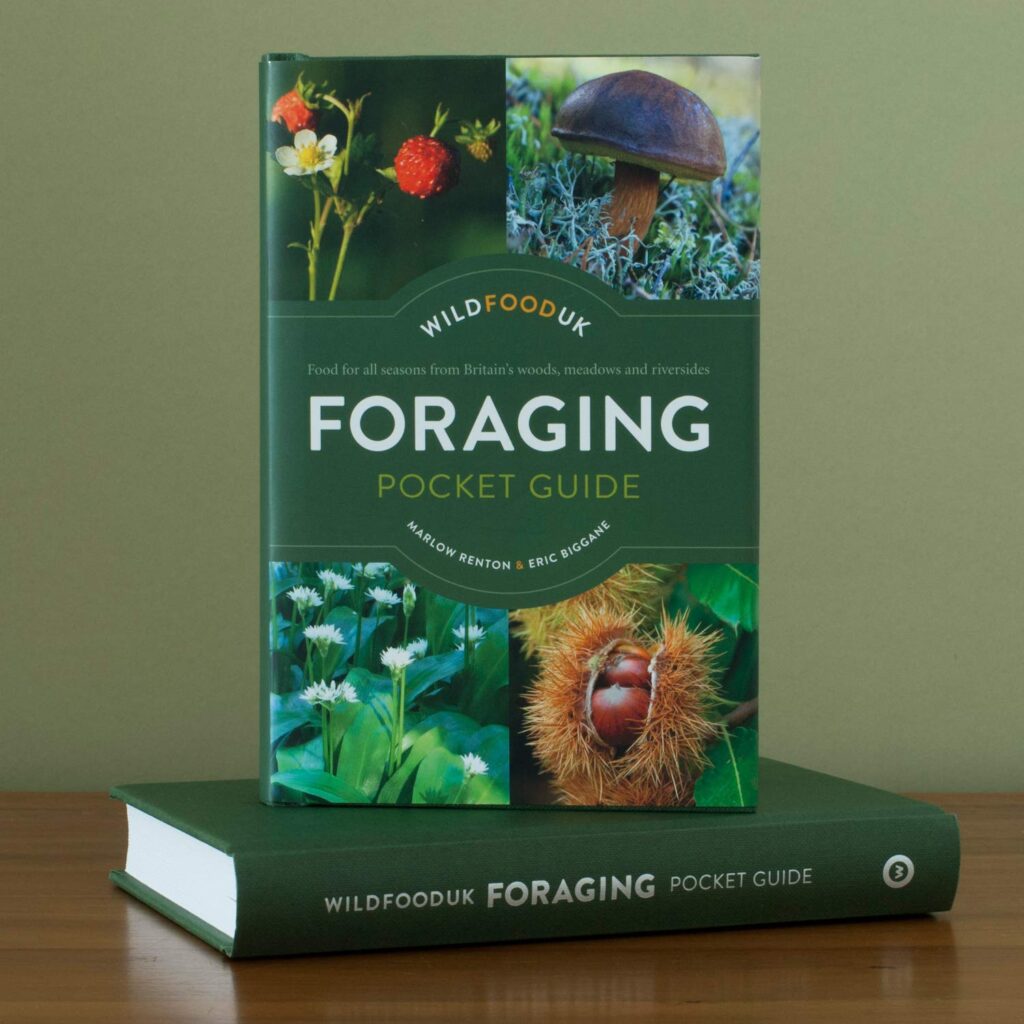
The clear photographs and simple descriptions make it particularly useful when you’re learning to recognise common species on walks rather than studying them at home. It doesn’t offer the depth of a large reference book, but that is also part of its appeal: you can quickly find the information you need without becoming overwhelmed.
| Detail | Information |
|---|---|
| Best for | Beginners and field use |
| Format | Pocket-sized field guide |
| Coverage | 120+ wild edible UK plants |
| Main strength | Compact, simple identification |
| Main limitation | Less detailed than a full reference guide |
Best For
- Beginners learning common UK wild foods
- Taking on walks and day trips
- Quick identification in the field
- Anyone wanting a lightweight first foraging book
Pros
- Compact and easy to carry
- Clear full-colour identification photographs
- Covers a broad range of UK species
- Simple layout that is easy for beginners to navigate
- Includes basic safety guidance
Cons
- Less detailed than larger reference books
- Limited cooking and preservation information
- More experienced foragers may eventually want something more comprehensive
For someone buying their first UK foraging book, The Foraging Pocket Guide offers the best balance of portability, simplicity and useful identification information.
Best Seasonal Foraging Book – The Forager’s Calendar
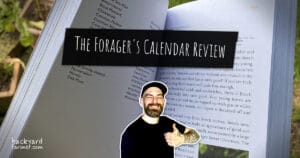
If you already know a few common plants and want to understand what to forage throughout the year, The Forager’s Calendar by John Wright is the more useful choice.
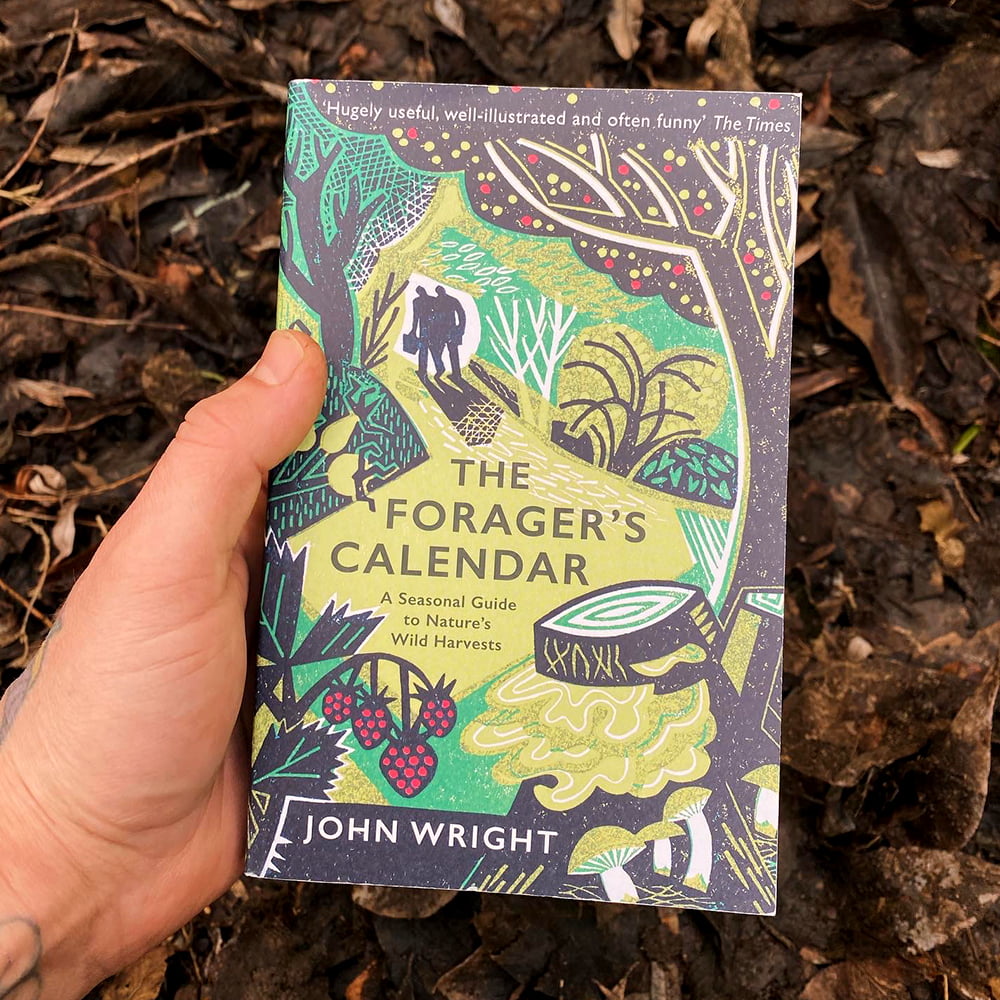
Rather than simply functioning as an identification guide, the book follows the UK seasons month by month, combining plants, fungi and coastal edibles with practical advice, stories and traditional foraging knowledge. That makes it particularly good for developing a broader understanding of when different wild foods appear and where to start looking for them.
It is a book I use myself, and I particularly like the way it turns foraging into something you can follow throughout the year rather than treating individual plants in isolation.
| Detail | Information |
|---|---|
| Best for | Seasonal learning and intermediate foragers |
| Format | Hardback reference book |
| Coverage | Plants, fungi and coastal edibles |
| Main strength | Month-by-month UK seasonal guidance |
| Main limitation | Less convenient for carrying in the field |
Best For
- Foragers who already know the basics
- Learning what is available each month
- Planning seasonal foraging walks
- Anyone interested in the stories and traditions behind wild foods
Pros
- Structured around the UK foraging calendar
- Covers plants, fungi and coastal foods
- Combines practical advice with stories and folklore
- Helps build seasonal knowledge rather than isolated plant recognition
- Written in an engaging, accessible style
Cons
- Not as portable as a pocket field guide
- Can be more information than a complete beginner needs
- Less focused on rapid identification while out walking
If you want to move beyond simply identifying individual plants and develop a year-round understanding of UK foraging, The Forager’s Calendar is the strongest choice here.
Best Mushroom Identification Book – Edible Mushrooms
Mushrooms deserve a more specialised reference than most general foraging guides can provide, and Edible Mushrooms by Geoff Dann is the dedicated fungi book in this shortlist.
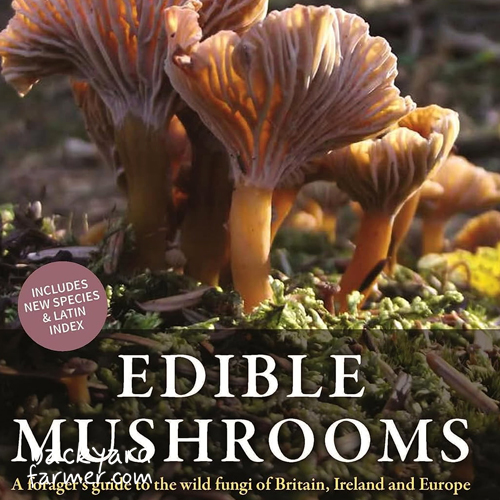
It covers more than 300 wild mushroom species and puts particular emphasis on identification detail, photographs and warnings around potentially dangerous lookalikes. That extra depth makes it much better suited to someone who already has some foraging experience and wants to study fungi properly rather than relying on the limited mushroom sections found in general field guides.
Because mushroom identification carries greater risks than identifying many common wild plants, the detailed profiles and safety information are the main reason to choose this book.
| Detail | Information |
|---|---|
| Best for | Mushroom identification |
| Format | Larger reference guide |
| Coverage | 300+ wild mushroom species |
| Main strength | Detailed identification and safety information |
| Main limitation | More specialist than a general beginner guide |
Best For
- Foragers wanting to learn mushroom identification
- More experienced or confident beginners
- Studying fungi in greater depth
- Anyone wanting a dedicated mushroom reference
Pros
- Covers more than 300 wild mushroom species
- Detailed photographs and structured species profiles
- Strong emphasis on identification features
- Includes warnings about poisonous and confusing species
- Written by UK fungi specialist Geoff Dann
Cons
- More specialist than most beginners need
- Less convenient as an everyday pocket guide
- Should not be treated as a substitute for experience or expert confirmation when identification is uncertain
For anyone specifically interested in fungi, Edible Mushrooms provides considerably more depth than a general foraging guide and is the strongest specialist mushroom book featured here.
How to Choose the Right Foraging Book
The best foraging book depends on how you plan to use it. Beginners usually need a clear, portable field guide, while more experienced foragers may prefer seasonal advice or a specialist mushroom reference.
| What You Need | Best Type of Book | Why |
|---|---|---|
| First foraging book | Pocket field guide | Easy to carry and quick to use outdoors |
| Year-round knowledge | Seasonal guide | Shows what to look for through the UK seasons |
| Mushroom identification | Specialist fungi guide | Gives more detailed ID and safety information |
| Deeper study | Full reference book | Covers more species and identification detail |
Pocket Field Guides
Best for beginners and everyday walks. Look for clear photos, simple identification features and warnings about common lookalikes.
Seasonal Guides
Best for learning what is available throughout the year and planning seasonal foraging trips.
Specialist Guides
Best for subjects such as mushrooms, where more detailed identification and safety information is useful.
Safety note: Never eat a wild plant or mushroom unless you are completely confident in its identification.
Explore our Foraging for Beginners UK guide for clear tips and safe starter plants.
Frequently Asked Questions About UK Foraging Books
The Foraging Pocket Guide by Wild Food UK is the best starting point in this guide. It is compact, easy to navigate and covers more than 120 edible UK plants, making it practical to take out on walks while you learn.
For mushrooms, Edible Mushrooms by Geoff Dann is the strongest specialist choice here. It covers more than 300 wild mushroom species and gives much more identification and safety detail than a general foraging guide.
A good foraging book should be your main reference, with apps used as an extra check rather than a replacement. Apps can help narrow down possibilities, but a trusted guide gives you more context on identifying features, lookalikes and safety.
A book can help you learn identification, but you should never rely on a single photograph or feature. Compare several identifying characteristics and do not eat anything unless you are completely confident in the ID.
Look for clear photographs or illustrations, UK-specific species, seasonal information, habitat guidance and warnings about poisonous or confusing lookalikes. For field use, a simple layout and portable format are also worth prioritising.
Final Verdict: Which Foraging Book Should You Buy?
For most beginners, The Foraging Pocket Guide by Wild Food UK is the easiest place to start. It is compact, simple to use and practical enough to take out on walks while you build confidence identifying common edible plants.
If you want to understand what is available throughout the year, The Forager’s Calendar by John Wright is the stronger choice. Its month-by-month approach makes it ideal for developing broader seasonal knowledge rather than just identifying individual species.
For anyone focusing specifically on fungi, Edible Mushrooms by Geoff Dann offers the extra identification detail and safety information that a general foraging guide cannot provide.
For most people, I would start with a good pocket guide, then add a seasonal or specialist book as your experience grows.