
Introduction
Gardening in the UK rarely follows a perfect timetable. The weather can turn quickly, soil often warms more slowly than the calendar suggests, and advice that worked one year may need adjusting the next. Because of this, knowing exactly what to plant on a specific date is far less useful than understanding what to plant each month in the UK, based on real conditions rather than fixed rules.
That’s where this monthly planting guide comes in.
Instead of pushing rigid planting dates, it walks through the growing year month by month, helping you decide what’s realistic to sow or plant at different times of year. The focus stays firmly on typical UK conditions, not best‑case scenarios. As a result, some months are about getting seeds started, while others focus on spacing, succession sowing, or simply preparing the ground for what comes next.
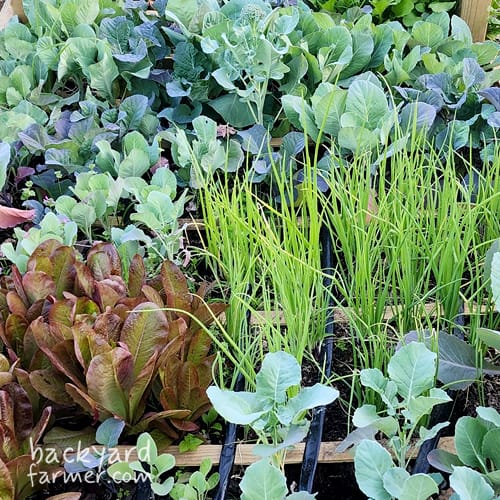
Planning also plays a big part in successful vegetable growing. By mapping out beds in advance, you make it much easier to:
- avoid overcrowding as plants mature
- rotate crops sensibly through the growing season
- adapt planting plans when the weather doesn’t behave as expected
When you combine the monthly advice with simple allotment and vegetable garden planning tools, the growing year becomes more flexible, more productive, and far less stressful — especially if you’re working with a small garden or an allotment.
If you’re not sure where to begin, start with the current month, think about what vegetables make sense to plant now, plan with the season in mind, and then adjust as conditions change. Once your crops are established, use our UK Harvest Calendar to track exactly when to pick them at their best.
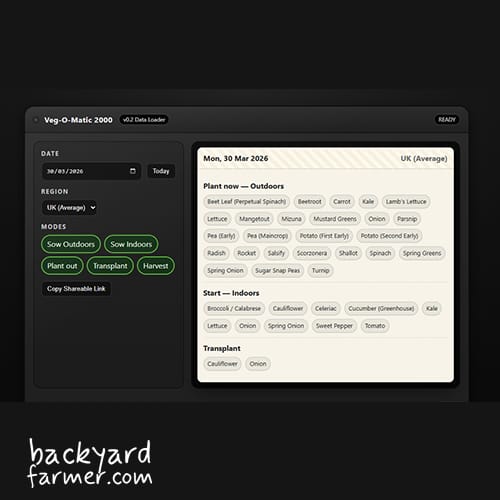
Use our FREE Interactive Planting Calendar!
All you have to do is load the page and the app will tell you what to plant today, tomorrow, next month and even next year! Its free to use and you will know what to plant in seconds.
How This Monthly Planting Guide Works
This monthly planting guide is organised around the way most people actually garden in the UK — one month at a time.
Rather than listing everything you could grow, each guide focuses on what’s usually worth planting at that point in the season, based on real conditions. It takes typical UK weather and soil into account, not ideal scenarios. As a result, the aim is simple: help you decide what to plant each month, without feeling rushed, behind, or under pressure.
Each monthly planting guide helps you:
- understand which vegetables and crops are realistic to sow or plant
- decide whether starting seeds indoors or planting outdoors makes more sense
- focus on conditions that matter more than the date on a planting calendar
- avoid common mistakes gardeners tend to make at that time of year
Because conditions vary across the UK, the advice is deliberately flexible. Instead of following fixed rules, you’re encouraged to read your own garden — paying attention to soil temperature, frost risk, and daylight — and then use the monthly guidance as helpful context rather than strict instruction.
The monthly pages also link together through the growing year. Consequently, you can:
- focus on what to plant now
- look ahead to vegetables to plant in the coming months
- or step back and plan the whole growing season in one go
Used this way, the guide becomes a practical UK planting calendar by month — something you can return to throughout the year, rather than a page you read once and forget about.
Plan First, Then Plant (Why Layout Matters)
One of the most common problems in vegetable gardens and allotments doesn’t show up straight away. Beds look fine in early spring, seedlings go in neatly, and everything feels under control — until a few weeks later, when plants start competing for space, light, and nutrients.
This usually happens when planting decisions are made in isolation, rather than as part of a whole-season plan.
Planning your garden or allotment layout before you sow makes a real difference. It helps you think ahead about how plants will grow, how long they’ll stay in the ground, and what needs to follow them later in the growing season. Even so, the plan doesn’t need to be perfect — a rough planting layout is still far better than guessing as you go.
When you plan first, it becomes much easier to:
- avoid overcrowding once vegetables reach full size
- space crops realistically, rather than optimistically
- rotate crops across beds and into the next season
- leave room for succession sowing later on
As a result, seasonal decisions become clearer. When you know what space you actually have available, it’s far easier to decide what to plant now and what’s better left until the following month.
This is also where garden and allotment planning tools come into their own. Instead of holding everything in your head, mapping out beds visually lets you adjust layouts, test ideas, and adapt planting plans as the weather or timing changes.
Used alongside the monthly planting guides, planning first helps turn general advice into a practical vegetable garden planting plan that genuinely fits your space — saving time, reducing waste, and avoiding a lot of mid-season frustration.
Monthly Planting Overview
Below is a practical overview of how the growing year usually unfolds in the UK. Think of it as a UK planting calendar by month, showing how priorities shift as temperature, daylight, and soil conditions change. These summaries are deliberately short; however, each month links to a detailed guide if you want to dig deeper.
January
Planning and Preparation
January is mostly about planning rather than planting. It’s the ideal time to review last year, decide what vegetables you want to grow, and sketch out allotment or garden layouts before the season really begins.
February
Early Starts Under Cover
February marks a cautious start to the growing year. While a few hardy crops can be started under cover, most effort still goes into preparation, checking soil condition, and protecting beds from cold and excess moisture.
March
Early Sowing and Soil Prep
March often feels like the real start of the season. Some sowing begins this month; however, soil temperature and frost risk still matter more than dates on a planting calendar.
Spring Vegetable Planting Guide (March–May)
April
Steady Outdoor Progress
As daylight increases, more vegetables can be sown outdoors. Even so, protection remains important in many areas, particularly during late cold snaps.
May
Main Sowing Month
May is one of the busiest months in the vegetable garden or allotment. Many crops can finally go in; however, spacing and planning are crucial if you want to avoid overcrowding and problems later in the season.
June
Succession and Maintenance
By June, the focus shifts to keeping beds productive. Succession sowing, regular watering, and general maintenance take priority to keep harvests coming.
Summer Vegetable Planting Guide (June–August)
July
Late Sowing and Harvest Balance
July is about balance. While harvesting is well underway, there are still last chances to sow certain crops. As a result, careful use of space matters as beds continue to fill up.
August
Forward Planning for Autumn
Although summer crops continue to produce, attention gradually turns to autumn harvests. This is also the time to decide which late sowings are still worth making.
September
Autumn Transitions
Growth begins to slow in September, but there’s still plenty to do. At this stage, choosing the right vegetables to plant matters more than planting large quantities.
Vegetables to Plant in Autumn Guide (September-November)
October
Clearing and Protecting
As crops finish, beds are gradually cleared. Focus shifts to protecting soil, planting hardy options, and preparing the vegetable garden or allotment for winter.
November
Winter Readiness
There’s little active planting for most gardens in November. Instead, this month is about structure, protection, and setting the plot up to cope with colder, wetter conditions.
December
Reflection and Planning
December is a quieter month overall. It’s a good time to reflect on what worked, what didn’t, and begin shaping plans for the growing season ahead.
Winter Growing Guide (December–February)
Each month links to a dedicated guide with practical advice, examples, and timing notes. As a result, this becomes a flexible vegetable planting calendar for the UK that you can return to throughout the year.
Common Mistakes When Following Planting Calendars
Planting calendars are useful tools, especially when you’re trying to work out what to plant each month in the UK. However, they’re easy to misread. Problems usually crop up when calendars are treated as fixed instructions, rather than flexible references that need a bit of judgement.
Below are some of the most common issues gardeners run into when month-by-month planting advice is followed too rigidly.
Planting by Date Instead of Conditions
One of the biggest mistakes is planting simply because the calendar says it’s time — even when the soil is still cold, wet, or compacted. In the UK, soil temperature and drainage often lag behind the season, particularly in early spring.
As a result, waiting a week or two before you plant vegetables usually leads to stronger roots, better establishment, and healthier plants overall.
Rushing Early Sowing
Early sowing can feel productive at first. However, starting too soon often leads to weak seedlings, slow growth, or losses to frost. This is especially common with tender vegetables that are sown outdoors before conditions have properly settled.
Instead, starting seeds under cover — or simply holding back for a short while — is often the more reliable option when deciding what to sow early in the growing season.
Overcrowding Beds
Planting calendars rarely account for how large plants will become later in the season. When everything on the list gets sown without thinking about spacing, overcrowding quickly follows. In turn, airflow suffers, pests and disease become more likely, and yields drop.
Planning layouts in advance helps prevent this and makes the whole vegetable growing season easier to manage.
Forgetting Succession Sowing
Many planting calendars focus on when to start, but they don’t always consider what happens afterwards. Without succession sowing, beds can quickly become unproductive once early crops are harvested.
By thinking a few weeks ahead and planning follow-on sowings, you can keep harvests going for much longer.
Assuming Advice Applies Everywhere
Conditions vary widely across the UK. What works well in a sheltered southern garden may struggle in a colder, wetter northern plot or an exposed allotment.
For that reason, use monthly planting guidance as context, then adjust based on your local climate, soil type, and exposure when deciding what to plant now.
Used correctly, planting calendars are helpful reference points. Used too rigidly, they can create unnecessary frustration. Treat them as guides, not rules, and your results will be far more consistent across the growing season.
Using Planning Tools Alongside This Guide
The monthly guides help you decide what to plant each month and when it makes sense to grow it.
Our FREE Garden Planning tools, however, help turn those decisions into something practical that actually fits your garden or allotment.
Instead of trying to keep spacing, crop rotation, and timings in your head, planning things visually makes the whole growing season easier to manage. As a result, you can see how vegetables will sit together, how long they’ll stay in a bed, and where gaps or clashes might appear later on.
When you use planning tools alongside the monthly planting advice, it becomes much easier to:
- map out realistic spacing before anything goes in the ground
- plan crop rotation across beds and growing seasons
- leave room for succession sowing and late vegetables
- adjust planting plans quickly when the weather or timing changes
This approach is especially useful if you’re working with a small garden or an allotment, where space is limited. Because mistakes are harder to fix once plants are established, planning ahead helps avoid wasted effort and unnecessary frustration.
A simple way to use this guide is to start with the current month, decide what vegetables make sense to plant now, and then plan your beds around those choices. As the season moves on, you can revisit both the monthly guides and your planting layout, making small, steady adjustments rather than reacting to problems as they crop up.
Used together, the monthly planting guidance and planning tools create a clear, flexible vegetable growing plan that works with your space, your local conditions, and your time.
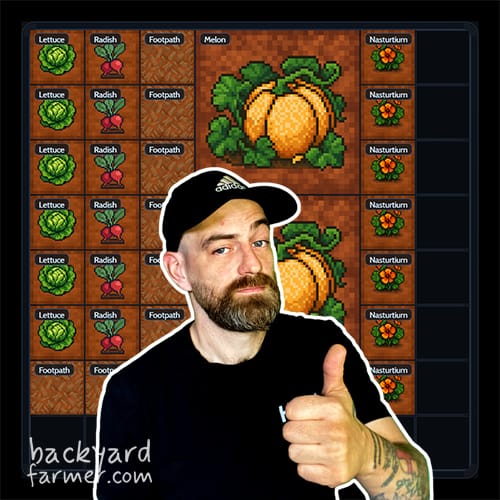
Our FREE Allotment Planner App
- A true square-foot grid system
- Automatic plant spacing rules
- One-tap crop placement
- A mobile-friendly layout you can use right at the allotment
Final Notes
Gardening tends to work best when it’s treated as a seasonal process, not a checklist. Conditions change from year to year and, even within the same garden or allotment, one bed can behave very differently from another.
For that reason, use this guide as a reference point rather than a rulebook. Start with the current month, plan with the growing season in mind, and then be ready to adjust as the weather, soil temperature, and daylight shift. In most cases, small changes made at the right time matter far more than sticking rigidly to dates on a planting calendar.
If you’re new to growing vegetables, it’s worth keeping things simple at first. Focus on a manageable number of crops, give them the space they need, and build confidence as the season unfolds. On the other hand, if you’re more experienced, the monthly planting guides can help fine-tune timing and highlight opportunities you might otherwise overlook.
Above all, remember that every growing year in the UK is slightly different. Pay attention to what works in your own garden or allotment, make notes as you go, and let that experience guide your decisions just as much as any vegetable planting calendar ever could.
To get started, head to the guide for the current month, think about what vegetables make sense to plant now, plan your beds with the season ahead in mind, and take things one step at a time. Planting is only half the picture. Once your beds are producing, refer to the UK Harvest Calendar to stay on top of picking and storage timing.