
Use this UK harvest calendar to see which fruit, vegetables and herbs are typically ready each month, whether you grow on an allotment, in a back garden or under cover. It will help you pick crops at their best, avoid leaving them too long and plan for the next stage of the growing season.
Harvest dates vary across Britain, so use the monthly guide alongside local weather and what you see on the plant. Once you know what is ready to pick, use our UK Vegetable Planting Calendar to see what you can sow or plant next.
Quick View – UK Harvest Calendar by Month
Although exact timing varies by region, this table works as a reliable month-by-month harvest guide UK growers can use as a quick reference.
| Month | Vegetables | Fruit | Herbs |
|---|---|---|---|
| January | Leeks, Kale, Parsnips, Sprouts | Stored apples & pears | Parsley, Thyme |
| February | Sprouts, Purple sprouting broccoli | Forced rhubarb | Chives |
| March | Leeks, Spinach, Spring cabbage | Forced rhubarb | Parsley, Chives |
| April | Spring greens, Radish, Early carrots | Rhubarb | Mint, Chives |
| May | Broad beans, Early potatoes, Lettuce | Early strawberries (late May) | Coriander, Mint |
| June | Peas, New potatoes, Early courgettes | Strawberries, Gooseberries | Basil (under cover) |
| July | Courgettes, French beans, Beetroot | Raspberries, Currants | Basil, Dill |
| August | Tomatoes, Sweetcorn, Onions | Plums, Blackberries | Oregano, Thyme |
| September | Squash, Maincrop potatoes, Carrots | Apples, Pears | Rosemary, Sage |
| October | Pumpkins, Leeks, Kale | Late apples, Quinces | Thyme, Sage |
| November | Leeks, Sprouts, Parsnips | Stored apples | Parsley |
| December | Kale, Sprouts, Parsnips | Stored apples & pears | Thyme |
Use this table as a quick guide, then check the monthly sections below for more detail on timing, regional variation and common harvest notes.
Printable UK Harvest Calendar
Want a copy to keep in the allotment shed? Download the free low-ink A4 UK Harvest Calendar for a simple month-by-month guide to what’s typically ready to pick.
Spring Harvest (March–May)
Spring marks a major turning point in the UK harvest calendar. Although winter crops are still finishing, early sowings begin to reward you with fresh, tender produce. As soil temperatures rise and daylight hours increase, growth accelerates quickly.
However, spring weather across Britain can be unpredictable. In northern regions or wetter areas, cold snaps and heavy rain may delay maturity by a week or two.
March
In March, hardy winter vegetables continue to provide reliable harvests through early spring.
- Leeks
- Kale and other winter brassicas
- Purple sprouting broccoli
- Overwintered spinach
- Spring cabbage
- Forced rhubarb
April
By April, momentum builds. Days lengthen, soil warms and new growth becomes far more dependable.
- Spring greens
- Radishes
- Overwintered spinach
- Early carrots (under cover)
- Rhubarb
- Spring onions
May
When we get to May, the garden delivers the first proper taste of summer.
- Broad beans
- Early potatoes (first earlies)
- Lettuce and mixed salad leaves
- Spinach and chard
- Rhubarb
- Early strawberries
Summer Harvest (June–August)
Summer is when the harvest calendar truly comes into its own. As temperatures rise and daylight hours peak, crops grow rapidly and plants move into full production. It is now time where consistent picking becomes essential — not only to enjoy the abundance, but also to extend cropping for as long as possible.
In warmer southern regions, harvests often begin slightly earlier whilst in the north, gardens may peak a little later. If you grow under glass or in a polytunnel, you can bring certain crops forward by several weeks and stretch out the grow season both ends.
June
June marks the beginning of reliable abundance within the growing season.
- Peas
- First early potatoes
- Broad beans (late June in cooler areas)
- Runner Beans
- Early courgettes
- Lettuce and mixed salad leaves
- Strawberries
- Gooseberries
July
By July, many allotments and gardens reach peak production.
- Courgettes (often requiring daily picking)
- French beans and runner beans
- Beetroot
- New carrots
- Early onions
- Raspberries
- Red and blackcurrants
- Cucumber
August
August delivers full abundance across much of the country.
- Tomatoes (especially under cover)
- Sweetcorn
- Maincrop onions
- Garlic (lifted and dried)
- Courgettes and marrows
- Plums
- Blackberries
- Cucumber
Autumn Harvest (September–November)
Autumn marks a key phase in the British harvest calendar. As summer crops begin to fade, maincrop vegetables, orchard fruit and long-term storage varieties take centre stage.
In northern or wetter regions, heavy rain can shorten harvest windows significantly whilst in milder southern areas, some late summer crops continue well into early autumn.
September
September acts as a transition within the wider harvest calendar.
- Maincrop potatoes
- Carrots and beetroot
- Squash and early pumpkins
- Late sweetcorn
- Apples
- Pears
- Damsons and late plums
- Cucumber
October
October represents peak storage season within the seasonal harvest calendar.
- Pumpkins and winter squash
- Maincrop carrots
- Parsnips
- Early leeks
- Kale
- Late apples
- Quinces
- Cucumber
(Full Guide Coming soon)
November
By November, growth slows across most of the country.
- Leeks
- Brussels sprouts
- Kale and cavolo nero
- Parsnips
- Swedes
- Stored apples and pears
(Full Guide Coming soon)
Winter Harvest (December–February)
Winter can feel quiet in the garden. However, if you plan properly, the UK harvest calendar still provides fresh food through the coldest months. Hardy crops hold their ground outdoors, while well-stored produce carries you forward until spring growth returns.
In milder southern or coastal areas, harvesting often remains steady. Meanwhile, in colder northern regions, growth slows right down. In those cases, fleece, cloches or even a simple mulch layer can make a noticeable difference. Interestingly, many winter vegetables actually taste better after frost because the cold concentrates their sugars.
December
December harvests rely mainly on hardy outdoor crops and careful storage.
See the full December harvest guide (Coming soon)
January
January is usually the leanest month of the growing year. Even so, reliable winter crops continue to provide steady harvests.
See the full January harvest guide (Coming soon)
February
By February, the garden begins to shift again. Although winter crops still dominate, the first signs of spring start to appear.
- Late Brussels sprouts
- Purple sprouting broccoli
- Kale
- Leeks
- Forced rhubarb
- Early greenhouse salad leaves
See the full February harvest guide (Coming soon)
How UK Climate Affects Harvest Timing
This UK harvest calendar gives you a useful month-by-month framework, but exact harvest dates always depend on local conditions. Weather, soil, shelter and region can all shift crops forward or back, so use the calendar as a guide rather than a fixed rule.
North vs South
Southern parts of the UK often see slightly earlier harvests thanks to warmer springs and longer growing seasons. In northern areas, including much of the North West and Scotland, some crops may mature one to three weeks later.
Rather than relying only on dates, judge crops by clear signs of readiness:
- Size and colour
- Firmness or softness
- Drying foliage for onions and garlic
- Ease of lifting for root crops
- Taste, where safe and practical
In other words, let the plant tell you when it is ready.
Coastal vs Inland Gardens
Coastal gardens often have milder winters and fewer severe frosts, which can extend the harvest window for hardy crops like kale, leeks and sprouts. Inland gardens, especially those in frost pockets, may lose a few weeks at either end of the growing season.
Wind also matters. Exposed sites can slow growth or stress taller crops such as sweetcorn, beans and brassicas, so sheltered growing areas are especially useful in windy parts of the UK.
Soil, Shelter and Seasonal Variation
Soil type makes a real difference. Heavy clay warms slowly in spring and can delay early harvests, while lighter sandy soils warm faster but dry out more quickly in summer. Greenhouses, polytunnels, cloches and fleece can also bring some harvests forward and extend the season at both ends.
No two years behave exactly the same. A cold spring, dry summer or wet autumn can shift harvest timing across the board. Check your crops regularly, learn your own microclimate, and adjust the calendar to what is happening in your garden.
How To Get More From This Harvest Calendar
A harvest calendar gives you a useful framework, but the best results come from combining it with what you see in your own garden. Dates help you plan, but crop size, colour, texture, weather and growing conditions tell you when to actually harvest.
Harvest Little And Often
Many crops produce better when picked regularly. Courgettes, beans, peas, chillies, tomatoes and salad leaves can all keep cropping for longer if you stay on top of harvesting.
In peak summer, this may mean checking plants daily. It can feel relentless, but regular picking helps you catch crops at their best and prevents plants from putting energy into over-mature produce.
Pick Crops At Their Best
Bigger is not always better. Courgettes can turn watery, beans become tough, beetroot can go woody, and salad leaves may turn bitter if left too long.
For better flavour and quality:
- Harvest leafy greens early in the morning while they are crisp
- Pick herbs before flowering for stronger flavour
- Lift root crops on dry days where possible
- Pick soft fruit regularly before it spoils
- Check fast-growing crops every couple of days in warm weather
Small habits like this make a big difference over the season.
Plan For Gluts And Storage Crops
Some harvests arrive gradually, while others come in a rush. Potatoes, onions, garlic, squash and apples may need curing or storing properly, while tomatoes, berries, beans and courgettes can quickly become a glut.
If you know a heavy harvest is coming, plan ahead. Freeze, dry, bottle, cook down, share or store surplus crops before they start turning into compost.
Use Succession Sowing For Steadier Harvests
If everything is sown at once, it often crops at once. Succession sowing helps spread harvests out so you get a steadier supply.
For example:
- Sow lettuce every 2–3 weeks
- Sow radishes in small batches
- Plant carrots in stages through spring
- Start a second round of fast crops after early harvests
- Leave space for follow-on crops once beds are cleared
This is where a harvest calendar becomes more useful than a simple list of dates. Once you know when crops are likely to come out, you can plan what goes in next.
Keep Simple Notes
No general guide will ever be as accurate as your own garden records. Each year, make a few quick notes on:
- First harvest dates
- Last harvest dates
- Crops that performed well
- Varieties worth growing again
- Weather patterns that changed timing
- Beds that warmed up, dried out or held moisture differently
Over time, you build your own version of a UK harvest calendar based on your soil, site and local conditions.
Plan Your Next Harvest
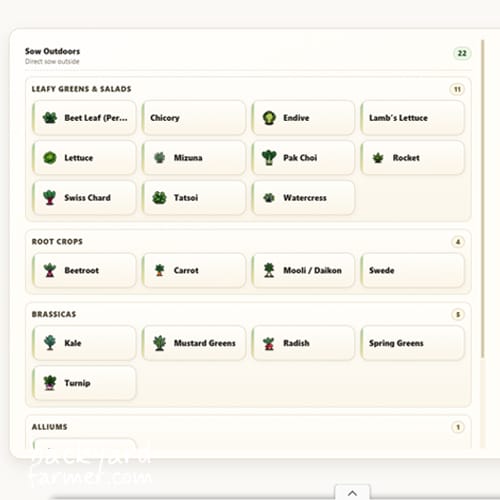
Once you know what you can harvest each month, the next step is planning what to sow next. Use the free Veg-O-Matic Planting Calendar alongside this harvest guide to see what you can plant now and keep your growing year moving.
You may also find these guides useful:
- What to grow in a small allotment – Easy crop ideas and layout tips
- How to grow strawberries at home
- 10 edible backyard plants you can forage in Britain