
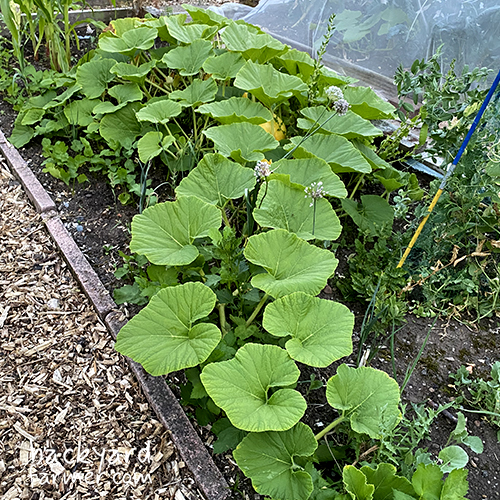
If your pumpkin plant is covered in flowers but has no pumpkins yet, it does not necessarily mean something is wrong. Male flowers usually appear before female flowers, so a newly flowering plant may simply need more time.
If female flowers are appearing but the tiny pumpkins behind them repeatedly yellow, shrivel or fall off, poor pollination or plant stress is more likely. In that case, hand pollination is a simple way to improve the chances of fruit setting.
Quick Diagnosis: What Are You Seeing?
| What you’re seeing | Most likely explanation | What to do |
|---|---|---|
| Only male flowers | Usually normal early flowering | Wait and keep the plant healthy |
| Male flowers open then fall | Normal | No action needed |
| Female flowers appear but no pumpkin develops | Pollination may be poor | Check pollinator activity and consider hand pollination |
| Tiny pumpkin yellows, shrivels or drops | Fruit set failed or the plant was stressed | Hand pollinate new flowers and check general plant care |
| Tiny pumpkin starts swelling steadily | Pollination probably succeeded | Continue normal growing care |
Male vs Female Pumpkin Flowers
Before troubleshooting, check which flowers your pumpkin is actually producing.
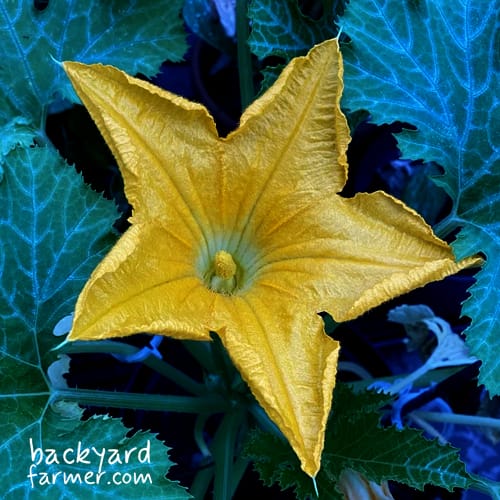
Male Pumpkin Flowers
Male flowers grow on a relatively long, plain stalk. There is no swelling or baby pumpkin behind the flower.
They often appear first when the plant starts flowering and naturally fall from the vine after opening. Seeing male flowers appear and disappear without producing pumpkins is completely normal.
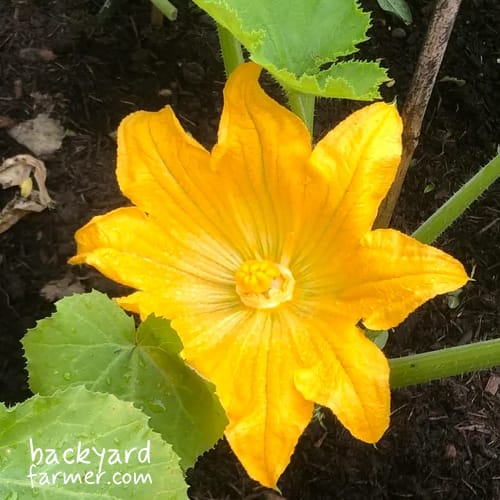
Female Pumpkin Flowers
Female flowers are easy to recognise because there is a small swollen ovary that looks like a miniature pumpkin directly behind the flower.
If pollination is successful, this swelling begins to grow into a pumpkin.
You do not need separate male and female pumpkin plants. A single plant produces both types of flower.
Only Male Flowers? Give the Plant More Time
If your pumpkin has only recently started flowering, the best thing to do may be nothing.
Pumpkin plants commonly produce male flowers before the first females appear. As the plant matures, female flowers usually follow.
Weather and growing conditions affect timing, so avoid worrying about an exact number of days.
There is no need to change feeding, prune healthy vines or try to force fruiting just because the first flowers are male. Keep the plant watered and growing steadily.
Female Flowers but No Pumpkins?
Once female flowers are appearing, repeated failure to set fruit needs closer attention.
Poor Pollination
Pumpkin flowers rely on pollen being transferred from a male flower to a female flower. Bees and other insects normally do this.
However, pumpkin flowers are short-lived. If a female flower opens during cool, wet weather or when few pollinators are active, it may close before receiving enough pollen.
If this keeps happening, hand pollination is worth trying.
Plant Stress
A pumpkin plant under stress may also fail to hold young fruit.
Drought, inconsistent watering or generally poor growing conditions can cause the plant to abort developing pumpkins. Try to keep soil moisture steady rather than swinging between very dry and very wet.
For general watering, feeding and summer care, see How to Grow Pumpkins in the UK.
Could Too Much Nitrogen Be the Problem?
It can contribute, but it should not be the first assumption.
A plant given too much nitrogen may produce lots of leaves and vines but delay fruiting. However, a vigorous plant is not automatically overfed.
If the plant looks healthy overall, check flower type and pollination first.
Why Does the Tiny Pumpkin Turn Yellow and Fall Off?
The tiny pumpkin behind a female flower is present before pollination, so its appearance does not mean fruit has already set.
If pollination fails, the small fruit may look normal at first before stopping, yellowing, shrivelling and eventually dropping.
Poor pollination is a common cause, but a young or stressed plant may also abort fruit it cannot support.
Losing an occasional young pumpkin is normal. If it keeps happening, focus on pollination and steady plant growth.
A successfully set pumpkin should begin to swell steadily after the flower closes.
How to Hand Pollinate Pumpkin Flowers
If female flowers are opening but fruit is repeatedly failing to set, hand pollination is quick and effective.
Do this in the morning while flowers are freshly open.
- Find an open male flower with no swelling behind it.
- Pick the male flower and peel back the petals.
- This exposes the pollen-bearing centre.
- Find a freshly opened female flower with the small pumpkin behind it.
- Gently rub the pollen-bearing centre onto the middle of the female flower.
- Alternatively, use a small soft artist’s brush to transfer pollen.
One male flower can pollinate more than one female flower.
If pollination is still unreliable, repeat the process on newly opened female flowers over the following mornings.
How Do You Know If It Worked?
You will not know immediately.
Over the next few days, the small pumpkin should remain firm and begin to grow steadily. If it stops growing, turns yellow or shrivels, that fruit has likely failed.
An occasional failure is normal — the key is whether most female flowers are setting successfully.
What to Do Once the Pumpkin Starts Growing
Once a pumpkin is swelling steadily, pollination has worked.
Return to How to Grow Pumpkins in the UK for normal summer care, including watering, feeding and supporting developing fruit.
Later in the season, if a mature pumpkin stays green or is slow to ripen, see How to Ripen Pumpkins in the UK.
FAQs
Bees and other insects usually transfer pollen between pumpkin flowers, but they are not essential if you hand pollinate instead.
Male pumpkin flowers naturally fall after opening and do not produce fruit. Female flowers may also drop if pollination fails or the plant aborts early fruit.
Yes. A single pumpkin plant produces both male and female flowers. Pollen still needs to move between them, either via insects or hand pollination.
Final Thoughts
Flowers without pumpkins are often completely normal at the start of flowering. First check whether you are seeing male or female flowers before assuming there is a problem.
If female flowers repeatedly fail, poor pollination is the most likely cause. Hand pollinating freshly opened flowers is simple and effective, and once a pumpkin begins to swell steadily, you can return to normal growing care.