Introduction
If you want better results from your garlic, timing does matter—just not in the neat, textbook way most guides make it sound.
In the UK, the usual window to plant garlic is October to November. That gives cloves time to root before winter sets in. Miss that, and you can still plant in February to March—you’ll usually get smaller bulbs, but they’ll still be perfectly usable.
That’s the simple answer to when to plant garlic in the UK.

In reality, though, it’s less about hitting a date and more about what your soil is actually like on the day.
From experience, garlic rarely fails because you were a week early or late. It usually goes wrong because it went into cold, wet ground that never dried out, or you caught a stretch of weather that just stalled it from the start.
So in this guide, I’m not just covering the best time to plant garlic in the UK. I’ll show you how to read the conditions properly—so you end up with solid, decent bulbs, not a patchy, disappointing crop.
In short: knowing when to plant garlic in the UK helps—but knowing when your soil is actually ready is what really makes the difference.
For a complete guide on the garlic growing cycle, read our article – ‘Growing Garlic at Home: A Step-by-Step Guide’
Should You Plant Garlic in Autumn or Spring in the UK?
In the UK, you can plant garlic in autumn or early spring—but what works best usually comes down to what your soil and weather are doing that year.
Most guides push autumn planting, and in a dry, well-drained bed that’s spot on. Still, in a lot of real gardens, it doesn’t always play out that neatly.
Autumn Planting (Best Results—When It Goes Right)
Planting garlic in October to November is usually the sweet spot, as it gives cloves time to root before winter sets in.
When it lines up, you tend to get:
- Larger bulbs
- Better clove formation
- An earlier harvest the following year
On a free-draining bed, it does exactly what you’d hope.
That said, there’s a downside.
If your soil holds water, autumn planting can turn into a waiting game. Cloves can sit in cold, wet ground, do very little, or just rot off before they get going.
👉 In well-drained soil, autumn works great. In heavier ground, it can be a bit hit and miss.
Spring Planting (Often the Safer Bet)
Planting garlic in February to March is usually seen as second best. In practice, though, it’s often the safer option in UK conditions.
You’ll usually get:
- Smaller bulbs
- A slightly later harvest
However, you avoid one of the main problems here—garlic sitting in wet soil all winter doing nothing.
If you’ve got clay or beds that stay soggy, spring planting often gives cleaner, more even growth, even if the bulbs don’t get quite as big.
Which Should You Choose?
It really comes down to your setup, not just the calendar.
- Free-draining soil or raised beds → go in autumn for the best results
- Heavy or wet soil → improve it, or wait and plant in spring
A lot of growers split the difference—put some in during autumn, then add more in spring if needed. It’s a simple way to spread the risk if the weather turns.
The Real Takeaway
Autumn planting gives you the best potential. Spring planting gives you more consistency.
In the UK, the better results usually come from knowing when to follow the ideal—and when to go with what your ground is actually telling you.
When to Plant Garlic in the UK (Month-by-Month Guide)
Garlic is usually planted in autumn or early spring—but looking at it month by month makes it easier to judge what actually makes sense in your garden.
UK weather doesn’t follow a neat pattern, so this is more about what to look for than sticking to exact dates.
September – Prepare, Don’t Rush
September is really about getting the ground ready, not rushing to plant.
- Clear beds and remove weeds
- Add compost or well-rotted manure
- Improve drainage if needed (especially in clay soil)
👉 From experience:
If your soil’s heavy, this is the time to sort drainage properly. Raised rows or beds now save a lot of hassle later.
October – The Ideal Start
For most UK gardens, October is the sweet spot.
- Soil still has a bit of warmth left in it
- Cold weather is close enough to kick-start bulb development
👉 If the ground’s workable, this is usually the easiest time to get garlic in without overthinking it.
November – Still Worth Doing
You can keep planting through November in most areas.
- Growth slows compared to October
- Still works well in free-draining soil
👉 Just keep an eye on things—once the ground turns wet and claggy, it’s usually better to leave it than force it in.
December–January – Usually Not Worth It
You can plant garlic in winter, but it’s rarely worth the effort.
- Soil is often cold, wet, and slow to drain
- Cloves just sit there and don’t really get going
👉 Most of the time, you’re better off waiting for things to improve rather than battling the conditions.
February – A Reliable Backup
If you missed autumn, February gives you another go.
- Soil starts to dry out a bit
- Less chance of it sitting waterlogged for weeks
👉 You’ll usually get smaller bulbs, but in a lot of UK gardens, this actually works out more reliably.
March – Last Chance Really
March is about as late as you’d want to leave it.
- Growth kicks in quickly as temperatures rise
- Bulbs won’t get quite as big
👉 Still, it’s better than skipping the season—you’ll get something decent out of it.
Key Takeaway
The calendar gives you a rough idea—but in the UK, it’s always the conditions that make the call.
- October = easiest, most balanced window
- November = still fine if the ground’s right
- Spring = solid fallback when autumn doesn’t play ball
👉 If the soil’s too wet, just wait. It nearly always pays off.
What Affects Garlic Planting Time in the UK?
Knowing the usual planting months helps—but in the UK, what really matters is what your ground is like on the day you go to plant.
You can have two gardens planting garlic on the same weekend and get completely different results, just down to soil, drainage, and whatever the weather’s been doing.
Soil Type (The Biggest Factor)
From experience, soil makes or breaks garlic more than anything else.
- Clay soil holds water and drains slowly
- Sandy or lighter soil drains quicker and warms up faster
In heavy clay, autumn garlic can sit in cold, wet ground for weeks. That’s when it either sulks or just rots off before it’s really started.
In lighter, free-draining soil, autumn planting is much more straightforward and usually gives better results.
👉 Practical takeaway:
If your soil holds water, deal with that first. Raised beds, loosening it up, or even just waiting for a drier spell will do more good than sticking to a date.
Weather Patterns (Often More Important Than Dates)
UK weather rarely lines up nicely, and it has a big say in how well garlic gets going.
- Mild winters aren’t usually a problem
- Long wet spells are where things go wrong
Planting just before a run of heavy rain can undo everything. It might look like the right time, but the ground tells a different story.
👉 Real-world approach:
Most growers I know wait for a dry window rather than planting just because it’s October.
North vs South UK Differences
Where you are does make a difference, even if it’s not massive.
- Northern areas tend to be cooler and wetter
- Slightly shorter planting window
- More chance of waterlogged soil
- Southern areas are often milder and a bit drier
- More flexibility with timing
- Longer autumn window
It’s not night and day, but it’s enough to tip things one way or the other.
Drainage vs Timing (What Actually Matters Most)
If you strip it right back:
Drainage matters more than timing.
Planting on the “perfect” date into poor ground usually ends in problems. Planting a bit later into soil that’s right almost always works out better.
The Real Takeaway
Use the calendar as a rough guide—but let your soil make the call.
- If it’s dry and workable → get it in
- If it’s wet and heavy → leave it and wait
👉 In the UK, paying attention to conditions will beat following dates every time.
Choosing the Right Type of Garlic for UK Planting
The type of garlic you pick does make a difference—mainly in how forgiving it is once it’s in the ground.
Timing and soil still matter most, but getting the type roughly right can make life easier, especially if your conditions aren’t ideal.
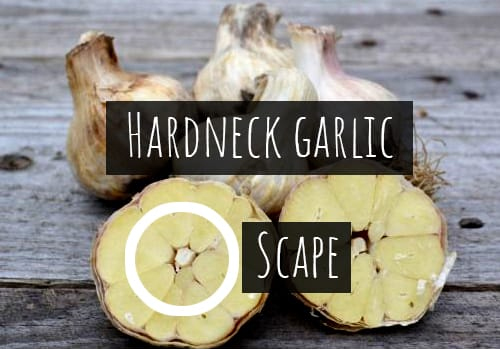
Hardneck Garlic (Better in Colder Spots)
Hardneck types are a bit closer to wild garlic and tend to handle colder conditions better.
- Fewer but larger cloves
- Stronger, more punchy flavour
- Needs a proper cold spell to form well
👉 Best suited for:
- Northern UK
- Colder gardens
- Autumn planting (October to November)
⚠️ Worth knowing:
It doesn’t store that well compared to softneck. So if you grow it, you’ll want to use it rather than forget about it in a shed somewhere.
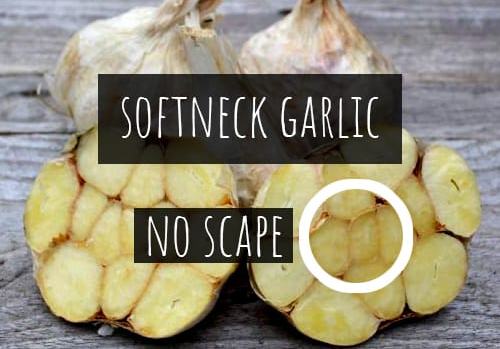
Softneck Garlic (Easier All Round)
Softneck is what most growers end up using—and there’s a reason for that. It’s generally more forgiving in typical UK conditions.
- More cloves per bulb
- Stores much longer
- Copes better with milder, wetter weather
👉 Best suited for:
- Southern UK
- Wetter or milder gardens
- Spring planting (February to March)
Which Should You Choose?
In most gardens, it comes down to your conditions rather than anything else.
- Free-draining, colder setup → hardneck can do really well with autumn planting
- Mild or damp conditions → softneck is usually the safer option, especially in spring
If you’re not sure, start with softneck—it’s the easier one to get right.
Then, once you’ve seen how your soil behaves, try hardneck and see how it goes.
Practical Takeaway
You don’t need to overthink it.
Matching the type of garlic to your conditions just stacks things slightly in your favour.
👉 Same as timing really—work with what you’ve got, not what the packet says.
Common Garlic Planting Mistakes (UK-Specific)
Garlic gets called an easy crop—and it can be.
In the UK though, a few small mistakes at the start can trip you up. Most of the time it’s not the date—it’s the conditions you’re planting into.
Planting into Wet Soil
This is the one I see (and have done) the most.
- Cloves can rot before they even get going
- Growth comes up patchy or weak
- Bulbs never really size up
👉 If the ground is cold, heavy, or holding water, it’s nearly always better to wait—even if the calendar says you’re in the right window.
Following Dates Too Rigidly
A lot of guides give set dates—but UK weather doesn’t stick to them.
- Dry October → get it in
- Wet October → leave it
👉 Treat dates as a guide. Let the ground decide, not the calendar.
Planting Too Shallow or Too Deep
Depth gets overlooked, but it does matter.
- Too shallow → cloves get pushed up or hit by frost
- Too deep → slower start and smaller bulbs
👉 You don’t need to be perfect—just be roughly consistent rather than guessing each time.
Using Supermarket Garlic
You can plant it. Sometimes it works. Sometimes it doesn’t.
- Not always suited to UK conditions
- Can carry issues you can’t see
- Results are a bit hit and miss
👉 In my experience, seed garlic just gives a cleaner, more reliable start.
Ignoring Drainage Completely
Even with good timing, poor drainage will undo it.
- Water sits around cloves → rot risk goes up
- Compacted soil slows root growth
👉 If your soil struggles:
- Use raised beds
- Loosen it up before planting
The Real Takeaway
Most problems don’t come from getting something complicated wrong—they come from putting garlic into ground that isn’t right.
👉 Get that bit right, and the rest is pretty straightforward.
My Real-World Approach to Planting Garlic in the UK
After a few seasons growing garlic here, the main thing I’ve learned is this: you get better results by working with the conditions, not sticking to a fixed plan.
Planting garlic in October is solid advice—when the ground’s actually ready. Some years it lines up nicely. Other years, it just doesn’t—and that’s usually where it starts going wrong.
How I Time It
- I aim for October if the soil’s workable
- If it’s wet, I wait for a dry window, even if that slips into November
- If it never really improves, I switch to spring planting rather than forcing it in
👉 For me, it’s less about hitting a date and more about putting it into ground that gives it a chance
How I Manage Risk
Instead of relying on one window, I spread it out a bit.
- Main planting in autumn (for size)
- Backup planting in spring (for reliability)
It’s nothing fancy, just a way to hedge things. If one lot struggles, the other usually balances it out.
What I Prioritise
Over time, a few things have stood out more than anything else:
- Drainage over perfect timing
- Soil condition over the calendar
- Flexibility over sticking to a plan
Garlic’s pretty forgiving—but only if you get that first bit right.
The Honest Takeaway
If I had to sum it up:
You’re better off planting a bit late into decent ground than sticking to the date and putting it into soil that isn’t right.
👉 The ones who get good results aren’t following dates—they’re just paying attention to what the ground’s doing
What to Do After Planting Garlic
Once you’ve planted garlic in the UK, there’s honestly not much to do. That’s half the appeal. Still, getting a couple of basics right here does make a difference to how it settles in.
Water Lightly (Only If Needed)
Garlic doesn’t need much water after planting. Most of the time, the UK weather is already doing that job for you.
- Water lightly if the soil is dry
- Leave it if the ground’s already got moisture in it
👉 From experience, overwatering is where it starts going wrong. Garlic would rather be a touch on the dry side than sat in damp, heavy soil.
Consider a Light Mulch
In more exposed spots, a light mulch can take the edge off.
- Helps keep soil temperature a bit steadier
- Gives some protection from frost
That said, if your ground already holds water, mulch can make it worse.
👉 If your soil tends to stay wet, it’s usually better to go light—or just leave it.
Leave It Alone Over Winter
Once it’s in, garlic doesn’t need much attention through winter.
- Roots get going below the surface
- Top growth can be slow or barely there at first
👉 It can look like nothing’s happening, but that’s normal—it’s doing its thing underground.
Watch for Early Problems
It’s low effort, but still worth a quick check now and then—especially after rough weather.
- Standing water after heavy rain
- Areas that stay soggy
- Cloves lifting a bit in frost
👉 If you spot it early, you can usually sort it before it becomes a problem.
The Real Takeaway
Garlic’s one of the easier crops once it’s in the ground.
👉 At this point, the job is mostly to leave it alone and not overdo it.
What Comes Next After Planting Garlic
Once you’ve planted garlic in the UK, it’s basically a waiting game—but there are a few things worth knowing so you don’t trip yourself up later.
At this point, the hard bit’s done. You’ve got it in at the right time, in decent conditions. From here, it’s more about not overdoing it and keeping an eye on how it’s getting on.
Learn How to Grow Garlic Successfully
If you want a decent crop, it helps to know what garlic actually needs as it grows.
- Feeding and keeping the soil in reasonable shape
- Staying on top of weeds and spacing
- Spotting when something doesn’t look quite right
👉 If you want more detail, see: How to Grow Garlic in the UK
Know When to Harvest Garlic
Harvest timing is where a lot of people come unstuck.
- Too early → smaller bulbs
- Too late → they split or start to go over
👉 If you’re not sure, check the signs here: When to Harvest Garlic UK
Keep Building Your Planting Plan
Garlic usually ends up being part of a bigger layout rather than sitting on its own.
A bit of planning helps you:
- Fit it in with other crops
- Get spacing roughly right
- Avoid cramming things in later on
👉 If you prefer seeing it laid out, the Allotment Planner Tool makes it easier to map things before the season gets busy
The Bigger Picture
Planting at the right time is only part of it.
What tends to work best is just keeping things joined up—planting, growing, and harvesting all feeding into each other.
Quick Takeaway
- You’ve got it in at the right time
- Now it’s mostly about leaving it alone and keeping things simple
- Next big step: getting the harvest right
👉 That’s where you really see if it all paid off
Plan Your Garlic Planting Properly
Knowing when to plant garlic in the UK is one thing—but spacing is what usually catches people out once everything starts growing.
Garlic needs a bit of room, and it’s easy to overdo it—especially when you start squeezing it in with other crops.
Taking a few minutes to plan it out beforehand helps you:
- Avoid overcrowding and small bulbs
- Use the space you’ve actually got a bit better
- Fit garlic in without it getting boxed in later on
👉 If you want to keep it simple, use the Allotment Planner Tool to map it out before you start.
Why It Helps
A rough plan just saves you messing about later.
- You can see what fits before anything’s planted
- It’s easier to adjust spacing while it’s still on paper
- You stay a bit more on top of things as the season gets going
👉 In smaller spaces especially, it’s often the difference between a bed that feels cramped and one that actually works.
Conclusion
Planting garlic at the right time in the UK isn’t really about hitting a perfect date—it’s more about working with whatever conditions you’ve actually got.
For most people, October to November is still the easiest window to aim for, with February to March there as a backup if things don’t line up.
What tends to make the real difference, though, is watching your soil and the weather, rather than sticking too closely to the calendar.
If the ground is dry and workable, get it in. If it’s wet, heavy, or slow to drain, you’re usually better off leaving it and coming back to it.
Garlic’s pretty forgiving—but those small calls early on do show up later when you lift it.
👉 Get the start right, and the rest usually takes care of itself. For guidence on the rest of the season, see our full article ‘Growing Garlic at Home: A Step-by-Step Guide’.