
Growing lettuce in the UK sounds almost too easy: scatter some seed, add water, pick salad. And sometimes, it really is that simple.
However, lettuce can also catch you out. It can:
- Bolt in warm weather
- Turn bitter when stressed
- Disappear overnight thanks to slugs
- Come ready all at once if you sow too much
The best way to grow lettuce is to think in small, steady batches. Sow a little, protect the young plants, keep the soil evenly moist, then harvest before the leaves get old and stressed.
That approach works whether you are growing lettuce in pots by the back door, filling gaps in a raised bed, or trying to keep a useful salad crop going on an allotment.
In this guide, I’ll walk you through how to grow lettuce in the UK from seed, including:
- Which lettuce types are easiest
- When to sow lettuce in the UK
- How to avoid slugs and bolting
- How to grow lettuce in pots and beds
- How to harvest cut-and-come-again lettuce
If you just want the quick version, use the guide below. If you want lettuce that keeps cropping instead of one big row that bolts before you can eat it, read on.
Which Type of Lettuce Should You Grow?
Before you sow, it helps to decide what you actually want from the crop.
A loose-leaf lettuce grown for regular picking is not the same as a crisphead lettuce left to form a full head. They are both lettuce, but they ask slightly different things from you.
For most beginners, I would start with loose-leaf or cut-and-come-again lettuce because they are:
- Quick to crop
- Easy to pick little and often
- More forgiving than full-head types
- Useful even before the plants are fully mature
That matters because a few plants may bolt, get nibbled by slugs, or grow a bit unevenly. With loose-leaf lettuce, you can still get something useful from the crop.
| Growing situation | Best lettuce type | Why it works |
|---|---|---|
| Complete beginner | Loose-leaf or cut-and-come-again lettuce | Quick, forgiving and useful before the plants are fully mature |
| Pots and troughs | Loose-leaf, Little Gem or compact cos types | Easy to keep near the kitchen and harvest regularly |
| Steady salad leaves | Cut-and-come-again mixes | Better than waiting for one big harvest all at once |
| Proper lettuce heads | Butterhead, cos or crisphead lettuce | Good if you have the space and patience to let plants mature |
| Summer growing | Bolt-resistant varieties, cos types or loose-leaf lettuce in partial shade | Less likely to bolt, though still not immune in hot, dry weather |
| Autumn and winter growing | Winter lettuce varieties, such as Winter Density or Arctic King types | Better suited to cooler weather with some protection |
Best lettuce for beginners
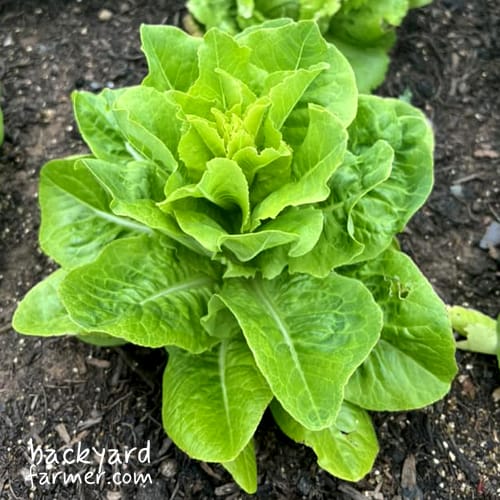
Loose-leaf lettuce is the easiest place to start. It grows quickly, works well as baby leaves, and does not need to form a tight centre before it becomes useful.
That makes it ideal for:
- Small gardens
- Containers and troughs
- Raised beds
- Quick gaps on the allotment
Cut-and-come-again lettuce is even better if your goal is a steady supply. Instead of cutting the whole plant, you pick the outer leaves and leave the centre to keep growing.
It will not crop forever, but it gives you much more flexibility than waiting for one big head.
Lettuce types for heads
Butterhead lettuce has softer leaves and a looser heart. It can be lovely in spring and autumn, but it needs more room than baby leaf lettuce and can sulk if it gets too hot or dry.
Cos and romaine lettuce grow more upright, which makes them useful where space is tight. Compact types like Little Gem are a good middle ground if you want something closer to a proper head without growing huge lettuces.
Crisphead and iceberg lettuce are usually the least forgiving. They need:
- More time
- More space
- Steadier watering
- Better growing conditions
There is nothing wrong with growing them, but they are not where I would start if you just want easy salad leaves.
Lettuce for summer and winter
For summer, look for varieties described as bolt-resistant or suitable for warmer conditions. However, do not expect the variety to do all the work.
Even a good summer lettuce will struggle if it dries out in a hot pot or sits in full sun through a heatwave.
Winter lettuce is worth trying once you have the basics sorted. Hardy varieties can be sown in late summer or early autumn and grown on with:
- Cloches
- Fleece
- A cold frame
- Greenhouse protection
They are useful, but they grow more slowly and need a bit more patience than spring lettuce.
For a first lettuce crop, keep it simple. Loose-leaf or cut-and-come-again types usually give you the quickest win, even if a few plants get eaten or bolt later on.
For autumn sowings and growing lettuce through the colder months, see our How to Grow Lettuce in Winter in the UK guide.
When to Sow Lettuce in the UK
You can sow lettuce for a surprisingly long stretch of the year in the UK, but timing still matters.
Lettuce likes cool, steady conditions. It grows well through spring and autumn, while hot, dry weather can cause:
- Patchy germination
- Stressed seedlings
- Bolting
- Bitter leaves
For a reliable supply, sow small amounts every two to three weeks rather than putting in one long row. That way, if one batch gets hit by slugs, heat or poor germination, you have another batch coming behind it.
| Time of year | What to do | Practical notes |
|---|---|---|
| February to March | Sow indoors or under cover | Useful for early crops, but seedlings need good light and protection before planting out |
| Late March to May | Start regular outdoor sowings | One of the easiest windows for lettuce in most UK gardens |
| June to August | Sow smaller summer batches | Use bolt-resistant types, keep compost moist and avoid baking seed trays in full sun |
| August to September | Sow autumn and winter types | Choose hardy varieties and be ready to use fleece, cloches or a cold frame |
| October onwards | Grow protected winter lettuce | Best under cover or in mild areas; growth will be much slower |
In mild areas, especially sheltered southern or coastal gardens, you may get away with earlier outdoor sowings.
However, in colder, exposed, or northern gardens, it is usually better to wait until the soil has warmed a little or start plants in modules under cover.
Early sowing under cover
If you want an early crop, sow lettuce indoors, in a greenhouse, or under cover from late winter.
The main thing is light. A warm windowsill can start seeds off, but if the light is poor, seedlings can stretch and turn weak very quickly.
Once the young plants are sturdy, harden them off gradually before planting them outside.
Cloches or fleece can also help protect early plantings from:
- Cold nights
- Birds
- Rough weather
- Sudden spring dips in temperature
Main outdoor sowing window
For most UK growers, the easiest outdoor sowing window starts from late March into spring. By then, the soil is usually warming up, light levels are better, and lettuce seedlings have a fairer chance of getting going.
You can direct sow into prepared soil, but modules or trays are often more reliable if slugs are a problem.
On an allotment, tiny lettuce seedlings can vanish overnight. So, raising them first and planting out stronger little plants is often worth the extra step.
Summer sowing
Summer lettuce is possible, but it needs a bit more care. Hot, dry compost can stop seed germinating properly, and stressed plants are more likely to bolt or turn bitter.
During warm spells:
- Sow in the evening
- Keep the compost evenly moist
- Move trays out of the harsh midday sun
- Give beds or containers a little afternoon shade if they dry quickly
Bolt-resistant lettuce varieties are useful, but they are not magic. Even a good variety will struggle if it sits dry at the roots for too long.
Late summer and autumn sowing
Late summer sowings can give you useful autumn lettuce, and hardy varieties can carry on into winter with some protection.
This is where types such as Winter Density or Arctic King-style lettuces become useful.
Autumn lettuce grows more slowly than spring lettuce, but it can be worthwhile because cooler weather reduces bolting pressure.
The challenge shifts towards:
- Damp soil
- Slugs
- Low light
- Cold nights
So, keep expectations realistic. Lettuce is quick when conditions are good, but in cold, dull weather, it slows right down.
The biggest mistake is treating lettuce like a one-off crop. For a steady supply, sow small batches often and replace plants before they get old, bitter or stressed.
Where to Grow Lettuce
Lettuce is fairly flexible, but it grows best when it is not stressed.
In cool spring and autumn weather, a bright, open spot usually works well. However, in summer, that same position can become too hot and dry, especially in containers or raised beds.
The best place to grow lettuce is somewhere with fertile, moisture-retentive soil that still drains well. In simple terms, lettuce wants:
- steady moisture around the roots
- good drainage
- decent compost or improved soil
- enough airflow around the leaves
- protection from drying out in hot weather
If the soil dries out too often, lettuce is more likely to bolt, turn bitter or stop growing properly.
Sun or shade for lettuce?
In spring and autumn, full sun is usually fine. During hot summer spells, though, a little afternoon shade can help.
This is especially useful if you are growing lettuce in:
- pots
- troughs
- shallow raised beds
- exposed allotment beds
Light shade from taller crops, netting, a fence, or the cooler side of the garden can all take the edge off the heat.
Soil for lettuce
Lettuce does not need heavy feeding, but it does appreciate decent soil. A bed improved with compost is usually enough.
Think in terms of steady growth, not pushing the plants hard. Soft, lush growth in a crowded, damp patch can quickly become slug food.
On an allotment, lettuce is well worth growing, but young plants often need more protection than they would in a back garden. Slugs, birds, drying winds and gaps between visits can all make the early stage harder.
This is one reason module-grown lettuce works so well. You can plant out sturdier seedlings instead of hoping tiny direct-sown plants survive.
Growing Lettuce in Pots and Containers
Growing lettuce in pots is one of the easiest ways to keep fresh leaves close to the kitchen.
Good container choices include:
- loose-leaf lettuce
- cut-and-come-again mixes
- Little Gem
- compact cos types
Use a pot, trough or planter with drainage holes and fill it with good multi-purpose compost.
Lettuce roots are not especially deep, so you do not need a huge container. Even so, avoid anything so shallow that it dries out after a few hours of sun.
The main job with container lettuce is watering. Pots dry out faster than garden soil, and lettuce does not forgive repeated dry spells.
In warm weather, a container by the back door may need checking daily.
Also, do not cram the pot too tightly unless you are deliberately growing baby leaves. A dense mat of lettuce might look productive at first, but it can quickly become:
- weak
- damp
- overcrowded
- attractive to slugs
Give plants enough room for airflow, especially if you want them to crop for more than one quick cut.
Growing Lettuce in Raised Beds and Allotments
Raised beds are great for lettuce because the soil warms quickly, drains well and is easy to improve with compost.
The trade-off is that raised beds can dry out faster in warm weather, so watering matters more than people often expect.
On allotments, lettuce works well as a gap-filler between slower crops. However, it is also more exposed to:
- slugs
- drying winds
- missed watering
- Birds pecking at young plants
If your plot is slug-heavy, start lettuce in modules and plant it out once the seedlings are sturdy enough to stand a chance.
A useful allotment trick is to grow lettuce in small patches rather than one obvious row. Tuck a few plants near spring onions, radish, beetroot or young brassicas, then keep another small batch coming behind them.
This uses space well and helps avoid the classic lettuce glut.
If your lettuce keeps bolting, the problem is often heat and stress rather than your ability as a gardener. Move summer sowings somewhere cooler, keep the roots moist, and harvest leaves younger instead of waiting for perfect heads.
How to Grow Lettuce from Seed
Lettuce is usually grown from seed, and you have two main options:
- Sow it directly where it will grow
- Start it in trays or modules before planting it out
Both methods work, but for beginners I would usually lean towards module sowing, especially if slugs are active in your garden.
Tiny lettuce seedlings are soft, bright green and very easy to lose. In a perfect spring bed, direct sowing can be fine.
However, on a damp allotment with plenty of slugs, birds and gaps between visits, a row of tiny seedlings can disappear before you ever get to thin them.
Starting lettuce in modules gives you more control. You can:
- Keep the compost moist
- Protect seedlings while they are small
- Thin them more easily
- Plant them out once they are sturdy enough to handle
Sowing lettuce in modules or trays
Fill a seed tray or module tray with fine, peat-free multi-purpose compost. If the compost is dry, water it before sowing.
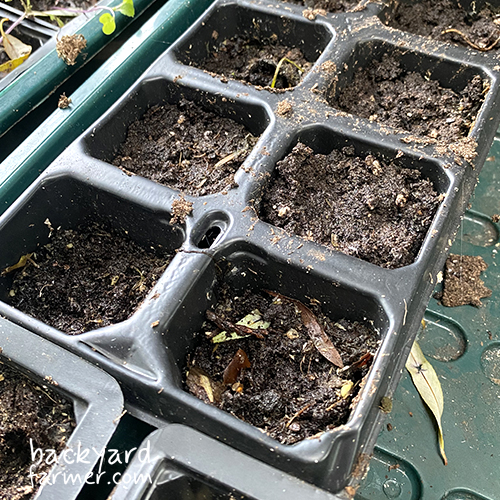
Then sow the seed thinly on the surface.
Lettuce seed only needs a light covering. Aim for around 0.5–1cm deep, or just cover the seed with a fine layer of compost or vermiculite.
If you bury lettuce seed too deeply, germination can be patchy.
A simple method is:
- Fill a module tray with compost and firm it gently.
- Sow two or three seeds per module.
- Cover very lightly with compost or vermiculite.
- Water gently so the compost is damp, not flooded.
- Keep the tray somewhere bright and sheltered.
- Thin each module to the strongest seedling once they are growing well.
- Harden plants off before moving them outside permanently.
- Plant out once the seedlings are sturdy and easy to handle.
The biggest thing at this stage is light. Lettuce seedlings raised indoors can go leggy quickly if they are too warm and not getting enough light.
A bright, cool spot is usually better than a hot windowsill.
Direct sowing lettuce outside
Direct sowing works well once the soil has warmed a little and the weather is settled.
Before sowing, prepare the soil by:
- removing weeds
- breaking up large lumps
- watering the drill if the ground is dry
Sow the seed thinly in shallow drills, cover it lightly, then water gently.
Try not to empty half a packet into one row. Lettuce seed is small, and thick sowing quickly creates a crowded green mat that needs thinning.
Once the seedlings appear, thin them gradually. You can use clean, healthy thinnings as baby leaves rather than wasting them.
Direct sowing is simple, but it does ask for a bit more trust in the weather and wildlife. If seedlings keep vanishing, switch to modules for the next batch.
Planting out lettuce seedlings
Before planting module-grown lettuce outside, harden the seedlings off for a few days.
This means gradually getting them used to:
- outdoor light
- wind
- cooler nights
- less protected conditions
Plant lettuce into damp soil and water it in gently. Try to disturb the roots as little as possible.
Lettuce does not need planting deeply. Keep the plug level with the surrounding soil and firm it in lightly.
If slugs are bad, protect young plants straight away. Do not wait until you see damage.
A lettuce plant that has just been planted out is exactly the sort of soft, easy meal slugs enjoy.
Common sowing mistakes to avoid
The most common mistake is sowing too thickly and then not thinning.
Crowded lettuce seedlings can quickly become:
- weak
- stretched
- damp around the leaves
- useful hiding places for slugs
Another common mistake is letting trays dry out. Lettuce needs steady moisture from the start. Compost does not need to be soaked, but it should not swing from wet to bone dry either.
Finally, avoid sowing loads at once. Lettuce grows quickly when conditions are right, so a huge sowing can become a glut before you realise it.
A small tray or short row every couple of weeks is much more useful than one heroic lettuce session in spring.
Lettuce Spacing and Layout
Lettuce spacing depends on what you want from the crop.
Baby leaves can be grown close together and picked young. Full lettuce heads need much more room.
This is where beginners often get caught out. A tray or row of tiny seedlings looks harmless at first, but a few weeks later, it can turn into a crowded green mat.
As a rough rule:
- Grow baby leaves closer together and harvest them young
- Give cut-and-come-again lettuce enough room to regrow
- Give head-forming lettuce proper space to spread
If you want proper heads, each plant needs enough room to form a centre and get decent airflow around the leaves.
| Lettuce type / harvest style | Suggested spacing | Notes |
|---|---|---|
| Baby leaf lettuce | Sow closer together and harvest young | Best for quick salad leaves, pots and shallow trays |
| Cut-and-come-again lettuce | Around 10–15cm apart | Gives plants enough room to regrow after picking |
| Loose-leaf lettuce | Around 15–20cm apart | Good middle ground for regular picking |
| Little Gem / compact cos | Around 20–25cm apart | Useful for smaller heads and containers |
| Cos/romaine lettuce | Around 20–30cm apart | Needs more room if growing to full size |
| Butterhead lettuce | Around 25–30cm apart | Give space for soft heads to form properly |
| Crisphead/iceberg lettuce | Around 30cm apart | Slower and less forgiving if cramped |
For square foot gardening, compact head lettuces are usually grown at around 4 plants per square foot.
Baby leaf lettuce can be sown more densely, but only because you are cutting it young before it needs full spacing.
Why spacing matters
The more mature you want the lettuce to become, the more space it needs.
If you cram head-forming lettuce too tightly, it may:
- stay small
- fail to heart up properly
- rot at the base
- become a hiding place for slugs
A bit of space around the plant makes watering, picking and checking for pests much easier too.
Spacing lettuce in pots and troughs
In pots and troughs, it is tempting to sow thickly because the container looks empty at first.
That is fine for baby leaves, but it is not ideal if you want plants to keep cropping for weeks.
For cut-and-come-again lettuce, leave enough room between plants so:
- Air can move around the leaves
- Your fingers can get into picking the outer leaves
- The plants can regrow after harvesting
A slightly less crowded pot will usually crop for longer than one packed tightly from edge to edge.
If the container is small, grow fewer plants well. Lettuce does not like drying out, and a crowded pot dries faster, holds more damp leaves, and can become slug-friendly very quickly.
Planning repeat sowings
The best lettuce layout is rarely one big lettuce patch.
It is usually:
- A few plants are ready now
- a few coming on behind them
- Another small sowing just started
That way, you do not end up with twenty lettuces ready at once, followed by nothing for a month.
It also means that if one batch bolts in a hot week or gets hammered by slugs, the whole crop is not lost.
If you want to map your lettuce spacing properly, use the Allotment Planner to plan small repeat sowings instead of one big lettuce patch.
Watering, Feeding and Care
Lettuce is not a hungry crop like tomatoes, courgettes or pumpkins. What it really wants is steady growth.
If the soil swings from wet to bone dry, the plants become stressed. And stressed lettuce is far more likely to:
- Bolt turns bitter
- Stop producing useful leaves
- Struggle after harvesting
The aim is simple: keep the roots evenly moist without leaving the plants sitting in waterlogged soil.
In a normal UK spring, established lettuce may need very little extra watering. However, in a dry spell, a raised bed or container, you may need to check it much more often.
Watering lettuce
Water lettuce often enough to keep the soil lightly damp below the surface.
You do not need to flood it every day, but you should avoid letting the root zone dry out completely.
Containers need the most attention. A trough of lettuce by the back door can be brilliant, but in warm weather, the compost dries much faster than garden soil.
If the leaves are wilting in the middle of the day and the compost feels dry, water deeply rather than giving the surface a quick splash.
Morning watering is usually best if you can manage it because:
- The plants get moisture before the day warms up
- The leaves have time to dry
- The soil starts the day evenly damp
In cool, damp weather, try not to leave crowded lettuce sitting wet overnight. That can encourage slimy leaves and rot.
Feeding lettuce
If your lettuce is growing in decent compost or soil improved with garden compost, it usually will not need much extra feed.
In fact, too much feeding can push soft, lush growth, which is not always helpful when slugs are already interested.
For lettuce in pots, a light organic liquid feed can help if:
- The plants have been cropping for a while
- The compost is running out of steam
- The leaves start looking pale despite regular watering
Keep it gentle, though. Lettuce is more likely to suffer from drying out than from a lack of strong fertiliser.
A useful rule is this: improve the soil before you plant, then focus on watering and harvesting.
You are not trying to force a monster crop. You are trying to keep the plants growing steadily.
Mulching and keeping roots cool
A light mulch can help in warm weather, especially around lettuce growing in beds or raised beds.
Useful mulches include:
- compost
- leaf mould
- fine organic mulch
These help hold moisture and stop the soil surface from drying out too quickly.
However, do not bury the plants or pack mulch tightly around the crown. Lettuce leaves sit low to the ground, and damp material pressed against the base can encourage:
- rot
- slugs
- slimy lower leaves
Weeding and tidying
Young lettuce does not compete well with weeds. Keep the area around seedlings clear, so they are not fighting for light, water and space.
As plants grow, remove yellowing or damaged lower leaves.
It is a small job, but it makes a difference. Old leaves near the soil become damp hiding places for slugs and can encourage mould or rot in wet weather.
If a plant starts to stretch upwards and bolt, do not treat it as a disaster. It has simply reached the end of its useful salad stage.
Harvest what you can, compost the rest, and let the next small batch take over.
Lettuce is less about feeding hard and more about keeping the plant unstressed. Moist roots, steady growth, tidy plants and regular picking matter far more than throwing feed at it.
How to Grow Lettuce in Summer
Summer is when lettuce starts to catch people out.
It still grows, but it is less forgiving than spring or autumn lettuce. Hot compost, dry roots, and long bright days can all push plants towards:
- bolting
- poor germination
- bitter leaves
- tired, stressed growth
That does not mean summer lettuce is impossible. It just means you need to change the game a bit.
Instead of trying to grow huge, perfect heads through the hottest weeks, aim for smaller batches, younger leaves, cooler roots and regular resowing.
Choose the right lettuce for summer
If you are sowing lettuce in June, July or August, choose varieties described as bolt-resistant or suitable for summer growing.
Good summer options can include:
- Cos types
- Loose-leaf lettuce
- Bolt-resistant varieties
- Some crisphead types, if conditions are steady
However, no lettuce is completely bolt-proof.
Think of bolt resistance as extra help, not a guarantee. A bolt-resistant lettuce left dry in a hot container will still struggle.
Variety matters, but steady moisture matters just as much.
Keep lettuce roots cool and moist
The main summer job is keeping the root zone from drying out.
Lettuce has shallow roots, so it can dry quickly in:
- pots
- troughs
- raised beds
- exposed allotment beds
Water deeply when needed rather than giving the surface a quick splash.
In containers, check the compost with your finger. If it is dry below the top layer, water properly until the compost is evenly damp again.
A light mulch can help in beds, but keep it away from the crown of the plant. You want to hold moisture in the soil, not create a damp collar of rot and slug cover around the lettuce.
Use a light shade during hot spells
In spring, lettuce usually enjoys a bright, open spot. In summer, a little afternoon shade can make a big difference, especially in pots or exposed raised beds.
You can use:
- the cooler side of the garden
- light shade from taller crops
- shade netting
- movable containers
The aim is not to grow lettuce in deep shade. It still needs light.
You are just taking the edge off the hottest part of the day.
Sow in cooler conditions
Lettuce seed can germinate poorly when the compost or soil is too hot.
During hot spells:
- Sow in the evening
- Water the compost first
- Keep trays bright but not baking
- Avoid leaving modules on a hot greenhouse bench
If you are starting lettuce in modules, do not leave the tray cooking on a south-facing patio. That is a quick way to dry the compost and stress the seed before it has even started.
Harvest younger and keep restarting
Summer is not the time to be too precious about waiting for perfect lettuce heads.
Pick leaves young, keep the plants tidy, and start another small batch before the current one is finished.
This is where the little-and-often approach really pays off. If one batch bolts in a hot week, the next one is already coming through.
That is far less frustrating than watching your only lettuce row shoot upwards and turn bitter.
For summer lettuce, success often means lowering expectations in the right way. Fresh young leaves from several small sowings are usually more useful than trying to force one big crop through heat, drought and slugs.
Common Lettuce Problems
Most lettuce problems come back to the same few things: stress, slugs, overcrowding and timing.
Lettuce grows quickly when conditions are right. However, it also reacts quickly when it gets:
- too hot
- too dry
- too crowded
- too old
- too exposed to slugs while young
The good news is that most problems are easier to manage once you stop relying on one big sowing.
If you have another small batch coming behind the first, a few bolted or slug-nibbled plants are annoying, not a complete disaster.
| Problem | Likely cause | Practical fix |
|---|---|---|
| Lettuce bolting | Heat, dry soil, long days, stress or old plants | Sow little and often, water consistently, use summer-suitable varieties and harvest before plants stretch upwards |
| Bitter leaves | Heat, drought, bolting or plants left too long | Pick leaves younger, keep soil moist and replace tired plants with fresh sowings |
| Slug and snail damage | Soft young leaves, damp weather, weeds, overcrowding and old lower leaves | Start in modules, plant out stronger seedlings, keep beds tidy and protect young plants early |
| Poor germination | Old seed, hot compost, dry compost or sowing too deeply | Use fresh seed, sow shallowly, keep compost damp and sow during cooler parts of the day in summer |
| Seedlings disappearing overnight | Slugs, snails, birds, mice or drying out | Raise seedlings in trays or modules and protect them until they are stronger |
| Lettuce not forming heads | Overcrowding, wrong lettuce type, heat stress or heavy picking from heading types | Give head-forming lettuce enough room and choose loose-leaf types if you want regular picking |
| Rot or slimy lower leaves | Damp weather, poor airflow, overcrowding or old leaves sitting on wet soil | Space plants properly, remove yellowing leaves and avoid dense, damp clumps |
| Aphids | Soft growth, crowded plants or pests hiding inside tight heads | Check plants regularly, remove badly affected leaves and encourage natural predators |
Lettuce bolting
Bolting is when lettuce stops focusing on leaf growth and starts sending up a flower stem.
Once that happens, the leaves usually become tougher and more bitter.
Common causes include:
- warm weather
- dry soil
- long bright days
- old plants left too long
- general stress
It is especially frustrating when a whole row bolts at once, which is another reason small repeat sowings are so useful.
To reduce bolting, keep lettuce watered, harvest regularly, grow summer-suitable varieties during warmer months, and use a cooler or lightly shaded spot in hot spells.
Most importantly, do not wait forever for perfect heads. Lettuce is often better picked slightly early than left to panic and run to seed.
Bolting is not a personal failure. It usually just means that the plant has reached the end of its useful salad stage.
Pick what you can, compost the rest, and let the next batch take over.
Bitter lettuce leaves
Bitter lettuce is usually a stress problem.
Common causes include:
- Heat
- Drought
- Bolting
- Old plants
- Leaving leaves too long before picking
The fix is mostly prevention. Keep the soil evenly moist, harvest leaves young, and avoid leaving plants in the ground too long during warm weather.
If a plant has already bolted and tastes bitter, it is usually better to replace it than try to rescue it.
This is where cut-and-come-again harvesting helps. You use the leaves while they are young and tender, instead of waiting for one perfect-looking lettuce that might already be past its best.
Slug and snail damage
Slugs and snails are probably the most common real-world lettuce problem in UK gardens and allotments.
Young lettuce seedlings are soft, low to the ground and very easy for slugs to find.
If your seedlings vanish or look chewed down to stumps, slugs are usually high on the suspect list.
The problem is often worse where you have:
- damp weather
- weedy beds
- overcrowded plants
- old lower leaves near the soil
- tiny direct-sown seedlings
The most reliable beginner fix is to start lettuce in modules, then plant it out once the seedlings are bigger and sturdier.
Keep the area tidy, remove yellowing leaves, avoid overcrowding, and protect young plants as soon as they go outside.
Whatever slug control method you prefer, start early. Waiting until half the row has gone is usually too late.
Poor germination
Lettuce seed is small and does not need burying deeply.
Germination can be patchy if you:
- Sow too deep
- Let the compost dry out
- Use old seed
- Leave trays baking in the hot sun
Hot weather can be a real issue. In summer, seed trays left in full sun can dry out quickly and germinate badly.
Sow during cooler parts of the day, water the compost first, and keep trays bright but not roasting.
If a sowing fails, do not dwell on it. Resow a small batch with fresh seed, shallow covering and steadier moisture.
Seedlings disappearing overnight
When lettuce seedlings disappear overnight, slugs and snails are the obvious suspects.
However, birds, mice and dry conditions can also play a part.
This is another reason modules are useful. You can raise seedlings somewhere safer, then plant them out once they are less delicate.
Fleece, cloches or fine netting can also help if birds are pecking at young plants.
If the same patch keeps failing, try a different position, sow into modules, and check the bed after dark to see what is actually eating them.
It is not always pretty, but it is usually informative.
Lettuce refusing to heart up
Not every lettuce is supposed to form a tight head.
Loose-leaf and cut-and-come-again types are grown for regular picking, not supermarket-style hearts.
If you are growing butterhead, cos or crisphead lettuce and it still refuses to form properly, overcrowding is often the issue.
Head-forming lettuce needs:
- More room than the baby leaves
- Steady moisture
- Enough time to mature
- Less heat stress
The simple answer is to match the spacing to the crop.
If you want full heads, give each plant proper room. If you mainly want regular leaves, choose loose-leaf types and stop worrying about perfect hearts.
Rot, mould and slimy lower leaves
Lettuce can rot in cool, damp weather, especially when plants are crowded or old leaves sit against wet soil.
You might notice:
- slimy lower leaves
- grey mould
- soft patches around the base
- leaves collapsing near the soil
Good spacing helps because air can move between plants. It also makes picking easier and gives slugs fewer damp hiding places.
Remove yellowing or damaged lower leaves as you harvest, keep weeds down, and avoid turning a pot or bed into one dense, wet lettuce mat.
Aphids on lettuce
Aphids can gather on soft lettuce growth, especially inside tight heads or under leaves, where they are easy to miss.
Check plants as you harvest. If you spot aphids early, you can often remove affected leaves before the problem spreads.
Encouraging hoverflies, ladybirds, and other predators helps too, but the simplest habit is regular picking and inspection.
Avoid overcrowded, stressed growth where pests can build up unnoticed. A tidy lettuce patch is much easier to manage than a neglected one.
When and How to Harvest Lettuce
Lettuce is ready to harvest earlier than many people think.
You do not need to wait until every plant looks like something from a supermarket shelf. In fact, with most home-grown lettuce, picking slightly early gives you:
- sweeter leaves
- fresher texture
- less waste
- fewer bolting problems
Baby leaves can often be picked from around 4–6 weeks after sowing, depending on the weather and variety.
Full lettuce heads usually take longer, often around 8–12 weeks, but this varies a lot between loose-leaf, butterhead, cos and crisphead types.
| Lettuce type | Typical harvest time | Best harvest method |
|---|---|---|
| Baby leaf lettuce | Around 4–6 weeks | Cut or pick young leaves while tender |
| Loose-leaf lettuce | Around 6–8 weeks | Pick outer leaves regularly |
| Cut-and-come-again lettuce | From around 4–6 weeks | Harvest outer leaves and leave the centre intact |
| Little Gem/compact cos | Around 8–10 weeks | Pick outer leaves or cut the whole head |
| Butterhead lettuce | Around 8–10 weeks | Cut the whole head once it has formed |
| Crisphead/iceberg lettuce | Around 10–12 weeks or more | Cut once the head feels firm enough |
The best time to harvest lettuce is usually in the morning, when the leaves are cool, crisp and full of moisture.
In hot weather, leaves picked later in the day can be softer and more stressed, especially if the plant has started to dry out.
Picking outer leaves
For loose-leaf and cut-and-come-again lettuce, the easiest method is to pick the outer leaves first.
Take the larger leaves from around the outside of the plant and leave the small centre leaves to keep growing.
This gives you:
- a longer harvest from the same plant
- fewer wasted leaves
- a chance to tidy the plant as you pick
- more control than waiting for one full head
Remove damaged, yellowing or slug-nibbled leaves as you go.
Do not strip the plant bare. Leave enough healthy growth in the centre so it can recover and keep producing.
Cutting whole heads
If you are growing butterhead, cos, Little Gem or crisphead lettuce for full heads, cut the plant at the base once it feels ready.
The head should feel formed, but it does not need to be rock hard or oversized.
In warm weather, it is better to cut a head slightly early than wait too long and risk:
- bolting
- bitterness
- tough leaves
- slug damage around the base
Once a lettuce starts stretching upwards, it is moving towards flowering, and the eating quality usually drops quickly.
Some lettuces may regrow a few smaller leaves after cutting, but do not rely on this as your main crop. It is much better to have another small sowing already coming on.
How to Harvest Cut-and-Come-Again Lettuce
Cut-and-come-again lettuce works best when you harvest regularly but lightly.
The aim is to take usable leaves without damaging the growing point in the middle.
A simple method is:
- Wait until the leaves are large enough to use.
- Pick the outside leaves first.
- Leave the small centre leaves in place.
- Remove any yellowing or damaged lower leaves.
- Water the plant after harvesting if the weather is dry.
- Keep sowing small batches every few weeks so new plants are always coming through.
Each plant will only crop for so long.
After a few rounds of picking, you may notice:
- slower growth
- tougher leaves
- taller stems
- signs of bolting
At that point, compost it and move on to the next batch. That is the whole point of growing lettuce little and often.
Storing lettuce after harvest
Lettuce is best eaten fresh, especially when you have grown it yourself.
Pick what you need, rinse it gently, and use it as soon as possible.
If you need to store it, keep the leaves cool and slightly humid in the fridge. A container or bag with a piece of a kitchen towel can help stop the leaves from becoming too wet and slimy.
Even then, lettuce is not a long-storage crop, so it makes sense to harvest little and often.
With lettuce, it is usually better to harvest slightly early than wait too long and end up with bitter leaves, bolting plants or a slug hotel.
Companion Planting and Intercropping for Lettuce
Lettuce is one of the easiest crops to tuck in around other plants, but it is worth keeping companion planting sensible.
It will not magically stop slugs, prevent bolting or replace good watering. Where lettuce really earns its keep is as a quick, low-growing gap-filler crop.
Because lettuce grows quickly and has shallow roots, you can often fit it between slower crops while they are still small.
By the time those bigger plants need the space, you may already have picked most of your lettuce.
| Companion/crop group | How it helps | Practical note |
|---|---|---|
| Radish | Another quick crop for gaps and salad beds | Good for short rows and spring sowings |
| Spring onions | Upright growth leaves room around lettuce | Useful in compact beds and containers |
| Carrots | Slow to get going, leaving early space for lettuce | Avoid overcrowding once carrots fill out |
| Beetroot | Works well in mixed beds while plants are young | Give both crops room as they mature |
| Peas and beans | Can offer light shade in warmer weather | Keep lettuce out of dense, damp shade |
| Strawberries | Lettuce can use spare gaps early in the season | Watch for slugs around low-growing crops |
| Chives and light herbs | Useful edging plants without too much competition | Avoid strong, woody herbs crowding young lettuce |
Lettuce as a gap-filler crop
The best way to use lettuce with other crops is to treat it as a temporary crop.
It can sit in spare spaces before slower vegetables fill out, especially in spring when beds still look half-empty.
This works well around crops like:
- radish
- spring onions
- beetroot
- young carrots
- early peas
The lettuce gives you something useful from the space while the main crop is still getting established.
The key is not to forget it is there. If lettuce is left too long between bigger plants, it can become:
- shaded
- stretched
- damp
- slug-damaged
Pick it young, enjoy the leaves, and move on.
Using shade from taller crops
In summer, a little light shade can help lettuce cope with heat.
Taller crops such as peas, beans or sweetcorn can take the edge off harsh afternoon sun if the spacing works.
Good light-shade options include:
- peas on supports
- climbing beans
- sweetcorn in wider plantings
- taller crops on the sunny side of the bed
Do not overdo it, though. Lettuce still needs light and airflow.
Deep shade under dense plants can create weak growth, damp leaves and more slug problems.
A good rule is simple: light shelter is helpful, dense crowding is not.
What not to grow lettuce with
There are no major hard rules for lettuce companion planting.
The bigger issue is competition and dampness.
Avoid squeezing lettuce under crops that are:
- too thirsty
- too dense
- too sprawling
- likely to shade it heavily
Large brassicas, mature courgettes, squash and thick herb clumps can all overwhelm lettuce if planted too close.
Also, avoid making mixed beds too crowded. Companion planting should make the bed work better, not turn it into a damp jungle where slugs can hide.
For lettuce, companion planting is mostly about using space well and giving a little shelter.
It is not a magic pest-proof planting scheme, and that is fine. Good spacing, steady watering and regular picking will do far more for your lettuce than any perfect companion list.
Plan Your Lettuce Bed Before You Sow
Lettuce is one of those crops where a little planning saves a lot of waste.
Sow too much at once, and you can end up with:
- a glut of leaves
- a row of bolting plants
- overcrowded beds
- far more lettuce than you can realistically eat in a week
A better approach is to plan small repeat sowings.
Add a few lettuces where you have space, leave enough room for airflow and picking, then start another small batch before the first one is finished.
You can use the Allotment Planner to map out:
- lettuce spacing
- container layouts
- companion planting
- repeat sowings
- gaps between slower crops
This is especially useful if you are trying to fit lettuce between crops like carrots, beetroot, spring onions or peas without turning the bed into a crowded mess.
FAQ
Yes, lettuce grows very well in pots, troughs and containers. Loose-leaf lettuce, cut-and-come-again mixes and compact types such as Little Gem are especially useful because you can keep them near the kitchen and pick a few leaves at a time.
The main thing is watering. Container compost dries out much faster than garden soil, especially in warm weather.
Baby lettuce leaves can often be picked in around 4–6 weeks, while full heads usually take around 8–12 weeks, depending on the type, spacing and weather.
Loose-leaf and cut-and-come-again lettuce are usually quicker than crisphead or iceberg types.
Yes, lettuce is easy for beginners if you grow it a little and often.
Loose-leaf and cut-and-come-again types are the most forgiving because you can harvest useful leaves early instead of waiting for perfect full heads.
The most common mistake is sowing too much at once.
A whole row can quickly become a glut, then bolt or turn bitter before you use it. Small regular sowings every couple of weeks are much more useful.
Yes, but variety and protection matter.
Late summer and early autumn sowings can work well, especially with hardy or winter lettuce varieties. Growth slows as light levels drop, so late lettuce needs more patience than spring lettuce.
Lettuce usually bolts because of heat, dry soil, stress, long days or age.
To reduce bolting, grow it in cooler conditions during summer, water consistently, choose bolt-resistant varieties and harvest before plants start stretching upwards.
Bitter lettuce is usually caused by heat, drought, stress or bolting.
Pick leaves younger, keep plants watered, and replace old plants with fresh sowings once they start stretching upwards or tasting harsh.
Both methods work, but trays or modules are often more reliable for beginners.
They give seedlings a better start and help protect them from slugs while they are tiny. Direct sowing is fine in settled weather if the soil is moist and slug pressure is low.
The most likely cause is slugs or snails, although birds, mice and dry soil can also be involved.
Start seedlings in modules, protect young plants when they go outside, and check the bed after dark if the same patch keeps failing.
Yes, but summer lettuce needs more care than spring or autumn lettuce.
Grow smaller batches, water regularly, use a cooler or lightly shaded spot during hot spells, and harvest leaves before plants bolt or turn bitter.
Usually not much. Good compost-rich soil is normally enough.
Lettuce needs steady moisture and healthy soil more than heavy feeding, although container-grown plants may benefit from a light liquid feed if they have been cropping for a while.
Loose-leaf and cut-and-come-again lettuce are usually the easiest.
They grow quickly, crop early and are less disappointing than waiting for perfect heads. Compact cos types such as Little Gem are also a good choice if you want small heads.
Yes, you can grow lettuce indoors, especially baby leaves, but it needs strong light, cool conditions and steady moisture.
A bright windowsill can work in spring or summer, but winter indoor lettuce usually needs more light than a normal windowsill provides.
Living lettuce from the supermarket may keep producing small leaves for a short time if you plant it in compost and water it.
However, treat it as a bonus rather than a proper long-term crop. For reliable harvests, sow fresh lettuce seed instead.
Sow lettuce seed thinly on the surface of moist compost or prepared soil, cover it lightly, keep it damp and give seedlings good light.
Once the plants are large enough to handle, thin them or plant module-grown seedlings outside with enough spacing.
For regular leaves, sow a small batch every two to three weeks during the main growing season.
This keeps fresh plants coming on behind the older ones and helps avoid gluts, bolting and wasted seed.
Cut-and-come-again lettuce is lettuce grown for repeated picking rather than one final harvest.
You take the outer leaves and leave the centre of the plant intact so it can keep producing for a while longer.
Yes, but you need the right varieties and some protection.
Hardy winter lettuce can be sown in late summer or early autumn and grown under cloches, fleece, a cold frame, greenhouse or polytunnel. Growth will be much slower than in spring, but it can still be worthwhile.