How to Grow Spring Onions in the UK: Easy Salad Onions for Small Spaces

This post may contain affiliate links, which means I earn a small commission at no extra cost to you.

Table of Contents (Quick Nav)

Introduction

Spring onions should be one of the easy wins in a veg patch. Sow a few seeds, wait a while, then pull them fresh for salads, stir-fries, omelettes and whatever else needs a bit of sharp green crunch.

In good conditions, they really can be that simple. However, if you’ve ever sown a row and ended up with patchy germination, thin grass-like seedlings or nothing much at all, you’re definitely not on your own.

spring onions on the allotment

In the UK, spring onions usually catch people out at the start. The common problems are simple enough, but they make a big difference:

  • Cold, wet soil
  • Old seed
  • Sowing too thickly
  • Dry trays or containers
  • Weeds and slugs are getting to the seedlings early

Once they get going, though, spring onions are a brilliant small-space crop. They suit raised beds, containers, allotment rows and odd gaps between slower vegetables.

This guide walks through how to grow spring onions in the UK in a practical, no-fuss way, including:

  • When to sow them
  • Whether to direct sow or use modules
  • How far apart to space them
  • How to grow them in pots and troughs
  • What to do if they germinate badly
  • When to harvest them for the best flavour

If you just want the quick version, use the guide below. But if spring onions have failed for you before, it’s worth reading the sowing and germination sections properly, because that is where most of the battle is won.


When to Plant Spring Onions in the UK

You can sow spring onions outdoors in the UK from March to August, but the calendar is only half the story. Soil condition matters just as much as the month.

If the ground is still cold, claggy or sitting wet after rain, spring onion seed can be slow and patchy. I’d rather sow a week or two later into better soil than waste a row in cold mud.

For an early crop, start spring onions under cover from February or March in modules or trays. This gives them a steadier start while the ground warms up outside.

Once the seedlings are sturdy and the weather has settled, plant them out in small clumps.

For the easiest outdoor sowing, wait until the soil is:

  • Workable
  • Starting to warm
  • Not sitting wet after rain
  • Clean enough that weeds won’t swamp the seedlings

Then sow small batches every 2–3 weeks rather than tipping the whole packet into one row. That way, you get a steady run of fresh spring onions instead of one crowded patch that all needs harvesting at once.

Sowing timeBest methodWhat to expect
February–MarchSow under cover in modules or traysBest for early crops and cold springs
March–AugustDirect sow outdoors or transplant modulesMain UK growing window
Every 2–3 weeksSuccessional sowingGives a steady supply rather than one glut
Late summer–early autumnSow hardy varietiesPossible overwintered crop for spring

The main mistake is sowing too early outdoors and expecting quick results. Spring onions are fairly tough once they are growing, but germination can be stubborn in cold, wet soil.

If spring weather is miserable, start them in modules or wait a little longer. A later sowing in better conditions can easily overtake an early sowing that sulks in the ground.

Can You Overwinter Spring Onions?

Yes, you can overwinter spring onions, but variety choice matters. Look for hardy types, such as White Lisbon Winter Hardy, or another spring/salad onion sold for autumn sowing.

For overwintering, keep the method simple:

  • Sow in late summer or early autumn
  • Let the plants establish before winter
  • Keep them out of waterlogged soil
  • Protect them in colder or exposed gardens if needed
  • Harvest the following spring once growth picks up again

In mild parts of the UK, overwintered spring onions may sit quietly through winter and start growing again as the days lengthen. In colder or exposed gardens, a cloche, fleece or sheltered bed can make a noticeable difference.

Overwintering is useful if you want an earlier crop the following spring. However, it is not the same as sowing any old spring onion seed late and hoping for the best.

Choose the right variety, avoid waterlogged ground, and don’t panic if growth slows right down during the darkest months.


Spring Onions, Salad Onions and Bunching Onions Explained

In the UK, spring onions and salad onions usually mean the same thing: slim, mild onions harvested young before they turn into full-sized storage onions.

You may also see the word scallion, especially in recipes, but that is more common in American wording.

The slightly confusing bit is that not every spring onion behaves in the same way. There are two main types you are likely to come across:

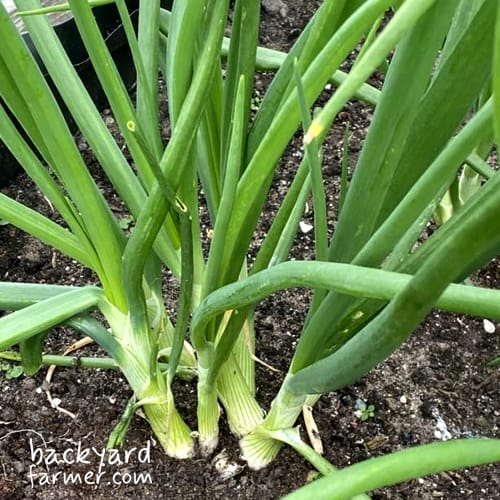
  • Allium cepa types — related to bulb onions, and may swell slightly at the base if left to grow
  • Allium fistulosum types — often called bunching onions or Welsh onions, and usually form long white stems without making a round bulb

For most home growers, you don’t need to get buried in the botany. The useful bit is simple:

  • Some varieties stay straighter and more stem-like
  • Some varieties make a small bulb at the base
  • Both are useful in the kitchen
  • They can look slightly different when you harvest them

Good varieties to look out for include:

  • White Lisbon — a classic, quick-growing spring onion and a good choice for repeat sowing
  • White Lisbon Winter Hardy — useful for late sowing and overwintering where conditions suit
  • Ishikura — a bunching type with long white stems and little to no bulb swelling
  • Guardsman — a reliable salad onion type for steady cropping
  • Apache — a red spring onion that adds a bit of colour to salads and stir-fries
  • Photon — another useful salad onion variety if you come across it

For a simple starting point:

If you want…Try…
A safe beginner varietyWhite Lisbon
Long, straight white stemsIshikura
An overwintering cropWhite Lisbon Winter Hardy or another hardy type
A bit of colourApache

If you are just starting, White Lisbon is the safe, familiar choice. If you want long, straight stems, try Ishikura. If you want to experiment with overwintering, choose a variety clearly sold for that job rather than assuming every spring onion will cope with winter.


Where to Grow Spring Onions

Spring onions grow best in a sunny, open spot with free-draining soil. They do not need a rich, heavily fed bed, but they do appreciate soil that has been loosened and improved with compost.

The main thing to avoid is cold, compacted or waterlogged ground.

Spring onions are small plants with fine roots, so they struggle if they sit in wet soil for too long. If your garden soil is heavy clay, you will usually get better results from:

  • A raised bed
  • A container or trough
  • A short row in improved soil
  • A better-drained patch of the allotment

That is usually better than forcing them into a sticky patch that stays wet after rain. I’d rather grow a neat little row in decent soil than lose half a sowing in a cold, claggy corner.

Spring onions are a brilliant crop for small spaces because they do not need deep soil or much room. You can grow them in:

  • Raised beds
  • Allotment rows
  • Troughs and containers
  • Grow bags
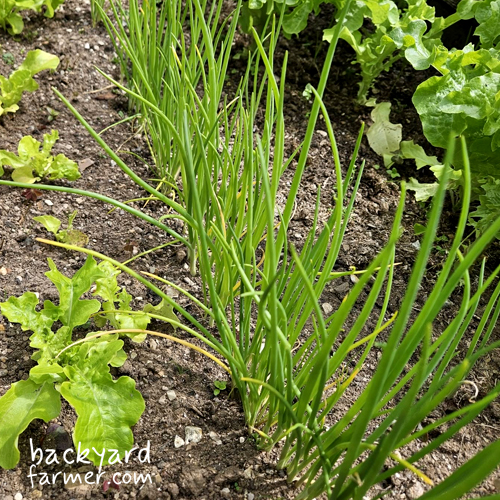
  • Gaps between slower crops
  • Bed edges and spare corners

Full sun gives the strongest growth, but spring onions will usually cope with light shade, especially in summer. Just avoid tucking them somewhere too dark or crowded.

When spring onions are short of light, they tend to become thin and weak rather than sturdy and useful.

They also make sense near the kitchen door if you have the space. A pot or trough close to the house is far more likely to be picked at the right time than a forgotten row at the far end of the garden.

For a quick check, aim for:

Growing conditionSpring onion preference
LightFull sun or light shade
SoilFree-draining, improved soil
MoistureEvenly moist, not waterlogged
FeedingModerate fertility, not heavily manured
CompetitionLow weed pressure and no heavy shading

The one thing to remember is that spring onions are easily outcompeted. Big leafy crops, weeds and overgrown neighbouring plants can all shade them out.

Give them a clean bit of ground, keep the weeds down, and they will usually look after themselves once established.


How to Sow Spring Onions

Spring onions are usually grown from seed, and you have two decent options:

  • Sow them directly outside where they are going to grow
  • Start them in modules and plant them out as small clumps

Direct sowing is the simplest method, but it is not always the most reliable in a cold, wet UK spring. If your soil is heavy, weedy or sluggy, starting a few in modules can save a lot of frustration.

For direct sowing, make a shallow drill about 1cm deep. If the soil is dry, water the bottom of the drill before sowing rather than soaking the surface afterwards.

Then:

  1. Sow the seed thinly.
  2. Cover lightly with soil or compost.
  3. Water gently.
  4. Keep the row evenly moist while it germinates.

The word thinly matters. It is tempting to pour a thick line of seed into the drill and hope for the best, but overcrowded spring onions quickly become weak, grass-like and awkward to harvest.

You can always sow another short row in a few weeks, so there is no need to cram the whole packet in at once.

Once the seedlings appear, thin them if they are packed together. You do not need perfect spacing at this stage, but they do need enough room, light and airflow to make proper stems.

If the thinnings are big enough, use them like tiny onion shoots in the kitchen. It is a small thing, but it makes thinning feel less wasteful.

Fresh Seed Matters

If spring onions fail year after year, don’t automatically blame your method. Onion seed can lose reliability faster than many other vegetable seeds, so an old, half-opened packet may be the problem.

For a crop that is cheap to sow and quick to use, it is usually worth starting with fresh seed.

This is especially true if you are sowing early in the season, when cold soil already makes germination less forgiving.

A Simple Direct Sowing Method

  1. Rake the soil level and remove any obvious weeds.
  2. Make a shallow drill about 1cm deep.
  3. Water the drill if the soil is dry.
  4. Sow the seed thinly along the row.
  5. Cover lightly with soil or compost.
  6. Water gently and keep the row evenly moist.
  7. Thin the seedlings if they come up too crowded.

A quick rule of thumb:

StepWhy it matters
Use fresh seedImproves germination reliability
Sow shallowlySeedlings do not have to fight through heavy soil
Sow thinlyPrevents weak, crowded growth
Keep moistHelps seedlings establish evenly
Thin if neededGives each onion room to make a usable stem

If direct sowing keeps failing, don’t keep repeating the same frustration. Start a small batch in modules instead and transplant them once they are strong enough to handle.


Direct Sowing vs Module Sowing

There are two reliable ways to grow spring onions from seed:

  • Direct sowing — sowing straight into the bed, pot or row
  • Module sowing — starting small clumps in trays, then planting them out

Both methods work. However, they suit slightly different situations, and this is where a lot of beginners get caught out.

Direct Sowing

Direct sowing is the simplest method. You make a shallow drill outside, sow the seed where it is going to grow, then thin the seedlings if they come up too thickly.

This works best when the soil is already warming up, and the bed is clean. It is a good choice for:

  • Raised beds
  • Prepared allotment rows
  • Clean vegetable beds
  • Repeat sowings through spring and summer

The downside is that direct-sown spring onions are exposed from day one. Cold, wet soil, slugs, dry spells and weed competition can all make germination patchy.

So, if you sow a row in March and only half of it appears, it is not always because you have done anything wrong. UK spring weather can be awkward, and spring onion seed is not always as forgiving as people make out.

Module Sowing

Module sowing gives you more control. Instead of sowing straight into the ground, sow a small pinch of seed into each cell of a module tray.

Aim for around 4–6 seeds per module, then grow them on as small clumps. Once the roots hold the compost together, plant each clump outside without pulling every seedling apart.

This method is especially useful if:

  • Your soil is cold or wet in early spring
  • Slugs usually attack tiny seedlings
  • Your beds are weedy
  • You are growing in pots or containers
  • Direct sowing has failed before
  • You want neater spacing from the start

For beginners, module sowing is often the safer bet. It takes a little more effort at the start, but it gives the seedlings a protected head start.

It also makes planting out easier because you are handling small clumps rather than tiny single seedlings.

MethodBest forMain drawback
Direct sowingWarm soil, clean beds, and repeat outdoor sowingMore exposed to cold, slugs, weeds and patchy germination
Module sowingEarly crops, containers, cold springs and reliable spacingTakes a bit more compost, tray space and handling

Which Method Should You Choose?

You do not need to pick one method forever. In fact, I think the best approach is usually a mix of both.

A simple system is:

  1. Start an early batch in modules while the soil is still cold.
  2. Plant those clumps out once they are sturdy.
  3. Direct sow small rows outdoors once the soil is warmer.
  4. Repeat little and often for a steady supply.

If you have struggled with spring onions before, try modules first. It removes a lot of the guesswork and gives you stronger little clumps to plant out when conditions are better.


Spring Onion Spacing and Layout

Spring onions do not need much space, which is part of what makes them so useful. However, there is still a difference between close spacing and cramming them in.

If they are too crowded, they often stay:

  • Thin
  • Floppy
  • Slow to bulk up
  • More prone to damp, crowded growth

Spacing for Direct-Sown Spring Onions

For direct-sown spring onions, thin seedlings to around 2–3cm apart. That is close enough for slim salad onions, but still gives each plant enough room to make a usable stem.

Rows can be around 15–20cm apart, depending on how much space you have and whether you need room to weed between them.

If you want chunkier stems, leave a little more room. If you want young, slim spring onions, you can grow them a bit closer and harvest early.

Spacing for Module-Grown Clumps

If you are growing spring onions in modules, plant them out as small clumps rather than separating every seedling.

A good starting point is:

  • 4–6 seeds per module
  • 10–12cm between clumps
  • Small clumps rather than dense bunches

This gives you a neat group of spring onions without creating one thick clump that never really sizes up.

Growing methodSpacing guideBest use
Direct-sown rowsThin to 2–3cm apartSimple rows in beds or allotments
Row spacingAround 15–20cm apartAllows airflow and easier weeding
Module clumps4–6 plants per clumpReliable planting from trays
Clump spacingAround 10–12cm apartSmall bunches for easy harvesting
Square foot growingAround 16 single plants or 4 small clumpsRaised beds and small spaces

Using Spring Onions as Gap Fillers

Spring onions are handy for filling small spaces that would otherwise sit empty. You can use them:

  • Along bed edges
  • Between slower crops
  • In spare corners
  • In square foot beds
  • Around young crops before they fill out

Just keep an eye on shading as the season moves on. A spring onion tucked beside a young tomato may be fine early on, but it can struggle once the tomato turns into a leafy monster.

The trick is to match the spacing to how you actually want to use them. Grow them closer for young, slim stems, or give them more room if you want sturdier spring onions.

If you want to map your spring onion spacing properly, use the Allotment Planner to lay out your rows, clumps and companion planting before you sow.


Growing Spring Onions in Pots, Troughs and Grow Bags

Spring onions are one of the easiest alliums to grow in containers because they do not need deep soil or a huge root run.

A trough, window box, large pot or shallow grow bag can all work well, as long as the compost:

  • Drains freely
  • Holds some moisture
  • Does not dry out completely
  • Has enough depth for the roots to settle

For most container growers, a trough is more useful than a deep pot. Spring onions are narrow plants, so a long container gives you more usable growing space than a tall one.

Something around 15–20cm deep is usually plenty, provided the compost is decent, and you keep on top of watering.

Best Compost for Container Spring Onions

Use a peat-free multi-purpose compost, or mix compost with a little garden soil if you want it to hold moisture for longer.

The main thing is drainage. Spring onions like steady moisture, but they hate sitting in cold, sour compost. So, before you sow, make sure the container has proper drainage holes.

Aim for compost that is:

Compost conditionWhy it matters
Free-drainingPrevents roots from sitting wet
Moisture-retentiveStops seedlings from drying out too fast
Not too richAvoids overly soft leafy growth
Fine enough for seedMakes germination easier

How to Plant Spring Onions in Containers

You can grow spring onions in containers in two ways:

  • Sow directly into the container in shallow rows or small patches
  • Plant module-grown clumps into the container for a more reliable start

If you are sowing direct, scatter the seed thinly in short rows, cover lightly, and keep the compost moist while they germinate.

If you are using modules, plant small clumps around 10–12cm apart and water them in well.

Container spring onions are especially useful near the kitchen door. You are much more likely to pull them young and often if they are close by, rather than tucked away at the far end of the garden.

Can You Grow Spring Onions in Grow Bags?

Yes, you can grow spring onions in grow bags, especially if you are using spare space around other crops. Just remember that spring onions are small and easily shaded.

If you plant them around tomatoes, courgettes or other hungry crops, make sure they still get enough light and are not lost under a canopy of leaves.

A good use for grow bags is to sow spring onions:

  • Along the front edge
  • Between young crops before they fill out
  • In spare corners where there is still light
  • As a quick crop before larger plants take over

Containers dry out faster than open ground, so check them regularly in warm weather. Dry compost is one of the quickest ways to end up with thin, slow spring onions.

Keep them evenly moist, harvest young, and resow small batches if you want a steady supply through the season.


Watering, Feeding and Care

Spring onions do not need much fuss once they are growing, but they do need steady conditions.

The two jobs that make the biggest difference are:

  • Watering
  • Weeding

Watering Spring Onions

Keep the soil or compost evenly moist, especially while the seed is germinating and while young seedlings are getting established.

If the surface dries out completely at the wrong time, germination can become patchy and young plants may stall before they properly get going.

That does not mean soaking them every day. Spring onions dislike sitting in cold, waterlogged soil, especially early in the season.

Aim for:

  • Moist, not soggy soil
  • Even watering during dry spells
  • Extra checks for pots and troughs
  • Good drainage in containers

In open ground, this usually means watering during dry spells. In pots, troughs and grow bags, check more often because compost dries out much faster than garden soil.

Feeding Spring Onions

Feeding is simple. If the soil has been improved with compost, spring onions usually do not need much extra feed.

In fact, very rich conditions can push soft leafy growth rather than firm, useful stems. For most home growers, steady moisture and clean soil matter far more than liquid feeding.

Focus on:

  • Decent compost or improved soil
  • Steady moisture
  • Regular sowing
  • Low weed pressure
  • Enough light

If you are growing in tired container compost, a very light feed may help. However, spring onions are not hungry crops in the same way as tomatoes, courgettes or brassicas.

Weeding and General Care

Weeding is more important than people think. Spring onions are narrow, slow at first, and easily bullied by weeds.

A few weeds in a row of potatoes may not matter much. A few weeds in a row of spring onions can quickly take the light, space and moisture they need.

A light mulch can help once the seedlings are established, especially in dry weather. Just don’t bury tiny seedlings under heavy material.

Keep the rows:

  • Open
  • Airy
  • Easy to see
  • Free from heavy weed growth

Quick Care Checklist

JobWhy it matters
Water consistentlyPrevents patchy germination and stalled growth
Avoid waterloggingReduces rot and cold-soil problems
Keep weeds downStops young plants from being outcompeted
Do not overfeedAvoids overly soft leafy growth
Avoid overcrowdingImproves airflow and stem quality

You do not need to stake, prune or fuss over spring onions. Get the sowing right, keep them moist, keep the weeds off them, and they will usually do the rest.


Common Spring Onion Problems

Spring onions are usually straightforward once they are growing, but the early stages can be a bit more awkward than people expect.

Most problems come back to one of these simple causes:

  • Cold soil
  • Old seed
  • Overcrowding
  • Dry compost
  • Weeds
  • Slugs or other pests hitting seedlings early

The good news is that most spring onion problems are easy to reduce once you know what to look for.

ProblemMost likely causeQuick fix
Poor germinationCold soil, old seed or sowing too deepUse fresh seed and sow shallowly
Leggy seedlingsToo little light indoorsMove to brighter, cooler conditions
Thin growthOvercrowding, weeds or dry spellsThin, weed and water consistently
Slug damageDamp weather and tender seedlingsProtect young plants early
BoltingStress, drought, cold or leaving too longHarvest young and sow little and often
Rust or mildewDamp, crowded growthImprove spacing and airflow

Poor Germination

Poor germination is probably the most common frustration with spring onions. You sow a row, wait patiently, and only a few thin green shoots appear.

This is usually caused by:

  • Cold, wet soil
  • Old seed
  • Sowing too deep
  • Dry compost
  • Uneven moisture

Spring onions need shallow sowing and steady conditions to germinate well. If they are sown into cold, claggy ground in early spring, they can sit there doing very little, or rot before they get moving.

To improve germination:

  1. Use fresh seed.
  2. Sow about 1cm deep.
  3. Keep the soil or compost evenly moist.
  4. Avoid cold, waterlogged ground.
  5. Try modules or trays if direct sowing keeps failing.

Module sowing gives them a warmer, more controlled start before they go outside. It is not cheating; it is just working with the weather you have.

Leggy or Limp Seedlings

Spring onion seedlings can become long, pale and floppy if they are started indoors without enough light.

This often happens on warm windowsills, where seedlings stretch towards the light but do not grow strong enough to stand well.

Better places for young seedlings include:

  • A greenhouse
  • A cold frame
  • A bright porch
  • A sheltered outdoor spot, once conditions allow

The fix is to give them brighter, cooler conditions as soon as they germinate. Before planting them outside properly, harden them off so they adjust to wind, cooler nights and direct light.

A little floppiness is not always a disaster. However, seedlings that are very long, pale and tangled are harder to plant and more likely to struggle.

Thin, Weak Growth

Thin, weak spring onions are usually caused by overcrowding, weeds, poor light, dry spells or oversized clumps.

They are small plants, so they do not compete well when packed tightly together or shaded by bigger crops.

Check these first:

  • Are they too crowded?
  • Are weeds taking over the row?
  • Are they drying out?
  • Are bigger plants shading them?
  • Are module clumps too dense?

If you are direct sowing, thin the row so the seedlings have room to make proper stems.

If you are module sowing, keep clumps sensible rather than turning each cell into a dense fistful of seedlings. Around 4–6 plants per clump is a good starting point.

Spring onions are simple crops, but they do not like being bullied.

Slug and Snail Damage

Slugs and snails are most likely to cause problems when the spring onions are tiny.

Damp spring weather, trays left on the ground, and weedy bed edges can all make things worse.

If seedlings are disappearing overnight, check for:

  • Slug trails
  • Chewed seedling bases
  • Slugs hiding under trays or pots
  • Weedy edges and damp hiding places nearby

To reduce damage, raise trays off the ground, clear weeds and debris around young plants, and protect early sowings if slugs are active in your garden.

Once spring onions are established, slug damage is usually less of a problem, but the seedling stage is worth watching.

Bolting

Bolting is when the plant tries to flower instead of staying tender and leafy.

With spring onions, this is usually linked to stress, such as:

  • Cold
  • Drought
  • Being left too long
  • Using the wrong variety for the season

The best way to avoid bolting is to keep plants growing steadily and harvest them young.

Sow small batches regularly rather than relying on one big row. If you want to grow through winter, choose a hardy variety rather than pushing a summer type beyond what it wants to do.

Once a spring onion starts to flower, it usually becomes tougher and less useful in the kitchen.

Onion Fly

Onion fly larvae damage the roots and base of allium crops. Affected plants may wilt, yellow, loosen in the soil or collapse.

This is more of a concern where onions, leeks, garlic or shallots have had problems before.

If the onion fly is known in your area:

  • Use fine insect mesh over young crops
  • Rotate alliums where possible
  • Remove badly affected plants
  • Avoid leaving rotting allium material in the bed

Crop rotation matters more on allotments and vegetable beds, because repeatedly growing alliums in the same spot can build up problems.

Allium Leaf Miner

Allium leaf miner is another pest that affects onions, leeks, garlic and other alliums.

The larvae tunnel into leaves and stems, causing:

  • Distorted leaves
  • Splitting stems
  • Rot inside the plant
  • Collapsed or spoiled growth

It is not everywhere, but where it is present, it can be very frustrating.

The most practical defence is insect-proof mesh during risk periods, especially if you already know this pest is active locally. Keep the mesh well sealed at the edges, because loose netting with gaps will not do much.

If you see distorted or damaged allium leaves, remove affected material and avoid composting badly infested plants.

Rust or Mildew

Rust and mildew are more likely when spring onions are crowded, damp and short of airflow.

Rust usually shows as orange marks or pustules on the leaves. Mildew can appear as greyish or unhealthy patches in damp conditions.

You can reduce the risk by:

  • Avoiding overcrowding
  • Watering at the soil level where possible
  • Growing in an open, sunny spot
  • Thinning dense rows or clumps
  • Keeping weeds down around the plants

Do not worry about the odd-marked leaf on an otherwise healthy crop. However, if the row is dense and damp, thin it out and improve airflow.

White Rot

White rot is one of the more serious allium problems because it persists in the soil for a long time.

It affects:

  • Onions
  • Garlic
  • Leeks
  • Shallots
  • Spring onions

Plants may yellow, wilt and rot at the base, often with white fungal growth around the roots or bulb area.

If you suspect white rot:

  • Avoid planting alliums in that patch again
  • Be careful not to spread contaminated soil
  • Clean tools and boots after working in affected soil
  • Do not compost badly affected plant material

This is more of an allotment and repeated-bed issue than a problem for a one-off pot of spring onions, but it is worth knowing about if you grow a lot of alliums.

For most beginners, the main problems to focus on are much simpler:

  • Use fresh seed
  • Sow shallowly
  • Don’t overpack the row
  • Keep seedlings moist
  • Protect young plants from slugs

When and How to Harvest Spring Onions

Spring onions are usually ready to harvest around 8–12 weeks after sowing, but don’t treat that as a fixed rule. Weather, soil temperature and variety all play a part.

A warm summer sowing may move quickly. An early spring sowing can sit around for longer, especially if the soil is cold and light levels are poor.

When Are Spring Onions Ready?

Rather than waiting for an exact date, harvest spring onions when they look useful in the kitchen.

For most people, that means:

  • Stems around pencil thickness
  • A firm white base
  • Healthy green tops
  • A size you would actually use

They do not need to look like supermarket spring onions before you pull them. In fact, homegrown spring onions are often best when a little smaller, when the flavour is mild, and the texture is still tender.

Harvest signWhat it means
Pencil-thick stemsReady for normal kitchen use
Small white baseGood spring onion stage
Healthy green topsFresh and still actively growing
Flower stem formingHarvest soon before quality drops
Large swelling baseLeft longer than needed for spring onions

How to Harvest Spring Onions

To harvest spring onions, hold the plant low down near the base and ease it gently from the soil.

If the ground is dry or firm, water first or loosen the soil with a hand fork. That helps stop the stems from snapping as you pull them.

With module-grown clumps, you can either:

  • Pull the whole clump
  • Take the biggest stems first
  • Leave smaller stems for a little longer

Spring onions are best harvested young. If you leave them too long, they can become tougher, stronger tasting or start trying to flower.

They are not meant to be treated like storage onions, so don’t leave them sitting in the ground for months expecting big bulbs. Pull them while they are still useful and tender.

Harvest Little and Often

For the best flavour and texture, harvest little and often. This is where succession sowing really pays off.

A short row every few weeks is far more useful than one big sowing that all reaches harvest size at once.

A simple harvesting rhythm could look like this:

  1. Sow a short row or tray.
  2. Wait until the first stems are usable.
  3. Harvest the biggest spring onions first.
  4. Sow another small batch.
  5. Keep the cycle going through the season.

Spring onions do not store for long once harvested. Use them fresh where possible, or keep them in the fridge for a few days.

If you want a steady supply, keep sowing rather than relying on storage.

Can You Cut Spring Onions and Let Them Regrow?

Yes, spring onions can regrow a little if you cut them above the base, especially if the roots are still healthy.

This works best in pots or containers where you can keep the compost evenly moist.

However, regrowth is usually a bonus rather than the main cropping plan. The second flush is often thinner and weaker than the first, and it will not replace proper succession sowing if you want regular harvests.

If you are growing spring onions from seed, the most reliable method is still to harvest young plants and sow fresh batches every few weeks.

If you are regrowing supermarket spring onion bases in water or compost, treat it as a useful kitchen experiment rather than the same thing as growing a full crop outdoors.


Companion Planting for Spring Onions

Spring onions are easy to tuck around other crops, which makes them useful for companion planting and gap-filling.

They are:

  • Small
  • Upright
  • Quick to harvest
  • Easy to fit into gaps
  • Less demanding than larger alliums

That makes them handy in mixed beds, raised beds, pots and allotment rows where you want every bit of space doing something useful.

Spring Onions and Carrots

The classic pairing is spring onions with carrots.

The idea is that the onion scent may help confuse carrot flies, while carrots and onions use space differently. I would not treat that as guaranteed pest control, because gardening rarely works that neatly, but it is still a sensible pairing in a mixed vegetable bed.

It also works practically because carrots grow downwards, while spring onions stay narrow and upright.

Good Companion Plants for Spring Onions

Spring onions work well near low-growing or slower crops, as long as they are not shaded out.

Good companions include:

  • Carrots
  • Beetroot
  • Lettuce
  • Radish
  • Brassicas
  • Strawberries
  • Tomatoes, if the onions still get enough light

A simple way to use them is along the edge of a bed or between young crops before those crops fill out.

Companion cropWhy it can work
CarrotsClassic mixed-bed pairing with a different root shape
LettuceQuick, low-growing crop for shared space
RadishFast crop that suits small gaps
BeetrootWorks in mixed rows if spacing is sensible
TomatoesCan work early on, before tomato plants shade the area

What Not to Plant Near Spring Onions

Peas and beans are often listed as crops to avoid near onions and other alliums.

In a perfect layout, I would keep them separate. However, in a small garden, raised bed or container setup, don’t panic if they end up nearby.

It is more important to give your spring onions:

  • Enough light
  • Steady moisture
  • Low weed pressure
  • Enough space to form decent stems

Don’t Overthink Companion Planting

Companion planting is useful, but it is not magic.

With spring onions, the basics still matter most:

  • Fresh seed
  • Shallow sowing
  • Steady watering
  • Low weed pressure
  • Regular sowing
  • Sensible spacing

Get those right first, then use companion planting as a way to make better use of your space rather than as a strict rulebook.


What to Grow After Spring Onions

Spring onions are quick enough to leave useful gaps behind, especially if you harvest them young.

That makes them handy in:

  • Small gardens
  • Raised beds
  • Containers and troughs
  • Allotment beds
  • Square foot layouts

Once you have pulled a row of spring onions, you can follow them with another quick crop, a leafy crop, or a later-season planting, depending on the time of year.

The main thing is not to treat the space as finished. Spring onions work best as part of a rolling plan rather than a one-off crop.

Good Crops to Grow After Spring Onions

Good follow-on crops include:

  • Lettuce
  • Radish
  • Spinach
  • Rocket
  • Beetroot
  • Carrots
  • Dwarf French beans, if you are not worried about strict companion planting rules
  • Late brassica seedlings, where space and timing allow
  • Another short sowing of spring onions, if the bed has been healthy

A simple way to think about it is to match the next crop to the season.

Time of yearGood follow-on ideas
SpringLettuce, radish, beetroot, carrots
Early summerSalad leaves, dwarf beans, beetroot, carrots
Late summerRocket, spinach, autumn salads, hardy greens
AutumnHardy salads, overwintering crops, and protected leafy greens

Replanting Pots and Troughs

If you are growing in a pot or trough, refresh the compost before replanting.

Spring onions are not especially hungry, but containers lose nutrients and structure over time. Before you sow again:

  1. Remove old roots and plant debris.
  2. Loosen the compost.
  3. Add a little fresh compost.
  4. Check that drainage holes are clear.
  5. Replant with something that suits the season.

This is especially useful if you keep a trough near the kitchen door and want it cropping for more than one round.

Rotation After Spring Onions

In open ground, spring onions are alliums, like onions, garlic, leeks and shallots.

If you have plenty of space, avoid growing alliums in the same patch again and again. This helps reduce the risk of problems such as:

  • Onion fly
  • Allium leaf miner
  • White rot
  • General allium disease build-up

That said, don’t overthink rotation for a small pot of spring onions by the kitchen door. I’d treat a container crop differently from a proper allium bed on an allotment.

Rotation matters most where you grow alliums regularly in the same beds, especially if pests or disease have already appeared.

SituationWhat to do next
Healthy container cropRefresh compost and sow another quick crop
Healthy bed or raised bedFollow with salad leaves, roots or another seasonal crop
Allium pests or disease presentAvoid onions, garlic, leeks and shallots in that spot
Late summer gapUse the space for autumn salads or hardy greens
Small garden with limited spaceFocus on clean soil, healthy plants and avoiding known problem spots

If you are unsure what to plant next, use the Veg-O-Matic or the Allotment Planner to match the empty space to the current month.

Spring onions are perfect for this kind of flexible growing because they come out early enough to give you options.


Plan Your Spring Onion Spacing

Spring onions are simple to grow, but they are much more useful when you plan them around the rest of your bed.

A short row along an edge, a few clumps between slower crops, or a trough near the kitchen door can give you a steady supply without taking over valuable growing space.

If you are working with raised beds, containers or an allotment plot, use the Allotment Planner to map out your spring onion spacing before you sow.

It can help you work out:

  • How many plants or clumps will fit
  • Where spring onions can work as gap-fillers
  • Which crops they can sit beside
  • What you could grow after them later in the season

You can use it to plan:

  • Direct-sown rows
  • Module-grown clumps
  • Square foot spacing
  • Companion planting combinations
  • Follow-on crops after harvesting

This is especially useful if you are trying to make the most of a small growing space. Spring onions do not need much room, but they still need enough space to make decent stems.

Planning jobWhy it helps
Rows and clumpsStops spring onions from being crammed in too tightly
Square foot spacingHelps make better use of raised beds
Companion plantingShows where spring onions can fit around other crops
Follow-on cropsKeeps the space productive after harvesting

Planning first also helps avoid the classic mistake of sowing too thickly. It only takes a minute, and it can save you from ending up with one crowded green mat instead of a useful crop.


Spring Onion FAQs

Here are the quick answers to the questions that usually come up when growing spring onions in the UK.

Can you grow spring onions in pots?

Yes. Spring onions grow very well in pots, troughs and containers because they do not need deep soil or much space. A long trough is often more useful than a deep pot, as it gives you more room for short rows or small clumps. The main thing is to keep the compost evenly moist, because containers dry out faster than open ground.

Can you grow spring onions indoors?

You can start spring onion seed indoors or under cover, especially early in the season. However, they need good light once they germinate. A warm, dim windowsill can make seedlings leggy and floppy. For proper crops, move them to a bright, cool spot and plant them outside or into containers when conditions improve.

Can you grow spring onions from supermarket spring onions?

Yes, if the supermarket spring onions still have roots attached, you can regrow the base for another flush of green shoots. This works best as a kitchen experiment rather than a full growing method. For a proper outdoor crop, fresh seed or module-grown clumps are more reliable.

Can you regrow spring onions in water?

Yes. Place the rooted base in a small jar with enough water to cover the roots, keep it somewhere bright, and change the water regularly. The green tops will often regrow, but they are usually thinner than the original crop. For stronger growth, move the rooted base into compost.

When should you sow spring onions in the UK?

Spring onions can usually be sown outdoors from March to August in the UK. For earlier crops, start them under cover from February or March. For a steady supply, sow small batches every 2–3 weeks rather than one big row all at once.

Can you sow spring onions late?

Yes, you can sow spring onions into late summer, and hardy varieties can be sown in late summer or early autumn for overwintering. Choose the right variety and protect young plants in colder areas if needed. Ordinary spring onion varieties may not cope as well with late sowing.

Can you grow spring onions over winter?

Yes, but use a hardy variety such as White Lisbon Winter Hardy or another salad onion sold for autumn sowing. Sow in late summer or early autumn so the plants establish before winter. In colder gardens, fleece, cloches or a sheltered bed can help.

How long do spring onions take to grow?

Most spring onions take around 8–12 weeks from sowing to harvest, but this depends on the weather, variety and growing method. Warm summer sowings usually grow faster, while early spring sowings can take longer if the soil is cold and light levels are low.

Do spring onions grow back after cutting?

They can regrow a little if you cut above the base, especially in pots or if the roots are left intact. However, the regrowth is usually a bonus rather than the main crop. For regular harvests, sow fresh batches every few weeks.

Are spring onions easy for beginners?

Yes, but germination is where many beginners struggle. Use fresh seed, sow shallowly, keep the soil or compost moist, and try module sowing if direct sowing has failed before. Once spring onions are established, they are usually very straightforward.

What is the most common mistake when growing spring onions?

The most common mistake is sowing too thickly or too early into cold, wet soil. Crowded seedlings become thin and weak, while cold, wet soil can lead to patchy germination. It is better to sow thinly and repeat little and often.

Why are my spring onions not germinating?

The usual causes are old seed, cold wet soil, sowing too deep, dry compost or uneven moisture. Try a fresh packet, sow shallowly, and start a small batch in modules if outdoor sowing keeps failing.

Why are my spring onions thin and floppy?

They may be overcrowded, short of light, too warm indoors, too dry, or competing with weeds. Give them better light, keep moisture steady and avoid sowing huge clumps. If they are indoors, move them somewhere brighter and cooler once they germinate.

Are spring onions the same as salad onions?

In the UK, the terms are often used interchangeably. Some varieties swell slightly at the base, while bunching types such as Ishikura stay straighter and form long white stems. For most growers, both are used in the same way in the kitchen.

What can you grow after spring onions?

After spring onions, you can grow quick crops such as lettuce, radish, rocket, spinach, beetroot or carrots, depending on the season. If the space had allium pest or disease problems, avoid following with onions, garlic, leeks or shallots in the same patch.

Facebook
X
Pinterest
Reddit

Related Articles

Scroll to Top