
Introduction
Carrots are one of the easiest and most rewarding vegetables to grow in the UK. However, timing matters more than many gardeners realise. If you sow carrot seeds too early, cold soil can slow germination and leave you with patchy rows. On the other hand, sowing too late shortens the growing season and can reduce the final harvest.
In most parts of the UK, the best time to sow carrots outdoors is from March to July, once the soil begins to warm in spring. This period forms the main carrot sowing season for UK gardeners. However, earlier sowings are still possible with a little protection. For example, many gardeners successfully sow carrot seeds in February under cloches or horticultural fleece, which helps create a warmer microclimate.
Later sowings also work well. In fact, planting carrots in June or July often produces sweet roots that are ready to harvest in late summer or autumn.
Many gardeners also use a simple technique called succession sowing carrots. Instead of planting one large crop, you sow small batches of carrot seeds every two to three weeks. As a result, the carrots mature at different times and the harvest spreads across the season rather than arriving all at once.

Ultimately, understanding when to sow carrots in the UK comes down to a few practical factors:
- Soil temperature
- Daylight levels
- Local frost risk
Once soil temperatures reach around 7–10°C, carrot seeds usually germinate reliably and grow steadily through the warmer months.
If you’re planning your vegetable beds, you can use our square foot garden planner to space carrot rows correctly.
What You’ll Learn in This Guide
In this guide, you’ll learn:
- The best months to sow carrots in the UK
- A simple month‑by‑month carrot sowing guide
- The ideal conditions for carrot seed germination
- How to sow carrot seeds for strong, straight roots
- Common mistakes when planting carrots in the UK
If you’re new to growing carrots, start by learning when to sow carrot seeds in the UK. Then follow our complete guide on how to grow carrots in the UK to take your crop all the way from seed to harvest.
If you’re new to growing carrots, start with our complete guide on how to grow carrots in the UK, which covers everything from sowing seeds to harvesting.
Carrot Sowing Season in the UK
Understanding when to sow carrots in the UK is essential if you want strong germination and straight, healthy roots. Although carrots prefer cool growing conditions, they struggle in cold or waterlogged soil. Because of this, the main carrot sowing season in the UK usually runs from early spring through mid‑summer.
For most UK gardeners, carrot seeds are sown outdoors between March and July. By this stage, the soil has usually warmed enough for reliable carrot seed germination, while temperatures are still cool enough for steady root development. As a result, carrots planted during this window tend to establish quickly and grow evenly.
However, you can start slightly earlier with protection. For example, sowing carrot seeds under cloches, horticultural fleece, or in a greenhouse bed allows you to plant carrots before spring fully arrives. Later sowings in June or July, meanwhile, are ideal for producing sweet carrots ready for autumn harvests.
UK Carrot Sowing Calendar
The table below shows the typical carrot sowing season in the UK and when gardeners usually plant carrot seeds.
| Period | Sowing Advice |
|---|---|
| February | Sow carrot seeds under cloches, fleece, or in a greenhouse bed if the soil is workable |
| March–April | The main time to sow carrots in the UK as soil temperatures begin to rise |
| May–June | Ideal conditions for reliable carrot seed germination and steady root growth |
| July | Final chance to plant carrot seeds for autumn harvests |
Factors That Affect Carrot Seed Germination
Several environmental factors influence how well carrot seeds germinate in the UK. Paying attention to these conditions helps improve germination rates and produce stronger plants.
Soil temperature – Carrot seeds germinate best once soil temperatures reach around 7–10°C. If the soil remains colder than this, germination slows significantly. As a result, seedlings may take much longer to appear.
Daylight and warmth – As spring progresses, longer days and gradually warming soil help carrot seedlings establish faster. Consequently, root development becomes stronger and more consistent.
Frost risk – While carrot seedlings tolerate cool conditions, repeated frost can slow early growth and occasionally damage very young plants.
Planning Your Seasonal Planting
Finally, if you plan your vegetable beds seasonally, it helps to follow a monthly planting calendar for the UK. This approach makes it easier to see what vegetables to sow alongside carrots throughout the year.
You can explore this further in our guide to what to plant each month in the UK.
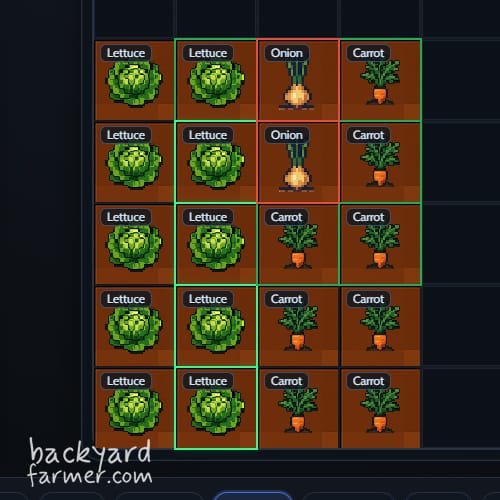
Sowing More Than Just Carrots?
Carrots are often just one part of the plan — and once you start adding onions, lettuce, or succession sowings into the mix, it’s easy to lose track of what’s been planted and when. The Backyard Farmer Allotment Planner helps you map out your sowing dates, spacing, and crop layout, so everything stays organised across the season.
When to Sow Carrots Month‑by‑Month in the UK
Knowing when to sow carrots in the UK becomes much easier when you break the season down month by month. Carrots can be sown across a surprisingly long window. However, the exact timing depends on soil temperature, weather conditions, and local frost risk.
In most UK gardens, the main period to sow carrot seeds outdoors runs from March through July. During this time, soil temperatures are usually warm enough for reliable carrot seed germination, while conditions remain cool enough for steady root development. As a result, carrots planted during this window tend to establish quickly and grow evenly.
However, you can often start slightly earlier with protection. For example, many gardeners sow carrot seeds in February under cloches or horticultural fleece, which helps warm the soil and protect young seedlings. Later sowings in June or July, meanwhile, often produce excellent carrots ready for late summer and autumn harvests.
Why a Month‑by‑Month Sowing Guide Helps
Understanding a month‑by‑month carrot sowing calendar helps gardeners plan more reliable crops. Not only does it show the best time to plant carrot seeds in the UK, but it also helps prevent common growing problems.
For example, sowing carrot seeds in cold soil often leads to slow or patchy germination. On the other hand, sowing carrots too late in the season shortens the growing period and can reduce yields.
Succession Sowing for Better Harvests
Many gardeners also practise succession sowing carrots. Instead of planting one large crop, they sow small batches of carrot seeds every two to three weeks. As a result, carrots mature at different times and fresh harvests continue for much longer.
This simple approach spreads the harvest across the season and helps avoid the problem of too many carrots ready at once.
UK Month‑by‑Month Carrot Sowing Guide
Below you’ll find a simple UK month‑by‑month guide to sowing carrots, showing when to plant carrot seeds and what you can expect at each stage of the growing season.
Sowing Carrots in February (UK)
Many gardeners ask can you sow carrots in February in the UK. Although February is still winter across most regions, it is possible to sow carrot seeds early if you provide protection from cold soil and frost. However, outdoor beds are usually too cold for reliable germination at this time of year. As a result, early carrot sowings normally take place under cloches, horticultural fleece, cold frames, or inside a greenhouse bed.
Carrot seeds germinate best once soil temperatures reach around 7–10°C. Because of this, the goal when sowing carrots in February is to create a slightly warmer microclimate. For example, clear cloches or horticultural fleece trap warmth in the soil and raise temperatures just enough to encourage carrot seed germination. At the same time, they protect young carrot seedlings from late winter frosts.
If conditions are favourable, February carrot sowings can produce very early carrots in late spring. However, germination is usually slower than later in the carrot sowing season. Instead of the typical 10–14 days seen in warmer soil, carrot seeds planted this early may take two to three weeks to emerge.
Tips for Sowing Carrot Seeds in February
For the best results when planting carrot seeds in February:
- Choose a well-drained bed that warms quickly in spring
- Use light, loose, stone-free soil so carrot roots grow straight
- Sow carrot seeds thinly in shallow drills about 1cm deep
- Cover the row with fleece or a cloche until seedlings appear
However, many gardeners prefer to wait until March, when soil temperatures naturally rise and carrot seeds germinate more reliably. Even so, if you want a head start on the season, protected February sowings can reward you with some of the earliest carrots of the year in the UK.
Sowing Carrots in March (UK)
March marks the point when the main carrot sowing season in the UK begins for most gardeners. As daylight increases and soil temperatures gradually rise, carrot seeds are far more likely to germinate outdoors. Because of this, March is often the first reliable month to sow carrots directly in garden beds or allotment rows without protection.
However, soil conditions still play an important role. Early in March the ground can remain cold or waterlogged after winter, which slows carrot seed germination. If soil temperatures are still below 7°C, carrot seeds may take several weeks to sprout. Therefore, it helps to choose a well‑drained, sunny bed, since these areas warm up faster and provide better conditions for planting carrot seeds in the UK.
Tips for Sowing Carrot Seeds in March
When sowing carrot seeds in March, follow these simple steps for the best results:
- Prepare a fine, stone‑free seed bed so carrot roots grow straight
- Sow carrot seeds thinly in shallow drills about 1cm deep
- Leave 25–30cm between rows for healthy root development
- Keep the soil lightly moist until seedlings appear
Under typical spring conditions, carrots sown in March usually germinate within 14–21 days, although this can vary depending on soil temperature. As a result, these early sowings often produce tender carrots ready to harvest from late spring into early summer.
Succession Sowing in March
Many gardeners also begin succession sowing carrots in March. Instead of planting one large crop, sow small rows every two to three weeks. As a result, the carrots mature at different times and fresh harvests continue throughout the growing season. This approach helps avoid harvesting too many carrots at once while keeping the crop productive for longer.
In very mild years or with early sowings under protection, baby carrots may even begin appearing in seasonal guides such as what to harvest in March in the UK.
Sowing Carrots in April (UK)
April is widely considered one of the best months to sow carrots in the UK. By this stage of spring, soil temperatures have usually warmed enough for faster carrot seed germination, while conditions remain cool enough for steady root development. Because of this balance, April is often the most reliable time to sow carrot seeds outdoors in the UK.
As soil temperatures rise above 7–10°C, carrot seeds germinate much faster than they do earlier in the season. In good conditions, carrots sown in April often appear within 10–14 days. As a result, April sowings tend to establish quickly and produce strong, even rows of healthy carrot seedlings.
Tips for Sowing Carrot Seeds in April
When sowing carrot seeds in April, follow these simple steps for the best results:
- Choose a sunny bed with light, well-drained soil so the ground warms quickly
- Rake the surface into a fine, crumbly seed bed for good seed-to-soil contact
- Sow carrot seeds thinly in shallow drills about 1cm deep
- Leave 25–30cm between rows so carrot roots have space to develop
- Water gently and keep the soil consistently moist during germination
Choosing Carrot Varieties to Sow in April
Because growing conditions are favourable, April is also an excellent time to plant different carrot varieties. Early varieties provide quick harvests in late spring or early summer. Meanwhile, maincrop carrots continue growing through summer and produce larger roots later in the season.
Succession Sowing Carrots in April
Many gardeners also continue succession sowing carrots throughout April. Instead of planting one large crop, sow small rows every two to three weeks. As a result, carrots mature at different times and fresh harvests continue steadily across the growing season.
This approach not only spreads the harvest but also helps avoid lifting too many carrots at once, which makes the crop easier to manage. Early carrot varieties can start maturing in spring, which is why they sometimes appear in guides covering what to harvest in April in the UK.
Sowing Carrots in May (UK)
May is one of the most reliable months to sow carrots in the UK. By late spring, soil temperatures have warmed, daylight hours are longer, and conditions are ideal for carrot seed germination. Because of this, many gardeners find May provides near‑perfect conditions for sowing carrot seeds outdoors and establishing strong, healthy crops.
With soil temperatures often sitting comfortably above 10°C, carrot seeds sown in May usually germinate within 7–14 days. As a result, seedlings establish quickly and rows appear far more evenly than they do earlier in the season when the soil is still cold.
Tips for Sowing Carrot Seeds in May
When sowing carrot seeds in May, follow these simple steps for the best results:
- Choose a sunny position with loose, stone‑free soil to support straight root growth
- Prepare a fine, crumbly seed bed by removing clods and stones
- Sow carrot seeds thinly in drills around 1cm deep
- Leave 25–30cm between rows so carrot roots develop properly
- Keep the soil consistently moist during germination
Choosing Carrot Varieties to Sow in May
Because growing conditions are warm and stable, May is also an excellent time to plant maincrop carrot varieties. These carrots grow steadily through summer and often produce larger roots ready to harvest later in the season.
Succession Sowing Carrots in May
At the same time, May works perfectly for continuing succession sowing carrots. Instead of planting one large crop, sow small rows every two to three weeks. As a result, carrots mature at different times and fresh harvests continue steadily throughout the growing season.
Many gardeners continue sowing carrot seeds from March through June, and sometimes even into July. Consequently, the harvest spreads across the season and fresh carrots remain available for much longer.
If you plan your vegetable beds carefully, May carrot sowings also fit neatly into a broader seasonal planting schedule alongside other spring and early summer crops.
By late spring, many early carrots are ready to lift, which is why they frequently feature in seasonal lists like what to harvest in May in the UK.
Sowing Carrots in June (UK)
June is still an excellent month to sow carrots in the UK, particularly if you are following a succession sowing approach. By early summer the soil has warmed nicely, daylight hours are long, and conditions are ideal for carrot seed germination. As a result, carrot seeds sown in June often germinate quickly and establish strong, even rows.
Because soil temperatures are usually higher at this point in the season, carrot seeds planted in June can germinate within 7–10 days in good conditions. At the same time, these later sowings avoid the colder soil that often slows early spring crops. Consequently, carrots sown in June tend to grow steadily and are typically ready to harvest in late summer or early autumn.
Tips for Sowing Carrot Seeds in June
When sowing carrot seeds in June, follow these simple steps for the best results:
- Choose a sunny position with loose, well-drained soil to encourage straight root growth
- Remove stones and clods before planting carrot seeds to prevent misshapen roots
- Sow carrot seeds thinly in shallow drills about 1cm deep
- Leave 25–30cm between rows so carrot roots develop properly
- Water lightly and keep the soil evenly moist during germination
Succession Sowing Carrots in June
June sowings are especially useful if you want a continuous harvest of carrots throughout the season. Instead of planting one large crop, sow small rows every two to three weeks during spring and early summer. As a result, carrots mature at different times and the harvest spreads more evenly.
This approach also helps avoid lifting too many carrots at once, while ensuring fresh roots remain available for longer.
Final June Sowings
If you have already started sowing carrot seeds earlier in the UK growing season, June is often the time to make one or two final succession sowings. Consequently, you extend the harvest window before growth begins to slow later in summer.
With the right timing, June carrot sowings can provide a dependable crop ready for late summer and early autumn harvests. To learn exactly when roots are ready, see our guide on when to harvest carrots in the UK.
Sowing Carrots in July (UK)
July is usually the final practical month to sow carrots in the UK for outdoor crops. Although the main carrot sowing season typically runs from March to June, you can still sow carrot seeds in July and expect a worthwhile harvest. This is particularly true if you choose quick‑maturing carrot varieties or early types that develop faster in warm summer soil.
Because soil temperatures are higher and daylight hours are long, carrot seeds sown in July often germinate very quickly. In good conditions, carrot seed germination may occur within 5–10 days. However, the main challenge when sowing carrot seeds in midsummer is keeping the soil consistently moist. Carrot seeds need steady moisture to sprout, so the surface of the seed bed should never be allowed to dry out completely.
Tips for Sowing Carrot Seeds in July
When sowing carrots in July in the UK, follow these simple steps for the best results:
- Choose a sunny position with loose, stone‑free soil to support straight root growth
- Sow carrot seeds thinly in shallow drills about 1cm deep
- Leave 25–30cm between rows so carrot roots develop properly
- Water the drill before sowing, then keep the soil evenly moist during germination
Harvesting July‑Sown Carrots
Carrots planted in July are usually ready to harvest in early to mid‑autumn, depending on the variety grown. Meanwhile, these later crops are often particularly sweet and tender, because they mature as temperatures gradually cool toward autumn.
Choosing Varieties for Late Sowing
If you plan to plant carrot seeds this late in the UK growing season, choose fast‑growing or quick‑maturing carrot varieties for the best results. At the same time, many gardeners treat July as the final succession sowing for carrots, ensuring one last crop before autumn arrives.
With the right variety and consistent watering, July carrot sowings can still produce a reliable autumn harvest.
The Best Conditions for Sowing Carrot Seeds
Successful carrot crops start with the right growing conditions. Although carrots are generally easy to grow, carrot seeds are small and slower to germinate than many vegetables. Because of this, careful soil preparation and choosing the right position make a big difference when sowing carrot seeds in the UK.
Below are the key conditions that improve carrot seed germination and help carrots develop straight, healthy roots.
Soil Temperature
First of all, soil temperature plays a major role in carrot seed germination. In most cases, carrot seeds germinate best when soil temperatures reach around 7–10°C or higher. If the soil remains colder than this, germination slows considerably. As a result, seeds may sit in the ground for several weeks before appearing.
Because of this, most gardeners sow carrot seeds outdoors in the UK from March or April, once the soil begins to warm naturally.
As the growing season progresses, germination speeds up. For example, in late spring or early summer, carrot seeds often germinate within 7–10 days, whereas earlier sowings may take two or even three weeks.
Soil Type
Next, pay close attention to your soil structure when planting carrot seeds. Carrots grow best in light, loose, stone‑free soil, which allows the roots to develop straight and evenly. On the other hand, heavy clay or compacted ground often causes carrots to fork, twist, or grow unevenly.
Therefore, preparing the bed carefully before sowing carrot seeds is essential.
Preparing the Soil for Carrots
For best results:
- Remove stones and large clods of soil
- Loosen compacted ground with a fork
- Rake the surface into a fine, crumbly seed bed
It is also best to avoid adding fresh manure before planting carrots. Rich, freshly manured soil often causes carrot roots to fork.
Sunlight
Carrots also grow best in a sunny position. Ideally, plants should receive at least six hours of direct sunlight each day. While carrots will tolerate partial shade, full sun encourages stronger growth and better root development.
At the same time, open sunny beds warm up faster in spring. Consequently, carrot seeds tend to germinate more reliably in these areas.
Spacing and Seed Depth
Finally, sowing depth and spacing are important when sowing carrot seeds. Because carrot seeds are very small, they should be sown thinly and fairly shallow. If you sow them too deeply or too thickly, germination can become uneven and seedlings quickly overcrowd each other.
Recommended Carrot Seed Spacing
For best results when planting carrot seeds in the UK:
- Sow seeds about 1cm deep in shallow drills
- Leave 25–30cm between rows
- Thin seedlings later so each carrot plant has enough space to develop
Good spacing helps carrots grow straight and prevents plants competing for water, nutrients, and light.
Finally, if you plan your vegetable beds carefully each season, it can also help to follow a crop rotation plan. Rotating root crops such as carrots helps maintain healthy soil and reduce pest problems over time.
How to Sow Carrot Seeds (Quick Method)
Once you know when to sow carrots in the UK and have prepared your soil, the process of sowing carrot seeds is straightforward. Although carrot seeds are very small, a careful approach helps ensure even rows and reliable carrot seed germination. By following a few simple steps, you can establish strong carrot seedlings and healthy roots.
Follow this quick method for sowing carrot seeds successfully in your garden or allotment.
Step 1: Prepare the Soil
First, loosen the soil to a depth of around 20–25cm. This gives carrot roots enough space to grow long and straight. As you prepare the bed for planting carrot seeds, remove stones, clods, or debris that could cause the roots to fork.
After that, rake the surface until you create a fine, crumbly seed bed. This helps carrot seeds settle evenly into the soil and improves carrot seed germination.
It is also best to avoid adding fresh manure or high‑nitrogen fertilisers before sowing carrots. Rich, freshly fertilised soil often causes carrot roots to fork or grow unevenly.
Step 2: Mark Out Shallow Drills
Next, use a cane or the edge of a hoe to draw shallow drills about 1cm deep. Leave 25–30cm between rows so the carrot plants have enough space to develop properly.
If the soil feels dry, lightly water the drill before sowing carrot seeds. This step helps the tiny seeds settle into the soil and can encourage faster carrot seed germination.
Step 3: Sow Seeds Thinly
Now sprinkle the carrot seeds thinly along the drill. Because carrot seeds are extremely small, many gardeners mix them with a little dry sand first. As a result, the seeds spread more evenly along the row.
Even so, try not to sow too densely. Overcrowded carrot seedlings compete for water, nutrients, and space. Consequently, they often require more thinning later.
Step 4: Cover and Firm the Soil
Once the seeds are in place, gently cover them with a thin layer of soil. Then lightly firm the surface with your hand or the back of a rake. This keeps the carrot seeds in good contact with the soil, allowing them to absorb moisture more effectively.
Step 5: Water and Keep the Soil Moist
Finally, water gently using a watering can fitted with a fine rose. The aim is to keep the soil evenly moist but not waterlogged, especially while the carrot seeds are germinating.
In most conditions, carrot seeds germinate within 10–20 days, depending on soil temperature. During this period, try to prevent the soil surface from drying out. Consistent moisture greatly improves carrot seed germination rates.
Once the seedlings appear, thin them gradually so each carrot plant has enough space to grow into strong, straight roots.
Succession Sowing for Continuous Carrot Harvests
One of the easiest ways to keep harvesting fresh carrots for months is to use succession sowing carrots. Instead of sowing one large crop at the start of the season, sow small batches of carrot seeds at regular intervals. As a result, carrots mature at different times and you avoid harvesting everything at once.
This technique works particularly well when growing carrots in the UK. Carrots grow relatively quickly and can remain in the soil until you need them. Therefore, by sowing carrot seeds every two to three weeks, you can enjoy a steady supply of fresh carrots from late spring through to autumn.
How Succession Sowing Carrots Works
The process is simple. First, sow your initial row of carrot seeds at the beginning of the carrot sowing season. Once those seedlings germinate and begin growing, sow another short row nearby. Then repeat the process every two to three weeks.
Over time, each batch of carrots sown during the UK growing season reaches maturity at a slightly different stage. Consequently, you extend the harvest window and keep fresh carrots coming from the garden for much longer.
Example UK Carrot Succession Sowing Schedule
A typical UK carrot sowing schedule for succession planting might look like this:
| Month | Sowing Strategy |
|---|---|
| March | First outdoor sowing of early carrots |
| April | Second sowing for early summer harvest |
| May | Sow maincrop carrot varieties |
| June | Continue sowing carrot seeds for late summer crops |
| July | Final sowing for autumn carrot harvests |
Because each sowing matures at a different time, succession planting prevents having too many carrots ready at once.
Benefits of Succession Sowing Carrots
Many gardeners prefer succession sowing carrot seeds because it improves harvest timing and garden efficiency. At the same time, it helps you make better use of vegetable beds throughout the growing season.
For example, succession sowing provides:
- Continuous carrot harvests instead of one large crop
- Better use of garden space, because beds are replanted gradually
- Less food waste, since carrots are lifted fresh when needed
- Improved crop reliability, especially if one sowing fails
Because of these advantages, succession sowing works particularly well in UK vegetable gardens and allotments, where steady harvests are usually more practical than lifting one large crop at once.
If you want to maintain a steady supply of carrots, continue sowing carrot seeds every few weeks from March through July. With very little extra effort, this simple habit keeps fresh carrots coming from the garden for much longer.
Common Mistakes When Sowing Carrots
Carrots are generally easy vegetables to grow, especially once you understand when to sow carrots in the UK and how carrot seed germination works. However, a few common mistakes when sowing carrot seeds can lead to poor germination, forked roots, or disappointing harvests. Because of this, getting the basics right early in the carrot growing season makes a big difference to the quality of your crop later on.
Below are some of the most common mistakes gardeners make when planting carrot seeds, along with simple ways to avoid them.
Sowing in Cold Soil
One of the most frequent problems when sowing carrot seeds in the UK is planting too early while the soil is still cold. Carrot seed germination slows dramatically when soil temperatures fall below 7°C. As a result, seeds may sit in the ground for several weeks before sprouting, and in some cases they may fail to germinate altogether.
For this reason, most gardeners wait until March or April, when soil temperatures begin to rise and conditions improve for carrot seed germination. Alternatively, you can start earlier by sowing carrots under cloches or horticultural fleece, which help warm the soil and protect young seedlings.
Overcrowding Seeds
Carrot seeds are extremely small, so it is easy to sow them too thickly. When too many carrot seedlings grow close together, they compete for water, nutrients, and space. Consequently, the roots often become thin, twisted, or misshapen.
To avoid this problem when sowing carrot seeds, plant them thinly in shallow drills. Then, once the seedlings appear, thin them gradually so each carrot has enough space to develop properly.
Heavy or Stony Soil
Carrots grow best in light, loose, stone-free soil, which allows the roots to grow long and straight. On the other hand, heavy clay soil or ground filled with stones often causes carrot roots to fork, twist, or grow unevenly.
Therefore, preparing the bed carefully before planting carrot seeds is essential.
Preparing Soil for Carrots
Before sowing carrots:
- Remove stones and debris from the bed
- Break up compacted soil with a fork
- Rake the surface into a fine seed bed
If your soil is particularly heavy, growing carrots in raised beds or deep containers can help provide the loose soil conditions that carrots prefer.
Letting the Soil Dry Out
Carrot seeds require consistent moisture during germination. If the soil surface dries out after sowing carrot seeds, germination can stop completely. This issue is particularly common during warm spring or early summer weather.
Because of this, water gently using a watering can with a fine rose and keep the seed bed evenly moist until carrot seedlings appear.
Adding Fresh Manure
Another common mistake when growing carrots in the UK is adding fresh manure just before sowing. Fresh manure or strong nitrogen fertilisers can cause carrot roots to fork and grow unevenly.
Instead, carrots grow best in soil that was improved with compost in previous seasons rather than freshly manured beds. If manure has recently been added to a bed, it is usually better to grow another crop there first and sow carrot seeds the following season.
By avoiding these common mistakes when sowing carrots, most gardeners find that carrots become one of the most reliable and rewarding root crops in the vegetable garden.
How Long Carrots Take to Grow
After sowing carrot seeds, one of the most common questions gardeners ask is how long carrots take to grow before they are ready to harvest. The exact carrot growing time depends on the variety you choose, when you sow carrots in the UK, and the growing conditions in your garden. However, in most cases carrots are ready to harvest within 8–16 weeks after sowing.
Generally speaking, carrots fall into two main groups: early carrot varieties and maincrop carrot varieties.
Typical Carrot Growing Time
| Carrot Type | Typical Growing Time | Harvest Period |
|---|---|---|
| Early varieties | 8–10 weeks | Late spring to early summer |
| Maincrop varieties | 12–16 weeks | Summer to autumn |
Understanding these differences helps gardeners plan their carrot sowing schedule and spread harvests across the season.
Early Carrots
Early carrot varieties are bred to mature quickly and produce smaller, tender roots. For this reason, gardeners often sow carrot seeds in March or April in the UK and harvest these crops from late spring onwards. Because they grow quickly, early carrots are ideal if you want the first fresh carrots of the season as soon as possible.
At the same time, early carrots are usually best eaten fresh rather than stored. As a result, many gardeners grow them as their first crop before switching to maincrop carrot varieties later in the carrot growing season.
Maincrop Carrots
Maincrop carrots take a little longer to mature. However, they usually produce larger roots that store much better. Gardeners typically sow maincrop carrot seeds from April through June, and these crops are normally ready to harvest from late summer into autumn.
Because they grow for longer, maincrop carrots are often the varieties gardeners rely on for larger harvests and winter storage.
For this reason, many gardeners grow both early and maincrop carrots, which allows them to enjoy fresh carrots over a much longer period.
Factors That Affect Carrot Growing Time
Even so, several factors influence how quickly carrots grow after sowing:
- Soil temperature – Warmer soil speeds up carrot seed germination and root growth
- Sunlight – Full sun encourages stronger plants and faster root development
- Soil quality – Loose, stone-free soil allows carrots to grow straight and freely
- Water availability – Consistent moisture supports steady carrot growth
Because of these conditions, carrots often grow faster in late spring and early summer than they do earlier in the season.
Finally, if you want to harvest carrots at the perfect stage, it also helps to understand when to harvest carrots in the UK. You can learn more in our guide to when to harvest carrots in the UK, which explains the best time to lift different carrot varieties and maximise flavour and yield.
FAQs: When to Sow Carrots in the UK
Below are some of the most common questions gardeners ask when planning when to sow carrots in the UK. These quick answers explain the best time to sow carrot seeds, how late you can plant them, and what conditions help carrots grow successfully.
In most parts of the UK, the best time to sow carrots outdoors is from March to July. During this period, soil temperatures are usually warm enough for reliable carrot seed germination. However, you can often start earlier. For example, many gardeners sow carrot seeds in February under cloches or horticultural fleece, which helps warm the soil slightly. Later sowings in June or July, meanwhile, are ideal for producing carrots ready for late summer or autumn harvests.
Yes, it is possible to sow carrot seeds in February in the UK, although it usually works best under protection. Cloches, fleece, or a greenhouse bed help raise soil temperature and improve carrot seed germination. Without protection, outdoor soil is often still too cold for reliable germination.
Yes, sowing carrots in July in the UK is still possible and often produces a good crop. Because the soil is warm, carrot seeds germinate quickly and plants grow steadily through late summer. As a result, these carrots are usually ready to harvest in early to mid‑autumn, particularly if you choose quick‑maturing carrot varieties.
Carrots can sometimes be sown in August in mild areas, especially if you use fleece or grow them under protection. However, August is generally considered late in the carrot sowing season. As daylight hours shorten, carrot growth slows and the roots may remain smaller and slower to mature.
Carrots grow best in full sun, where plants receive at least six hours of direct sunlight each day. Strong sunlight encourages faster carrot root development and improves overall plant growth. However, carrots will still grow in light shade, particularly during warm summer weather.
For most gardens, July is the final reliable month to sow carrots in the UK. After that, you can still plant carrot seeds in protected beds or warmer regions. Nevertheless, the growing window becomes shorter as autumn approaches, so crops may take longer to mature.
Many gardeners practise succession sowing carrots. Instead of planting one large crop, they sow carrot seeds every two to three weeks from March through June or July. As a result, carrots mature at different times and you can enjoy a continuous carrot harvest throughout the growing season.
For more gardening advice and seasonal planting guidance, you can also explore the resources available at the Royal Horticultural Society (RHS).