
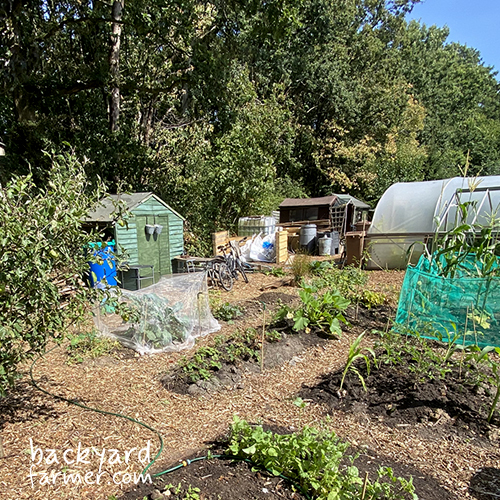
I took on my own allotment on the Wirral in May 2026, so I know that finding the right site and application route is not always as straightforward as it sounds.
Some plots are let directly by councils, while others are managed by town or parish councils, allotment associations or private providers. Use the finder below to search each route and find out who manages the sites near you.
Allotment Finder
Find Allotments Near You
Enter a UK town, postcode or area. We’ll show useful places to check for nearby sites and the relevant application route.
If you enter a full postcode, it is sent to Postcodes.io to identify the correct UK nation. Backyard Farmer does not store your search.
Quick Answer: Where Should I Apply?
Most people should start with their local council, but this may not reveal every allotment nearby. Parish, town or community councils and allotment associations can operate separate sites and waiting lists.
| Where you live | Main starting route | What else to check |
|---|---|---|
| England | GOV.UK allotment application service | Parish and town councils, associations and private sites |
| Wales | GOV.UK allotment application service | Town and community councils, associations and site secretaries |
| Scotland | Find your local council through mygov.scot | The council’s allotment or food-growing page and separate association lists |
| Northern Ireland | Find your council through NI Direct | Council parks services, community projects and independent sites |
The council identified by your postcode may not manage every site in the area. Always check who controls the waiting list and plot letting for the specific allotment you are interested in.
Who Manages Allotments Near Me?
Council allotments
Council-run sites are usually the best place to begin. The council may handle applications itself or own the land while an allotment association manages the waiting list, rent and day-to-day running of the site.
Eligibility, fees and application rules are set locally, so read the current information for your chosen site rather than relying on another council’s process.
Parish, town and community council allotments
Smaller councils sometimes provide allotments independently of the main district or unitary authority. They may have their own application form, eligibility area and waiting list.
If the principal council shows nothing nearby, search for your parish, town or community council and look for an allotment or local services page.
Association-managed allotments
An allotment association may control applications even when the council owns the land. Follow the contact details for the individual site rather than assuming the main council application covers it.
Private allotments and growing plots
Private providers offer another route outside the council system. Some provide prepared plots, tools or other facilities, but the rent, plot size, minimum term and security of tenure may be very different.
A provider’s postcode waiting list or location page does not necessarily mean it has an active site or available plot in that area. Check the address and full terms before joining or paying.
How to Apply for an Allotment
The exact process varies, but the following steps provide a reliable starting point:
- Find the site and identify its manager. Check the council directory, site website, association details or notices at the entrance.
- Read the eligibility rules. Look for residency requirements, minimum age, plot limits and whether applications are currently open.
- Choose the permitted site or sites. Some managers allow one site choice, while others let you join several lists.
- Submit the application and keep the confirmation. Save the date, selected site and any reference number.
- Keep your details current. Complete any request to renew or confirm your interest.
- Respond promptly to an offer. The local deadline may be short, and failing to reply can cost you the plot or your place on the list.
Application rules are local. Do not assume you can join several lists, qualify as a non-resident or decline an offer without affecting your position. Check before applying.
How Much Does It Cost to Rent an Allotment?
Allotment rents are set locally. Current council examples run from tens of pounds into the low hundreds per year, but there is no reliable UK average because plot sizes, facilities and charging methods differ.
Some councils charge by plot size, while others use square metres, rods or the level of services provided. The advertised rent may not include:
- Water charges
- Key, fob or locker deposits
- New-tenant administration fees
- Allotment-association membership
- Insurance or society contributions
- Shed or other facility charges
Current council examples
| Council | Tariff period | Example charge |
| Bassetlaw | 2026/27 | £39.75 for the council’s 250m² example, plus variable water charges |
| Ipswich | 2026/27 | £66.60 for a roughly 250m² ten-rod plot |
| Knowsley | 2026/27 | £104 for a full plot, plus new-tenant and key charges |
| Edinburgh | Jan 2026–Jan 2027 | £170 full, £85 half or £47 quarter plot/raised bed |
Examples checked in August 2026. They illustrate different local charging systems and should not be treated as a national price range.
Concessions are available in some areas for pensioners, students, people on lower incomes or those receiving certain benefits. Eligibility and discount levels vary, so check the current tariff before applying.
How Long Are Allotment Waiting Lists?
Waiting times vary between individual sites. You may find an occasional vacancy or short list, while another site nearby quotes a wait of several years or temporarily closes its list.
A queue number does not provide a guaranteed date. Progress depends on plot turnover, site size, the type of plot requested and how quickly people ahead accept or decline offers. Council-run and association-managed sites may also hold separate lists.
To give yourself the best chance:
- Check every legitimate management route in your area.
- Apply to several sites only where the rules allow it.
- Ask whether smaller, overgrown or difficult plots are offered separately.
- Keep your email, telephone number and address current.
- Respond promptly when the manager contacts you.
Smaller or overgrown plots can sometimes become available sooner, but this is not guaranteed. Choose one only if the size and initial work are realistic for you.
What to Check Before Accepting a Plot
Where possible, view the plot before accepting it. Allotments are often let in their current condition, and a cheap plot can still be a poor fit if it is difficult to reach or needs more work than you can manage.
Location and access
- How long will the journey take regularly?
- Can you reach it easily with tools, compost or harvested crops?
- Are there restricted opening hours, locked gates or limited parking?
- Are the paths suitable for your needs?
Plot condition
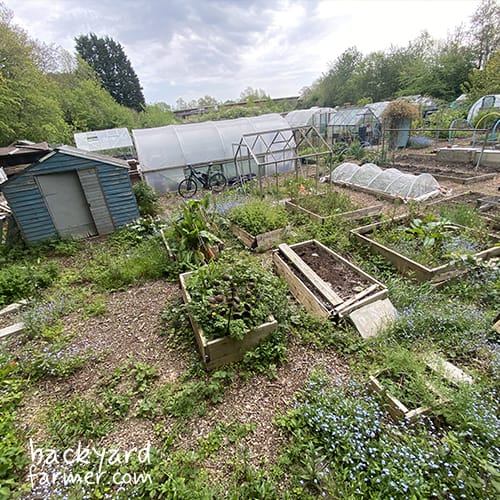
- What is the actual size: full, half, quarter or irregular?
- How much clearance is required?
- Does it receive enough useful sunlight, or is there permanent shade from trees and buildings?
- Are there signs of poor drainage or waterlogging?
- How far away is the nearest water point?
- Are damaged sheds, glass, rubbish or other materials included with the plot?
If shade is a concern, use the UK shady allotment guide to judge whether the plot still receives enough light for the crops you want to grow.
Terms and total cost
Confirm the annual rent, billing date, water charge, deposits and any compulsory membership. Read the rules covering cultivation, inspections, structures, bonfires, livestock and trees. You should also know the acceptance deadline and what happens if you decline.
An overgrown plot can still be a good opportunity, but accept it with a realistic idea of the time, access and initial work involved.
What If No Allotments Are Available?
If the council list is closed or heavily oversubscribed, there may still be other ways to find growing space.
Check independent and association-managed sites
These may use a separate list and can be missed by a general council application. Search by site name and look for an association secretary or committee contact.
Look at private growing plots
Private sites may have shorter lists or prepared plots, but compare the full monthly or annual cost, facilities, minimum term and cancellation conditions before committing.
Join a community garden
Community gardens provide useful growing experience and a chance to meet local gardeners. Most are shared or volunteer-led rather than an individual allotment tenancy, so check how the space and harvest are managed.
Consider garden or land sharing
Some owners allow another person to grow on part of their land. Agree access, responsibilities, costs, produce sharing and how either party can end the arrangement before starting.
You can also grow in containers or raised beds, volunteer locally and plan future crops while you wait. The Grow Your Own Food hub has practical guides for getting started in the space you already have.
What Happens When You Are Offered an Allotment?
The process differs between managers, but an offer will usually involve several simple steps:
- Read the offer and response deadline.
- Arrange a viewing if one is available.
- Confirm the exact plot, condition and full charges.
- Accept or decline using the stated method.
- Sign the tenancy and pay the requested rent, deposit or membership.
- Keep copies of the agreement, rules and payment.
Check whether declining the offered plot affects your waiting-list position before making a decision.
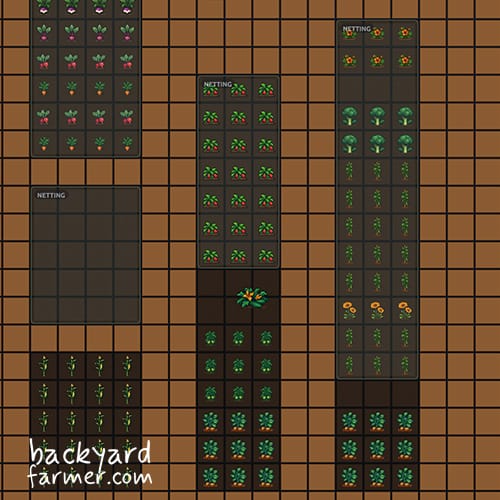
Offered a Plot? Plan It Before You Start
Use the free Backyard Farmer Allotment Planner to map beds, paths, crops and fixed features before you begin clearing or planting.
Frequently Asked Questions
Start with the official council route for your UK nation, then check whether nearby parish, town, community council or association sites hold separate lists.
No. A site can be close to you while its waiting list is closed or every plot is occupied. Confirm the current position with the manager.
Only where the manager permits it. Some councils allow one selected site, while others let applicants choose several.
Many councils restrict applications to residents or give them priority, but eligibility areas differ. Check the rules for the exact site.
Council rents commonly run from tens of pounds into the low hundreds, depending on the plot and services. Water, keys, deposits, administration and association membership may cost extra.
It can range from an occasional vacancy or short list to several years. There is no reliable national average, and queue position is not a guaranteed date.
No. Private plots can have different prices, sizes, facilities, minimum terms and security of tenure. Read the full agreement before paying.
Not usually. Many community gardens are shared or volunteer-run, although some projects allocate small individual growing areas.
Start With the Site, Then Check the Manager
Finding an allotment is a two-part job: locate the sites near you, then identify who manages each application or waiting list. Use the finder above, check the local rules and costs, and treat availability as confirmed only when the manager says a plot is open.