
Storing fruit and vegetables should be simple, but in real life it rarely feels that way. One guide tells you to refrigerate everything, another says to keep it all in a cool dark place, and most normal UK kitchens are working with a fridge, a cupboard, and whatever space is left.
That is usually where the waste starts. Salad goes slimy, carrots go bendy, mushrooms turn sweaty, and soft fruit seems to collapse almost as soon as you bring it home.
The good news is that storing fruit and veg without plastic is not really about building a picture-perfect pantry. It is mostly about getting a few basics right and being a bit more deliberate about where things go.
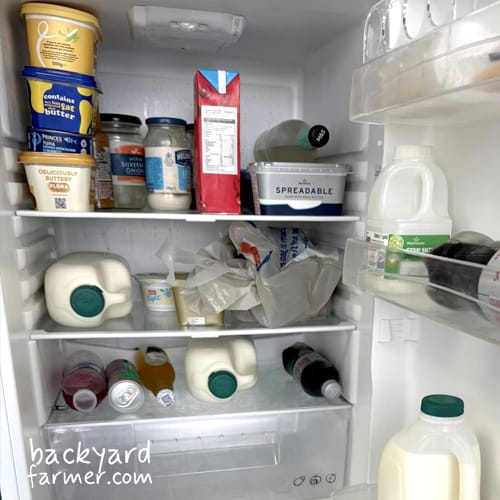
What this guide will help you do
- Work out what belongs in the fridge and what is better in a cupboard or cool room
- Store produce without relying on sealed plastic bags and tubs
- Cut down on common problems like slimy salad, soft carrots, and mouldy berries
- Waste less food in a way that actually fits real UK homes
The 3 things that matter most
| What matters | Why it matters |
|---|---|
| Temperature | Some crops last longer in the fridge, while others spoil faster there. |
| Moisture | Too much causes slime and mould. Too little causes shrivelling and softness. |
| Airflow | Produce often keeps better when it can breathe instead of sitting trapped in damp packaging. |
Get those three right, and most fruit and veg has a much better chance of lasting longer.
In this guide, I will keep it practical and show you how to store fruit and vegetables in a way that works for everyday UK kitchens, without turning it into a fussy storage system.
How Do You Store Fruit And Vegetables Without Plastic?
The best way to store fruit and vegetables without plastic is to put each crop in the right place, keep moisture under control, and use breathable storage instead of sealing everything up.
That sounds almost too simple, but honestly, that is most of it.
In short
- Keep dry produce like onions and garlic in a cool, dark, ventilated cupboard
- Keep moisture-loving produce like leafy greens and carrots in the fridge
- Use paper bags, cotton bags, bowls, baskets, glass containers, or paper-lined trays instead of sealed plastic bags
- Keep soft fruit cool, dry, and unwashed until you are ready to use it
- Keep ripening fruit like bananas, apples, and avocados away from delicate produce where possible
Simple plastic-free swaps that work well
| Instead of | Try |
|---|---|
| Sealed plastic bag | Paper bag or loose produce in the veg drawer |
| Sweaty plastic punnet | Shallow paper-lined container |
| Damp salad bag | Bowl or container lined with paper or a tea towel |
| Produce hidden at the back | Open tray, bowl, or visible container |
Where To Store Common Fruit And Vegetables
If you only look at one part of this guide, make it this one. The best place to store produce usually comes down to how it handles cold, moisture, and airflow.
| Produce | Fridge or cupboard? | Best plastic-free method | Quick note |
|---|---|---|---|
| Potatoes | Cool cupboard | Paper sack, hessian sack, or open tray in a dark cupboard | Traditionally stored cool, dark, and ventilated. The fridge can also work if it helps prevent waste, but avoid warm, bright kitchens. |
| Onions | Cupboard | Open bowl, basket, or mesh bag | Keep dry, dark, and well ventilated. Do not let moisture build up around them. |
| Garlic | Cupboard | Open bowl, basket, or mesh bag | Store it much like onions: dry, cool, and airy. |
| Carrots | Fridge | Loose in the veg drawer, cotton bag, or container lined with paper | Carrots lose moisture quickly, so they usually keep better chilled. |
| Beetroot | Fridge | Loose or in a paper-lined container | Keep cool and dry. Trim leaves if attached so they do not pull moisture from the root. |
| Parsnips | Fridge | Loose in the veg drawer or wrapped lightly in paper | Best kept cool to stop them going soft too quickly. |
| Mushrooms | Fridge | Paper bag or paper-lined container | Avoid sealed plastic, which often makes mushrooms go sweaty and slimy faster. |
| Strawberries | Fridge | Shallow paper-lined container | Keep cool, dry, and unwashed until needed. Remove any damaged berries quickly. |
| Raspberries | Fridge | Shallow paper-lined container | Very delicate, so use them quickly and avoid stacking them too deeply. |
| Blueberries | Fridge | Breathable tub or paper-lined container | Keep cool and dry. Wash only before eating. |
| Leafy greens | Fridge | Container, drawer, or bowl lined with paper or a tea towel | A little moisture control helps, but wet leaves rot quickly. |
| Apples | Fridge or cool room | Bowl, tray, or fridge drawer | Apples often last longer chilled, although a cool room also works for shorter-term storage. |
| Avocados | Cupboard first, then fridge | Bowl or fruit dish | Let them ripen at room temperature, then chill once ripe if needed. |
| Bananas | Cupboard | Fruit bowl or hanging banana hook | Keep out of the fridge while ripening. They can darken quickly if chilled too soon. |
The 3 Rules Of Storing Produce Without Plastic
Once you stop treating all produce the same, storage gets a lot easier. Most fruit and veg lasts longer when you get three things roughly right: temperature, moisture, and airflow.
You do not need to overthink it, either. In most kitchens, those three points explain why food either holds up well or quietly goes downhill faster than it should.
At a glance
| Rule | What it means | Common problem it helps prevent |
|---|---|---|
| Match the right temperature | Put each crop in the place it suits best | Fast ripening, sprouting, softening |
| Control moisture | Stop produce getting too wet or too dry | Slime, mould, shrivelling |
| Allow airflow | Use breathable storage where possible | Condensation, sweating, rot |
Match The Crop To The Right Temperature
Some fruit and vegetables last best in the fridge, while others do better in a cool cupboard or room.
Usually better in the fridge:
- Leafy greens
- Carrots
- Berries
- Mushrooms
Usually better outside the fridge:
- Onions
- Garlic
- Bananas
- Potatoes in many homes, especially if you have a cool, dark cupboard
The key point:
- Colder is not always better
- A warm kitchen can speed up ripening and spoilage
- A fridge can also be the wrong place for crops that prefer drier, steadier storage
A lot of confusion starts because people assume the fridge is always the safest option. Sometimes it is. Sometimes it is exactly what makes a crop go downhill faster.
Control Moisture
Too much moisture encourages mould, rot, and slime. Too little causes shrivelling, softness, and dehydration.
Signs moisture is too high
- Condensation inside bags or tubs
- Mushrooms going sweaty
- Salad leaves turning slimy
- Berries moulding from underneath
Signs moisture is too low
- Carrots going bendy or soft
- Greens wilting quickly
- Roots drying out before you use them
Simple ways to manage moisture
- Line containers with paper or a dry tea towel
- Do not store produce wet from washing
- Keep moisture-rich produce chilled if needed
- Remove damp packaging if it is trapping water
This is one of the biggest trouble spots in real kitchens. Produce often does not go off because you chose the completely wrong place. It goes off because it is sitting slightly too wet, slightly too sealed up, or drying out faster than you realise.
Allow Airflow
Good airflow helps stop condensation building up around produce. Sealed plastic bags and tightly packed tubs often hold onto too much moisture, especially with mushrooms, onions, soft fruit, and salad.
Storage that usually gives better airflow
- Paper bags
- Bowls
- Baskets
- Mesh bags
- Loosely covered containers
Storage that often causes problems
- Sealed plastic bags
- Tightly packed tubs
- Damp punnets left closed for too long
If produce keeps going off too fast, check this first
- Is it in the right temperature zone?
- Is there too much or too little moisture?
- Can it breathe, or is it trapped in damp packaging?
Together, these three rules explain most storage problems in the average home. In many cases, the fix is not dramatic. It is just a matter of changing the temperature, reducing damp, or giving the produce a bit more airflow.
Where To Store Common Fruit And Vegetables In The UK
The quickest way to improve produce storage is to stop treating everything the same. Some crops want cool, dry airflow, while others keep better with a bit more cold and a bit more moisture control.
Once you start grouping produce properly, it gets much easier to work out what belongs in the fridge and what is better left out.
A simple way to think about it
| Produce type | Usually best place | What matters most |
|---|---|---|
| Dry, cured produce | Cool cupboard | Airflow and low moisture |
| Leafy or moisture-rich produce | Fridge | Cold storage and moisture control |
| Soft fruit | Fridge | Gentle handling and dryness |
| Ripening fruit | Room temperature first | Ripening speed and separation from other produce |
That is not a perfect rule for every single crop, but it is a very solid starting point.
Root Vegetables
Root vegetables do not all behave the same, which is where people often get caught out.
Best storage approach
- Keep potatoes in a cool, dark, well-ventilated cupboard
- Keep carrots, beetroot, and parsnips in the fridge
- Trim leafy tops off roots first
Good plastic-free options
- Open tray or paper sack for potatoes
- Veg drawer for carrots, beetroot, and parsnips
- Paper-lined container for trimmed roots
Onions, Garlic And Leeks
These are easier once you think about whether the crop is dry and cured or fresh and moisture-rich.
| Crop | Best place | Why |
|---|---|---|
| Onions | Cool cupboard | Prefer dry, airy storage |
| Garlic | Cool cupboard | Keeps better with ventilation |
| Leeks | Fridge | Fresher, moister crop that benefits from chilling |
Good plastic-free options
- Bowl or basket for onions and garlic
- Mesh bag for extra airflow
- Fridge drawer or loose paper-lined container for leeks
Avoid
- Damp, enclosed storage for onions and garlic
- Washing leeks fully before storing them
Onions and garlic are two of the easiest crops to spoil by overcomplicating things. Most of the time, they just want darkness, dryness, and air.
Soft Fruit
Soft fruit is one of the easiest things to lose quickly, especially once the weather warms up.
Best storage approach
- Keep strawberries, raspberries, and blueberries in the fridge
- Store them unwashed until needed
- Move them out of damp packaging if moisture is collecting underneath
- Remove damaged or mouldy fruit quickly
Good plastic-free options
- Shallow paper-lined container
- Open or lightly covered fridge-safe tray
- Single-layer storage where possible for delicate berries
Why this works
Soft fruit spoils quickly when it sits in condensation
One damaged berry can affect the rest surprisingly fast
Gentle handling matters almost as much as temperature
| Fruit | Best place | Main note |
|---|---|---|
| Apples | Fridge or cool room | Fridge often helps them last longer |
| Bananas | Room temperature | Best kept out of the fridge while ripening |
| Avocados | Room temperature first, then fridge | Chill once ripe if you need to slow them down |
Practical tips
- Keep bananas and avocados out on the side while they ripen
- Chill ripe avocados if you are not using them straight away
- Keep apples, bananas, and avocados away from delicate produce where possible
Mushrooms
Mushrooms usually keep best in the fridge, but they are a good example of why sealed plastic often causes more trouble than it solves.
Best storage approach
- Keep mushrooms in the fridge
- Use paper storage rather than sealed plastic
- Avoid washing them before storage
- Do not pack them too tightly
Good plastic-free options
- Paper bag
- Paper-lined container
- Loose breathable storage in the fridge
Watch for
- Sweating inside packaging
- Slippery texture
- Dark, damp patches developing quickly
Leafy Greens And Salad Leaves
Leafy greens need cold storage, but they also need a bit of balance. Too dry and they wilt. Too wet and they turn to mush.
Best storage approach
- Keep leafy greens in the fridge
- Dry washed leaves properly before storing
- Use a lining to catch excess moisture
- Check them regularly and remove any slimy leaves early
Good plastic-free options
- Bowl or container lined with paper
- Veg drawer with a dry tea towel or paper lining
- Loosely covered container rather than a tightly sealed bag
| Too dry | Too wet |
|---|---|
| Leaves wilt and collapse | Leaves turn slimy and rot |
For most greens, the goal is to keep them cool while stopping water from sitting on the surface for too long. Once you get that balance right, salad tends to last a lot better.
Simple Plastic-Free Storage Options
You do not need a Pinterest-style pantry or a cupboard full of matching containers to store fruit and veg well. In most homes, a few simple plastic-free options are more than enough.
That is worth saying, because this is where things can get overcomplicated fast. You do not need to replace every bit of plastic with expensive zero-waste kit. Most of the time, you just need something breathable, practical, and easy to use.
A simple way to choose the right option
| Storage option | Best for | Main benefit |
|---|---|---|
| Paper bags | Mushrooms, loose root veg, some fridge produce | Breathable and low cost |
| Cotton produce bags | Loose veg, drier produce, shopping and short-term storage | Reusable and breathable |
| Glass containers | Berries, greens, cut produce | Good protection with visibility |
| Bowls and trays | Apples, avocados, bananas, everyday produce | Easy to see and easy to use |
| Baskets or mesh bags | Onions, garlic, dry cupboard produce | Good airflow |
| Tea towels or kitchen paper | Lining containers and drawers | Helps manage excess moisture |
Paper bags are one of the easiest swaps because they are cheap, breathable, and surprisingly useful.
Best used for
- Mushrooms
- Loose root veg
- Produce that needs a bit of airflow without being left fully exposed
Why they work
- Let produce breathe
- Help reduce trapped damp
- Easy to reuse for short-term storage
- Often work better than soft plastic bags for produce that sweats easily
They are not glamorous, but they do the job.
Cotton produce bags are handy if you want a reusable option for loose fruit and veg.
Best used for
- Loose fruit and veg
- Drier produce
- Fridge drawer or cupboard storage where you want something breathable and reusable
Worth knowing
- Better for drier crops than very wet produce
- Useful for both storage and carrying shopping
- Still need sensible placement, because a cotton bag in a warm corner will not rescue badly stored produce
They are useful, but they are not magic. Think of them as a breathable alternative, not a fix-all.
Glass containers can work well when you want a bit more protection without falling back on soft plastic tubs.
Best used for
- Leafy greens
- Berries
- Cut produce you want to keep protected
Why they work well
- Easy to see what you have
- Helpful for delicate produce that bruises easily
- Work especially well when lined with paper to catch excess moisture
Watch for
- Condensation building inside
- Overpacking delicate produce
The main thing is not the glass itself. It is making sure moisture does not build up and sit there.
Sometimes the simplest setup is the one that works best. Bowls, trays, and shallow containers are useful because they keep produce visible.
Best used for
- Apples
- Avocados
- Salad leaves
- Everyday produce you want to keep in sight
Why they add value
- Food is easier to see, so it is more likely to get used
- Shallow storage helps reduce bruising and hidden spoilage
- Paper lining can catch excess damp without sealing produce in
A lot of waste happens because produce disappears into the back of something and gets forgotten. Visible storage helps more than people think.
For dry cupboard crops, airflow matters more than fancy storage.
Best used for
- Onions
- Garlic
- Other dry cupboard produce
Best points
- Strong airflow
- Low fuss
- Ideal for cured crops that hate damp, enclosed storage
Avoid
- Damp cupboards
- Overfilled baskets with no airflow through the middle
Onions and garlic, in particular, are usually happiest when you leave them alone in a dry, airy spot.
You do not always need a dedicated storage product at all. A clean tea towel or a sheet of kitchen paper can make a noticeable difference.
Best used for
- Salad drawers
- Berries
- Herbs
- Greens
- Any container where damp is building up
Simple ways to use them
- Line bowls or containers
- Add a sheet underneath soft fruit
- Wrap or loosely cover produce that needs light moisture control
- Replace the lining if it becomes obviously damp
It is a small thing, but moisture control is often where storage either works or falls apart.
Common Storage Mistakes To Avoid
A lot of storage problems come down to small habits rather than one big mistake. If fruit and veg keeps going off faster than it should, the setup is often just slightly off rather than completely wrong.
That is actually the good news, because small fixes usually go a long way.
Quick checklist
| Mistake | What usually happens | Simple fix |
|---|---|---|
| Refrigerating everything | Some crops soften, spoil, or lose quality faster | Split produce into fridge crops and cupboard crops |
| Leaving produce in sealed plastic | Condensation builds up and encourages slime or mould | Use breathable storage or add paper lining |
| Washing too early | Extra surface moisture speeds up spoilage | Wash just before use where possible |
| Ignoring ripening fruit | Nearby produce ripens or spoils faster | Keep bananas, apples, and avocados a bit separate |
| Forgetting what is stored | Food gets missed and spoils at the back | Check the fridge and cupboard regularly |
| Storing produce while damp | Soft spots, mould, and rot develop faster | Dry produce before storing it |
| Keeping onions and potatoes together | Storage life can shorten | Store them separately |
Refrigerating Everything Automatically
Some produce benefits from the fridge, but onions, garlic, and bananas usually do better outside it.
Usually better in the fridge:
- Leafy greens
- Carrots
- Berries
- Mushrooms
Usually better outside the fridge:
- Onions
- Garlic
- Bananas
- Potatoes in many homes
Why it matters:
Treating everything the same is one of the quickest ways to shorten shelf life.
A lot of people do this with good intentions. They assume colder must be better. Sometimes it is, but sometimes it is exactly what starts the decline.
Leaving Produce In Sealed Plastic
Bags and tubs that trap moisture can quickly lead to condensation, which is where slime, mould, and soft spots often begin.
Watch for
- Water droplets inside packaging
- Mushrooms going sweaty
- Salad leaves turning slimy
- Berries softening from underneath
Better options
- Paper bags
- Bowls or trays
- Paper-lined containers
- Loosely covered storage instead of tightly sealed tubs
This is probably one of the most common issues in the average kitchen. The produce itself is often fine. It is the trapped damp around it that causes the trouble.
Washing Produce Too Early
Extra moisture sounds harmless, but it can make berries, salad leaves, herbs, and mushrooms go off much faster if they are stored damp.
Usually best washed just before use:
- Soft fruit
- Salad leaves, unless you are drying them thoroughly
- Herbs
- Mushrooms
Simple rule:
If you do wash produce before storage, make sure it is properly dry first.
This is one of those habits that feels organised but often backfires.
Ignoring Ripening Fruit
Apples, bananas, and avocados can affect nearby produce as they ripen, so it helps to keep them away from more delicate fruit and veg where possible.
Ripening fruit to watch
- Apples
- Bananas
- Avocados
Best habit
- Keep them in their own bowl or area if you can
- Avoid crowding them in with leafy greens or delicate fruit
You do not need military-level separation. Just giving ripening fruit a bit of space is usually enough.
Forgetting To Check What Is Already There
Even good storage will not save produce that gets forgotten at the back of the fridge or cupboard.
A simple routine that helps
- Check soft fruit every day or two
- Remove anything damaged early
- Move older produce to the front
- Use what needs eating first
Sometimes the best storage tip is simply paying a bit more attention to what you already have.
Storing Produce While It Is Still Damp
Whether it is condensation from packaging or water from washing, trapped damp is one of the quickest ways to shorten the life of fresh produce.
Easy fixes
- Dry produce before storing it
- Replace wet paper lining
- Let muddy garden crops dry off before putting them away
- Do not leave damp packaging sitting under fruit or veg
This matters even more with homegrown produce, which often comes in with a bit more soil, moisture, and general mess attached.
Keeping Onions And Potatoes Too Close Together
They are both cupboard crops, but they are usually better stored separately rather than piled together in one basket or drawer.
Best approach:
- Give each its own container or section
- Keep both dry and ventilated
- Avoid warm, bright kitchen spots
It is a small change, but it is an easy one.
Frequently Asked Questions
A few storage questions come up again and again, especially when you are trying to reduce waste without wrapping everything in plastic.
A cool, dark, well-ventilated cupboard still works well in many homes. However, the fridge can also help if your kitchen is warm and potatoes are sprouting or spoiling too quickly. Either way, avoid heat, light, and trapped moisture.
Onions and garlic are the main ones most people should keep out of the fridge, as they prefer dry, airy storage. Bananas are also better left out while ripening, and potatoes often do better in a cool cupboard if you have one. As a rule, dry, cured produce usually prefers cupboard storage, while fresher, moisture-rich veg is more likely to benefit from the fridge.
Use the veg drawer, a paper-lined container, a bowl lined with paper or a tea towel, or a loose cotton produce bag where it makes sense. The aim is to keep vegetables cool while also controlling damp, as that is often what causes slime and spoilage.
Mushrooms release moisture, and sealed plastic traps that damp air around them. Once condensation builds up, they tend to turn sweaty, slippery, and soft very quickly. A paper bag or paper-lined container usually works much better.
Not always. Ripening fruit such as apples, bananas, and avocados can affect nearby produce, so it helps to keep them away from delicate vegetables and leafy greens where possible. You do not need perfect separation, but a bit of space usually helps.
In many homes, yes. Apples often last longer in the fridge than they do in a warm kitchen fruit bowl. A cool room still works for shorter-term storage, but if you want them to last longer, the fridge is often the safer option.
Bananas are usually best kept out of the fridge while they are ripening. Cold can darken the skin too early and affect the texture before they are fully ready. Once they are very ripe, some people do chill them to slow things down.
Carrots usually go soft because they are losing moisture. Keeping them in the fridge helps, especially if they are loose in the veg drawer or in a paper-lined container. If they still have leafy tops attached, remove those first, as they can draw moisture from the root.
Conclusion
Storing fruit and vegetables without plastic does not have to mean a perfect pantry, a full set of matching jars, or a complete kitchen overhaul. In most homes, it comes down to a few simple basics done reasonably well.
That is good news, because better storage is usually more about small habits than big purchases.
The core idea
| Focus on | Why it helps |
|---|---|
| Right temperature | Stops produce spoiling faster than it should |
| Moisture control | Reduces slime, mould, and shrivelling |
| Airflow | Helps stop damp produce sitting in trapped condensation |
What that often looks like in real life
- A paper bag instead of sealed packaging
- A bowl or tray instead of a sweaty plastic tub
- A bit of paper or a tea towel to catch extra damp
- Moving one crop out of the fridge or into it if the current setup is not working
- Checking what you already have before it disappears at the back
None of that is complicated, but it does add up.
The payoff
A few small changes can lead to:
- Fewer soggy mushrooms
- Fewer limp greens
- Fewer forgotten berries turning in the fridge
- Less food waste
- Less money quietly being lost each week
Start simple
You do not need a perfect setup. Start by learning:
- Which crops prefer the fridge
- Which are better in a cool cupboard
- How moisture and airflow affect what you bring home
The aim is not perfection. It is storage that works a bit better for the way real UK homes actually live.