
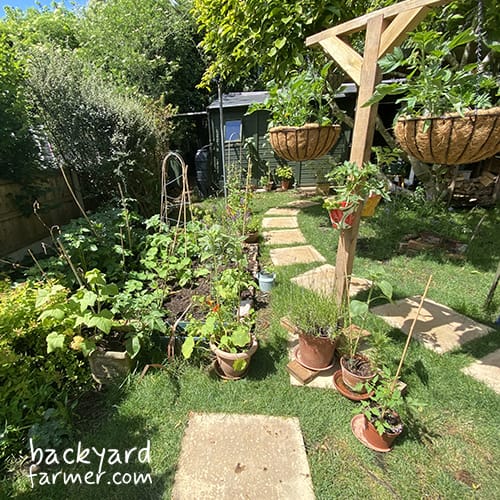
A sustainable garden should work with its surroundings rather than constantly fighting them. The aim is to use less water, fertiliser and unnecessary chemical treatments, reduce waste and create a garden that remains attractive and productive without becoming difficult to manage.
You do not need to replace everything with specialist eco-friendly products or use only native plants. In most cases, the biggest improvements come from choosing suitable plants, protecting the soil, using water carefully and avoiding unnecessary work.
Start With the Garden You Already Have
Before buying plants or changing the layout, spend some time observing the garden.
Note which areas receive full sun, partial shade or little direct light. Look for places that stay wet after rain, dry out quickly or are exposed to strong winds. Check the existing soil too, including whether it is heavy, sandy, stony or prone to compaction.
Established trees, hedges and healthy plants may provide shade, shelter, privacy, flowers, fruit or habitat, so avoid removing them simply to create a blank canvas.
The basic principle is simple: work with the site before trying to redesign it. A garden that suits its conditions will usually need less watering, feeding and maintenance than one built around plants that are constantly struggling.
Choose Plants That Suit the Conditions
The right plant in the right place is one of the most effective ways to create a lower-maintenance garden. Match plants to the available light, soil type, moisture levels and exposure. Plants suited to their position are more likely to establish successfully, need less supplementary watering and cope better with minor problems.
Native plants can be particularly useful where supporting local wildlife is a priority, as they may provide familiar sources of food or shelter for insects, birds and other garden visitors. However, a plant does not have to be native to be useful. Well-suited, non-invasive plants can also contribute to a healthy and attractive garden.
Rather than choosing plants based only on labels, check their mature size, preferred conditions and likely maintenance requirements. Avoid filling a small border with plants that will quickly outgrow the space and need constant cutting back.
Protect and Improve the Soil
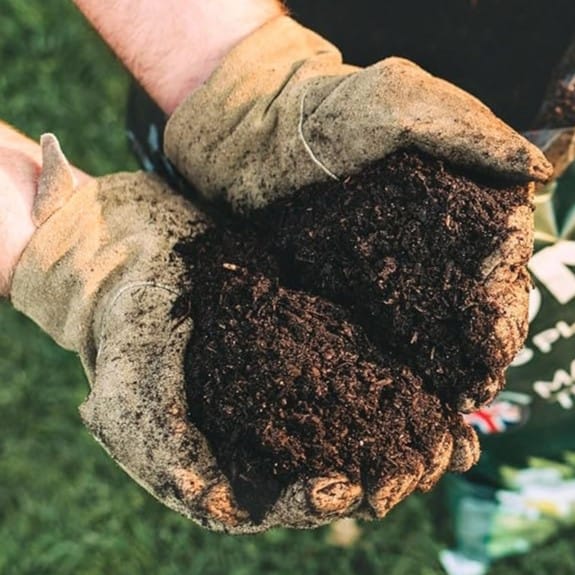
Healthy soil supports stronger plants and reduces the need for additional inputs. Try not to leave large areas bare for long periods, as exposed ground is more vulnerable to drying out, erosion and weed growth. Ground cover and mulch can help protect it.
Compost, leaf mould and well-rotted organic matter improve soil structure over time. Add them gradually, particularly if the soil is compacted or low in organic matter. There is no need to replace large quantities of soil every year.
A suitable mulch can slow evaporation, suppress some weeds and protect the soil surface from heavy rain. Compost works well around many plants, leaf mould helps improve soil and retain moisture, and woodchip can be used around established trees, shrubs and perennial planting. Keep mulch away from plant stems and trunks, and top it up as it breaks down.
Use Water More Efficiently
Group plants with similar moisture requirements together so that drought-tolerant plants do not receive the same treatment as those that need consistently moist soil.
Water according to need rather than following a fixed routine. Check the soil before watering, especially after rain or during cooler weather. When plants do need water, apply it thoroughly to the root area rather than lightly wetting the surface.
Mulching exposed soil helps slow moisture loss. During hot weather, watering early in the morning or later in the evening can also reduce evaporation.
Collecting rainwater can reduce reliance on mains water. A water butt connected to a suitable downpipe provides a simple source for watering containers, beds and established plants.
If you want to reduce mains-water use further, our rainwater harvesting guide covers simple ways to collect and store water for the garden.
Reduce Unnecessary Chemicals
A sustainable garden does not need to be completely free from pest or disease problems. The aim is to avoid treating problems unnecessarily and use the least disruptive solution available.
Do not assume every insect is a pest. Before using a treatment, identify what is causing the problem and decide whether the damage is serious enough to require action. Healthy plants growing in suitable conditions can often cope with minor damage.
Encourage natural predators by providing flowers, shelter and varied planting. Where treatment is necessary, follow the product instructions carefully and avoid applying it more widely than needed. Reducing unnecessary fertiliser can also help prevent excessive, vulnerable growth.
Make Space for Wildlife
A sustainable garden can support wildlife without needing to become completely wild.
Include flowers that provide food across as much of the year as possible, along with dense planting, hedges, shrubs or other forms of shelter. A shallow source of water can also help, provided it is kept clean and positioned safely.
Try not to make every part of the garden perfectly tidy. Leaving some fallen leaves, seed heads, stems or less-managed corners can provide shelter for insects and other small animals.
For a fuller habitat-focused approach, see our guide to making a garden more wildlife-friendly.
Plan Bigger Changes Before You Start
Small improvements can usually be made gradually, but larger changes benefit from proper planning. If you are reworking paths, changing levels, improving drainage or creating several new beds, consider access, water flow, maintenance and the mature size of new planting before starting work.
Planning the layout first can prevent expensive rework and help you avoid creating areas that are difficult to reach or maintain. It also gives you the opportunity to reuse existing materials, retain useful plants and phase the work over time.
If your plans include creating a separate space for work, hobbies or relaxation, its impact on the rest of the garden needs to be considered alongside changes to paths, beds and planting. Garden rooms provide a way to add a year-round living or working space without extending the main house. Choosing the location carefully can help preserve established plants, maintain access and account for drainage before construction begins.
Larger structural projects may be worth discussing with a professional landscaping company before committing to major changes.
Keep the Garden Manageable
Sustainability is also about creating a garden you can realistically maintain. Reuse materials where appropriate, compost suitable garden waste and choose plants that suit the time and space you have available.
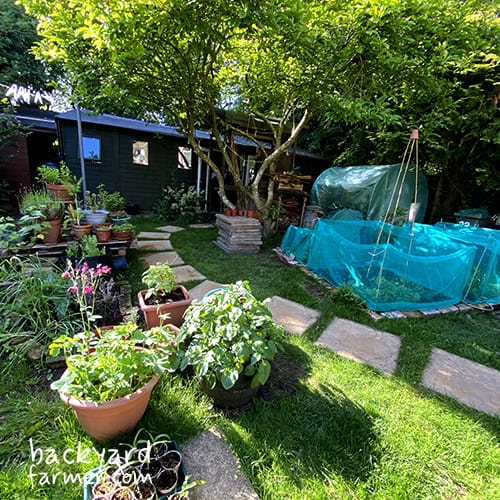
Make changes gradually and assess what works. A smaller lawn, mulched border, water butt or better choice of plants may make more difference than completely redesigning the garden.
The same principle applies beyond the garden. Our guide to living more sustainably in the UK looks at other practical changes around the home.
A sustainable garden is not one that follows a perfect set of rules. It is one that suits its site, uses resources carefully and becomes easier to manage rather than more demanding over time.