
Chard, perpetual spinach, kale, lettuce, beetroot and radishes are among the most reliable vegetables for partial shade in the UK. Rhubarb, currants, gooseberries and raspberries can also cope well with beds that lose the sun for part of the day.
Broad beans, leeks, peas and potatoes are worth trying in brighter partial shade, while tomatoes, peppers, courgettes, squash and sweetcorn should get the sunniest beds.
A plot that loses the sun later in the day can still be productive. If most of the allotment receives little or no direct sunlight through the main growing season, conventional vegetable growing will be much more limited.
Quick Guide: Is a Shady Allotment Worth Taking?
A plot with one shaded boundary can still support most vegetables, while a genuinely partially shaded allotment needs more careful crop placement. A plot that remains in deep shade for most of the day is far more limiting.
| Direct summer light | What it means in practice | Likely potential |
| 6 hours or more | Sunny or mixed-light plot that loses the sun later | Suitable for most crops with sensible positioning |
| 4–6 hours | Partial shade across much of the plot | Useful range of leafy crops, selected roots, brassicas and soft fruit |
| 2–4 hours | Heavily restricted light | Limited crop choice, slower growth and lower yields |
| Little or no direct light | Deep shade for most of the day | Poor choice for conventional vegetable growing |
These are practical working categories rather than rigid guarantees. Aspect alone does not determine how productive a plot will be. Nearby trees, buildings, hedges and the changing seasonal angle of the sun all affect how much usable light reaches each bed.
Best Vegetables for a Shady Allotment
Leafy vegetables, selected brassicas and quick roots are usually the most dependable vegetables for shade in the UK. Peas, beans, leeks and potatoes may also remain worthwhile, but generally need the brighter parts of a partially shaded plot.
| Crop | Best position | Likely result | How dependable? |
| Chard | Shadier usable beds | Reliable leaves, but possibly slower | Most dependable |
| Perpetual spinach | Partial shade | Long-lasting leaf harvests | Most dependable |
| Kale | Partial shade | Useful crop; slower in deeper shade | Most dependable |
| Lettuce | Light or afternoon shade | Good summer leaves; watch for slugs | Usually worthwhile |
| Beetroot | Bright partial shade | Smaller or later roots | Usually worthwhile |
| Radishes | Partial shade | Quick, usable roots | Usually worthwhile |
| Kohlrabi | Bright partial shade | Slower but still productive | Usually worthwhile |
| Broad beans | Brighter beds or early seasonal light | Useful crop, possibly fewer pods | Worth trying |
| Leeks | Bright partial shade | Smaller or later plants | Worth trying |
| Potatoes | Brighter partial shade | Usable harvest, but potentially lower yield | Worth trying |
These ratings reflect recurring UK allotment experiences rather than guaranteed results. Performance still depends on the depth, timing and cause of the shade.
Leafy Vegetables and Salads
Leafy crops are among the safest choices for partial shade because the leaves are harvested before the plant needs to flower or ripen fruit.
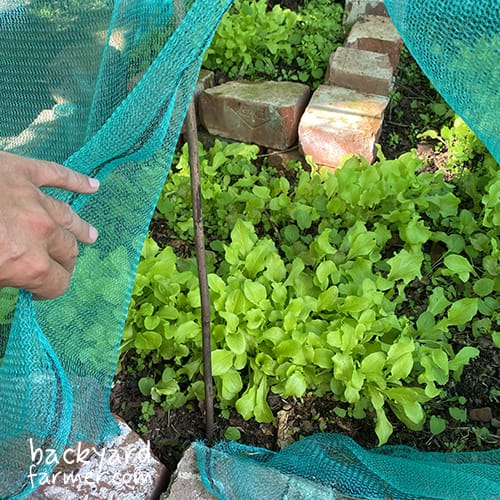
Chard, perpetual spinach and kale are particularly reliable and can provide repeated harvests over a long period.
Spinach, loose-leaf lettuce, rocket, mizuna and pak choi are also worth growing where beds receive several hours of direct or bright filtered light.
These are not true deep-shade crops. As light falls, growth becomes slower and thinner, while damp sheltered beds may also attract more slugs and snails.
Brassicas
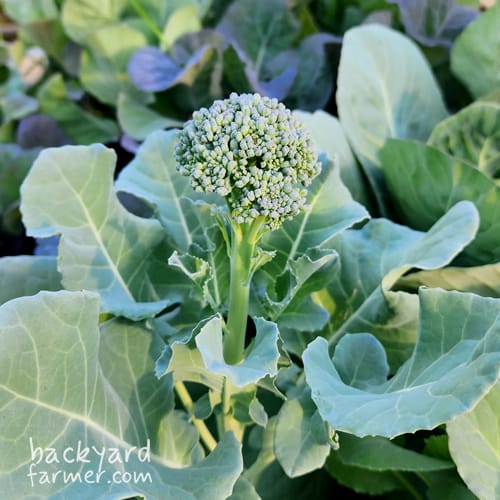
Kale and kohlrabi are the safest brassicas for partial shade. Both can be harvested before they reach full size.
Cabbage, purple sprouting broccoli and Brussels sprouts are more demanding and may grow more slowly or remain smaller in reduced light.
Give larger brassicas the brighter parts of a shaded plot rather than the darkest beds.
Root Crops
Radishes and beetroot are the most dependable roots for partial shade.
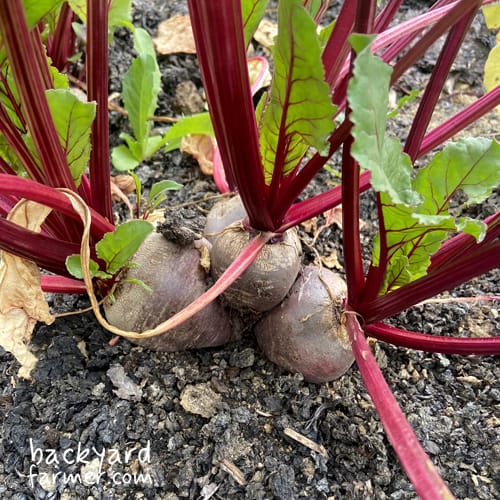
Baby carrots, young turnips and spring onions are also worth trying, as they do not need to reach full size before harvesting.
Expect slower growth or smaller roots in lower light. Harvesting young can still make these crops worthwhile.
Peas, Beans and Potatoes
Broad beans are the strongest option in this group, especially when grown before nearby deciduous trees are fully in leaf.
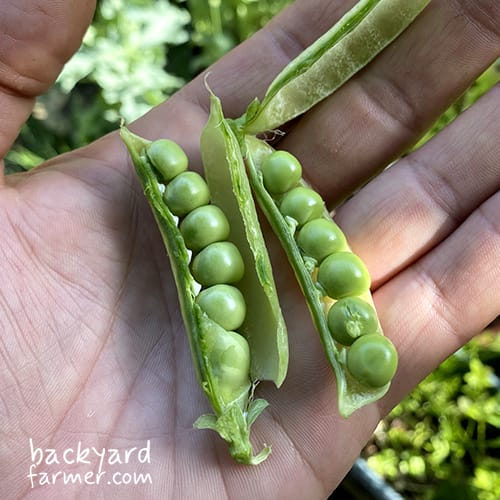
Peas can crop in brighter partial shade, although yields may fall as light decreases. Runner beans are less reliable unless their upper growth can reach stronger sunlight.
Potatoes can still produce a usable harvest in partial shade, but yields and tuber size may be lower. Early varieties are usually the most practical choice.
These crops are worth testing, but reserve the shadiest beds for more dependable leafy crops and quick roots.
My Mixed-Light Allotment
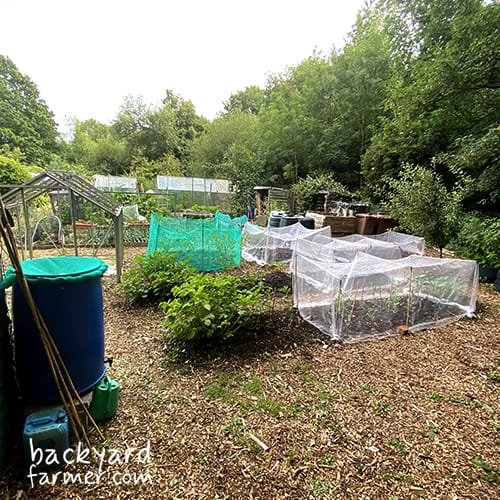
My allotment sits beside a National Trust park, with mature trees beyond the boundary. It is roughly south-facing and receives around six to eight hours or more of direct summer sun, although beds nearest the boundary lose the light earlier in the day.
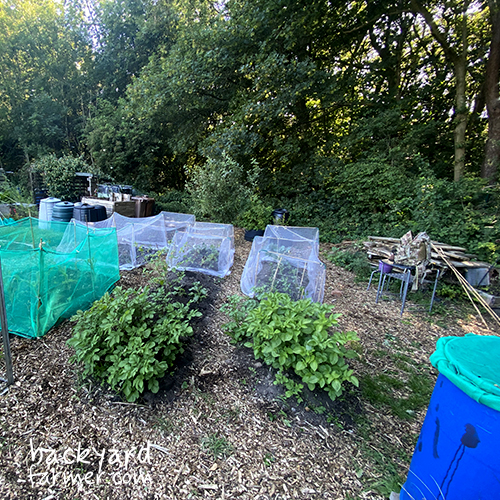
This makes it a mixed-light plot rather than a truly shady one. Most beds are suitable for normal vegetable growing, while the boundary beds need more careful crop choice. A roughly two-foot-deep channel around the plots may reduce some tree-root encroachment, but I still watch soil moisture, crop performance and any woody roots that appear.
How Much Shade Does Your Allotment Actually Get?
A plot described as “shady” can still contain very different growing conditions. Some beds may get strong morning and midday sun, while others stay shaded for most of the day.
Map the Sun Through the Day
Check the plot at roughly:
- 9am
- Midday
- 3pm
- 6pm
For each bed, note:
- When direct sunlight arrives and disappears
- Whether the light is direct or dappled
- What creates the shade
- Which areas remain bright for longest
Repeat the check once nearby deciduous trees are fully in leaf, as summer shade can be very different from winter.
Also check the soil. Buildings may create cooler, damper shade, while mature trees can create dry shade by competing for water.
Use the Free Allotment Planner to mark long-sun, partial-shade and deep-shade areas before deciding where each crop should go.
Different Types of Allotment Shade
The timing and cause of shade matter as much as the total hours of sun. Afternoon shade, like on my own allotment, can still leave plenty of strong light earlier in the day and is very different from permanent shade beneath trees or buildings.
| Type of shade | Main effect | What it means for growing |
| Morning shade | Beds warm and dry more slowly in spring | Fruiting crops may still perform if they receive strong afternoon and evening sun |
| Afternoon or evening shade | The plot receives its best light earlier in the day | Often manageable where morning and midday sun are strong; leafy crops may stay cooler in summer |
| Dappled or deciduous shade | Light changes through the day and across the seasons | Early, overwintered and spring crops can use the brighter period before trees fully leaf out |
| Building or shed shade | Predictable shadows without root competition | Usually easier to map and manage than shade from trees |
| Shade from mature trees | Reduced light combined with possible water and nutrient competition | Poor growth may be caused by roots and dry soil as well as shade |
| Evergreen shade | Shade remains throughout the year | Usually more restrictive because there is no brighter leafless period |
Fruit and Perennial Crops for Shaded Ground
Soft fruit and perennial crops can make better long-term use of a shaded allotment boundary than annual fruiting vegetables.
| Crop | Shade tolerance | Main compromise |
| Blackcurrants | Good in partial shade | Fruit may ripen later |
| Redcurrants and whitecurrants | Moderate | Best in the brighter part of the boundary |
| Gooseberries | Good in partial shade | Yields may fall as shade deepens |
| Raspberries | Moderate | Need some direct sun and good airflow |
| Rhubarb | Good in light shade | Weaker growth and fewer stalks in deep shade |
Currants and gooseberries are strong choices for partial shade. Blackcurrants cope particularly well with cooler conditions, while redcurrants and whitecurrants benefit from the brightest available position.
Raspberries can also remain productive in lighter shade, and rhubarb is useful for a partially shaded corner, although both perform better with reasonable light.
Alpine strawberries and Morello cherries are possible alternatives, but they are more niche choices.
Before filling a shaded boundary with permanent fruit, observe the plot through a full growing season so you can see where the light lasts longest and whether nearby trees are also causing dry soil or root competition.
Crops That Need the Brightest Part of the Plot
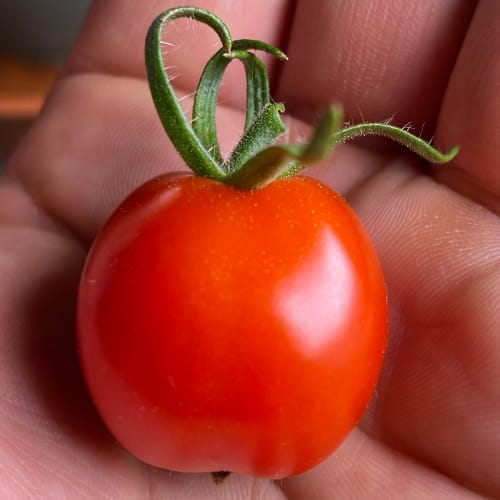
Give the warmest, brightest beds to crops that need plenty of light to flower, set fruit and ripen well.
- Warmth-loving crops: tomatoes, peppers, chillies and aubergines
- Large fruiting crops: courgettes, pumpkins and squash
- Other demanding crops: sweetcorn, cucumbers and melons
These crops may still perform where strong morning and midday sun is followed by later shade, but they are not truly shade-tolerant. Keep them in the brightest parts of the plot and away from large trees, tall hedges or structures that add extra shade.
Tomatoes and peppers are especially likely to struggle to ripen in poor light.
Growing Beside Large Trees
Large trees can affect an allotment through shade, root competition and drier soil, so poor growth near a boundary is not always caused by low light alone.
Signs of Tree-Root Competition
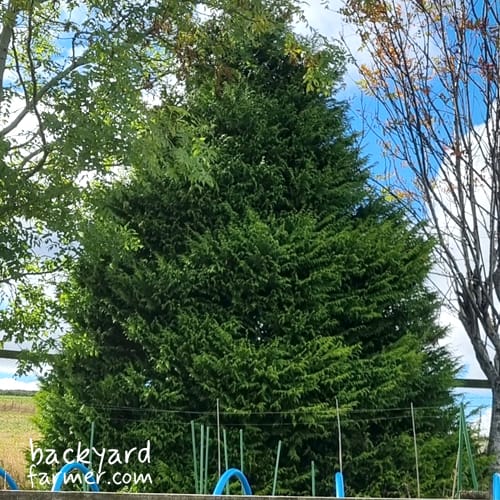
Look for several signs together:
- Fine woody roots appearing during cultivation
- Soil drying faster near the boundary
- Crops improving farther from the trees
- Watering giving only short-lived relief
- Weak growth despite reasonable sunlight
What May Help
- Add compost and mulch to improve moisture retention.
- Water deeply rather than repeatedly wetting only the surface.
- Use containers or isolated raised beds for valuable crops where root pressure is severe.
- Move annual vegetables inward to less affected ground.
- Use difficult edges differently for currants, gooseberries, rhubarb, compost, leaf mould or water storage.
On my plot: a channel roughly two feet deep runs around the allotment boundary and may reduce some root encroachment from the neighbouring trees, but I do not treat it as a permanent barrier.
Make Use of Seasonal Shade
Shade from deciduous trees changes through the year. Beds that become shaded in summer may receive much more light in autumn, winter and early spring.
Good seasonal choices include:
- Autumn-sown broad beans
- Spring cabbage
- Early salads
- Spinach and radishes
- Early potatoes
- Winter and spring brassicas
Worth testing:
- Japanese onions
- Garlic
- Elephant garlic
Bulb crops may benefit from the brighter leafless period, but reduced light later can still limit bulb size.
Choose early-maturing varieties where possible and note when each bed gains and loses useful light through the season.
Example Layout for a Mixed-Light Allotment
A mixed-light allotment works best when crops are arranged according to how much sun each part of the plot receives. Reserve the brightest beds for fruiting vegetables, then use progressively shadier areas for crops that can still produce with less light.
In this example:
- Brightest beds: tomatoes, courgettes, squash, sweetcorn, cucumbers and climbing beans
- Bright partial shade: potatoes, broad beans, peas, leeks, beetroot and brassicas
- Shadier beds: chard, spinach, kale, lettuce, radishes, pak choi and mizuna
- Shaded boundary: currants, gooseberries, raspberries and rhubarb
- Deepest or least productive corner: compost bins, leaf mould, water storage, comfrey or wildlife habitat
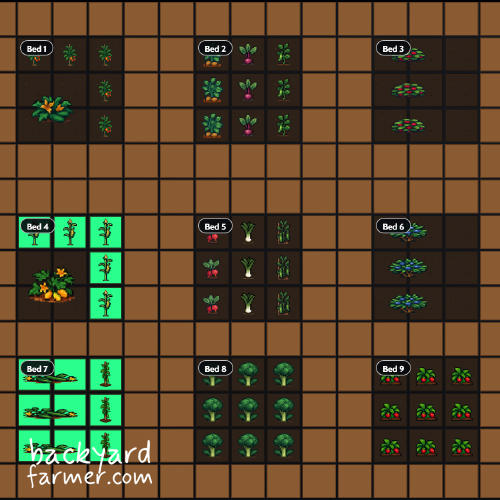
The exact arrangement will depend on the direction of the plot, nearby trees and buildings, and how the shade moves through the day. Use the layout as a starting point, then adjust it after observing which beds receive the strongest and longest-lasting light.
Best First-Year Strategy
Do not make permanent decisions after a single visit. Use the first growing season to learn how light, moisture and nearby trees affect different parts of the plot.
- Map the light and moisture: Record where direct sun falls, which beds stay damp and which dry quickly near trees.
- Reserve the brightest ground: Use it for tomatoes, courgettes, sweetcorn and other fruiting crops.
- Plant a small trial range: Good choices include chard, kale, lettuce, beetroot, radishes, broad beans and potatoes. Add only one or two soft-fruit plants initially.
- Compare different positions: Where space allows, grow the same crop in a brighter and shadier bed.
- Keep simple records: Note planting dates, time to harvest, crop size, approximate yield, watering needs, slug damage and whether plants lean towards the light.
- Delay permanent investment: Avoid immediately filling the boundary with fruit bushes or installing expensive raised beds and fruit cages.
By the end of the first year, you should have a much clearer idea of which areas suit vegetables and which are better used for fruit, composting, water storage or wildlife.
Frequently Asked Questions
The most dependable vegetables for partial shade include chard, perpetual spinach, kale, lettuce, spinach, beetroot, radishes and kohlrabi. They may grow more slowly than in full sun but can still produce worthwhile harvests with several hours of direct or bright filtered light.
For more vegetables that grow well in the UK climate, see our guide ‘Best Vegetables to Grow in the UK’ here.
Most vegetables perform best with at least six hours of direct summer sunlight. Leafy crops, selected brassicas, quick roots and soft fruit can remain worthwhile with around four to six hours. Give fruiting vegetables the brightest and warmest available beds.
Very few conventional vegetables produce useful harvests in permanent full shade. Deeply shaded ground is usually better used for composting, leaf mould, water storage, wildlife habitat or a limited selection of suitable perennial plants.
Some roots grow in partial shade but may mature later and remain smaller. Radishes, beetroot, young turnips and baby carrots are more realistic than large storage carrots, parsnips or bulb onions. Harvesting them young can still provide a useful crop.
Potatoes can produce tubers in partial shade where they receive several hours of direct light. However, plants may grow more slowly and produce fewer or smaller potatoes. Early varieties are often the best choice because they mature sooner.
A shaded allotment can be worthwhile if it has usable areas receiving several hours of direct summer sun. Think carefully if almost the whole plot remains dark, particularly where mature trees also create dry soil and root competition.
Afternoon shade can keep lettuce cooler during hot weather and may reduce heat stress or premature bolting. However, lettuce still needs adequate overall light. Morning and midday sun followed by shade is very different from dense shade throughout the day.