
Introduction
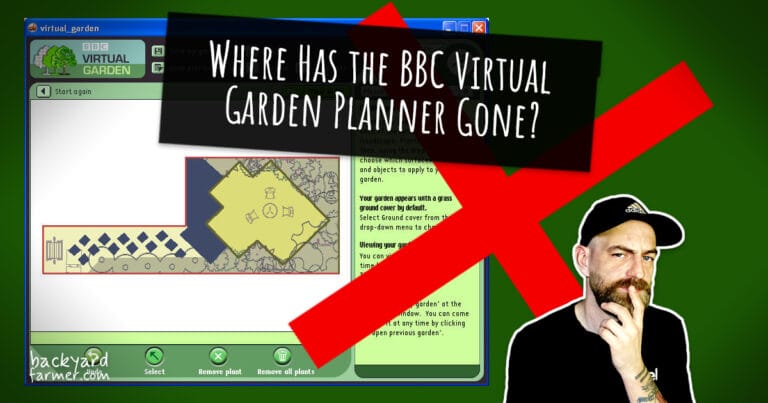
If you’ve landed here because the BBC Virtual Garden Planner is no longer working, you’re not alone — and you’re definitely not doing anything wrong.
For years, the BBC Virtual Garden Planner was a familiar starting point for UK gardeners looking for a simple garden planning tool. It was widely recommended to beginners, schools, and anyone who wanted to plan a garden layout online without complicated software. For many people, it was their first experience using a digital garden planner.
However, more and more users are now discovering that the BBC Virtual Garden Planner has stopped working. When they try to access the tool, it often:
- Won’t load properly
- Displays an error message
- Appears to be unavailable or broken
As a result, a common — and understandably frustrating — question keeps coming up:
Where has the BBC Virtual Garden Planner gone?
The short answer
In short, the BBC Virtual Garden Planner has been archived and is no longer supported.
Although some original BBC gardening pages still exist for reference, the virtual garden planner itself hasn’t been updated to work with modern browsers or devices. Because of this, the BBC garden planning tool no longer functions as it once did.
What this article will cover
Below, we’ll explain everything clearly and in plain English, including:
- What happened to the BBC Virtual Garden Planner
- Why the BBC garden planner is no longer working
- Which modern alternatives and free garden planners UK gardeners can use instead
If you’re looking for a reliable replacement for the BBC Virtual Garden Planner, this guide will help you understand what changed — and where to go next.
Continue your planning and planting journey
If you’re using one of our garden planning tools, these guides will help you decide what to grow, when to sow, and how to use your space most effectively.
- Free square foot allotment & companion planting planner (UK) – The interactive planner many gardeners use to design layouts, test companion combinations, and organise beds.
- What vegetables are good to grow – A foundational guide to choosing productive and rewarding veg varieties for your garden.
- What to plant each month in the UK – A month-by-month planting calendar that helps you time sowing and planting throughout the season.
What Was the BBC Virtual Garden Planner?
The BBC Virtual Garden Planner was a free online garden planning tool hosted on the BBC’s gardening website. It allowed people to design a simple garden layout directly in their browser, without needing specialist software, design experience, or technical knowledge. For many users, it was an easy and accessible way to try digital garden planning for the first time.
At the time, this made the BBC Virtual Garden Planner particularly appealing to:
- Beginner gardeners planning their first garden
- UK households working with small, narrow, or awkward spaces
- Schools and educational gardening projects
- Anyone looking for a visual garden planner instead of pen-and-paper plans
Rather than focusing on professional landscape design, the tool was deliberately approachable and educational. Users could experiment with layouts, roughly position beds and features, and visualise how a garden might work before committing to any digging, planting, or building.
Why it became so popular
The BBC garden planner built up a loyal following for several clear reasons.
First of all, it was completely free to use, which removed a major barrier for beginners. Just as importantly, it carried the trust and authority of the BBC, giving users confidence that the tool was reliable and beginner-friendly. In addition, there were no logins, downloads, or subscriptions required, so getting started felt quick and low-pressure.
It was also regularly recommended alongside BBC gardening articles and television programmes. As a result, many people discovered the BBC Virtual Garden Planner naturally while learning how to plan a garden or improve their growing space.
Over time, it became a familiar starting point for UK gardeners — a place to sketch ideas, test garden layouts, and make sense of limited space before planting anything.
Although it looks basic by today’s standards, the BBC Virtual Garden Planner filled an important gap at the time. It helped people visualise garden layouts using a simple online garden design tool that felt practical, accessible, and unintimidating — especially for beginners.
Why the BBC Virtual Garden Planner No Longer Works
Many people assume the BBC Virtual Garden Planner is temporarily broken, or perhaps hidden behind a browser setting or security warning. In reality, the issue is much simpler — and, unfortunately, permanent.
The BBC Virtual Garden Planner has been archived and is no longer supported. In practical terms, this means the BBC garden planner hasn’t been updated to work with modern browsers, devices, or current web standards. As a result, the tool no longer runs as intended.
Outdated technology
When the BBC Virtual Garden Planner was first built, it relied on interactive technology that was perfectly normal at the time. However, over the years, that technology has been phased out. Because of this, modern browsers and operating systems no longer support the plugins or components the virtual garden planner depended on.
As a result, users now commonly see:
- Error messages
- Missing or broken content
- Blank screens where the garden planner should load
In some cases, users can still download and install the BBC Virtual Garden Planner app from archived BBC pages. However, even when the app installs successfully, it often fails to load or crashes on launch. This usually happens because the software depends on outdated components that are no longer supported by modern operating systems. As a result, the planner may appear to install correctly but cannot run reliably.
Because of this, reinstalling the app, changing settings, or using compatibility modes rarely fixes the problem.
Even though parts of the original BBC gardening webpage may still appear online, the interactive garden planning tool itself no longer works.
No ongoing maintenance or replacement
The BBC has not released an updated version of the Virtual Garden Planner, nor has it announced a direct replacement garden planning tool. Like many older educational and digital tools, it appears to have been quietly retired as part of wider BBC website updates and content archiving.
This follows a familiar pattern with legacy web tools:
- They aren’t rebuilt to meet modern web standards
- They stop being maintained once usage declines
- Eventually, they are archived rather than removed completely
Why it looks like it should still work
One of the most confusing aspects is that some BBC pages still reference or link to the planner. Because those pages load normally, it can feel as though the BBC Virtual Garden Planner should still work.
However, while the page itself remains visible, the underlying software is no longer compatible with today’s browsers. As a result, users are left searching for answers — and a suitable alternative to the BBC Virtual Garden Planner — when the tool refuses to run.
In the next section, we’ll explore why garden planning tools still matter today, and why modern garden planners are often better suited to UK gardeners.
Why Garden Planning Tools Still Matter Today
Even though the BBC Virtual Garden Planner is no longer available, the need for simple, visual garden planning tools hasn’t disappeared. If anything, it has become more important than ever — especially for UK gardeners working with limited space.
Gardens are getting smaller
Many UK gardens and allotments are restricted in size. As a result, guessing where plants will fit often leads to overcrowding, poor airflow, and disappointing harvests. A garden planner helps you make the most of every square metre before you ever pick up a spade.
Planning prevents common beginner mistakes
When people are new to gardening, it’s easy to plant too much, plant too closely, or underestimate how large plants will become over the season. Visual garden planners make it much easier to:
- See correct plant spacing before anything goes in the ground
- Avoid cramming too many crops into a single bed
- Plan paths, access routes, and working space more realistically
Because of this, you save time and effort early on and deal with fewer problems later in the growing season.
UK growing conditions benefit from forward planning
Shorter growing seasons, unpredictable weather, and the need for crop rotation all benefit from a bit of foresight. With a garden planning tool, it becomes much easier to think ahead about:
- When crops are planted and harvested
- What follows on in the same growing space
- How beds, raised beds, or allotment plots are used across the year
Digital planning vs pen and paper
Sketching ideas on paper still works. However, digital garden planners offer flexibility that pen and paper simply can’t. You can adjust layouts instantly, test different planting options, and adapt plans as conditions change — without starting from scratch each time.
For many gardeners, a simple online garden planner bridges the gap between ideas and action. In practice, it turns good intentions into a practical garden layout that actually works in the real world.
In the next section, we’ll look at what to look for in a modern garden planner and which features genuinely matter today.
What to Look for in a Modern Garden Planner
Garden planning tools have come a long way since the early days of basic web-based planners. As a result, if you’re looking for a modern garden planner or a practical alternative to the BBC Virtual Garden Planner, there are a few features that genuinely matter — especially for UK gardeners.
Works on modern browsers (no plugins)
First and foremost, a good online garden planner should run directly in your web browser. It shouldn’t rely on outdated plugins, downloads, or complicated workarounds. If a garden planning tool doesn’t run smoothly on Chrome, Firefox, Safari, or Edge, it’s likely to cause the same frustrations people experienced with older planners.
Easy to use on mobile and tablet
These days, many people plan their gardens while out in the shed, greenhouse, or allotment. Because of that, a modern garden planning tool needs to work just as well on a phone or tablet as it does on a desktop computer.
Designed for UK gardens and allotments
Garden sizes, spacing, and growing habits vary by region. For that reason, a UK garden planner is often far more practical, particularly for:
- Small back gardens
- Raised beds
- Allotments
- Compact growing spaces
Visual and flexible
The most useful visual garden planners let you see your layout clearly and make changes quickly. When you can move crops around, test different garden layouts, and adjust plans without starting again, planning becomes far more practical — and far less frustrating.
No forced accounts or subscriptions
Many gardeners simply want to plan a garden layout without creating an account or committing to a subscription. Therefore, easy and free access removes barriers and makes it easier to experiment without pressure.
Supports real-world gardening methods
Finally, the best modern garden planners work well because they reflect how people actually garden. That usually means support for:
- Raised beds
- Square-foot gardening layouts
- Efficient plant spacing
- Simple crop organisation
When a garden planner ticks these boxes, it becomes a genuinely useful garden planning tool — rather than something you try once and quietly abandon.
In the next section, we’ll look at a practical alternative to the BBC Virtual Garden Planner that’s designed for how people garden today.
A Practical Alternative to the BBC Virtual Garden Planner
If you used the BBC Virtual Garden Planner in the past, the good news is that modern garden planning tools can now do the same job — without the technical issues that caused the original planner to stop working.
Today’s online garden planners run directly in your browser, work on modern devices, and are built around how people actually garden in the UK. As a result, they tend to feel simpler, faster, and far less frustrating than older garden design tools.
A planner designed for real UK gardens
Rather than focusing on large, professional landscapes, a practical BBC Virtual Garden Planner alternative starts with everyday growing spaces. In practice, that usually means support for:
- Small back gardens
- Raised beds
- Allotments
- Compact growing layouts
Instead of overcomplicating things, these visual garden planners help you see how crops fit together before anything goes in the ground. Because of that, you can plan a garden layout with confidence rather than guessing.
Simple, visual, and flexible
Modern garden planning tools prioritise ease of use. You place crops visually, adjust plant spacing as needed, and tweak layouts as your plans change. This flexibility makes it easier to experiment, spot problems early, and adapt as the season moves on.
Because everything is laid out clearly, issues like overcrowding, poor spacing, or awkward access tend to stand out straight away — long before they become problems in the garden itself.
No barriers to getting started
Unlike many newer apps, a practical garden planner UK gardeners can rely on doesn’t force you to create an account, sign up to a subscription, or download anything. Instead, you can simply open the planner and start planning.
For gardeners looking for a free garden planner UK option, tools like the Backyard Farmer garden planner aim to offer the same clarity and simplicity people once found in the BBC Virtual Garden Planner — just updated for modern browsers, modern devices, and real‑world gardening.
In the next section, we’ll look at how beginners can get started with garden planning, even if they’ve never used a garden planner before.
A free allotment planner for UK gardeners
If you’re looking for a free allotment planner UK gardeners can rely on, the Backyard Farmer Allotment Planner offers a simple, visual way to plan an allotment layout online — without outdated software, downloads, or technical hassle.
Unlike the old BBC Virtual Garden Planner, this online garden planner works directly in your browser, runs smoothly on modern devices, and is built around real UK growing conditions. As a result, it’s well suited to allotments, raised beds, and smaller garden plots, keeping the focus on practical planning rather than unnecessary complexity.
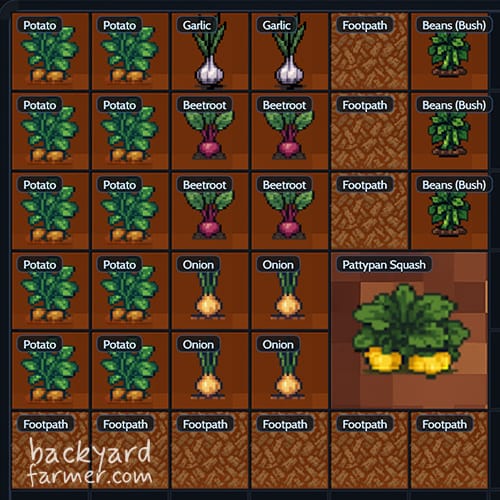
With the Backyard Farmer Allotment Planner, you can:
- Plan allotment layouts visually before anything goes in the ground
- Work out plant spacing clearly, which helps avoid overcrowding later
- Design raised beds and small plots with confidence
- Adjust layouts easily as plans change or the growing season moves on
If you previously relied on the BBC Virtual Garden Planner, this tool provides a modern, working alternative that keeps the same clarity and ease of use — but without the crashes, compatibility issues, or unsupported software.
How Beginners Can Get Started with Garden Planning
If you’ve never used a garden planner before, getting started doesn’t need to feel complicated. In fact, a simple approach is often the most effective — especially in your first season using a garden planning tool.
Start with your space
First, take a moment to measure the area you want to grow in. This might be a small back garden, a single raised bed, or an allotment plot. Once you know roughly how much space you have, it becomes much easier to plan a garden layout realistically and avoid overcrowding later on.
Decide what you actually want to grow
It’s tempting to plan everything at once. However, focusing on a small number of crops usually leads to better results. Choose vegetables or herbs you actually enjoy eating and that suit the time and effort you can realistically give.
Plan for spacing, not just variety
One of the most common beginner mistakes is planting too much, too close together. A visual garden planner helps you see how much room each crop really needs. As a result, you’re far less likely to run into spacing problems as the growing season progresses.
Keep it flexible
Your first garden plan doesn’t need to be perfect. Gardens change, weather shifts, and ideas evolve. Because of that, a good online garden planner lets you move things around easily and adjust your layout as you learn what works best in your space.
Start small and build confidence
Even planning a single bed can make a noticeable difference. Over time, as your confidence grows, you can expand your garden plans and refine your layout bit by bit.
Ultimately, garden planning for beginners isn’t about locking yourself into a rigid design. Instead, it’s about giving yourself a clear, practical starting point — and the confidence to adapt your garden plan as you go.
In the next section, we’ll answer some common questions about the BBC Virtual Garden Planner and modern garden planning tools.
Frequently Asked Questions
At the moment, there’s no indication that the BBC plans to bring the BBC Virtual Garden Planner back. The tool appears to have been archived and is no longer maintained. Because of this, it’s unlikely to be updated to work with modern browsers or current web standards.
In practical terms, no. Although some BBC gardening pages that reference the planner are still online, the interactive BBC garden planner itself no longer works properly on modern devices. This is because it relied on outdated technology that today’s browsers no longer support.
This is one of the most confusing aspects. The surrounding webpage may still load normally. However, the interactive element that powered the virtual garden planner has been retired. As a result, users often see error messages, broken content, or blank spaces where the garden planning tool used to appear.
Yes, they can be. In fact, many modern garden planning tools work just as well for allotments as they do for gardens or raised beds. As long as the planner lets you visualise spacing clearly and move layouts around easily, it can suit a wide range of growing spaces.
No — plenty of people garden successfully using sketches, notes, or simple plans. That said, a digital garden planner or online garden planner makes it much easier to test layouts, avoid spacing mistakes, and adjust a garden plan without starting again from scratch.
Above all, look for a BBC Virtual Garden Planner alternative that works smoothly on modern browsers and is easy to use. Ideally, it shouldn’t require plugins, downloads, or subscriptions, and it should be designed for real UK gardens. Clear visuals, flexible layouts, and sensible spacing tools matter far more than advanced design features.
Planning Your Garden Without the BBC Virtual Garden Planner
Losing access to the BBC Virtual Garden Planner can be frustrating, especially if it was the garden planning tool you relied on to plan a garden layout. However, its disappearance doesn’t mean garden planning has become harder. In fact, modern garden planners now make the process simpler, more flexible, and better suited to how people actually garden today.
Today’s online garden planners are designed around real UK growing conditions. As a result, they work smoothly on modern browsers, avoid outdated plugins, and let you adjust your garden plans easily as ideas change or growing conditions shift.
Whether you’re working with a small back garden, a raised bed, or an allotment plot, having a clear visual garden plan helps you make better use of space. At the same time, it helps you avoid common beginner mistakes and start the growing season with far more confidence.
If you previously used the BBC tool, the key is choosing a BBC Virtual Garden Planner alternative that offers the same clarity and simplicity — but without the technical issues. Thankfully, free garden planners UK gardeners can use provide a practical starting point and help turn rough ideas into a garden layout that actually works.
Ultimately, garden planning doesn’t need to be complicated. With the right garden planning tool, it becomes a helpful guide rather than a barrier, allowing you to focus on what really matters: growing healthy plants and enjoying the process.