
Handmade soap is easy to find in the UK, but quality varies. Some brands focus on simple everyday bars, while others lean into botanicals, stronger scents or gift-ready presentation.
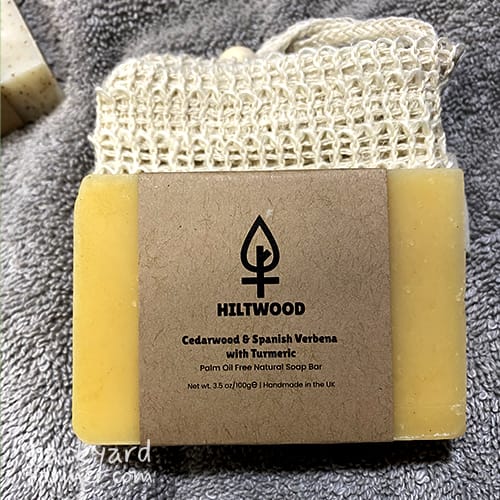
For this guide, I’ve compared UK handmade and artisan soap brands on ingredients, usability, value and overall quality. Hiltwood gets my strongest hands-on recommendation, as I’ve personally used four of its bars for everyday washing and after gardening work.
Below are my top three picks, followed by the other brands worth considering.
Hiltwood — Best Overall
Highland Soap Co — Best for Gifts & Luxury
Little Soap Company — Best Easy-to-Find Option
| Brand | Best For | Handmade in UK | Palm-Oil-Free | Main Strength |
|---|---|---|---|---|
| Hiltwood | Best Overall | Yes | Yes | Personally tested; excellent everyday natural soap |
| Highland Soap Co | Gifts & Luxury | Yes | Check range | Premium presentation and gifting |
| Little Soap Company | Easy Availability | Yes | Check range | Widely available across the UK |
| Cosy Cottage Soap | Natural Everyday Soap | Yes | Yes | Simple Yorkshire-made natural soaps with a broad current range |
| Wylder Naturals | Botanical Design | Yes | Check range | Modern botanical styling |
| The English Soap Company | Traditional British Gifting | Yes | Check range | Established Sussex-made soaps with excellent presentation and a wide fragrance range |
Hiltwood — Best Overall
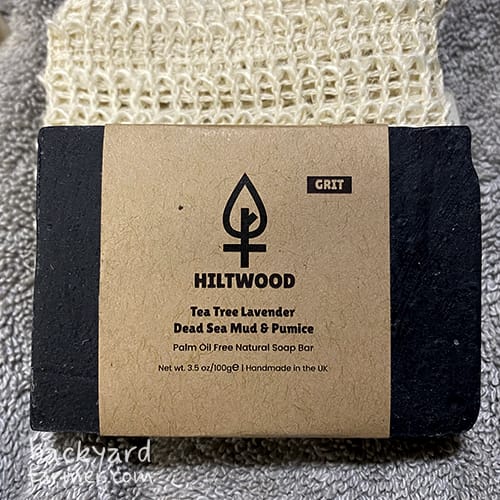
Hiltwood is my strongest pick here and the only brand in this guide I’ve personally used extensively. I’ve tested four of its UK-made natural soap bars through everyday washing and after gardening work, and they consistently lather well without leaving my skin feeling stripped or overly dry.
The range has a deliberately natural feel, using botanicals, clays and subtle scents rather than trying to imitate heavily fragranced commercial soaps. Hiltwood is also palm-oil-free and made in small batches in the UK.
Best for
- Everyday hand and body washing
- Gardeners and outdoor workers
- Natural, palm-oil-free soap
- Subtle botanical scents
Pros
- Personally tested by BYF
- Handmade in the UK
- Palm-oil-free
- Good creamy lather
- Comfortable feel after washing
Cons
- More expensive than supermarket soap
- Natural scents may be too subtle for some
Cosy Cottage Soap — Best for Natural Everyday Soap
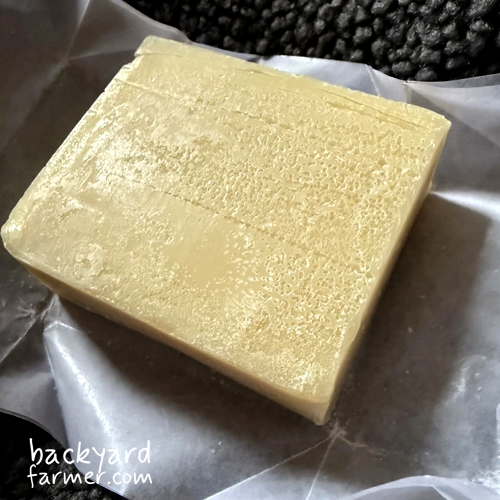
Cosy Cottage Soap is a Yorkshire-based maker with a strong focus on simple, natural formulations. Its handmade soaps are palm-oil-free, sulphate-free and made without parabens, with essential oils used for fragrance.
Best for
- Everyday natural soap
- Palm-oil-free products
- Simple ingredient preferences
- UK-made skincare
Pros
- Handmade in Yorkshire
- Palm-oil-free
- Large current soap range
- Established UK retailer
- Recyclable or compostable packaging
Cons
- Less visually distinctive than some artisan brands
- Wider skincare range means the brand feels less purely soap-focused
Wylder Naturals — Best for Botanical Design
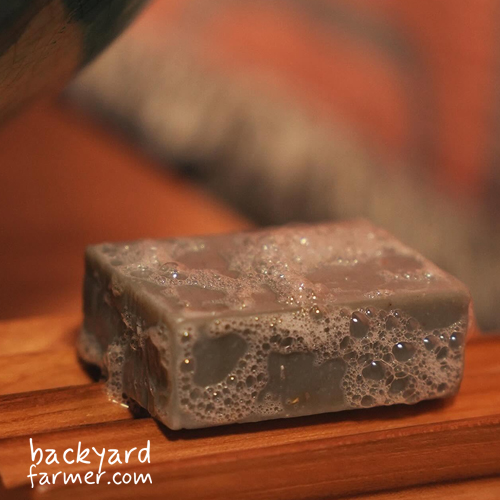
Wylder Naturals sits towards the more contemporary end of the handmade soap market, combining botanical ingredients with modern presentation.
Its soaps make particularly good gifts, with attractive designs, naturally inspired colours and ingredients such as clays and activated charcoal.
Best for
- Botanical soap
- Modern bathrooms
- Gifts
- Visually distinctive bars
Pros
- Strong botanical focus
- Naturally styled colours
- Uses clays and activated charcoal
- Contemporary presentation
Cons
- Style may matter as much as practicality here
- Less rustic than traditional handmade soap
Little Soap Company — Best Easy-to-Find Option
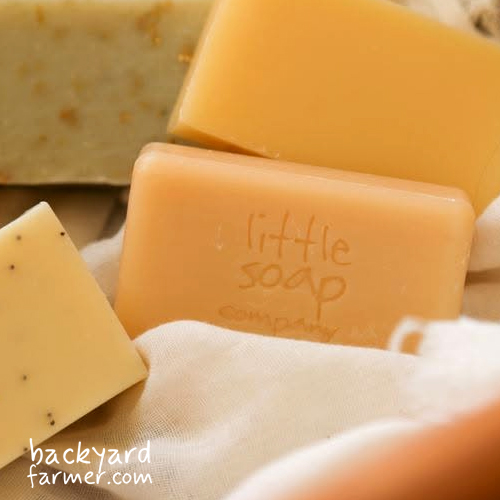
Little Soap Company is one of the more accessible choices if you want to move away from standard supermarket soap without hunting down a small independent maker.
Its products are stocked widely across UK retailers, making it convenient for repeat purchases, and the range includes organic options alongside familiar natural-soap styles.
Best for
- First-time natural soap buyers
- Easy UK availability
- Repeat purchases
- Everyday washing
Pros
- Widely stocked
- Organic ranges available
- Familiar scent choices
- Easy to replace locally
Cons
- Less artisan-feeling than smaller makers
- Not as distinctive as some small-batch brands
Highland Soap Co — Best for Gifts & Luxury
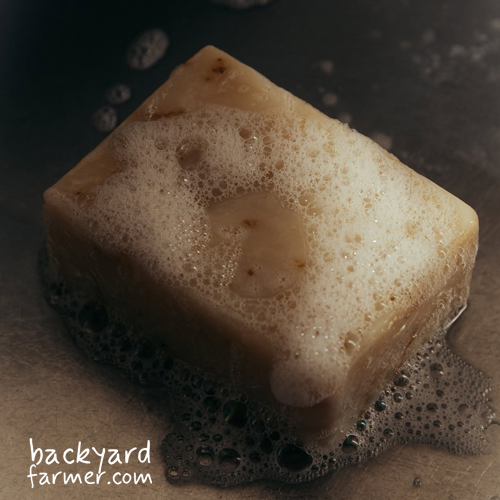
Highland Soap Co takes a more premium approach, with soaps inspired by the Scottish landscape and presented in packaging that feels particularly suited to gifting.
The range leans towards clean essential-oil scents and a more polished finish than many rustic handmade bars.
Best for
- Gifts
- Premium presentation
- Scottish-made soap
- Everyday luxury
Pros
- Attractive packaging
- Established UK maker
- Classic essential-oil scents
- Strong gift appeal
Cons
- Premium positioning generally means a higher price
- Less stripped-back than smaller rustic makers
The English Soap Company — Best for Traditional British Gifting
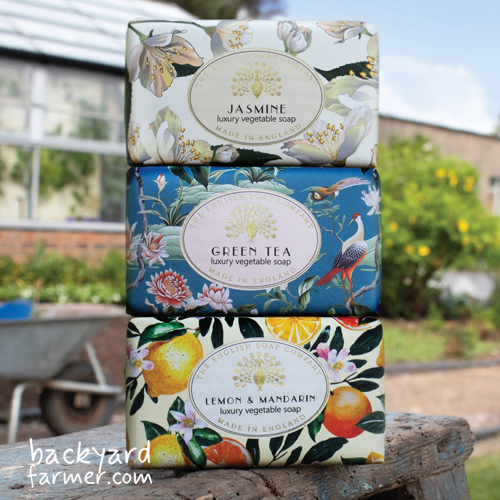
The English Soap Company has been making soap in England since 2000 and produces its bars at a working farm in East Sussex. The range leans strongly into classic British presentation, with decorative paper wraps, a large choice of fragrances and plenty of gift-ready options.
Best for
- Gifts
- Traditional British presentation
- Wide fragrance choice
- Easy direct ordering
Pros
- Made in England
- Large, established range
- Attractive paper-wrapped presentation
- Vegan-friendly and cruelty-free soap range
- Strong gift appeal
Cons
- More fragrance-led than stripped-back natural brands
- Less small-batch/rustic in feel than Hiltwood or Cosy Cottage
Handmade vs Natural vs Artisan Soap
The terms handmade, natural and artisan soap are often used together, but they don’t mean exactly the same thing.
| Term | What It Usually Means |
|---|---|
| Handmade soap | Soap produced on a smaller scale, often using traditional methods such as cold process |
| Natural soap | Soap formulated mainly with naturally derived ingredients rather than being defined by how it is made |
| Artisan soap | Handmade soap with a stronger focus on craft, scent, appearance or unusual ingredient combinations |
A soap can be handmade without being entirely natural, while a natural soap doesn’t necessarily have to be artisan-made.
Many UK handmade soap makers use plant oils, butters, clays, botanicals and essential oils, while traditional soapmaking also naturally produces glycerine. Small-batch production can also give makers more control over ingredients, curing and presentation.
If ingredients are your main priority rather than how the bar is made, see my guide to 100% natural soap in the UK.
How to Choose Handmade Soap
The right handmade soap usually comes down to how you want to use it, how strongly scented you like it, and how simple you want the formulation to be.
Sensitive or Easily Irritated Skin
Choose a simple, lightly scented or fragrance-free bar with a short ingredient list. Oatmeal, calendula and shea butter are common choices, but individual reactions vary.
Dry Skin
Look for bars built around oils and butters such as olive oil, shea butter or cocoa butter. A creamy lather is often a better fit than choosing purely by scent.
Everyday Hand & Body Washing
For daily use, prioritise a soap that:
- lathers well
- rinses cleanly
- feels comfortable after washing
- lasts reasonably well between uses
This is where a balanced everyday bar such as Hiltwood makes the most sense.
Gifts
If you’re buying handmade soap as a gift, presentation matters more.
Look for:
- attractive packaging
- interesting scent combinations
- decorative or artisan-style bars
- gift sets or seasonal collections
Brands such as Highland Soap Co, Wylder Naturals and The English Soap Company are particularly well suited to this.
FAQ: Handmade Soap UK
Not automatically. Handmade soaps often use simpler formulations and may retain naturally produced glycerine, but how a bar feels on your skin depends on its ingredients, fragrance and your individual skin.
Yes. Properly made soap is designed to lift oils and dirt from the skin so they can be rinsed away. The main differences between bars are usually in the formulation, lather, scent and how your skin feels afterwards.
Most cold-process handmade soap is left to cure for around 4–6 weeks before use. This allows excess water to evaporate and helps the bar become harder and longer-lasting.
No. Handmade describes how a soap is produced, not necessarily what it contains. A handmade bar can include natural or synthetic ingredients, so check the ingredient list if that matters to you.
No. These are separate choices. Some makers avoid palm oil or animal-derived ingredients, while others do not. If either is important to you, check the individual product or see my guides to palm-oil-free soap and vegan soap.
Yes. Soap sold as a cosmetic in Great Britain must meet UK cosmetics requirements. Products need a safety assessment, compliant labelling, a Responsible Person and notification to the Office for Product Safety and Standards before being made available to consumers.