
Introduction
Summer can be productive in a UK vegetable garden, but it is also when crops can go off track quickly.
In hot, dry weather, you might notice:
- Seeds drying out before they germinate
- Young seedlings wilting after planting out
- Lettuce, rocket, spinach and coriander flowering early
- Salad leaves turning bitter
- Raised beds and containers drying out too fast
If crops suddenly start rushing to seed in June, July or August, you are probably dealing with bolting vegetables.
Heat, dry soil, long daylight hours and inconsistent watering can all push vegetables into flowering before you get a proper harvest. The good news is that better watering, light shade, mulch, good timing and regular harvesting can all help keep summer crops productive for longer.
What Does Bolting Mean in Vegetables?
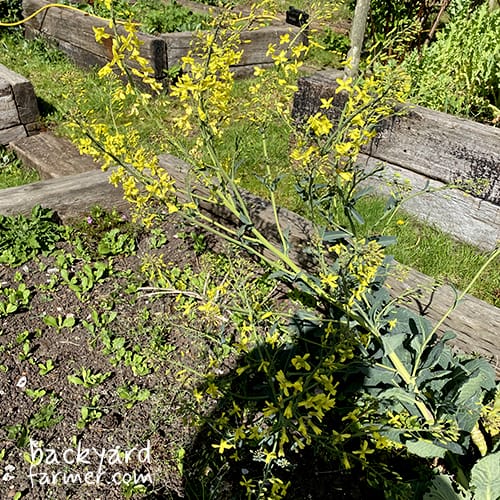
Bolting is when a vegetable plant stops putting energy into the part you want to harvest and starts flowering and producing seed instead.
In simple terms, the plant has decided it is time to reproduce.
That is natural, but it becomes a problem when it happens too early. Instead of building leaves, roots, stems or bulbs, the plant starts sending up a flower stalk.
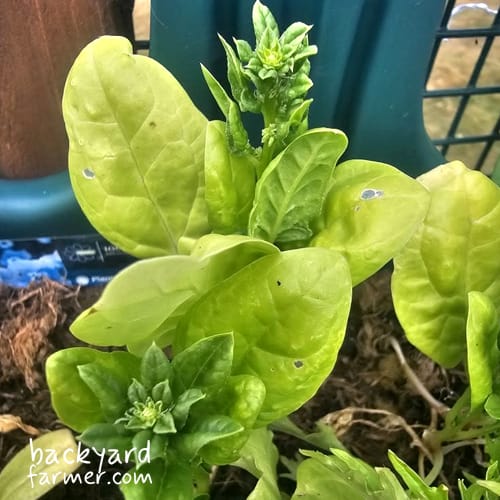
You will often spot bolting because the plant suddenly changes shape. For example:
- Lettuce grows taller and sends up a central stem
- Rocket forms flower buds and the leaves become stronger tasting
- Spinach stretches upwards instead of making soft new leaves
- Coriander turns feathery and starts setting seed
- Radishes can become woody instead of forming crisp roots
Once vegetables bolt, eating quality usually drops. Leafy crops often turn bitter, tough or coarse, while root crops may stop swelling properly.
That does not always mean the crop is useless. Some bolted vegetables are still worth harvesting, some can be left for pollinators, and some can be saved for seed if the plant is healthy and the variety is suitable.
However, once bolting has properly started, you usually cannot push the plant back into normal leafy or root growth. At that point, it is often better to use what you can and adjust the next sowing.
Why Do Vegetables Bolt in Summer?
Vegetables bolt because the plant thinks it is time to flower, set seed and finish its life cycle.
In summer, that decision is often triggered by stress. The plant is not being awkward. It is reacting to the conditions around it.
The main causes of vegetables bolting in summer are:
- High temperatures
- Long daylight hours
- Dry soil
- Irregular watering
- Root disturbance
- Old or stressed seedlings
- Growing the wrong variety for the season
- Sowing cool-season crops too late
For many leafy crops, summer creates ideal bolting conditions. Lettuce, spinach, rocket and coriander all prefer cooler, steadier growth. Once the weather turns hot and the soil starts drying out, they often stop focusing on leaves and start pushing up flower stems instead.
Dry soil is one of the biggest triggers. If a plant keeps swinging between too dry and suddenly soaked, it struggles to grow evenly. That stop-start growth can push it into survival mode, especially if the crop is already close to maturity.
Day length matters too. Some vegetables naturally respond to longer days, which is why spinach sown in early spring can behave very differently from spinach sown in a hot June spell.
Transplant stress can also play a part. If seedlings sit too long in modules, dry out in trays, or get planted out in the heat, they may never settle properly and can bolt early.
Variety choice matters as well. Some crops cope better with summer conditions, while others are better suited to spring or autumn. If you sow a cool-season variety in midsummer, even good watering may not be enough to stop it running to seed.
In short, bolting usually comes down to heat, light, water stress and timing.
Watering Vegetables in Summer
When you water vegetables in summer, the aim is not just to dampen the surface. You want moisture down where the roots can actually use it.
That matters even more if you are trying to reduce bolting vegetables in hot, dry weather. A plant that dries out, wilts, then gets soaked again is much more likely to become stressed.
For established plants, the best approach is usually to water deeply and less often, rather than giving everything a quick splash every day.
Shallow watering keeps roots near the surface, which makes plants more vulnerable when the top layer dries out. Deep watering encourages roots to grow down into cooler, steadier soil.
As a simple rule, aim to:
- Water deeply so moisture reaches the lower root zone
- Water early in the morning where possible
- Water in the evening during very hot spells if plants need it
- Water at the base of plants rather than soaking the leaves
- Check below the surface before assuming the soil is wet enough
The top of the soil can be misleading. After a hot day, it may look bone dry while there is still moisture lower down. On the other hand, a quick sprinkle can make the surface look damp while the root zone stays dry.
A good habit is to push a finger into the soil near the plant. If it feels dry a few centimetres down, the crop probably needs a proper drink. If it still feels cool and damp underneath, you may be able to wait.
During summer, prioritise the crops that dry out or suffer fastest:
- Newly planted seedlings
- Leafy crops such as lettuce, spinach, rocket and coriander
- Containers and raised beds
- Fruiting crops such as tomatoes, cucumbers, courgettes and beans
- Direct-sown seedbeds that are still germinating
Young seedlings and newly sown seeds are a bit different. Their roots are still shallow, so they often need lighter, more regular attention until they establish.
Consistent moisture will not stop every crop from bolting, especially in a proper heatwave. However, it gives vegetables a much better chance of staying productive for longer.
How to Keep Newly Sown Seeds Moist in Summer
Newly sown seeds are one of the easiest things to lose in hot weather.
Established plants can usually cope with a short dry spell because they already have roots in the soil. Seeds cannot. They sit right at the surface, which is the first part of the soil to dry out.
That means a seedbed can look fine when you sow it, then dry out before germination really gets going. When that happens, you often end up with patchy rows, weak seedlings, or nothing at all.
This is especially common with slower-germinating crops such as:
- Carrots
- Beetroot
- Spring onions
- Parsnips
- Coriander
Fast crops like radish, rocket and lettuce can struggle too if the surface dries out in the first few days.
Before sowing vegetables in summer, it helps to water the drill first. Make a shallow drill, water along it, let the moisture soak in, then sow your seed. It is usually much easier than sowing into dry soil and trying to wet it afterwards.
After sowing, keep the top layer evenly damp, not soaked. In hot weather, that may mean checking seedbeds every day until the seedlings appear.
A few simple tricks help:
- Sow in the evening so seeds get a cooler start
- Water the drill before sowing
- Use fleece, mesh or light shade to slow drying
- Cover slow-germinating rows with a board until germination starts
- Remove covers as soon as seedlings appear
- Use modules if open ground is drying too quickly
The board trick is especially useful for carrots and parsnips. Lay a board over the watered row after sowing, then check underneath each day. As soon as you see germination starting, remove it.
For smaller crops such as lettuce, coriander and spring onions, starting seeds in modules can be easier during very dry weather. You can keep trays somewhere bright but slightly sheltered, then plant them out once they are stronger.
The main thing is consistency. Seeds do not need fussing over, but they do need steady moisture while they wake up.
Mulching for Moisture Control
Mulching is one of the easiest ways to make summer vegetable care more forgiving.
Once the weather turns hot, bare soil dries out fast. The surface bakes, moisture disappears, and plants have to work harder to keep growing steadily.
A mulch acts like a protective layer over the soil. It helps hold moisture in, keeps roots cooler, and reduces the stress that can lead to bolting vegetables in dry weather.
Good mulch materials for vegetable beds include:
- Homemade compost
- Leaf mould
- Straw
- Well-rotted manure around hungry crops
- Grass clippings, used thinly so they do not turn slimy
You do not need anything fancy. Even a simple layer of compost around established plants can make a noticeable difference in a dry spell.
Mulching helps by:
- Reducing evaporation
- Keeping roots cooler
- Suppressing weeds that compete for water
- Protecting soil structure from baking hard
- Feeding the soil gradually as it breaks down
It is especially useful around summer crops that need steady moisture, such as beans, courgettes, tomatoes, cucumbers, beetroot, chard and leafy greens.
The main thing to remember is that mulch does not replace watering. If the soil is already bone dry, mulching over the top will not fix it. Water first, then mulch to help trap that moisture in.
Also, leave a small gap around plant stems. Wet mulch pressed tightly against young plants can encourage rot.
Which Vegetables Bolt Easily in Summer?
Some vegetables are much more likely to bolt in summer than others.
In most UK gardens, the main ones to watch are leafy crops, salad crops, herbs and quick-growing roots. Once the weather turns hot and the soil starts drying out, they can switch from useful growth to flowering very quickly.
Here are some of the most common vegetables that bolt in summer:
| Vegetable | Common Summer Problem | What Helps |
|---|---|---|
| Lettuce | Bolting, bitterness and wilting | Grow summer varieties, pick regularly and provide light shade |
| Spinach | Bolting quickly in warm weather | Sow in cooler spells or switch to chard/perpetual spinach |
| Rocket | Flowers fast and becomes strong-tasting | Sow little and often, and harvest young |
| Coriander | Runs to seed quickly | Grow in partial shade and keep evenly moist |
| Radish | Woody roots, harsh flavour and bolting | Sow in cooler spells and water consistently |
| Beetroot | Patchy germination in dry soil | Soak the drill before sowing and keep seedbeds damp |
| Carrots | Slow or patchy germination | Keep the top layer moist until seedlings appear |
This does not mean you should avoid these crops in summer. It just means they need better timing, steadier moisture and, sometimes, a bit of afternoon shade.
Lettuce Bolting
Lettuce is one of the most common summer bolters.
Once the weather turns hot, it can quickly send up a central stem. The plant grows taller, the leaves become stronger tasting, and the crop often turns bitter.
To reduce lettuce bolting:
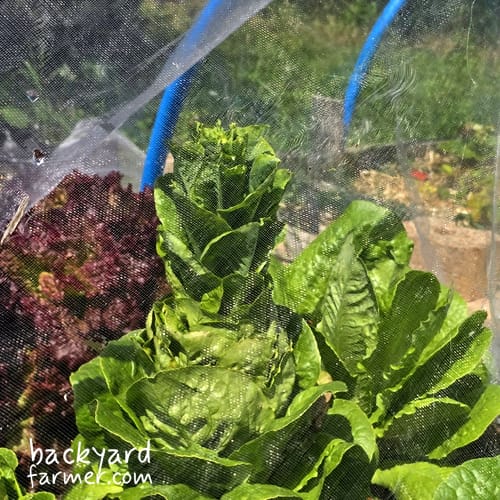
- Choose summer or bolt-resistant varieties
- Keep the soil evenly moist
- Pick outer leaves regularly
- Grow in light afternoon shade during hot spells
- Sow small batches every couple of weeks
In summer, lettuce is usually easier to manage as a quick, repeat-sown crop rather than something you expect to sit perfectly for weeks.
Rocket Bolting
Rocket naturally runs to flower quickly in warm weather.
It gives you a fast harvest, then often tries to flower as soon as conditions become hot, dry or stressful. Once rocket bolts, the leaves usually become stronger, hotter and less tender.
To keep rocket useful for longer:
- Sow small amounts often
- Harvest leaves young
- Keep the soil moist
- Grow it in partial shade during summer
- Let a few plants flower for pollinators if you have space
Rocket is rarely worth fighting for once it has properly bolted. Harvest what you can, then sow another small batch.
Coriander Bolting
Coriander is another classic summer bolter.
It can go from leafy and useful to tall, feathery and flowering in a surprisingly short time. Warm weather, dry compost and crowded pots all make this worse.
To slow coriander bolting:
- Grow it in partial shade during summer
- Keep the soil or compost consistently moist
- Sow little and often
- Avoid letting pots dry out completely
- Treat summer coriander as a short-term crop
The good news is that bolted coriander is not always wasted. The flowers are useful for insects, and the seed can be used once it matures.
Spinach Bolting
Spinach prefers cooler conditions and often struggles once summer heat arrives.
In hot, dry weather, spinach can stretch upwards and flower instead of producing soft new leaves. Once that happens, the leaves are usually tougher and less enjoyable to eat.
To reduce spinach bolting:
- Sow spinach in cooler parts of the year
- Keep it well watered during warm spells
- Grow it where it gets some shade
- Harvest leaves regularly
- Switch to chard or perpetual spinach in summer
For many UK gardens, chard is the more reliable summer option. It handles heat better and keeps producing when true spinach starts to sulk.
Radish Bolting
Radishes are quick crops, but they can go wrong just as quickly.
In hot, dry soil, radishes may turn woody, become harsh-tasting, or run to seed before forming good roots. This is often caused by inconsistent watering, overcrowding or leaving them in the ground too long.
To grow better radishes in summer:
- Sow during cooler spells where possible
- Keep the soil evenly moist
- Thin seedlings if they are crowded
- Harvest promptly while roots are still small and crisp
- Avoid sowing huge rows all at once
If radishes keep failing in midsummer, pause for a few weeks and try again as the weather cools.
Beetroot and Carrots
Beetroot and carrots are not always classic bolting crops, but summer stress can still spoil the result.
With these crops, the bigger issue is often poor germination and uneven growth. If the soil dries out before seedlings establish, you can end up with patchy rows. If plants become stressed later, roots may stay small, woody or misshapen.
For beetroot and carrots:
- Water the drill before sowing
- Keep the seedbed damp until seedlings appear
- Thin carefully so plants are not overcrowded
- Avoid letting young plants dry out completely
- Sow smaller batches rather than relying on one main sowing
These crops usually perform best when they grow steadily from the start.
How to Prevent Bolting in Vegetables
You cannot always stop vegetables bolting completely. Some crops are naturally quick to flower, and a hot, dry summer will always push them harder.
However, you can reduce the risk by keeping plants growing steadily and avoiding unnecessary stress. In practice, that usually comes down to:
- Choosing the right varieties
- Sowing at the right time
- Keeping moisture consistent
- Using light shade in hot weather
- Harvesting regularly
- Avoiding transplant stress
- Sowing little and often
Choose Bolt-Resistant or Summer Varieties
Variety choice makes a real difference, especially with lettuce, spinach, beetroot, coriander and oriental greens.
Look for seed packets that mention:
- Slow to bolt
- Good for summer sowing
- Heat tolerant
- Suitable for succession sowing
That does not mean the crop will never bolt. It simply gives you a better starting point.
Sow at the Right Time
Timing matters just as much as variety.
Some vegetables prefer spring or autumn. If you sow them in the middle of summer, they may germinate, grow a little, then bolt before giving you much of a harvest.
In summer, it usually helps to sow during cooler spells, after rain, or in the evening when the soil is not baking hot.
Keep Watering Consistent
Consistent watering is one of the simplest ways to prevent bolting.
The problem is often not one dry day. It is the cycle of drying out, wilting, then being soaked again. That stop-start growth stresses plants and can push them towards flowering early.
Pay extra attention to:
- Leafy crops
- Newly planted seedlings
- Direct-sown seedbeds
- Containers and raised beds
- Crops close to harvest
Deep watering, mulch and regular checks all help keep the root zone steadier.
Use Light Shade During Hot Spells
Shade can make a big difference during the hottest part of summer.
You do not need deep shade. You just want to take the edge off the harshest afternoon sun, especially for lettuce, rocket, coriander, spinach, pak choi and young seedlings.
Useful options include:
- Fine mesh
- Shade cloth
- Fleece used lightly and temporarily
- Taller crops casting light shade
- Pots moved into morning sun and afternoon shade
Harvest Regularly
Regular harvesting helps keep some crops productive for longer.
With leafy crops, picking outer leaves encourages fresh growth and stops plants sitting too long at maturity. For quick crops such as radishes, harvest promptly while they are still young and crisp.
A simple rule works well here: if a crop is ready, use it. If you are unsure what should be coming out of the garden next, my UK harvest calendar can help you check what to harvest month by month.
Avoid Transplant Stress
Seedlings that are stressed early often struggle later.
If plants sit in modules for too long, dry out repeatedly, or get planted into hot, dry soil, they may bolt before they ever settle properly.
To reduce transplant stress:
- Water seedlings before planting
- Water the planting hole or bed first
- Plant in the evening or on a cooler day
- Water again after planting
- Use temporary shade for a few days if needed
Sow Little and Often
Succession sowing is one of the best ways to avoid losing a whole crop at once.
Instead of sowing one big row of lettuce, rocket, radish or coriander, sow a smaller amount every couple of weeks. That way, if one batch bolts or struggles in a hot spell, the next batch may do better.
For summer crops, little and often is usually safer than all at once.
Preventing bolting is not about one magic trick. It is about keeping crops growing steadily, choosing the right plants for the season, and reducing stress before the plant decides it is time to flower.
What to Do When Vegetables Bolt
Once a vegetable has bolted, you usually cannot turn it back into a normal leafy or root crop.
At that point, the plant has switched from making the part you want to harvest to focusing on flowers and seed.
That does not always mean the crop is useless, though. What you do next depends on the plant, how far gone it is, and whether it still has some use in the garden.
Check the Crop Before Pulling It Up
Before you remove a bolted plant, check whether any of it is still worth using.
With leafy crops, taste a small leaf first. If it is only slightly stronger than usual, you may still be able to harvest some. If it has turned very bitter, tough or coarse, it is probably past its best.
This is common with:
- Lettuce
- Rocket
- Spinach
- Pak choi
- Mustard leaves
- Coriander
Some crops go off quickly after bolting. Others stay usable for a short while if you catch them early.
Harvest What You Can
If the crop has only just started bolting, harvest usable leaves straight away.
Do not wait and hope it improves. Once flowering starts, eating quality usually keeps dropping. With salad crops, it is usually better to take what you can on the day rather than leave the plant standing for another week.
Herbs can be a bit more forgiving. Coriander may still give you usable leaves, flowers or developing seed. Rocket flowers are edible too, although they usually have a stronger flavour than the leaves.
Leave a Few Plants for Pollinators
Bolted vegetables are not always bad news.
If you have space, leaving a few healthy plants to flower can help bees, hoverflies and other beneficial insects. Rocket, coriander, brassicas and herbs can all produce flowers that insects visit.
You do not need to leave every bolted plant standing. One or two can be enough if they are not in the way.
Save Seed Only When It Makes Sense
Some bolted crops can be left to produce seed, but seed saving is not always worth doing.
It works best when the plant is healthy, open-pollinated, and not a hybrid variety. If the plant bolted very early because it was weak, stressed or badly suited to your garden, saving seed from it may just carry that problem forward.
As a rough guide:
- Save seed from healthy, strong plants
- Avoid saving seed from plants that bolted unusually early
- Check whether the variety is open-pollinated or hybrid
- Let seed mature fully before collecting it
- Store seed somewhere cool, dry and labelled
Coriander is one of the easiest examples. Once it flowers and sets seed, you can let the seed mature and use it in the kitchen or save it for sowing.
Remove Badly Bolted or Exhausted Plants
If a crop is bitter, tough, pest-damaged or taking up useful space, it is usually better to remove it.
Healthy bolted plants can go on the compost heap. However, avoid composting plants that are diseased, covered in persistent pests, or already dropping unwanted seed everywhere.
Once the space is clear, add compost if needed, water the bed properly, and use the area for another crop.
Replace It With a Quick Follow-On Crop
One of the best ways to recover from bolting is to replant quickly.
In summer, you may still have time to sow another fast crop, especially if you catch the problem early. Good follow-on options include:
- Lettuce mixes
- Radish
- Rocket
- Spring onions
- Chard
- Beetroot for baby leaves or small roots
- Coriander, if you treat it as a quick crop
The best choice depends on the month, your local conditions and how much growing season is left.
Learn From the Timing
Bolting is frustrating, but it is also useful feedback.
If the same crop bolts every year, it may be telling you to change how you grow it. You could:
- Sow it earlier or later
- Try a different variety
- Grow it in partial shade
- Improve watering consistency
- Use modules instead of direct sowing in dry weather
- Switch to a more reliable summer alternative
For example, if spinach bolts every summer, it often makes more sense to grow chard through the hot months and return to spinach in cooler weather. If coriander always runs to seed quickly, treat it as a repeat-sown crop rather than expecting one plant to last all season.
Bolting is not a complete failure. More often, it is a sign that the crop, timing and conditions did not quite match.
Can You Eat Vegetables That Have Bolted?
Yes, many bolted vegetables are still edible, but they are not always worth eating.
Bolting does not usually make a plant poisonous. In most cases, the issue is quality. Once a plant starts flowering, it puts its energy into flowers and seed instead of soft leaves, crisp roots or tender stems.
That is why bolted crops often become:
- Bitter
- Tough
- Woody
- Strong tasting
- Less useful in the kitchen
With leafy crops, that change can happen quickly. Lettuce can turn bitter, rocket can become very peppery, and spinach can lose the soft texture that made it worth picking in the first place.
That said, it is still worth checking before you pull everything out. If a crop has only just started to bolt, you may still be able to harvest something useful.
Which Bolted Vegetables Can You Still Use?
Different crops behave differently once they bolt.
| Bolted Crop | Is It Still Useful? | What to Check |
| Lettuce | Sometimes, but often bitter | Taste a small leaf first |
| Rocket | Often still edible, but stronger | Use young leaves or flowers |
| Spinach | Sometimes usable early on | Check for toughness and bitterness |
| Coriander | Usually still useful | Use leaves, flowers or mature seed |
| Radish | Roots may be woody, but pods can be useful | Check roots and young seed pods |
| Pak choi | Sometimes usable early | Stems may toughen after flowering |
| Beetroot | Roots may still be usable | Check texture and woodiness |
The best test is simple: taste a small piece. If it tastes fine, use it. If it has turned very bitter, tough or woody, it is usually better on the compost heap or left to flower for insects.
Bolted Lettuce, Rocket and Spinach
These are the crops where most people notice the flavour change first.
Once they start flowering, the leaves often become stronger and less tender. If they have only just started bolting, pick what you can straight away. Once the flower stem is tall and the leaves are tough, the crop is usually past its best.
Bolted Coriander
Coriander is a bit different because bolting is not always a complete loss.
Once coriander runs to seed, the leaves usually become finer and less useful. However, the flowers are good for insects, and the seeds can be collected and used once they mature.
So, if coriander bolts, you can:
- Pick any usable leaves quickly
- Let it flower for pollinators
- Leave it to form seed
- Sow another small batch for fresh leaves
Bolted Radishes
Radishes can become woody, hot and hollow if they are stressed or left too long.
If the root still feels firm and crisp, it may still be worth eating. If it is woody, split or unpleasantly strong, it is probably past its best.
Radish plants can also produce edible seed pods after flowering, which can be more useful than the root once the plant has bolted.
When Not to Eat Bolted Vegetables
Avoid eating bolted vegetables if they are:
- Slimy or rotten
- Diseased
- Covered in persistent pests
- Badly mouldy
- Extremely bitter or unpleasant
- From a plant you cannot confidently identify
Bolting itself is usually not the danger. The bigger question is whether the plant is still fresh, healthy and worth eating.
Supporting Young Seedlings in Hot Weather
Young seedlings need extra care in summer because they do not yet have the roots to cope with heat, dry soil and strong sun.
An established courgette or bean plant can often bounce back after a hot afternoon. A tray of young lettuce, spinach, coriander or brassica seedlings can dry out and stall much faster.
That is why summer planting can feel unforgiving. Growth is quick when conditions are right, but small plants can go backwards quickly if they are planted out at the wrong time or left exposed.
Avoid Planting Out in the Hottest Part of the Day
If you are planting seedlings out in summer, avoid the middle of a hot, bright day where possible.
The best times are usually:
- Early morning, before the sun gets too strong
- Evening, once the heat has dropped
- Cloudy days, especially after rain
Evening planting is often the easiest option because seedlings get the whole night to settle before they face full sun again.
Water Before and After Planting
A dry rootball planted into dry soil is almost guaranteed to struggle.
Before planting out, water the seedlings in their trays or modules. Then water the planting area too if the soil is dry below the surface.
A simple routine works well:
- Water the seedling tray before planting
- Water the planting hole or row if the ground is dry
- Plant the seedling carefully
- Firm it in gently
- Water again after planting
- Check it the next day
This helps the young plant connect with the surrounding soil instead of sitting in a dry pocket.
Use Temporary Shade for New Transplants
Temporary shade can make a big difference for newly planted seedlings.
You do not need to shade them for long. Often, a few days is enough while the roots start moving into the surrounding soil. The aim is to reduce shock, not block out all the light.
Useful shade options include:
- Fine mesh
- Fleece used loosely and temporarily
- Shade cloth
- A few leafy branches pushed into the soil nearby
- Taller crops giving afternoon shade
- Pots or trays moved out of harsh midday sun
Be careful not to smother seedlings or leave them in deep shade for too long. They still need light to grow strongly.
Harden Off Indoor-Grown Plants Properly
Seedlings raised indoors, in a greenhouse, or on a windowsill need time to adjust before they go outside full-time.
This is called hardening off. It simply means getting plants used to outdoor conditions gradually, including wind, cooler nights and stronger light.
If seedlings go straight from a sheltered windowsill into full summer sun, they can scorch, wilt or stop growing.
A simple hardening-off routine is:
- Put plants outside in a sheltered spot for a few hours at first
- Bring them back in or protect them overnight if needed
- Increase outdoor time over several days
- Keep them watered, but not waterlogged
- Avoid putting tender seedlings straight into full midday sun
Do Not Let Module Trays Bake
Seedlings in modules dry out much faster than plants in the ground.
Small cells contain very little compost, so they can go from moist to dry in a few hours during hot weather. Black plastic trays can also heat up quickly if they are left on paving, greenhouse staging or a sunny patio.
Try to keep trays somewhere:
- Bright, but not scorching
- Sheltered from strong wind
- Easy to check and water
- Off hot paving if possible
- Close enough that you will not forget them
For crops like lettuce, coriander, spinach and pak choi, repeated drying can lead to stress and early bolting once they are planted out.
Watch Seedlings Closely for the First Few Days
The first few days after planting out are usually the most important.
If seedlings stay upright, keep their colour and begin making new growth, they are settling in. If they wilt badly every afternoon, dry out around the roots, or stop growing completely, they may need more water, shade or time.
Pay extra attention to:
- Lettuce
- Rocket
- Spinach
- Coriander
- Pak choi
- Young brassicas
- Seedlings in raised beds or containers
Supporting young seedlings in summer is mostly about reducing shock. Plant them at the right time of day, keep the root zone moist, use light shade when needed, and do not let trays bake before they even reach the bed.
Extra Care for Pots, Containers and Raised Beds
Pots, containers and raised beds need extra attention in summer because they dry out faster than open ground.
This catches a lot of growers out. A crop can look fine in the morning, then wilt badly by late afternoon because the compost or soil has dried out around the roots.
That does not mean containers or raised beds are a bad idea. They are useful and productive. However, in hot weather, they need a steadier watering routine.
Why Pots Dry Out So Quickly
Plants in pots only have access to the moisture inside that container.
In open ground, roots can often travel deeper or wider to find cooler, damper soil. In a pot, once the compost dries out, the plant has nowhere else to go.
Small pots are especially vulnerable because they hold less compost. Dark plastic pots can also heat up quickly in direct sun, which dries the root zone even faster.
Pay close attention to:
- Small pots and seed trays
- Black plastic containers
- Hanging baskets
- Grow bags
- Patio planters
- Containers against hot walls or fences
Leafy crops such as lettuce, rocket, spinach and coriander can bolt quickly if they keep drying out in containers.
Raised Beds Can Dry Out Faster Too
Raised beds are great for drainage and easy access, but that good drainage can work against you in dry weather.
Because raised beds sit above the surrounding ground, they often warm up quickly and lose moisture faster than traditional beds. This is especially true if the bed is shallow, exposed to wind, or filled with a very free-draining mix.
Signs that a raised bed is drying too quickly include:
- Soil pulling away from the edges
- Water running off instead of soaking in
- Seedlings wilting soon after planting
- Crops growing slowly despite warm weather
- Salad crops bolting earlier than expected
If this happens, focus on deeper watering and better moisture retention rather than just sprinkling the surface.
How to Water Pots and Containers in Summer
Containers often need checking daily in hot weather. In a proper heatwave, small pots or thirsty crops may even need watering twice a day.
A simple routine is:
- Check the compost with your finger before watering
- Water slowly so moisture soaks in rather than running straight through
- Keep going until water reaches the lower part of the pot
- Avoid leaving pots permanently waterlogged
- Move smaller pots into afternoon shade during heatwaves
If compost has dried out completely, water may run down the sides and out of the bottom without soaking the rootball. When that happens, water slowly in stages, or stand the pot in a tray of water for a short time until the compost rehydrates.
Mulch the Surface
Mulch is not just for big vegetable beds. It can also help pots, planters and raised beds hold moisture for longer.
Useful surface mulches include:
- Compost
- Leaf mould
- Straw
- Fine bark
- Grass clippings used very thinly
In containers, even a small layer on top of the compost can slow drying. Just leave a little space around the stem so wet material is not pressed tightly against the plant.
Group Pots Together
Grouping pots together can help reduce drying.
A single pot on a sunny patio is exposed on all sides. When pots are grouped, they shade each other slightly and create a cooler, more sheltered little area.
This works especially well for:
- Herbs
- Salad pots
- Young plants waiting to be planted out
- Smaller containers
- Crops growing on patios or balconies
Try to keep the thirstiest pots somewhere easy to reach. If watering becomes awkward, it is much easier to miss a day.
Choose Bigger Containers Where Possible
Bigger containers are usually easier to manage in summer.
They hold more compost, stay moist for longer, and give roots more room to grow. Small pots can work for quick crops, but they are far less forgiving in hot weather.
If a crop keeps wilting or bolting in a small pot, the container size may be part of the problem.
Heatwave Priority
During a heatwave, pots and raised beds should be near the top of your watering list.
Prioritise:
- Newly planted containers
- Salad crops
- Herbs
- Fruiting crops in pots
- Young seedlings
- Shallow raised beds
The key with pots, containers and raised beds is consistency. Keep the root zone evenly moist, protect plants from the harshest heat where needed, and use mulch to slow moisture loss.
What to Do During a Summer Heatwave
A summer heatwave can push a vegetable garden from growing well to struggling badly in just a couple of days.
This is when bolting, wilting and poor germination often show up quickly. Leafy crops rush to flower, containers dry out, seedlings flop, and newly sown rows can disappear before they really get going.
The key is to act early. It is much easier to protect plants before they are badly stressed than to rescue them afterwards.
Water Deeply in the Morning
During a heatwave, morning watering is usually the best option.
The soil is cooler, plants have time to take up moisture before the hottest part of the day, and you lose less water to evaporation than you would at midday.
Focus on deep watering rather than a light sprinkle. The aim is to soak the root zone, not just wet the surface.
During hot spells, prioritise:
- Seedlings and recent transplants
- Pots, containers and grow bags
- Leafy crops such as lettuce, spinach, rocket and coriander
- Fruiting crops such as tomatoes, cucumbers, beans and courgettes
- Direct-sown seedbeds that are still germinating
If plants are still struggling by evening, water again where needed. Just be careful not to leave pots sitting in permanently soggy compost.
Check Moisture Below the Surface
The top of the soil can dry out fast in a heatwave, but it does not always tell you what is happening around the roots.
Before watering everything automatically, push your finger a few centimetres into the soil. If it is dry below the surface, the plant needs a proper drink. If it still feels cool and damp underneath, you may be able to wait.
This is especially useful in mulched beds, where the surface may look dry while the soil underneath is still holding moisture.
Add Temporary Shade
Temporary shade can reduce stress during the hottest part of the day.
You do not need deep shade. You just want to soften the harshest sun, especially for leafy crops, young plants and pots.
Useful shade options include:
- Fine mesh
- Shade cloth
- Fleece used loosely and temporarily
- Taller crops casting light shade
- Canes with fabric or netting fixed above seedlings
- Moving pots into morning sun and afternoon shade
Delay Transplanting if You Can
If a proper hot spell is forecast, it is often better to delay transplanting for a few days.
Young plants already have to deal with root disturbance, wind, stronger light and new soil conditions. Adding extreme heat on top can check their growth or push them towards bolting.
If you must plant out during hot weather:
- Plant in the evening
- Water the tray before planting
- Water the bed or planting hole first
- Plant gently and firm in carefully
- Water again afterwards
- Use temporary shade for the first few days
Harvest Leafy Crops Before They Bolt
Heatwaves often speed up bolting in leafy crops.
If lettuce, rocket, spinach, coriander or pak choi are close to harvest size, pick them sooner rather than waiting for them to get bigger. In hot weather, the best harvest window can pass quickly.
Look out for early warning signs such as:
- Plants stretching upwards
- A central stem forming
- Leaves becoming tougher or stronger tasting
- Flower buds appearing
- Growth suddenly changing shape
Once you see those signs, harvest what you can.
Avoid Heavy Feeding When Plants Are Stressed
When plants are wilting badly, the first answer is usually water and shade, not fertiliser.
Feeding a badly stressed plant will not fix dry roots. In some cases, it can make things worse, especially if the soil is dry or the feed is too strong.
During a heatwave, focus first on:
- Restoring moisture
- Protecting roots
- Reducing heat stress
- Keeping seedlings alive
- Harvesting crops that are about to bolt
Mulch Damp Soil to Slow Moisture Loss
If the soil is already damp, mulch can help keep it that way for longer.
After a deep watering, add compost, straw, leaf mould or another suitable mulch around established plants. This slows evaporation and keeps the root zone cooler.
Just remember the order: water first, mulch afterwards.
Quick Heatwave Checklist for Vegetable Gardens
During a summer heatwave:
- Water deeply early in the morning
- Check pots and raised beds daily
- Shade young seedlings and leafy crops
- Delay transplanting if possible
- Harvest salad crops before they bolt
- Keep seedbeds evenly moist
- Avoid heavy feeding while plants are stressed
- Mulch damp soil to slow moisture loss
A heatwave will always put pressure on a vegetable garden. However, quick action makes a big difference.
Common Summer Vegetable Growing Mistakes
Most summer vegetable problems come from small habits that stress plants more than they need to.
That is the frustrating part. A quick sprinkle of water, a seed tray left in full sun, or one big sowing in a hot spell can seem harmless at first. A week later, you are dealing with patchy germination, wilting seedlings or bolting vegetables.
Here are the main mistakes to watch for.
Watering Little and Often
A quick splash every day can feel like good care, but it often only wets the surface.
That encourages roots to stay shallow. Then, when the top layer dries out, plants struggle even though you feel as if you have been watering regularly.
A better habit is to water more deeply, then check below the surface before watering again.
Sowing Into Dry Soil
Sowing into dry summer soil is one of the easiest ways to get poor germination.
Seeds need steady moisture to wake up. If you sow into a dry drill and only sprinkle the surface afterwards, the seed may never get the damp conditions it needs.
Before sowing, water the drill properly, let it soak in, then sow. After that, keep the top layer evenly damp until seedlings appear.
Leaving Seed Trays in Full Midday Sun
Seed trays and modules dry out much faster than garden soil.
A tray can look fine in the morning and be bone dry by afternoon, especially on paving, greenhouse staging or a sunny patio. Small modules contain very little compost, so seedlings have almost no backup once moisture runs out.
Keep trays somewhere bright but not scorching. In hot weather, a bit of afternoon shade is often better than full sun all day.
Planting Out in the Hottest Part of the Day
Planting out is already stressful for seedlings.
If you plant them into hot, dry ground at midday, you make that shock much worse. That can cause wilting, stalled growth and, in crops like lettuce, spinach, coriander and pak choi, a higher risk of early bolting.
Plant out in the evening, early morning or on a cloudy day where possible.
Growing Spring Varieties in Midsummer
Not every variety suits summer growing.
Some crops are naturally happier in spring or autumn. If you sow them in midsummer, they may germinate and grow, but they are much more likely to run to seed quickly.
When growing through summer, look for seed packets that mention:
- Slow to bolt
- Summer sowing
- Heat tolerant
- Bolt-resistant
- Suitable for succession sowing
Assuming Mulch Replaces Watering
Mulch helps hold moisture in the soil, but it does not replace watering.
If the soil is dry before you mulch, the mulch simply covers dry soil. Water first, then mulch afterwards.
Forgetting That Pots and Raised Beds Dry Out Quickly
Pots, grow bags and raised beds need closer attention in summer.
If crops keep wilting or bolting in containers, the crop may not be the real issue. The root zone may simply be drying out too often.
Check pots daily in hot weather, mulch the surface where possible, and move smaller containers into afternoon shade during heatwaves.
Not Harvesting Leafy Crops Regularly Enough
Summer crops can move quickly from perfect to past it.
Lettuce, rocket, spinach, coriander and pak choi should be harvested while they are still tender and useful. If you leave them too long, they may bolt before you get the harvest you wanted.
Sowing Too Much at Once
One big sowing can feel efficient, but it often creates problems later.
If everything germinates together, it may also mature together. Then, during a hot spell, the whole row can bolt before you manage to use it.
Sowing smaller batches every couple of weeks gives you a steadier harvest and lowers the risk of losing a whole crop at once.
Ignoring Early Warning Signs
Bolting usually gives you clues before the crop is completely finished.
Watch for:
- Plants stretching upwards
- A central stem forming
- Flower buds appearing
- Leaves becoming tougher or stronger tasting
- Sudden changes in shape
- Crops drying out repeatedly
If you catch these signs early, you can often still harvest something useful.
Most summer mistakes come down to timing, water and stress. Once you spot those patterns, it becomes much easier to adjust.
Keeping Succession Sowing Going Through Summer
Succession sowing keeps a vegetable garden productive after the first flush of spring crops has finished.
Instead of sowing everything at once, you sow smaller batches at regular intervals. That gives you a steadier harvest and avoids the classic summer problem where one whole row matures, bolts or dries out at the same time.
It is especially useful with quick crops such as:
- Lettuce
- Rocket
- Radish
- Coriander
- Spring onions
- Beetroot for baby leaves or small roots
- Chard
- Salad mixes
In summer, succession sowing is not just about getting more food. It also spreads the risk. If one batch struggles during a hot, dry week, the next sowing may catch better conditions.
Sow Smaller Batches More Often
A big row of salad crops can feel satisfying when you sow it, but it often creates problems later.
If everything germinates together, it may also reach harvest size together. Then, if hot weather arrives, the whole row can bolt before you have time to use it properly.
A better summer approach is to sow little and often. Instead of sowing a full row of lettuce or rocket, sow a short row or small tray every couple of weeks.
This gives you:
- Younger crops to harvest more regularly
- Less waste
- Lower risk if one sowing fails
- More flexibility as the weather changes
- A better bridge into autumn cropping
Use Modules When Beds Are Too Dry
Direct sowing works well when the soil is warm and moist. However, during dry summer spells, open ground can be hard to keep steady.
If seedbeds keep drying out, start crops in modules instead. This makes it easier to control moisture while seeds germinate and seedlings establish.
Modules work especially well for:
- Lettuce
- Chard
- Beetroot
- Spring onions
- Coriander
- Brassicas
- Pak choi and other leafy greens
Keep trays somewhere bright but not scorching. Once seedlings are strong enough, plant them out in the evening and water them in well.
Use Shade for New Sowings
Light shade can help summer sowings get through the vulnerable early stage.
This is especially useful for salad crops and herbs, where hot sun can dry the surface before seeds have germinated. You are not trying to grow crops in darkness. You are simply taking the edge off the heat while the seedbed gets going.
Useful options include:
- Fine mesh
- Fleece used loosely and temporarily
- Shade cloth
- A board over slow-germinating rows, removed as soon as seedlings appear
- Taller crops providing light afternoon shade
Once seedlings are growing strongly, remove or reduce the shade so they still get enough light.
Choose Fast Crops for Late Summer
As summer moves on, the growing window starts to shorten. Warm soil can still give quick germination, but daylight begins to reduce and nights gradually cool.
That means late summer sowing works best when you choose crops that establish quickly or carry on into autumn.
Good options often include:
- Rocket
- Radish
- Lettuce mixes
- Spring onions
- Chard
- Beetroot for baby leaves
- Pak choi
- Mustard leaves
- Turnips for small roots or greens
The exact choice depends on the month and your local conditions. June gives you far more flexibility than late August.
Use June, July and August Differently
Summer is not one single planting window. June, July and August all behave a little differently.
June is usually about keeping production going and filling gaps from spring harvests.
July is more about careful succession sowing, because heat, watering and shade start to matter more.
August becomes a bridge into autumn, when fast crops and leafy greens are usually more useful than trying to force plants that wanted an earlier start.
Fill Gaps Quickly After Harvesting
Summer gaps do not need to sit empty.
Once early potatoes, peas, broad beans, lettuce, radish or other quick crops come out, you can often reuse that space. Add compost if needed, water the bed well, then sow or plant something suitable for the month.
Good follow-on choices include:
- Salad leaves after early potatoes
- Chard after peas or broad beans
- Radish after lettuce
- Beetroot after spring crops
- Pak choi or mustard leaves later in summer
- Green manure if you do not need another food crop
The main thing is to avoid leaving dry, bare soil doing nothing.
Keep Checking What Is Still Worth Sowing
By midsummer, it is easy to lose track of what can still go in.
This is where a planting calendar or monthly guide helps. Instead of guessing, check what suits the month you are actually in, then choose crops that match the conditions in front of you.
A simple summer succession check is:
- What space has opened up?
- Is the soil moist enough to sow direct?
- Would modules be safer?
- Is this crop likely to bolt in the current weather?
- Will it crop before autumn slows it down?
Succession sowing through summer is really about staying flexible. Sow smaller batches, protect young crops, use the right varieties, and keep checking what the season is doing.
Final Thoughts: Keep Moisture, Roots and Temperature Stable
Bolting vegetables can feel frustrating, especially when a crop looked fine one week and started flowering the next.
However, it is rarely random. In summer, bolting usually comes down to some mix of heat, dry soil, long days, inconsistent watering or a crop that would have preferred cooler conditions.
You cannot control the weather, but you can make growing conditions steadier.
The main things to focus on are:
- Stable moisture, so plants are not constantly drying out and recovering
- Healthy roots, so crops cope better during hot spells
- Temperature balance, especially for leafy crops and young seedlings
- Good timing, so you are not forcing cool-season crops through the worst heat
- Regular harvesting, so crops do not sit too long and run to seed
If you only take one thing from this guide, make it this: bolting is easier to prevent than reverse.
Once a plant has fully switched into flowering and seed production, it is hard to bring it back. However, if you water deeply, mulch damp soil, use light shade, sow smaller batches and harvest promptly, you can reduce the risk and keep more crops productive for longer.
It also helps to treat summer as its own growing season. Some crops will thrive. Others will sulk. Lettuce, rocket, spinach, coriander and radish may need extra care, better timing, different varieties or repeat sowing.
Sometimes, switching to tougher crops such as chard, beetroot leaves, spring onions or later-season greens makes more sense than fighting the same crop every year.
A few bolted plants are not a disaster either. You may still be able to harvest usable leaves, collect seed, feed the compost heap, or leave flowers for pollinators. The useful part is spotting the pattern and adjusting the next sowing.
Once your summer watering and heat management are under control, the next step is choosing the right crops for the month you are in. Use your monthly planting guides, planting calendar or allotment planner to plan the next round of sowings and keep the harvest going into autumn.
FAQ: Bolting Vegetables
Bolting means a vegetable plant has started flowering and producing seed. Instead of focusing on leaves, roots or stems, the plant shifts its energy into reproduction. This is natural, but it can reduce the quality of the crop if it happens too early.
Yes, many bolted vegetables are still edible, but they are not always pleasant. Lettuce, rocket and spinach can become bitter, tough or strong tasting after bolting, while herbs Yes, many bolted vegetables are still edible, but they are not always pleasant. Lettuce, rocket and spinach can become bitter, tough or strong tasting after bolting, while herbs such as coriander may still give you useful flowers or seed.as coriander may still give you useful flowers or seed.
Lettuce, spinach, rocket, coriander, radish, pak choi and some other leafy crops are common early bolters, especially in hot, dry weather. Cool-season crops are usually most at risk when they are sown too late, left dry, or grown through a warm spell.
Check the crop before pulling it up. If the leaves still taste good, harvest what you can. If the plant is bitter or exhausted, remove it, compost it if healthy, or leave a few flowers for pollinators. You can then replant the space with a quick follow-on crop if the season allows.
No, not all vegetables die immediately after No, not all vegetables die immediately after bolting. However, many annual crops decline once they start flowering and setting seed. Even if the plant stays alive for a while, the edible quality often drops.. However, many annual crops decline once they start flowering and setting seed. Even if the plant stays alive for a while, the edible quality often drops.
Lack of water can make bolting more likely, especially when it comes with heat and dry soil. Repeatedly drying out, wilting and then being soaked again stresses plants and can push them into flowering earlier Lack of water can make bolting more likely, especially when it comes with heat and dry soil. Repeatedly drying out, wilting and then being soaked again stresses plants and can push them into flowering earlier than you want them to.you want them to.