Bees & Pollinators

This archive brings together practical, experience-led articles from The Backyard Farmer, covering gardening, DIY, indoor growing, foraging, reviews, and sustainable living. Each post is written with real-world use in mind — focusing on working with nature, building practical skills, and making sustainable choices more accessible.

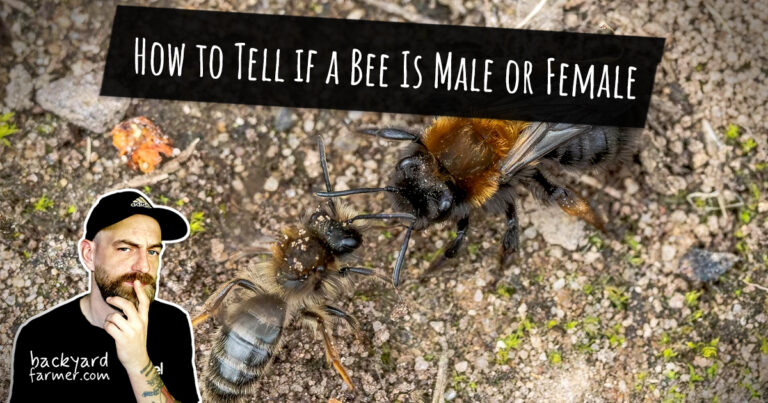
How to Tell if a Bee Is Male or Female

How to Tell if a Bee Is Male or Female

The easiest way to tell whether a bee is female is to look for a packed pollen basket or another organised pollen load. When that is not visible, check the antennae and abdomen: females normally have 12 antennal segments and six visible abdominal plates, while
Read Guide »
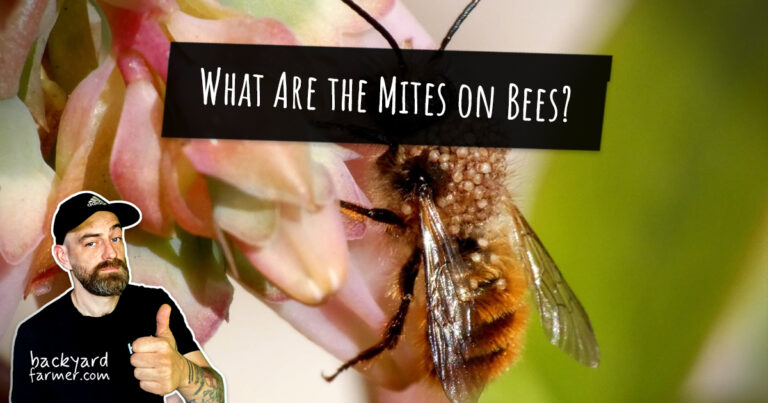
What Are the Mites on Bees?

What Are the Mites on Bees?

The tiny creatures crawling over a bee are usually mites, but their importance depends on the type of bee. Small mites clustered on a bumblebee are often hitchhikers travelling between flowers and nests rather than feeding on the adult. A flat, reddish-brown mite on a

Read Guide »

Bee Species Profile: Ruderal Bumblebee (Bombus veteranus)

Introduction The Ruderal Bumblebee (Bombus veteranus) is a scarce and distinctive bumblebee in the UK, most often associated with flower-rich grassland, road verges, and lightly managed countryside. Active mainly from late spring through summer, it is a fast-flying species that can be overlooked unless conditions

Read Guide »
Cryptic bumblebee (Bombus cryptarum)

Bee Species Profile: Cryptic Bumblebee (Bombus cryptarum)

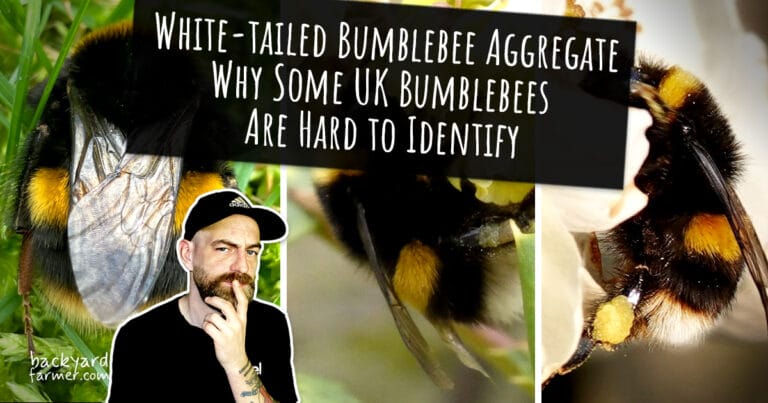
Introduction The Cryptic Bumblebee (Bombus cryptarum) is a common but often overlooked bumblebee in the UK, largely because it looks extremely similar to other members of the white-tailed bumblebee complex. Active from early spring through late summer, it plays an important role in pollinating a

Read Guide »
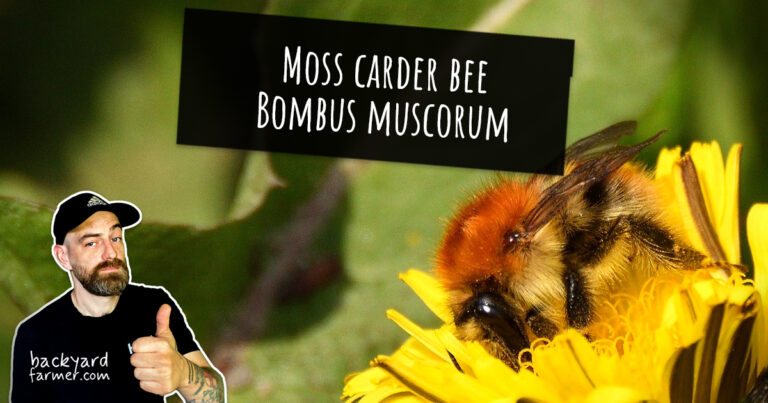
moss carder bee

Moss Carder Bee Identification Guide

The Moss Carder Bee is a warm ginger-brown bumblebee with pale thoracic sides, a fairly even abdomen and usually little obvious black hair. However, it can closely resemble the Common and Brown-banded Carder Bees, so colour alone is not enough for a secure identification. Queens,

Read Guide »
Scroll to Top