

Home » Grow Lights & Indoor Environments
Grow Lights & Indoor Environments
Growing vegetables and herbs indoors often comes down to one key thing: light. While a few crops can cope on a bright windowsill, most indoor growing setups benefit from artificial lighting — especially during the darker months here in the UK.
This hub focuses on grow lights and indoor environments, rather than pushing products or quick fixes. Instead, the aim is simple: to help you understand LED grow lights, energy use, and plant responses so you can make practical, informed decisions that suit your home, your budget, and how you actually live.
Table of Contents
Why grow lights matter for indoor growing
Plants rely on light for far more than just survival. It directly affects leaf size, colour, flavour, structure, and overall plant health. Indoors, however, natural daylight is often inconsistent, directional, or simply not strong enough — particularly in flats, north‑facing rooms, or rented homes with limited window space.
Because of this, grow lights can help you:
- Grow vegetables and herbs indoors all year round, regardless of season or weather
- Control indoor plant growth more reliably than daylight alone
- Make better use of small or awkward indoor spaces with poor natural light
- Reduce plant stress, stretching, and weak or leggy growth
That said, grow lights don’t need to be extreme, industrial, or expensive. In fact, many indoor growers succeed with modest, energy‑efficient LED grow light setups once they understand the basics and set realistic expectations.
Start here: understanding LED grow light basics
If you’re new to LED grow lights, this is the best place to begin. It covers the essentials clearly, without technical overload or sales‑driven language.
LED grow light basics
This beginner‑friendly guide explains:
- What plant light spectrum actually means in real terms
- The difference between PAR, PPFD, and common grow‑light marketing claims
- Why higher wattage doesn’t automatically mean better indoor plant growth
- How to match grow‑light strength to common indoor vegetables and herbs
Ultimately, the goal is simple: to help you avoid overbuying or under‑lighting, and choose LED grow lights that genuinely support healthy indoor plants.
Recommended guides:
Short answer: Yes — LED grow lights absolutely work when matched to your plants’ needs. This guide explains how they work, why they’re effective, and
Introduction Are you ready to unlock the full potential of your indoor garden? Proper installation and maintenance of LED grow lights are critical for healthy
Introduction Indoor plants are more than just decorative; they offer a range of benefits that enhance both your home and well-being. From purifying the air
Introduction Indoor vegetable gardening is a growing trend, especially for those who want to enjoy fresh produce year-round without worrying about outdoor conditions. However, achieving
Introduction Growing vegetables indoors is a rewarding experience, but it comes with its own set of challenges—pollination being one of the most critical. Without natural
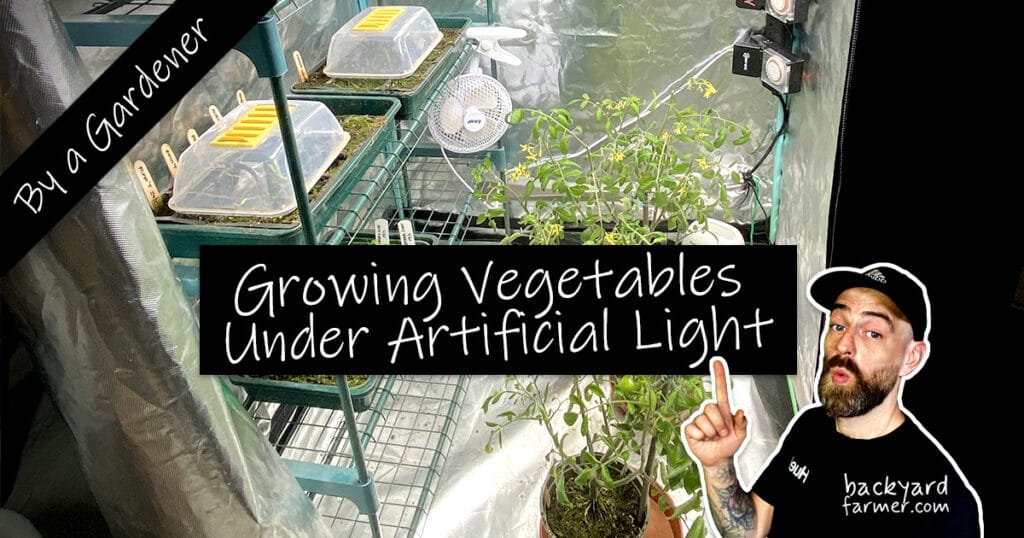
Why Grow Vegetables Under Artificial Light? Imagine harvesting fresh, crisp lettuce in the middle of winter, right from your living room. This might sound futuristic,
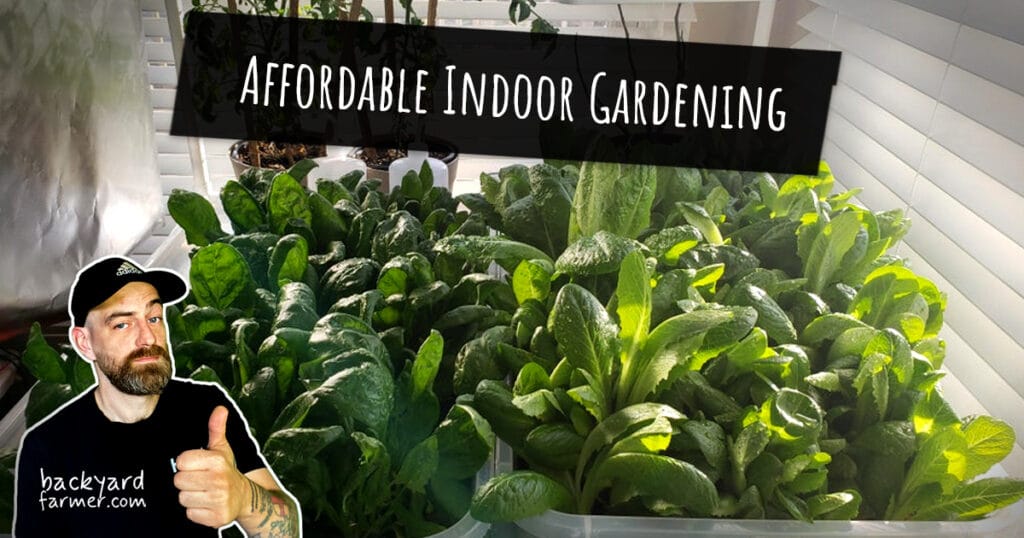
Introduction As someone who’s always had more plants than square footage, I’ve mastered the art of affordable indoor gardening. Whether you’re looking to save money
Energy use, efficiency & environmental impact
For many UK growers, the biggest concern around grow lights is electricity use. With rising energy costs, it’s reasonable to ask whether indoor growing can be done sensibly — without pushing bills up or compromising sustainability values.
Modern LED grow lights are far more efficient than older lighting technologies. When used correctly, they can support indoor growing with surprisingly modest energy use.
In this section, you’ll learn:
- How much electricity LED grow lights actually use in UK homes
- Why wattage alone doesn’t reflect running cost
- How light duration affects both plants and energy bills
- Where indoor growing fits within a low‑energy lifestyle
The focus here isn’t maximising yields at any cost, but growing sensibly, efficiently, and responsibly.
Recommended guides:
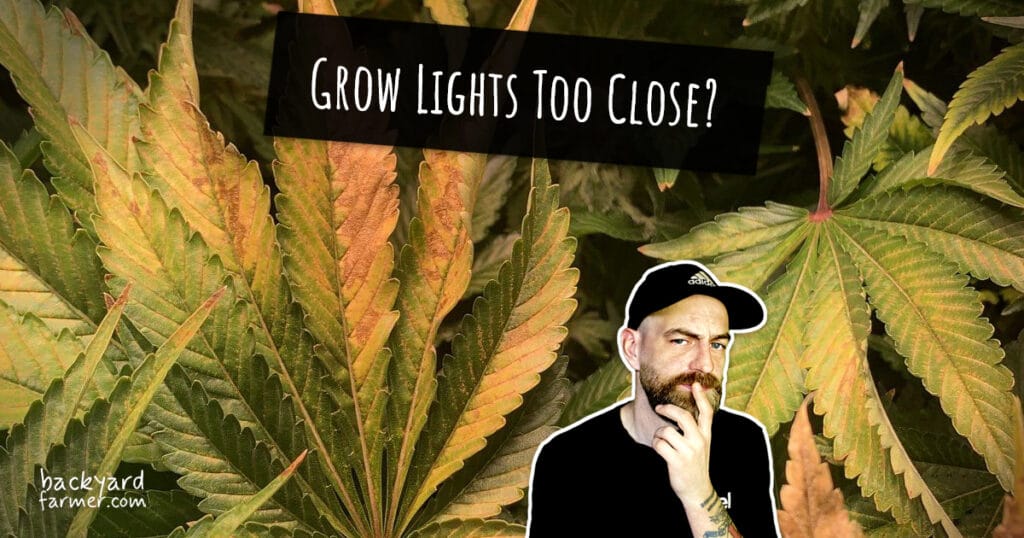
Introduction If you’re growing plants indoors and the top leaves are turning pale, white, or crispy, it’s natural to think something’s gone badly wrong. In
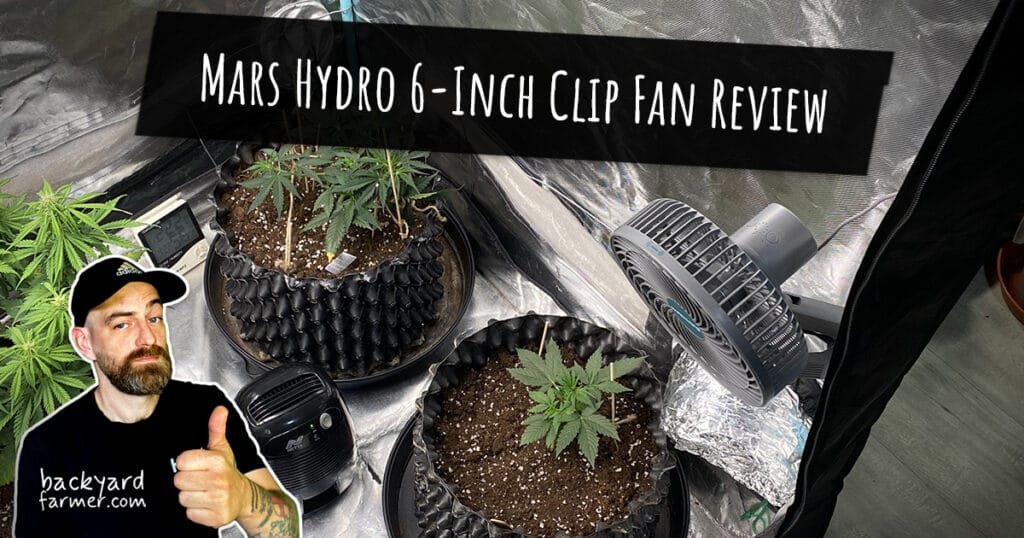
Introduction When you’re growing indoors, air movement is everything — and this mars hydro clip fan review shows why. Good airflow stops hot spots, balances
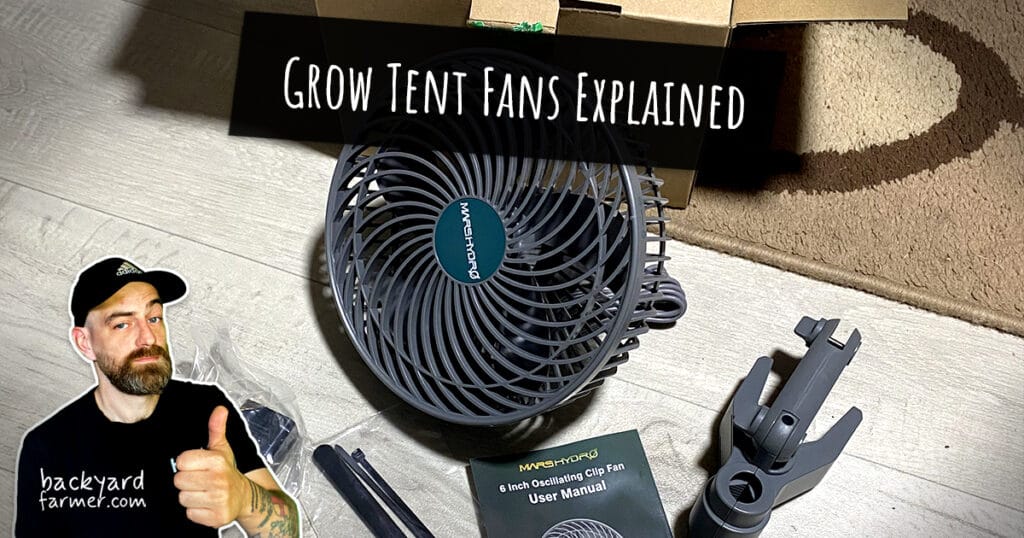
Struggling with humidity or droopy plants in your grow tent? The problem usually isn’t your light—it’s your airflow. Introduction Good airflow and well-placed grow tent
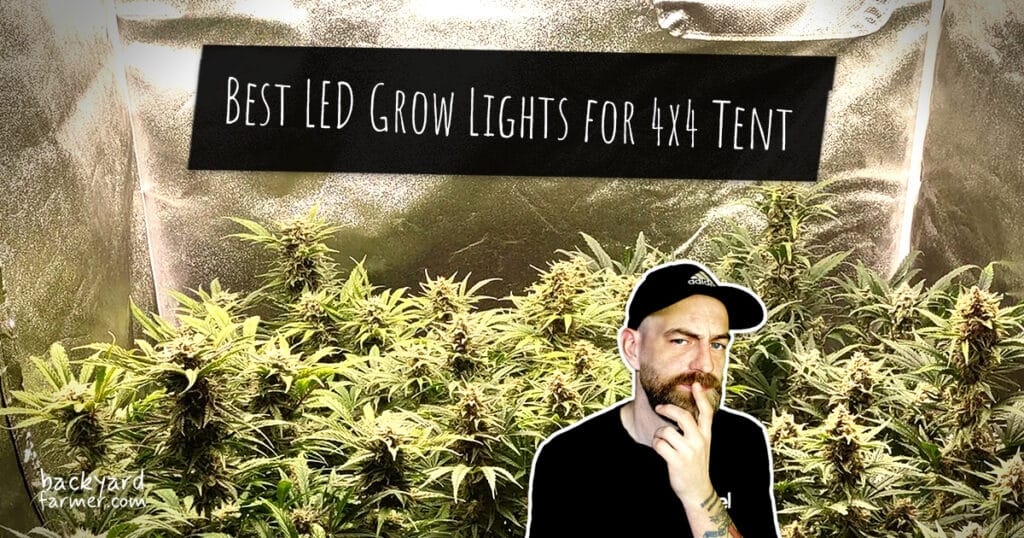
Introduction: Best LED Grow Lights for a 4×4 Grow Tent UK (2026 Guide) The best LED grow lights for a 4×4 grow tent start with
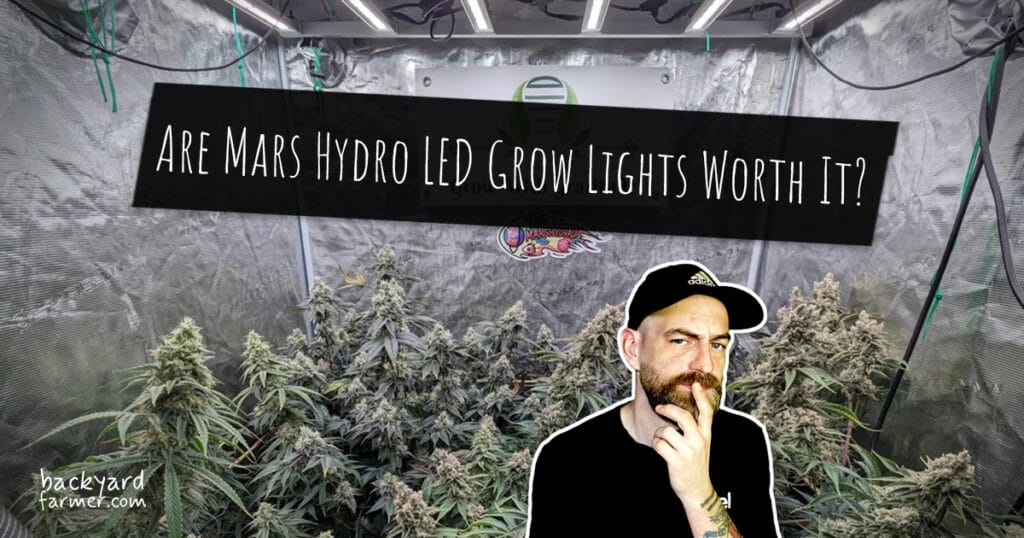
Introduction: Do Mars Hydro Grow Lights Actually Work? Yes, Mars Hydro LED grow lights work. They are a top pick for beginner to mid-level indoor
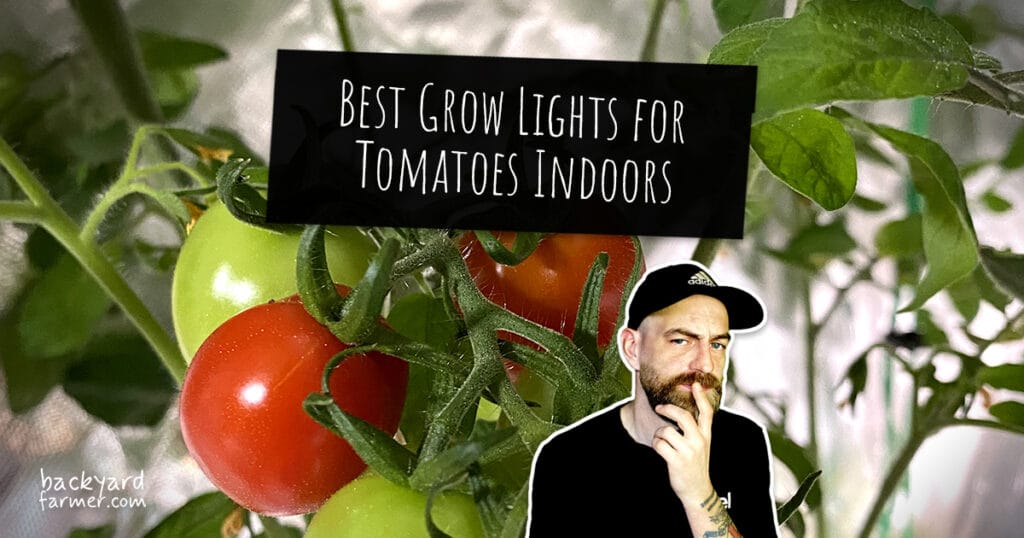
Introduction: Why Grow Lights Matter for Tomatoes Indoors Growing tomatoes indoors can be incredibly rewarding—especially when you get it right. But without proper lighting, even
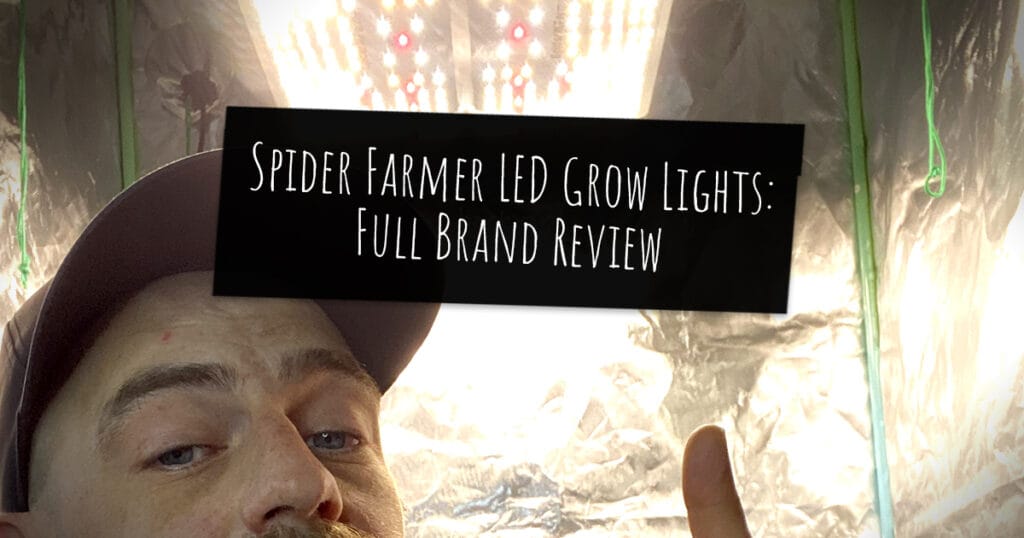
Introduction: Why I’m Reviewing Spider Farmer as a Brand If you’re new to indoor growing — or you’ve already ventured deep into the world of
Introduction: Advanced Tips for Using LED Grow Lights These advanced LED grow light tips will help you maximize light efficiency and ensure your plants thrive
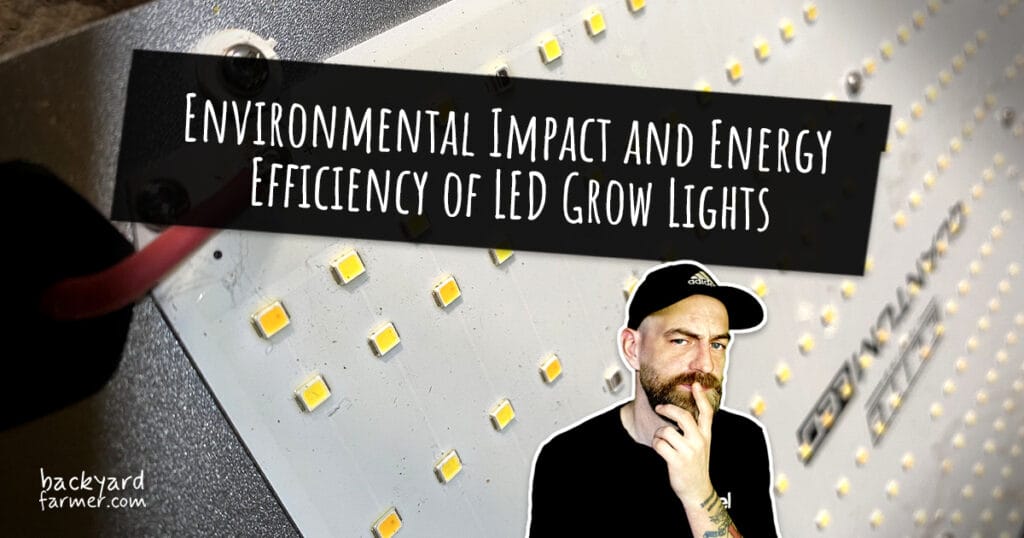
Introduction: Environmental Impact and Energy Efficiency of LED Grow Lights The environmental impact and energy efficiency of LED grow lights make them an ideal choice
VIPARSPECTRA 600W LED Roleadro Galaxyhydro Series KingLED 1000W LED Continue your indoor gardening & lighting journey Budget-Friendly LED Grow Lights for Indoor Gardening Growing plants
Growing vegetables under artificial light
Once the lighting basics are clear, the next question is usually straightforward: what actually grows well indoors? The answer is reassuring — many vegetables and herbs perform very well under moderate LED grow lights.
This section focuses on building confidence and avoiding common beginner mistakes, including:
- Which vegetables and herbs are best suited to indoor growing
- What realistic yields look like under artificial light
- Why some plants struggle — and how to adjust light instead of giving up
- How to match crop choice to available space and light strength
Indoor growing works best when expectations stay grounded. Choosing the right crops for artificial light makes everything else easier.
Recommended guides:
Introduction Indoor pepper growing is like bringing a slice of summer into your home all year round. It’s more than just a gardening fad—it’s about
Introduction Growing indoor salad greens and herbs is like bringing a slice of nature into your home. Whether you’re in a snug flat or a
Why Choose Indoor Herb Gardening? Have you ever dreamt of plucking fresh basil straight from your kitchen windowsill, even in the dead of winter? Indoor
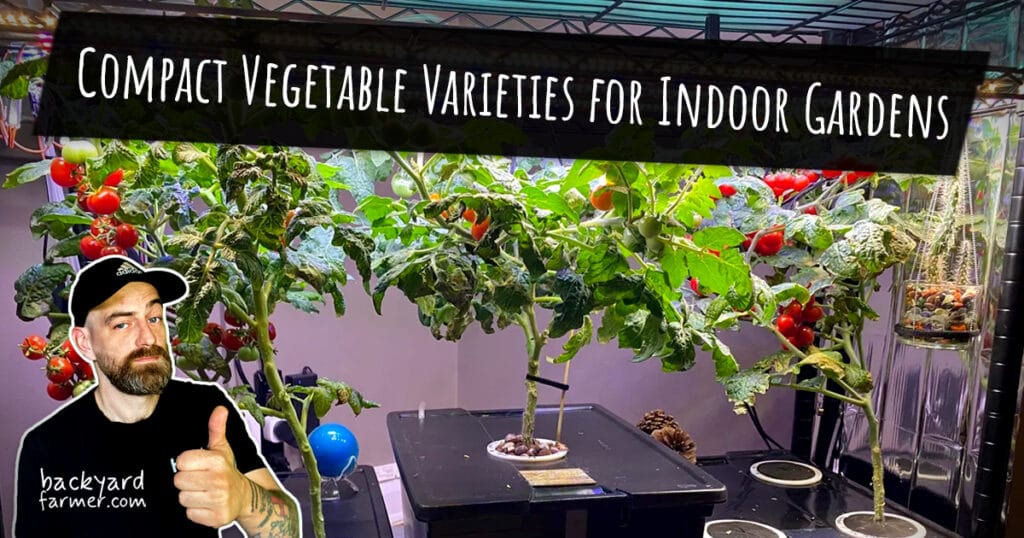
Introduction Compact indoor vegetables are ideal if you’re short on space but still want to grow fresh, home-grown food. As indoor and urban gardening continues
Introduction: How to Grow Tomatoes Indoors If you’re wondering how to grow tomatoes indoors using lights, this guide breaks it all down simply — from
Introduction Did you know that 42% of Brits grew their food in 2023? It’s true! And with our unpredictable weather, indoor vegetable gardening is becoming
Introduction to Growing your own Chillies Learning how to grow chillies indoors is easier than you might think—and it’s one of the best small‑space gardening
Getting more from your indoor lighting setup
Once plants are growing reliably, small environmental tweaks can make a noticeable difference. This section is about refinement, not buying more equipment.
Topics covered include:
- Light height, spacing, and positioning over plants
- How airflow affects temperature, humidity, and plant strength
- Why gentle air movement matters even in small indoor setups
- Timing lights for plant health rather than maximum output
This is where airflow and fan guidance belongs — not as essentials, but as tools to improve consistency and plant resilience over time.
Recommended guides:
Introduction If your grow tent humidity is too high, you’re definitely not alone. In fact, high humidity in a grow tent is one of the
Introduction If you’re using BioBizz with autoflowers, one question tends to come up again and again: How much BioBizz should you use for autoflowers —
Introduction If you’re searching for a BioBizz autoflower schedule, you’re probably not looking for hype or another copy‑and‑paste feeding chart. Instead, you want a simple,
Introduction Unlock Your Garden’s Potential with LED Grow LightsMaximizing plant growth with LED grow lights is the key to successful indoor gardening. These lights provide
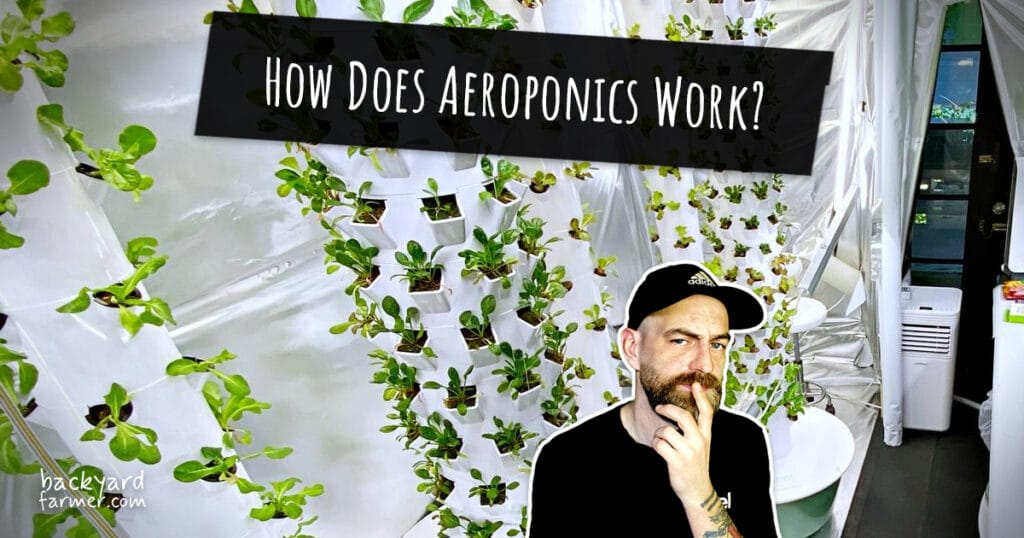
Introduction As an experienced gardener, I often get asked, ‘How does aeroponics work?’ and the answer lies in its innovative use of mist instead of
Introduction Growing vegetables indoors is a rewarding experience, but it comes with its own set of challenges—pollination being one of the most critical. Without natural
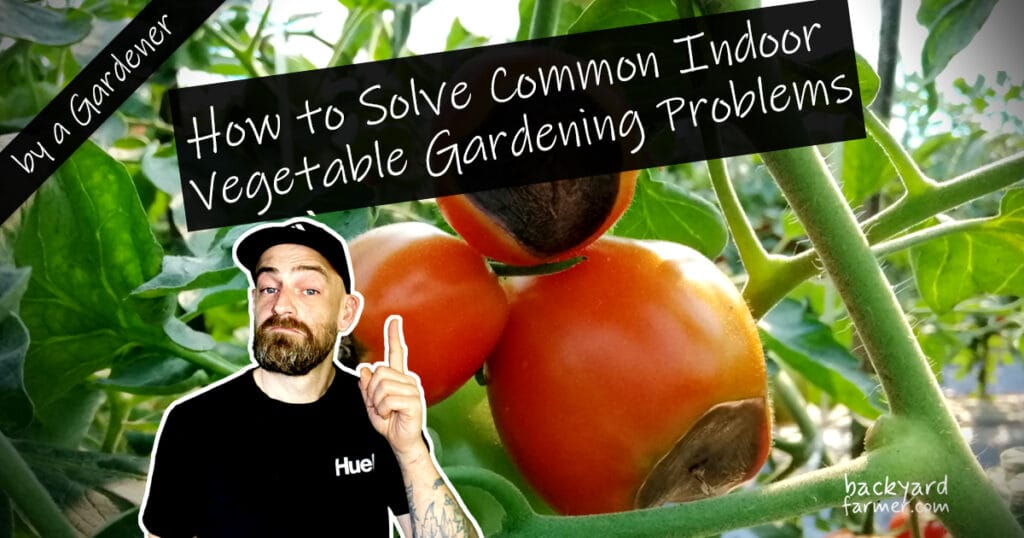
Introduction: Unlock the Secrets to a Thriving Indoor Vegetable Garden Imagine stepping into your home and being greeted by the sight of lush, green vegetables
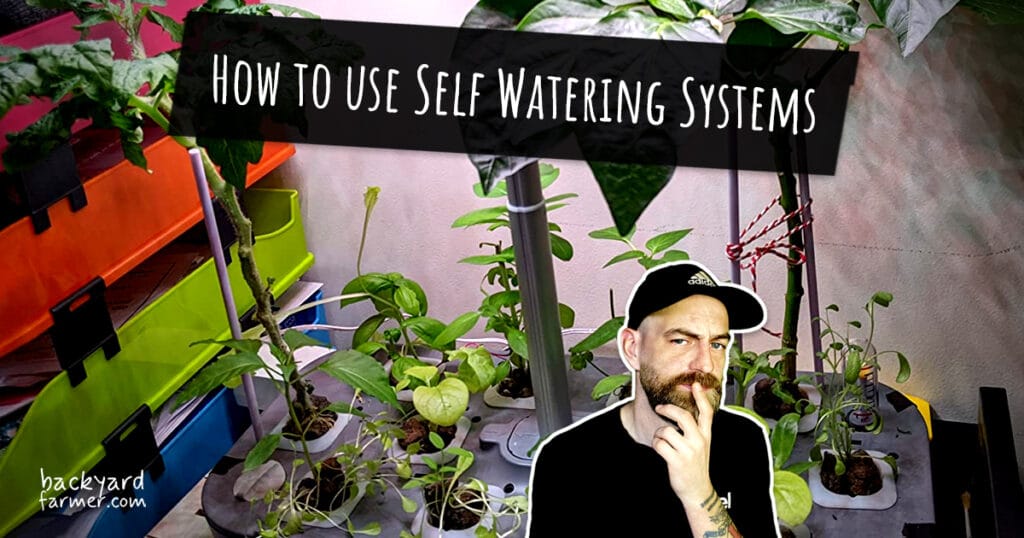
Introduction In today’s fast-paced world, finding time for hobbies like gardening can be a challenge. That’s where self-watering indoor gardens come into play, offering a
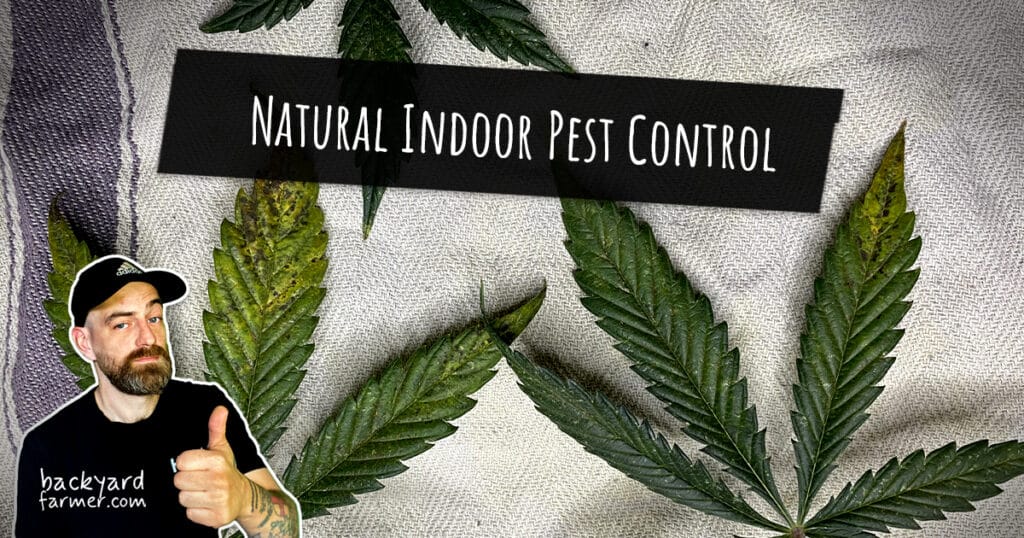
Introduction Dealing with pests indoors can be a real headache, but using harsh chemicals isn’t the only solution. In fact, natural indoor pest control methods
How this hub fits into indoor growing
This page forms part of a wider indoor growing hub structure, alongside:
- Getting Started with Indoor Growing — for absolute beginners
- Small Spaces, Flats & Low‑Energy Setups — practical, home‑friendly layouts
- What You Can Grow Indoors — crop‑specific guidance
If you’re unsure where to begin, start with the LED basics above. As your confidence grows, you can return here to fine‑tune lighting and indoor conditions — without turning your home into a grow room.
Indoor growing works best when it fits naturally into everyday life. This hub is here to help you understand grow lights and indoor environments — not be ruled by them.