
The best compact vegetables to grow indoors are those that produce a useful harvest without taking over your windowsill or growing space. Loose-leaf lettuce and baby greens are the easiest starting points, while dwarf tomatoes, chillies and peppers offer more variety if you’ve got sufficient light.
Here are six varieties worth considering for UK indoor growing, including how much space they need, the conditions they prefer and what you can realistically expect to harvest.
Best Compact Vegetables to Grow Indoors at a Glance
Some vegetables naturally stay small, while others can be harvested young before they need much growing space.
| Variety | Best use | Space needed | Light | Indoor suitability |
|---|---|---|---|---|
| Red & Green Salad Bowl | Repeat salad harvests | Small tray or window box | Bright | Good |
| Little Gem Pasatiempo | Small lettuce heads | Room for individual plants | Bright | Good with enough space |
| Pak Choi Red Choi F1 | Baby leaves | Growing tray | Bright | Good |
| Chilli Quickfire F1 | Compact chilli harvests | Small growing area and suitable pot | Strong | Good with sufficient light |
| Tomato Tumbling Tiger | Cherry tomatoes | Approx. 45cm spread | Strong | More demanding |
| Sweet Pepper Hamik | Small sweet peppers | Larger pot and growing space | Strong | More demanding |
Light guide: Bright means a well-lit windowsill receiving enough daylight for healthy growth. Strong means high light levels, often requiring supplementary lighting for reliable indoor fruiting, especially during winter.
These recommendations are based on cultivar descriptions, horticultural guidance and reported UK growing experiences, rather than personal indoor trials of every variety.
Best starting point: For beginners, Salad Bowl lettuce or baby-leaf pak choi offers the simplest route to a useful harvest. If you’ve got a suitable grow light or a particularly bright, warm space, compact chillies and tomatoes become more realistic options.
Best Compact Vegetable Varieties for Indoor Growing
1. Red & Green Salad Bowl Lettuce – Best for Repeat Harvests
Salad Bowl lettuce is one of the most practical vegetables for a small indoor growing space.
DT Brown’s Red & Green Salad Bowl seed mix produces loose-leaf lettuces that can be harvested young or picked gradually as the plants develop. Unlike headed lettuce, you don’t have to wait for a whole plant to mature before taking your first leaves.
A small tray or window box can provide several modest pickings under suitable conditions, making it useful if you only want enough fresh salad for sandwiches or occasional meals.
In favourable conditions, baby leaves may be ready in roughly four to eight weeks. Growth slows considerably in poor winter light, so a suitable grow light can help maintain production during the darker months.
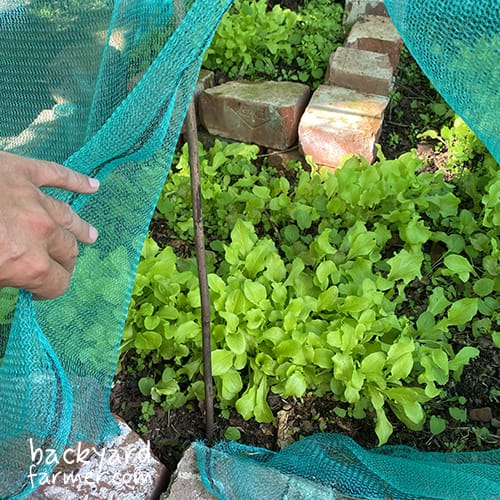
Best for: Beginners, windowsills and repeat leafy harvests.
Main limitation: Weak light slows growth and can produce thin, stretched plants.
For more detailed growing instructions, see our guide to growing salad leaves indoors.
2. Little Gem Pasatiempo – Best for Compact Lettuce Heads
If you’d rather harvest a small, crisp lettuce head than repeatedly pick loose leaves, Little Gem Pasatiempo is worth considering.
DT Brown describes this compact Little Gem type as suitable for containers and restricted growing spaces.
Unlike Salad Bowl, which is generally grown for repeated leaf harvests, Pasatiempo is better suited to developing individual small heads.
That means giving each plant enough room to mature rather than crowding several into a shallow tray.
A bright windowsill can provide suitable conditions during the lighter months, although growth may be slow under weak winter daylight.
It isn’t necessarily the most productive use of limited indoor space, but it’s a reasonable alternative if you prefer harvesting whole lettuces.
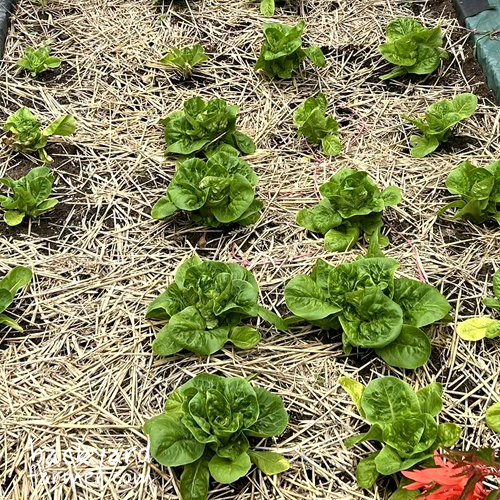
Best for: Small, crisp lettuce heads.
Main limitation: Occupies more growing space per harvest than cut-and-come-again salad leaves.
3. Pak Choi Red Choi F1 – Best for Baby Leaves
Pak choi is another useful option for indoor growing, especially when harvested as baby leaves rather than mature heads.
DT Brown’s Red Choi F1 produces attractive red-purple leaves with green undersides. The young leaves can be eaten raw in salads or added to stir-fries.
Although mature plants can reach around 30cm tall, harvesting young makes better use of limited growing space.
A container of baby-leaf pak choi can provide something different from ordinary lettuce without needing the room required for fully developed plants.
Pak choi generally prefers cooler growing conditions and can struggle on an overheated windowsill above a radiator.
Red Choi F1 is described as slow to bolt, but excessive heat, drying out and other growing stresses can still encourage premature flowering.
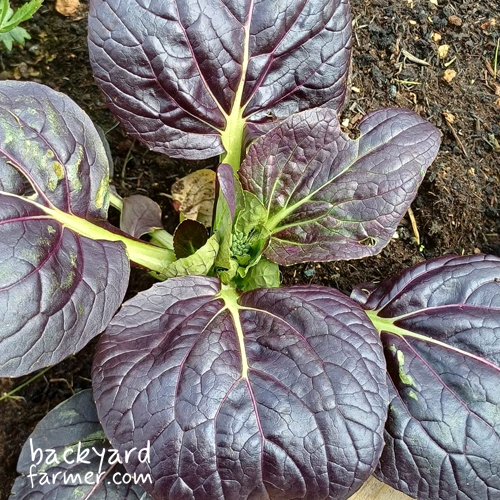
Best for: Baby-leaf harvests and adding variety to indoor salads.
Main limitation: Full-sized heads require considerably more growing space.
For growing mature plants outdoors or under protection, see our UK pak choi growing guide.
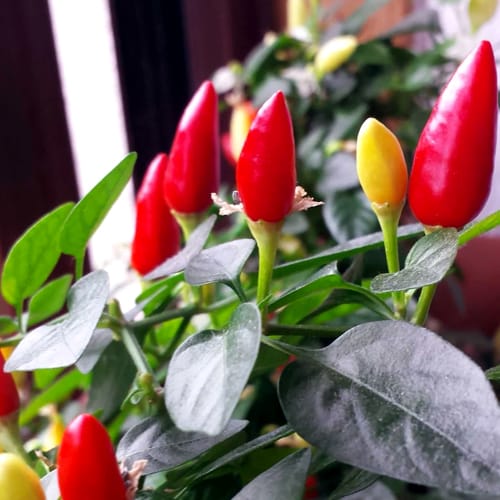
4. Chilli Quickfire F1 – Best for Small Fruiting Plants
If you want to grow something more interesting than salad leaves, Quickfire F1 is a compact chilli worth considering.
DT Brown specifically recommends Quickfire F1 for container and windowsill growing, making it a more convincing indoor candidate than many chilli varieties intended primarily for greenhouses.
Its compact growth habit makes it suitable for smaller spaces, while the plants produce hot chillies that can be harvested as they ripen.
However, compact doesn’t mean low-maintenance.
Chillies need sufficient warmth and strong light to flower, develop fruit and ripen successfully. A sunny windowsill may work during the warmer months, but a suitable grow light is more dependable for winter production.
DT Brown promotes Quickfire as a particularly fast-maturing chilli, although advertised harvest times should not be taken as guarantees under typical UK indoor conditions. Productive winter cropping still depends on sufficient light and warmth.
It’s a good option for someone wanting a small fruiting plant without accommodating a much larger chilli variety.
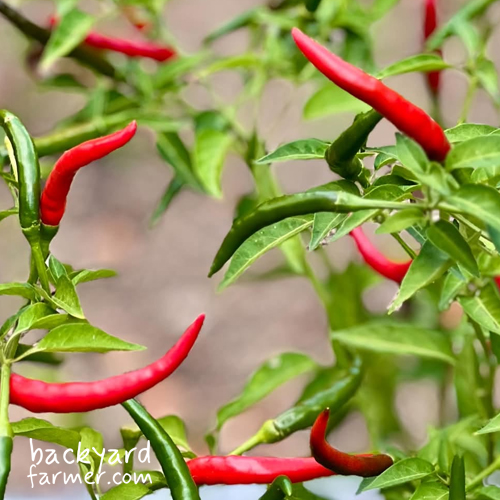
Best for: Compact chilli production in bright indoor spaces.
Main limitation: Fruit production can be disappointing without strong light and consistent warmth.
Our guide to growing chillies from seed covers germination, growing conditions and ongoing care.
5. Tomato Tumbling Tiger – Best for Compact Cherry Tomatoes
Growing tomatoes indoors is possible, but even smaller varieties require more space and light than leafy vegetables.
Tumbling Tiger is a British-bred cherry tomato sold by DT Brown for hanging baskets and containers. It produces small striped fruits on compact, trailing plants.
According to the supplier, plants reach approximately 30cm high but can spread around 45cm.
That difference matters indoors.
A tomato might be short enough to sit on a windowsill but still trail over the edge, interfere with neighbouring plants or take up more room than expected.
Tumbling Tiger is therefore better suited to a spacious, strongly lit growing area than a narrow kitchen windowsill.
It needs sufficient root space, warmth and strong light to support flowering and fruit development. During darker months, supplementary lighting is generally more dependable than ordinary window light.
UK growers have reported successful indoor harvests from other compact tomatoes, including Balconi types, but this doesn’t establish equivalent indoor performance for Tumbling Tiger.
If your available space is particularly narrow, an upright micro-dwarf tomato may be a more practical choice.
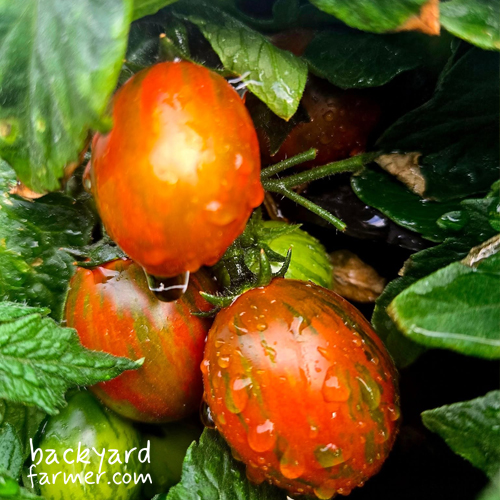
Best for: Growers with a bright conservatory or dedicated indoor growing area.
Main limitation: Its trailing spread requires more room than its compact height suggests.
See our guide to growing tomatoes indoors for detailed advice on lighting, containers, feeding and fruit production.
6. Sweet Pepper Hamik – Best for Compact Sweet Peppers
Hamik is a compact sweet pepper variety producing small orange fruits with relatively few seeds.
It’s an appealing option if you want to harvest something you can eat fresh rather than another tray of salad leaves.
DT Brown recommends Hamik for containers, patios and greenhouse growing. While its compact growth makes it a candidate for indoor cultivation, it isn’t specifically proven to produce reliable harvests in an ordinary UK home.
Sweet peppers require warmth and strong light over a relatively long growing period.
Even compact plants need sufficient room for their roots, branches and developing fruits, making them better suited to a sunny conservatory or dedicated growing setup than a crowded windowsill.
In poor light, a pepper plant may remain healthy enough to produce foliage without developing or ripening many fruits.
UK growers have reported successfully harvesting peppers indoors, including from overwintered plants, although results vary between varieties and growing conditions.
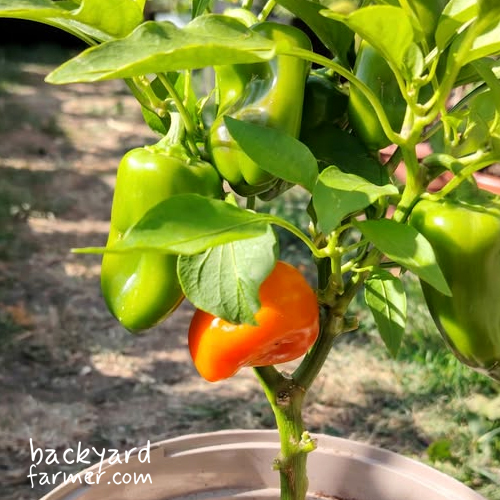
Best for: Growers with adequate indoor space, warmth and strong lighting.
Main limitation: Slow or disappointing fruit development when growing conditions are inadequate.
For more detailed cultivation advice, see our indoor pepper-growing guide.
Can You Grow Compact Vegetables on a UK Windowsill?
Yes, although the amount of available light determines which vegetables are likely to produce worthwhile harvests.
A south-facing windowsill generally receives more direct sunlight than a north-facing one, but neighbouring buildings, trees and seasonal daylight all affect growing conditions.
Bright windowsills: Best suited to salad leaves, baby pak choi and other relatively quick leafy crops. Keep containers away from very cold glass and radiators.
Indoor grow lights: Useful for maintaining growth through darker months and supporting fruiting vegetables such as dwarf tomatoes, chillies and peppers. Match the light to the actual growing area rather than assuming one small lamp will support every crop.
Sunny conservatories: Can provide more space for compact fruiting plants, although temperatures may fluctuate considerably between sunny afternoons and cold nights.
For help choosing suitable lighting, see our UK LED grow-light comparison.
Dwarf, Compact and Baby Vegetables: What’s the Difference?
Seed descriptions often use these terms interchangeably, but they don’t mean quite the same thing.
- Dwarf vegetables: Varieties with a naturally restricted growth habit compared with standard types.
- Compact vegetables: Plants that occupy relatively little space, although the term doesn’t guarantee a particular mature size.
- Micro-dwarf vegetables: Exceptionally small-growing varieties, most commonly associated with certain tomatoes.
- Baby vegetables: Often conventional crops harvested young before they reach their full size.
For example, a micro-dwarf tomato is bred to remain small, while a baby carrot may simply be an ordinary carrot harvested early.
Similarly, baby-leaf pak choi makes efficient use of space because you’re harvesting immature foliage, not because every variety is naturally miniature.
The important thing is to check the mature plant size, rather than judging suitability by the size of the vegetables pictured on the seed packet.
How to Choose Vegetable Seeds for Indoor Growing
Before buying seeds, consider what your growing space can realistically support.
1. Check mature plant size. Look at the expected height, spread and growing habit. A short, trailing plant may occupy more space than an upright variety.
2. Match the crop to your light. Leafy vegetables are generally the most practical starting point. Fruiting plants need stronger light over a longer growing period, especially in winter.
3. Allow enough root space. Compact varieties still need suitably sized containers, drainage and enough compost to support healthy growth.
4. Consider the likely harvest. A tray of lettuce can provide several useful pickings, while a tomato or pepper may occupy the same growing area for months before producing anything edible.
It’s also worth checking seed descriptions carefully.
‘Sow indoors’ doesn’t necessarily mean ‘grow indoors until harvest’.
Many seed packets recommend starting plants inside before moving them into outdoor containers or greenhouse borders.
For more help planning your growing space, explore our indoor-growing hub, covering small setups, lighting and practical growing methods.
Frequently Asked Questions
Loose-leaf lettuce, baby salad greens and young pak choi are among the more practical choices. They can produce useful harvests in small containers when sufficient light is available. Growth will generally be slower during the darker winter months.
Yes, provided they receive enough warmth and light. However, keeping a tomato plant alive throughout winter is much easier than achieving worthwhile fruit production. Reliable winter harvests generally require suitable supplementary lighting.
Not always. Leafy vegetables can grow successfully on bright windowsills, particularly during spring and summer. Grow lights become more useful in winter and for fruiting vegetables with higher light requirements.
Micro-dwarf tomatoes are among the smallest fruiting vegetable plants, while baby-leaf salad crops can be harvested before they reach their mature size. The best option depends on whether you want the smallest plant or the most useful harvest from limited space.
Both can be attempted in containers with sufficient light and root space, but neither is an especially reliable indoor crop. Radishes are generally the more practical experiment because of their shorter growing period. For dependable root harvests, outdoor containers or protected outdoor growing are usually preferable.
Sometimes. Patio varieties are often selected for compact growth, but they may still need the strong sunlight, airflow and root space available outdoors or in a greenhouse. Check the mature plant size and growing requirements before choosing one for your home.