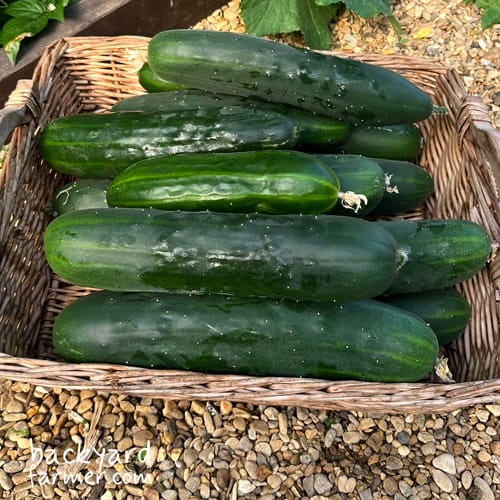
How to Grow Cucumbers in the UK. Pots, Greenhouse & Outdoors

How to Grow Cucumbers in the UK: Pots, Greenhouse & Outdoors

This post may contain affiliate links, which means I earn a small commission at no extra cost to you, that helps fund quality content.

Table of Contents (Quick Nav)

Introduction

Growing cucumbers in the UK is completely doable, but they are one of those crops that can sulk if you get the early bit wrong.

They are not quite as forgiving as courgettes, beans, or other tougher outdoor veg. Cucumbers like a warm start, steady moisture, rich compost, and the right variety for the space you have. Get those bits right, and they can crop brilliantly. Get them wrong, and they often let you know about it fairly quickly.

The main things cucumbers need are:

  • Warmth while they are young
  • Steady moisture once they start growing strongly
  • Rich compost or fertile soil
  • The right variety for your greenhouse, pot, bed, or allotment
  • Support if you want to grow them vertically

Start them too early, leave them sitting cold and wet, or grow a greenhouse type outside in a rough, windy spot, and they can stall before they ever get going.

However, once cucumber plants settle in, they can be incredibly productive. You can grow them in a greenhouse, polytunnel, raised bed, allotment, or large pot, as long as you match the method to the variety and keep their care consistent.

In this guide, I’ll walk you through how to grow cucumbers in the UK, including:

  • when to sow and plant cucumbers
  • how to grow cucumbers from seed
  • whether to grow them indoors or outside
  • how to grow cucumbers in pots
  • how to avoid bitter fruit, poor pollination, mildew, and plant collapse

If you just want the quick version, use the cucumber growing guide below. If you want to avoid the common mistakes and grow stronger plants from the start, read on.


When to Plant Cucumbers in the UK

The best time to plant cucumbers in the UK depends on where you are growing them. A cucumber in a warm greenhouse can start earlier than one going outside, but they all need the same basic thing: warmth.

As a rule, do not rush cucumbers too early. They grow quickly once conditions are right, but they hate cold compost, chilly nights, and damp windowsills.

Growing methodWhen to sowWhen to plant out
Heated greenhouse or propagatorMarch to AprilApril to May, if protected
Unheated greenhouseApril to MayMay onwards, once nights are milder
Outdoor cucumbersApril to May indoorsLate May to June, after frost risk has passed
Direct sowing outdoorsLate May to JuneNo transplanting needed, but protect young plants if nights turn cold

For most UK growers, the easiest approach is to sow cucumber seeds indoors from April to May. This gives the plants a warm start without leaving them stuck on a cold windowsill for weeks.

If you are growing cucumbers outdoors, wait until the risk of frost has passed before planting them outside. In many areas, that means late May into June, but colder gardens and exposed allotments may need a little longer.

Can You Sow Cucumbers in March?

You can sow cucumbers in March, but only if you have enough warmth and light.

A heated propagator, greenhouse, or bright indoor setup can work well. However, without that extra warmth, March-sown cucumbers often become leggy, weak, or sulky before outdoor conditions are ready for them.

Personally, I would rather sow cucumbers a bit later and get strong, fast-growing plants than start too early and spend weeks trying to rescue them.

When to Plant Cucumbers Outside

Plant cucumbers outside when:

  • frost risk has passed
  • nights are staying reliably mild
  • the soil has warmed up
  • the plants have been hardened off
  • the growing spot is sheltered from cold wind

Outdoor cucumbers do best in a sunny, protected spot. If your allotment or garden is exposed, give them a bit of help at first with fleece, cloches, or a temporary windbreak.

For a wider month-by-month view, check your vegetable planting calendar, especially around April, May, and June when cucumber timings overlap with lots of other summer crops.

The Main Timing Mistake

The biggest mistake is treating cucumbers like tomatoes.

Tomatoes can usually cope with a bit more neglect and slightly cooler early conditions. Cucumbers are more tender. If they sit in cold, wet compost for too long, they can stall, rot, or collapse before they ever reach the greenhouse or bed.

So if in doubt, wait a week or two. Cucumbers catch up quickly once the weather is warm, and a strong later plant is usually better than a stressed early one.


Greenhouse vs Outdoor Cucumbers

One of the most confusing parts of growing cucumbers is that not all cucumber plants behave the same way.

Some are bred for greenhouses. Others are better suited to outdoor beds, raised beds, and allotments. So, if you follow the wrong advice for the type you are growing, you can easily end up removing the wrong flowers, planting in the wrong spot, or wondering why the fruit tastes bitter.

Before you plant anything, check the seed packet and work out which type of cucumber you have.

TypeBest forMain care point
Greenhouse cucumberGreenhouses, polytunnels, and warm sheltered spacesNeeds warmth, support, and correct flower management
Outdoor/ridge cucumberAllotments, raised beds, and sheltered veg patchesNeeds shelter, space, and pollination
Mini cucumberPots, patios, and small greenhousesNeeds regular watering and frequent picking
Compact patio cucumberContainers and smaller spacesNeeds a large pot, support, and steady moisture

Greenhouse Cucumbers

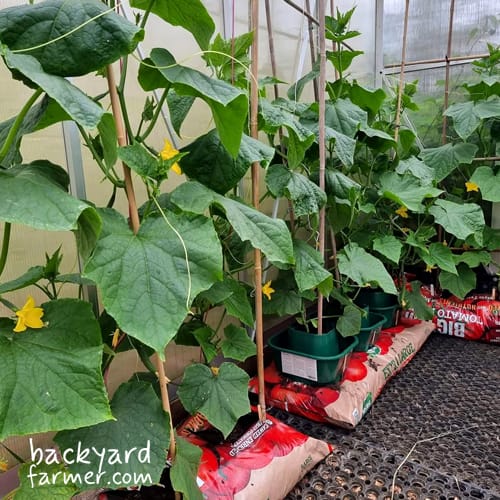
Greenhouse cucumbers are usually the easiest choice if you want reliable crops in the UK. They enjoy the extra warmth and protection, and they are easy to train upwards on string, canes, netting, or a trellis.

They are a good option if you have:

  • a greenhouse
  • a polytunnel
  • a warm conservatory-style growing space
  • a very sheltered patio with large pots

Many modern greenhouse cucumbers are all-female varieties. This means they are bred to produce mostly female flowers, and many can crop without needing pollination.

However, this is where you need to be a bit careful. With some greenhouse varieties, pollination can lead to bitter or misshapen fruit. So, always follow the instructions on the seed packet rather than guessing.

The main things greenhouse cucumbers need are warmth, steady watering, support, and decent airflow. They grow fast once they get going, but they can also suffer quickly if they dry out, overheat, or sit in a cramped corner with no air movement.

Outdoor Cucumbers

Outdoor cucumbers are usually tougher than greenhouse types. These are often called ridge cucumbers, and they are better suited to allotments, raised beds, and sheltered outdoor gardens.

That said, they still need warmth. Outdoor cucumbers are not a cold-weather crop, and they will struggle if you plant them into exposed ground too early.

For outdoor cucumbers, aim for:

  • a sunny position
  • shelter from cold wind
  • fertile, moisture-retentive soil
  • enough space to trail or climb
  • good access for pollinating insects

Unlike some greenhouse types, outdoor cucumbers often rely on pollination. That means male flowers are not automatically a problem. In fact, removing them from the wrong variety can reduce your crop.

This is one of the biggest cucumber mistakes beginners make, and it is easy to see why. The advice sounds contradictory until you realise it is usually talking about different cucumber types.

Which Type Should You Choose?

For most beginners, keep the choice simple:

  • Greenhouse or polytunnel: choose a greenhouse cucumber or all-female variety
  • Outdoor bed or allotment: choose an outdoor/ridge cucumber
  • Patio or container: choose a mini, compact, or patio-friendly variety
  • Small space: grow vertically and pick regularly

If you only remember one thing, make it this: grow the cucumber type that matches your space.

A greenhouse variety planted outside in a rough, windy bed may never really settle. An outdoor cucumber squeezed into a tiny pot may dry out constantly. A variety that needs pollination may fail if insects cannot reach it, while an all-female greenhouse type may need different flower management.

So, if cucumber advice ever feels muddled, check the variety first. The advice is not always wrong. It is often just written for a different type of cucumber.


Where to Grow Cucumbers

Cucumbers grow best somewhere warm, bright, sheltered, and easy to water. They like plenty of light, but they do not enjoy cold wind, dry roots, or being stuck in a small pot that bakes in the sun all day.

The best place depends on the type of cucumber you are growing.

Growing spotBest cucumber typeNotes
GreenhouseGreenhouse or all-female cucumberUsually the most reliable option for UK crops
PolytunnelGreenhouse, mini, or outdoor typesWarm and productive, but watering needs watching
Raised bedOutdoor/ridge cucumberWorks well in a sheltered, sunny spot
Allotment bedOutdoor/ridge cucumberNeeds shelter and should not be planted too early
Large pot or containerMini, compact, or patio cucumberNeeds regular watering and strong support
Exposed open groundNot idealUse shelter, fleece, or choose a tougher outdoor variety

Light and Shelter

Cucumbers need a good amount of sun to crop well. Aim for a spot that gets at least 6 hours of light in summer, especially if you are growing them outdoors.

However, warmth matters just as much as light. A sunny but windy allotment can still knock cucumber plants back if cold air keeps battering the leaves. If your growing space is exposed, give them some shelter from the start.

Useful shelter can include:

  • a greenhouse wall
  • a fence
  • a low windbreak
  • taller crops nearby, as long as they do not shade the cucumbers too much
  • fleece or cloches while plants are young

The aim is not to trap them in still, stale air. It is simply to stop cold wind stressing the plant while it gets established.

Soil and Compost

Cucumbers are hungry plants, so they do best in rich, moisture-retentive soil. Before planting, improve the bed with compost, well-rotted manure, or another organic soil improver.

The soil should hold moisture without becoming soggy. Cucumbers dislike drying out, but they also dislike sitting in cold, wet ground. That balance matters most early in the season, when plants are still settling in.

For beds and allotments, aim for soil that is:

  • fertile
  • free-draining
  • improved with organic matter
  • warm before planting
  • easy to water deeply

If your soil is poor, thin, or very sandy, add more compost and mulch after planting to help hold moisture around the roots.

Growing Cucumbers in Raised Beds

Raised beds can work really well for cucumbers because they warm up faster than open ground. That is useful in the UK, where a cold spring can hold tender crops back.

The trade-off is that raised beds can dry out faster in summer. So, if you grow cucumbers in raised beds, keep the soil mulched and check moisture regularly once the plants start flowering and fruiting.

This is also where layout matters. Cucumbers can sprawl, climb, or take up more room than you expect. If you are working with a small bed, use the Allotment Planner to map out cucumber spacing, supports, and companion crops before the plants go in.

Growing Cucumbers on an Allotment

Cucumbers can grow well on an allotment, but choose an outdoor or ridge variety unless you have a greenhouse or polytunnel.

The main issue is usually shelter. Allotments are often more open than back gardens, so young cucumber plants can struggle if they are planted out too early or left exposed to cold wind.

For allotment cucumbers:

  • wait until nights are properly mild
  • harden plants off carefully
  • use fleece or cloches at first, if needed
  • plant into fertile, moisture-retentive soil
  • give them room to trail or a structure to climb

A sheltered corner of the plot is usually better than the middle of an open bed. It does not need to be fancy — just somewhere warm, bright, and a bit protected.

Can Cucumbers Grow in Partial Shade?

Cucumbers can cope with a little light shade, especially in a warm greenhouse or during very hot weather. However, they are not a crop I would choose for a dull, shaded bed.

Too much shade usually means weaker growth, fewer flowers, slower fruiting, and leaves that stay damp for longer. If you only have a partly shaded garden, give cucumbers the warmest and brightest spot available.


How to Grow Cucumbers from Seed

Growing cucumbers from seed is usually the best option for UK gardeners. You get more choice, it is cheaper than buying plants, and you can choose the right type for your setup from the start.

The main thing is warmth. Cucumber seeds can germinate quickly when conditions are right, but they can rot or sit doing nothing if the compost is cold and wet.

For most growers, start cucumber seeds indoors from April to May.

What You Need

You do not need a complicated setup, but a bit of warmth makes a big difference.

You will need:

  • cucumber seeds
  • small pots or modules
  • seed compost or a light multipurpose compost
  • a warm windowsill, propagator, or greenhouse bench
  • plant labels
  • water at room temperature

Individual pots are better than a crowded seed tray because cucumbers dislike root disturbance. It is much easier to move them on cleanly if each seedling has its own pot from the start.

How to Sow Cucumber Seeds

Sow cucumber seeds into warm, moist compost. Keep it simple:

  1. Fill small pots with compost and firm it gently.
  2. Water the compost lightly before sowing.
  3. Sow one seed per pot, about 1–2cm deep.
  4. Place the seed on its side rather than flat.
  5. Cover with compost and label the pot.
  6. Keep the pot warm until the seed germinates.

Sowing cucumber seeds on their side is a small detail, but it can help reduce the chance of water sitting on the seed and causing rot.

Keep the compost moist, but not soaked. At this stage, cold and wet is the danger zone.

Looking After Cucumber Seedlings

Once the seedlings appear, move them into the brightest warm spot you have. They need good light, or they quickly become tall, thin, and weak.

Aim to keep cucumber seedlings:

  • warm, especially at night
  • bright, but not scorched
  • evenly moist, not waterlogged
  • protected from draughts
  • in their own pots, where possible

If the roots fill the pot before planting time, move the seedling into a slightly larger pot. Do this carefully and handle the plant by the leaves or rootball, not the stem.

Cucumber stems are softer than they look. If you damage them when they are young, the plants often sulk afterwards.

Hardening Off Cucumber Plants

If your cucumbers are going into an outdoor bed, raised bed, or allotment, they need to be hardened off first.

Hardening off simply means getting the plants used to outdoor conditions gradually. Put them outside during mild days, then bring them back under cover at night for about a week before planting out.

Do not skip this step if the plants have been grown indoors. A cucumber seedling that has only known a warm windowsill can be shocked by wind, direct sun, and cool nights.

The Main Seed-Sowing Mistake

The most common mistake is sowing cucumbers too early, then trying to keep weak seedlings alive until the weather catches up.

A later sowing often produces better plants. Cucumbers grow quickly in warm conditions, so an April or May sowing can easily overtake a March sowing that has spent weeks sitting cold, leggy, and stressed.

If in doubt, wait. Strong young cucumber plants are far better than early ones that have already had a rough start.


Growing Cucumbers in Pots

Growing cucumbers in pots works really well, especially if you have a greenhouse, patio, small garden, or limited bed space. In some ways, pots make cucumber growing easier because you can control the compost, position, watering, and feeding more closely.

However, cucumbers are thirsty plants. The quickest way to stress them is to put them in a pot that is too small, then let it dry out every time the sun comes out.

Best Pot Size for Cucumbers

For most cucumber plants, use a pot of at least 20 litres if you can. Bigger is usually better, especially for full-size greenhouse or outdoor varieties.

A larger pot gives the plant:

  • more room for roots
  • more moisture around the root zone
  • better stability once the plant starts climbing
  • more nutrients to draw from
  • less stress during hot weather

Small pots can work for compact or mini cucumbers, but they dry out quickly. If you are growing cucumbers in a sunny greenhouse or on a patio, that can become a problem fast.

Best Compost for Potted Cucumbers

Use a good quality multipurpose compost, ideally mixed with extra organic matter if you have it. Cucumbers like compost that holds moisture without turning heavy and soggy.

A simple container mix could include:

  • good multipurpose compost
  • homemade compost or well-rotted organic matter, if available
  • a mulch on top after planting to slow moisture loss

Avoid thin, tired compost that dries out like dust. Cucumbers are hungry, fast-growing plants, and they need a decent root run if you want steady crops.

How to Plant Cucumbers in Pots

Plant one cucumber per large pot. It can be tempting to squeeze in two, but one strong plant will usually do better than two stressed plants fighting for water and feed.

To plant a cucumber in a pot:

  1. Fill the pot with rich, moist compost.
  2. Make a planting hole roughly the size of the rootball.
  3. Place the cucumber plant in at the same depth it was growing in its original pot.
  4. Firm the compost gently around the roots.
  5. Water it in well.
  6. Add support straight away.

Try not to bury the stem deeply. Cucumbers are not like tomatoes, and they can be more prone to stem problems if they are planted too deep or left wet around the base.

Supporting Cucumbers in Pots

Most cucumbers grown in pots are easier to manage if you train them upwards. This saves space, keeps the fruit cleaner, improves airflow, and stops the plant sprawling all over the patio or greenhouse floor.

Good supports include:

  • bamboo canes
  • string tied from above
  • trellis
  • netting
  • an obelisk
  • a small frame or arch

Add the support when you plant, not once the cucumber has already started flopping about. Young plants are much easier to guide than a tangled mature vine.

If you are working out where to place several pots, or mixing cucumbers with other crops, use the Allotment Planner to map out spacing and supports before everything gets crowded.

Watering Cucumbers in Pots

This is where potted cucumbers need the most attention.

Because the roots are restricted, pots dry out faster than beds. During warm weather, greenhouse and patio cucumbers may need watering every day. In a heatwave, they may need checking more than once.

The aim is steady moisture, not occasional rescue watering. Letting the compost dry right out, then soaking it heavily, can stress the plant and contribute to bitter or misshapen cucumbers.

A few practical habits help:

  • water deeply rather than just wetting the surface
  • check pots daily in warm weather
  • avoid leaving plants standing in water
  • mulch the top of the pot to slow evaporation
  • water at the base rather than over the leaves where possible

If a cucumber in a pot keeps wilting by mid-afternoon, the pot may simply be too small, too exposed, or drying out faster than you can keep up with.

Feeding Cucumbers in Pots

Cucumbers in pots run through nutrients quickly. Once the plant starts flowering and fruiting, feed it regularly with a suitable liquid feed.

A high-potash feed, such as tomato feed, works well once fruiting begins. Follow the label rather than making it stronger. More feed is not always better, especially if the plant is already stressed by heat or dry compost.

If the plant looks weak, check the basics before feeding harder:

  • is the pot big enough?
  • is the compost drying out too quickly?
  • is the plant warm enough?
  • are the roots sitting too wet?
  • does the plant have enough light?

Feed supports a healthy cucumber plant. It does not fix a stressed one on its own.

Best Cucumbers for Pots

For containers, look for varieties described as:

  • mini cucumbers
  • patio cucumbers
  • compact cucumbers
  • greenhouse cucumbers
  • suitable for containers

Large outdoor ridge cucumbers can grow in pots, but they need more room, stronger support, and more careful watering.

For most beginners, a compact or mini variety is the easiest place to start. You will still need to water and feed regularly, but the plant will suit the space much better.


How to Plant Cucumbers

Once your cucumber plants are sturdy, well-rooted, and the weather is warm enough, they can go into their final position. That might be a greenhouse border, a large pot, a raised bed, or a sheltered outdoor bed.

The key is to plant them gently and at the right time. Cucumbers do not like cold soil, rough handling, or having their soft stems buried too deeply.

Before You Plant

Before planting cucumbers, check that the plants are actually ready. A good cucumber plant for planting out should have:

  • a strong central stem
  • healthy green leaves
  • roots holding the compost together
  • no signs of cold damage or rot
  • been hardened off, if it is going outside

Do not rush weak seedlings into the ground just because the calendar says it is time. A small, healthy cucumber plant will usually do better than a bigger, stressed one that has been hanging around for too long.

Preparing the Soil or Pot

Cucumbers are hungry and thirsty plants, so prepare the planting area before they go in.

For beds, raised beds, or allotments, mix in plenty of compost or well-rotted organic matter. You want soil that holds moisture, but still drains well.

For pots, use a large container filled with good quality compost. In most cases, one cucumber plant per large pot is best.

Before planting, check that the final spot is:

  • warm enough for tender plants
  • sheltered from cold wind
  • easy to water regularly
  • fertile and moisture-retentive
  • ready with support, if the plant will climb

Adding support now saves trouble later. It is much easier to guide a young cucumber up a cane, string, trellis, netting, or obelisk than to untangle a mature plant after it has flopped sideways.

How to Plant Cucumber Plants

Plant cucumbers carefully and try not to disturb the roots more than needed.

A simple method is:

  1. Water the cucumber plant before planting.
  2. Make a planting hole roughly the size of the rootball.
  3. Ease the plant out of its pot gently.
  4. Place it in the hole at the same depth it was growing before.
  5. Firm the compost or soil gently around the roots.
  6. Water it in well.
  7. Tie the plant loosely to its support, if needed.

Avoid burying the stem deeply. Cucumbers are not like tomatoes, and they do not appreciate being planted deep in the same way. If the stem sits wet around the base, it can increase the chance of rotting or collapsing.

Planting Cucumbers in a Greenhouse

Greenhouse cucumbers can usually go into their final position earlier than outdoor cucumbers, especially if the greenhouse stays warm at night.

You can plant them into:

  • greenhouse borders
  • large pots
  • grow bags
  • raised greenhouse beds

Greenhouse plants still need steady watering and good airflow. Try not to cram too many plants into a small space, as crowded leaves make watering harder and can encourage mildew later in the season.

If you are using grow bags, it is worth using grow bag pots or cutting larger planting holes so each cucumber has a better root run. It is a small tweak, but it can make watering and feeding much easier.

Planting Cucumbers Outside

Outdoor cucumbers should only be planted out once frost risk has passed and nights are properly mild. For many UK gardens, this means late May to June.

Before planting outside, harden the plants off for about a week. Start with mild daytime conditions, then gradually increase their time outdoors.

When planting cucumbers outside:

  • choose a sunny, sheltered spot
  • avoid cold, exposed ground
  • water the plant before and after planting
  • protect young plants with fleece or cloches if nights turn cold
  • watch for slug damage while plants are small

Outdoor cucumbers often grow best when they are not forced to battle the weather from day one. A little early protection can make a big difference, especially on open allotments.

After Planting

After planting, keep the soil or compost evenly moist while the plant settles in. Do not flood it, but do not let it dry out either.

For the first week or two, watch for signs of stress, such as:

  • wilting during the day
  • yellowing leaves
  • floppy growth
  • slug damage
  • cold damage after chilly nights

A bit of temporary wilting after transplanting can happen, especially in warm weather. However, if the plant keeps wilting badly, check the moisture level, shelter, pot size, and root conditions.

Once the plant starts growing strongly, you can begin training it up its support and move into regular watering and feeding.


Spacing and Supports for Cucumber Plants

Cucumbers need more space than they seem to need when they are young. A small seedling can turn into a long, leafy vine very quickly once the weather warms up, so it is worth planning the layout before planting.

Good spacing helps with:

  • airflow around the leaves
  • easier watering at the base of the plant
  • cleaner fruit
  • fewer mildew problems
  • less competition for water and feed
  • easier harvesting

If cucumbers are crammed into a tight space, they become harder to manage. The leaves overlap, the base stays damp, the plant dries out unevenly, and fruit can hide under the foliage until it gets too big.

How Far Apart to Plant Cucumbers

Cucumber spacing depends on the type you are growing and whether you plan to train the plant upwards or let it trail.

Growing methodSuggested spacingNotes
Greenhouse cucumbers45–60cm apartBest trained vertically up string, canes, or trellis
Outdoor/ridge cucumbers60–90cm apartGive more room if they are trailing along the ground
Potted cucumbersOne plant per large potUse a pot around 20 litres or more where possible
Square foot growingOne trained plant per squareWorks best with strong vertical support and good airflow

These spacings do not need to be perfect down to the last centimetre. However, the principle matters: cucumbers need enough room to breathe and enough root space to stay evenly watered.

Growing Cucumbers Vertically

Growing cucumbers vertically is usually the best option in greenhouses, small gardens, patios, and raised beds. It saves space and makes the plants much easier to look after.

You can grow cucumbers up:

  • bamboo canes
  • string from the greenhouse roof
  • trellis
  • netting
  • an obelisk
  • a simple wooden frame
  • a sturdy arch

Vertical growing also keeps cucumbers off the soil, which helps reduce slug damage and keeps the fruit cleaner. It also makes harvesting much easier, because you can actually see what is ready instead of hunting under a jungle of leaves.

Letting Outdoor Cucumbers Trail

Outdoor ridge cucumbers can also be left to trail along the ground, especially if you have plenty of room on an allotment or in a larger bed.

This can work well, but it does use more space. Trailing plants can also hide fruit, so you need to check under the leaves regularly once they start cropping.

If you let cucumbers trail, keep them away from paths and avoid letting them smother smaller crops nearby. They can be more enthusiastic than they look at planting time.

Supporting Cucumbers Early

Add support when you plant the cucumber, not later.

Young plants are easy to guide. Mature cucumber vines are much harder to untangle, and the stems can snap if you try to move them after they have flopped sideways.

Tie plants in loosely as they grow. Use soft string, garden twine, clips, or loose ties. Avoid anything that cuts into the stem, as cucumber stems are soft and damage quite easily.

Planning Cucumber Spacing in a Bed

Cucumbers are one of those crops where the plant label never quite shows how much space they will take once they are growing properly.

Before planting, think about:

  • where the support will go
  • how you will reach the plant to water it
  • where the vine will grow
  • whether it will shade nearby crops
  • whether pollinators can reach the flowers outdoors
  • whether you can harvest without trampling the bed

If you want to map your cucumber spacing properly, use the Allotment Planner to lay out your plants, supports, companion crops, and paths before you put anything in the ground.


Watering, Feeding and Cucumber Plant Care

Cucumber plant care is mostly about consistency. Once plants are growing strongly, they do not want to swing between dry compost one day and soaked roots the next.

That stop-start stress is one of the main reasons cucumbers can turn bitter, misshapen, or slow down just when they should be cropping well.

The main jobs are simple:

  • water steadily
  • feed once plants start fruiting
  • support climbing growth
  • keep the base clear and healthy
  • pick cucumbers regularly

How Often Should You Water Cucumbers?

Cucumbers need regular watering, especially once they start flowering and forming fruit. However, the exact timing depends on where you are growing them.

Growing methodWatering notes
Greenhouse cucumbersCheck daily in warm weather, especially in pots or grow bags
Outdoor cucumbersWater deeply during dry spells and avoid letting the soil dry right out
Potted cucumbersMay need daily watering in hot weather because containers dry quickly
Raised bed cucumbersUsually need regular watering once the bed warms up in summer

The aim is to keep the root zone evenly moist, not constantly wet. If you are unsure, push a finger into the compost or soil. If it is dry below the surface, water deeply.

A quick sprinkle over the top is rarely enough. Cucumbers make a lot of leafy growth, so they need moisture down where the roots can actually use it.

The Best Way to Water Cucumbers

Water cucumbers at the base of the plant rather than soaking the leaves. This gets water to the roots and helps avoid damp foliage sitting around, especially in a greenhouse.

A few simple habits help:

  • water in the morning where possible
  • water deeply rather than little and often
  • avoid splashing soil onto the lower leaves
  • do not leave pots standing in water
  • mulch outdoor plants to slow moisture loss
  • check containers daily during hot spells

If a cucumber plant wilts slightly on a very hot afternoon but perks up again later, it may just be heat stress. However, if it wilts badly every day, check the compost, pot size, roots, and shelter.

Feeding Cucumber Plants

Cucumbers are hungry plants once they start growing properly. If they are in rich soil or fresh compost, they should have enough food early on. Once flowers and small fruits appear, start feeding regularly.

A high-potash liquid feed, such as tomato feed, is usually a good choice for fruiting cucumber plants. Use it according to the label rather than making it stronger.

Too much feed will not fix a stressed plant. If the cucumber is dry, cold, rootbound, or struggling in a tiny pot, sort that out first.

For cucumbers in pots, feeding matters even more because nutrients wash through the compost over time. Greenhouse cucumbers in grow bags and containers usually need a steadier feeding routine than plants growing in a rich outdoor bed.

Mulching Cucumbers

Mulching is useful for cucumbers grown outdoors, in raised beds, or in large containers. It helps hold moisture in the soil and keeps the root zone more stable during warm weather.

Good mulch options include:

  • homemade compost
  • leaf mould
  • straw
  • grass clippings in thin layers
  • well-rotted manure around outdoor plants

Keep mulch slightly away from the stem itself. You want to protect the roots, not trap damp material directly against the base of the plant.

Supporting and Training Cucumbers

Most cucumbers are easier to manage when they have support. This is especially true in greenhouses, pots, and small spaces.

You can train cucumbers up:

  • canes
  • string
  • netting
  • trellis
  • an obelisk
  • a simple frame

Tie the main stem loosely as it grows. Do not use anything that cuts into the stem, as cucumber stems are soft and can damage easily.

Growing cucumbers vertically helps with airflow, keeps fruit cleaner, and makes harvesting easier. It also helps you spot problems early, such as yellowing leaves, mildew, aphids, or fruit hiding under the foliage.

Should You Remove Side Shoots?

This depends on the variety and how you are growing it.

Greenhouse cucumbers are often trained as a main stem up a support, with side shoots shortened or managed so the plant does not turn into a tangled mess. Outdoor ridge cucumbers may be left to trail more naturally, especially if they have plenty of room.

As a simple beginner rule:

  • greenhouse cucumbers: train upwards and keep growth tidy
  • outdoor cucumbers: allow more natural growth unless space is tight
  • potted cucumbers: train vertically to save space and improve airflow

Always check the seed packet if it gives specific pruning advice. Some varieties behave differently, and cucumber advice can quickly go wrong when it is applied to the wrong type.

General Cucumber Care Through Summer

Once cucumber plants are established, check them little and often. This is much better than ignoring them for a week, then trying to fix everything in one go.

Useful weekly jobs include:

  • tie in new growth
  • remove badly yellowing or damaged leaves
  • check under leaves for pests
  • water before plants dry out fully
  • feed regularly once fruiting starts
  • pick cucumbers before they become oversized
  • keep the base of the plant clear and airy

Cucumbers grow quickly in warm weather, so a plant can go from neat to tangled in no time. A quick check every couple of days keeps things under control.

The Main Care Mistake

The biggest cucumber care mistake is inconsistent watering.

Cucumbers do not respond well to being left dry, then flooded, then left dry again. That pattern stresses the plant and can lead to bitter fruit, poor growth, and fruit that does not develop properly.

If you can keep the plant warm, evenly watered, fed once fruiting, and properly supported, you have already covered most of what cucumbers need.


Male Flowers, Female Flowers and Pollination

Cucumber flowers can be confusing at first, mainly because the advice changes depending on the type of cucumber you are growing.

Some cucumber plants need pollination to produce fruit. Others are bred to crop without it. That is why one guide might tell you to remove male flowers, while another tells you to leave them alone.

The safest rule is simple: check the seed packet before removing any flowers.

How to Tell Male and Female Cucumber Flowers Apart

Once you know what to look for, male and female cucumber flowers are easy to tell apart.

Flower typeWhat it looks likeWhat it does
Male flowerA flower on a thin stemProvides pollen
Female flowerA flower with a tiny cucumber-shaped swelling behind itDevelops into a cucumber if conditions are right

That tiny cucumber behind the female flower is the easiest clue. If there is no small swelling behind the flower, it is probably a male flower.

Do not panic if your plant produces male flowers first. This is common, especially early in the season. The plant often starts producing female flowers once it is bigger, warmer, and growing strongly.

Do Cucumbers Need Pollination?

It depends on the variety.

Outdoor and ridge cucumbers usually need pollination. Bees and other insects move pollen from male flowers to female flowers, which helps the fruit develop properly.

Greenhouse and all-female cucumbers are different. Many are bred to produce fruit without pollination, and some can produce bitter or misshapen cucumbers if male flowers pollinate the female flowers.

This is where beginners often get caught out. Removing male flowers from an outdoor cucumber can reduce your crop, but leaving male flowers on some greenhouse varieties can cause problems.

Should You Remove Male Cucumber Flowers?

Only remove male cucumber flowers if your variety needs it.

As a rough guide:

  • Outdoor/ridge cucumbers: usually leave male flowers alone
  • All-female greenhouse cucumbers: usually no male flowers to remove, but check the packet
  • Older greenhouse varieties: may need male flowers removing to avoid bitter fruit
  • Unknown variety: do not remove anything until you have checked what it is

If your seed packet says “all-female,” “parthenocarpic,” or “does not require pollination,” follow that variety’s instructions. If it says “ridge cucumber” or is clearly sold for outdoor growing, pollination is usually part of the process.

Why Are My Cucumber Flowers Falling Off?

A few flowers dropping off is normal. Cucumber plants often produce more flowers than they can carry, especially when they are young, cold, or stressed.

Common reasons include:

  • cold nights
  • poor pollination
  • irregular watering
  • the plant being too young
  • not enough light
  • too much stress after planting out

If the plant looks healthy, keep caring for it steadily. Once the weather warms up and the plant grows stronger, fruit set usually improves.

How to Help Cucumber Pollination Outdoors

If you are growing outdoor cucumbers, make the area welcoming for pollinators. You do not need to overcomplicate it.

A few useful steps are:

  • grow flowers nearby, such as nasturtiums, marigolds, borage, or calendula
  • avoid spraying insecticides around flowering plants
  • keep the plant watered so flowers do not dry out and drop
  • grow in a sheltered spot where insects can actually reach the flowers
  • avoid covering plants for too long once they start flowering

If a plant is under fleece or a cloche for protection, remember to open it during the day when conditions are mild. Otherwise, the pollinators cannot get in when you actually need them.

The Main Pollination Mistake

The biggest mistake is following flower advice without knowing the cucumber type.

With cucumbers, greenhouse advice and outdoor advice are not always the same. Before removing male flowers, hand-pollinating, or worrying about fruit not forming, identify the variety first.

Once you know whether you are growing a greenhouse, all-female, mini, patio, or outdoor ridge cucumber, the flower advice makes much more sense.


Common Cucumber Problems in the UK

Most cucumber problems come back to the same few things: cold, stress, inconsistent watering, poor airflow, or growing the wrong variety in the wrong place.

Cucumbers can look dramatic when they are unhappy. A cold night, dry pot, rough transplant, or one missed watering in hot weather can make them wilt, yellow, or drop fruit. The trick is to work out the cause before throwing every possible fix at the plant.

Here are the most common cucumber problems UK growers run into.

ProblemLikely causeQuick fix
Seedlings collapseCold, wet compost or stem rotSow warmer, water less, and avoid cold windowsills
Plants wilt after plantingTransplant shock, cold nights, dry roots, or root damageKeep evenly moist, protect from cold, and avoid rough handling
Bitter cucumbersStress, dry spells, heat swings, or pollination issuesWater steadily and check variety instructions
Flowers but no cucumbersPoor pollination, cold weather, or young plantsEncourage pollinators and wait for warmer conditions
Fruit turns yellow or drops offStress, poor pollination, or too many fruits formingKeep care consistent and harvest regularly
White powder on leavesPowdery mildewImprove airflow and avoid drought stress
Aphids or red spider miteWarm, sheltered greenhouse conditionsCheck leaves often and act early
Slug damageYoung plants planted outside too soonProtect small plants until established

Cucumber Seedlings Collapsing or Rotting

If cucumber seedlings suddenly collapse at soil level, the cause is often cold, wet compost. This is especially common when seeds are started too early or kept on a chilly windowsill.

Cucumber seedlings need warmth, but they also need compost that is moist rather than soaked. If the roots and stem sit wet for too long, the plant can rot before it gets going.

To avoid this:

  • sow later if you do not have reliable warmth
  • use individual pots with free-draining compost
  • water lightly rather than soaking the pot
  • keep seedlings away from cold draughts
  • avoid leaving pots sitting in water

This is one of the reasons April and May sowings are often easier than very early spring sowings. Warm, quick growth beats cold, slow survival.

Cucumber Plants Wilting After Planting Out

A cucumber plant wilting after planting out can be caused by several things, so check the basics first.

Common causes include:

  • cold nights
  • dry compost or soil
  • root disturbance during planting
  • planting out before hardening off
  • wind stress
  • stem damage
  • waterlogged roots

A little wilting during the hottest part of the day can happen, especially just after transplanting. However, if the plant stays limp or gets worse each day, something is wrong.

Check the soil moisture first. If it is dry below the surface, water deeply. If it is wet and cold, avoid adding more water and give the plant warmth and protection instead.

Young outdoor plants may also need fleece, cloches, or a temporary windbreak until they settle in.

Bitter Cucumbers

Bitter cucumbers are usually a sign that the plant has been stressed. The most common causes are irregular watering, temperature swings, dry roots, or pollination issues with certain greenhouse varieties.

This is why variety choice matters. Some older or greenhouse cucumber varieties can produce bitter fruit if female flowers are pollinated by male flowers. Outdoor ridge cucumbers are different and often need pollination.

To reduce bitterness:

  • keep watering steady
  • avoid letting pots dry out completely
  • choose the right cucumber type for your space
  • check whether male flowers should be removed
  • harvest cucumbers before they become oversized
  • keep greenhouse plants ventilated during hot weather

If one cucumber tastes bitter, do not assume the whole plant is ruined. Check watering, heat, and flower management, then keep future fruit picked young.

Cucumber Flowers But No Fruit

If your cucumber plant is flowering but not producing cucumbers, it may simply be too early. Many plants produce male flowers first, then female flowers later once they are stronger.

Other causes include:

  • poor pollination outdoors
  • cold or unsettled weather
  • lack of pollinating insects
  • the plant being too young
  • stress from dry compost or cold roots
  • growing the wrong variety in the wrong place

Check whether the flowers are male or female. Female flowers have a small cucumber-shaped swelling behind them. If you only see flowers on thin stems, the plant may not be producing female flowers yet.

For outdoor cucumbers, encourage pollinators by growing flowers nearby and opening fleece or cloches during mild days. For greenhouse cucumbers, check the seed packet before trying to hand-pollinate or remove flowers.

Cucumber Fruit Turning Yellow or Dropping Off

Small cucumbers sometimes turn yellow, shrivel, or drop off before they develop properly. This is usually linked to stress or poor pollination.

Possible causes include:

  • inconsistent watering
  • poor pollination
  • cold nights
  • too many fruits forming at once
  • lack of feed once fruiting starts
  • the plant being young or weak

Do not panic if one or two small fruits drop. Plants often shed what they cannot support. However, if it keeps happening, focus on steady watering, warmth, feeding, and pollination.

Also, harvest mature cucumbers regularly. Leaving old fruit on the plant can slow down new fruit production.

Powdery Mildew on Cucumber Leaves

Powdery mildew looks like a white, dusty coating on the leaves. It often appears later in the season, especially when plants are stressed, crowded, or drying out at the roots.

To reduce powdery mildew:

  • space plants properly
  • water consistently
  • improve airflow around the leaves
  • avoid overcrowding in greenhouses
  • remove badly affected leaves if needed
  • keep plants growing strongly rather than drought-stressed

A little mildew late in the season is not always a disaster. However, if it spreads early, it can weaken the plant and reduce cropping.

Aphids and Red Spider Mite

Greenhouse cucumbers can attract aphids and red spider mite, especially in warm, dry conditions.

Aphids usually cluster around soft new growth and under leaves. Red spider mite is harder to spot at first, but leaves may look speckled, dusty, or tired, and fine webbing can appear when infestations build.

Check plants regularly, especially under the leaves. Small problems are much easier to deal with than large infestations.

Practical steps include:

  • remove small aphid clusters by hand
  • keep greenhouse plants healthy and evenly watered
  • improve humidity if red spider mite becomes a problem
  • avoid letting plants become dry and stressed
  • encourage natural predators where possible

Slug Damage on Young Cucumber Plants

Slugs can be a problem when cucumber plants first go outside. Once plants are bigger and climbing, they are usually less vulnerable, but young plants can be chewed badly overnight.

To reduce slug damage:

  • plant out strong, healthy plants rather than tiny seedlings
  • keep the area around the base clear
  • check plants in the evening after wet weather
  • use your usual slug control method if pressure is high
  • protect young plants until they are established

This is another reason not to rush planting. A bigger, sturdier cucumber plant has a much better chance than a soft little seedling thrown straight into a cold, sluggy bed.

The Main Problem-Solving Rule

When cucumbers struggle, do not assume they need more of everything.

More water, more feed, more pruning, and more fuss can make things worse if the real problem is cold roots, poor variety choice, or transplant shock.

Start with the basics:

  • Is the plant warm enough?
  • Is the soil evenly moist?
  • Is the pot big enough?
  • Is the variety right for the growing spot?
  • Does it have enough light and airflow?
  • Has it been stressed by cold, drought, or rough handling?

Most cucumber problems become much easier to fix once those basics are right.


When and How to Harvest Cucumbers

Cucumbers are best harvested young, firm, and before they become oversized. If you leave them on the plant for too long, they can turn seedy, watery, or bitter, and the plant may slow down its production of new fruit.

Most cucumbers are ready to harvest around 50–70 days after sowing, depending on the variety, weather, and whether you are growing them in a greenhouse or outside.

Once cucumber plants start cropping, check them often. In warm weather, a cucumber can go from perfect to overgrown surprisingly quickly.

How to Tell When Cucumbers Are Ready

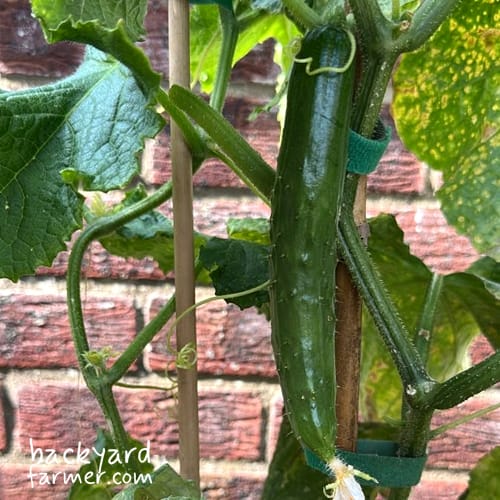
A cucumber is usually ready to pick when it is:

  • firm to the touch
  • evenly coloured for the variety
  • full-sized but not swollen
  • smooth and fresh-looking
  • picked before the seeds inside get too large

Do not wait for every cucumber to look like the ones in the supermarket. Homegrown cucumbers often taste better when they are picked a little smaller.

Mini cucumbers and snack cucumbers should be picked while they are still small and tender. Outdoor ridge cucumbers can vary more in shape and skin texture, so use the seed packet size as your guide.

How Long After Flowering Do Cucumbers Grow?

Once a female flower has been pollinated, or once a self-fertile greenhouse type starts setting fruit, cucumbers can grow quickly in warm conditions.

In good summer weather, small cucumbers may be ready to pick within 1–2 weeks after flowering, although this depends on the variety and the health of the plant.

Growth will be slower if the plant is:

  • short of water
  • short of feed
  • growing in cool weather
  • stressed after planting out
  • carrying too many fruits at once

This is why steady watering and regular feeding matter so much once the plant starts fruiting.

How to Pick Cucumbers

The best way to harvest cucumbers is to cut them from the plant rather than pulling or twisting them off.

Use:

  • scissors
  • snips
  • a clean, sharp knife
  • secateurs, if the stem is tougher

Cut the cucumber with a short piece of stem attached. This avoids tearing the vine and damaging the plant.

Cucumber stems can be softer than they look, especially on greenhouse plants. If you pull too hard, you can snap a growing stem or disturb nearby fruit.

Pick Regularly for More Cucumbers

Regular picking encourages the plant to keep producing. If mature cucumbers are left hanging on the plant, the plant can put energy into those older fruits instead of making new ones.

During peak cropping, check plants every couple of days. Greenhouse cucumbers in warm conditions may need checking even more often.

A simple rule is: if it looks ready, pick it.

You are usually better off harvesting a cucumber slightly early than leaving it too long and ending up with a large, seedy fruit that slows the plant down.

What Happens If Cucumbers Get Too Big?

Oversized cucumbers can become:

  • watery
  • seedy
  • bitter
  • tough-skinned
  • less pleasant to eat

They can also signal to the plant that it has done its job, which may reduce the number of new cucumbers forming.

If you find a cucumber that has grown too large, harvest it anyway. Removing it helps the plant redirect energy into newer fruit.

How to Store Cucumbers After Harvesting

Cucumbers are best eaten fresh. That is when the flavour and texture are at their best.

If you need to store them, keep them somewhere cool and use them within a few days. They can go in the fridge, but avoid leaving them for too long, as the texture can soften.

For the best flavour, pick cucumbers shortly before you want to use them. A fresh cucumber from the greenhouse, pot, or allotment is one of those crops where you really notice the difference.

The Main Harvesting Mistake

The biggest harvesting mistake is waiting too long.

It is tempting to leave cucumbers on the plant to get bigger, but bigger is not usually better. Pick them while they are still firm, young, and good to eat, and the plant will usually reward you with more fruit.


Companion Planting for Cucumbers

Companion planting for cucumbers can be useful, but it is worth keeping it realistic. A good companion plant will not fix cold soil, dry compost, poor spacing, or the wrong cucumber variety.

Where companion planting does help is with pollinators, ground cover, space use, and a bit of pest confusion. This is especially useful for outdoor cucumbers, which often need insects to move pollen between male and female flowers.

Companion plantWhy it helps
NasturtiumsAttract pollinators and can act as a useful distraction plant for aphids
MarigoldsBring in pollinators and beneficial insects around the bed
BorageExcellent for bees and useful near outdoor cucumbers
CalendulaBrings in pollinators and adds colour around the veg bed
DillAttracts beneficial insects if allowed to flower
LettuceUses space around young cucumber plants before they spread
RadishesQuick crop that can be harvested before cucumbers take over
Beans or peasCan work nearby, but avoid overcrowding and support clashes

Good Companion Plants for Cucumbers

The best companion plants for cucumbers usually do one of two jobs: they either bring in pollinators or make use of spare space while the cucumber plant is still small.

Good options include:

  • nasturtiums
  • marigolds
  • borage
  • calendula
  • dill
  • lettuce
  • radishes
  • spring onions
  • beans, if there is enough room
  • peas, if they are not fighting for the same support

Flowers are especially useful near outdoor cucumbers. Nasturtiums, borage, calendula, and marigolds help make the bed more attractive to bees and other pollinating insects, which can improve fruit set.

Lettuce and radishes are useful because they grow quickly and stay fairly low. You can often harvest them before the cucumber plant really starts spreading.

What Not to Plant with Cucumbers

There are not many absolute rules, but cucumbers do not like being crowded or forced to fight for water.

Be cautious with:

  • potatoes, especially in cramped beds
  • large sprawling crops that block light and airflow
  • thirsty plants in the same small container
  • strong, woody herbs that compete for space
  • too many climbing crops on one support

Potatoes are not the best neighbour because they take up a lot of room, disturb the soil when lifted, and can make a bed feel crowded. In a small vegetable patch, I would keep cucumbers and potatoes apart.

However, the bigger issue is usually spacing. A cucumber planted too close to another hungry crop will struggle more than one planted beside the “wrong” companion on paper.

Companion Planting Cucumbers in Pots

If you are growing cucumbers in pots, keep companion planting very simple.

One cucumber plant in a large pot is usually enough. Adding extra plants to the same container can make watering and feeding harder, especially in hot weather.

If you want companion plants nearby, use separate smaller pots around the cucumber instead. For example:

  • a pot of nasturtiums nearby
  • marigolds around the greenhouse door
  • borage or calendula close to outdoor cucumbers
  • lettuce or radishes in nearby containers

This gives you the benefits without making the cucumber fight for root space. It also makes watering much easier, which matters more than clever planting combinations with cucumbers.

A Practical Companion Planting Layout

For a raised bed or allotment, a simple cucumber companion planting layout could look like this:

  • a cucumber plant trained up a support at the back or centre of the bed
  • nasturtiums or marigolds near the edge
  • lettuce or radishes in the spare space while the cucumber is young
  • borage or calendula nearby to pull in pollinators
  • enough open space around the cucumber for airflow and watering

If you are growing several crops together, use the Allotment Planner to map out cucumber spacing, supports, and companion plants before the bed gets crowded.

For a fuller crop-by-crop breakdown, you can also link this section to your Companion Planting UK Guide.

The Main Companion Planting Mistake

The main mistake is treating companion planting like a magic fix.

Cucumbers still need the basics first:

  • warmth
  • steady watering
  • fertile soil or compost
  • enough space
  • the right support
  • the right variety for the growing spot

Get those right, then use companion planting as a bonus. That is when it becomes genuinely useful rather than just another confusing chart to follow.


Plan Your Cucumber Plants Before You Plant

Cucumbers can take up more room than expected, especially if you grow outdoor trailing varieties or train several plants vertically in a small bed.

Before planting, it helps to work out:

  • where each cucumber plant will go
  • how far apart the plants need to be
  • where supports, canes, trellis, or obelisks will sit
  • which companion plants can fit nearby
  • how you will reach the plants for watering and harvesting

This is one of those crops where a quick plan saves a lot of awkward shuffling later. Once cucumber vines start spreading, they are not much fun to move.

If you want to plan your layout properly before planting, use the Allotment Planner to map spacing, companion planting, and bed layout in one place.

Open the Planner


FAQ

Can you grow cucumbers in pots?

Yes, cucumbers grow well in pots, especially compact, mini, patio, and greenhouse varieties. Use a large container, keep the compost evenly moist, and add support early so the plant has something to climb.

How long do cucumbers take to grow?

Most cucumbers take around 50–70 days from sowing to harvest, although this depends on the variety, weather, and growing conditions. Warm, steady conditions usually give the fastest crops.

Are cucumbers easy to grow for beginners?

Cucumbers are easy enough for beginners, but they are less forgiving than crops like courgettes or beans. The main things are warmth, steady watering, the right variety, and enough support.

When should I plant cucumbers outside in the UK?

Plant cucumbers outside after the risk of frost has passed, usually from late May into June. In colder or exposed areas, wait until nights are reliably mild and protect young plants with fleece or cloches if needed.

Do cucumbers need a greenhouse in the UK?

No, cucumbers do not always need a greenhouse in the UK. Greenhouse cucumbers are often more reliable, but outdoor or ridge cucumbers can crop well in a warm, sunny, sheltered spot.

Can you grow cucumbers from seed?

Yes, cucumbers are easy to grow from seed if you give them warmth. Sow indoors from April to May in individual pots, keep the compost moist but not wet, and avoid cold windowsills.

Why are my cucumbers bitter?

Bitter cucumbers are usually caused by plant stress, irregular watering, temperature swings, or pollination issues with some greenhouse varieties. Keep plants evenly watered, harvest fruit young, and check whether your variety needs male flowers removed.

Should I remove male cucumber flowers?

Only remove male cucumber flowers if your variety requires it. Outdoor and ridge cucumbers often need male flowers for pollination, while some greenhouse varieties can produce bitter fruit if pollinated. Always check the seed packet first.

Why is my cucumber plant flowering but not producing cucumbers?

This is usually linked to poor pollination, cool weather, plant stress, or the plant still being young. Outdoor cucumbers need pollinators, while some greenhouse types behave differently, so identify the variety before changing anything.

Why are my cucumber plants wilting?

Wilting can be caused by dry compost, cold nights, transplant shock, root damage, waterlogged roots, or heat stress. Check the soil moisture first, then look at warmth, shelter, pot size, and root conditions.

What is the most common mistake when growing cucumbers?

Starting cucumbers too early is one of the biggest mistakes. They hate cold, damp conditions, so it is usually better to sow a little later and grow strong plants than rush them too soon.

Facebook
X
Pinterest
Reddit

Related Articles

Scroll to Top