How to Grow Peas in the UK

This post may contain affiliate links, which means I earn a small commission at no extra cost to you.

Table of Contents (Quick Nav)

Introduction

Peas are one of those crops that just suit the UK. They like cool conditions, get moving early in the season, and fresh-picked peas taste miles better than the shop-bought ones most people are used to.

If you have only ever had peas from a freezer bag or a supermarket tray, growing your own is a good reminder of what they are actually supposed to taste like.

Still, peas are not always as effortless as the packet makes out. In real British gardens, the awkward bit is usually the start.

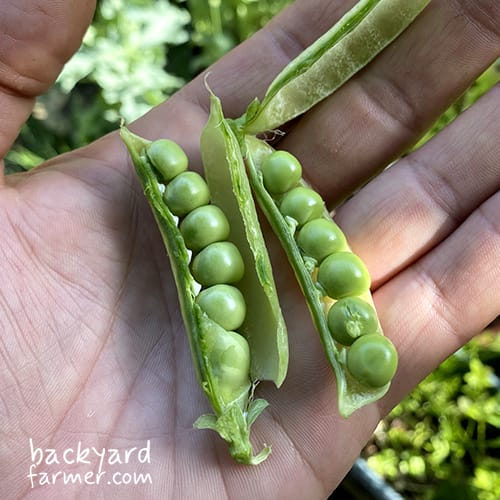
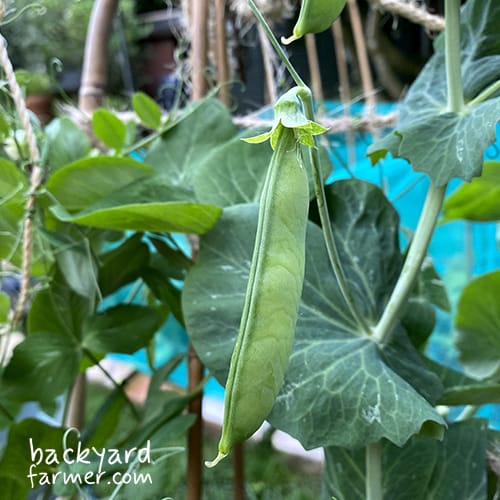
peas grown on my home plot on the wirral

Common early headaches include:

  • Seed vanishing overnight
  • Seedlings being chewed off
  • Cold, wet soil stalling everything before the row has even properly started

Once peas are up and moving, they are usually straightforward enough. Getting them safely through that first stage is often the bit that decides whether the crop feels easy or annoying.


What Are Peas?

This guide is about edible peas, not ornamental sweet peas.

So, when I say peas here, I mean:

  • Garden peas
  • Mangetout
  • Sugar snap peas

I do not mean flowering sweet peas grown mainly for scent or colour.

That is worth clearing up early because search results often lump the two together, even though they are completely different in practical terms.

The simple split is this:

  • Edible peas are grown for the kitchen
  • Sweet peas are grown for flowers

So, if you are here because you want something to eat rather than something to stick in a vase, you are in the right place. The good news is that edible peas are very well suited to UK gardens when you get the timing right.


Why Grow Peas in the UK?

Peas are a good fit for the UK because they suit the cooler part of the growing season rather than fighting against it.

They are worth growing because they:

  • Like cool spring and early summer conditions
  • Get going before many warm-season crops
  • Make good use of space when grown upward
  • Give you an early crop while the rest of the garden is still getting started
  • Taste noticeably better fresh than shop-bought peas

That already puts them in a strong position, but a few practical points make them even more worth bothering with.

They Suit the UK Climate Well

While some crops really want heat before they get moving, peas are much happier in that calmer part of the season when the ground is warming up but the weather has not turned harsh or dry.

That makes them feel like a natural fit for British gardens rather than a crop you are constantly trying to coax along.

They Help the Garden Start Producing Earlier

Peas get going before a lot of the warm-season vegetables take over, so they give you something genuinely useful to pick while the rest of the plot is still finding its feet.

That early momentum matters more than people sometimes realise. A few proper pickings early in the season make the whole garden feel like it is waking up.

They Make Good Use of Space

Tall peas can be trained upward rather than sprawling everywhere, and even dwarf varieties usually fit quite neatly into:

  • Smaller beds
  • Raised beds
  • Allotment rows

So, although peas are not the heaviest crop you will ever grow, they are often a tidy and efficient one if the timing suits your garden.

Fresh Peas Taste Better

Most of all though, peas are worth growing for the flavour. This is one of those crops where home grown really does beat shop bought.

The sweetness starts fading not long after picking, which is why peas eaten fresh from the plant taste noticeably better than the ones most people are used to. That is especially true with mangetout and sugar snaps, which are very easy to pick and eat on the spot.

So no, peas are not just another basic veg to tick off the list. In the UK, they are an early, practical, and genuinely satisfying crop to grow.


Best Types of Edible Peas to Grow

When people talk about peas, they often bundle them all into one crop, but the different types do give you different results.

In simple terms:

  • Garden peas are for shelling
  • Mangetout are picked flat and eaten whole
  • Sugar snaps are thicker, sweeter pods eaten whole
  • Dwarf peas suit smaller spaces
  • Tall peas usually crop more heavily but need better support

So, before you sow anything, it helps to know what sort of harvest you actually want.

Garden Peas

These are the traditional shelling peas. You let the pods fill properly, pick them, then pop the peas out before eating or cooking them.

Best if you want:

  • Classic peas for the kitchen
  • The sweetest shelled peas when picked fresh
  • A more traditional crop

The only real downside is that they take a bit more effort because you have to shell them. Still, if you want proper peas rather than edible pods, these are the ones.

Mangetout

Mangetout are eaten whole while the pods are still flat and tender. They are usually one of the quickest and easiest types to keep on top of.

Best if you want:

  • Quick harvesting
  • Tender pods rather than shelled peas
  • An easy crop for regular picking
  • Good value from a smaller space

They are a very practical choice if you want something simple, productive, and easy to use in the kitchen.

Sugar Snap Peas

Sugar snaps sit somewhere between mangetout and shelling peas. You eat the whole pod, but it is thicker, juicier, and more substantial than mangetout.

Best if you want:

  • Sweet pods for eating fresh
  • Something easy to pick
  • A generous all-round crop
  • The most snackable option

For a lot of people, sugar snaps are the easiest type to really enjoy straight from the plant.

Tall vs Dwarf Peas

You will also see varieties described as tall or dwarf, and this matters more than some seed listings make out.

Choose tall peas if you want:

  • Heavier cropping
  • Better use of vertical space
  • A good fit for allotments or larger veg beds

Choose dwarf peas if you want:

  • Something easier to manage
  • A better fit for small beds or pots
  • Less structure to build around the crop

Tall peas usually give you more for the space, but they need stronger support and a bit more planning. Dwarf peas are easier to fit in, although they still benefit from support rather than being left to flop about.

The Practical Version

If you want the short version:

  • Grow garden peas for classic shelled peas
  • Grow mangetout for quick, tender pods
  • Grow sugar snaps for the sweetest all-round option
  • Choose dwarf peas for smaller spaces
  • Choose tall peas for heavier cropping

There is no single best type. It really comes down to whether you want shelling peas, edible pods, or just the easiest crop for the space you have.


When to Sow Peas in the UK

Peas are one of those crops where timing matters, but not in a rigid, calendar-only way.

The main thing to understand is this:

  • Peas like cool conditions
  • The UK sowing window is usually March to June
  • Early sowings often work best under cover
  • The real guide is usually the state of the soil, not just the month on the packet

In most gardens, peas are sown from March to June. Some growers get an earlier start under cover in February or early March, especially in milder southern or coastal areas. Others are better off waiting a bit longer, particularly if the ground is cold, sticky, or waterlogged.

A rough UK guide looks like this:

MonthWhat to do
FebruaryStart peas under cover in mild areas or if you want an early crop
MarchSow under cover or outside if the soil is workable
AprilMain sowing month in many UK gardens
MayStill a very good sowing month for most gardens
JuneLast practical sowings in many areas, although later crops can struggle in heat
October to NovemberOptional autumn sowing of hardy peas in mild or sheltered gardens

Treat that table as a guide rather than a rule.

Real sowing dates still depend on:

  • Your weather
  • Your soil
  • How exposed your plot is

The Seed Packet Is Only a Guide

This is one of the biggest things worth understanding with peas.

Packet sowing dates can be useful as a rough window, but they cannot account for the difference between:

  • A sheltered garden in the south west
  • A cold inland plot in the Midlands
  • An exposed allotment further north

The real rule is simple: do not sow peas into cold, sodden ground just because the packet says you can.

If the soil is:

  • Freezing
  • Waterlogged
  • Generally miserable

A pea seed can rot, sit there for ages, or disappear before it ever gets going.

Spring Sowing vs Autumn Sowing

For most UK growers, spring sowing is the safer and more reliable option.

Why spring usually works better:

  • Cool weather suits peas well
  • Growth is steadier
  • There are usually fewer losses
  • It is the easier route for beginners

Autumn sowing can work with hardy, smooth-seeded varieties in mild or sheltered gardens, especially with a bit of protection.

Still, I would treat autumn sowing as:

  • An experiment once you know your plot
  • Better for mild or sheltered gardens
  • Less dependable in wet, windy, or cold conditions

Wet winters, mice, wind, and cold snaps can all thin autumn-sown peas out.

Regional UK Differences

In milder southern or coastal gardens, growers can often:

  • Start earlier
  • Get away with autumn sowing more easily

In colder inland gardens, heavy clay soils, exposed allotments, or northern areas, it often makes more sense to:

  • Wait a little longer
  • Start peas under cover first
  • Avoid sowing into wet, slow ground

So, while the broad sowing window is useful, the better question is not just when to sow peas in the UK, but when your ground is actually ready.


Can You Grow Peas in Scotland and Colder Parts of the UK?

Yes, absolutely. Peas can grow very well in Scotland and other colder parts of the UK.

The main point is this:

  • Peas suit cooler weather quite well
  • The real challenge is usually the ground and the exposure
  • Colder regions often need a steadier, more patient start

So, the issue is not that peas dislike northern conditions. In many ways, they suit them. The bigger problem is that colder gardens often come with slower soil warming, wetter ground, and more exposure early in the season.

That usually means:

  • Slower soil warming
  • More exposed plots
  • A higher risk of wet ground early on

So, while peas will grow perfectly well there, they are less forgiving if you rush them.

In practical terms, that often means:

  • Waiting a little longer for conditions to improve
  • Starting peas under cover first
  • Avoiding direct sowing into cold, sticky soil

A slightly later sowing into workable ground often gives better results than forcing an early one into a plot that still feels half asleep.

On exposed plots, especially in northern, coastal, or upland areas, wind can be just as awkward as cold.

That can mean:

  • Young plants getting rocked about
  • The soil surface drying out faster than you expect
  • Supported rows needing stronger anchoring

So, in these gardens, it is worth thinking about:

  • A bit of shelter
  • Sturdier support
  • Whether the first sowing would be better started in modules

The short version is this: yes, peas grow well in Scotland and colder parts of the UK, but timing, drainage, and exposure matter more.

If you work with the conditions instead of trying to outrun them, peas are still a very solid crop.


Where to Grow Peas

Peas do best in a spot that is bright, open, and not waterlogged.

The basic aim is simple. Give them:

  • Good light
  • Decent airflow
  • Soil that holds moisture without staying sodden
  • Enough room to climb without getting boxed in

They are not especially fussy, but they do respond better when they are not crammed into a damp, shaded corner with stale air around them.

Light and Position

A full sunny spot is usually ideal, especially in spring.

That said, peas will usually tolerate:

  • A bit of light shade
  • Slightly softer afternoon conditions in hotter spells

So, while they do best with good light, they are not as demanding as some heat-loving crops.

Soil Conditions

The soil matters more than anything else.

Peas want ground that is:

  • Workable
  • Reasonably fertile
  • Able to hold moisture
  • Free-draining enough not to stay waterlogged

If the ground is cold, sticky, and wet for long periods, that is usually where the trouble starts.

Heavy Clay vs Sandy Soil

Different soils can both work, but they come with different quirks.

  • Heavy clay can grow good peas if it has been improved and allowed to dry out enough before sowing
  • Sandy soil can also work, but it dries faster, so watering tends to matter more once the plants get going

So, the goal is not perfect soil. It is workable soil that does not stay soggy or dry out too fast.

Preparing the Ground

Before sowing peas, it helps to:

  • Clear weeds
  • Loosen the surface
  • Add a bit of compost if the soil is poor or tired

You do not need to overdo feeding, though. Peas are not one of those crops that need loads of push, and too much nitrogen can leave you with lots of leafy growth and fewer pods than you hoped for.

The Short Version

If you want the simple answer, grow peas somewhere:

  • Bright
  • Open
  • Free-draining
  • Not bone dry

That suits them far better than forcing them into cold, soggy ground just because there is space there.


Direct Sowing vs Starting Peas in Modules

There are two main ways to start peas:

  • Direct sowing outside
  • Starting them in modules first

Both methods work, but this is one of those areas where real-life UK gardening often parts company with the tidy version on the packet.

The basic split is usually this:

  • Direct sowing is simpler when conditions are already in your favour
  • Modules or guttering are often more reliable when early sowings tend to struggle

A lot comes down to what your plot is like and how much bother peas usually give you at the start.

Direct Sowing

Direct sowing works best when:

  • The soil is workable
  • The weather is reasonably settled
  • Your plot is not a danger zone for disappearing seed

To direct sow peas:

  • Make a drill around 3 to 5 cm deep
  • Water the drill first if the soil is dry
  • Sow the peas a few centimetres apart
  • Cover them over and firm the soil lightly
  • Thin only if they are badly overcrowded once up

This is still a very good method, especially later in spring when the ground has warmed a bit and conditions are less awkward.

Direct sowing is often the easiest route if your garden is:

  • Reasonably tidy
  • Not full of mice
  • Not constantly slug-ridden

Sowing in Modules, Pots, or Guttering

Starting peas in modules is often the more reliable option in UK gardens, especially if early sowings tend to be a bit hit and miss.

It helps because it:

  • Keeps seed out of cold, wet soil early on
  • Gives the plants a head start
  • Reduces losses from slugs, birds, and missing seed
  • Makes the first sowing feel less like a gamble

You can sow peas:

  • One seed per module
  • A few seeds in a small pot
  • Several in a length of plastic guttering filled with compost

Once the roots hold together, you can either:

  • Plant the whole clump out
  • Slide the gutter-grown row into place outside

It is a bit more effort, but it often saves a lot of frustration. If your pea seed keeps vanishing, this is usually the method that restores your patience.

Which Method Is Best?

For most beginners, I would keep it simple:

  • Direct sow if the soil is workable, the weather is decent, and your plot is not prone to seed loss
  • Start in modules or guttering if your garden is cold, wet, mouse-prone, sluggy, or awkward early in the season

So, if you want the short version:

  • Use direct sowing when conditions are already on your side
  • Use modules when you want more control early on

Neither method is the one true way to grow peas. It depends on the plot, the time of year, and how much aggravation you have had in the past.

Personally, I think direct sowing is fine when conditions are right, but modules are often the more reliable option for early UK crops.


How Far Apart to Plant Peas

Peas are usually happier a bit closer together than people expect, especially when they are being grown as a proper row crop rather than dotted about one by one.

The main aim is to give them:

  • Enough room to climb
  • Enough airflow to stay healthy
  • Enough access for you to pick them without a wrestling match

As a rough guide:

  • Sow seeds around 5 cm apart
  • Space rows about 45 to 60 cm apart if you want easy access
  • Go a bit tighter if you are using a double-row system in a smaller bed

The height depends more on the variety than the spacing:

  • Dwarf peas often reach around 60 to 90 cm
  • Tall peas can reach 1.5 m or more

A Good Layout for Most Gardens

One of the best ways to grow peas is in a double row with the support in the middle.

That works well because it:

  • Gives both sides something to climb
  • Keeps the row neater
  • Makes better use of the space
  • Usually makes picking easier

So, do not feel you need huge gaps everywhere. Peas like to grow as a crop, not as isolated show plants.

The Practical Version

If you want the simple answer:

  • Keep them fairly close
  • Leave enough room for air and access
  • Match the support to the height of the variety

Get that balance right and peas are usually quite happy.


Best Supports for Peas

Peas need support, even the shorter ones.

If you leave them to fend for themselves, they usually end up:

  • Leaning over
  • Tangling together
  • Flopping onto the soil
  • Collapsing into the path

The reason is simple. Peas climb using little tendrils, so they do best with:

  • Thin support they can grip
  • Twiggy material
  • Netting, string, or mesh

They usually cling far better to that than to a few chunky smooth canes on their own.

Good Pea Support Options

There is no single perfect setup. The best choice depends on:

  • How tidy you want it to look
  • How long the row is
  • What materials you already have

Good options include:

  • Pea netting on posts
  • Twiggy branches pushed into the soil
  • Bamboo canes with string woven between them
  • Chicken wire on sturdy supports
  • A-frame supports for taller varieties

What Actually Works Well

Pea netting is usually the easiest option for longer rows. It is tidy, practical, and easy to repeat across a bed or allotment.

Twiggy branches are one of the most underrated choices in my opinion. If you have hazel prunings or other twiggy material, peas grab onto them very naturally and the whole thing looks less plastic and fussy.

Bamboo and string work well if you want something simple and flexible, especially in smaller beds.

Chicken wire can be very effective too, particularly if you want a sturdier setup that will not sag once the plants get heavier.

Peas Usually Need More Support Than You Think

This is one of those small lessons a lot of growers learn the annoying way.

Peas often end up:

  • Taller than expected
  • Heavier than expected
  • Less “dwarf” than the packet suggested

So, it is worth making the support:

  • A bit taller than you think you need
  • A bit sturdier than you first planned

That is much easier than trying to rescue a tangled heap later.

When to Put Supports in Place

The best time is:

  • At sowing
  • Or very soon after the seedlings come up

Do not wait until the plants are already sprawling. By then, you usually end up threading supports through a mess and snapping stems in the process.

If you are growing peas in a double row, putting the support in the middle from the start usually gives the cleanest result.

The Short Version

If you want the practical answer:

  • Support peas early
  • Use something they can actually grip
  • Do not underestimate how untidy they get without it

Watering Peas

Peas need steady moisture, especially once they start flowering and forming pods.

This is the stage where watering matters most because dry roots can lead to:

  • Slower growth
  • Flowers dropping
  • Small or disappointing pods

So, while peas are not especially demanding early on, they do need a bit more attention once they get moving properly.

When Watering Matters Most

The key stage is:

  • Flowering
  • Pod formation

If the soil dries out badly during that window, the crop can stall quite quickly.

That does not usually mean you need to drench them all the time. It just means you do not want them swinging from wet to bone dry once they are trying to produce.

How to Water Peas Properly

In practical terms, peas usually do better with:

  • A good soak now and then
  • Watering that reaches the root zone
  • More attention in dry spells

They usually do worse with:

  • Little half-hearted sprinkles
  • Letting the soil dry out badly during flowering
  • Assuming spring crops never need watching

Mulch Helps Too

A mulch can make life easier because it helps:

  • Hold moisture in the soil
  • Keep roots a bit cooler
  • Slow the surface from drying out so quickly

The Short Version

If you want the simple answer:

  • Keep peas evenly moist rather than constantly soaked
  • Pay most attention once they flower
  • Water properly rather than just flicking the surface

Feeding Peas

Peas are not especially hungry plants, so in most gardens they do not need much extra feeding.

The simple version is this:

  • Decent soil usually does most of the work
  • A bit of compost beforehand is often enough
  • Too much feeding can do more harm than good

Why Peas Do Not Need Heavy Feeding

Because peas are legumes, they do not need the same kind of nitrogen-heavy push that some leafy crops enjoy.

If you overfeed peas, especially with high-nitrogen fertilisers, you can end up with:

  • Lots of soft leafy growth
  • Fewer pods than you hoped for
  • Plants that look lush but do not actually crop that well

What Usually Works Best

In practical terms, peas tend to do well with:

  • Reasonable soil fertility
  • A bit of organic matter if the ground is poor
  • Steady conditions rather than constant boosting

If the soil is tired and the plants are clearly struggling, a light general feed can help.

Still, peas are not usually a crop that needs:

  • Frequent feeding
  • Heavy fertiliser use
  • Loads of extra push

The Short Version

If you are unsure, err on the side of restraint.

Peas usually do better with sensible soil and steady conditions than with loads of extra feed.


Why Peas Fail in UK Gardens

Peas are fairly straightforward once they get going, but this is the part a lot of tidy grow guides soften too much.

In real UK gardens, peas usually fail for very ordinary reasons:

  • The ground is too wet
  • The seed disappears
  • Seedlings get chewed off
  • The crop runs into stress later because it struggled early on

So, peas are rarely difficult in some grand technical sense. They are just quite easy to knock off course at the wrong moment.

The Main Trouble Points

Most pea problems in the UK come down to:

  • Timing
  • Protection
  • Support

Get those three right and the crop is usually much easier to manage.

Slugs and Snails

Young pea seedlings are very appealing to slugs and snails, especially in damp springs.

That often means:

  • A row looking fine one evening
  • Seedlings being cut back badly by the next morning

This is one reason some growers prefer to start peas in modules first. At least then the plants go out with a bit of strength behind them rather than emerging into danger at their most vulnerable stage.

Mice, Birds, and Missing Seed

This is one of the classic pea frustrations.

You sow the row, wait, and nothing comes up because the seed has been pinched before it ever got started.

Common culprits include:

  • Mice
  • Birds pecking at rows
  • Fresh sowings being disturbed on open plots

If this happens regularly, direct sowing starts to feel less like gardening and more like feeding wildlife.

If disappearing seed is a pattern on your plot, it usually helps to:

  • Start peas in modules
  • Protect the row with mesh
  • Stop treating direct sowing as the default

Cold Wet Soil and Rot

This is another big UK issue.

If peas are sown too early into ground that is:

  • Cold
  • Sticky
  • Waterlogged

then the seed can:

  • Rot
  • Sit there doing nothing
  • Come up weakly and unevenly

That is why a slightly later sowing into decent conditions often beats an early sowing into miserable soil.

Pea Moth

Pea moth can be a problem in some areas, particularly on maincrop peas.

The awkward part is that you often do not notice it until:

  • You open the pods
  • You find the damage inside

Not every garden gets hit badly, but it is one reason earlier sowings are often preferred.

Powdery Mildew

Later in the season, especially if the weather turns dry and the plants are under stress, peas can suffer from powdery mildew.

Typical signs include:

  • Dusty-looking leaves
  • Tired growth
  • The crop losing momentum

You cannot always prevent it completely, but it usually helps to:

  • Water properly in dry spells
  • Avoid pushing sowings too late into summer

Pea and Bean Weevil

If you see neat little notches taken from the leaf edges, pea and bean weevil may be the cause.

That usually means:

  • The damage looks annoying
  • The damage looks worse than it often is

Established plants usually grow away from light damage reasonably well, so it is not always something to panic over.

Plants Collapsing

Sometimes peas do not fail because of pests at all.

They just collapse into a tangled mess because the support was:

  • Too weak
  • Too short
  • Added too late

This is especially common with:

  • Taller varieties
  • So-called dwarf peas that turn out more ambitious than expected

Good support early on prevents a surprising amount of trouble.

The Practical Truth

If you want the short version, most pea problems in the UK come down to timing, protection, and support.

Get those three right and peas become much easier to manage.


How Long Do Peas Take to Grow?

Peas are a fairly quick crop, which is one of the reasons they are so satisfying to grow.

The simple answer is:

  • Most peas are ready in around 10 to 14 weeks from sowing
  • Mangetout and sugar snaps are often ready a bit sooner
  • Shelling peas usually take a bit longer because the pods need to fill properly

That makes peas a handy crop if you want something that gives you a result without an endless wait.

What Affects Growing Time?

How fast peas grow mostly depends on:

  • The variety
  • The weather
  • How early in the season you sowed them
  • Whether you are picking pods young or waiting for full peas inside

So, there is no exact countdown that works perfectly every year.

What It Looks Like in Real Terms

In practical terms, spring-sown peas often start rewarding you in:

  • Late spring
  • Early summer

That is part of their appeal, because a lot of the garden still feels like it is building up to things at that point.

Faster or Slower Than Expected?

A few general rules help:

  • Cold weather slows peas down
  • Warmer conditions speed them up
  • Young-picked pod types are ready sooner
  • Shelling types take longer to reach their best stage

The Short Version

If you want the practical answer:

  • Expect roughly 10 to 14 weeks overall
  • Expect earlier returns from mangetout and sugar snaps
  • Expect peas to move more slowly in cold conditions

Compared with plenty of other veg crops, peas are definitely on the quicker side.


When to Harvest Peas

Harvesting at the right time makes a big difference with peas.

Leave them too long and you can end up with:

  • Tougher texture
  • Less sweetness
  • Pods that feel floury rather than fresh

So, the trick is not just growing peas well. It is catching them at the right stage.

What to Pick and When

Exactly when to harvest depends on the type you are growing.

  • Mangetout should be picked while the pods are still flat, young, and tender
  • Sugar snaps are best when the pods are plump but still crisp
  • Shelling peas should be picked once the pods feel nicely filled, but before the peas inside become hard or starchy

Keep Checking the Plants

Once peas start cropping, they can move quite quickly from:

  • Not quite ready
  • to Just right
  • to Slightly too far gone

That is especially true in warmer weather.

So, once the first pods start appearing, it helps to:

  • Check the plants regularly
  • Pick little and often
  • Avoid leaving the row unattended for too long

Regular Picking Helps Too

Picking regularly does more than fill the bowl.

It also helps:

  • Keep the harvest coming
  • Encourage more pods to form
  • Stop the plants slowing down too early

The Best Test Is Still the Simple One

If you are unsure whether peas are ready, the easiest answer is often to pick one and try it.

The Short Version

If you want the simple answer:

  • Pick mangetout young and flat
  • Pick sugar snaps plump but crisp
  • Pick shelling peas once the pods are nicely filled
  • Check often, because peas can turn quickly

Peas are one of those crops where your mouth is often the best judge.


How to Store Peas

Peas are at their best not long after picking.

That is when they have:

  • The most sweetness
  • The freshest texture
  • The best just-picked flavour

If you have ever eaten peas straight from the pod in the garden, you will know they do not really improve with waiting.

If You Are Using Them Soon

If you are not using them straight away:

  • Keep them in the fridge
  • Use them fairly quickly
  • Do not leave them hanging about too long

The longer they sit, the more that fresh-picked sweetness starts to fade.

Freezing Peas

If you get a decent run of harvests all at once, shelling peas can be blanched and frozen.

That is a good option if you want to:

  • Save a glut
  • Hold onto the crop a bit longer
  • Avoid wasting peas that all come at once

What About Mangetout and Sugar Snaps?

Mangetout and sugar snaps can also be kept chilled for a short time.

Still, they are usually nicest when:

  • Eaten fresh
  • Still crisp
  • Used before they start softening off

The Short Version

If you want the practical answer:

  • Eat peas as fresh as possible
  • Keep them chilled if needed
  • Freeze shelling peas if you get a glut

Realistically though, home-grown peas have a habit of disappearing before they ever make it indoors properly. That is half the point of growing them.


Can You Grow Peas in Pots?

Yes, you can, and peas are actually a good option for smaller spaces if you choose the right type.

The best options for pots are usually:

  • Dwarf peas
  • Mangetout
  • Some sugar snap varieties

These tend to be easier to manage because they stay a bit more compact and do not need such a big structure around them.

Choose a Proper Container

The main thing is to use a pot that is big enough to hold moisture properly.

A container that is too small will:

  • Dry out too fast
  • Make watering harder to keep on top of
  • Turn an easy crop into a fiddly one

So, aim for a container with:

  • Decent depth
  • Good drainage
  • Enough room for a short row or small clump

It is always better to give peas a proper container than squeeze a few plants into a token pot.

Peas in Pots Still Need Support

Even compact varieties usually do better with something to climb.

Good options include:

  • Small pea netting
  • Twiggy sticks
  • A simple cane frame

Without support, even pot-grown peas can end up flopping about and becoming more awkward than they need to be.

Watering Matters More in Pots

This is usually the biggest difference between peas in pots and peas in the ground.

Containers dry out much faster, especially once the weather warms up.

That means potted peas usually need:

  • More regular watering
  • A bit more checking in dry spells
  • Less neglect than peas growing in open ground

Where Pot-Grown Peas Work Well

Peas in pots can work very well in:

  • Small gardens
  • Patios
  • Courtyards
  • Compact plots where bed space is limited

They are especially useful if you want a quick spring crop without giving up much room.

The Short Version

If you want the simple answer:

  • Yes, peas can grow well in pots
  • Choose smaller or more manageable varieties
  • Use a container with real depth and drainage
  • Add support early
  • Stay on top of watering

Treat them like a proper crop rather than an afterthought, and they can do very nicely.


Best Companion Plants for Peas

Peas fit neatly into a mixed veg garden because they grow upward, enjoy the cooler part of the season, and do not take up a huge amount of ground space.

That makes them useful if you want a bed to feel productive without turning it into total chaos.

Crops That Usually Work Well Near Peas

Good companion plants for peas are usually crops that:

  • Enjoy similar spring conditions
  • Stay fairly low
  • Do not compete too heavily
  • Make use of the space around a climbing row

Useful companions often include:

  • Carrots
  • Radishes
  • Lettuce
  • Spinach
  • Beetroot

Why These Companions Work

These combinations make sense because the crops use the bed in different ways.

For example:

  • Peas grow upward on support
  • Lower crops make use of the space around them
  • Quick crops help the bed stay productive

So, peas can sit quite happily in a mixed planting without taking over the whole area.

Keep Companion Planting in Perspective

That said, I would not over-romanticise it.

Companion planting is useful as:

  • A planning tool
  • A layout guide
  • A way to use space more sensibly

But it is not magic.

Peas still need:

  • Light
  • Airflow
  • Support
  • Enough room to grow properly

If the bed becomes a crowded tangle, the companion planting theory stops being very helpful.

The Short Version

If you want the practical answer:

  • Peas combine well with a lot of spring veg
  • Lower, quick crops often make the best neighbours
  • Good spacing still matters more than the companion label

The real priority is simple: keep the layout sensible, do not overcrowd them, and make sure you can still get in to water, weed, and pick the crop properly.


What to Grow After Peas

One of the useful things about peas is that they often finish early enough to free up space for something else.

That means you can use them as:

  • An early crop in a wider rotation
  • A way to get the bed producing sooner
  • A starting point before a second crop goes in

So, rather than seeing the row as done for the year, you can treat it as a chance to keep the ground productive into late summer and autumn.

Good Follow-On Crops After Peas

Because peas are often cleared by mid to late summer, they leave a handy gap for crops such as:

  • Kale
  • Cabbage
  • Beetroot
  • Lettuce
  • Mixed salads
  • Late carrots in some situations

Why Peas Work Well in a Rotation

Peas are useful in a productive veg garden or allotment plan because they:

  • Come in relatively early
  • Do their job without occupying the ground all season
  • Leave room behind for another crop

That makes them a very practical choice if you are trying to get more than one use out of the same patch of ground.

What You Grow Next Depends on Timing

The best follow-on crop depends on:

  • When your peas finish
  • How much space you have
  • What you still want from the garden that year

In simple terms:

  • Fast salads are the easiest option
  • Beetroot makes good use of the gap
  • Brassicas work well if you are planning a bit further ahead

The Short Version

If you want the practical answer:

  • Peas are a good early crop
  • They free up space for something else
  • They fit neatly into a wider rotation

They are not just useful in themselves. They also help the rest of the veg garden work harder.


Are Peas Easy to Grow?

Yes, overall peas are one of the easier crops to grow in the UK, but they are not completely foolproof.

People call peas easy because they:

  • Suit the UK climate quite well
  • Do not need loads of feeding
  • Crop in a satisfying window
  • Do not need much specialist care once established

So, in general, they are a very manageable crop.

Why They Can Still Feel Tricky

The awkward bit is usually the start.

Peas can feel frustrating if:

  • The seed gets eaten
  • The soil is too wet
  • Young seedlings get hit by slugs
  • Support goes in too late

That is why peas can seem simple for one gardener and oddly annoying for another. A lot depends on what happens in the first few weeks.

Once They Are Established

Once peas are up, supported, and settled in, they are usually quite straightforward.

At that stage, the main job is to:

  • Keep them watered in dry spells
  • Make sure the support is doing its job
  • Pick regularly once cropping starts

So, Are They Beginner Friendly?

Yes, I would still say they are a good crop for beginners.

The main thing is to use a bit of common sense early on:

  • Do not sow into miserable soil
  • Protect the seedlings if your plot is prone to trouble
  • Give them support before they start sprawling

The Short Version

If you want the simple answer:

  • Peas are easy overall
  • The first few weeks are the bit that catches people out
  • Once established, they are usually very manageable

Get the early stage right and peas are a very solid crop for beginners as well as more experienced growers.


Are Peas Worth Growing?

Yes, I think they are, although probably not for the same reasons as some other crops.

The honest version is this:

  • Peas are not always the best crop for bulk yield
  • They are not always the best value crop by weight
  • They are absolutely worth growing for flavour, season timing, and general satisfaction

So, whether peas feel worth it depends a bit on how you judge them.

They Are Not Really a Bulk Crop

If you are looking purely at value for money or freezer-filling harvests, peas are not always the most efficient thing you can give bed space to.

That is because:

  • Frozen peas are cheap to buy
  • Some crops give you more weight for the same space
  • Shelling peas take a bit of work for the final amount you get

So, if you judge peas only on output, they can look a bit underwhelming.

Why People Still Love Growing Them

That is not really why most people grow peas.

Peas earn their place because they:

  • Come early in the season
  • Taste far better fresh than most shop-bought peas
  • Make the garden feel rewarding quite early on
  • Are enjoyable to pick and eat straight away

There is also something satisfying about them that is hard to measure properly.

For example:

  • Mangetout and sugar snaps are easy to pick and snack on
  • Shelling peas are properly sweet when they are fresh
  • The first decent handful of pods feels like the garden is finally giving something back

So, What Are You Growing Them For?

Peas make the most sense if you want:

  • Better flavour
  • An early crop
  • Something enjoyable rather than purely efficient
  • A crop that fits well into a spring garden

They make less sense if your only goal is:

  • Maximum weight for the space
  • A big storage crop
  • The cheapest peas possible

The Short Version

If you want the practical answer:

  • No, peas are not the best storage crop
  • No, they are not always the highest-yielding crop for the space
  • Yes, they are absolutely worth growing in the UK

If you judge them on flavour, season timing, and general satisfaction rather than pure bulk, peas are well worth the space.


Final Thoughts on Growing Peas in the UK

If you want a crop that suits the British growing season rather than fighting against it, peas are a very good place to start.

They work well because they:

  • Like the cooler part of the year
  • Get moving before many summer crops wake up properly
  • Give you something enjoyable to harvest without loads of fuss

They are also a good reminder that simple crops are often the most satisfying.

Why Peas Earn Their Place

Peas are not especially glamorous, and they are not the biggest crop you will ever grow.

Still, they earn their place because:

  • Fresh pods picked at the right moment are hard to beat
  • They fit naturally into a UK spring garden
  • They make the veg patch feel productive quite early in the season

That is true whether you are:

  • Shelling proper garden peas
  • Snacking on sugar snaps
  • Picking mangetout by the handful

The Main Lesson with Peas in the UK

If there is one lesson with peas, it is to respect the early stage.

That means:

  • Do not rush them into cold, sodden soil
  • Protect them if your plot is full of mice, birds, or slugs
  • Get the support in early rather than waiting for a collapse

Once that part is sorted, the rest is usually much simpler.

The Basic Formula

If you want the practical version, it is this:

  • Sow in cool conditions
  • Support the plants properly
  • Keep them watered once they flower
  • Pick them regularly

That formula works well in most gardens.

The Short Version

If you want the simple answer:

  • Yes, peas are well worth growing in the UK
  • Yes, they are practical and seasonal
  • Yes, they are one of the crops that make a veg garden feel like it is properly getting going

FAQs About Growing Peas in the UK

Here are the quick answers to the pea questions people usually want sorted fast.

Can I sow peas straight into the ground in the UK?

Yes, as long as the soil is workable and not freezing or waterlogged. If your seed often disappears or rots, starting peas in modules is usually more reliable.

In most gardens, peas are sown outdoors from March to June. You can start earlier under cover in February or March if the ground is still too cold or wet.

Will peas grow in Scotland?

Yes. Peas grow well in Scotland, but it often helps to sow a little later or start them under cover first.

Can I grow peas in August?

You can try, but August is usually late for peas in the UK. Spring and early summer sowings are usually much more reliable.

Do peas need full sun?

Peas do best in a bright, open spot with decent light and airflow. A bit of light shade is usually fine.

Why are my pea plants flowering but not producing pods?

This is usually down to stress, often from heat, drought, or inconsistent watering.

Do dwarf peas need support?

Yes, usually a little. Even short peas crop better and stay tidier if they have something to climb.

Why are my pea seeds not germinating?

Cold wet soil is a common cause, but mice and birds can also take the seed before it comes up.

What eats pea seedlings in the UK?

Usually slugs, snails, birds, or sometimes mice. Missing seed points more towards mice or birds, while chewed seedlings often means slugs or snails.

Can I grow peas in autumn in the UK?

Sometimes, yes, especially in mild or sheltered gardens. Still, spring sowing is usually the more reliable option.

Facebook
X
Pinterest
Reddit

Related Articles

Scroll to Top