
Bitter melon (Momordica charantia), also known as bitter gourd or karela, is a tropical climbing vegetable that can be grown successfully in the UK with the right conditions.
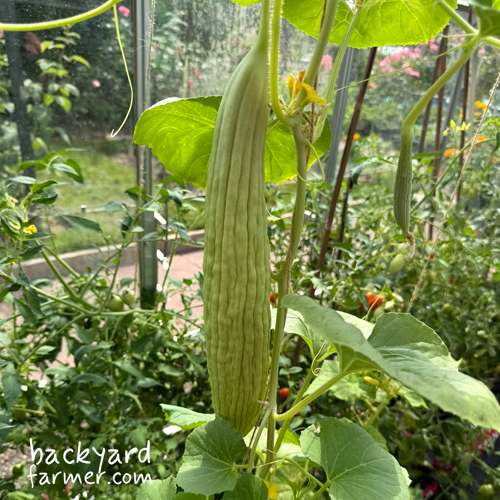
Although it prefers hot weather, British gardeners can get a worthwhile harvest in a greenhouse or polytunnel. Outdoor growing is possible in particularly warm, sheltered gardens, but results are less reliable during cooler summers.
With a warm start, plenty of sunlight and suitable climbing supports, bitter melon is an interesting crop to try if you fancy growing something a little different.
When to Sow Bitter Melon in the UK
April to May is the best time to sow bitter melon indoors for most UK gardeners. The plants need warmth throughout their growing season, so avoid rushing them outside.
| Growing stage | UK timing |
|---|---|
| Sow indoors | April–May |
| Early sowing with heat and grow lights | March |
| Plant in greenhouse or polytunnel | Late May–June, once sufficiently warm |
| Plant outdoors | June, in favourable conditions |
| Harvest | Usually August–September; potentially July–October under protection |
March sowing is possible if you have a heated propagator, grow lights and somewhere warm to keep the developing plants. Otherwise, an April or early May sowing is usually more practical.
Move established plants into their final positions once frost risk has passed and growing conditions are consistently warm.
For outdoor growing, wait until nights are reliably mild and the soil has warmed. Overnight temperatures around 15°C are preferable, although local conditions vary.
Harden plants off gradually before moving them outdoors, allowing them to adjust to cooler temperatures, wind and direct sunlight.
Where to Grow Bitter Melon
A greenhouse or polytunnel offers the best chance of success in the UK, providing the warmth and shelter bitter melon needs to establish and produce fruit.
Choose a sunny position with enough height for climbing vines. Good ventilation is important during hot weather, both to prevent overheating and to allow pollinating insects access.
Outdoor growing is possible in a particularly warm, sheltered position, ideally beside a south-facing wall or fence. However, cool or unsettled summers can limit growth and fruit production.
Bitter melon can also grow in a large container with good drainage, fertile compost and a strong climbing support. Container-grown plants will need closer attention to watering.
How to Grow Bitter Melon from Seed
Bitter melon seeds have a hard outer coating and can be slower to germinate than many familiar vegetables. Consistent warmth is particularly important.
A heated propagator set to around 25°C provides a useful starting point.
Step-by-Step Sowing Guide
- Prepare the seeds. Optionally soak them in lukewarm water for 12–24 hours before sowing. Seeds can also germinate without soaking.
- Fill individual pots with moist, free-draining seed compost.
- Sow approximately 1–2cm deep, covering the seeds gently with compost.
- Keep the compost warm, ideally using a heated propagator.
- Maintain moisture without allowing the compost to become waterlogged.
- Provide plenty of light once seedlings emerge, keeping them somewhere warm.
- Pot on carefully as the plants develop, disturbing their roots as little as possible.
In warm conditions, germination often takes around one to two weeks, although some seeds take longer.
If nothing appears, check the compost temperature and moisture before assuming the seeds have failed. Cold compost, excessive watering and poor seed viability can all affect germination.
Once established, seedlings develop distinctive lobed leaves and climbing tendrils.
Like cucumbers, bitter melon belongs to the cucurbit family and needs warm conditions to germinate and establish. If you’re growing other climbing vegetables alongside it, our UK cucumber growing guide covers sowing, supports and greenhouse care.
Spacing, Supports and Training
Bitter melon is a vigorous climber, making vertical growing particularly useful in smaller greenhouses and polytunnels.
Space plants approximately 50–60cm apart when training them upwards, allowing more room where possible.
Provide strong climbing netting, a trellis or vertical strings. The plants attach themselves using tendrils, although young shoots may need directing towards their support.
Guide the main vine upwards and remove damaged leaves or overcrowded side shoots when necessary. Avoid heavily cutting back healthy growth, as flowers and fruit develop along the vines.
Training plants vertically also improves airflow, keeps fruit off the ground and makes harvesting easier.
Bitter melon needs room to climb, particularly in a greenhouse shared with other crops. Use our free Allotment Planner to work out your growing layout before planting.
Watering, Feeding and Pollination
Once established, bitter melon can grow quickly in warm conditions. Consistent watering, suitable nutrition and successful pollination are the main things to concentrate on.
Watering
Keep the soil consistently moist, particularly during flowering and fruit development. Water thoroughly when needed rather than repeatedly allowing the roots to dry out.
Greenhouse containers can dry out quickly in hot weather, so check the compost regularly. Avoid prolonged waterlogging, as roots still need air to grow properly.
Feeding
Bitter melon grows best in fertile, well-drained soil enriched with compost or well-rotted manure.
An appropriate liquid feed for fruiting vegetables can support established plants, particularly those grown in containers. Follow the manufacturer’s instructions and avoid excessive nitrogen feeding, which may encourage leafy growth at the expense of fruit.
How to Hand-Pollinate Bitter Melon
Bitter melon produces separate male and female flowers on the same plant.
- Male flowers grow on slender stalks without a developing fruit behind them.
- Female flowers have a small, immature bitter melon immediately behind the yellow petals.
Male flowers often appear first, so don’t worry if your plant starts flowering without producing fruit straight away.
Bees and other insects usually transfer pollen between flowers, but pollination can be less reliable inside enclosed greenhouses.
If female flowers open without setting fruit, hand-pollination is worth trying.
- Find a freshly opened male flower and an open female flower.
- Use a soft paintbrush or carefully remove the male flower.
- Transfer pollen from the male flower’s centre onto the stigma inside the female flower.
- Repeat with newly opened female flowers when necessary.
Morning is generally a good time to hand-pollinate while flowers are fresh.
If pollination is successful, the small fruit behind the female flower should begin swelling over the following days.
The same basic male and female flower arrangement occurs in courgettes. If you’re unfamiliar with identifying the flowers, our courgette growing guide also explains how pollination affects fruit development.
Common Bitter Melon Growing Problems
Bitter melon is relatively straightforward once growing conditions are suitable, but cool temperatures and poor pollination can cause problems in the UK.
| Problem | Possible cause | What to do |
|---|---|---|
| Seeds won’t germinate | Cold compost, excess moisture or poor seed viability | Maintain steady warmth and check compost moisture |
| Flowers but no fruit | Male flowers appearing first or poor pollination | Look for female flowers and hand-pollinate if needed |
| Female flowers dropping | Failed pollination or growing stress | Check temperature, watering and pollination |
| Yellowing leaves | Water stress, nutrient problems or root issues | Check soil moisture and plant health |
| White powder on leaves | Possible powdery mildew | Improve airflow and inspect affected growth |
| Fruit stays small | Variety, cool weather or slow development | Check the variety’s expected size and growing conditions |
Remember that male flowers naturally fall after opening, so flower drop alone doesn’t necessarily indicate a problem.
When and How to Harvest Bitter Melon
Bitter melon is normally harvested while the fruit is still immature, before it begins turning yellow or orange.
In UK conditions, allow roughly 15 weeks from sowing to the first harvest as a planning guide. Greenhouse crops may produce earlier in favourable conditions, while cooler summers can delay fruiting into late summer or early autumn.
How to Tell When Bitter Melon Is Ready
Harvest fruit when it is:
- Firm and well developed for its variety.
- Still green or showing its normal immature colour.
- Free from yellowing, softening or splitting.
Bitter melon varies considerably in shape and size. Some varieties produce long, narrow fruits with prominent ridges, while others are broader with rounded bumps.
UK-grown fruit may remain smaller than crops grown in consistently hot climates, so don’t judge readiness by size alone.
What Happens When Bitter Melon Turns Orange?
As bitter melon ripens, its colour often changes from green to yellow or orange.
Fully ripe fruit may split open, revealing seeds surrounded by bright red coverings called arils.
This is a normal part of the plant’s life cycle, but bitter melon is generally picked earlier for cooking, while the flesh is still firm.
Fruit can be left to ripen for seed saving, although the UK growing season may be too short. Bitter melon seeds should not be eaten, as they contain naturally occurring compounds that can cause harmful effects.
How to Harvest
Use clean secateurs or a sharp knife to cut the fruit from the vine, leaving a short stalk attached.
Avoid pulling the fruit off by hand, as this can damage the climbing stems.
Check plants regularly during warm weather and harvest fruit while immature rather than leaving it to ripen fully. Regular picking may encourage continued fruit production while conditions remain favourable.
Frequently Asked Questions
Yes, although you’ll need a sunny, sheltered position and a sufficiently warm growing season. Outdoor plants are more vulnerable to cool nights and unsettled weather, which can delay growth and reduce fruit production.
Allow around 15 weeks from sowing to the first harvest as a useful UK planning estimate. Plants may produce earlier in warm conditions or take longer during a cooler summer.
Male flowers commonly appear before female flowers. If female flowers are present but fruit isn’t developing, unsuccessful pollination may be responsible. Hand-pollination can help, particularly in enclosed greenhouses.
Yes. Choose a large container with good drainage, fertile compost and a strong climbing support. Keep the compost consistently moist, as container-grown plants can dry out quickly during hot weather.
Yes. Bitter melon, bitter gourd and karela are common names for Momordica charantia. Different varieties can produce noticeably different fruit shapes, sizes and surface textures.