Introduction
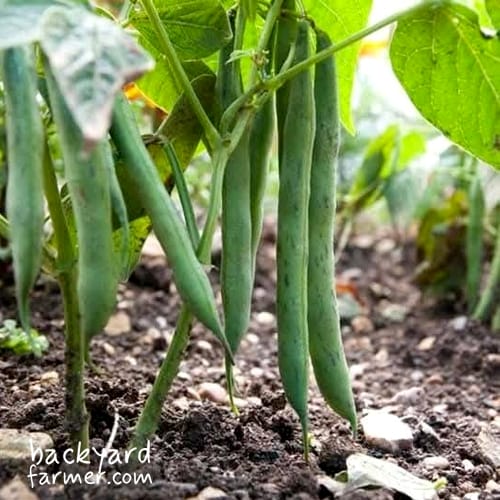
Dwarf French beans are one of the easiest beans to grow in the UK once the weather has warmed up properly. They are compact, productive, and much easier to fit into pots, raised beds, and small allotment spaces than climbing beans.

In the UK, dwarf French beans is the term most gardeners use. You will sometimes see bush beans, but that wording is much more common in US guides. Here, most people mean the compact, low-growing type of French bean that does not need a tall cane frame.
That is a big part of the appeal. They are simple to slot into a small space, they crop fairly quickly, and they do not come with the same support job as climbing beans. On the other hand, they are not beans to rush. If you sow too early into cold soil, they can be slow, patchy, or disappear altogether after a bad slug night.
Why grow dwarf French beans?
- Compact plants for small gardens, pots, and raised beds
- No tall support frame needed
- Quick summer crop once conditions are warm
- Useful gap-filler on allotments and in mixed veg beds
What catches people out?
- Sowing into cold spring soil
- Losing young seedlings to slugs
- Letting pots dry out once plants start flowering
- Expecting them to crop for as long as climbing beans
What this guide covers
This guide explains:
- When to sow dwarf French beans in the UK
- Where to grow them
- Whether to start them in pots first
- How much space they need
- The main problems to watch for
When to Plant Dwarf French Beans in the UK
| Timing | Recommendation |
|---|---|
| Indoor sowing | Late April to May |
| Outdoor sowing | Late May to early June onwards, once frost risk has passed and the soil has warmed |
| Planting out | After the risk of frost has passed |
| Late sowing | Through July in warmer or sheltered areas, especially with quick varieties |
| Succession sowing | Every 2 to 3 weeks for a longer crop |
Best sowing window
For most UK growers, the safest time to sow dwarf French beans outdoors is:
- late May into June
- after the last frost risk
- Once the soil feels properly warmed up
That last bit matters most. You can follow the calendar exactly and still be too early if the ground is cold and wet.
Start indoors or direct sow?
| Method | Best for | Main benefit |
|---|---|---|
| Start indoors | Cold, wet, or slug-heavy springs | Better germination and safer young plants |
| Direct sow outdoors | Warm settled weather | Simpler and quicker |
Starting a few plants indoors from late April or May is often the safer option in UK conditions, especially if spring keeps stalling or slugs are bad.
When indoor sowing makes more sense
It is often worth starting under cover if:
- Spring is cold or slow
- The ground is still wet
- Slugs are a regular problem
- You want a more reliable first sowing
Succession sowing
To keep the harvest going, sow in small batches every 2 to 3 weeks rather than all at once.
That works well because dwarf French beans:
- crop fairly quickly
- Do not crop as long as climbing beans
- suit repeat sowings through summer
Can you sow them late?
A July sowing can still work if:
- The site is warm and sheltered
- You are using a quick dwarf variety
- Summer still has enough warmth left in it
In milder gardens, that can work surprisingly well. In colder or more exposed spots, though, late sowings are more of a gamble.
Main mistake to avoid
Do not treat dwarf French beans like hardy spring crops such as peas or broad beans.
If the soil is still:
- cold
- wet
- barely warming up
It is usually better to wait another week or two than sow too early and do the whole thing twice.
Where to Grow Dwarf French Beans
| Condition | Dwarf French bean preference |
|---|---|
| Light | Full sun |
| Soil | Fertile, moisture-retentive, free-draining soil |
| Drainage | Avoid cold, waterlogged ground |
| Pots | Yes, very suitable |
| Raised beds | Excellent |
| Allotments | Good for filling spare gaps |
| Shelter | Helpful, especially in windy sites |
Best growing conditions
Dwarf French beans do best in a spot that is:
- sunny
- reasonably sheltered
- free-draining
- quick enough to warm up in spring
These are proper summer beans. The more warmth and light they get, the easier they usually are.
Best places to grow them
They work especially well in:
- raised beds that warm up quickly
- veg beds with decent drainage
- containers and troughs in sunny spots
- allotment gaps where climbing beans would take up too much room
If space is tight, this is one of the reasons dwarf French beans are so useful. You can tuck them into places where a taller crop would just be a nuisance.
Soil and drainage
The ideal soil is:
- fertile
- moisture-retentive
- free-draining
You do not need perfect soil, but avoid ground that is:
- cold
- claggy
- waterlogged
- badly shaded
A bed improved with compost is usually plenty. What matters most is that the ground does not stay cold and miserable for too long.
Raised beds and containers
Raised beds suit dwarf French beans very well because they:
- warm up faster
- drain better
- make spacing easier
Containers are a strong option too, because dwarf types stay compact and do not need a tall support structure. In a small garden, that can make them far more realistic than climbing beans.
Shelter matters too
They do not need the same support as climbing beans, but they still appreciate some shelter. In exposed sites, plants can:
- lean over
- get knocked about by wind
- lose flowers more easily
A reasonably sheltered spot usually gives a tidier, more reliable crop.
Quick rule
A slightly imperfect spot in full sun will often do better than better soil in a cool, shaded, exposed position.
How to Plant Dwarf French Beans
Easiest reliable method
- Sow seeds in small pots, modules, or root trainers
- Sow them about 4 to 5 cm deep
- Keep them warm and lightly moist
- Harden plants off before planting out
- Plant out after frost risk has passed
- Water in well
- Protect young plants from slugs straight away
For a lot of UK growers, that is the easiest dependable method. It is not the only way, but it does avoid plenty of the usual early setbacks.
Start indoors or direct sow?
| Method | Best for | Main downside |
|---|---|---|
| Start indoors first | Cold, wet, or slug-heavy springs | Plants should not sit in pots too long |
| Direct sow outdoors | Warm settled weather | Higher risk from slugs, mice, and cold wet soil |
Starting indoors
Starting indoors is often the safer option if:
- Spring is cold or slow
- The ground is still wet
- Slugs are a regular problem
- You want a more reliable first sowing
It usually gives you:
- better germination
- stronger early growth
- fewer losses at seedling stage
If spring is dragging on, this is usually the method that saves the most faff.
Direct sowing outdoors
Direct sowing works well when:
- The soil is warm enough
- The frost risk has passed
- The weather looks fairly settled
It is the simpler option, and in a good spell it works perfectly well. Still, it is also the one most likely to go wrong if conditions are poor.
Practical planting tips
- Do not sow into cold, sticky ground
- Do not leave indoor-grown plants rootbound
- Water after planting, but do not leave the soil sodden
- Protect new plants early if slugs are active
Main thing to remember
Dwarf French beans do not love root disturbance, so if you start them indoors, plant them out while they are still young and moving well. Leave them sitting around too long, and they can sulk before they even get started.
Growing Dwarf French Beans in Pots
| Pot growing factor | Practical note |
|---|---|
| Container size | Use a decent-sized pot or trough with enough room for several plants |
| Compost | Use a good-quality compost that holds moisture but still drains well |
| Position | Put pots in full sun and somewhere reasonably sheltered |
| Watering | Container-grown plants dry out faster and need more regular watering |
| Feeding | A light high-potash feed once flowering starts is usually enough |
| Support | Usually minimal, though twiggy sticks can help in windy spots |
Why they suit pots
Dwarf French beans are one of the best beans for containers because they:
- stay compact
- crop fairly quickly
- do not need a tall cane frame
- work well in small gardens, patios, and balconies
If you are short on space, that is a big part of the appeal. They feel much more manageable than climbing beans, especially if you just want a few productive pots rather than a whole structure to deal with.
What size pot works best?
Use a decent-sized pot or trough rather than squeezing them into something tiny.
Small containers are more likely to:
- dry out too fast
- heat up quickly in warm weather
- leave plants stunted or stressed
A few well-spaced plants in a proper container will usually do better than too many beans crammed into one pot.
Best compost and position
For the best results, use:
- a good-quality compost
- a mix that holds moisture but still drains well
- a full sun position
- a spot with a bit of shelter from strong wind
Good places include:
- a sunny patio edge
- a warm wall
- a sheltered yard
- a bright raised surface or doorstep setup
Watering in pots
This is the main job to stay on top of.
Container-grown beans:
- Dry out faster than beans in the ground
- Need closer attention in warm weather
- They are most vulnerable once they start flowering and setting pods
If pots keep drying out badly, plants are more likely to:
- grow unevenly
- crop poorly
- produce tougher pods
This is usually the point where pot-grown beans start to struggle, so it is worth keeping an eye on them once flowering begins.
Feeding in pots
Feeding usually only needs to be light.
A simple approach is:
- Start with fresh compost
- Feed lightly with a high-potash feed once flowering starts
- Avoid overfeeding
Too much rich feed can push leafy growth instead of a better crop.
Do pot-grown plants need support?
Usually, only a little.
You may want a few short twiggy sticks if:
- The site is windy
- Plants are leaning outward
- Pods are hanging into damp foliage or compost
Best small-space approach
For many growers, the easiest method is to:
- Sow little and often
- Grow a few healthy plants per container
- Avoid cramming too many beans into one pot
A couple of well-managed containers will usually do better than one overcrowded setup.
Spacing, Height and Support
| Layout | Spacing or note |
|---|---|
| Plant spacing | Around 15 cm as a standard baseline; wider spacing can help in wetter gardens |
| Row spacing | Around 30 to 45 cm depending on layout |
| Square foot spacing | Around 4 plants per square foot as a practical starting point |
| Typical height | Usually compact and low-growing, far shorter than climbing French beans |
| Support | Usually no tall support needed, but twiggy sticks can help in windy spots or keep pods off the soil |
Spacing guide
A good starting point is:
- 15 cm between plants
- 30 to 45 cm between rows
- 4 plants per square foot in a square-foot style layout
That is usually enough room for a tidy, productive crop without the bed feeling overstuffed.
When to space wider
Give them a bit more room if:
- Your garden is wet or slow to dry
- The airflow is poor
- You want easier picking
- The site is windy
A little extra space helps more than people think. In a damp summer, it can mean cleaner plants, easier picking, and less of that tangled feel once the row fills out.
How tall do dwarf French beans grow?
They stay:
- shorter than climbing French beans
- bushier and more compact
- easier to fit into mixed beds, pots, and small plots
That compact habit is one of the main reasons people grow them. You get a useful crop without giving half the bed over to a frame of canes.
Do they need support?
Usually, no tall support is needed.
You may still want a few short twiggy sticks if:
- The site is exposed
- Plants are heavily cropped
- Pods are starting to sit on damp soil
- Plants are leaning outward after wind or rain
It is less about training them upward and more about keeping the plants tidy and the pods cleaner.
Why spacing still matters
Tighter spacing can work, but overcrowding makes plants:
- harder to pick
- slower to dry after rain
- more likely to flop into each other
- trickier to keep tidy
This is one of those areas where cramming in a few extra plants often looks clever at the start, then becomes annoying later.
Simple takeaway
The goal is not to follow one exact spacing rule at all costs. It is to give dwarf French beans enough room to stay:
- healthy
- easy to harvest
- productive
- reasonably tidy
If you want to map out your dwarf French bean spacing properly, use the Allotment Planner to fit them into beds, pots, or spare gaps before you plant.
Watering, Feeding, and Care
| Job | Advice |
|---|---|
| Watering | Keep evenly moist, especially once flowers and pods appear |
| Feeding | Usually not much needed in decent soil; container plants can benefit from a high-potash feed once flowering starts |
| Mulching | Helpful after plants are established |
| Weeding | Keep weed pressure down while young |
| Support | Optional low support if plants flop |
| Picking | Pick regularly to keep plants producing |
Main priority
Once dwarf French beans start flowering, the main job is to maintain steady moisture. They do not like sitting cold and soggy early on, but once they are trying to flower and fill pods, drying out badly can check them quite quickly.
Watering tips
- Water deeply when needed, not just little and often on the surface
- Pay extra attention to container-grown plants
- Avoid letting plants swing from very dry to very wet
- Focus most on watering once plants are flowering and setting pods
In open ground, a proper soak when needed is usually more useful than a light daily splash. In pots, though, you need to stay a bit sharper, especially in warm weather.
Feeding tips
In decent garden soil, dwarf French beans usually need very little feeding.
A simple approach is:
- Grow them in compost-improved soil
- Feed pot-grown plants lightly with a high-potash feed once flowering starts
- Avoid overfeeding, especially with nitrogen-rich feeds
Too much feeding can push leafy growth instead of a better crop, which is a fairly easy mistake to make if plants look healthy but are not cropping well.
Other care jobs
- Mulch if the soil dries out quickly
- Weed lightly while plants are still young
- Add short support if plants start to lean
- Pick regularly to keep plants cropping
None of that is complicated, but it does make the crop easier to manage once the plants get going.
Keep it simple
This is a crop where basic care usually works best:
- Do not leave plants to dry out badly
- Do not overfeed
- Do not ignore them once flowering starts
- Do not leave pods hanging too long
Get those basics right and dwarf French beans are usually pretty straightforward.
Common Problems
| Problem | Likely cause | Fix |
|---|---|---|
| Seeds fail to germinate | Soil too cold or wet | Sow later, start some in pots, use fresh seed |
| Seedlings disappear overnight | Slugs, snails, sometimes mice | Start under cover, protect young plants, and keep backup sowings ready |
| Plants stall or struggle early | Cool weather, exposed sites, or poor early growth | Wait for warmth, choose a sunnier spot, and do not panic if early sowings sulk |
| Plants grow but crop poorly | Too cold, too dry, or not enough sun | Grow in a warmer spot, water during flowering, avoid shade |
| Pods become tough | Left too long before picking | Pick young pods every few days |
| Plants flop over | Wind, heavy cropping, loose soil | Add short twiggy supports or plant in a block |
Main weak point
The seedling stage is where most UK problems happen. That is when cold soil, wet weather, and slugs do the real damage.
Most common problems
1. Seeds fail to germinate
Usually caused by:
- soil that is too cold
- ground that is too wet
- sowing too early
Best fix:
- Wait for warmer conditions
- Start a few in pots or modules
- Use fresh seed if germination is poor
This is one of the main reasons people think dwarf French beans are awkward, when really they have just been asked to grow too soon.
2. Seedlings disappear overnight
Usually caused by:
- Slugs
- Snails
- Sometimes mice taking seed
Best fix:
- Protect young plants early
- Keep backup sowings ready
- Start some plants under cover if slugs are a regular problem
This is why a spare tray or two in pots can save a lot of annoyance later.
3. Plants stall or sulk
Usually caused by:
- Cool weather
- A cold patch of soil
- Too much exposure
- Poor light
Best fix:
- Wait for warmer weather
- Grow them in a sunnier, more sheltered spot
- Do not give up too quickly if early sowings look slow
Sometimes they are not failing, they are just waiting for the weather to catch up.
4. Plants grow but do not crop well
Usually caused by:
- too little sun
- inconsistent watering
- plants being checked early and never fully recovering
Best fix:
- Water steadily once flowering starts
- Grow them somewhere warmer and brighter
- Avoid letting plants dry out badly in pots
Beans that have a rough start often never quite make the crop they should.
5. Pods turn tough or stringy
Usually caused by:
- Leaving pods on the plant too long
Best fix:
- Pick young pods regularly
- Check plants every few days once cropping starts
This is one of the easier problems to fix. Most of the time, it just comes down to picking a bit sooner.
6. Plants flop over
Usually caused by:
- wind
- loose soil
- heavy cropping
- tight spacing
Best fix:
- Add short twiggy supports
- Space plants a little wider if needed
- Keep pods off damp soil where possible
They are dwarf beans, but that does not always mean perfectly upright, especially after wind and rain.
Simple takeaway
Most dwarf French bean problems start early, not later in the season. Get the timing right, protect the young plants, and the rest of the crop is usually far more straightforward.
How Late Can You Sow Dwarf French Beans?
Short answer
In many UK gardens, you can still sow dwarf French beans through July.
That said, whether it is worth doing depends on how much warmth you still have, how exposed the site is, and whether you are giving them a decent chance rather than just hoping for the best.
Best chances of success
Late sowing works best if you have:
- a quick dwarf variety
- a warm, sunny spot
- some shelter
- enough summer left for plants to crop properly
Where late sowing works best
| Situation | How reliable it is |
|---|---|
| Mild southern or sheltered gardens | Often worthwhile through July |
| Sunny raised beds or warm patios | Usually better than cold open ground |
| Cooler or exposed sites | More hit and miss |
| Very late summer sowings | Less reliable and more weather-dependent |
Why late sowing can still work
By July, the soil is usually:
- warmer
- quicker for germination
- less frustrating than a cold early sowing
In other words, a sensible July sowing can sometimes be easier than an over-ambitious early one. The seedlings often get away faster, which takes some of the usual faff out of the job.
What makes it riskier
Late sowing becomes more of a gamble if:
- Your garden is cold or exposed
- Summer turns cool early
- Plants do not have enough time to crop well
- You are relying on it as your only sowing
That last point matters. A late sowing is often a handy extra, but it is not always the best plan to pin the whole crop on.
Best use for late sowing
Late sowing is often most useful as:
- a follow-on crop after an earlier batch
- a way to fill a mid-summer gap
- a good option for warm containers or sheltered beds
It is especially handy when an earlier crop comes out and you have a bit of decent space going spare.
Container note
Containers can work well for late sowings because they:
- Warm up quickly
- They are easy to move into a sunny spot
- Suit compact dwarf varieties well
Just remember they also dry out faster, so watering matters more.
Simple takeaway
Late sowing is realistic, but not automatic. Through July is often still fine in the UK, especially in good conditions. Beyond that, it becomes more hit and miss, particularly in cooler areas.
When and How to Harvest Dwarf French Beans
| Harvest point | Notes |
|---|---|
| Typical time to crop | Around 8 to 10 weeks from sowing, depending on variety and weather |
| Ready signs | Pods are long enough to eat, slim, tender, and snap cleanly |
| Harvest method | Pick by hand or snip carefully |
| Cropping style | Pick-and-come-again |
| Storage | Best fresh, but can be frozen |
When are they ready?
Dwarf French beans are ready when the pods are:
- Young
- Slim
- Tender
- snapping cleanly when bent
If the seeds inside are already swelling hard, you have usually left them a bit too long. They are still usable, but they will not have that same tender texture.
How to harvest them
The simplest approach is to:
- Check plants every few days once cropping starts
- Pick pods while they are still tender
- Use your fingers or snips to avoid tugging the plant too hard
Once they get going, it is worth staying on top of them. A lot of the best pods are easy to miss if you leave the plants for too long.
Why regular picking matters
Dwarf French beans crop best when you keep harvesting.
Regular picking helps to:
- Keep new pods coming
- Stop pods turning tough
- Stop the plant switching too early into seed-making mode
This is one of those crops where a quick pass every few days really does pay off.
What to avoid
Try not to:
- Leave pods hanging on until they are oversized
- Miss hidden pods low down in the plant
- Let mature pods build up if you want a longer harvest
Once a few pods go over, the plant starts thinking more about seed than fresh growth.
Storage notes
Dwarf French beans are best used:
- Fresh from the plant
- Within a short time of picking
If you have a glut, they can also be frozen.
Simple takeaway
Do not wait for huge pods. The best beans are picked young and often. Once plants start cropping, checking them every few days is one of the easiest ways to improve both quality and yield.
Best Dwarf French Bean Varieties to Grow in the UK
What matters most when choosing a variety?
Pick a variety based on what matters most to you:
- Rreliability
- Flavour
- Compact growth for pots
- Easy picking
- Pod colour
For most beginners, a solid reliable dwarf variety is usually the best place to start. It is easy to get distracted by unusual colours or names, but good timing and steady growing conditions will still matter far more.
Good varieties to look at
| Variety | Best for | Notes |
|---|---|---|
| Purple Teepee | Easy picking and pod colour | Purple pods are easy to spot, which helps stop pods being missed |
| Boston | Flavour | A good choice if taste matters most |
| Sprite | Small spaces | Compact habit suits containers and tidy beds |
| Faraday | Flavour and pots | Often mentioned as a worthwhile container-friendly option |
Which type suits your setup?
| Growing setup | Best type to lean toward |
|---|---|
| Containers and pots | Compact, tidy, productive varieties |
| Raised beds | Reliable all-round dwarf types |
| Open ground | Flavour, yield, or ease of picking can guide the choice |
| Small-space growing | Short, compact plants that stay manageable |
If you are mainly growing in pots, compactness and steady cropping matter more than anything fancy. In open ground, you have a bit more room to choose based on flavour or how easy the pods are to pick.
Best advice for beginners
A simple starting point is:
- Grow one reliable variety first
- See how it performs in your space
- Try a second type later if you want to compare flavour, colour, or cropping habit
That usually tells you more than buying a whole mix straight away and hoping one of them turns out to be the answer.
What matters more than variety
Variety does matter, but these usually matter more:
- Warm sowing conditions
- Steady watering
- Good timing
- Regular picking
A sensible dwarf French bean grown well will usually outperform a supposedly better one grown in poor conditions.
Companion Planting
| Good companions | Why |
|---|---|
| Nasturtiums | Useful around productive beds and may help distract pests |
| Calendula | Brings pollinators and beneficial insects |
| Lettuce | Can use nearby space before beans bulk up |
| Radish | Quick crop around young plants |
| Sweetcorn | Can work nearby, though these beans do not climb |
| Avoid or be careful with | Reason |
|---|---|
| Very tall or dense crops | They can shade dwarf French beans |
| Overcrowded squash or courgettes | They may swamp the plants |
| Alliums nearby | Often listed as poor companions, though not always a deal-breaker |
Practical view
Companion planting can help, but it is not the main thing that decides whether dwarf French beans do well. In real terms, warmth, spacing, watering, and getting the seedlings through the early stage matter far more.
Sensible companions
Good nearby crops include:
- Lettuce
- Radish
- Nasturtiums
- Calendula
- Sweetcorn, as long as it is not shading the beans
These work well because they do not usually crowd the crop and they fit naturally into a mixed productive bed.
What to avoid
Be careful with crops that:
- Cast too much shade
- Sprawl heavily
- Block airflow
- Swamp the beans before they get going
In a small garden, sprawling courgettes are often a much more practical problem than anything on a companion planting chart.
About alliums
Onions, garlic, and other alliums are often listed as poor companions for beans. In real gardens, that is usually better treated as a soft caution than a hard rule. If everything else is right, it is unlikely to be the one thing that ruins the crop.
Simple takeaway
Use nearby crops that do not crowd the beans, do not steal all the light, and help you use the space well. If the layout is sunny, open enough, and easy to manage, dwarf French beans usually do just fine.
Plan Your Dwarf French Beans Before You Plant
A little planning makes dwarf French beans much easier to manage, especially if you are working with:
- Raised beds
- Containers
- Allotment gaps
- Succession sowings
- Mixed beds with quick salad crops
That is where they really shine. They are compact enough to slot into awkward spaces, but they still work better when you know roughly how many plants you are fitting in and where the next sowing is going.
Why plan them first?
It helps you:
- avoid overcrowding
- make watering easier
- leave room for later sowings
- fit beans neatly into the space you have
- keep picking and access simple once plants bulk up
When planning matters most
It is especially useful if you are:
- Growing in a small space
- Combining beans with other crops
- Sowing in batches through summer
- Using both pots and beds
A bit of planning at the start is often what stops a tidy little bean crop turning into a squeezed-in afterthought later.

Simple takeaway
If you want to fit dwarf French beans into your plot properly, use the Allotment Planner to map out spacing, bed layout, and container positions before you plant. It is a simple way to avoid guesswork and make better use of the space you have.
FAQ
Yes. Dwarf French beans are one of the better beans for pots because they stay compact and do not need a tall cane frame. If you have a sunny patio, small garden, or even just room for a few decent containers, they are a good fit.
Most crop around 8 to 10 weeks from sowing, depending on the variety, temperature, and how well they get going early on.
Yes, as long as you do not sow them too early. The awkward part is usually the seedling stage, especially if the soil is cold or slugs are active.
Not usually. In a sheltered spot, they often hold themselves up just fine. If the site is windy or the plants start leaning out, a few short twiggy sticks are usually enough.
They stay much shorter and bushier than climbing French beans, which is why they suit pots, raised beds, and smaller spaces so well.
In warm settled weather, direct sowing works fine. In a cold, wet, or slug-heavy spring, starting some in pots or modules is often the safer option.
In many UK gardens, you can still sow them through July, especially in warmer or sheltered spots. After that, it starts getting more weather-dependent.
Good starting points include Purple Teepee, Boston, Sprite, and Faraday. A reliable compact variety is usually the best place to begin.
Grow dwarf French beans if you want something compact, quick, and easy to fit into a smaller space. Grow climbing beans if you want a longer harvest and do not mind putting up supports.