
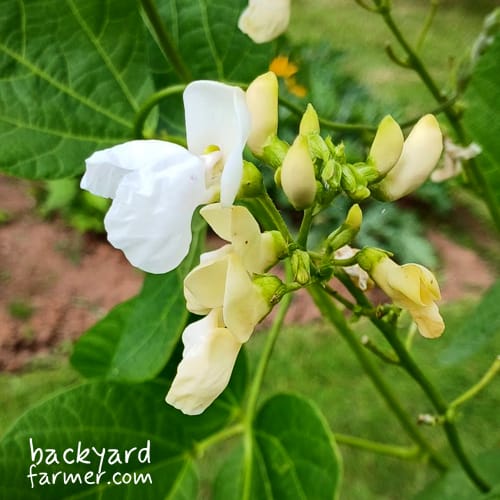
Runner beans are one of those crops that make you feel like you have got the hang of gardening when they take off. In a decent UK summer, they climb hard, fill out fast and keep cropping if you pick regularly.
They are not quite as foolproof as some guides suggest. Cold, wet starts can leave them sulking for weeks, while a later dry spell can cause flower drop, patchy pod set and a crop that never really gets going.
Learning how to grow runner beans in the UK is therefore less about fancy tricks and more about getting the basics right at the right time.
When to Plant Runner Beans in the UK
Timing matters with runner beans more than people sometimes realise. Once the weather warms up, they grow quickly. Before that, they can sit in cold soil looking miserable or fail altogether.
In most parts of the UK, sow runner beans indoors from mid-April into May, then plant them outside after the last frost. Direct sowing is usually more reliable from late May into June, once the soil has warmed and the weather has settled.
A slightly later sowing will often outperform an early one pushed into cold, wet ground. This is especially true during stop-start springs, when a few warm days can make the season feel further ahead than it really is.
Typical UK sowing and planting approach
Starting runner beans indoors is usually the safest option in cold, wet, exposed or slug-prone gardens. Sow them in individual pots, grow them somewhere warm and bright, then harden them off before planting outside.
Direct sowing works well once the soil is properly warm and seedlings can grow away quickly. Seeds sown too early are more likely to rot, stall or become easy targets for slugs.
Do not rush because of a few warm spring days. The aim is strong, steady early growth rather than the earliest possible start.
Colder, northern and exposed gardens
In Scotland, northern areas and colder inland gardens, it is often worth sowing and planting a little later than generic advice suggests. Coastal and exposed allotments may also need extra time because strong winds slow soil warming and can damage young plants.
Wait until conditions are reliably mild, harden plants off carefully and choose the most sheltered position available. A strong plant set out slightly later will usually outperform one that has been checked by cold.
A useful rule of thumb is simple: if the ground still feels cold, runner beans can wait.
Where to Grow Runner Beans
Runner beans do best in a sunny, sheltered position with rich soil and enough room for a solid support frame. They grow quickly once established, so the roots need reliable moisture and the structure must be able to hold a considerable amount of top growth.
What Runner Beans Need
- Full sun or light shade
- Shelter from strong wind
- Rich, moisture-retentive soil
- Plenty of compost or well-rotted manure
- Enough room for sturdy supports
Full sun is ideal, although runner beans can tolerate some light shade if the soil and shelter are good.
Protection from strong wind is particularly important. Tall plants can catch the wind easily, causing stems to rock, supports to loosen and flowers or young pods to become damaged.
Soil and Position at a Glance
| Factor | What works best |
|---|---|
| Light | Full sun, although light shade is acceptable |
| Shelter | Protected from strong or persistent wind |
| Soil | Rich and moisture-retentive |
| Drainage | Free-draining but not prone to drying out |
| Best overall position | A sheltered bed where the roots stay moist and the frame remains stable |
Improve the planting area with compost or well-rotted manure before sowing or planting. Runner beans dislike waterlogged ground, but they also struggle in poor, dry soil once summer arrives.
Allotments, raised beds and open garden borders can all work well. The exact type of bed matters less than the quality of the soil, access to water and stability of the supports.
On an exposed allotment, a slightly less sunny but more sheltered position may perform better than an open spot where the plants are battered by wind throughout the summer.
Can You Grow Runner Beans in Pots or Grow Bags?
Runner beans can be grown in large pots, tubs or grow bags, although they require more attention than plants grown in open ground.
Choose the largest, most stable container you can accommodate. The limited volume of compost dries out quickly, and a tall frame covered in foliage can become top-heavy.
Container-grown runner beans will generally need:
- Frequent watering during warm weather
- Regular feeding once flowering begins
- A strong support secured against wind
- Fewer plants than you would grow in a bed
Grow bags can work in small gardens and on patios, but they dry out faster and contain fewer nutrients than a well-prepared bed. Small patio pots are rarely large or stable enough.
The main rule is simple: use a large container, build a sturdy support and never let the compost dry out.
How to Plant Runner Beans
Runner beans can be started indoors or sown directly outside. Starting them in pots is usually the more reliable option in cold, wet, exposed or slug-prone gardens, while direct sowing works well once the soil is warm.
Whichever method you choose, prepare the ground and put the support frame in place before planting. Runner beans grow quickly once established, and it is much easier to build the structure before the shoots begin climbing.
Planting Methods at a Glance
| Method | Best for | Main consideration |
|---|---|---|
| Starting indoors | Cooler gardens, wet springs and slug-prone plots | Plants need hardening off |
| Direct sowing | Warm, sheltered gardens | Seeds and seedlings are more exposed |
| Buying young plants | Late starts or small gardens | More expensive per plant |
Starting Runner Beans Indoors
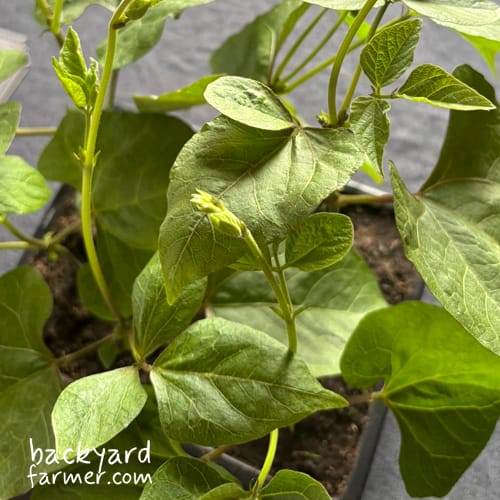
Sow runner beans indoors from mid-April into May, using small pots or root trainers.
- Fill each pot with peat-free seed compost.
- Sow one bean approximately 5cm deep.
- Water lightly and place the pots somewhere warm.
- Keep the compost moist but not saturated.
- Move the seedlings into good light as soon as they emerge.
- Harden them off gradually for 7–10 days before planting outside.
- Plant one bean beside each cane or support point after the risk of frost has passed.
- Water the plants in well and protect them from slugs while they establish.
Starting beans indoors gives them a chance to develop into sturdier plants before they face cold nights, wind and pests. In a bad slug year, it is also worth keeping a few spare seedlings back in case replacements are needed.
Direct Sowing Outdoors
Direct sowing is simpler, but it is best delayed until the soil has warmed, usually from late May into June in much of the UK.
Prepare the ground and build the supports first, then sow the beans approximately 5cm deep beside each cane or planting point. Water the soil beforehand if it is dry and protect the emerging seedlings from slugs, pigeons and rough weather.
You can sow two beans at each position if germination is uncertain, then remove the weaker seedling once both have emerged. Avoid leaving two vigorous plants competing at the same planting point unless the support and spacing have been planned for them.
Where slug pressure is severe, starting beans indoors is generally safer than repeatedly replacing seedlings sown directly outside.
The main rule is simple: wait for warm conditions, build the supports first and give young plants the best possible chance to grow away quickly.
Runner Bean Spacing and Layout
Runner beans need more room than their young plants suggest. Within a few weeks, they can form a dense wall of leaves and climbing stems, so good spacing makes watering, picking and checking the plants much easier.
Suggested Spacing
| Layout | Suggested spacing |
|---|---|
| Single row | 20–30cm between plants |
| Double row or A-frame | 20–30cm between plants, with rows around 45–60cm apart |
| Wigwam | One plant beside each cane, usually using 6–8 canes |
| Containers | One plant beside each support, with fewer plants than you would grow in open ground |
Avoid squeezing in extra plants simply because the frame looks empty at the beginning of the season. Overcrowding reduces airflow, increases shade and quickly turns the structure into a tangled mass that is difficult to water and harvest.
Leave enough space to reach the plants comfortably and, where possible, pick from both sides of the frame. Remember that a mature row of runner beans also casts considerable shade, so avoid placing low-growing, sun-loving crops directly behind it.
Support Setup for Runner Beans
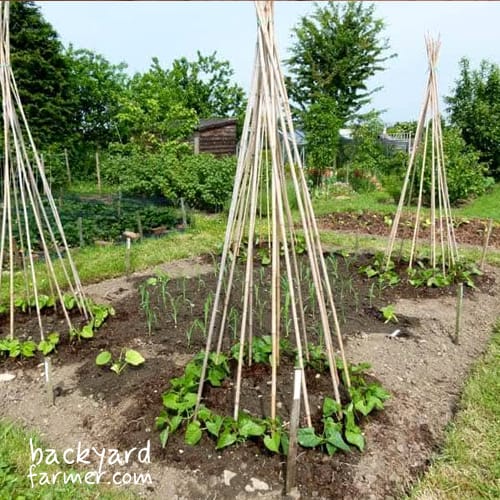
The support is part of the crop rather than an optional extra. Runner beans grow tall and become surprisingly heavy, so the structure needs to be built before planting and strong enough to remain stable in wind.
Best Support Options
- A-frames work particularly well on allotments and in raised beds.
- Wigwams suit smaller gardens and large containers.
- Trellis or strong netting works well when attached to a solid frame.
- Arches provide good access around and beneath the plants.
Whichever style you choose, anchor it firmly and leave enough room around it for watering and picking. On an exposed plot, stability matters more than appearance—a neat frame is little use if it begins rocking once covered in foliage.
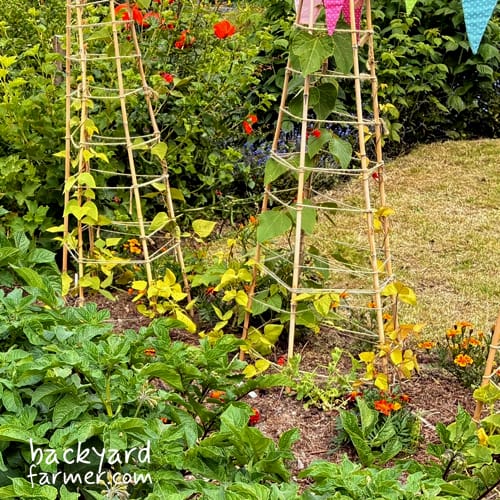
Put the supports up before planting so each young plant can be positioned beside a cane or climbing point from the start. Also consider where the frame will cast shade later in the season.
Once the shoots reach the top, pinch out the growing tips to keep the plants manageable and encourage growth lower down.
This keeps all the useful spacing and support advice while removing the repeated lists about airflow, access, picking and stability.
Watering, Feeding and Care
Runner beans do not need constant attention, but they crop best when moisture stays steady, the soil is mulched and the plants are supported properly. A vigorous plant can still produce poorly if the roots repeatedly dry out once flowering begins.
Key Care Needs
| Job | Why it matters |
|---|---|
| Water deeply | Helps flowers set and pods develop |
| Mulch the soil | Holds moisture around the roots |
| Feed after flowering begins | Supports continued pod production |
| Tie in loose growth | Prevents stems being damaged by wind |
| Pick regularly | Encourages the plant to keep producing |
Watering Runner Beans
Keep the root area evenly moist, particularly once flowers begin to appear. Water deeply rather than giving the plants frequent light sprinklings, and avoid allowing the soil to swing between waterlogged and completely dry.
Pay closer attention to plants growing in:
- Containers
- Raised beds
- Grow bags
- Hot or exposed positions
Container-grown beans may need watering every day during warm weather. In open ground, a thorough soak less often is generally better than repeatedly wetting only the soil surface.
Mulching and Feeding
Apply a layer of compost, leaf mould or another loose organic mulch after planting. This helps retain moisture, suppress weeds and keep the roots cooler during dry weather.
Runner beans grown in well-prepared soil rarely need heavy feeding early in the season. Too much nitrogen can produce excessive leafy growth at the expense of flowers and pods.
Once flowering begins, container-grown plants and those in poorer soil may benefit from a regular potassium-rich liquid feed. Follow the product instructions rather than feeding more heavily in the hope of producing a larger crop.
Ongoing Care
A few small jobs make a noticeable difference through the season:
- Guide loose shoots onto the supports
- Check the frame after strong wind
- Keep weeds away from the base
- Watch young plants for slug damage
- Water containers before the compost dries out
- Pinch out shoots when they reach the top of the frame
- Pick beans regularly once cropping begins
Regular harvesting is especially important. Pods left on the plant become tough and can slow the production of new beans.
If flowers begin dropping during hot, dry weather, concentrate first on deep watering and maintaining steady moisture around the roots. Conditions often improve once the plants are no longer under stress.
Common Runner Bean Problems
Runner beans are usually straightforward once established, but they can struggle with dry roots, unsettled weather, pests and weak supports. Most problems are easier to prevent than correct, so start by checking the basics: moisture, shelter, support and regular picking.
Flowers Dropping but No Beans Forming
Runner beans may flower well but produce few pods during hot, dry, cold or windy weather. Poor pollination can contribute, although plant stress is often the main cause.
What usually helps:
- Water deeply during dry weather
- Mulch around the roots
- Keep moisture levels as steady as possible
- Avoid overfeeding with nitrogen
- Give the plants time to recover when conditions improve
Pod set will often improve once the roots are no longer under stress.
Stringy or Tough Beans
Tough beans have usually been left on the plant for too long. Pods swell and become fibrous particularly quickly during warm weather.
What usually helps:
- Pick pods while they are young and tender
- Check productive plants every two or three days
- Remove oversized beans rather than leaving them on the plant
Regular picking also encourages more pods to develop.
Blackfly
Blackfly often gathers around soft shoots, flower stems and growing tips. Small colonies rarely cause serious harm, but heavy infestations can weaken the plant and interfere with pod production.
What usually helps:
- Squash small colonies by hand
- Wash aphids off with water
- Pinch out heavily infested growing tips
- Avoid excessive nitrogen feeding
Ladybirds, hoverfly larvae and other natural predators often help bring infestations under control.
Slug Damage
Slugs can quickly destroy young runner bean plants, particularly during mild, wet springs. Seedlings may be stripped of leaves or chewed through close to the soil.
What usually helps:
- Protect plants while they are small
- Check around the base after wet weather
- Start beans in pots during bad slug years
- Plant out sturdy seedlings rather than very young plants
- Keep a few spare plants for replacements
Runner beans become less vulnerable once they are growing strongly.
Wind Damage
Tall runner beans catch the wind easily, especially once the frame is covered in foliage. Loose canes, rocking supports and exposed stems can all lead to damage.
What usually helps:
- Use strong canes and secure fixings
- Anchor the frame firmly
- Choose a sheltered position where possible
- Check supports after strong winds
- Tie in loose or wandering shoots
On exposed plots, a stable frame matters more than a perfectly tidy one.
When and How to Harvest Runner Beans
Runner beans usually begin cropping from mid-summer, depending on the variety, sowing time and weather. Pick the pods while they are young, tender and still fairly flat, before the beans inside begin to swell noticeably.
Harvest at a Glance
| Harvest point | What to look for |
|---|---|
| First harvest | Usually from mid-summer onwards |
| Best pods | Firm, smooth and tender with only small beans inside |
| Picking frequency | Every two or three days during peak cropping |
| Method | Cut or pinch off carefully without pulling the vine |
| Storage | Best eaten fresh, although they can also be frozen |
Check the plants regularly during warm weather because pods can become oversized surprisingly quickly. Remove any beans that have grown too large rather than leaving them on the plant.
Regular harvesting encourages more flowers and pods to develop. Use one hand to support the stem while removing the bean so you do not pull or damage the climbing growth.
For more detail on picking size, frequency and signs that pods are becoming overripe, see our full guide to when and how to harvest runner beans in the UK.
Companion Planting for Runner Beans
Companion planting can help attract pollinators and make sensible use of spare space, but it will not compensate for poor soil, weak supports, dry roots or overcrowding.
Runner beans work best alongside lower-growing crops and flowers that will not obstruct access to the frame.
Companion Planting at a Glance
| Companion | Why it may help |
|---|---|
| Nasturtiums | Attract pollinators and may distract aphids |
| Calendula | Supports pollinating and beneficial insects |
| Borage | Particularly attractive to bees |
| Lettuce | Uses spare ground before the beans create heavy shade |
| Spinach | Can crop early while the bean plants are still small |
| Beetroot | Grows well near the edge if light and moisture are sufficient |
Flowers such as nasturtiums, calendula and borage are most useful around the outside of the support, where they can attract insects without making watering and harvesting awkward.
Avoid placing sun-loving crops directly behind a dense wall of runner beans. Mature plants cast considerable shade and compete strongly for moisture, so leave enough space for airflow, access and regular picking.
Plan Your Runner Bean Layout Before You Plant
Runner beans are easier to manage when the supports, spacing and nearby crops are planned before planting. A good layout also helps prevent the mature plants from shading smaller crops or blocking access.
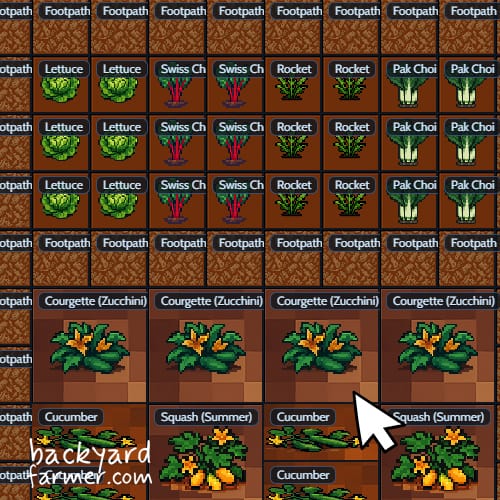
Use the free Allotment Planner to map out:
- Runner bean supports
- Plant spacing
- Paths and picking access
- Companion plants
- Shade around neighbouring crops
It is particularly useful when fitting runner beans into a mixed bed, working around narrow paths or deciding where to place the frame.
Frequently Asked Questions
Plant runner beans outside after the risk of frost has passed, usually from late May into early June. In colder, northern or exposed gardens, wait until the soil has warmed and night-time temperatures are reliably mild.
Yes, but use a large, deep and stable container with strong supports. Container-grown runner beans dry out quickly, so they need frequent watering and regular feeding once flowering begins. Grow fewer plants than you would in open ground.
Runner beans usually begin producing pods around 12–16 weeks after sowing. Plants started indoors may crop slightly earlier, although direct-sown beans can catch up quickly once the soil is warm.
Flower drop is commonly caused by dry roots, hot weather, cold wind or other plant stress. Water deeply, mulch around the roots and keep moisture levels as steady as possible. Pod set often improves when conditions settle.
Most climbing runner beans reach around 2–3m tall, depending on the variety and growing conditions. Build the support before planting and make sure it is firmly anchored, particularly on exposed plots.
Pinch out the growing tips once the plants reach the top of their supports. This keeps the growth manageable and encourages the plant to produce more side shoots lower down.
Check productive plants every two or three days during the main season. Pods can become tough quickly in warm weather, so pick them while they are still smooth, tender and fairly flat.
Runner beans normally crop from mid-summer into early autumn. Regular watering and picking can keep them productive for longer, but growth will slow as temperatures fall and usually ends with the first frost.
Runner beans are tender perennials, but they are normally grown as annuals in the UK because frost kills the top growth. Most gardeners sow fresh plants each spring.