
Most UK runner beans are harvested from July to September, although early crops may begin in late June and plants in mild, sheltered locations can continue into October. Pick the pods while they are firm and tender, usually at around 20–25cm long, and check the plants every two or three days once cropping begins.
Use pod length as a guide rather than a fixed rule. Tenderness and seed swelling are more reliable signs: the beans inside should still be small, without obvious bulges along the pod. For sowing, planting and crop care, see our full guide to growing runner beans in the UK.
Signs Runner Beans Are Ready to Harvest
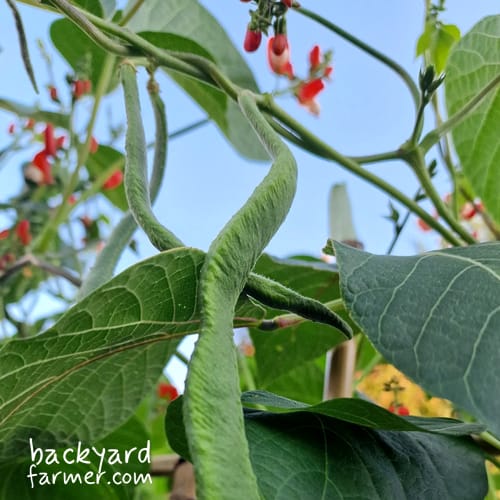
Judge runner beans by their tenderness, size and the development of the beans inside rather than by the date alone. A ready pod should feel fresh and firm, remain fairly flat along the sides and cut easily without strong fibres.
The Pod Has Reached a Useful Size
The pod should be large enough to prepare and eat, but avoid leaving it on the plant simply to reach its maximum length. Standard varieties may become coarse if allowed to grow too large, while naturally long-podded beans can remain tender at a greater size.
The Beans Inside Are Still Small
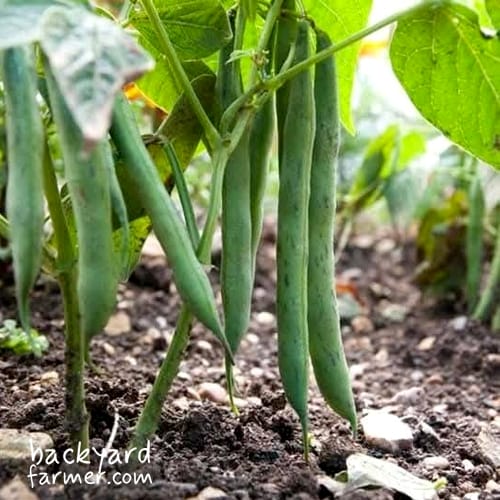
This is one of the most reliable signs that a runner bean is ready to pick. A young pod remains relatively flat along its sides. Small bumps are normal, but large bulges show that the beans inside are developing.
As the seeds swell, the pod becomes thicker and more fibrous. For the best texture, pick before the individual beans are clearly outlined.
The Pod Feels Firm and Cuts Cleanly
A ready runner bean should feel filled out without being heavy, rigid or leathery. It should flex or snap cleanly and be easy to trim with a knife or bean slicer.
Strong resistance or thick fibres along the edges suggest that the pod has been left too long. Use the snap or cutting test after harvesting rather than breaking a bean on the plant.
The Skin Still Looks Fresh
The pod should have the normal healthy colour for its variety and look fresh rather than dull or leathery. Traditional cultivars may be slightly rougher than modern stringless beans, so use appearance alongside tenderness and seed development.
How Big Should Runner Beans Be Before Picking?
Most runner beans are picked at around 20–25cm long, but the variety matters. Shorter cultivars may be ready earlier, while long-podded beans can remain tender beyond this size. Always check tenderness and seed development rather than relying on length alone.
| Runner bean type | Approximate picking size | What matters most |
| Standard runner beans | Around 20–25cm | Tender pod with little seed swelling |
| Short or stringless varieties | Around 18–23cm | Fleshy pods picked before they thicken |
| Dwarf runner beans | Often around 18–22cm | Compact plants, but pod size still varies |
| Long-podded varieties | Around 25–35cm or more | Can remain tender at greater lengths |
| Exhibition varieties | Potentially much longer | Usually better picked earlier for kitchen use |
One measurement will not suit every variety. ‘Lady Di’ can stay tender at a longer size, while ‘Scarlet Emperor’ is often best picked before the pod becomes too full. ‘Enorma’ may grow much longer than the usual kitchen size, but there is no need to wait for its maximum length.
Can You Pick Runner Beans Too Early?
Picking runner beans slightly early is rarely a problem. Young pods are edible and particularly tender, although you will get less food from each one.
A small pod that has yellowed, shrivelled or stopped growing has probably failed to develop rather than simply being young.
What Month Are Runner Beans Harvested in the UK?
The main UK runner bean harvest season runs from July to September. Early plants may crop in late June, while healthy plants in mild, sheltered gardens can continue into October.
Late June — Possible Early Harvests
A late-June harvest is possible from plants raised indoors and planted out early in a warm, sheltered position. In cooler, exposed or northern areas, cropping may not begin until July.
July — Main Harvests Begin
Many outdoor runner beans produce their first usable pods during July. Begin checking every few days, as young beans can be difficult to spot behind fresh foliage.
August — Peak Runner Bean Harvest
August is usually the busiest month. Productive plants may need checking daily or every other day, and hidden pods can become coarse surprisingly quickly.
September — Cropping Continues
Established plants often remain productive throughout September, although pod development slows as nights become cooler. Plants stressed by hot or dry weather may also produce another flush once conditions improve.
October — Final Runner Beans
Runner beans can continue into October in mild and sheltered locations. Pick the remaining tender pods before frost rather than waiting for them to reach full size.
Northern, exposed and later-sown crops generally begin later, while plants in warmer or sheltered gardens may continue for longer. Weather matters more than one fixed national harvest date.
See our guides to what to harvest in July, what to harvest in August and what to harvest in September, or explore the full UK vegetable harvest calendar.
How to Harvest Runner Beans
Runner beans often share a flower stalk with blooms and young developing pods, so avoid pulling them roughly from the vine.
Step-by-Step Harvesting Method
- Find the short stalk above the bean.
- Support the nearby vine or flower cluster.
- Cut through the stalk with clean scissors or snips.
- Avoid damaging nearby flowers and young pods.
Should Runner Beans Be Cut or Pulled?
A gentle pinch or twist can work if the stalk releases easily, but pulling hard may tear the vine or dislodge developing pods. Cutting is the safest method and gives you better control.
How Often Should You Pick Runner Beans?
Check runner bean plants every two or three days once cropping begins. During warm weather or peak production, daily or alternate-day checks may be worthwhile.
Runner beans can hide surprisingly well once the plants are full of leaf:
- Check both sides of the row.
- Lift leaves and look inside the cane frame.
- Pick thoroughly before being away for several days.
Regular harvesting helps the plant continue producing flowers and young pods. One hidden bean will not stop the crop, but leaving several pods to mature can slow production as the plant puts more energy into seed.
How Many Weeks Do Runner Beans Take to Reach Harvest?
Runner beans commonly take around 12–16 weeks from sowing to the first harvest, although variety, sowing method and weather all affect the timing.
Judge the pods rather than relying on the week count alone. Once they are a useful size, still tender and not heavily swollen with seeds, they are ready to pick.
What Happens If Runner Beans Are Left Too Long?
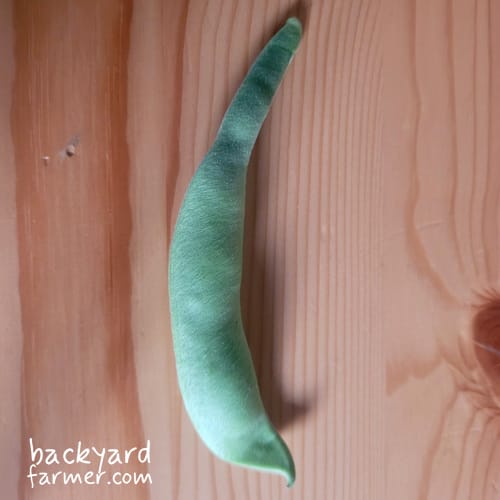
Runner beans are best while the pods are young and tender. As the beans inside develop, the outer pod becomes thicker, more fibrous and less pleasant to eat.
Signs a Runner Bean Has Become Overgrown
Look for:
- Large seed bulges
- A thick or leathery pod
- Strong strings or fibres
- Difficulty slicing or snapping it
- A tough texture after cooking
One missed pod will not stop the whole plant from cropping. However, leaving several beans to mature can reduce further flowering as the plant puts more energy into seed.
Remove overgrown pods unless you are deliberately leaving them to dry or saving them for seed.
Why Are My Runner Beans Tough or Stringy?
The most common reason is that they have been left on the plant too long. As the beans inside swell, the outer pod becomes thicker and more fibrous.
Variety also matters. Traditional runner beans may develop strings earlier, while modern stringless cultivars remain easier to prepare for longer. Even stringless beans eventually become coarse if allowed to mature fully.
Drought, irregular watering and extreme temperatures can affect pod development, although dry weather does not automatically make every young bean stringy.
Are Curved or Misshapen Runner Beans Edible?
A curved, short or uneven runner bean is usually edible if it remains firm, tender and healthy.
Incomplete pollination, inconsistent watering, hot weather, physical obstruction or minor pest damage can alter the shape. Trim or discard pods showing rot, mould, sliminess, extensive damage, severe discolouration or a leathery texture.
What Can You Do With Overgrown Runner Beans?
What you can do with an overgrown runner bean depends on how far it has matured.
Slightly Overgrown Pods
If the outer pod is still flexible, remove the strings, slice it finely and cook it thoroughly. It can still work in soups, stews or mixed vegetable dishes.
Once the pod becomes thick, leathery or heavily fibrous, it is unlikely to be enjoyable whole.
Developed Beans Inside Leathery Pods
When the pod is too tough to eat, the developed beans inside may still be usable. Discard the pod, shell the beans and cook them thoroughly before eating.
Fully Dried Beans and Seed Saving
Selected pods can be left until dry and brittle. Shell the beans, dry them further if needed and store them somewhere cool, dry and clearly labelled.
Dried runner beans require proper soaking and thorough cooking, and some cultivars are better suited to eating this way than others.
For seed saving, choose pods from healthy, productive plants. F1 hybrids may not produce identical plants, and runner beans can cross-pollinate with other varieties nearby.
Should Overgrown Pods Be Removed?
Yes, unless they are being kept for dried beans or seed. Removing mature pods helps the plant continue directing energy into flowers and young beans.
When Do Runner Beans Finish Cropping?
Runner beans usually finish cropping between September and October. Regularly picked plants can continue until colder nights slow growth or frost damages the vines, with sheltered crops in mild parts of the UK sometimes lasting well into October.
Can Runner Beans Continue Into October?
Yes, particularly in mild or sheltered locations. Production will be slower, but usable pods can still develop while conditions remain warm enough.
Late flowers and very small pods may not mature before frost, so a smaller tender bean is usually worth harvesting.
What to Do After the Final Harvest
Once the plants stop producing:
- Pick the remaining tender beans.
- Shell suitable mature beans.
- Keep selected healthy pods for seed or drying.
- Bring drying pods under cover if wet weather or frost threatens.
- Compost healthy growth and remove badly diseased material.
For more detail, see our guide to saving runner bean seeds. (Coming soon)
Should Runner Bean Roots Be Left in the Soil?
Healthy plants can be cut off at soil level, leaving the roots to decompose naturally.
This returns some organic matter and nitrogen-containing material to the soil, but the benefit is modest and gradual. It does not replace compost or feeding the following crop.
How to Store Runner Beans After Picking
Runner beans are best used while the pods remain firm and fresh. Try to cook or preserve them within a few days.
Preparing Fresh Runner Beans
- Rinse them shortly before cooking.
- Trim the stalk and pointed end.
- Remove any fibrous strings.
- Slice them as preferred.
- Cook them thoroughly.
Young stringless varieties may need little more than trimming and slicing.
Storing Runner Beans in the Fridge
Keep runner beans dry, unwashed and untrimmed until needed. Store them in the salad drawer in a loose bag or container that prevents them drying out without trapping moisture.
Use them within a few days. Discard pods that become slimy, mouldy or badly discoloured.
Freezing a Runner Bean Glut
Trim and slice the beans, blanch them briefly, cool them quickly in cold water and drain them well before freezing in practical portions.
Some allotment growers freeze runner beans without blanching, but blanching is the more reliable method for preserving colour and texture. See our full guide to freezing runner beans (coming soon) for detailed timings.
Frequently Asked Questions
Runner beans are ready when the pods feel firm but tender and the beans inside are still small. Pick them before large bulges become visible.
Most varieties are picked at around 20–25cm long. Shorter types may be ready earlier, while long-podded varieties can remain tender at a greater length.
Check every two or three days once cropping begins. During peak production, daily or alternate-day checks can prevent hidden pods becoming overgrown.
Runner beans commonly take around 12–16 weeks from sowing to the first harvest, depending on the variety, sowing method and weather.
The outer pod may be too fibrous once the beans inside are heavily swollen. However, the developed beans can sometimes be shelled and cooked thoroughly.
Yes. Plants in mild, sheltered locations can continue producing into October, although growth slows as nights become cooler. Pick the remaining tender pods before frost.
Conclusion
Most UK runner beans are harvested from July to September, with some plants continuing into October. Use 20–25cm as a rough guide, but pick while the pods are tender and before the beans inside form large bulges.
Check plants every two or three days and remove overgrown pods to keep the crop producing. For more help, see our guides to growing runner beans in the UK, the UK vegetable harvest calendar and freezing runner beans (coming soon).