What to Harvest in July UK: Vegetables, Fruit & Herbs Ready to Pick

This post may contain affiliate links, which means I earn a small commission at no extra cost to you, that helps fund quality content.

Table of Contents (Quick Nav)

July is where the UK harvest calendar changes gear. Earlier in the year, you are often waiting for the first proper pickings. By July, the job is usually keeping up before crops get too big, too tough, too ripe, or pinched by something else.

courgette easy to grow

For many UK gardeners and allotment growers, this is the first month that feels properly abundant. Courgettes swell quickly, beans need regular picking, early potatoes can be lifted, soft fruit comes in fast, and herbs finally start earning their space.

Still, July is not a guarantee that everything will be ready. A warm, sheltered garden in the south may be ahead, while a cooler northern plot or exposed allotment may still be waiting on outdoor tomatoes, cucumbers, sweetcorn, squash, and other heat-loving crops.

So, this guide is not just a list of what to harvest in July UK. It is also about what to check, what to leave a little longer, what to pick before it goes over, and how to use the gaps left behind by early crops.


July Is When the Harvest Calendar Speeds Up

By July, most UK gardens and allotments are no longer waiting for the season to start. Early crops are coming out, summer vegetables are getting going, and soft fruit is often at its peak.

This is the month where harvesting becomes part of the routine. A few days can be the difference between:

  • A tender courgette and a marrow
  • A crisp bean and a stringy one
  • A fresh salad crop and one that has bolted
  • A handful of berries and a bush stripped by birds

July also hands you jobs as well as food. Productive crops need water, soft fruit may need netting, herbs may need cutting back, and cleared ground should not sit empty for long.

Once early potatoes, peas, broad beans, garlic, or salad crops finish, that space can often be used again for late summer and autumn harvests.


Quick July Harvest Snapshot

July harvests vary by sowing date, variety, weather, region, and whether crops are grown outdoors or under cover. Use this as a guide, not a strict rule.

Crop GroupWhat May Be Ready in July
VegetablesCourgettes, cucumbers, early potatoes, peas, broad beans, French beans, runner beans, beetroot, carrots, lettuce, radishes, spring onions, garlic, onions, shallots
FruitStrawberries, raspberries, blackcurrants, redcurrants, whitecurrants, gooseberries, cherries, early blueberries
HerbsBasil, mint, parsley, coriander, chives, thyme, rosemary, sage, oregano, lemon balm
Usually Still DevelopingOutdoor tomatoes, sweetcorn, pumpkins, winter squash, maincrop potatoes, leeks, parsnips, Brussels sprouts, winter brassicas

The main July habit is simple: pick little and often, check fast-growing crops regularly, and use cleared space quickly.


Vegetables to Harvest in July UK

July is a strong month for vegetables to harvest in the UK, especially if you have been sowing in stages since spring. Early potatoes come out, beans begin cropping, courgettes swell fast, salads race ahead, and alliums start showing signs of finishing.

The trick is not to wait for everything to look huge. Many July crops are better picked young, tender, and often.

Courgettes

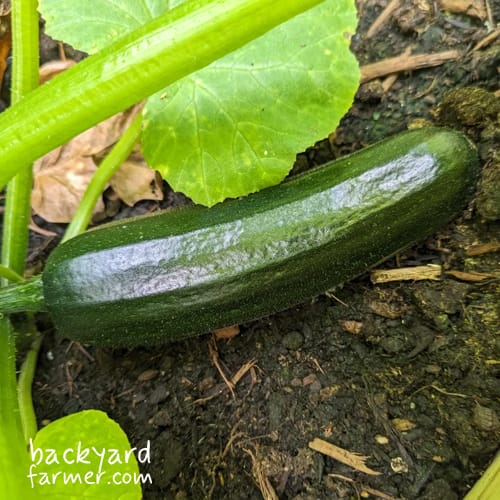
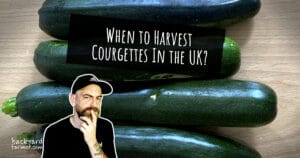
Courgettes are a classic July harvest. Once they get going, they can go from “nearly ready” to “how did I miss that?” in no time.

courgettes in the sun

Pick: young and tender, before they turn into marrows.

Watch for: fruit hiding under large leaves.

July tip: check every couple of days in warm weather. Regular picking keeps the plant producing.

If you end up with a glut, use courgettes in fritters, pasta sauces, soups, curries, chutneys, cakes, traybakes, or cooked freezer portions.

Find our full guide for Harvesting Courgettes here.

Cucumbers

Cucumbers may be ready in July, especially in a greenhouse, polytunnel, or sheltered spot. Outdoor cucumbers can be slower, particularly in cooler gardens or exposed allotments.

Pick: before they become large, seedy, watery, or bitter.

Watch for: dry compost, especially under cover.

July tip: greenhouse cucumbers may crop well now, while outdoor plants may only just be getting started.

Keep watering steady. Cucumbers hate the stop-start routine of drying out and then being soaked.

Early Potatoes and Second Early Potatoes

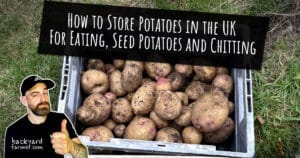
July is a great month for lifting first early and second early potatoes. First earlies may still be coming out early in the month, while second earlies often crop through July and into August.

charlotte potatoes

Pick: by checking one plant first.

Watch for: lifting the whole row too soon.

July tip: early potatoes are best eaten fresh rather than stored for months.

If the tubers are still small, leave the rest a little longer. Once the row is finished, the cleared ground can be used for follow-on sowing.

Find our full guide for Harvesting Potatoes here.

Peas

Peas can still crop well in July, especially from later sowings. Early rows may be finishing while later plants are still producing.

Pick: shelling peas when pods are full but still tender.

Watch for: mangetout and sugar snap peas becoming tough.

July tip: clear plants once they finish so the space can be reused.

Healthy pea plants can go on the compost heap, or you can cut them at the base and leave the roots in the soil.

Broad Beans

Broad beans may still be cropping in July, especially from later sowings or in cooler areas.

broad beans grown on the Wirral

Pick: when pods are well filled, but before the beans become large and tough.

Watch for: blackfly on soft tips.

July tip: younger beans are sweeter and more tender. Older beans may need double-podding.

Once broad beans finish, the space is useful for beetroot, salad leaves, kale, chard, or spring cabbage.

French Beans

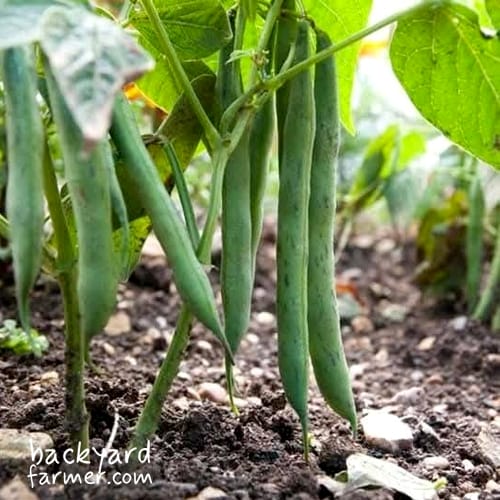
French beans often start cropping properly in July, especially climbing varieties and earlier dwarf sowings.

Pick: slim, tender pods before the beans inside swell.

Watch for: plants drying out in hot weather.

July tip: harvest every few days. Leaving pods too long can slow the plant down.

Beans need moisture to set and fill pods well, so in a dry July they become a watering job as well as a picking job.

Runner Beans

Runner beans may begin cropping in July, depending on sowing date, variety, weather, and region.

Pick: young pods before they become large, stringy, or coarse.

Watch for: flowers dropping without forming beans.

July tip: the best runner beans are often picked before they look impressive.

Dry soil can affect pod set, so water well during warm spells, especially on light soil or exposed plots.

Beetroot

Beetroot is a useful July harvest from spring sowings.

Pick: roots around golf ball to tennis ball size.

Watch for: oversized roots becoming coarse.

July tip: smaller beetroot are usually sweeter and more tender.

The leaves are edible too. Just avoid stripping the plant heavily if you still want the root to size up.

Carrots

Early carrots and succession-sown carrots may be ready in July.

carrots on the allotment

Pick: when roots are large enough to use.

Watch for: carrot fly when thinning or lifting.

July tip: avoid bruising the foliage more than necessary, as the smell can attract carrot fly.

If you are sowing more carrots for later harvests, water the drill before sowing and keep the seedbed damp until germination.

Find our full guide for Harvesting Carrots here.

Lettuce and Salad Leaves

Lettuce and salad leaves can still be harvested in July, but warm weather makes them trickier.

Pick: outer leaves little and often, ideally in the morning.

Watch for: bolting, bitterness, and tough leaves.

July tip: sow small batches in partial shade rather than one large row.

Lettuce, rocket, spinach, coriander, and some cut-and-come-again mixes can bolt quickly in heat or dry soil.

Radishes

Radishes are quick, but July heat can make them less forgiving.

Pick: small, crisp roots.

Watch for: woody, split, or overly hot roots.

July tip: use shade and steady moisture for summer sowings.

They are still worth growing, but they do not hang around as kindly as they do in spring.

Spring Onions

Spring onions sown earlier in the year are often ready in July.

Pick: as needed, either young for salads or larger for cooking.

Watch for: rows being forgotten once bigger crops take over.

July tip: spring onions are handy gap crops because you can harvest them gradually.

Later sowings can also help extend the season.

Garlic

Garlic can often be ready in July, although timing depends on variety, planting date, and weather.

Harvest garlic

Pick: when the lower leaves yellow and start drying back.

Watch for: waiting until the whole plant collapses and the bulbs split.

July tip: lift one bulb first if you are unsure.

Harvest on a dry day if possible, then cure bulbs somewhere warm, dry, and airy. Use damaged, split, or soft bulbs first.

Garlic, onions, and shallots should be read by the plant, not just the calendar.

Find our full guide for Harvesting Garlic here.

Onions and Shallots

Some onions and shallots may be ready in July, especially autumn-planted sets, early varieties, or crops grown in warm, free-draining soil.

harvested onions drying

Pick: when foliage yellows, necks soften, and tops bend over naturally.

Watch for: bolted onions, thick necks, and damaged bulbs.

July tip: cure bulbs in a warm, airy place before storing.

Do not treat onions as a fixed July harvest. Some will be ready, some will still be growing, and the plant will usually tell you which is which.

Find our full guide for Harvesting Onions here.


Fruit to Harvest in July UK

July is one of the best soft fruit months in the UK. Strawberries may still be cropping, raspberries often hit their stride, currants ripen, gooseberries can still be useful, and early blueberries or cherries may be ready.

However, fruit needs checking often now. Birds, wasps, mould, dry weather, and overripe berries can all spoil a crop quickly if you leave it too long.

July Fruit Harvest Guide

FruitWhen to PickJuly Tip
StrawberriesFully coloured and ripePick regularly and remove mouldy fruit quickly. Keep only the strongest runners if you want new plants.
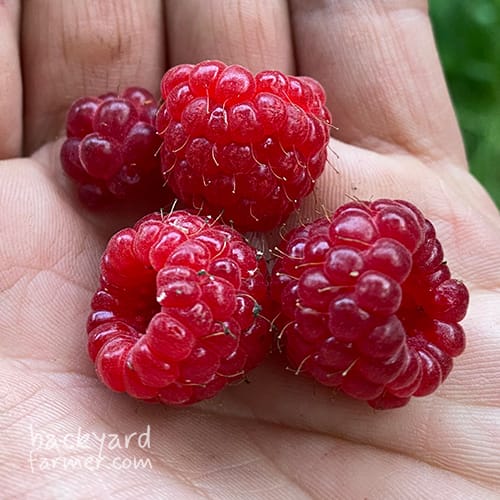
RaspberriesWhen berries come away easilyPick often. Freeze surplus on a tray before bagging so it does not turn into one frozen lump.
BlackcurrantsDark, plump, and fully ripePick whole strings if they ripen evenly, or individual berries if the bush ripens in stages.
Redcurrants and whitecurrantsGlossy, translucent, richly coloured berriesCut whole strigs, then strip them in the kitchen with a fork. Net from birds if needed.
GooseberriesFirm for cooking, softer when fully ripeUse sharp berries for crumbles and jam; eat sweeter dessert types fresh. Long sleeves help.
CherriesFully coloured, sweet, and ripePick with stalks attached where possible. Birds are usually the main competition.
BlueberriesFully blue berries onlyPick the same bush over several visits. Water container plants regularly, preferably with rainwater.

With most July fruit, the simple rule is: pick regularly, remove damaged fruit, and protect crops before wildlife gets there first.

If you have a glut, freeze berries, make jam, cook fruit down for sauces, or share it while it is still fresh. Soft fruit goes from perfect to past-it quickly in warm or wet weather.


Herbs to Harvest in July UK

July is a good month for harvesting herbs. Warm weather and regular cutting can keep plants leafy, but some herbs will start flowering, bolting, or getting leggy if you leave them too long.

The trick is simple: pick herbs before they get tired. Use them fresh, dry small bunches for later, or cut back plants that are starting to run away from you.

HerbHow to Harvest in JulyWatch For
BasilPinch out soft growing tips to encourage bushy growthFlower buds; remove them if you want more leaves
MintCut young leafy shoots regularlyLeggy growth and dry pots
ParsleyPick outer stems first and leave the centre growingDry stress and flowering
CorianderHarvest young leaves little and oftenBolting in warm, dry weather
ChivesCut leaves close to the base with scissorsTired growth after flowering; trim to refresh
Thyme, rosemary and sagePick lightly and avoid cutting hard into old woodOver-cutting woody stems, especially rosemary
OreganoCut leafy growth before or just as it flowersLosing flavour if left too long before drying
Lemon balmPick young leaves or cut back untidy stemsSpreading and becoming a messy clump

Basil and coriander are the ones to watch most closely in July. Once they start flowering, leaf production usually slows, so pinch out flower buds if you want to keep them useful in the kitchen.

If coriander bolts, it is not a complete waste. The flowers are good for pollinators, and you can let some plants run to seed for coriander seed later on.


Crops Not Quite Ready to Harvest in July

July is productive, but not every summer crop is ready yet. Some plants are still sizing up, ripening slowly, or waiting for warmer nights.

So, if your plot is full of green tomatoes, small squash, or sweetcorn that looks nowhere near ready, do not panic. A lot of late-season crops are still doing their work in July.

CropJuly StatusWhat to Do Now
Outdoor tomatoesOften still greenKeep watering and feeding steadily. Watch for blight in warm, damp weather.
SweetcornUsually still developingKeep watered and let cobs fill properly. Picking too early is a waste.
Pumpkins and winter squashGrowing and setting fruitWater in dry spells, feed if needed, and keep fruit off wet soil.
Maincrop potatoesUsually still sizing upWatch for blight. Leave healthy plants growing for a bigger crop.
Maincrop onionsSome ready, some still swellingUse plant signs: yellowing leaves, soft necks, and tops bending over.
Apples and pearsMostly not ready yetWater young trees in dry spells and remove damaged fruit if needed.
Leeks, parsnips and winter brassicasFuture autumn/winter cropsKeep watered, weeded, firmed in, and protected from pests.

Outdoor Tomatoes

Outdoor tomatoes are one of the biggest July expectation traps. Greenhouse tomatoes may start ripening this month, especially cherry varieties, but outdoor tomatoes are often still green.

That is normal in many UK gardens. Tomatoes need warmth, light, and settled weather to ripen well. Cool nights, dull weeks, wet spells, and late planting can all hold them back.

As long as the plants look healthy and the fruit is swelling, keep going. Water steadily, feed regularly, improve airflow where needed, and watch for blight in warm, damp weather.

A green outdoor tomato in July is not a failure. Often, it is just waiting for the weather to catch up.


July Harvest Tips for UK Growers

July harvests are not just about knowing what is ready. They are about keeping crops productive, catching things before they go over, and reacting quickly when the weather changes.

A short walk around the garden every day or two can save a lot of waste.

Pick Little and Often

The main July harvest habit is little and often. This matters most for:

  • Courgettes
  • Cucumbers
  • French beans
  • Runner beans
  • Peas
  • Salad leaves
  • Raspberries
  • Currants
  • Herbs

A weekly harvest can work earlier in the year, but July moves faster. Pick beans before they toughen, courgettes before they turn into marrows, and berries before the birds get there first.

Harvest in the Morning Where You Can

Morning is often best for salads, herbs, cucumbers, beans, and soft fruit. Leaves are crisper, fruit is cooler, and herbs usually hold better once picked.

That said, do not make it another job to stress over. If evening is when you have time, harvest then. Fresh from the garden is still better than leaving crops to go past their best.

Keep Watering Productive Crops

A dry July can turn the allotment into a watering-and-picking routine. That is normal.

Pay extra attention to:

  • Beans, which may struggle to set pods if they dry out
  • Courgettes and cucumbers, which need steady moisture
  • Lettuce and salad leaves, which bolt faster when stressed
  • Carrots and beetroot, which can turn tough in dry soil
  • Blueberries and container fruit, which dry out quickly
  • Greenhouse crops, which can run short of water fast

Deep watering is usually better than a quick sprinkle. Aim for the roots rather than the leaves.

Watch for Bolting

Bolting is one of the classic July problems. Lettuce, coriander, rocket, spinach, radishes, and some salad mixes can suddenly send up flower stems when stressed by heat, dryness, or long days.

Once that happens, quality drops quickly. Lettuce can turn bitter, radishes can become woody, and coriander stops giving you the soft leaves you wanted.

Harvest before crops go over, sow small batches, and use partial shade where possible.

Use Cleared Ground Quickly

July is also a gap-filling month. Once early potatoes, peas, broad beans, garlic, shallots, or bolted salads come out, that bare soil can quickly become useful again.

Good follow-on options include:

  • Late carrots
  • Beetroot
  • Salad leaves
  • Spring onions
  • Chard
  • Kale
  • Turnips
  • Spring cabbage
  • Winter cabbage
  • Other winter brassicas

A row of early potatoes can become the start of your autumn harvest if you move quickly.

Preserve the Glut Before It Becomes Waste

July is often when gluts begin. One week you are pleased to see the first courgette. The next, you are wondering how many ways there are to cook them.

Useful July preservation ideas include:

  • Freezing raspberries, currants, peas, beans, and cooked courgette dishes
  • Drying herbs in small bunches
  • Making jam, cordial, chutney, pickles, or sauces
  • Batch-cooking courgettes into soups, pasta sauces, fritters, curries, or traybakes
  • Giving surplus away while it is still fresh

The trick is to deal with surplus early. A courgette glut is useful. A box of oversized courgettes going soft in the shed is less inspiring.

Protect Soft Fruit Before It Disappears

Soft fruit is one of the best things about July, but you are not the only one watching it ripen. Birds can strip currants, blueberries, cherries, strawberries, and raspberries quickly.

Netting, fruit cages, or temporary protection can make a big difference. Just secure netting properly so birds and wildlife do not get trapped.

Remove mouldy, split, or damaged fruit as you see it. In wet weather, spoiled berries can spread problems fast.

Keep an Eye on Pests and Disease

July is not the time to panic over every mark on a leaf, but it is worth staying alert while you harvest.

Watch for:

  • Blackfly on broad beans and beans
  • Aphids on soft new growth
  • Slugs after wet weather
  • Powdery mildew on courgettes and squash
  • Potato and tomato blight in warm, damp weather
  • Caterpillars on brassicas
  • Carrot fly when thinning or lifting carrots
  • Birds and wasps around soft fruit

You do not need a full inspection every day. A quick look while you pick is usually enough to catch problems early.


What to Sow in July for Later Harvests UK

July is where harvesting and sowing overlap. As early crops come out, bare ground can still earn its keep if you move quickly.

After early potatoes, peas, broad beans, garlic, shallots, or bolted salads, you may have space for crops that carry you into late summer, autumn, winter, or even early spring.

CropJuly Sowing Notes
CarrotsWater the drill before sowing and keep the seedbed damp. Protect from carrot fly where needed.
BeetrootGood after peas, broad beans, early potatoes, or salads. Harvest young if the season shortens.
Lettuce and salad leavesSow small batches in partial shade. Use summer-suitable varieties where possible.
RadishesSow in cooler conditions if you can. Pull young before they turn woody.
Spring onionsUseful for small gaps and later picking. Check the variety for autumn or overwintering use.
Dwarf French beansWorth trying in early July in warmer, sheltered gardens. More of a gamble in cool or exposed plots.
KaleGood for autumn and winter harvests. Protect young plants from caterpillars and pigeons.
ChardA useful late-season leafy crop and less fussy than summer lettuce.
TurnipsQuick crop for late summer or autumn. Harvest before roots become tough.
Winter cabbage and spring cabbageGood for planning ahead, but they need time, firm soil, water, and pest protection.

Do not treat July sowing as a guarantee. Results depend on your location, weather, soil, and variety. A sheltered southern garden has more options than a cool, exposed northern plot.

Even so, July is far from the end of the growing year. If you clear a bed and replant it well, that space can still give you another useful crop before the season slows down.


Weather and Regional Notes for July Harvests

July can be generous, but it is rarely the same everywhere. A sheltered garden in the south can be weeks ahead of a windy northern allotment. Meanwhile, a crop grown under glass can behave very differently from the same crop outdoors.

Use crop lists as a guide, but read the plants in front of you. Your own weather, soil, and setup matter more than any fixed calendar date.

Hot and Dry July

In a hot, dry July, watering quickly becomes one of the main jobs.

Watch for:

  • Beans struggling to set pods
  • Lettuce, coriander, rocket, and spinach bolting
  • Radishes turning woody
  • Carrots and beetroot toughening in dry soil
  • Courgettes and cucumbers needing steady moisture
  • Pots and greenhouse crops drying out quickly

Harvest regularly, water deeply, and mulch where useful. A quick sprinkle on the surface rarely does much when the soil is properly dry.

Wet or Mild July

A wet or mild July brings a different set of problems.

Watch for:

  • Slugs becoming more active
  • Soft fruit spoiling faster
  • Courgettes swelling quickly
  • Potato and tomato blight in warm, damp weather
  • Garlic, onions, and shallots being harder to cure
  • Mildew appearing on courgettes and squash

If alliums are ready but the weather is unsettled, lift during the driest spell you can. Then dry them somewhere airy and sheltered rather than leaving them sitting in wet soil.

Cooler Northern or Exposed Gardens

Cooler northern gardens, coastal sites, and exposed allotments may run behind in July. That does not mean anything has gone wrong.

Crops that may be slower include:

  • Outdoor tomatoes
  • Outdoor cucumbers
  • Beans
  • Sweetcorn
  • Squash
  • Peppers

Green tomatoes in July are very normal. On cooler plots, reliable July harvests are often early potatoes, broad beans, peas, salads, herbs, currants, gooseberries, and raspberries.

Warmer Southern or Sheltered Gardens

Warmer southern gardens, urban gardens, walled gardens, and sheltered plots may be well ahead by July.

Here, the challenge is often keeping up rather than waiting. Crops can go over quickly, salad leaves can bolt, pots can dry out, and gluts can appear almost overnight.

These gardens may also have more options for late sowings, such as dwarf French beans in early July. Still, variety and timing matter. July gives you options, not guarantees.

Greenhouse vs Outdoor Crops

Greenhouse crops often pull ahead in July. Cucumbers and tomatoes under cover may already be cropping, while outdoor plants are still growing, flowering, or sitting green.

Do not use greenhouse timings as a rule for the whole garden. It helps to think of crops as either under cover or outdoors when judging what is early, late, or completely normal for your setup.


How to Plan Your July Harvest

July gives you useful feedback. By now, you can see which crops are earning their space, which ones are struggling, and where gaps are starting to open up.

That matters because July is not just about eating what is ready. The choices you make now can shape what you harvest in August, September, autumn, and winter.

Keep a Simple Harvest Note

You do not need a complicated system. A quick note on your phone, in a notebook, or on your allotment planner is enough.

Jot down:

  • Which crops are producing well
  • Which crops are finishing
  • What you have too much of
  • What you wish you had grown more of
  • Which beds are becoming empty
  • What struggled in the weather
  • What you would change next year

If three courgette plants are too many, or your lettuce all bolted at once, that is not failure. It is planning information.

Spot the Crops That Are Finishing

Some crops peak in July, while others are ready to clear. Peas, broad beans, first early potatoes, garlic, shallots, and early salads can all start freeing up space.

Walk the plot and look for crops that are no longer pulling their weight. If peas have finished, clear them. If lettuce has bolted, compost it and move on. If early potatoes are ready, lift what you need and think about what follows.

Replant Cleared Space Quickly

Bare soil in July is an opportunity. After early potatoes, peas, broad beans, garlic, or finished salads, you might use the space for:

  • Beetroot
  • Carrots
  • Salad leaves
  • Spring onions
  • Chard
  • Kale
  • Turnips
  • Spring cabbage
  • Winter brassicas
  • A late sowing of dwarf French beans in warmer areas

You do not need to fill every gap instantly. However, it helps to have a rough plan before the bed sits empty for weeks.

Think Ahead to August and September

July can feel like peak summer, but the next harvest window comes around quickly.

Ask yourself what you want more of later:

  • More salad?
  • More roots?
  • More leafy greens?
  • More winter brassicas?
  • More crops for freezing or preserving?

A few reliable follow-on crops can stop the garden dropping off suddenly once the first rush of summer crops slows down.

A Quick July Plot Check

If you only have a few minutes, check these first:

  • Courgettes hiding under leaves
  • Beans getting too big
  • Cucumbers ready under cover
  • Soft fruit ripening or being taken by birds
  • Lettuce, coriander, rocket, or radishes starting to bolt
  • Garlic, onions, and shallots showing yellowing tops
  • Early potatoes ready for a test lift
  • Bare ground after peas, beans, potatoes, or salads
  • Outdoor tomatoes swelling but still green
  • Brassicas needing netting from caterpillars and pigeons

A quick check like this is often more useful than waiting for one big weekend session. July moves fast, and the easiest harvests are usually the ones you catch at the right moment.


FAQ – What to Harvest in July UK

What vegetables can I harvest in July in the UK?

In July, UK growers may be harvesting courgettes, cucumbers, first early and second early potatoes, peas, broad beans, French beans, runner beans, beetroot, carrots, lettuce, radishes, spring onions, garlic, onions, shallots, and salad leaves. Exact timing depends on your sowing dates, local weather, and whether crops are outdoors or under cover.

Can I harvest potatoes in July?

Yes, July is a good month for harvesting first early and second early potatoes. If you are not sure they are ready, test-lift one plant or gently check around the roots before clearing a whole row. Maincrop potatoes usually need longer and are more often lifted later in summer or autumn.

Are tomatoes ready in July in the UK?

Greenhouse tomatoes may start ripening in July, especially cherry varieties. However, outdoor tomatoes are often still green. Cool nights, dull weather, wet spells, and late planting can all delay ripening, so green outdoor tomatoes in July are normal in many UK gardens.

What fruit is ready to pick in July?

Strawberries, raspberries, blackcurrants, redcurrants, whitecurrants, gooseberries, cherries, and early blueberries may all be ready in July. Soft fruit is best picked regularly, especially in warm or wet weather, and many crops may need netting before the birds get to them.

What herbs can I harvest in July?

Basil, mint, parsley, coriander, chives, thyme, rosemary, sage, oregano, and lemon balm can all be harvested in July. Pick leafy herbs little and often, and pinch out flowers on basil and coriander if you want them to keep producing useful leaves.

What can I sow in July after harvesting early crops?

After harvesting early crops, you can often sow carrots, beetroot, salad leaves, radishes, spring onions, chard, kale, turnips, and some late beans, depending on your location and weather. Cleared ground after early potatoes, peas, broad beans, garlic, or bolted salads is especially useful.

Why are my outdoor tomatoes still green in July?

Outdoor tomatoes need warmth, light, and settled weather to ripen well. If July has been cool, dull, or wet, the fruits may swell but stay green for longer. As long as the plants look healthy, keep feeding, water steadily, and watch for blight rather than assuming the crop has failed.

What should I do with a courgette glut?

Pick courgettes while they are still small and use them often. Surplus courgettes can go into pasta sauces, soups, fritters, curries, chutneys, cakes, traybakes, or cooked freezer portions. It is much easier to deal with a glut early than a pile of oversized courgettes later.

Is July too late to sow vegetables in the UK?

No, July is not too late to sow vegetables in the UK, but you need to choose crops carefully. Fast crops such as salad leaves, radishes, beetroot, and turnips can still be useful. Kale, chard, spring cabbage, and winter brassicas can also help set up later harvests.

What allotment crops are usually ready in July?

Common July allotment crops include early potatoes, courgettes, peas, broad beans, French beans, runner beans, beetroot, carrots, garlic, shallots, onions, lettuce, soft fruit, and herbs. However, July is also a month for watering, picking regularly, clearing finished crops, and replanting gaps.


Final Thoughts: July Is a Keep-Up Month

July is one of the most rewarding months in the UK harvest calendar, but it is also easy to fall behind. Crops move quickly now. Courgettes swell, beans toughen, salads bolt, berries ripen, and early crops start leaving gaps behind.

The best approach is simple: pick little and often, keep productive crops watered, protect soft fruit before the birds get there, and use cleared ground while there is still time.

Not everything will be ready, and that is fine. Outdoor tomatoes may still be green, sweetcorn may still be filling, and squash may only just be getting going. That is normal July growing in the UK, not a sign you have done something wrong.

A good July harvest is not just about how much you pick. It is about catching crops at the right moment, wasting less, and setting up the next round before the season slips away.

Facebook
X
Pinterest
Reddit

Related Articles

Scroll to Top