Introduction — What to Harvest in June UK
If you are wondering what to harvest in June in the UK, this is the month when the garden starts to feel properly useful again. You may be picking lettuce, rocket, radishes, spring onions, spinach, chard, broad beans, peas, mangetout, first early potatoes, strawberries, gooseberries, rhubarb and fresh herbs. If you grow under cover, you might also see the first cucumbers, basil and early cherry tomatoes.
However, June is not quite the full summer glut. It is more of a checking-and-picking month. Some crops are ready to harvest properly, some only need a quick check, and others are better left to build for July and August.
That is why I would not treat June like a fixed calendar list. A warm, sheltered garden can be well ahead of an exposed allotment, and a cold spring can push everything back a week or two. So, rather than rushing the whole bed, walk the plot, look closely, and harvest what is genuinely ready.
You might cut salad leaves before they bolt, check whether broad bean pods have filled, pick the first strawberries before the slugs find them, or gently lift one potato plant to see if the new potatoes are worth taking yet. Those little checks are often where the best June harvests come from.
For the wider picture, use the UK Harvest Calendar to see what is ready through the rest of the year. And if June harvests start opening up gaps in your beds, the Allotment Planner or What to Plant Today tool can help you work out what to sow or plant next.
What to Harvest in June in the UK: Quick List
June harvests vary across the UK, but these are the crops most gardeners and allotment growers are likely to be checking this month. Treat this as a practical guide, not a promise that everything will be ready at once.
| Crop group | What you may be able to harvest in June | Quick harvest note |
|---|---|---|
| Salad crops | Lettuce, rocket, spinach, chard, radishes, spring onions | Pick young and often before leaves bolt or roots turn woody |
| Early summer veg | Broad beans, peas, mangetout, first early potatoes | Check pods regularly and test lift potatoes before digging more |
| Baby roots | Baby carrots, beetroot, turnips | Usually only ready if sown early or grown well |
| Soft fruit | Strawberries, gooseberries, early raspberries | Pick ripe fruit promptly and protect from birds, slugs and mould |
| Perennial crops | Rhubarb, mint, chives, parsley, thyme, oregano | Ease off rhubarb later in June, but keep cutting herbs |
| Greenhouse crops | Cucumbers, basil, early cherry tomatoes | More likely under cover than outdoors |
The most reliable June harvests are usually salad leaves, radishes, spring onions, strawberries, herbs, peas and broad beans. First early potatoes are also worth checking, but I would still treat them as a test-lift crop rather than assuming the whole row is ready.
Crops like courgettes, cucumbers and tomatoes need more caution. They may start cropping in late June if they were started early or grown under cover, but they are not usually the main outdoor harvest yet for many UK growers.
So, use this quick list as a starting point, then let the plants make the final call. Look for swollen pods, fully coloured fruit, crisp roots, healthy leaves and decent-sized tubers before you harvest more than a small amount.
For a broader month-by-month view, use the UK Harvest Calendar alongside this guide so you can see how June fits into the rest of the growing year.
Why June Harvests Vary So Much in the UK
June harvests can vary a lot from one UK garden to another. One grower might be picking strawberries and lifting first early potatoes, while another is still waiting for broad bean pods to fill. Most of the time, that does not mean anything has gone wrong.
It usually comes down to a few simple things:
| Factor | Why it matters in June |
|---|---|
| Location | Southern, sheltered and warmer gardens often crop earlier than exposed, northern, upland or coastal plots. |
| Spring weather | A cold, wet spring can delay potatoes, peas, beans and soft fruit by a week or two. |
| Shelter | Raised beds, walls, greenhouses, polytunnels and cold frames can bring crops forward. |
| Variety | First early potatoes, early strawberries and autumn-sown broad beans behave differently from later varieties. |
| Sowing date | Crops sown early or started under cover are usually ahead of direct-sown outdoor crops. |
| Soil type | Heavy, cold soil warms up more slowly than lighter, free-draining soil. |
So, use harvest signs as well as dates. June is a month for checking carefully before you commit to picking a lot.
For example:
- First early potatoes may be ready, but test lift one plant before digging the whole row.
- Broad beans are best once the pods have swollen, but before the beans turn large and tough.
- Strawberries should be fully coloured before picking.
- Salad leaves are better picked young, before heat and dry soil push them into flower.
- Greenhouse cucumbers and tomatoes may crop earlier than outdoor plants.
Throughout this guide, I’ll keep that distinction clear: ready now, worth checking, or probably not ready outdoors yet. That is a more realistic way to plan a UK June harvest, especially on an allotment where two plots on the same site can behave very differently.
If you are also planning what to sow after these early harvests, the Summer Planting Guide can help you keep the space productive rather than leaving gaps empty through one of the best growing months of the year.
Vegetables to Harvest in June UK
The main vegetables to harvest in June in the UK are fast salad crops, early peas and beans, and first early potatoes if they were planted early enough. It is still not peak summer harvest time for everything, so the trick is to pick crops at the right stage rather than waiting for them all to get big.
In a good June, you might cut salad leaves one day, pull radishes the next, then check peas, broad beans and early potatoes as the month moves on. It is a steady, useful kind of harvest rather than the heavy glut you get later in summer.
| Vegetable | June harvest status | Best approach |
|---|---|---|
| Lettuce and salad leaves | Usually ready | Pick outer leaves regularly before plants bolt |
| Radishes | Usually ready if sown in spring | Pull young before roots turn woody |
| Spring onions | Often ready | Pick at pencil thickness or thin clumps gradually |
| Spinach | Often ready, but may bolt | Pick young leaves and keep watered |
| Chard | Usually ready if established | Pick outer leaves little and often |
| Broad beans | Often ready from early or autumn sowings | Pick once pods swell, before beans get tough |
| Peas and mangetout | Often ready from early sowings | Check every few days once pods form |
| First early potatoes | Worth checking | Test lift one plant before digging more |
| Baby carrots and beetroot | Possible if sown early | Pull a few small roots rather than expecting full crops |
| Courgettes | Possible late June or under cover | Pick young, but expect the main crop later |
Lettuce, Rocket and Salad Leaves
Lettuce, rocket and other salad leaves are some of the most reliable June harvests. If you sowed in spring, you should usually have something to cut by now, especially from looseleaf types and cut-and-come-again mixes.
Pick the outer leaves first and leave the centre growing. This gives you repeated small harvests instead of one big cut, and it keeps the bed productive for longer.
However, June can be awkward for salad crops. Warm, dry weather pushes many plants towards bolting, and once lettuce, rocket or mustard leaves start flowering, the leaves often turn stronger, hotter or more bitter.
To keep salad crops useful for longer:
- Pick young leaves regularly.
- Water well during dry spells.
- Give leafy crops light shade in hot weather if possible.
- Sow small follow-on batches every couple of weeks.
- Remove plants that have bolted and replace them with fresh sowings.
In June, salad harvesting is partly about staying one step ahead. One week the leaves are tender and useful, the next they are trying to flower. A little regular picking keeps them much better.
Radishes
Radishes are another classic June harvest, especially if you sowed them in April or May. They grow quickly, but that also means they can pass their best quickly.
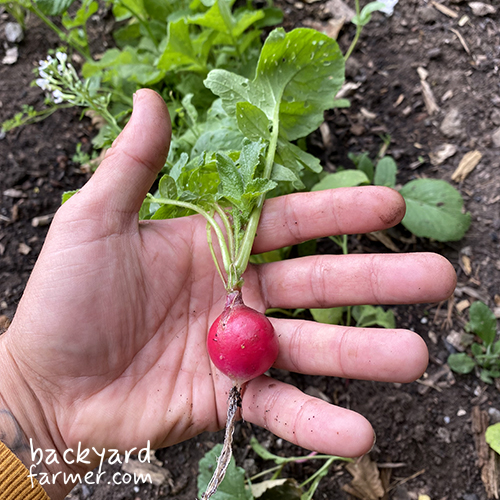
Harvest radishes while the roots are still firm, crisp and a useful size. If the tops of the roots are visible above the soil, pull a few and check them. If they are good, harvest the row gradually rather than leaving them all to sit.
Warm June weather can make radishes woody, split or overly peppery if they are left too long. Dry soil makes this worse, so keep them watered if you want tender roots.
Radishes are handy gap-fillers between slower crops, around bed edges, or in spaces that will soon be needed for summer planting. However, once they are ready, do not hang about too long.
Radishes are one of the easiest crops to miss. If they look ready, pull a few. Leaving them another week in warm June weather can turn a crisp salad crop into something woody and disappointing.
Spring Onions
Spring onions are usually ready when the stems are around pencil thickness, although you can pick them younger if you want a milder, thinner harvest. They fit June perfectly because they are useful in quick meals, salads, stir fries, omelettes and anything involving early potatoes.
If your spring onions are growing in clumps, thin them gradually rather than pulling the whole lot at once. Take the biggest first and leave the smaller ones to grow on. This gives you a longer harvest window and stops the row becoming too crowded.
They are not a dramatic crop, but they are one of the most useful things to have ready in June. A handful of spring onions can lift a salad, potato dish or quick lunch without much effort.
Spinach and Chard
Spinach and chard can both be harvested in June, but they behave differently once the weather warms up.
Spinach is more likely to bolt in warm, dry weather. Once it starts flowering, the leaves can become smaller, tougher and less useful. Pick young outer leaves regularly and keep plants watered to stretch the harvest for as long as possible.
Chard is usually more forgiving. If plants are established, pick the outer leaves and leave the centre to keep growing. Young leaves can go into salads, while larger leaves are better cooked like spinach.
A good June approach is to use spinach while it is still tender and rely on chard for a steadier leafy harvest as summer builds. If your spinach bolts, clear it and use the space for another quick crop.
Broad Beans
Broad beans are one of the proper early-summer harvests in June, especially if you sowed them in autumn or started them early in spring. They are worth checking regularly once pods begin to swell.
The first pods usually mature lower down the plant, so start there. Pick when the pods are swollen but still smooth and fresh. If you leave broad beans too long, the beans inside become larger, starchier and tougher. They are still usable, but they may need skinning and more cooking.
Smaller beans are sweeter and more tender, so do not wait for every pod to become huge. As with peas, regular picking helps keep the harvest moving.
Also, keep an eye out for blackfly on the soft growing tips. If the tips are badly affected, pinch them out and deal with the problem early. It is much easier to manage when caught quickly.
Broad beans are at their best when you catch them young. Leave them too long and they quickly move from sweet early-summer treat to a tougher crop that needs more work in the kitchen.
Peas and Mangetout
Peas, mangetout and sugar snap peas can all begin cropping in June, depending on when they were sown. Once they start, they need regular attention.
Pick garden peas when the pods are full but still bright, fresh and green. If you wait too long, the peas become starchier and lose that sweet fresh flavour. Mangetout should be picked while the pods are still flat and tender, while sugar snaps are best when the pods have filled slightly but still feel crisp.
The more regularly you pick, the better the plants tend to perform. Leaving mature pods sitting on the plant can slow down further flowering and cropping.
Peas are also one of those crops that remind you why growing your own is worth the effort. The flavour is best straight after picking, before the sugars start turning to starch. Realistically, half of them may never make it back to the kitchen.
Once peas start, check them every couple of days. The best pods do not hang around for long, and the flavour is never better than just after picking.
First Early Potatoes
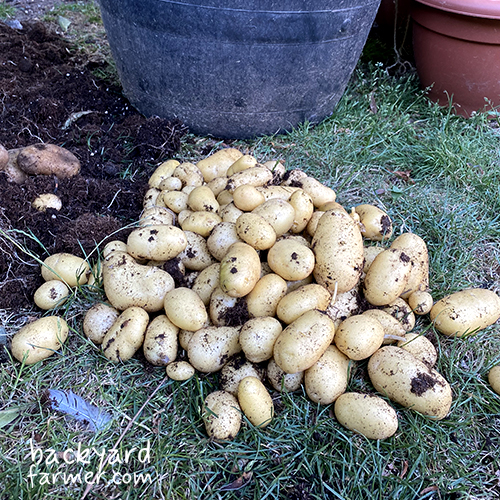
First early potatoes are one of the crops many UK gardeners are itching to harvest in June. They may well be ready, especially if planted early, grown in bags, or given a good sheltered start. However, June is often a test-lift month, not always a full potato harvest month.
Flowering is a useful sign that first earlies may be close, and many gardeners check once flowers open or buds begin to drop. However, not every variety flowers clearly, so do not rely on flowers alone.
The safest approach is to check one plant first. Carefully lift a plant, or scrape back a little soil around the base and feel for tubers. If they are a decent new-potato size, start harvesting. If they are still tiny, cover them back over and give the row another week or two.
First earlies are best eaten fresh. They do not store like maincrop potatoes, so only lift what you can use over a short period unless you need the space.
If you are itching to lift first earlies, check one plant first. If the tubers are still small, leave the rest for another week or two. Waiting a little longer often gives you a much better harvest.
Baby Carrots and Beetroot
Baby carrots and beetroot can be ready in June if they were sown early, grown under protection, or had a good start in warm soil. For most growers, though, these are more likely to be small bonus harvests than the main root crop.
This is a good time to pull a few early roots as thinnings. That gives the remaining plants more space and gives you something useful for the kitchen. Baby beetroot can be roasted whole or sliced into salads, while young carrots are at their best simply washed and eaten fresh.
Avoid expecting big maincrop carrots or beetroot too early. If the roots are still small, leave most of them to size up. June is about selective picking here, not clearing the whole row.
Early Courgettes
Courgettes can begin cropping in late June if they were started early, grown under cover, or planted in a warm sheltered spot. However, for many outdoor UK growers, July is when courgettes properly get going.
If you do get early courgettes, pick them young. Small courgettes are sweeter, more tender and more useful in the kitchen. Leaving the first fruits to get large can slow the plant down, and before long you are dealing with marrows rather than courgettes.
Do not worry if your outdoor courgettes are not producing yet. In many gardens they are still settling in through June, especially after cool nights or a slow spring. As long as the plants look healthy and are starting to flower, the main harvest is probably still ahead.
Fruit to Harvest in June UK
June is one of the first really satisfying fruit months in the UK. Strawberries are usually the headline crop, but you may also be picking rhubarb, gooseberries and early raspberries, depending on your varieties, weather and local conditions.
As with most June harvests, timing matters. Pick fruit too early and you lose flavour. Leave it too long and the birds, slugs or mould may get there first.
| Fruit crop | June harvest status | Best approach |
|---|---|---|
| Strawberries | Usually ready from June onwards | Pick fully coloured fruit regularly |
| Rhubarb | Still harvestable, but nearing the end of regular picking | Take a few stems, then let the plant recover |
| Gooseberries | Often ready for cooking | Pick some green berries and leave some to sweeten |
| Early raspberries | Possible in mild areas or with early varieties | Pick when fruits come away easily |
Strawberries
Strawberries are one of the classic fruit crops to harvest in June in the UK. Once the first berries start colouring up, check them often. Warm weather can take them from nearly ready to perfect very quickly.
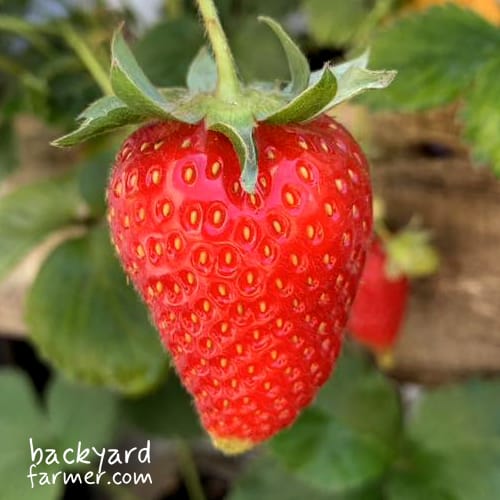
Pick strawberries when they are fully coloured and come away from the plant easily. Pale or white-shouldered berries usually need longer, and they will not develop the same flavour once picked.
In June, strawberry care is mostly about staying ahead of slugs, birds, mould and wet weather. Fruit sitting on damp soil is more likely to rot or get damaged, so straw, clean mulch or simple supports can help keep berries cleaner.
To keep strawberries productive and healthy:
- Pick ripe berries regularly.
- Remove mouldy or damaged fruit as soon as you see it.
- Net plants if birds are taking the crop.
- Keep berries off wet soil where possible.
- Water at the base rather than soaking the fruit.
- Eat or use ripe berries quickly, as they do not store for long.
If you only have a small patch, it is still worth checking daily once the berries start to ripen. Leave them a day too long in wet weather and you can lose the best fruit surprisingly quickly.
Rhubarb
Rhubarb can still be harvested in June, but this is usually the point where I start easing off. In most UK gardens, June is the last sensible month for regular rhubarb picking.
The plant needs time to recover. Rhubarb is a perennial, and the leaves feed the crown for next year. If you keep stripping stems too late into summer, you can weaken the plant and reduce future harvests.
Harvest rhubarb by pulling stems from the base rather than cutting them. Choose firm, healthy stems and leave plenty of growth behind, especially on younger or weaker plants.
I tend to treat June as the last proper rhubarb month. After that, the plant needs time to feed itself and build strength for next year.
Rhubarb picked in June is still excellent for crumbles, compotes, cordials and freezing. If you have more than you can use, chop it and freeze it in measured bags for easy puddings later in the year.
Gooseberries
Gooseberries are a brilliant June crop, but they are easy to misunderstand. In June, they are often more of a cooking fruit than a sweet dessert fruit.
Green or slightly underripe gooseberries are sharp, firm and perfect for crumbles, jams, sauces and compotes. If you want sweeter berries for eating fresh, leave some of the crop to ripen further into July.
A good method is to pick some of the larger green berries in June. This gives you an early cooking harvest and thins the bush, leaving the remaining fruit more room to swell and sweeten.
While you are checking the fruit, check the leaves too. Gooseberry sawfly larvae can strip a bush quickly, and the damage can seem to appear almost overnight. Look for chewed leaves and small larvae, especially in the middle of the plant where they can hide.
Also, keep an eye on birds as the fruit begins to ripen. Netting or a fruit cage can make the difference between a proper harvest and a few half-pecked berries left behind.
In June, gooseberries are often more of a cooking crop than a dessert crop. Pick some early for the kitchen, but leave a portion to sweeten if you want fresh eating berries later.
Early Raspberries
Some early summer raspberries may begin cropping in June, especially in mild areas or with early varieties. However, I would not promise raspberries as a guaranteed June harvest for every UK garden. For many growers, they build properly through July.
Pick raspberries when they are fully coloured and come away from the plug easily. If you have to tug hard, they probably need a little longer.
Early raspberries are one of those small bonus harvests that make June feel like summer is arriving. If you only get a handful, enjoy them fresh. If plants are cropping heavily, freeze spare berries on a tray before bagging them up.
Herbs to Harvest in June UK
Herbs are easy to overlook when you are thinking about what to harvest in June UK, but this is one of the best months to use them properly. By now, many herbs are full of fresh growth, and regular picking keeps them bushy, useful and less likely to run straight to flower.
The trick is to harvest little and often. You usually get better leaves from steady trimming than from letting herbs grow tall and tired before cutting them back hard.
| Herb | How to harvest in June | Best use |
|---|---|---|
| Mint | Pick young shoots regularly | Teas, salads, new potatoes, sauces |
| Parsley | Cut outer stems first | Salads, sauces, everyday cooking |
| Chives | Snip leaves close to the base | Eggs, potatoes, salads, garnish |
| Coriander | Pick leaves before it bolts | Curries, salsa, salads, chutneys |
| Dill | Snip soft fronds | Fish, potatoes, pickles, salads |
| Thyme | Cut small sprigs as needed | Roasts, beans, Mediterranean dishes |
| Oregano | Trim shoots before flowering | Pizza, tomato dishes, marinades |
| Rosemary | Cut short sprigs, not old woody stems | Roasts, bread, potatoes |
| Basil | Pinch out tips, especially under cover | Tomatoes, salads, pesto |
Mint
Mint is usually growing strongly by June, especially in a damp corner or large pot. Pick young shoots regularly rather than waiting for long, coarse stems. The younger leaves have better flavour and work well in teas, salads, yoghurt sauces, summer drinks and bowls of new potatoes.
If mint starts to flower, cut it back and use what you can. It will usually regrow quickly. And if you grow mint in the ground, keep an eye on it, because it rarely stays where you politely asked it to.
Parsley and Chives
Parsley and chives are two of the most useful everyday herbs to harvest in June. With parsley, cut the outer stems first and leave the centre growing. This keeps the plant producing fresh leaves for longer.
Chives can be snipped close to the base and left to regrow. The flowers are edible too, and they add a mild onion flavour to salads. However, once chives have flowered heavily, the leaves can become tougher, so regular cutting keeps them fresher.
Coriander and Dill
Coriander and dill both need a bit of attention in June because warm weather can push them towards flowering. That is not always a bad thing, especially if you want seed, but it does mean the leafy harvest can be short.
Pick coriander leaves while they are soft and fresh. If plants begin to bolt, use the leaves quickly or let some flower for pollinators and seed. Dill is similar. Snip the soft fronds while the plant is young, then leave a few flower heads if you want seed for pickles, potatoes or cooking later on.
For a steadier supply, sow small batches rather than one large row. Coriander especially can go from useful to bolted very quickly in warm, dry weather.
Thyme, Oregano and Rosemary
Mediterranean herbs such as thyme, oregano and rosemary usually come into their own by June. They prefer sun and free-draining soil, so they often become more useful as the weather warms up.
With thyme and oregano, trim small shoots before or around flowering for the best flavour. Do not strip the plant bare. A light, regular cut keeps the plant neat and gives you plenty for marinades, roasted vegetables, beans, tomato dishes and homemade pizza.
Rosemary is tougher and woodier, so take short sprigs from healthy green growth rather than cutting hard into old bare stems. It is brilliant with early potatoes, grilled food, bread and summer cooking.
Basil
Basil is more of a protected or warm-spot herb in much of the UK, but by June it can grow well in a greenhouse, polytunnel, sunny windowsill or sheltered patio pot. Pinch out the growing tips regularly to encourage bushier growth.
Do not wait until basil is tall and leggy before harvesting. Taking small amounts often gives you a stronger plant and better leaves. Even before the tomatoes are ready, basil is useful with salads, cucumbers, new potatoes, pasta and homemade pesto.
How to Keep Herbs Cropping Through June
Most herbs respond well to steady harvesting, but they still need a little care. Pots can dry out quickly in June, especially on patios and windowsills, so check the compost before plants wilt.
To keep herbs productive:
- Pick young growth regularly.
- Water pots during dry spells.
- Remove flower stems if you want more leaves.
- Let a few herbs flower if you want to support pollinators.
- Sow quick herbs such as coriander, dill and basil in small batches.
- Avoid cutting woody herbs back too hard into old stems.
Harvest herbs little and often rather than hacking the whole plant back. It gives you better leaves, keeps plants compact, and makes it much easier to use fresh herbs in everyday meals.
Greenhouse and Polytunnel Harvests in June
Protected crops can make June feel like summer has arrived early. A greenhouse, polytunnel or warm cold frame can bring some harvests forward by several weeks, especially after a mild spring.
However, it helps to separate greenhouse harvests from outdoor harvests. Many tender crops that are just starting under cover in June are still settling in outside. That is especially true for cucumbers, tomatoes, chillies and peppers.
| Crop | June harvest status under cover | Outdoor June harvest status |
|---|---|---|
| Cucumbers | Possible, especially from early plants | Usually later |
| Cherry tomatoes | Possible late in the month | Usually not ready yet |
| Chillies and peppers | Early fruits may appear | Usually not ready yet |
| Basil | Often ready for regular picking | Possible in warm sheltered spots |
Cucumbers
Greenhouse cucumbers may begin cropping in June if they were started early and kept growing well. Outdoor cucumbers are usually later, especially if the nights have stayed cool.
Pick cucumbers while they are firm, fresh and a useful size. Do not leave too many mature fruits sitting on the plant, because this can slow down new growth and reduce later cropping. Regular picking keeps the plant moving.
Cucumbers also need steady moisture in warm weather. A plant in a greenhouse can go from happy to stressed quite quickly on a hot June day, especially in a pot or grow bag. Try to keep watering consistent rather than letting the compost swing between bone dry and soaked.
If fruits are misshapen, bitter or dropping young, check the basics first: watering, temperature swings and pollination. Some greenhouse varieties are all-female or bred to crop without pollination, while others behave differently, so it is worth knowing what type you are growing.
Tomatoes
Tomatoes need careful wording in a June harvest guide. A few early greenhouse cherry tomatoes may ripen towards the end of June, especially in a warm year, but most UK tomato harvests gather pace in July and August.
Outdoor tomatoes are usually not ready to harvest in June. They may be flowering, setting small green fruit, or just starting to grow strongly after planting out. That is completely normal.
If you do get early greenhouse tomatoes, pick them when they are fully coloured and come away easily. Cherry tomatoes usually ripen earlier than larger varieties, so they are the most likely type to give you a June taste.
For most growers, June tomato work is more about supporting the future harvest than picking the current one. Keep plants tied in, remove side shoots from cordon varieties, water consistently and feed once the first trusses have set.
Chillies and Peppers
Chillies and peppers may have small fruits forming in June if they were started early and grown under cover. However, the main harvest usually comes later in summer.
Some chillies can be picked green, but flavour, colour and heat often develop further as the fruits ripen. Peppers are similar. Green peppers are edible, but if you want red, yellow or orange fruit, you need to leave them longer.
In June, patience is usually the best approach. Keep plants warm, watered and fed, and avoid expecting too much too soon. If plants are still small, removing the first tiny fruits can sometimes help them put more energy into growth before the main crop develops.
Basil and Tender Herbs
Basil is one of the most useful under-cover harvests in June. It loves warmth, so it often grows better in a greenhouse, polytunnel, sunny windowsill or sheltered patio pot than it does in open ground.
Pinch out the growing tips regularly rather than letting basil shoot straight upwards. This encourages side shoots and gives you a bushier, more productive plant.
Basil also fits well with early greenhouse crops. Even if your tomatoes are not ready yet, you can still use basil with salads, cucumbers, new potatoes, pasta, pizza or homemade pesto.
Quick Greenhouse Harvest Tips for June
Greenhouse crops can be generous, but they need regular attention once the weather warms up.
To keep protected crops cropping well:
- Ventilate on warm days to avoid overheating.
- Water pots, grow bags and containers consistently.
- Pick cucumbers before they get oversized.
- Keep tomatoes tied in and supported.
- Pinch basil regularly to keep it bushy.
- Watch for aphids, whitefly and red spider mite.
- Avoid assuming outdoor crops will be at the same stage as greenhouse crops.
The main June greenhouse lesson is simple: enjoy the early harvests, but do not rush the rest. Protected crops may be ahead, but many are still building the growth that gives you the main summer harvest later on.
Crops Not Quite Ready to Harvest in June UK
While June brings plenty to pick, some popular summer crops are usually still developing, especially outdoors. Knowing what is not quite ready to harvest in June can stop you pulling crops too early and ending up with poor flavour, small yields or half-finished plants.
This is where new growers often get caught out. A plant can look big and healthy without being ready. Tomatoes may have flowers or small green fruit, onions may be bulking up, and maincrop potatoes may have plenty of leafy growth. However, that does not mean the crop is finished.
| Crop | Usually ready in June? | What to do instead |
|---|---|---|
| Maincrop potatoes | No | Leave them to bulk up for later summer or autumn |
| Outdoor tomatoes | Usually no | Keep tying in, watering and feeding once fruit sets |
| Outdoor peppers and chillies | Usually no | Keep plants warm, watered and protected from cold nights |
| Sweetcorn | No | Let plants grow strongly and wait for cobs later in summer |
| Maincrop onions | Usually no | Let bulbs swell and wait for foliage to yellow later on |
| Maincrop carrots | Usually no | Pull only small thinnings if needed |
| Winter squash and pumpkins | No | Focus on strong growth, watering and feeding |
| Outdoor cucumbers | Usually no | Let plants establish and start climbing or spreading |
| Runner beans and French beans | Sometimes, but often later | Check for flowers and small pods, but expect more in July |
Outdoor Tomatoes
Outdoor tomatoes are usually not ready to harvest in June in the UK. They may be flowering, setting small green fruit, or just starting to grow properly after planting out. That is normal.
Instead of looking for ripe tomatoes too early, focus on building strong plants. Keep cordon tomatoes tied in, remove side shoots where needed, water consistently and start feeding once the first trusses have set fruit. A strong June tomato plant is setting you up for July, August and September.
If you do see ripe tomatoes in June, they are more likely to be early cherry types grown under cover or in a very warm sheltered spot.
Maincrop Potatoes
First early potatoes may be worth checking in June, but maincrop potatoes are a different story. They need much longer in the ground to develop a proper crop.
In June, maincrop potatoes are usually still putting on leafy growth and building tubers underground. Keep them watered in dry spells, earth up where needed, and watch for blight later in the season.
If you harvest maincrop potatoes too early, you will usually get a disappointing crop of small tubers. Leave them to do their job.
Maincrop Onions and Carrots
Maincrop onions are usually still swelling in June. They are not normally ready until the foliage begins to yellow and flop later in the season. You can use the odd young onion if needed, but that is more of a green onion harvest than a proper storage onion crop.
Carrots are similar. Early sowings may give you a few baby carrots in June, especially if you are thinning a row. However, maincrop carrots usually need more time. Pulling too many too early means you lose the bigger harvest later on.
Sweetcorn, Squash and Pumpkins
Sweetcorn, squash and pumpkins are not June harvest crops in the UK. In June, they are still building the leafy growth and root system that will support the later crop.
The job now is to keep them growing strongly. Water during dry spells, mulch if you can, and feed hungry plants once they are established. With squash and pumpkins, June growth can look slow at first, then suddenly take off when the weather warms.
Runner Beans, French Beans and Outdoor Cucumbers
Runner beans, French beans and outdoor cucumbers vary depending on sowing date and protection. If you started plants early under cover, you may see the first small pods or cucumbers towards the end of June. However, for many outdoor UK growers, these crops crop more reliably from July onwards.
In June, look for healthy growth, flowers and the first small fruits rather than expecting a heavy harvest. Keep beans supported, water during dry spells, and protect young cucumber plants from cold nights and slugs.
The simple rule is this: if the plant is still building, let it build. June is generous, but it is not the finish line for every summer crop.
How to Know When June Crops Are Ready to Harvest
Harvest dates are useful, but they only get you so far. In June, the crop itself usually gives the better answer. Look at the size, colour, texture and condition before you start picking properly.
This matters because some June crops move quickly. Salad leaves can bolt, radishes can turn woody, peas can become starchy, and strawberries can go from perfect to slug-damaged in a day or two. Meanwhile, potatoes, carrots and beetroot may still need more time than the calendar suggests.
Use this table as a quick guide when checking the garden or allotment.
| Crop | Ready to harvest when | Watch out for |
|---|---|---|
| Lettuce | Leaves are large enough to pick | Bolting, bitterness, dry soil |
| Radish | Roots are visible and firm | Woody roots, splitting, heat stress |
| Spring onions | Stems are pencil thick or useful size | Crowding, drying out |
| Broad beans | Pods are swollen but still smooth | Tough beans, blackfly |
| Peas | Pods are full but still bright green | Starchy peas if left too long |
| Mangetout | Pods are flat and tender | Stringy pods if over-mature |
| Strawberries | Fruits are fully coloured | Slugs, birds, mould |
| Gooseberries | Green for cooking or sweeter when riper | Birds, sawfly |
| First early potatoes | Plants flower or tubers test well | Tiny tubers if lifted too early |
| Rhubarb | Stems are long, firm and thick enough | Over-harvesting late in season |
| Cucumbers | Fruits are firm and usable size | Tough fruit if left too long |
A useful habit is to harvest a small amount first, then decide whether the rest is ready. Pull one radish. Pick a couple of pea pods. Lift one potato plant. Taste a few salad leaves. It sounds simple, but it stops you clearing a crop too early or leaving everything too long.
For leafy crops, the best harvest stage is often useful and tender, not huge. Lettuce, rocket, spinach and chard are usually better picked young and often. If they are starting to flower, toughen up or taste bitter, harvest what you can and think about sowing replacements.
For pods and roots, size matters more. Broad beans should feel swollen but not hard and leathery. Peas should be full but still sweet. Radishes should be crisp and firm. Baby carrots and beetroot can be pulled small, but if you want bigger roots later, only take a few as thinnings.
For fruit, colour and condition are the big clues. Strawberries should be fully coloured, while gooseberries can be picked green for cooking or left longer for sweetness. If wet weather is causing mould or birds are starting to take fruit, it is usually better to pick ripe crops promptly than wait for perfection.
First early potatoes are the crop where checking matters most. Flowers can be a clue, but they are not a guarantee. If you are unsure, test lift one plant or gently check around the base before lifting more. If the tubers are still tiny, give them another week or two.
The safest method is to harvest a little, check quality, and then decide whether to pick more. June rewards observation more than guesswork, and most crops will tell you when they are ready if you look closely enough.
My 6 Top Tips for a Successful June Harvest
June is a month where small habits make a big difference. You are not usually dealing with huge gluts yet, but crops can still pass their best quickly. A few regular checks will give you a better harvest than waiting for one big weekend pick.
1. Pick Little and Often
Peas, broad beans, strawberries, herbs, salad leaves and cucumbers all benefit from regular picking. Waiting for one big harvest often means missing crops at their best.
This is especially true once peas and beans start producing. A pod that is perfect today can turn tough or starchy a few days later. Strawberries are the same. They ripen quickly in warm weather, then become fair game for slugs, birds and mould.
A simple June habit is to walk the garden or allotment with a small bowl every couple of days. You might only bring back a handful of peas, a few strawberries, some herbs and a lettuce leaf or two, but those small harvests are often the best ones.
2. Test Lift First Early Potatoes
Do not dig the whole row just because it is June. First early potatoes may be ready, but they are worth checking before you commit.
Lift one plant first, or gently scrape back a little soil and feel around the base. If the tubers are a decent new-potato size, start harvesting. If they are still tiny, cover them back over and give the rest more time.
It is easy to get impatient with first earlies, especially when the plants look strong. However, waiting another week or two can make a big difference to the final crop.
3. Keep Ahead of Bolting
Warm, dry weather can push lettuce, rocket, spinach and coriander into flower. Once that happens, leaves often become tougher, hotter or more bitter.
The best way to deal with this is to pick regularly and keep sowing replacements. Do not rely on one row of salad to carry you through the whole month. A few small repeat sowings are usually much more useful than one big batch that all bolts at once.
If a plant has clearly gone past its best, clear it and use the space again. June is too valuable a growing month to leave tired crops sitting in the bed.
4. Protect Soft Fruit
Strawberries and gooseberries attract plenty of attention in June, and not just from you. Birds, slugs, snails and mould can all take a share if you leave fruit unchecked.
Net strawberries and gooseberries if birds are becoming a problem, but make sure the netting is secure and wildlife-safe. Keep strawberries off damp soil where possible, and remove damaged or mouldy fruit quickly so problems do not spread.
Gooseberries are also worth checking for sawfly larvae while you are looking at the fruit. They can strip leaves quickly, so catching them early saves a lot of trouble.
5. Harvest in the Morning Where Possible
Leafy crops, herbs, peas and soft fruit are often fresher earlier in the day, especially during warm spells. Morning harvesting can give you crisper leaves, better herbs and fruit that has not been sitting in the heat for hours.
This is not a strict rule. Harvest when you can. However, if you have the choice, a quick morning pick is often better than leaving tender crops until the hottest part of the day.
It also helps with storage. Salad leaves and herbs picked cool usually last better than leaves picked wilted and warm.
6. Replant Gaps Quickly
As radishes, salad crops, early spinach and first early potatoes come out, gaps start opening up. Those gaps are an opportunity.
In June, warm soil and long days mean you can still sow plenty of follow-on crops. Lettuce, radishes, beetroot, dwarf French beans, chard, spring onions, herbs and later brassicas can all help keep the plot productive.
This is where planning pays off. If you know which beds are likely to empty first, you can have seed ready and avoid bare soil sitting unused through one of the best growing months of the year.
If you are clearing early crops and wondering what to plant next, use the Allotment Planner to map the space before it sits empty.
What to Do With June Gluts
June gluts are usually smaller than the courgette-and-tomato chaos of late summer, but they can still sneak up on you. Strawberries, herbs, salad leaves, peas and broad beans can all arrive quickly once they start, especially after a warm spell.
The trick is to deal with them while they are still fresh. Some June crops are best eaten straight away, some freeze well, and some are perfect for quick preserving. If everything sits in a bowl on the side for “later”, later often turns into compost.
| June glut | Best quick use | Best way to preserve |
|---|---|---|
| Strawberries | Eat fresh, add to yoghurt, pancakes or puddings | Freeze, make jam, compote or cordial |
| Rhubarb | Crumble, compote, cordial | Chop and freeze in portions |
| Gooseberries | Crumble, jam, sauce, compote | Freeze or make jam |
| Peas | Eat fresh, add to rice, pasta or salads | Blanch and freeze |
| Broad beans | Steam, mash, add to salads or pasta | Blanch and freeze |
| Herbs | Use in salads, sauces, teas and marinades | Freeze, dry or make herb butter |
| Salad leaves | Eat fresh, add to sandwiches or wraps | Best used fresh rather than stored |
Use Fresh Crops Quickly
Some June harvests are at their best almost straight from the plant. Peas, mangetout, strawberries, salad leaves and herbs all lose quality quickly after picking, so use them while they are fresh.
First early potatoes are the same. They are not a long-storage crop like maincrop potatoes, so they are best lifted, cooked and enjoyed within a short window. Boiled new potatoes with mint, chives, butter or olive oil are one of those simple June meals that make the whole growing year feel worth it.
If you are only harvesting small amounts, do not overthink it. A handful of peas, a few spring onions, some herbs and a bowl of salad leaves can turn an ordinary lunch into something that feels properly homegrown.
Freeze Spare Produce
Freezing is one of the easiest ways to deal with a June surplus. It is especially useful for peas, broad beans, soft fruit and chopped herbs.
Peas and broad beans are best blanched briefly before freezing. This helps keep their colour, texture and flavour better than freezing them raw. You can also skin broad beans after blanching if you prefer a softer texture.
Soft fruit such as strawberries, raspberries, gooseberries and rhubarb can be frozen for crumbles, smoothies, jams, compotes and winter puddings. Freeze berries on a tray first if you want them loose, then bag them up once frozen.
Herbs can be chopped and frozen in small tubs or ice cube trays. Mint, parsley, coriander, dill and basil are all useful this way. Freeze them in water, oil, or simply chopped loose in a bag, depending on how you plan to use them.
Preserve Fruit
June fruit is perfect for small-batch preserving. You do not need a huge crop to make something useful.
Strawberries can become jam, compote, cordial, syrup or freezer mixes. Gooseberries are excellent for jam and sharp sauces, especially when picked green in June. Rhubarb can be turned into compote, cordial, crumble filling or frozen in measured bags.
This is where small harvests become valuable. Even if you only pick a modest amount, you can still make a jar or two of something that stretches the season beyond the week you harvested it.
Share or Swap Surplus
Not every glut needs preserving. Sometimes the best thing to do is share it.
Extra herbs, rhubarb, strawberry runners, spare salad leaves and broad beans are all easy to pass on to neighbours, family or other plot holders. On an allotment, swapping small harvests is part of the fun. You might have too much mint while someone else has spare lettuce, strawberries or seedlings.
It also stops good food going to waste. A few extra handfuls might not seem like much, but they can be useful to someone whose crop is not ready yet.
Compost What You Cannot Use
Even with the best planning, some leaves, pods or damaged fruit will be past saving. Do not feel bad about that. Add healthy plant waste to the compost heap and turn it back into future fertility.
Avoid composting badly diseased material, and be careful with seedy weeds or pest-infested crops. However, clean trimmings, old salad plants, pea shoots, bean pods and spoiled fruit can all help feed the next round of growth.
June is a good reminder that harvesting is not just about picking. It is also about using, storing, sharing and cycling nutrients back into the garden.
What to Sow in June for Later Harvests UK
June harvesting should create space, not empty gaps. As early crops come out, sowing small follow-on batches keeps the plot productive later in summer and into autumn.
This is one of the easiest ways to get more from the same bed. A row of radishes, early salad leaves or first early potatoes does not need to be the end of that patch for the year. Once the crop is out, tidy the space, add compost if the soil looks tired, water well, and get the next crop moving.
The best crops to sow after June harvests are usually quick, reliable and suited to warmer soil. You do not need to overcomplicate it. Small batches are usually better than huge rows, especially with salad crops and herbs.
| Crop | Why sow it in June | Best follow-on use |
|---|---|---|
| Lettuce | Quick follow-on crop for gaps after radishes or early salads | Sow little and often for summer leaves |
| Radishes | Fast crop for short spaces between larger plants | Use between slower crops or in small gaps |
| Beetroot | Good for late summer and autumn roots | Sow in rows or small blocks |
| Carrots | Still possible for later harvests, especially shorter varieties | Sow where soil is fine and stone-free |
| Dwarf French beans | Useful quick summer crop once soil is warm | Good after early potatoes or cleared salads |
| Spring onions | Good for steady later harvests | Sow in small rows for autumn use |
| Chard | Reliable leafy crop for late summer and autumn | Good replacement for bolting spinach |
| Kale | Useful for autumn and winter harvests | Start now for colder-month cropping |
| Pak choi | Best later in the month or when conditions are less hot and dry | Useful for late summer and autumn leaves |
| Herbs | Basil, coriander, dill and parsley can still be sown in batches | Sow small amounts for fresh summer use |
Refill Salad Gaps Quickly
If lettuce, rocket, spinach or radishes have finished, do not leave the soil sitting empty for weeks. June is still a useful month for sowing more salad crops, but it is better to sow small amounts regularly.
Lettuce, radishes, spring onions, chard and herbs can all keep small spaces productive. In warm, dry weather, water the drill before sowing and keep the soil damp until seedlings are established. A little shade can also help young salad crops avoid stress.
Use Early Potato Space Well
First early potatoes can leave behind a useful patch of open soil. Once you lift them, remove any leftover tubers, level the bed, and add compost if the soil needs a boost.
That space can work well for dwarf French beans, beetroot, chard, kale, spring onions or follow-on salad crops. If you are planting something hungry after potatoes, give the bed a bit of fertility back first rather than expecting the next crop to thrive on leftovers.
Sow for Late Summer and Autumn
June is also the point where you start thinking beyond summer. Chard, kale, beetroot, carrots, spring onions and pak choi can all help carry the garden forward after the first flush of summer harvests.
This is where succession planting becomes useful. You are not just replacing one crop with another for the sake of it. You are keeping the harvest cycle moving: sow, grow, harvest, replant, repeat.
Keep It Realistic
It is tempting to fill every gap the second it appears, but not every space needs to be packed. If the soil is dry, tired or weedy, sort that first. A quick weed, a bucket of compost and a good watering can make the next sowing far more successful.
Also, avoid sowing huge amounts of the same quick crop. Ten small lettuce plants spread across a few weeks are usually more useful than thirty plants that all mature at once and bolt in the same warm spell. I have learned that one the annoying way.
For a fuller list of what to sow and plant this month, use the What to Plant in June UK guide or the Summer Planting Guide. If you want to map out where those follow-on crops will go, the Allotment Planner is useful before the bed sits empty for too long.
How to Plan Your June Harvest
June is a good month to start thinking in cycles. Every crop you pick creates a small decision: eat it fresh, preserve it, clear the space, or replant the gap. A simple weekly check stops crops going past their best and helps you keep the plot moving.
You do not need a complicated system. In fact, the simpler it is, the more likely you are to keep doing it. A quick walk around the garden or allotment once or twice a week is usually enough to spot what is ready, what is nearly ready, and what needs leaving alone.
Walk the Plot With a Harvest Mindset
When you walk around in June, look at the garden slightly differently. Instead of only thinking about watering, weeding or feeding, ask yourself:
- What needs picking today?
- What will be ready in the next few days?
- What is starting to go past its best?
- What gaps are about to open up?
- What could be sown or planted next?
This is especially useful for fast-moving crops such as strawberries, peas, broad beans, radishes and salad leaves. They are easy to miss if you only check them once a week.
Group Crops by Urgency
A simple way to manage June harvests is to group crops into three categories: pick now, check soon, and leave longer.
| Harvest group | What it means | June examples |
|---|---|---|
| Pick now | Crops at their best or likely to go downhill quickly | Ripe strawberries, full pea pods, mature radishes, bolting salad leaves |
| Check soon | Crops that may be ready within a few days | Broad beans, first early potatoes, gooseberries, early raspberries |
| Leave longer | Crops still building size or flavour | Maincrop potatoes, outdoor tomatoes, onions, squash, pumpkins |
This helps stop panic-picking. Not everything that looks big and healthy needs harvesting straight away. Some crops need attention now, while others need patience.
Keep a Simple Harvest Note
A harvest note does not need to be fancy. A notebook, phone note or calendar entry is enough. Write down what you picked, roughly how much you got, and anything useful you noticed.
For example:
- First strawberries picked in early June.
- Broad beans ready from mid-June.
- First early potatoes still small, check again next week.
- Rocket bolting quickly in dry weather.
- Gooseberries picked green for cooking.
These notes are gold next year. They help you understand your own garden, not just a generic calendar. If your first earlies were late this year, or your salad bolted too fast, you can adjust sowing dates, varieties or watering next time.
Plan Around Gaps Before They Appear
The best time to think about follow-on crops is before the bed is empty. If you know radishes, salad leaves or first early potatoes are nearly finished, you can have seed ready and avoid losing two or three weeks of growing time.
June is one of the most useful months for succession planting. Warm soil and long days mean new sowings can establish quickly, as long as you keep them watered.
Good follow-on options after June harvests include:
- Lettuce and salad leaves
- Radishes
- Beetroot
- Dwarf French beans
- Spring onions
- Chard
- Kale
- Pak choi later in the month
- Herbs such as coriander, dill, parsley and basil
If you are clearing early crops and wondering what to plant next, use the Allotment Planner to map the space before it sits empty. You can also use What to Plant Today or the UK Harvest Calendar to connect this month’s harvest with the next round of sowing.
Do Not Let Harvesting Become Another Stress
It is easy to turn growing food into another job list, especially when everything starts moving in June. But the point is to make the garden work for you, not the other way around.
If you miss a few radishes, compost them. If salad bolts, clear it and sow again. If the first strawberries get slugged, remove the damaged fruit and protect the next flush. None of that is failure. It is just part of learning the rhythm of your own space.
June is where that rhythm starts to show. Pick what is ready, leave what needs time, and use each harvest as a cue for what comes next.
June Harvest Checklist
June can be a busy month, so a simple checklist helps. You do not need to do every job every day, but a quick weekly walk around the garden or allotment will keep most harvests on track.
Use this as a practical June check-in.
| Task | Done |
|---|---|
| Pick salad leaves before they bolt | |
| Pull radishes before they turn woody | |
| Check broad beans from the bottom pods upwards | |
| Pick peas and mangetout every few days | |
| Test lift one first early potato plant | |
| Check strawberries daily once they ripen | |
| Remove mouldy or damaged soft fruit | |
| Pick or freeze spare herbs | |
| Check gooseberries for sawfly | |
| Protect soft fruit from birds where needed | |
| Replant gaps after early crops |
The most urgent crops are usually the ones that spoil, bolt or toughen quickly. That means strawberries, salad leaves, radishes, peas, mangetout and broad beans deserve regular checks once they start producing.
First early potatoes need a little patience. Test one plant before lifting more, and leave the rest if the tubers are still small.
Finally, watch for empty spaces. Every early crop that comes out gives you a chance to sow something else, even if it is just a small follow-on batch of lettuce, radish, chard, beetroot or spring onions.
Final Thoughts
June is when the garden starts to feel generous, but it still rewards patience. Some crops are ready to pick, some only need checking, and others are better left to build for July and August.
That is the main thing to remember with a June harvest in the UK. It is not a fixed list where everything is ready on the first of the month. It depends on your weather, soil, sowing dates, varieties and whether you grow outdoors or under cover.
So, treat June as a month of steady picking rather than one big harvest. Cut the salad leaves before they bolt, check the soft fruit before the birds and slugs move in, and give crops like tomatoes, maincrop potatoes, squash and onions the extra time they need.
June also gives you a good chance to keep the garden moving. Every cleared row of radishes, tired salad crop or lifted patch of first early potatoes can become the next sowing. Even a small follow-on crop can stretch your harvests into late summer and autumn.
For the bigger picture, use the UK Harvest Calendar to see what is ready through the rest of the year. And if June harvests are opening up gaps in your beds, use the Allotment Planner to plan your next round of crops before the space sits empty.
FAQ Section
In June, UK gardeners can often harvest lettuce, rocket, radishes, spring onions, spinach, chard, broad beans, peas, mangetout and first early potatoes. You may also get baby carrots, beetroot and early courgettes if they were sown early, started under cover, or grown in a warm sheltered spot.
As always, check the crop before harvesting heavily. Salad leaves and radishes can pass their best quickly, while potatoes and baby roots may need longer depending on the weather and sowing date.
Yes, you can often harvest first early potatoes in June, especially if they were planted early and have grown well. However, June is usually a test-lift month rather than a time to dig up the whole row straight away.
Check one plant first, or gently feel around the base for tubers. If the potatoes are a good new-potato size, lift what you need. If they are still tiny, leave the rest in the ground for another week or two.
The main fruit to pick in June in the UK is usually strawberries. You may also be able to harvest rhubarb, gooseberries and early raspberries, depending on your variety, location and spring weather.
Strawberries should be fully coloured before picking. Gooseberries can be picked green for cooking, then left longer if you want sweeter dessert fruit. Rhubarb can still be harvested, but June is often the point where you start easing off.
Yes, you can usually still harvest rhubarb in June, but it is often the last month for regular picking. After late June or early July, it is better to let established plants rebuild their strength for next year.
Take firm, healthy stems and avoid stripping the plant too hard. Young or weak rhubarb plants should be harvested lightly, if at all.
Outdoor tomatoes are usually not ready to harvest in June in the UK. They may be flowering or setting small green fruit, but most outdoor tomato crops ripen later in summer.
A few early greenhouse cherry tomatoes may ripen towards the end of June in a warm year. Even then, tomatoes are not usually a main June harvest crop. For most growers, June tomato care is more about watering, feeding, tying in and supporting the harvest to come.
You can harvest plenty of herbs in June, including mint, parsley, chives, coriander, dill, thyme, oregano, rosemary and basil. Basil is usually best in a greenhouse, sunny windowsill, polytunnel or warm sheltered spot.
Pick herbs little and often rather than cutting whole plants back hard. Regular trimming keeps many herbs bushy and productive, while giving you fresher leaves for everyday cooking.
After early June harvests, you can sow follow-on crops such as lettuce, radishes, beetroot, carrots, dwarf French beans, spring onions, chard, kale, pak choi and herbs. These crops help keep the garden productive instead of leaving bare gaps after early salads, radishes or first early potatoes come out.
For the best results, tidy the space first, remove weeds, add compost if the soil looks tired, and water well before sowing. Small repeat sowings are usually more useful than one huge batch, especially with salad crops that can bolt quickly in warm weather.