
Mulching is a simple way to reduce garden maintenance while improving conditions around plants. The right mulch can conserve moisture, suppress weeds and protect exposed soil, while organic materials can also improve it as they break down.
What Are the Benefits of Mulching?
Mulch covers the soil surface and reduces its exposure to sun, wind and rain. It can:
- Reduce water loss by slowing evaporation.
- Suppress weeds by limiting the light reaching weed seedlings.
- Moderate soil temperature, helping protect roots from sudden changes.
- Protect exposed soil from drying out.
- Improve soil over time when organic materials break down.
Mulching is particularly useful during warm, dry periods when uncovered soil can lose moisture quickly.
Choosing the Right Mulch
Mulches can broadly be divided into organic and inorganic materials.
| Mulch | Best suited to | Main benefit |
|---|---|---|
| Compost | Vegetable beds and borders | Adds organic matter as it breaks down |
| Leaf mould | Beds and around established plants | Helps improve soil structure |
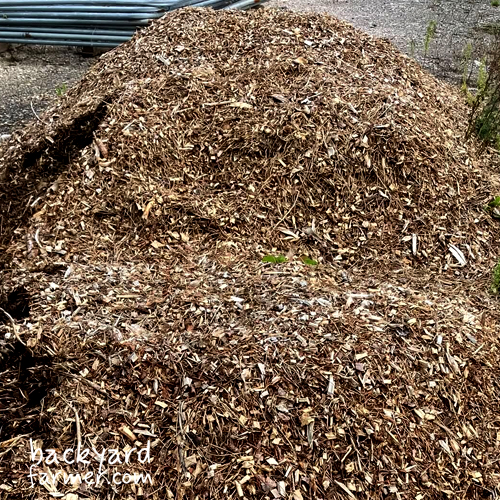
| Bark or wood chips | Shrub borders and ornamental areas | Long-lasting surface cover |
| Straw | Vegetable plots | Lightweight and gradually decomposes |
| Gravel or slate | Paths and low-maintenance areas | Long-lasting and decorative |
Organic mulches gradually break down, adding organic matter and helping improve soil structure. Gravel and slate provide longer-lasting cover but do not improve the soil in the same way.
Choose the material according to what you want it to achieve. Vegetable beds often suit materials that break down over time, while paths and ornamental areas may benefit from something more permanent. Wood chip mulching is particularly useful around beds and on garden paths.
For larger projects, a supplier such as Landscape Supplies can provide mulch and other landscaping materials in bulk.
How to Apply Mulch
Apply mulch when the soil is already moist and remove established weeds first.
A layer of around 5–7cm is usually enough to provide useful coverage without creating an excessively thick layer.
When mulching:

- Water dry soil before applying it.
- Remove larger weeds first.
- Spread the material evenly.
- Leave a clear area around plant stems and tree trunks.
- Top up organic mulch as it gradually breaks down.
Avoid piling mulch against stems or trunks, where persistent moisture can encourage rot and provide shelter for pests.
Common Mulching Mistakes
More mulch is not always better. Very thick or persistently damp layers can provide shelter for slugs and snails, particularly around vulnerable young plants.
The material also needs to suit the area. Gravel works well on paths and some ornamental beds but does little for soil fertility, while organic materials break down and need topping up periodically.
Final Thoughts
Mulching can reduce water loss, suppress weeds and protect exposed soil with relatively little effort. Choose a material that suits the area, apply it to moist soil at a sensible depth, and keep it clear of plant stems and trunks.