
Sweet potatoes can be grown successfully in the UK, including outdoors, but they need more warmth than ordinary potatoes to produce a worthwhile harvest.
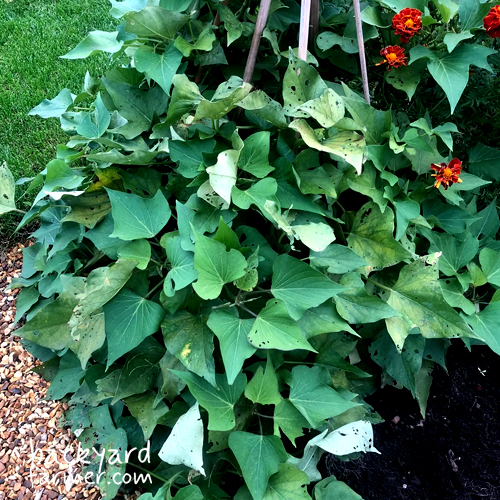
In warmer parts of Britain, a sunny, sheltered bed can produce good results. Further north, a greenhouse or polytunnel offers more reliable growing conditions, although neither guarantees a heavy crop.
The biggest challenge isn’t keeping the plants alive. Sweet potatoes can produce masses of healthy-looking vines while developing very little underneath the soil.
With the right variety, an early start and a long growing season, they’re well worth trying. This guide covers choosing slips, planting, caring for your crop, harvesting and storing the roots.
Can You Grow Sweet Potatoes in the UK?
Yes, sweet potatoes can grow outdoors in Britain, although success depends on how much warmth they receive throughout the growing season.
Unlike ordinary potatoes, sweet potatoes (Ipomoea batatas) are tropical plants belonging to the morning glory family. They produce edible storage roots rather than the stem tubers formed by conventional potatoes.
According to the Royal Horticultural Society (RHS), sweet potatoes crop best at temperatures around 21–26°C. That’s considerably warmer than many British summer days, particularly in northern and exposed locations.
However, outdoor growing isn’t impossible. Providing warm soil, plenty of sunlight and sufficient growing time can make a substantial difference.
Are Sweet Potatoes Worth Growing Outdoors in Britain?
If you’ve got a sunny, sheltered allotment or garden, they’re certainly worth considering.
In a 2025 discussion on r/GardeningUK, an experienced Somerset grower reported harvesting 33.5kg from 13 outdoor T65 plants grown beneath black plastic mulch.
Another UK allotment grower reported around 3kg from three plants grown outdoors in heavy clay soil.
These are individual grower reports rather than typical UK yields, and results vary considerably between gardens and growing seasons.
In cooler areas, including much of northern England, outdoor sweet potatoes are better treated as an experimental crop than a dependable replacement for ordinary potatoes.
If space is limited, start with two or three plants before committing an entire bed.
Growing Sweet Potatoes Outdoors, in a Greenhouse or in Pots
Choosing the right growing environment is one of the most important decisions.
Sweet potatoes need a long period of warmth to produce substantial roots. Growing under cover can help, but outdoor beds often provide more space for spreading vines.
| Growing method | Advantages | Main drawbacks |
|---|---|---|
| Outdoor bed | Plenty of growing space, no greenhouse required | Harvests depend on summer temperatures |
| Greenhouse | Warmer conditions and protection from cold weather | Competes with other crops for space |
| Polytunnel | Warm soil and plenty of growing room | Vigorous vines need managing |
| Large containers | Suitable for patios and smaller gardens | Restricted roots and faster drying compost |
Outdoor growing: Choose the sunniest, most sheltered position available. A south-facing bed is ideal, particularly if you can warm the soil with black plastic mulch.
Greenhouse growing: Useful in cooler regions, provided plants receive enough light, water and rooting space.
Polytunnel growing: A good option for allotment holders. Plants can grow directly in the ground while benefiting from warmer conditions.
Container growing: Practical where space is limited, although larger containers generally provide better opportunities for storage-root development.
Planning Space for Sweet Potatoes
Sweet potato vines can spread well beyond their original planting positions.
They can be trained upwards to save ground space, but they’ll need occasional tying in rather than climbing neatly by themselves.
Think about neighbouring crops before planting, particularly in greenhouses where space is already limited.
Planning your allotment layout? Use our free Allotment Planner to work out where sweet potatoes will fit alongside your other crops.
Best Sweet Potato Varieties for the UK
Not every sweet potato variety is equally suited to British conditions.
For the best chance of success, choose named varieties supplied for UK cultivation rather than relying on unidentified supermarket sweet potatoes.
Beauregard
Beauregard is a good starting point for British growers.
It produces orange-fleshed sweet potatoes with a soft texture and sweet flavour when cooked.
The variety is recommended by the RHS, and UK growers have reported successful harvests both outdoors and under cover.
For a first attempt, Beauregard would be my preferred variety.
T65
T65 is a white-fleshed variety that has produced impressive outdoor results for some British growers.
One Somerset grower reported repeated successful harvests using T65 beneath black plastic mulch.
Its flesh is generally described as starchier and less sweet than orange-fleshed varieties.
However, other UK growers have reported better results with Beauregard, so there’s no clear evidence that T65 is universally more productive. Availability may also be more limited.
Other Varieties Worth Considering
Bonita, Tahiti and Evangeline are among the other varieties listed by the RHS.
Evangeline is particularly sweet but needs a long, warm growing season, making it a less obvious choice for cooler outdoor locations.
If you’re experimenting, growing two varieties side by side under the same conditions is a useful way to discover which performs best on your plot.
How to Grow Sweet Potato Slips
Sweet potatoes aren’t normally grown by planting whole tubers directly into the ground.
Instead, they’re propagated using slips, which are young shoots taken from a sweet potato. These develop roots and grow into new plants.
You can buy slips from UK suppliers or produce your own.
Buying Sweet Potato Slips
For beginners, buying slips or rooted plug plants is the simplest approach.
UK suppliers generally dispatch them during spring, depending on weather and availability.
When they arrive:
- Unpack them carefully and check their condition.
- Pot unrooted slips into small containers of moist, peat-free compost.
- Keep them somewhere warm and bright, away from cold draughts.
- Maintain suitable moisture while they establish roots.
- Grow them on indoors until conditions are suitable for planting.
Unrooted slips may look slightly wilted when delivered but can recover once established.
Don’t put newly delivered slips straight into cold outdoor soil.
Growing Your Own Sweet Potato Slips
If you want to propagate your own plants, start early in spring.
- Choose a healthy sweet potato from a suitable variety.
- Place the root in moist sand or a suitable growing medium somewhere consistently warm.
- Keep the medium lightly moist and wait for shoots to develop.
- Once shoots reach approximately 5–7.5cm, carefully remove suitable slips.
- Place the shoots into moist compost to encourage root formation.
- Pot rooted slips individually and grow them on indoors.
Starting slips can take several weeks, so don’t leave propagation until late spring.
Can you use supermarket sweet potatoes?
Sometimes, yes. However, supermarket varieties may have been selected for commercial production in warmer climates rather than British growing conditions.
Named slips from a UK supplier provide a more dependable starting point.
When to Plant Sweet Potatoes in the UK
Sweet potatoes should only be planted outside once frost risk has passed and the soil has warmed sufficiently.
For much of Britain, late May to June is the usual planting window.
Garden Organic recommends a minimum soil temperature of approximately 12°C before planting out. However, sweet potatoes prefer considerably warmer conditions for active growth.
Treat 12°C as a minimum threshold, not an ideal growing temperature.
| When | What to do |
|---|---|
| February–April | Start slips indoors if propagating your own |
| April–May | Buy or receive slips and grow them on somewhere warm |
| Late May–June | Harden off plants and plant out when conditions are suitable |
| September–October | Check root development and harvest before frost |
These dates are guidance rather than fixed deadlines.
In northern or exposed locations, delaying outdoor planting until June may be sensible. Established plants growing in warmth can make better progress than slips sitting in cold soil.
Use a soil thermometer to check conditions over several days rather than relying on a single warm afternoon. Also check that no cold spell is forecast before planting.
Before planting outside, gradually harden off young plants over approximately 7–10 days, avoiding cold nights.
An unheated greenhouse or polytunnel can also become cold overnight, so check conditions before planting.
How to Plant Sweet Potatoes
Sweet potatoes need warmth, moisture and enough space for their storage roots to develop.
They grow best in fertile, free-draining soil that retains moisture without becoming waterlogged.
Preparing the Soil
Choose the sunniest available position, ideally somewhere sheltered from cold winds.
Before planting:
- Remove competing weeds.
- Loosen compacted soil where necessary.
- Incorporate mature compost to improve soil structure.
- Ensure excess water can drain away.
- Avoid adding excessive nitrogen-rich fertiliser.
Heavy clay doesn’t automatically rule out sweet potatoes. UK growers have harvested usable crops in clay, although compacted conditions can contribute to misshapen roots.
Raised beds or well-prepared no-dig beds can help where soil structure or drainage needs improving.
Aim to space plants approximately 30–45cm apart, with around 75cm between traditional rows.
Allow additional room for vines to spread or provide suitable supports.
Planting Sweet Potatoes Outdoors
Warming the soil before planting can improve growing conditions.
Black plastic mulch is one method used successfully by UK growers because it absorbs sunlight and helps retain warmth in the soil.
To plant:
- Prepare the bed and water the soil if dry.
- Lay black plastic mulch over the surface, securing the edges.
- Allow the soil to warm before planting.
- Cut planting holes at the required spacing.
- Carefully remove established plants from their pots.
- Set each root ball into the soil at approximately its previous growing depth.
- Firm the soil gently and water thoroughly.
If planting rooted slips rather than established plugs, bury the rooted lower stem while keeping the growing tip and healthy leaves above the soil.
If you prefer not to use plastic mulch, cloches or horticultural fleece can help protect plants and improve early growing conditions, although they work differently from soil-warming mulch.
During unexpectedly cold weather, temporary protection may help newly planted slips establish.
Important: Plastic mulch can restrict how effectively rainfall reaches the root zone. Check soil moisture beneath the covering and water directly into the planting holes when needed.
Planting in a Greenhouse or Polytunnel
Growing under cover is particularly useful where summer temperatures are inconsistent.
Plant directly into prepared greenhouse soil where possible, or use generous containers with adequate drainage.
Ensure plants receive plenty of light and aren’t crowded by tomatoes, cucumbers or other vigorous crops.
Sweet potato vines can be trained onto canes, trellis or vertical strings to reduce the floor space they occupy.
Provide ventilation during hot weather and maintain consistent watering.
Growing Sweet Potatoes in Containers
Sweet potatoes can be grown in large pots, tubs and suitable grow bags.
Garden Organic recommends containers wider than approximately 34cm, although additional rooting space is beneficial.
I’d favour a deep, well-drained container around 40–50cm across or larger.
That’s a practical recommendation rather than a guaranteed minimum size. Rooting volume matters as much as width.
Fill the container with suitable peat-free compost and position it somewhere warm and sunny.
Keep the compost consistently moist without leaving the roots sitting in water.
Containers can dry out rapidly during warm weather, particularly in a greenhouse.
Provide supports or guide vines where necessary.
Caring for Sweet Potato Plants
Once established, sweet potatoes can grow vigorously during warm weather.
The main priorities are consistent watering, sensible feeding and managing the vines without restricting the plants unnecessarily.
Watering
Sweet potatoes need regular moisture, particularly during establishment and active growth.
Water thoroughly when the upper soil begins drying, rather than repeatedly applying small amounts that barely reach the roots.
The RHS suggests sinking a small plant pot into the soil beside each plant and watering into it. This helps direct water towards the root zone, particularly when spreading vines make watering difficult.
Check moisture beneath black plastic mulch rather than assuming rainfall has reached the roots.
One experienced UK grower linked a disappointing harvest to insufficient watering beneath their mulch despite apparently wet autumn conditions.
Avoid keeping the soil permanently saturated, as poorly drained conditions can damage roots.
Feeding
Sweet potatoes benefit from reasonably fertile soil, but excessive nitrogen can encourage vigorous foliage without improving the storage-root harvest.
If you’ve incorporated mature compost into healthy garden soil, additional feeding is generally unnecessary.
Container-grown plants are more likely to need supplementary nutrients because their compost volume is limited.
The RHS recommends feeding container-grown sweet potatoes with a high-potassium liquid fertiliser approximately every two weeks during summer.
Follow the manufacturer’s dilution instructions and avoid applying extra fertiliser simply because the vines are growing strongly.
Managing Sweet Potato Vines
Sweet potato vines can grow more than 1.5m long, sometimes spreading considerably further in favourable conditions.
Allow them to trail across the ground, guide them between crops or train them onto supports.
If growing vertically, tie stems in regularly because sweet potatoes don’t climb as reliably as runner beans.
Some stems may produce additional roots where they touch moist soil.
Keep plants within their allocated growing space, but avoid severe pruning unless necessary.
Young leaves and shoots from edible sweet potato varieties can also be cooked as leafy vegetables. However, frequent harvesting removes foliage the plant needs for growth and may reduce the root harvest.
If you’re growing sweet potatoes primarily for their roots, avoid removing large amounts of foliage.
When to Harvest Sweet Potatoes in the UK
Sweet potatoes generally need around four to five months after planting to develop a useful harvest, although the actual timing depends on variety, warmth and growing conditions.
In Britain, harvesting usually takes place during September or October.
A warm summer may encourage earlier root development, while cooler conditions can slow growth considerably.
Yellowing or declining foliage can indicate the growing season is ending, but it doesn’t guarantee the roots have reached a useful size.
The most important rule is to harvest before damaging frost. Don’t deliberately leave plants outside until a frost has killed the foliage, as cold conditions can damage the roots.
If you’re unsure whether the crop is ready, carefully inspect the soil around one plant to check root development.
How to Harvest Sweet Potatoes
Freshly harvested sweet potatoes have delicate skins, so handle them carefully.
- Choose a suitable day before frost is expected.
- Cut back or move the vines to expose the base of the plant.
- Carefully loosen soil around the root system with a garden fork.
- Lift the roots gently, avoiding cuts and bruises.
- Remove loose soil without scrubbing the skins.
- Separate damaged roots for earlier use.
If growing in containers, carefully tip out the compost and retrieve the roots by hand.
Don’t be disappointed if some roots are unusually shaped or smaller than supermarket varieties.
Healthy, undamaged roots are still useful in the kitchen.
Curing and Storing Sweet Potatoes in the UK
Sweet potatoes need different storage conditions from ordinary potatoes.
Freshly harvested roots have delicate skins and are easily damaged. Proper curing helps minor wounds heal and improves their storage potential.
How to Cure Sweet Potatoes
Research-based horticultural guidance recommends curing sweet potatoes at approximately 27–29°C with high humidity for around 7–10 days.
These conditions are difficult to maintain in most British homes during autumn.
If you have access to a reliably warm, humid propagation environment, you may be able to cure the roots properly.
However, don’t assume that leaving sweet potatoes on a windowsill or in an unheated greenhouse will achieve the same result.
If you’ve only grown a few sweet potatoes and don’t have suitable curing facilities, it’s perfectly reasonable to eat them sooner rather than attempting long-term storage.
Handle the roots carefully, keep them protected from cold and check for deterioration.
Avoid washing freshly harvested roots unless necessary, as damaged skins and excess moisture can encourage problems during storage.
Storing Your Harvest
Properly cured sweet potatoes store best at approximately 13–16°C, away from direct sunlight and large temperature fluctuations.
Keep them in a suitable ventilated container and check regularly for soft patches, mould or deterioration.
Avoid storing raw sweet potatoes in the refrigerator or a cold outdoor shed.
Extended exposure to low temperatures can damage the flesh and affect flavour.
Use damaged roots promptly rather than placing them into long-term storage.
Common Problems When Growing Sweet Potatoes
Sweet potatoes can look healthy above ground even when conditions aren’t suitable for developing a useful harvest.
| Problem | Possible causes | What to do |
|---|---|---|
| Lots of vines but few roots | Insufficient warmth, excess nitrogen or short season | Improve growing conditions and review feeding |
| Small sweet potatoes | Late planting, cool summer or drought | Start with established slips and maintain moisture |
| Misshapen roots | Compacted, stony or uneven soil | Improve soil structure and drainage |
| Yellowing leaves | Cold, watering problems or seasonal decline | Check soil moisture, temperature and plant health |
| Overgrown vines | Naturally vigorous growth | Train or guide stems |
| Poor container harvest | Restricted roots or inconsistent watering | Use larger containers and monitor moisture |
| Whitefly or spider mites | Pests favoured by some protected growing conditions | Inspect foliage regularly and manage infestations appropriately |
Why Are My Sweet Potato Vines Growing but There Are No Tubers?
This is one of the most frustrating problems UK growers encounter.
Sweet potatoes can produce large, healthy vines without developing substantial storage roots.
One UK grower described producing vigorous greenhouse foliage but harvesting only a single medium-sized sweet potato.
Possible contributing factors include insufficient warmth, excessive nitrogen, a short growing season and restricted rooting conditions.
Inconsistent watering can also affect development.
If your plants produce plenty of foliage but few roots, review the overall growing conditions rather than automatically adding more fertiliser.
Frequently Asked Questions
Yes, sweet potatoes can grow outdoors in Britain, particularly in sunny, sheltered locations. However, harvests depend heavily on summer warmth. Black plastic mulch and an early start can help improve growing conditions.
Yes, although cooler summer temperatures can make productive harvests less predictable. A greenhouse or polytunnel offers more consistent warmth, while outdoor growing is best attempted in a sunny, sheltered location.
Some supermarket sweet potatoes will produce shoots that can be rooted as slips. However, their varieties may not be particularly suitable for British growing conditions. Named slips from a UK supplier are generally a better starting point.
Sweet potatoes generally need around four to five months after planting, depending on variety and growing conditions. The number of warm growing weeks is more important than simply counting days.
Sweet potatoes are perennial in suitable tropical climates, but they’re normally grown as annual crops in Britain because they aren’t frost-hardy. New plants are generally raised from slips each spring.
Yes, provided the container offers generous rooting space, adequate drainage and consistent moisture. Large, deep pots are preferable because restricted roots can reduce harvest potential.
No. UK growers have reported successful outdoor harvests, especially in warmer, sheltered locations. However, a greenhouse or polytunnel can improve reliability in cooler regions by providing a longer period of warmth.