
Pak choi is one of the quickest leafy vegetables you can grow in a UK garden or allotment. You can harvest baby leaves in around four weeks or allow plants to develop thick, crisp stems for stir-fries and other dishes.
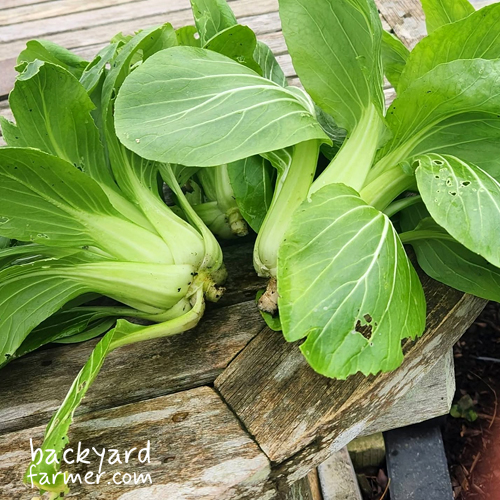
The biggest challenge is bolting, when plants flower before producing a worthwhile harvest. Spring crops can be unpredictable, but late-summer sowings often give more reliable results.
For most UK growers, late July and August are particularly good times to sow pak choi outdoors.
Here’s how to grow it successfully, from choosing the right sowing time to harvesting healthy leaves and stems.
When to Sow Pak Choi in the UK
Pak choi grows best in relatively cool conditions, making spring and late summer into autumn the main growing periods.
Despite being a quick-growing vegetable, sowing during the warmest months doesn’t necessarily produce the best results. Temperature changes and day length can encourage premature flowering.
UK Pak Choi Sowing Calendar
| Month | Growing advice |
|---|---|
| March–April | Start under protection for early crops; avoid prolonged cold exposure. |
| May–June | Suitable for spring and early-summer crops, although bolting risk increases as days lengthen. |
| July | Suitable for baby leaves; late sowings can establish autumn crops. |
| August | Excellent for autumn cropping; sow earlier in cooler northern locations. |
| September | Sow early for baby leaves or protected growing, particularly in milder areas. |
| October–February | Established plants may continue under cover, but new outdoor sowings are generally unreliable. |
In northern England, Scotland and exposed locations, aim for the earlier part of the autumn sowing window. Plants need time to establish before temperatures and daylight decline.
Is Spring or Autumn Better for Pak Choi?
Spring sowings can produce good harvests, particularly with slower-bolting varieties. However, exposure to cold during early growth, followed by lengthening days, can encourage plants to flower.
Late-summer sowings often develop more reliably as days shorten and conditions become cooler.
For beginners wanting full-sized heads, an August sowing is a sensible starting point.
Growing Pak Choi After Early Crops
Pak choi is useful for filling gaps after early vegetables have finished.
Beds cleared after garlic, early potatoes or peas can often be replanted with pak choi during late July or August.
Remove crop debris, clear weeds and improve the soil with well-rotted compost if necessary. You can then sow directly or transplant module-grown seedlings.
This makes pak choi an excellent follow-on crop rather than leaving productive space unused.
Plan your next crop: Use the free Backyard Farmer Allotment Planner to plan autumn vegetables in the space left by earlier harvests.
Best Pak Choi Varieties for Growing in the UK
Choosing a suitable variety can help reduce bolting problems, particularly when growing in spring.
| Variety | Why grow it? |
|---|---|
| Summer Breeze | Compact, with good resistance to bolting. |
| Glacier | Bred for British conditions, with good resistance to bolting and broad white stems. |
| Joi Choi F1 | Vigorous white-stemmed variety with positive reports from UK growers. |
| Red Choi | Purple-red foliage with green stems, useful for colourful harvests. |
Summer Breeze and Glacier are worth considering where reliable head formation matters. Joi Choi F1 has also performed well in firsthand British growing reports, including in cooler northern conditions.
No variety is completely bolt-proof, so sowing at the right time remains important.
How to Grow Pak Choi from Seed
Pak choi can be sown directly into prepared soil or started in modules before planting out.
Direct sowing works well for baby leaves, while modules are particularly useful when preparing plants for beds that are still occupied by earlier crops.
Direct Sowing Outdoors
- Prepare the soil. Remove weeds, rake the surface level and incorporate well-rotted compost if needed.
- Sow the seeds. Make drills around 2cm deep, spacing rows at least 30cm apart, and sow thinly.
- Cover and water. Gently cover the seeds with soil and water using a fine rose.
- Keep moist. Seedlings often emerge in around a week under suitable conditions.
- Thin gradually. Remove crowded seedlings until the remaining plants have enough space to develop.
You can harvest suitable thinnings as young leaves.
For a longer harvest, sow small batches every two or three weeks during favourable growing conditions rather than sowing everything at once.
Starting Pak Choi in Modules
Fill individual modules with peat-free seed compost and sow one or two seeds in each. Thin to the strongest seedling once they emerge.
Keep the plants in good light, water when necessary and transplant before the roots become congested.
Pak choi can be transplanted successfully, but handle the rootballs carefully to minimise disturbance.
Harden off plants raised indoors or under cover before moving them outside.
Planting Out and Pak Choi Spacing
Spacing depends on whether you want loose baby leaves, small plants or mature heads.
| Harvest type | Plant spacing |
|---|---|
| Baby leaves | 8–10cm |
| Semi-mature plants | Around 20cm |
| Full-sized heads | 25–30cm |
Baby leaves can be grown closer together because they’re harvested young. If you want small whole heads with developed stems, allow more space than you would for a dense baby-leaf crop.
Plant outdoors from late spring when conditions are suitable and seedlings are well established, ideally around 10cm tall. Harden off plants raised under cover before transplanting.
Position each rootball at approximately the same depth it occupied in its module, firm the soil gently and water thoroughly.
Avoid leaving seedlings in small modules until they’re rootbound, as restricted growth can make establishment more difficult.
How to Care for Pak Choi
Pak choi is a short-season crop, so consistent growing conditions matter more than complicated feeding schedules.
Watering
Keep the soil evenly moist, especially during dry weather. Water thoroughly around the roots rather than giving frequent shallow splashes.
A light organic mulch can help retain moisture, but keep it clear of the stems.
Soil and Feeding
Pak choi prefers fertile, moisture-retentive soil with good drainage.
Well-rotted compost incorporated before planting is usually sufficient in an established vegetable bed. Additional feeding is rarely necessary where the soil is already fertile.
Sun and Shade
Pak choi grows well in sun during cooler weather. During hot spells, some light afternoon shade can help prevent excessive drying and heat stress.
Avoid deep shade, which can produce weaker, slower-growing plants.
How to Stop Pak Choi Bolting
Bolting is when pak choi produces a flowering stalk rather than continuing to develop leaves and stems.
Once flowering begins, leaf quality can decline and the plant is unlikely to form the mature head you originally intended to harvest.
Why Does Pak Choi Bolt?
Pak choi can be encouraged to flower by several factors:
- Cold exposure: Young plants exposed to prolonged low temperatures may be triggered to flower as conditions change.
- Increasing day length: Longer spring and summer days can promote flowering.
- Hot, dry conditions: Heat and moisture stress can contribute to poor growth and early bolting.
- Variety: Some cultivars are naturally slower to bolt than others.
This explains why pak choi can flower during a relatively cool British spring. Heat isn’t the only trigger.
How to Reduce Bolting
- Sow at the right time. Late July and August are often more dependable for outdoor crops.
- Protect young spring plants. Avoid prolonged cold exposure during early growth.
- Maintain steady moisture. Water during dry periods rather than allowing repeated drought stress.
- Choose slower-bolting varieties. Summer Breeze, Glacier and Joi Choi F1 are worth considering.
- Avoid root restriction. Transplant module-grown seedlings before growth stalls.
- Harvest promptly. Don’t leave mature plants standing unnecessarily.
These steps reduce the risk, although no growing method can guarantee that plants won’t flower.
Can You Eat Pak Choi After It Bolts?
Yes. The leaves and tender flowering shoots remain edible after pak choi begins flowering.
However, the leaves can become tougher or more bitter as flowering progresses.
Harvest usable leaves and stems promptly once a flowering stalk appears. Removing the stalk won’t normally make the plant return to producing a mature head.
Growing Pak Choi in Pots
Pak choi grows well in containers, particularly when harvested as baby leaves.
Choose a pot at least 30cm wide, with adequate depth and drainage holes, and fill it with peat-free multipurpose compost.
For mature plants, allow sufficient space for the roots and developing leaves. Keep the compost evenly moist, particularly during warm weather.
Position pots somewhere with good light. You can move them into light shade during hot spells or a sheltered position when conditions turn colder.
Growing Pak Choi in a Greenhouse or Polytunnel
An unheated greenhouse or polytunnel can extend autumn harvesting, although pak choi won’t grow quickly through the darkest British winter months.
Start plants in modules during late summer and transplant them into protected growing space once summer crops have finished.
Well-established plants may survive winter and provide occasional leaves, with growth potentially increasing as daylight returns.
However, overwintering plants isn’t the same as producing full-sized heads continuously throughout winter.
Plants exposed to cold may also bolt as days lengthen in spring, so harvest useful new growth promptly.
Common Pak Choi Pests and Problems
Like other brassicas, pak choi can attract several pests. Young seedlings are particularly vulnerable because they have little foliage available to recover from damage.
| Problem | What to look for | What to do |
|---|---|---|
| Flea beetles | Numerous tiny holes in leaves | Use fine insect-proof mesh. |
| Slugs and snails | Ragged holes or missing seedlings | Inspect plants and nearby hiding places. |
| Cabbage caterpillars | Chewed foliage and caterpillars on leaves | Inspect undersides of leaves and use suitable mesh. |
| Pigeons | Torn or stripped foliage | Protect plants with supported netting. |
| Weak seedlings | Thin, stretched or overcrowded growth | Improve light and thin seedlings. |
| Bolting | Upright flowering stalk | Review sowing time and growing conditions. |
| Slow growth | Small leaves or stalled development | Check water, fertility, light and root space. |
Flea beetles leave numerous small holes in pak choi leaves. Damage is often cosmetic, although heavy feeding can be more troublesome on young seedlings.
Fine insect-proof mesh, installed early and secured around the edges, can help protect crops when clean leaves are important. Ordinary bird netting won’t exclude flea beetles.
Check plants before deciding which pest is responsible, as different pests can cause similar-looking damage.
When and How to Harvest Pak Choi
Pak choi can be harvested as tender young leaves or grown into larger plants with thick, crisp stems.
Harvesting Baby Pak Choi
Baby leaves may be ready in around 30 days under favourable conditions.
Pick outer leaves individually, leaving the central growing point intact if you want further harvests.
Alternatively, cut young plants when they reach a useful size.
Repeated picking is possible while the plant remains healthy and continues producing new foliage.
Harvesting Full-Sized Pak Choi
Semi-mature and full-sized plants generally take around 45–75 days, depending on variety, weather and growing conditions.
Harvest when the stems are well developed and the leaves are healthy and crisp.
Use a sharp knife to cut through the base just above soil level.
Don’t leave mature plants standing for too long, particularly if they’re showing signs of flowering.
Storing Pak Choi After Harvest
Pak choi is best eaten fresh.
If you’re not using it immediately, remove damaged leaves and refrigerate it in a loose bag or suitable container to reduce moisture loss.
Wash thoroughly before cooking or eating.
Frequently Asked Questions
August is one of the best months for outdoor pak choi, particularly for full-sized heads. Late July is also useful. Spring sowings are possible, but bolting can be more unpredictable.
Baby leaves can be ready in around 30 days. Semi-mature and full-sized plants generally take 45–75 days, depending on variety and growing conditions.
Established plants may survive under cover in a greenhouse, polytunnel or cold frame. However, growth slows considerably during the darkest months, so continuous winter harvests aren’t guaranteed.
Cold exposure, increasing daylight, unsuitable growing conditions and varietal differences can encourage bolting. Late-summer sowing and steady moisture can help reduce the risk.
Picking outer leaves while preserving the central growing point allows further growth. Cutting off the entire head at its base usually ends the crop, although limited regrowth is sometimes possible.
Yes. Pak choi, pak choy and bok choy are different names for the same type of Chinese cabbage, Brassica rapa (Chinensis Group). Individual varieties differ in colour, shape and size.