

Yes — you can grow blueberries in the UK, and they can crop really well. But there’s one thing that catches most people out early on: the soil.
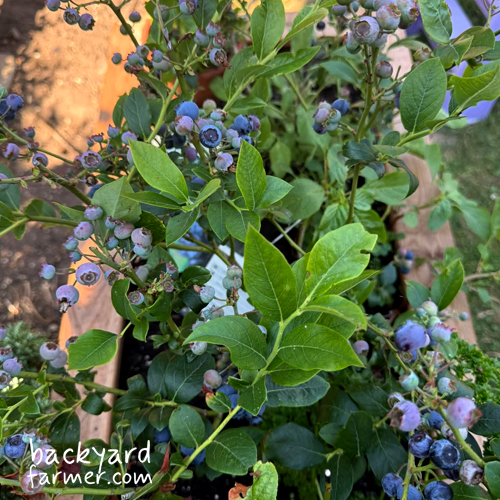
Blueberries need acidic conditions, and most UK gardens simply don’t have that naturally. That’s why a lot of plants end up struggling, turning yellow, or never really producing much fruit.
The good news is, once you understand this, blueberries are actually quite straightforward. In fact, for most people, growing blueberries in pots is the easiest and most reliable method — and often gives better results than planting them in the ground.
In this guide, I’ll show you how to grow blueberries in the UK using a simple, practical approach that works in real gardens, containers, and allotments. If you just want the quick version, use the guide widget below. If you want to avoid the common mistakes, read on.
When to Plant Blueberries in the UK
The best time to plant blueberries in the UK is spring (March to May) or autumn (September to October).
If you’re planting in the ground, autumn is often the better choice. The soil is still warm, there’s usually more natural moisture, and the plant can settle in before the next growing season.
For containers, you’ve got more flexibility. As long as the compost isn’t frozen or bone dry, you can plant at most times of year, but early spring is the safest option.
Key tips:
- Avoid frozen or waterlogged soil
- Avoid planting in hot, dry weather
- If bought in summer, wait until autumn to plant out
Where to Grow Blueberries
Blueberries will grow well in the UK — but only if you get the conditions right. The biggest factor is soil acidity. They need a pH of 4.5–5.5, which most garden soils don’t have.
For most gardeners, the easiest setup is:
- Grow blueberries in pots using ericaceous compost
Ideal conditions:
- Full sun (at least 6 hours)
- Acidic soil or compost
- Free-draining but moisture-retentive
- Some shelter from strong winds
Pots vs Ground
- Pots: easiest and most reliable
- Ground: only works with acidic soil or heavy amendment
Blueberries grow best in full sun, sheltered spots, and acidic soil. For most UK gardeners, pots are the simplest way to get reliable results.
How to Plant Blueberries
The easiest method is to plant blueberries in pots using ericaceous compost.
Planting in Pots (Recommended)
- Use a pot at least 30–40cm wide
- Fill with ericaceous compost
- Remove plant and loosen roots slightly
- Plant at the same depth
- Water well
Planting in the Ground
Only do this if your soil is acidic or you can amend it with ericaceous compost.
Tips:
- Water in well
- Don’t plant too deep
- Allow airflow between plants
Spacing and Layout
Blueberry bushes can reach 1–1.5 metres wide and tall, so spacing matters.
Spacing guide:
- Ground: 1–1.5m between plants
- Rows: 1.5–2m apart
- Pots: one plant per container (30–50cm minimum)
Avoid overcrowding — it reduces airflow and yield.
Tip: Fewer well-spaced plants usually outperform crowded ones.
If you want to map your blueberry spacing properly, use the Allotment Planner before you plant.
Watering, Feeding, and Care
Watering
Keep soil consistently moist but not waterlogged.
- Water regularly (especially pots)
- In warm weather: every 1–2 days may be needed
Tip: Use rainwater where possible — tap water can raise soil pH over time.
Feeding
- Use ericaceous feed
- Feed every 2–4 weeks in growing season
Mulching
- Use pine bark or needles
- Apply 5–8cm layer
Pruning
- Minimal first 2–3 years
- Then remove older stems
Common Problems
No Fruit
- Cause: poor pollination or young plants
- Fix: grow two varieties
Yellow Leaves
- Cause: soil not acidic
- Fix: use ericaceous compost and feed
Small Berries
- Cause: inconsistent watering
- Fix: keep soil moist
Birds Eating Fruit
- Fix: use netting
Frost Damage
- Fix: protect plants during cold snaps
Most issues come down to: soil pH, watering, or pollination.
When and How to Harvest Blueberries
Blueberries usually crop well after 2–3 years.
When to Harvest
July to August in the UK.
Signs They’re Ready
- Deep blue colour
- Slightly soft
- Come away easily
Tip: Leave berries a few days after turning blue for better flavour.
Harvesting
- Pick by hand
- Harvest regularly as they ripen
Storage
- Fridge: up to a week
- Freeze well for long-term storage
Companion Planting
Because blueberries need acidic soil, companion planting is limited.
Good companions:
- Strawberries
- Cranberries
Avoid:
- Most vegetables (different soil needs)
Focus on soil conditions first — that matters far more than companions.
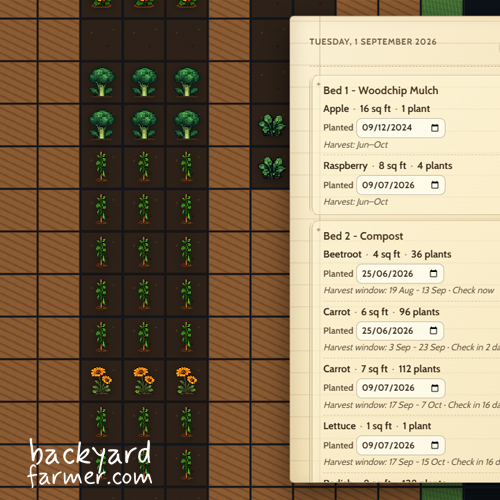
Plan Your Layout
If you want to plan your blueberry setup properly before you plant, use the Allotment Planner to map out spacing and layout.
FAQ
Yes — this is the easiest method for UK gardeners.
1–2 years for small crops, 2–3 years for full yields.
Yes, if you use the right soil.
Planting in non-acidic soil.
Not always, but it improves yields.
At least 30–40cm, ideally larger.