
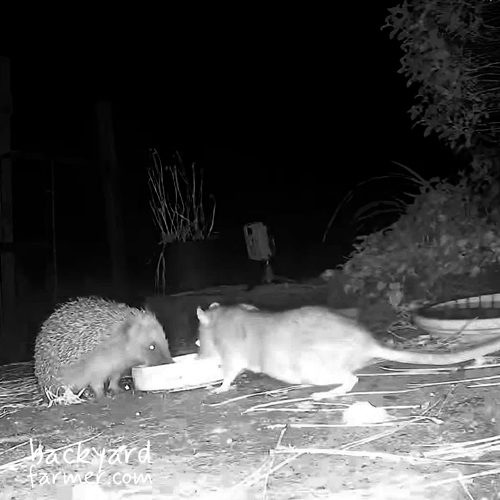
Feeding hedgehogs can provide useful supplementary food, but food that is accessible to a hedgehog may also be accessible to rats. The best practical approach is to offer a small amount after sunset, keep it available for a limited time and remove leftovers before morning. Careful portion control, regular cleaning and secure storage can reduce the risk, although no ground-level feeding method can guarantee that rats will not appear. Supplementary feeding is optional; a wildlife-friendly garden is just as important. For more habitat ideas, see How to Attract Hedgehogs to Your Garden.
Quick Answer: How to Reduce the Risk of Rats
- Put out a small amount of suitable food after sunset.
- Use a stable bowl in an area that is easy to inspect and clean.
- Remove all leftovers first thing in the morning.
- Wash the dishes and clear away crumbs or spillages.
- Store unused food in a sealed, secure container and stop feeding temporarily if rats appear.
This routine reduces the amount of time and food available to rats. It cannot make a feeding station rat-proof, so continue monitoring the area for signs of unwanted visitors.
What Food Should You Put Out?
Offer food that is suitable for hedgehogs and easy to portion and remove. Suitable options include meat-based wet cat or dog food, dry cat, kitten or small-dog biscuits, and reputable specialist hedgehog food with meat as the main ingredient. Provide fresh water separately in a shallow, stable dish.
Both wet and dry food can attract rats. For rat prevention, the type of food usually matters less than how much you offer and how long it remains outside. Do not offer milk, bread, whole peanuts or large quantities of mealworms.
For more detailed dietary guidance, see What Do Hedgehogs Eat?
Use a Controlled Evening Feeding Routine
The most effective way to reduce the opportunity for rats is to control when food is available.
Put food out after sunset. Hedgehogs are mainly nocturnal, so offer food around dusk or after sunset rather than leaving it accessible throughout the day. If you are unsure whether hedgehogs are visiting, a wildlife camera can help establish the timing of their visits.
Start with a small portion. Offer only enough food for the hedgehogs you expect to visit. If food remains in the morning, reduce the amount the next evening. If the bowl is repeatedly emptied, increase the portion only gradually and continue checking which animals are using the station. Disappearing food alone does not prove that a hedgehog ate it.
Clear everything away each morning. Remove leftover wet and dry food as soon as possible. Pick up scattered biscuits and crumbs, then wash the bowls and wipe or rinse the surface beneath the station. Keep outdoor feeding equipment separate from household utensils and wash your hands after handling used dishes.
Cleaning removes residue that may encourage animals to return and helps you notice droppings, gnaw marks or other signs of rat activity.
Can a Hedgehog Feeding Station Be Rat-Proof?
No ordinary ground-level feeding station can be guaranteed rat-proof.
Small entrances, tunnels and internal baffles may discourage cats, foxes or larger animals, but rats can climb, squeeze through surprisingly small spaces and learn regular feeding routines. A tunnel large enough for a hedgehog may also be accessible to a rat, so describing a conventional feeding box as completely rat-proof can create false confidence.
A feeding station can still make feeding cleaner and easier to monitor. Choose one with a stable, wipe-clean base, removable bowls and easy access for daily inspection. Position it away from a hedgehog house or likely nesting area, and never put food inside the sleeping chamber.
How to Tell Whether Rats Are Taking the Food
Possible signs of rat activity include direct sightings or wildlife-camera footage, droppings near the feeding area, burrows, gnawed containers and repeated daytime activity.
Missing food alone is not proof. Cats, foxes, mice, birds and other wildlife may also visit. A wildlife camera is one of the most useful ways to identify visitors without disturbing the station. Position it so that it views the bowl and surrounding ground, then check recordings regularly rather than relying only on how much food remains.
What to Do If Rats Find the Feeding Station
If you confirm that rats are visiting:
- Stop putting out hedgehog food temporarily.
- Remove and clean the bowls, station and surrounding area.
- Check for bird seed, pet food, fallen fruit, unsecured bins and exposed compost.
- Store all wildlife food in sealed, rodent-resistant containers.
- Monitor the area before attempting a smaller, shorter feeding window.
Stopping supplementary food does not prevent hedgehogs from naturally foraging. It removes an easy, concentrated food source while you assess the situation.
If feeding resumes, begin with a smaller portion and remove it promptly in the morning. If rat activity continues or you find signs of an established infestation, contact your local authority or a reputable pest-control professional. Do not use poison or indiscriminate traps around a wildlife feeding area, as these can harm hedgehogs, pets, birds and other non-target animals.
Rat Deterrents
Peppermint and other strong scents, narrow tunnels, internal baffles, suspended dishes and raised feeding stations may alter animal behaviour temporarily or exclude larger visitors, but none can guarantee that a determined rat will not reach accessible food.
Treat products marketed as completely rat-proof with caution. Limited portions, short feeding windows, morning clean-up and secure storage remain more dependable.
Final Verdict
No feeding station is completely rat-proof. The best way to reduce the risk is to offer a small portion after sunset, remove leftovers and clean the area every morning, and store food securely. If rats repeatedly appear, stop supplementary feeding temporarily or permanently. Hedgehogs can still be supported through natural cover, connected gardens, fresh water and reduced pesticide use.