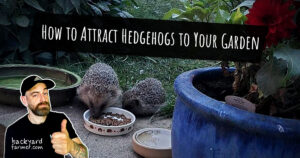

Wild hedgehogs mainly eat insects and other invertebrates, including beetles, earthworms, caterpillars, earwigs, millipedes and slugs. Their natural diet varies with the season, weather and what is available in their habitat.
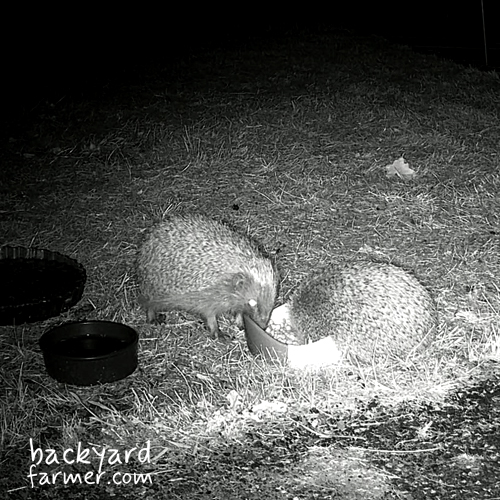
If you want to help a hedgehog visiting your garden, offer a small amount of meaty wet cat or dog food, suitable dry biscuits or reputable meaty hedgehog food. Always provide a separate shallow dish of fresh water. Supplementary feeding is optional and should support natural foraging rather than replace it. A hedgehog’s health depends on finding a varied natural diet, shelter and suitable habitat.
Quick Answer: What Can Hedgehogs Eat?
| Question | Quick answer |
|---|---|
| What do wild hedgehogs eat? | Mainly insects and other invertebrates, including earthworms, beetles, caterpillars, earwigs, millipedes and slugs |
| What can I put out? | Meaty wet cat or dog food, small dry biscuits, suitable meaty hedgehog food and fresh water |
| What should I avoid? | Milk, bread, whole peanuts and regular mealworm feeding |
If you are feeding a visiting hedgehog, put out a small amount of suitable food around sunset, together with a separate shallow dish of fresh water. Keep the feeding area clean and remove uneaten food the following morning.
What Do Wild Hedgehogs Naturally Eat?
Hedgehogs are flexible generalist feeders, but that does not mean they should be fed anything or that they “eat everything.” Most of their natural diet consists of invertebrates, which they find while searching through grass, leaf litter, soil, hedges and compost-rich areas.
Common natural foods include:
- Earthworms
- Ground beetles and other beetles
- Caterpillars and other insect larvae
- Earwigs
- Millipedes
- Slugs and some snails
Hedgehogs may also occasionally eat carrion, eggs, small vertebrates and fallen fruit. These are opportunistic additions rather than the main foundation of their diet.
A hedgehog’s diet changes according to its location, the time of year, weather conditions and the availability of prey. Natural prey should remain its primary food, supported by suitable habitat and pesticide-free areas. See How to Attract Hedgehogs to Your Garden for advice on improving habitat and encouraging natural foraging.
Do Hedgehogs Eat Slugs?
Yes, hedgehogs do eat slugs. Slugs are one part of their varied invertebrate diet and may be eaten more often when they are readily available.
However, hedgehogs are not dedicated slug eaters. They also search for beetles, worms, caterpillars, earwigs and many other small creatures. Their appetite for slugs varies between individuals and gardens.
Attracting a hedgehog may help reduce some invertebrates, but it will not guarantee control of a garden slug problem.
What Can You Feed Hedgehogs in the Garden?
Supplementary food can help when natural prey is scarce, particularly during dry weather or when a hedgehog is visiting a garden with limited habitat. It should not become the animal’s entire diet.
| Food | What to choose |
|---|---|
| Wet cat or dog food | Meat-based, ideally with meat or a named meat ingredient listed prominently |
| Dry biscuits | Small cat, kitten or small-dog biscuits; crush larger pieces |
| Specialist hedgehog food | Choose a reputable meaty product; the label alone does not guarantee quality |
| Water | Fresh water in a separate shallow, stable dish |
Wet food in jelly, gravy or loaf form can be used if it is otherwise suitable. There is no need to add milk, seasoning or other ingredients. Remove uneaten wet food promptly, especially in warm weather, because it can attract flies, rats and other animals.
Dry food should be protected from rain and removed if it becomes damp, mouldy or contaminated. Always provide fresh water when offering dry biscuits. Specialist food can be convenient, but it is not a substitute for natural foraging, shelter and connected garden habitat.
Can Hedgehogs Eat Fish-Flavoured Cat Food?
Fish-flavoured cat food has not been shown to be poisonous to hedgehogs. If a hedgehog eats a small amount accidentally, there is usually no reason to treat it as an emergency.
However, some wildlife guidance advises avoiding a fish-based diet, and there is no need to choose fish-flavoured food when other suitable options are available. For routine feeding, choose a meat-based cat or dog food instead.
The important point is to avoid making any single flavour or product the animal’s only food. Occasional access is different from deliberately providing a fish-based diet over a long period.
What Should You Not Feed Hedgehogs?
The foods below should be avoided for different reasons. They should not all be described as poisonous: some provide poor nutrition, some can cause digestive problems and others create physical or hygiene risks.
| Food | Why it should not be offered |
|---|---|
| Milk | Can cause digestive upset and diarrhoea |
| Bread | Provides little useful nutrition |
| Regular or substantial amounts of mealworms | Nutritionally unbalanced and may contribute to calcium-related problems |
| Whole peanuts | Can become lodged in the mouth |
| Peanuts, sunflower hearts and other seeds | Not a balanced supplementary diet |
| Raw meat, dried fruit and unsuitable leftovers | Create hygiene, digestive or nutritional concerns |
| Sugary, salty or seasoned foods | Not suitable wildlife food |
| Large or hard pieces | May create a physical or choking hazard |
Hedgehogs may occasionally eat fruit, eggs or cooked unseasoned meat, but none is needed as supplementary garden food. A suitable meaty cat or dog food is a simpler and more balanced choice.
Can Hedgehogs Eat Mealworms?
Mealworms are not poisonous to hedgehogs. The concern is what can happen when ordinary live or dried mealworms are offered regularly or in substantial amounts.
Mealworms contain too little calcium relative to phosphorus to form a balanced staple food. If a hedgehog eats large quantities, particularly instead of more suitable food and natural prey, the imbalance may contribute to calcium-related problems and bone disease.
A single mealworm will not cause metabolic bone disease, but mealworms should not be used as a routine treat or main food. Avoid deliberately putting out bowls of mealworms.
How Much and When Should You Feed Hedgehogs?
Put out a small amount of food around sunset, when hedgehogs are beginning to become active. Adjust the amount according to how many animals visit and whether food is being left behind.
If food is repeatedly untouched, reduce it or stop offering it. During winter, provide food if hedgehogs are active or taking food during mild periods, but do not assume that every hedgehog needs feeding throughout the season.
Remove leftovers in the morning and clean the dish regularly. See How to Feed Hedgehogs Without Attracting Rats for the full evening routine, cleaning advice and ways to reduce the risk of attracting rodents.
Important: Garden Feeding Is Not Rescue Care
This advice is for alert, free-ranging hedgehogs that can feed themselves. Do not hand-feed an unweaned hoglet or syringe-feed a weak, cold or collapsed hedgehog. Contact the British Hedgehog Preservation Society, a wildlife rescue or a vet and follow their instructions.
A hedgehog that is injured, unusually lethargic, cold to the touch, trapped, covered in flies or found out during the day may need urgent help. Do not try to treat it with food or water alone.
See What to Do If a Hedgehog Is Out During the Day for rescue and emergency guidance.
Final Verdict
Wild hedgehogs naturally eat a wide range of invertebrates, including earthworms, beetles, caterpillars, earwigs, millipedes and slugs. If you choose to supplement a visiting hedgehog, offer a small amount of meaty wet cat or dog food, suitably small dry biscuits or reputable meaty hedgehog food, together with fresh water. Avoid milk, bread, whole peanuts and regular mealworm feeding. Supplementary food should support a healthy habitat, not replace natural foraging.