
Introduction
Growing asparagus in the UK looks straightforward — until you actually try it. This is where a lot of gardeners slip up early on.
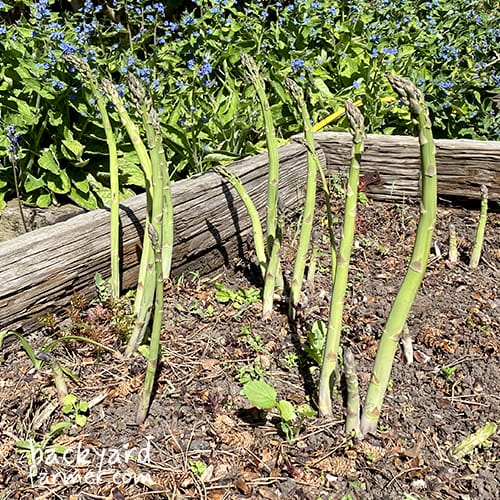
It’s a perennial vegetable, so once it’s established, it can crop for 10–20 years. However, that also means early mistakes — poor soil prep, planting crowns wrong, or harvesting too soon — stick around far longer than you’d expect.
In this guide, I’ll show you how to grow asparagus in the UK using a practical, real-world approach that works in allotments, raised beds, and typical garden conditions. No fluff — just what actually makes the difference.
If you want the quick version, use the guide widget below. If you want to avoid the common mistakes that ruin most first attempts, read on.
When to Plant Asparagus in the UK
Asparagus is usually planted in early to mid-spring in the UK, but timing matters more than most people realise.
The best window for planting asparagus crowns is March to April, once the soil is workable — not cold, heavy, or waterlogged. In colder areas, waiting until April or early May is often the better call.
You can plant into May, but later planting often leads to weaker early growth. With a long-term crop like this, a slow start can carry on for years.
The key thing is simple: don’t rush it just because the calendar says spring. If the soil’s cold and wet, wait.
If you’re growing from seed (less common), you’ll need to start earlier indoors. For most people though, crowns are the easiest and most reliable option.
Where to Grow Asparagus
This is one of the most important decisions you’ll make — because once asparagus is in, it’s staying there.
You’ll get the best results in a full sun position. Partial shade will work, but growth tends to be slower and thinner.
Soil matters just as much. Asparagus prefers fertile, well-drained soil, and it really doesn’t like sitting in wet ground. Heavy clay or poor drainage is where most problems start.
If your soil isn’t ideal, it’s worth fixing it properly before planting — or using a raised bed. On allotments especially, this can make a big difference.
You can grow asparagus in containers, but it’s rarely worth it long term. The roots need space, and restricted conditions limit yields.
A bit of shelter helps too. Wind won’t kill it, but it can damage the fern growth that feeds next year’s crop.
Bottom line: treat this like a permanent bed — because that’s exactly what it is.
How to Plant Asparagus
Planting asparagus properly is where most of the long-term success comes from.
For most UK gardeners, asparagus crowns are the way to go.
Step-by-step method (trench planting)
- Prepare the bed
Add compost or well-rotted manure — this is a long-term crop, so start strong. - Dig a trench
Around 20–30cm deep and 30cm wide. - Make a ridge
A small mound along the base for the crown to sit on. - Place the crowns
Spread roots out evenly and space 30–45cm apart. - Cover lightly
Start with 5–8cm of soil, not the full depth. - Fill gradually
As shoots grow, backfill over time. - Water in
Especially important in dry springs.
What actually matters
- Depth matters — too shallow or too deep both cause problems
- Don’t fill the trench all at once
- Good soil beats everything else
Take your time here — you don’t get many chances to fix mistakes later.
Spacing and Layout
Spacing has a direct impact on how your asparagus performs long term.
Aim for:
- 30–45cm between plants
- 90–120cm between rows
It feels like a lot of space, but asparagus needs it. Crowding plants is one of the main reasons people end up with thin, weak spears after a couple of seasons.
This also means it doesn’t suit square foot gardening very well.
Practical layout tips
- Treat it as a permanent bed
- Keep access clear for harvesting
- Allow airflow between rows
In raised beds, fewer well-spaced plants usually outperform overcrowded ones.
Planner CTA:
If you want to map your asparagus properly, use the Allotment Planner to plan your spacing before planting.
Watering, Feeding, and Care
Asparagus is low maintenance once established, but the first couple of years matter most.
Watering
Keep soil evenly moist early on, but not waterlogged. Established plants cope better, but dry spells still affect future yields.
Feeding
- Add compost or manure yearly
- Use a general fertiliser if needed
- Avoid overfeeding — steady is better
Mulching
A simple mulch:
- Holds moisture
- Reduces weeds
- Improves soil over time
General care
- Keep weeds down early on
- Let ferns die back naturally
- Cut down in late autumn or winter
Get the basics right early, and asparagus mostly looks after itself.
Common Problems
Most issues come from early mistakes rather than anything complex.
Weak or thin spears
- Cause: Early harvesting, overcrowding, poor soil
- Fix: Stop harvesting and improve conditions
Rotting crowns
- Cause: Poor drainage
- Fix: Improve soil or raise the bed
Slow growth
- Cause: Low fertility or lack of sun
- Fix: Add organic matter and ensure full sun
Slugs / beetles
- Minor issues — manage early if needed
What causes most problems
- Rushing planting
- Harvesting too early
- Overcrowding
Avoid those, and you’re most of the way there.
When and How to Harvest Asparagus
This is where patience really matters.
- Year 1: No harvesting
- Year 2: Light harvest (2–3 weeks)
- Year 3+: Full harvest (6–8 weeks)
Spears are ready at 15–20cm tall, while still tight at the tip.
Cut just above soil level with a knife or scissors. Avoid damaging new shoots.
Just as important as harvesting is knowing when to stop. Once spears get thinner, let the rest grow into ferns — that’s what feeds next year’s crop.
Key takeaway: don’t rush it. Strong plants now = better harvests later.
Companion Planting
Companion planting helps, but it’s not critical here.
Good options: tomatoes, parsley, basil
Avoid: heavy feeders or deep-rooted crops nearby
Focus on soil, spacing, and setup first — companions are a bonus, not a fix.
Plan Your Asparagus Bed
If you want to plan your asparagus bed properly, use the Allotment Planner to map spacing, layout, and companion planting in one place.
FAQ
It takes time. No harvest in year one, a light harvest in year two, and full harvests from year three onwards. After that, it can crop for 10–20 years.
Once established, spears can grow quickly in spring — but the plant itself takes a couple of years to get going.
Yes, but it’s slower and less reliable. Crowns are easier for most gardeners.
Yes — if you’re patient. It’s one of the most rewarding long-term crops.
You can, but it’s not ideal. Yields are much better in the ground.
Harvesting too early. It weakens the plant and affects future crops.