

Growing aubergines in the UK sounds simple enough? You just have to sow, plant and harvest them right? In reality, the aubergine is one of those crops that can be tricky to get right here in Britain.
You usually end up with healthy plants, plenty of leaves… and no fruit.
This comes down to one thing – they just haven’t had enough heat or consistency. Aubergines are far less forgiving than most veg, and the good ol’British conditions don’t always give them what they want. The simple reason is the Aubergine is not native to the UK and they like a warmer climate.
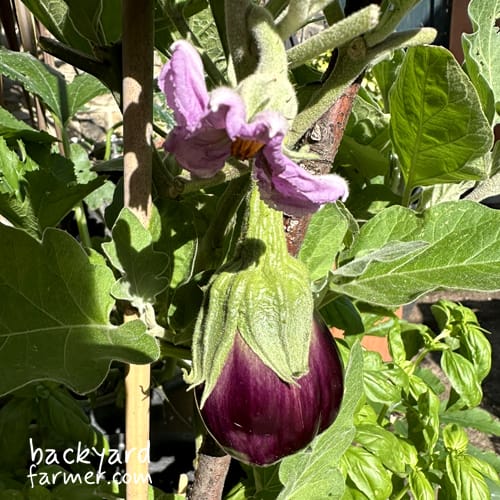
On the flip side, once you understand what conditions are needed, they’re very good to grow, even in pots or a small garden.
In this guide, I’ll walk you through how to grow aubergines in the UK using a simple approach that actually works. No fluff — just what makes the difference between leafy plants and a proper harvest.
If you want to avoid the usual mistakes people make in the UK, read on.
When to Plant Aubergine in the UK
Aubergines need an early start in the UK — and getting this wrong is probably the number one reason they fail.
You’re looking at sowing indoors from late January through to March, with February being the sweet spot for most setups. That early start gives plants enough time to grow before they hit our warmer months.
Leave it until April and you’ll often get decent plants, but not enough time for proper fruit.
They should only go into their final position after the last frost (mid-May onwards), and even then, they’ll perform best somewhere warm and sheltered.
What really matters is consistent warmth from the start. Seeds want around 20–25°C to germinate, and young plants will stall quickly if things dip too low.
If you’re further north or in an exposed spot, it’s worth delaying planting slightly rather than rushing them out into cold conditions.
In short: start early, keep them warm, and don’t rush it.
Where to Grow Aubergine (Can You Grow Aubergines Outside in the UK?)
This is where expectations need a bit of adjusting. Yes — you can grow aubergines outside in the UK — but only if you’ve got the right setup.
They need full sun, shelter, and as much warmth as you can give them. Miss one of those, and they’ll often grow slowly or fail to fruit.
In most cases, your best results will come from:
- A greenhouse or polytunnel (most reliable)
- Large containers that warm up quickly
- A south-facing wall or patio that holds heat
Growing them straight in the ground outdoors can work, but only in a genuinely warm, sheltered garden — and even then, it depends on the summer.
One thing worth noting: aubergines often do better in pots here. The compost warms up faster than soil, and that extra heat makes a real difference.
Think of them more like chillies than a typical outdoor veg crop. Give them warmth and protection, and they’ll reward you. Leave them exposed, and they’ll struggle.
How to Plant Aubergine (From Seed to Transplant)
Aubergines need a smooth start. Any setback early on usually shows up later as poor fruiting.
The easiest way to grow them is to start indoors and transplant later.
Sow seeds in a light compost about 0.5–1 cm deep, water lightly, and keep them warm — ideally around 20–25°C. A propagator helps, but a steady windowsill can work.
Once they’re up, give them plenty of light and avoid overwatering. When they’re big enough to handle, pot them on individually.
From there, just keep things moving steadily. Pot up as they grow rather than jumping straight to a large container — it keeps them progressing instead of stalling.
Before planting out, harden them off slowly over a week or so. Aubergines don’t like shock, and a cold night can knock them back more than you’d expect.
When they go into their final spot, use rich compost, water them in well, and keep conditions stable.
It’s all about momentum — keep them growing without interruption and they’ll reward you later.
Spacing and Layout
Aubergines aren’t huge plants, but they do need space around them — mainly for light, airflow, and warmth.
As a guide:
- 45–60 cm between plants
- 60–75 cm between rows
- One plant per large pot (10–15L minimum)
If you cram them in, you’ll usually get plenty of leaves but fewer flowers and fruit. Airflow drops, light gets blocked, and everything slows down.
In UK conditions, giving them space helps them make the most of whatever heat and sun you get.
If you’re growing in pots, keep it simple: one plant per container, in the warmest spot available.
If you want to map it properly before planting, use the Allotment Planner to avoid overcrowding from the start.
Watering, Feeding, and Care
This is where things either come together or fall apart. Aubergines don’t need constant attention — but they do need consistency.
Watering
They like steady moisture, not swings between dry and soaked.
- Keep compost evenly damp
- Expect daily watering in warm weather (especially pots)
- Water at the base, not over leaves
Letting them dry out and then flooding them is a quick way to lose flowers.
Feeding
They’re hungry plants once they start flowering.
- Begin feeding at first flowers
- Use a high-potassium feed (like tomato feed)
- Avoid excess nitrogen early on
If plants look great but aren’t fruiting, feeding is usually the culprit.
Temperature & Setup
Anything that helps hold heat will improve results — greenhouses, sheltered spots, even darker pots.
Support & Pollination
- Stake plants as they grow
- Tie loosely to avoid damage
- In greenhouses, gently tap flowers to help pollination
Key takeaway
Most issues here come from imbalance. Keep things steady and they’ll respond.
Common Problems (Why Aubergines Don’t Fruit in the UK)
If aubergines are going to struggle, it usually shows up here.
No fruit
- Cause: Not enough warmth or poor pollination
- Fix: Warmer position + help pollination
Flowers dropping
- Cause: Stress (watering or temperature swings)
- Fix: Keep conditions consistent
Lots of leaves, no fruit
- Cause: Too much nitrogen
- Fix: Switch to potassium feed
Small fruit
- Cause: Lack of sun or feeding
- Fix: More light + regular feed
Pests (greenhouse)
- Aphids, mites, whitefly
- Check regularly and deal early
The pattern
Nearly all aubergine problems come back to the same thing: not enough heat, or inconsistent care.
When and How to Harvest Aubergine
Harvest timing matters more than people think.
Most aubergines are ready 70–100 days after planting out, depending on warmth and variety.
When to pick
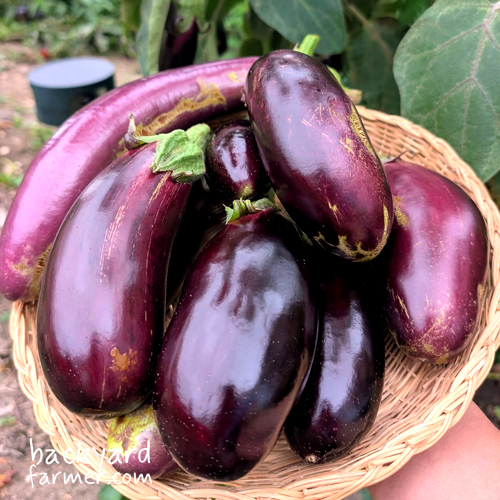
- Glossy skin = ready
- Dull skin = too late
They should feel firm and reach a decent size, but don’t wait for them to get huge — they taste better slightly earlier.
How to harvest
- Cut with secateurs
- Leave a bit of stem
- Don’t pull them off
Keep picking regularly — it encourages more fruit.
Storage
Best used fresh, but will keep a few days in the fridge.
Companion Planting
Companion Panting is helpful, but not essential.
Works well with:
- Tomatoes and peppers
- Basil
- Marigolds
Avoid:
- Potatoes (shared pests)
More than anything, it’s about grouping plants with similar needs.
Plan Your Layout (Free Allotment Planner Tool)
If you want to plan your layout properly before planting, use the Allotment Planner to map spacing and layout before you start.
FAQ
Yes — and in the UK, it’s often the easiest way. Pots warm up faster and give more reliable results.
Around 70–100 days from planting out, with seeds usually started in late winter.
Fairly — as long as you prioritise warmth and consistency.
Not enough heat, followed by poor watering or feeding.
You can, but results are usually weaker.
Not always, but it makes things much easier in most UK gardens.