
Growing beetroot in the UK is about as reliable as it gets — but a few small mistakes can quietly ruin the harvest.
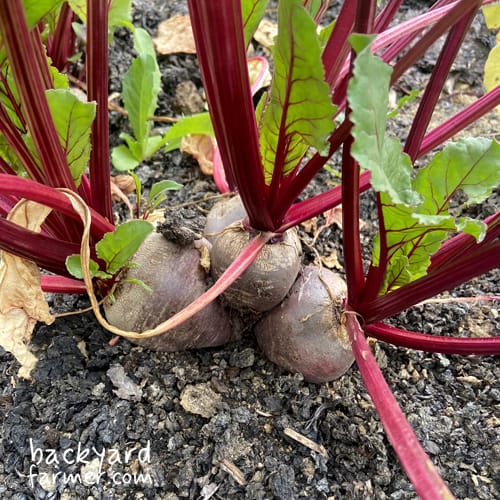
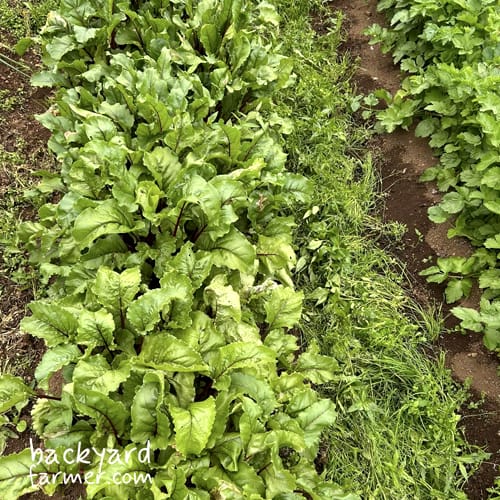
Most people don’t struggle to grow beetroot… they struggle to grow good beetroot. You’ll often see plenty of leafy tops but no proper bulbs or roots that turn woody because they’ve been left too long or grown too tightly packed.
In this guide, I’ll show you how to grow beetroot in the UK using a simple, practical approach that works in real gardens, raised beds, and even when growing beetroot in pots.
If you just want the quick version, use the guide widget below. If you want to avoid the common mistakes (especially around thinning and timing), read on.
When to Plant Beetroot in the UK
Beetroot is fairly forgiving, but timing still makes a big difference — especially with germination and root quality.
In most parts of the UK, you’re looking at three main sowing windows:
- Early sowing: March to April (only if the soil is warming up or under cover)
- Main sowing: April to July (this is your safest and most reliable window)
- Late sowing: Late July to early August (for smaller, sweeter roots)
The key thing most guides gloss over is soil temperature. Beetroot needs soil to be at least around 7–10°C to germinate properly. Sow too early into cold, wet soil, and you’ll either get patchy germination or nothing at all.
A more reliable approach is to:
- Wait until the soil has properly warmed up
- Sow little and often, every 2–3 weeks
This succession sowing avoids a glut and gives you a steady run of harvests.
If you’re sowing later, don’t worry — late beetroot is often smaller but sweeter and more tender.
Common mistake: sowing everything in one go early in spring.
Where to Grow Beetroot
Beetroot isn’t fussy, which makes it ideal for beginners.
- Light: Full sun is best, but light shade is fine
- Soil: Light, well-drained
- Drainage: Important — avoid waterlogged ground
Avoid freshly manured soil. Too much nitrogen gives you lots of leaves and poor roots.
Works well in:
- Raised beds
- Allotments
- Containers (at least ~20 cm deep)
Don’t overthink perfect soil — decent drainage and space matter most.
How to Plant Beetroot
Beetroot is best direct sown.
Prepare the soil with a light rake to remove stones and clumps.
Sow seeds 2–3 cm deep in drills or lightly in blocks. Water in and keep the soil consistently moist.
Important: each “seed” is a cluster, so you’ll get multiple seedlings in one spot.
If you don’t thin them, you’ll get lots of leaves and little to no root.
Thin to 8–10 cm between plants once they’re a few cm tall.
Tips:
- Water before thinning to reduce disturbance
- Snip weaker seedlings rather than pulling if needed
Common mistake: skipping thinning or leaving it too late.
For pots, use the same method and keep spacing consistent.
Spacing and Layout
Spacing directly affects root size.
- In-row: 8–10 cm
- Between rows: 25–30 cm
- Square feet: ~9 plants
Too close and you’ll get small, uneven roots with lots of leaves.
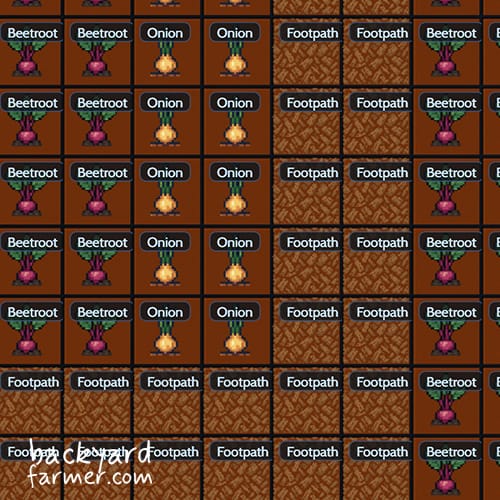
Blocks often work better than rows in raised beds for easier watering and layout.
Use thinnings as a bonus harvest — great in salads.
Common mistake: cramming too many plants in.
Tip: Map your layout first using your Allotment Planner to avoid overcrowding.
Watering, Feeding, and Care
Beetroot is low-maintenance, but consistency matters.
Watering
Keep soil evenly moist. Avoid big swings from dry to soaked.
- Water regularly in dry spells
- Pots and raised beds dry faster
Irregular watering can cause woody or split roots.
Feeding
Keep it light.
- Avoid high-nitrogen feeds
- Compost or a general fertiliser is enough
Mulching & Weeding
A light mulch helps retain moisture.
- Weed early
- Once established, beetroot competes well
Ongoing Care
- Keep watering consistent
- Maintain spacing
- Harvest regularly
Common mistake: overfeeding and inconsistent watering.
Common Problems
Lots of Leaves but No Bulb
Cause: overcrowding or too much nitrogen
Fix: thin early and avoid rich feeds
Woody Roots
Cause: inconsistent watering or harvesting too late
Fix: steady watering and harvest earlier
Poor Germination
Cause: cold or dry soil
Fix: wait for warmer soil and keep moisture consistent
Splitting
Cause: uneven watering
Fix: maintain even moisture
Bolting
Cause: stress or temperature swings
Fix: sow at the right time
Bottom line: spacing, watering, and timing solve most issues.
When and How to Harvest Beetroot
Beetroot is usually ready in 8–10 weeks, but go by size.
Harvest at golf ball to tennis ball size for the best flavour and texture.
Bigger roots tend to be woody and less sweet.
How to Harvest
- Loosen soil if needed
- Pull gently from the base
- Twist off leaves
Harvest gradually as needed.
Storage
- Store in a cool, dark place
- Or leave it in the ground a little longer in mild conditions
Tip: Smaller beetroot consistently tastes better.
Companion Planting
Beetroot is easy to mix into most beds.
Good Companions
- Onions and garlic
- Lettuce and spinach
- Brassicas
Avoid
- Pole beans (can compete more heavily)
Does It Matter?
Not massively — spacing and watering matter more.
Use companions to maximise space and reduce bare soil.
Rotation Note
You can grow beetroot after potatoes in most cases. Add compost if needed.
Plan Your Layout
If you want to get it right the first time, use the Allotment Planner to map your spacing, companion planting, and bed layout before you plant.
It makes it easier to avoid overcrowding and plan succession sowing.
FAQ
Beetroot usually takes around 8–10 weeks to grow. You can harvest earlier for smaller, sweeter roots.
Yes, beetroot grows well in pots. Use a container at least 20 cm deep and water more often.
If your beetroot has lots of leaves but no bulbs, it’s usually overcrowding or too much nitrogen. Thinning fixes it.
You can grow beetroot after potatoes in most cases. Just avoid overly rich soil.
Beetroot is beginner-friendly, but the most common mistake is skipping thinning.
Yes, you can sow beetroot later. Late crops are often smaller but sweeter.