How to Grow Broccoli in the UK: Calabrese, Sprouting Types and Practical Tips

This post may contain affiliate links, which means I earn a small commission at no extra cost to you.

Table of Contents (Quick Nav)

growing broccoli on the allotment in the UK

Introduction

Growing broccoli in the UK is one of those jobs that looks easy on paper, then catches people out in real life.

Usually, it is not because broccoli is especially difficult. More often, the plants get checked, the timing is off, pigeons or caterpillars get there first, or what should have been a decent crop turns into tiny heads and disappointment.

Before You Go Further, Know This

If you want…You usually mean…
A single green supermarket-style headCalabrese
A slower crop with repeated spears later onPurple sprouting broccoli

That distinction matters more than people think. The sowing window, spacing, harvest timing, and even whether the crop feels worth the space can all change depending on which type you are actually growing.

The Short Version

  • Calabrese is the quicker, more familiar broccoli crop
  • Purple sprouting broccoli is a longer-season crop grown for repeated spears
  • Broccoli usually fails because of poor timing, checked plants, overcrowding, or weak pest protection
  • It is usually a better crop for beds, raised beds, and allotments than tiny containers

What This Guide Will Help You Do

In this guide, I’ll walk through how to grow broccoli in the UK in a simple, practical way that suits real gardens, raised beds, and allotments.

You’ll find clear advice on:

  • Choosing the right type
  • Getting the timing right
  • Planting and spacing properly
  • Avoiding common brassica problems
  • Harvesting at the right moment

If you just want the quick version, use the guide widget below. If you want to avoid the usual broccoli mistakes, keep reading.


Broccoli or Calabrese? Read This First

This is where a lot of the confusion starts, and it catches plenty of UK growers out.

People say broccoli when they often mean different things. If you are picturing the green supermarket-style head, you usually mean calabrese. If you are growing purple sprouting broccoli, you are dealing with a slower, longer-season crop that gives you lots of smaller spears instead of one big central head.

It sounds like a small detail, but it changes quite a lot once you get growing.

The Quick Difference

TypeWhat you getGrowing styleHarvest style
CalabreseOne main green head, often followed by smaller side shootsFaster crop, usually grown for summer or autumn harvestsCut the central head while tight
Purple sprouting broccoliMultiple purple spears over a longer periodLong-season crop, usually grown through autumn and winter for spring harvestsPick the spears regularly
Tenderstem / sweet stem broccoliSlender stems with small floretsUsually grown more for repeated stem harvests than one big headCut stems little and often

Why This Matters

Getting the type right changes:

  • When you sow
  • How long the crop stays in the ground
  • How much space it needs
  • What sort of harvest to expect
  • Whether it feels worth growing in your space

The Most Common Beginner Mix-Up

The usual mistake is buying “broccoli” seed, then expecting a big green head when the variety is actually a sprouting type.

That often leads to:

  • Confusion rather than true crop failure
  • Wrong harvest expectations
  • Frustration with timing and spacing
  • The feeling that the plant has “gone wrong” when it may actually be doing exactly what it should

I’d say this is one of the main reasons people think broccoli is harder than it really is. Sometimes the plant is fine — it is the expectation that is off.

Use This Simple Rule

  • If you want the classic single green head, look for calabrese
  • If you want a crop that stands for months and gives you multiple spears later on, look for purple sprouting broccoli
  • If you want something in between, tenderstem or sweet stem broccoli may suit you better

What This Means for This Guide

For the rest of this guide, I’ll use broccoli in the broad UK sense, but I’ll split out calabrese and purple sprouting broccoli where it genuinely matters most:

  • Timing
  • Spacing
  • Harvest
  • Space expectations

That way, the guide stays clear without muddling together crops that behave quite differently.


When to Plant Broccoli in the UK

When to plant broccoli in the UK depends a lot on which type you are growing.

  • Calabrese is the quicker crop, usually grown for summer or autumn harvests
  • Purple sprouting broccoli is the longer-season crop, usually harvested the following late winter or spring

This is one of the biggest places growers go wrong. People start too late, leave seedlings sitting too long in trays, or treat purple sprouting broccoli like a quick crop when it really is not.

The Simple Timing Table

TypeSowPlant outHarvest
Calabrese / green broccoliMarch to JuneApril to JulyJune to October, depending on sowing time and variety
Purple sprouting broccoliApril to JuneJune to JulyLate winter to spring the following year

Calabrese / Green Broccoli

For most UK gardeners, calabrese is the simpler one to get your head around.

A pattern that works well for most people is:

  • Sow in modules or trays from March to May
  • Plant out once the seedlings are sturdy, green, and ready for outside conditions
  • Sow later crops outdoors from around April to June once the soil is warming properly

What works best

  • Start under cover in spring if the weather is still cold
  • Harden plants off properly before planting out
  • Move plants on before they become leggy or pot-bound
  • Later in the season, sow outside if that is likely to be easier than holding plants in warm trays

What to avoid

  • Keeping young brassicas pampered in a warm greenhouse for too long
  • Letting seedlings sit around “looking fine” until they stall
  • Planting out weak, stretched plants and hoping they will catch up

Purple Sprouting Broccoli

Purple sprouting broccoli catches people out because it sounds like normal broccoli, but it behaves quite differently.

Think of it as a long-season crop:

  • Sow from April to June
  • Plant out in early to mid-summer
  • Leave it in the ground through autumn and winter
  • Harvest in late winter or spring the following year

The main thing to understand

Purple sprouting broccoli needs time.

If it goes in too late, it often:

  • Never builds enough size before winter
  • Stays weak or patchy
  • Gives a poor spring crop
  • Feels like a waste of space

Why people still rate it

  • It gives repeated spears rather than one main head
  • It can be one of the best things in the plot when little else is ready
  • It suits allotment-style growing if you have the patience for it

Frost, Weather, and Real-World Timing

Broccoli is hardy, but young plants still do better when conditions are moving in the right direction.

In practice, that means:

  • South of the UK: you can usually get away with slightly earlier sowing and planting
  • Colder or more exposed areas: it often pays to wait until the soil is warming and the plants can move away properly
  • Windy allotments: timing matters even more, because small plants can get checked badly in cold wind

A plant that goes out too early into rough conditions can sit still for ages. That is often where the later disappointment starts.

Common Timing Mistakes to Avoid

  • Starting too late, especially with purple sprouting broccoli
  • Keeping seedlings under cover too long
  • Letting young plants become pot-bound
  • Planting out weak, leggy seedlings
  • Trying to force a quick crop from a long-season sprouting type
  • Sowing into hot summer conditions and expecting large, stress-free heads

The Main Rule

If in doubt, think steady rather than early.

Strong young plants put out at the right moment nearly always do better than seedlings that were started too soon, kept too warm, or left too long in trays.


Where to Grow Broccoli

Broccoli grows best in a bright, open spot with fertile soil and steady moisture.

It does not need perfect conditions, but it does need somewhere it can keep moving without drying out too fast, rocking about in the wind, or becoming awkward to protect.

The Best Setup at a Glance

What broccoli likesWhy it matters
Full sun or light shadeHelps strong growth without stretching
Fertile soil with organic matterSupports leafy growth and decent heads
Good drainage with steady moistureStops plants swinging between wet and dry stress
Firm groundReduces wind rock and weak rooting
Enough space around plantsImproves airflow and makes netting easier
A protectable siteMakes mesh, cages, or netting far easier to manage

Light and Position

Broccoli will usually crop best in full sun, but in real UK gardens it can cope with a bit of light shade, especially if that stops the ground baking dry in summer.

What it does not like is:

  • A dark corner
  • A crowded bed
  • A spot where larger plants quickly overshadow it

If the plant has to stretch for light or compete too hard, the crop usually shows it.

Soil Matters More Than Fancy Conditions

If you want better broccoli, start with the soil.

Broccoli likes soil that is:

  • Firm
  • Fertile
  • Moisture-retentive
  • Well drained

It does not do well in ground that is:

  • Loose and fluffy
  • Dry and hungry
  • Poorly improved
  • Constantly swinging between wet and dry

If the bed has been improved with compost or well-rotted manure, you are already giving the crop a much better start.

Why Firm Soil Matters

This is one of those details beginners often miss.

Brassicas prefer firm ground. If the bed is too soft, plants can:

  • Rock in the wind
  • Loosen at the roots
  • Slow down badly
  • End up weak or disappointing later on

So if you have just dug a bed over heavily, it is worth firming it back down before planting rather than leaving it loose like a carrot bed.

Raised Beds, Borders, and Allotments

Broccoli grows well in:

  • Raised beds
  • Standard vegetable borders
  • Allotment plots

Raised beds

These are often the easiest option because:

  • Soil improvement is straightforward
  • Spacing is easier to keep tidy
  • Beds are simpler to manage

The main downside is that they can dry out faster in hot weather.

Allotments

Broccoli often works best as part of a proper brassica patch rather than dotted around the plot.

That makes it easier to:

  • Rotate crops properly
  • Protect the whole area with mesh or netting
  • Keep spacing and maintenance under control

If room is tight, calabrese is usually the easier choice. Purple sprouting broccoli takes longer, gets bigger, and asks for more commitment from the space.

Wind, Shelter, and Exposed Plots

Shelter matters more than people think.

Broccoli does not need to be hidden away, but it does better when it is not constantly battered by strong wind.

This matters most on:

  • Exposed allotments
  • Open raised beds
  • Plots with little natural shelter

If your site is windy:

  • Plant firmly
  • Leave enough room between plants
  • Check for wind rock after rough weather
  • Consider staking purple sprouting broccoli later on
  • Use a solid cage or netting setup that will not flap loose

Can You Grow Broccoli in Pots?

Yes, but it is not the easiest or best-value container crop.

Best option in potsWhat to expect
CalabreseMore realistic than purple sprouting broccoli
Large containerGives the roots more moisture and stability
Regular wateringEssential, especially in warm weather

A small pot often leads to:

  • A small plant
  • More watering stress
  • Lower yields
  • A crop that feels underwhelming for the space used

For most people, broccoli is far better in the ground, a raised bed, or a larger allotment bed.

The Main Rule

Broccoli does not need luxury. It needs:

  • A bright spot
  • Good soil
  • Steady moisture
  • Enough shelter and protection to keep growing strongly

Get that right, and the rest of the job becomes much easier.


How to Plant Broccoli

For most UK growers, the easiest way to plant broccoli is to start it in modules, grow it on briefly, then plant it out while it is still young, sturdy, and actively growing.

That is the main thing to get right. Broccoli hates being checked. If seedlings sit around too long, become pot-bound, or go out weak and leggy, they often never really get going properly.

The Easiest Method for Most Gardeners

StageWhat to doWhy it matters
SowStart seeds in modules or traysEasier to protect and manage early on
Grow onKeep plants short, green, and movingAvoids weak, stalled seedlings
Harden offGet plants used to outdoor conditions graduallyReduces transplant shock
Plant outMove them into firm, prepared soilHelps them root quickly and steadily
ProtectCover straight away if pests are likelyStops early damage setting the crop back

Start Broccoli from Seed the Simple Way

If you are starting from seed:

  • Sow about 1–2cm deep
  • Use modules or small trays
  • Use a decent seed compost or multipurpose compost
  • Sow one seed per module if you can
  • If two come up, thin to the strongest seedling

Why modules work well

  • They keep the roots separate
  • They make planting out simpler
  • They reduce root disturbance later on
  • They help you raise stronger plants before slugs, pigeons, and rough weather get at them

Keep the compost moist rather than soaked, and give the seedlings plenty of light as soon as they germinate. Pale, stretched seedlings nearly always make life harder later on.

What a Good Young Broccoli Plant Looks Like

Before planting out, aim for plants that are:

  • Stocky rather than leggy
  • Green and healthy
  • Properly rooted, but not pot-bound
  • Big enough to cope outside, but still young enough to establish quickly

The Most Common Seedling Mistake

The usual mistake is leaving broccoli in trays too long because it still looks “fine”.

That often leads to plants that are:

  • Root-bound
  • Stalled
  • Weaker after planting out
  • More likely to button or struggle later on

In my view, this is one of the main reasons broccoli gets a reputation for being fussy. A lot of the trouble starts before the plants ever hit the bed.

Harden Off Before Planting Out

Before planting broccoli outside, harden it off for around a week.

That just means getting the plants used to outdoor conditions gradually instead of moving them straight from shelter into:

  • Cold wind
  • Strong sun
  • Rough weather
  • Big day and night temperature swings

A simple hardening-off routine

  • Put plants outside in the day
  • Bring them back under cover at first if nights are still cold
  • Increase their time outside gradually
  • Plant out once they are coping well with normal conditions

It is a small step, but it makes a real difference with brassicas.

Prepare the Bed Properly

Before planting, make sure the bed is:

  • Weed-free
  • Moist rather than bone dry
  • Improved with compost or well-rotted manure if needed
  • Firm enough to hold the plants properly

Broccoli is not a crop for dusty, hungry ground, and it does not thank you for being planted into loose fluff either.

Planting Out Step by Step

  1. Water the seedlings first so the rootball is moist.
  2. Mark out the spacing properly.
  3. Plant each seedling deep enough to cover the rootball well.
  4. Press the soil in firmly around the base.
  5. Water thoroughly.
  6. Protect the bed straight away if pigeons, slugs, or cabbage whites are likely to be a problem.

That firmness matters. If broccoli rocks about in the wind after planting, it often sulks instead of settling in.

Direct Sowing vs Transplanting

For most beginners, transplanting from modules is the more reliable route.

MethodBest when…Main drawback
Modules + transplantingYou want strong young plants and easier protectionPlants can stall if left too long in trays
Direct sowingSoil is warm, slug pressure is manageable, and you can thin properlySeedlings are more exposed early on

Direct sowing can work well later in the season, but in plenty of UK gardens and allotments, young brassicas are simply easier to establish from modules.

Biggest Planting Mistakes to Avoid

  • Letting seedlings become pot-bound
  • Planting out weak, pale, leggy plants
  • Skipping hardening off
  • Planting into dry, poor soil
  • Leaving plants loose in fluffy ground
  • Failing to protect young plants straight after planting

The Main Rule

If you get planting right, the rest of the job becomes much easier.

A strong broccoli plant that settles in quickly is far less likely to button, bolt, or struggle than one that started life stressed.


Spacing and Layout

Broccoli needs more space than plenty of beginners think.

That catches people out because the young plants look small and tidy when they first go in, so it is tempting to squeeze in an extra row or tuck a few more around the edges. The trouble comes later, when the leaves spread, airflow drops, and the plants start competing for light, water, and nutrients.

Why Spacing Matters

If broccoli is too cramped, you usually end up with one or more of these problems:

  • Smaller heads
  • More pest and disease pressure
  • Poor airflow
  • A bed that is awkward to weed, water, and protect

So even though it can feel a bit wasteful at planting time, proper spacing is usually what makes broccoli worth growing in the first place.

Quick Spacing Guide

TypeIn-row spacingBetween rowsBest for
Standard calabrese45cm45–60cmMost garden and allotment crops
Compact calabrese30–45cm45cmSmaller spaces or tighter layouts
Purple sprouting broccoli60–75cm60–75cmLong-season, larger plants

Calabrese Spacing

For calabrese, a solid general guide is:

  • 45cm apart for most standard varieties
  • 30–45cm apart for smaller or more compact types
  • 45–60cm between rows to keep the bed workable

That usually gives the plants enough room to:

  • Build a decent central head
  • Hold moisture and nutrients better
  • Stay easier to weed and water around
  • Fit under netting without turning into a tangled mess

What happens if you plant too close?

  • Heads tend to stay smaller
  • Leaves overlap too quickly
  • The bed becomes harder to inspect and protect
  • The crop often feels like more hassle for less reward

Purple Sprouting Broccoli Spacing

Purple sprouting broccoli needs more room than calabrese because it:

  • Stays in the ground longer
  • Gets larger and bushier
  • Often becomes taller and heavier by the time it crops

A practical guide is:

  • 60–75cm apart each way

That can look generous on paper, but once the plants get going it makes a lot more sense. Purple sprouting broccoli is not a crop to cram in like lettuce.

If it is too crowded, it quickly turns into a patch that is:

  • Harder to net
  • Harder to pick
  • More awkward to support
  • More likely to get knocked about in bad weather

Square Foot and Small-Space Thinking

If you are using a square-foot style layout, broccoli is one of the crops where it pays to stay realistic.

TypeSmall-space rule of thumb
CalabreseAround 1 plant per square foot is usually the tightest sensible limit
Purple sprouting broccoliUsually wants more than a square foot each and is better treated as a larger crop

This is one of those vegetables where overpacking the bed can look efficient at the start, then prove false economy later on.

Layout Tips That Work in Real Beds

A few simple layout rules usually help:

  • Keep broccoli in clear rows or a tidy block rather than scattering plants randomly
  • Leave enough room to get between plants for picking and checks
  • Do not squeeze broccoli right up against other large brassicas
  • Put taller, longer-season types like purple sprouting broccoli where they will not overshadow smaller crops
  • On exposed sites, leave room for support stakes or a sturdy cage if needed

Can You Use Fillers?

Yes — but only early on.

Good temporary fillers include:

  • Lettuce
  • Radish
  • Other quick crops that will be gone before the broccoli spreads fully

That can make the bed feel more productive early on without causing long-term crowding.

The Main Spacing Mistake

The most common spacing mistake is planting broccoli based on how it looks now, not how it will look in six to ten weeks.

That is usually why beds end up overcrowded. The young plants go in neatly, then everything closes over, airflow disappears, and the crop becomes more hassle than it should have been.

I’d say this is one of the easiest broccoli mistakes to make, because the bed often looks perfectly sensible on day one.

Simple Takeaway

If you want to map your broccoli spacing properly, use the Allotment Planner to lay it out before you plant.

It is much easier to adjust the plan on screen than to realise later that the whole bed is too tight.


Watering, Feeding, and Care

Broccoli does best when it grows steadily.

That is really the main principle for this whole section. You do not need a complicated feeding plan or constant fussing, but you do need to stop the plants lurching from one stress to the next.

The Main Jobs That Actually Matter

If you want to keep broccoli care simple, focus on:

  • Watering properly in dry weather
  • Mulching if the bed dries out fast
  • Feeding only when needed
  • Keeping weeds down while plants are young
  • Firming plants back in if wind loosens them
  • Supporting purple sprouting broccoli on exposed sites if needed
  • Checking for pests regularly rather than assuming all is well

That is really enough for most people.

Watering Broccoli Properly

Broccoli likes consistent moisture, especially once it is established and putting on serious growth.

Pay most attention to watering:

  • Just after planting out
  • During dry spells
  • While calabrese heads are forming
  • While purple sprouting broccoli is bulking up before winter
  • In raised beds or lighter soils that dry out quickly

What good watering looks like

Good practiceWhy it helps
Give the bed a proper soakEncourages deeper rooting
Water before plants visibly flopAvoids stress checks
Keep moisture as steady as you canHelps prevent weak growth and small heads
Pay closer attention in hot weatherBroccoli slows down fast if it dries out

A decent soak every now and then is usually far better than flicking a bit of water over the surface and hoping for the best.

Mulching Makes the Job Easier

A mulch helps a lot with broccoli, especially on allotments or open beds that dry out fast.

A layer of compost, leaf mould, or other decent organic matter helps:

  • Hold moisture in the ground
  • Reduce watering pressure in summer
  • Suppress weeds around the plants
  • Feed the soil gradually as it breaks down

It is one of those simple jobs that makes the whole bed easier to manage.

Feeding Without Overcomplicating It

Broccoli is a hungry crop, but that does not mean you need to throw every feed in the shed at it.

If the soil was improved properly before planting with compost or well-rotted manure, that will usually do most of the heavy lifting.

Feed is most useful when:

  • The soil is poor or sandy
  • The plants look pale or slow
  • The bed was not improved much beforehand
  • A long-season crop like purple sprouting broccoli is sitting in the ground for months

Keep feeding simple

SituationSensible approach
Good soil, well-prepared bedUsually little extra feeding needed
Poor soil or pale plantsA simple liquid feed during active growth can help
Long-season sprouting cropLight support feeding may keep it moving steadily

The aim is not to force soft, overblown growth. It is simply to stop the crop running short.

Keep the Bed Clean While Plants Are Young

Young broccoli does not compete brilliantly if weeds get away early.

Keeping the bed reasonably clean means:

  • Less competition for water and nutrients
  • Better airflow around the base of the plants
  • Easier slug and pest checks
  • A tidier bed that is simpler to water and manage

This does not mean obsessing over every tiny weed. It just means not letting the bed get overrun while the broccoli is still establishing.

Check for Wind Rock and Stability

This is one of those practical details that gets missed in generic growing guides.

If broccoli plants loosen in the wind, they often stop moving properly. A plant that rocks about day after day usually roots less well and grows less strongly.

After rough weather, check for:

  • Plants leaning or wobbling
  • Soil loosened around the stem
  • Weak anchoring in exposed beds
  • Taller purple sprouting broccoli needing support

If any plants have loosened, firm the soil back around them. On exposed plots, that can matter more than giving them another feed.

Simple Takeaway

Broccoli is not a crop that rewards overcomplication.

It rewards:

  • Decent soil
  • Steady moisture
  • A bit of mulch
  • Sensible feeding
  • Regular checks that stop small problems becoming bigger ones

Keep it moving steadily, and it usually pays you back.


Common Problems When Growing Broccoli

Broccoli can look fine one week, then let you down the next.

Most of the time, the problem is not mysterious. It usually comes back to one of three things:

  • Stress
  • Pests
  • A plant that never really got established properly

Once you spot that pattern, broccoli makes a lot more sense.

The Quick Diagnosis Table

ProblemMost likely causeBest response
Tiny heads / buttoningChecked growth, poor timing, pot-bound plants, droughtImprove early growth and stop the next batch being checked
Early floweringStress, heat, dry spells, late harvestKeep growth steady and harvest while buds are tight
Plants sitting still after plantingWeak seedlings, transplant shock, cold wind, poor hardening offPlant stronger seedlings and avoid checking them early
Ragged leavesPigeons or caterpillarsNet early and check plants properly
Seedlings disappearing or being chewedSlugs and snailsProtect young plants and check after wet weather
Wilted, stunted plants with poor rootsPossible clubrootRotate brassicas and improve drainage

Tiny Heads or Buttoning

This is one of the most common broccoli complaints.

Instead of making a decent central head, the plant throws up a small button-sized head far too early. That usually means the plant was checked at some point.

Common causes

  • Started too late
  • Left in modules too long
  • Planted out weak or pot-bound
  • Dried out after planting
  • Slowed by cold or wind
  • Grown too tightly

Best prevention

  • Plant out while broccoli is still growing strongly
  • Avoid letting seedlings become pot-bound
  • Keep moisture steady
  • Give the plants enough room
  • Avoid checking them with cold, wind, or neglect after planting

Once a broccoli plant has buttoned badly, there is not much you can do to turn it into a great crop. The real fix is usually in the next sowing, not the plant in front of you.

Early Flowering or Bolting

If broccoli starts flowering before the head is properly developed, stress is usually behind it again.

Usually caused by

  • Plants being held back early on
  • Dry weather
  • Heat stress
  • Poor steady growth
  • Waiting too long to harvest

What helps most

  • Sow at the right time
  • Do not overhold plants in trays
  • Water properly in dry spells
  • Harvest calabrese while the head is still tight

Once yellow flowers start to open, the crop is usually past its best. It is still edible, but it is not the broccoli you were aiming for.

Plants Checked After Planting Out

Sometimes broccoli does not die — it just sulks.

This often happens when seedlings:

  • Were not hardened off properly
  • Went out into cold, rough weather too soon
  • Were already cramped at the roots
  • Loosened in windy ground before they established

Signs of a checked plant

  • Slow growth
  • Pale or tired-looking leaves
  • Weak overall development
  • Greater risk of tiny heads later on

This is why strong planting matters so much. A broccoli plant that settles in quickly is much easier to grow on than one that spends weeks trying to recover.

Pigeon Damage

Pigeons are one of the most normal broccoli problems in the UK, especially on allotments and open plots.

What pigeon damage looks like

  • Leaves stripped or ragged
  • Growing tips pecked out
  • Young plants reduced to stalks and veins

What to do

  • Net early rather than waiting for damage
  • Protect the whole bed if possible
  • Do not assume older plants are safe once pigeons have found them

If the growing point survives, some plants will recover — but I would not bank on that as a strategy.

Caterpillars and Cabbage White Butterflies

This is the other classic brassica problem.

Watch for

  • Holes in leaves
  • Caterpillar droppings
  • Eggs under leaves
  • Plants suddenly looking tatty or stripped back

Best response

  • Use fine mesh or a proper brassica cage
  • Check leaves regularly
  • Pick caterpillars or eggs off by hand if needed
  • Do not leave gaps in netting and assume all is well

A few caterpillars are manageable. A hidden infestation is where the real damage happens.

Slugs and Snails

Slugs and snails are most likely to be a problem when broccoli is young.

Risk is highest when

  • Seedlings have just been planted out
  • Weather is wet or mild
  • The ground is heavy or slug-prone
  • Plants are small and soft

Best protection

  • Plant strong young plants rather than tiny weak seedlings
  • Check after rain or damp nights
  • Keep the area around seedlings manageable
  • Protect early if you know slug pressure is bad

Once broccoli has put on some solid growth, it usually copes much better.

Clubroot

Clubroot is one of the more serious brassica problems because it affects the roots rather than the visible top growth first.

Signs to watch for

  • Wilted plants despite moist soil
  • Stunted growth
  • Generally weak or struggling plants
  • Swollen or distorted roots if lifted

More likely where

  • Brassicas are grown too often in the same ground
  • Drainage is poor
  • Soil is acidic

Sensible response

  • Rotate brassicas where you can
  • Improve drainage
  • Keep plants growing strongly
  • Avoid spreading infected soil around

It matters, but for plenty of home growers the more common problems are still stress, pigeons, and caterpillars.

Aphids, Whitefly, and Flea Beetle

These pests can also turn up, especially in warm weather or on crowded, stressed plants.

Typical signs

  • Aphids: clusters around soft growth
  • Whitefly: activity under leaves when disturbed
  • Flea beetle: lots of small holes, especially on young plants

Healthy, well-spaced plants usually cope better than weak ones, and mesh helps with more than just butterflies.

The Main Pattern Behind Most Broccoli Problems

Most broccoli issues come back to the same weak points:

  • Plants being checked early
  • Poor timing
  • Not enough space
  • Irregular watering
  • Weak pest protection

That is why broccoli can feel fiddly when you first grow it. It is not because it is unusually difficult. It is because small mistakes early on often show up later in a very obvious way.

Get the basics right, though, and broccoli is far more straightforward than its reputation suggests.


Pest Protection and Netting Mistakes

If there is one thing that makes broccoli feel harder than it really is, it is pest pressure.

In plenty of UK gardens and allotments, broccoli is not lost because the soil was slightly off or the feed was not perfect. It is lost because pigeons, caterpillars, slugs, or other brassica pests get there first.

The Main Point

For a lot of growers, especially on allotments, mesh or netting is not optional.

It is best treated as part of the growing method, not something you think about once the leaves are already ragged.

What Usually Eats Broccoli in the UK?

PestWhat it doesBest protection
PigeonsStrip leaves, peck growing tips, wreck young plants fastBird netting, mesh, full-bed protection
Cabbage white caterpillarsChew leaves and hide under foliageFine mesh, brassica cage, regular checks
Slugs and snailsAttack young seedlings and newly planted cropsEarly protection, strong transplants, regular checks
Other brassica pestsAdd to stress on weak plantsGood spacing, healthy growth, proper mesh

Protect Early, Not Late

One of the most common mistakes is waiting until the leaves are already shredded before covering the plants.

By then, the damage may already be done.

Best timing for protection

  • Cover plants straight after planting out if pests are likely
  • Protect young seedlings early, before they get found
  • Do not assume you can “wait and see” on exposed plots or allotments

Young brassicas do not have much spare growth to lose. What looks like a bit of pecking or nibbling can set the crop back far more than people expect.

Netting vs Mesh: What Actually Works?

Growers often assume all covers do the same job, but they do not.

Protection typeBest forMain weakness
Bird nettingPigeons and larger birdsToo open for butterflies and small insects
Fine insect mesh / enviromeshCaterpillars, cabbage white butterflies, some other flying pestsNeeds proper support and sealing
Brassica cage with mesh coverReliable full-bed protectionMore setup, but better long-term
Debris nettingGeneral physical cover in some setupsEffectiveness depends on mesh size and fitting

The simple rule

  • If birds are the main problem, netting may be enough
  • If butterflies and caterpillars are the real issue, fine mesh is the better option
  • If you grow brassicas every year, a proper brassica cage usually makes life easier

In my view, this is where a lot of people go wrong. They put something over the bed, assume it is covered, and only realise later it was the wrong cover for the job.

Keep the Cover Off the Leaves

Protection works better when it is supported properly.

A frame, hoops, or brassica cage helps because it:

  • Keeps the cover clear of the foliage
  • Gives the broccoli room to grow
  • Makes watering and checking easier
  • Reduces the chance of pests reaching through the mesh

This matters even more with purple sprouting broccoli, which gets larger and stays in the ground much longer.

Secure the Edges Properly

This is where a lot of protection fails.

A bed can look covered from a distance, but if there are gaps at the bottom or corners, butterflies can still get in and pigeons may still find a way to peck through.

Make sure:

  • Edges are pinned, clipped, or weighed down
  • There are no obvious gaps at ground level
  • The frame can cope with wind
  • You check the setup now and then rather than assuming it is still sealed

A rushed cover often gives you the illusion of protection rather than the real thing.

Do Not Fit It Once and Forget It

Another common mistake is putting netting on once, then ignoring it for weeks.

Covers shift. Plants grow. Gaps open up. Pests get in.

Check regularly for:

  • Holes in leaves
  • Eggs under leaves
  • Caterpillar droppings
  • Gaps in the mesh
  • Netting pressing into the plants
  • Signs of birds pecking from outside

The aim is not to fuss over the bed constantly. It is just to catch small failures before they turn into major damage.

Protection Setups That Work Well in Practice

For many growers, these tend to work well:

  • A simple hoop-and-mesh setup for a small broccoli bed
  • A proper brassica cage if you grow brassicas regularly
  • Fine mesh over a sturdy frame where cabbage whites are a known problem
  • Netting the whole brassica patch on allotments rather than protecting plants one by one

The Main Netting Mistakes to Avoid

  • Waiting until the crop is already damaged
  • Using wide bird netting when the real problem is caterpillars
  • Letting the cover sit right on the leaves
  • Leaving obvious gaps at the edges
  • Forgetting that purple sprouting broccoli will outgrow a flimsy setup
  • Assuming a cover that worked last week is still working now

Simple Takeaway

Broccoli protection does not need to be fancy, but it does need to be deliberate.

A basic, well-fitted mesh setup nearly always beats a rushed or half-secure cover. Once you treat pest protection as part of growing broccoli, not an optional extra, the crop becomes much more straightforward.


When and How to Harvest Broccoli

Harvesting broccoli is mostly about timing.

Pick it too early and it feels underdeveloped. Leave it too long and the buds loosen, the flowers start to open, and what should have been a good crop quickly turns coarse or disappointing.

The Quick Harvest Difference

TypeWhat you are harvestingBest approach
CalabreseOne main central head, sometimes followed by side shootsCut the main head while it is tight and firm
Purple sprouting broccoliMultiple spears over timePick regularly while the buds are still tight

Calabrese: When to Harvest

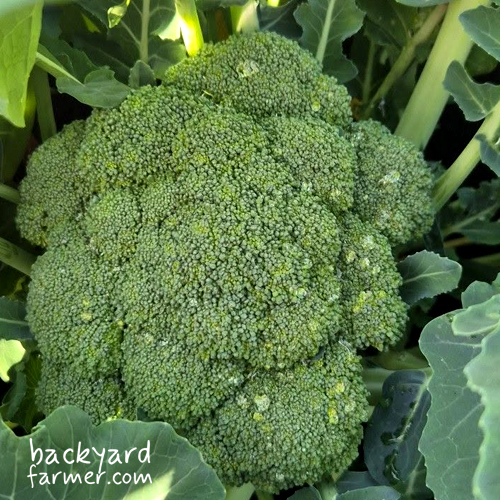
Calabrese is ready when the central head is:

  • Firm
  • Full
  • Tight-budded
  • Showing no yellow flowers

Simple rule

  • Harvest once the head looks properly formed
  • Do not wait for it to become huge
  • Cut before the buds start opening

In my experience, this is where people often hesitate too long. They keep waiting for a bigger head, then suddenly it is already starting to go over.

Calabrese: How to Harvest

  • Use a sharp knife
  • Cut the central head cleanly
  • Leave some stem attached
  • Leave the plant in the ground afterwards in case it throws side shoots

That last bit is worth remembering. Some growers pull the whole plant out after cutting the main head, when it may still have a bit more to give.

Purple Sprouting Broccoli: When to Harvest

Purple sprouting broccoli is a repeated-picking crop rather than a one-off head crop.

Pick the spears when they are:

  • A useful size for the kitchen
  • Well coloured
  • Still tight-budded
  • Not starting to flower

Purple Sprouting Broccoli: How to Harvest

  • Cut the main spears cleanly
  • Keep checking for side shoots
  • Pick regularly rather than letting lots build up and open at once

Why regular picking matters

  • It keeps the crop at its best
  • It encourages more useful side shoots
  • It stops the plant moving past the tight, tasty stage

This is really where purple sprouting broccoli earns its keep. When it is cropping well, you can keep going back to it rather than getting one single harvest and being done with it.

How Long Does Broccoli Take to Grow?

That depends on the type.

TypeTypical growing time
CalabreseUsually around 60 to 90 days from transplanting
Purple sprouting broccoliUsually sown in late spring or early summer, then harvested in late winter or spring the following year

So if you want a quicker result, calabrese is usually the better fit. If you want a long-season crop that pays you back later, purple sprouting broccoli is the one.

Signs Broccoli Is Ready to Pick

TypeReady to harvest when…
CalabreseThe central head is full, firm, and tightly budded
Purple sprouting broccoliThe spears are a useful size, with tight buds and no open flowers

What you are really watching for is tight buds. Once the plant starts moving into flower, quality drops fast.

What Happens If You Leave It Too Long?

If broccoli is left past its best:

  • The buds loosen
  • Yellow flowers start to appear
  • Texture gets rougher
  • The crop feels less worthwhile

It is still edible, but it is no longer at its best.

This is why checking the bed regularly matters once harvest time is close. A plant that looked nearly ready one day can move on surprisingly fast, especially in mild weather.

Best Time of Day to Harvest

If you have the choice, harvest broccoli in the morning.

That is usually when the heads and stems are:

  • Fresher
  • Firmer
  • Better hydrated
  • More likely to keep well after picking

It is not a hard rule, but it does help.

After Harvest

Broccoli is best used fairly fresh.

Best next steps

  • Use it soon after picking for the best flavour and texture
  • Leave calabrese plants in place for possible side shoots
  • Keep picking purple sprouting broccoli while it is producing
  • Blanch and freeze any surplus if needed

The Main Harvest Mistake

The most common mistake is simple: waiting too long.

People often hold off because they want a bigger crop, but broccoli is usually best harvested while it is still tight, fresh, and clearly ready.

Simple Takeaway

If you keep an eye on the crop and pick confidently, broccoli becomes much more rewarding.

It is not a difficult harvest — it is just one where timing makes all the difference.


Is Broccoli Worth the Space?

This is a fair question, because broccoli is not the smallest or quickest crop in the garden.

If you only have a few containers, a tiny raised bed, or a packed plot where every inch matters, broccoli can feel like a big ask for what you get back. It takes space, it needs protection, and it can disappoint if the plants get checked or the harvest is smaller than you hoped.

The Short Answer

SituationIs broccoli worth it?
Bed, raised bed, or allotment with decent spaceUsually yes
Small patio with only a few potsOften not the best-value crop
Grower happy to protect and plan properlyMuch more worthwhile
Grower wanting quick, low-fuss cropsProbably not the best choice

When Broccoli Is Worth Growing

Broccoli usually earns its space when:

  • You have a proper bed or allotment patch rather than just a few pots
  • You can protect it properly from pigeons and caterpillars
  • You are happy to give it decent spacing
  • You want a fresh homegrown brassica rather than the highest-yield crop per square foot
  • You enjoy picking it fresh rather than buying every head from the shop

In those conditions, broccoli can be very satisfying. Calabrese gives you a recognisable, useful harvest, and purple sprouting broccoli can be especially rewarding because it crops when there is often less else to pick.

When It May Not Be the Best Use of Space

Broccoli is less convincing when:

  • You are trying to grow everything in a very small space
  • You mostly garden in small pots or troughs
  • You struggle to keep crops netted or protected
  • You want the maximum return from every square foot
  • You are mainly after quick, low-fuss vegetables

That does not mean you cannot grow it. It just means it may not be your best-value crop compared with things like:

  • Lettuce
  • Chard
  • Kale
  • Beetroot
  • Spring onions
  • Cut-and-come-again leaves

Calabrese vs Purple Sprouting: Which Earns Its Space Better?

TypeBest forMain trade-off
CalabreseA quicker, more familiar broccoli harvestCan feel disappointing if heads stay small
Purple sprouting broccoliA long-season crop with repeated spears later onSits in the ground for months and needs more patience

Calabrese

Best if you want:

  • A quicker result
  • A classic green broccoli head
  • A crop that fits the normal idea of “growing broccoli”

But keep in mind:

  • It still needs room
  • It still needs protection
  • A stressed crop can feel like a lot of space for not much reward

Purple sprouting broccoli

Best if you want:

  • A longer-season allotment crop
  • Repeated pickings rather than one main head
  • Something useful in late winter or spring when less else is ready

But keep in mind:

  • It takes more commitment from the bed
  • It stays in the ground for months
  • It is not the best choice if you want quick returns from limited space

I’d say this is where purple sprouting broccoli often wins people over. It is a long wait, but when it crops at the right time of year, it can feel far more worthwhile than it sounds on paper.

Is Broccoli Easy for Beginners?

Yes and no.

Broccoli is not hard because it needs specialist knowledge. It is hard because a few ordinary mistakes show up very clearly in the final crop.

The main beginner problems are usually:

  • Poor timing
  • Checked seedlings
  • Pest damage
  • Overcrowding
  • Irregular watering

That means beginners can absolutely grow it well, but it helps to go in with realistic expectations.

The Honest Rule of Thumb

  • Grow calabrese if you want a quicker, more familiar harvest
  • Grow purple sprouting broccoli if you have the patience and want a crop that earns its keep later in the season
  • Skip broccoli for now if space is extremely tight and you need every crop to work hard

That is not a criticism of broccoli. It is just the reality that some vegetables suit tight spaces better than others.

Simple Takeaway

If you have a bed, raised bed, or allotment space and can protect the crop properly, broccoli is usually worth growing.

If you only have a small patio setup or a handful of containers, it is probably not the first crop I would recommend unless you particularly enjoy it and are happy to give it the room.


Companion Planting

Companion planting can help around broccoli, but it is not the thing that makes or breaks the crop.

That is worth saying plainly, because broccoli usually succeeds or fails on the bigger basics first:

  • Timing
  • Spacing
  • Steady growth
  • Decent soil
  • Proper pest protection

So the best way to think about companion planting with broccoli is as a supporting extra, not a magic fix.

Good Companion Plants at a Glance

CompanionWhy it can helpBest use around broccoli
LettuceQuick early crop before broccoli spreadsUse as a temporary filler
BeetrootMakes sensible use of space without dominatingKeep enough room between rows
Onions / spring onionsLower-growing companions that do not crowd badlyPlace nearby, not packed in tightly
CalendulaBrings in pollinators and beneficial insectsAdd around the wider bed
NasturtiumsUseful companion flower and good for general plot diversityBest around the edges
Dill / coriander / umbellifersSupport hoverflies and other beneficial insectsGood nearby rather than jammed between plants
MarigoldsAdd flower diversity and a bit more life to the areaUse around the bed rather than in the middle of rows

What Works Best in Practice

In real beds, the most useful companion planting around broccoli is usually quite simple:

  • Use fast salad crops early on while the broccoli is still small
  • Add a few flowers or herbs nearby rather than between every plant
  • Keep the broccoli rows clear enough for watering, weeding, and netting

That last point matters. A broccoli bed becomes much less useful if the companion plants make it awkward to protect the crop properly.

Good Companion Planting Rules

  • Keep broccoli as the main crop, not one plant lost in a crowded mix
  • Use companions to support the bed, not take it over
  • Leave enough room for airflow and access
  • Think about how the bed will look once the broccoli is fully grown, not just when it is newly planted

Plants to Be Careful With

The main thing to avoid is overcrowding broccoli with other large or hungry plants.

Be careful about packing it tightly next to:

  • Other big brassicas like cabbage, cauliflower, sprouts, or kale if space is already limited
  • Tall crops that block light or airflow
  • Sprawling crops that make the bed awkward to inspect, weed, or cover

This is not because broccoli “hates” these plants. It is more that they all ask a lot from the same patch and can make maintenance much harder.

Does Companion Planting Help With Pests?

Sometimes, but it should not be oversold.

A more diverse bed can help support beneficial insects, and flowers nearby can make the area feel more alive and balanced. But if the real problem is:

  • Pigeons
  • Cabbage white butterflies
  • Caterpillars
  • Slugs on young plants

Then the answer is still:

  • Mesh
  • Netting
  • Regular checks

So yes, companion planting can support the bed. No, it does not replace a proper brassica protection setup.

I’d say that is where people sometimes overdo it. A few useful companions can help, but they will not rescue a brassica bed that is too crowded or poorly protected.

A Good Balanced Broccoli Bed Usually Looks Like This

  • Broccoli spaced properly
  • A few quick companion crops used early if there is room
  • Some flowers or herbs nearby to support beneficial insects
  • Enough access left for watering, weeding, and harvesting
  • Mesh or a cage still doing the real protection work

That is usually the sweet spot.

Simple Takeaway

Companion planting is most useful when it fits around a well-run broccoli bed, not when it turns the whole thing into a crowded experiment.


Plan Your Broccoli Bed Before You Plant

Broccoli is one of those crops where a bit of planning really does help.

When the plants are small, the bed can look roomy enough. Then a few weeks later the spacing matters, the protection setup matters, and suddenly everything feels tighter than you expected.

Why Planning Helps

A quick plan makes it easier to:

  • Check your spacing before the bed gets overcrowded
  • See how many broccoli plants your space will actually hold
  • Work out where calabrese and purple sprouting broccoli should go
  • Leave room for netting, access, and harvesting
  • Avoid planting first and regretting the layout later

What Usually Causes Problems

Common issueWhat happens later
Plants squeezed in too tightlySmaller heads, poor airflow, awkward harvesting
No room left for netting or a cagePest protection becomes messy or ineffective
Taller crops placed badlySmaller crops get overshadowed
No access space planned inWatering, weeding, and picking become awkward

What to Plan Before You Plant

Think about:

  • How many plants your bed can realistically hold
  • Whether you are growing calabrese, purple sprouting broccoli, or both
  • Where the taller, longer-season plants should go
  • How you will fit mesh, hoops, or a brassica cage over the bed
  • Whether you want any quick companion crops early on

A Simple Rule of Thumb

If the bed already looks full on paper, it will usually feel even tighter once the plants start growing.

That is why it pays to map it first rather than guessing as you go. I’d much rather shuffle things around on a plan than realise halfway through the season the whole bed is awkward.

Use the Allotment Planner

If you want to plan your layout properly before planting, use the Allotment Planner to map:

highlighting allotment planner
  • Spacing
  • Companion planting
  • Bed layout
  • Access room
  • Crop position before anything goes in the ground

For a crop like broccoli, that sort of planning often makes the difference between a bed that works well and one that feels cramped all season.


FAQ

Can you grow broccoli in pots?

Yes, but it is usually better in the ground. If you do grow it in pots, choose calabrese, use a large container, and keep the compost evenly moist.

How long does broccoli take to grow?

Calabrese is the quicker crop and often takes around 60 to 90 days from transplanting. Purple sprouting broccoli is much slower and is usually harvested the following late winter or spring.

Is broccoli easy for beginners?

Yes, if you get the basics right. Strong plants, decent spacing, steady watering, and proper pest protection make a big difference.

What is the most common mistake when growing broccoli?

Letting the plants get checked early on. That usually means poor timing, pot-bound seedlings, weak planting, or stress after planting out.

Can you sow broccoli late?

Sometimes with calabrese, yes. Purple sprouting broccoli is much less forgiving, so late sowing often leads to poor results.

Why is my broccoli making tiny heads?

Usually because the plant was stressed earlier on. Common causes are late sowing, pot-bound seedlings, drought, overcrowding, or cold and wind checks.

Why is my broccoli flowering?

Usually because it was left too long or stressed into bolting. Harvest while the buds are still tight.

What is the difference between broccoli, calabrese, and purple sprouting broccoli?

Calabrese is the green supermarket-style head. Purple sprouting broccoli is a longer-season crop that gives repeated spears. The word broccoli is often used loosely, which is where the confusion starts.

Is purple sprouting broccoli worth growing?

Yes, if you have the space and patience for it. It takes longer, but it can be one of the best crops in late winter or spring.

How tall does broccoli grow?

Calabrese usually stays fairly manageable. Width and leaf spread usually matter more than height.

How tall does purple sprouting broccoli grow?

It is taller and more vigorous than calabrese, often reaching around waist height or more on a good site. It also needs more space and sometimes support.

Facebook
X
Pinterest
Reddit

Related Articles

Scroll to Top