
Swedes are hardy root vegetables that provide a useful harvest through autumn and winter, when many other crops have finished. They’re well suited to the UK climate and can be harvested as needed or lifted for winter storage.
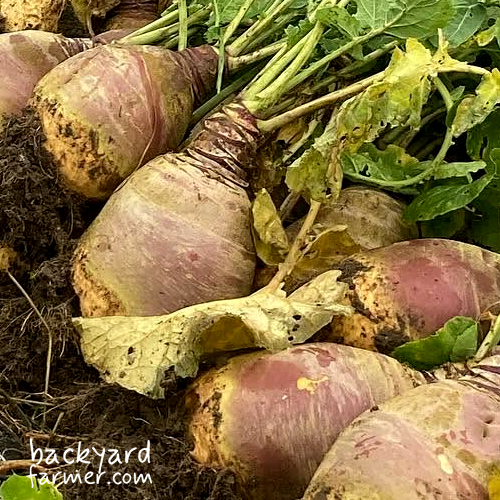
Although swedes are fairly straightforward to grow, producing good-sized roots depends on getting the sowing time right, allowing enough space and keeping plants growing steadily through summer.
This guide covers when to sow swedes, how to care for them, common growing problems and harvesting through the colder months.
UK Swede Growing Calendar
| Month | What to do |
|---|---|
| January–February | Harvest remaining protected or stored swedes |
| March–April | Prepare beds; optional module sowing from mid-spring |
| May–June | Main outdoor sowing period |
| July | Later sowings of suitable varieties; thin and water plants |
| August | Maintain moisture and check for pests |
| September | Harvest early or sufficiently developed roots |
| October–November | Main harvesting period |
| December | Harvest as needed or lift roots for winter storage |
Swedes need a long growing season. Most root development takes place during the warmer months, with mature roots generally harvested from autumn into winter.
When to Sow Swedes in the UK
The best time to sow swedes outdoors in the UK is May to June, when the soil has warmed and conditions are suitable for germination.
Swedes need several months to develop their roots, so sowing during this period gives them time to reach a useful size before growth slows in autumn.
Some varieties, including ‘Invitation’, can also be sown in July. However, later sowings have less growing time and may produce smaller roots, particularly in northern or colder parts of the UK.
Sowing too early can cause problems. Young plants exposed to prolonged cold may bolt, producing flowers before developing worthwhile roots.
Swedes can be started in modules from mid-spring if you want an earlier start, but direct sowing in May or June is usually the simplest approach.
Best Swede Varieties for UK Growing
Most swede varieties produce rounded roots with yellow flesh, although they vary in flavour, skin colour, disease resistance and winter hardiness.
| Variety | Characteristics |
|---|---|
| Invitation | Winter hardy, with reported resistance to clubroot and powdery mildew |
| Gowrie | RHS AGM variety with good flesh colour and texture |
| Brora | RHS AGM variety with reddish-purple skin and yellow flesh |
| Helenor | Purple-skinned variety with sweet yellow flesh |
Recommended Variety: Swede ‘Invitation’
Swede ‘Invitation’ is a winter-hardy variety with good resistance to clubroot and powdery mildew. Suitable for sowing from May to July, it produces roots for autumn and winter harvesting.
Where to Grow Swedes
Swedes grow best in full sun and fertile soil that holds moisture without becoming waterlogged.
They can tolerate some partial shade, but growth may be slower and roots smaller. If you’re growing swedes for winter storage, choose a reasonably sunny position.
Preparing the Soil
Swedes prefer firm, well-prepared ground. They don’t need heavily fertilised soil, but good structure and moisture retention help the roots develop properly.
Before sowing:
- Remove weeds and large stones.
- Break up compacted ground and rake the surface level.
- Incorporate well-rotted compost if the soil needs improving, ideally ahead of sowing.
- Avoid applying fresh manure immediately before planting.
- Firm the seedbed lightly before making your drills.
Sandy soils may benefit from additional organic matter to improve moisture retention. Heavy clay soils need good drainage to prevent roots sitting in water during wet weather.
Soil pH and Clubroot
Swedes belong to the brassica family and are susceptible to clubroot, a soil-borne disease that causes swollen, distorted roots and poor plant growth.
Clubroot tends to be more severe in acidic soil.
If you’ve experienced the disease, test your soil pH before applying lime. Raising the pH of acidic ground can reduce clubroot severity, although it won’t eliminate the disease.
Good drainage and rotating brassica crops are also important.
How to Sow Swede Seeds
Swedes are best sown directly into the ground where they’ll grow. This avoids disturbing their developing roots and removes the need to transplant seedlings.
Sowing Swedes Directly Outdoors
- Prepare the seedbed. Remove weeds and stones, then rake the soil into a fine, firm surface.
- Make a shallow drill. Create a furrow approximately 2cm deep, leaving around 45cm between rows.
- Water if necessary. If the soil is dry, water along the bottom of the drill before sowing.
- Sow thinly. Space the seeds along the drill, avoiding large clusters.
- Cover the seeds. Replace the soil and firm it gently.
- Keep the soil moist. Water as needed until seedlings emerge and establish.
- Thin the seedlings. Once large enough to handle, remove weaker plants until the remaining swedes are 20–25cm apart.
Thinning is important because crowded plants have less space to develop their roots. Leaving seedlings too close together can result in plenty of foliage but disappointing swedes.
If you’re planning your growing space, the free BYF Allotment Planner can help you allocate beds, organise crop spacing and work out where longer-season vegetables will fit.
Starting Swedes in Modules
Swedes can also be started indoors in modules from mid-spring.
This is useful if outdoor conditions are poor or young seedlings are repeatedly damaged by pests.
Sow into individual modules filled with peat-free seed compost and keep them watered. Once the seedlings have established, gradually harden them off before planting outdoors.
Transplant while they’re still young, before the roots become established or crowded in their modules.
Handle the root balls carefully and avoid allowing seedlings to become pot-bound.
For most gardeners, modules are an alternative rather than a necessity.
Can You Grow Swedes in Pots?
Swedes can be grown in containers, although they’re better suited to producing baby swedes than full-sized winter roots.
Choose a container at least 40cm wide, with sufficient depth and drainage holes. Fill it with peat-free compost and sow thinly.
Thin seedlings to approximately 8–10cm apart if harvesting them young.
Container-grown swedes need regular watering because compost dries out more quickly than garden soil.
For larger roots, growing directly in the ground is generally more practical.
Caring for Swede Plants
Once established, swedes need relatively little maintenance. The main priorities are watering during dry spells, controlling weeds and keeping plants growing steadily.
Watering Swedes
Swedes need consistent moisture, especially while their roots are swelling.
Water thoroughly during dry weather, allowing moisture to reach the root zone rather than repeatedly wetting only the surface.
Avoid allowing the soil to become extremely dry before soaking it heavily. Irregular moisture can contribute to splitting, bitterness and uneven root development.
Check the soil before watering rather than following a fixed schedule. Sandy ground may need more frequent attention than moisture-retentive loam.
Feeding and Mulching
Swedes grown in reasonably fertile soil shouldn’t need regular feeding.
Well-rotted compost incorporated before sowing is usually sufficient. Avoid unnecessary nitrogen-heavy fertilisers, which can encourage leafy growth without improving the roots.
A layer of garden compost or other suitable organic mulch helps retain moisture and suppress weeds.
Mulching is particularly useful on light soils that dry out quickly during summer.
Weeding
Keep young swedes free from weeds while they’re establishing.
Weeds compete for moisture, nutrients and light, which can slow growth before the roots have properly developed.
Hoe carefully between rows or remove weeds by hand, avoiding damage to the developing swedes.
Common Swede Pests and Diseases
Like other brassicas, swedes are vulnerable to several common garden pests.
Some damage the leaves, while others attack the developing roots and can make the crop unusable.
| Problem | Symptoms | Prevention or action |
|---|---|---|
| Cabbage root fly | White larvae tunnelling into roots; plants may wilt or collapse | Cover crops with insect-proof mesh |
| Flea beetles | Numerous small holes in young leaves | Protect seedlings with fine insect mesh |
| Slugs and snails | Damaged seedlings and feeding marks on roots | Inspect regularly and protect vulnerable plants |
| Cabbage caterpillars | Holes or extensive feeding damage to foliage | Use suitable netting and remove eggs or caterpillars |
| Clubroot | Swollen, distorted roots and stunted plants | Rotate brassicas, improve drainage and manage soil pH |
| Powdery mildew | White, powdery patches on leaves | Reduce drought stress and consider resistant varieties |
Protecting Swedes with Insect Mesh
Fine insect-proof mesh is one of the most effective ways to protect swedes from flying pests.
Cabbage root fly larvae can tunnel into the edible roots, causing damage that cannot be repaired once established.
Covering plants early helps prevent adult flies from reaching them to lay eggs.
For protection against flea beetles as well, choose mesh with openings around 0.8mm. Standard mesh with larger openings may exclude cabbage root fly but is less reliable against smaller insects.
Secure the edges and leave enough room for the plants to grow.
Check beneath the covering regularly, as mesh won’t prevent damage from slugs already present in the bed.
Why Aren’t My Swedes Growing Properly?
Swedes sometimes produce healthy-looking foliage without developing good roots.
This can result from poor establishment, overcrowding, unsuitable growing conditions or simply not allowing enough time for the crop to mature.
| Problem | Possible cause | What to do |
|---|---|---|
| Small roots | Immature crop, overcrowding or drought | Check sowing dates, spacing and soil moisture |
| Large leaves but small roots | Excess nitrogen, shading or restricted root development | Review growing conditions and avoid overfeeding |
| Plants flowering | Bolting following cold exposure or other stress | Use suitable sowing times and avoid stressing young plants |
| Split roots | Irregular moisture | Keep soil moisture more consistent |
| Woody roots | Bolting, over-maturity or prolonged stress | Harvest at a suitable size and maintain steady growth |
| Hollow centres | Physiological disorders or uneven growth | Review growing conditions; don’t assume a specific nutrient deficiency |
| Swollen, distorted roots | Possible clubroot or other damage | Inspect affected plants and check soil conditions |
How to Grow Bigger Swedes
If your swedes regularly remain small, start by checking when they were sown.
Swedes are slow-growing vegetables and can take five to six months to reach full size. Plants sown late in summer may not have enough growing time before temperatures fall.
Make sure the plants have been thinned properly and aren’t competing with weeds or neighbouring crops.
Finally, check for pest damage. A swede with damaged roots may struggle to develop even when the foliage initially appears healthy.
When and How to Harvest Swedes
Swedes are usually harvested from autumn onwards, depending on their sowing date, variety and growing conditions.
Most full-sized crops take approximately 140–180 days to mature, although smaller roots can be lifted earlier.
When Are Swedes Ready to Harvest?
A root diameter of around 10–15cm is a useful guide for harvesting mature swedes.
Some varieties remain tender when allowed to grow larger, while others can become woody if left too long.
The shoulders of the root often become visible above the soil, making it easier to judge their size.
Check a few plants rather than relying entirely on the number of days since sowing.
How to Harvest Swedes
Grip the foliage near the base and lift the root gently from the ground.
If the soil is compacted, loosen it with a garden fork first, taking care not to pierce the swede.
Brush off loose soil and trim the foliage.
Roots intended for immediate use can be washed, while those destined for storage should be handled carefully to avoid bruising.
Use any damaged roots promptly rather than putting them into long-term storage.
Can Swedes Stay in the Ground Over Winter?
Yes. Swedes are hardy vegetables and can remain outdoors through much of the UK winter, particularly in milder areas with well-drained soil.
However, prolonged severe frost and waterlogged ground can damage the roots, so leaving them outside isn’t always the best option.
Leaving Swedes in the Ground
In suitable conditions, swedes can be harvested as needed throughout winter.
Covering the bed with a thick layer of straw helps insulate the soil and makes roots easier to lift during freezing weather.
In colder weather, horticultural fleece can provide additional protection, although it won’t prevent damage during every prolonged or severe freeze.
Keep an eye on soil conditions and harvest any roots showing signs of deterioration.
Where the ground becomes waterlogged or winters are particularly severe, lifting the crop is more reliable.
Storing Swedes Indoors
Swedes can be lifted in late autumn and stored for winter use.
Choose healthy, undamaged roots and trim away the foliage.
Place them in boxes of slightly moist sand or peat-free potting compost, then store somewhere cool, dark and frost-free.
A suitable shed, cellar or garage can work, provided the roots won’t freeze.
Check stored swedes periodically and remove any that become soft or begin to rot.
Under good conditions, swedes can remain usable into early spring.
What to Grow After Swedes
Swedes belong to the brassica family, alongside cabbage, broccoli, kale and turnips.
When planning crop rotation, treat swedes as brassicas rather than grouping them with unrelated root vegetables.
Avoid repeatedly growing brassicas in the same bed, particularly where clubroot or other soil-borne diseases have occurred.
Once the bed is cleared, it can be prepared for spring crops such as peas, broad beans or suitable salad vegetables, depending on your growing plan.
If you’re looking for a quicker-growing root crop during the warmer months, see our guide to growing turnips in the UK. Turnips mature considerably faster than swedes and are useful for filling shorter gaps between crops.
Frequently Asked Questions
Small swedes are commonly caused by overcrowding, drought, poor establishment or insufficient growing time. Check that plants have enough space, keep the soil moist during dry spells and allow several months for roots to develop.
Swedes generally take around 140–180 days to produce full-sized roots, depending on variety and growing conditions. Smaller swedes can be harvested earlier, while late sowings may produce smaller roots as temperatures fall.
Swedes can tolerate light partial shade, but full sun usually produces stronger growth and better-developed roots. Avoid heavily shaded positions where plants may struggle to mature before winter.
Yes, although containers are better suited to growing baby swedes. Use a large pot at least 40cm wide, ensure good drainage and keep the compost moist. Full-sized swedes are generally better grown in the ground.
Not necessarily. Some varieties, including ‘Invitation’, can be sown in July. However, later sowings have less growing time and may produce smaller roots, especially in colder parts of the UK.
Swedes may bolt after exposure to prolonged cold or other growing stresses. Early sowing can increase the risk. Once plants begin flowering, root quality often deteriorates, so choosing a suitable sowing window is important.
Swedes can survive outdoors through winter, but most root development happens during the warmer months. Growth slows considerably as temperatures fall. Winter harvesting usually involves lifting roots that matured during summer and autumn.
Yes, particularly in milder areas with well-drained soil. A thick straw mulch can help protect the soil from freezing. In colder regions or areas prone to winter waterlogging, lifting and storing the roots is usually more reliable.