
Start here to understand:
- What actually grows well indoors (and what doesn’t).
- When natural light is enough — and when it isn’t.
- How to avoid wasting money on unnecessary equipment.


Home » Indoor Growing: Vegetables & Herbs Indoors (UK)
Indoor growing makes it possible to produce fresh vegetables and herbs year‑round, even in small UK homes, flats, and rented spaces. Whether you’re working with a sunny windowsill or a simple grow‑light setup, indoor growing gives you more control over light, temperature, and timing — without needing a garden or allotment.
This hub brings together practical, real‑world guides on growing food indoors. It’s designed to reduce overwhelm, cut through hype, and help you choose methods that actually work in UK conditions.
If you’re setting up a grow tent, you can also use our Grow Tent Environment Calculator to quickly check whether your temperature and humidity levels create a healthy growing environment.
If you’re new to indoor growing, this is where most people go wrong.
Start here to understand:
Short answer: Yes — LED grow lights absolutely work when matched to your plants’ needs. This guide explains how they work, why they’re effective, and
Introduction Are you ready to unlock the full potential of your indoor garden? Proper installation and maintenance of LED grow lights are critical for healthy
Introduction Indoor plants are more than just decorative; they offer a range of benefits that enhance both your home and well-being. From purifying the air
Introduction Indoor vegetable gardening is a growing trend, especially for those who want to enjoy fresh produce year-round without worrying about outdoor conditions. However, achieving
Introduction Growing vegetables indoors is a rewarding experience, but it comes with its own set of challenges—pollination being one of the most critical. Without natural
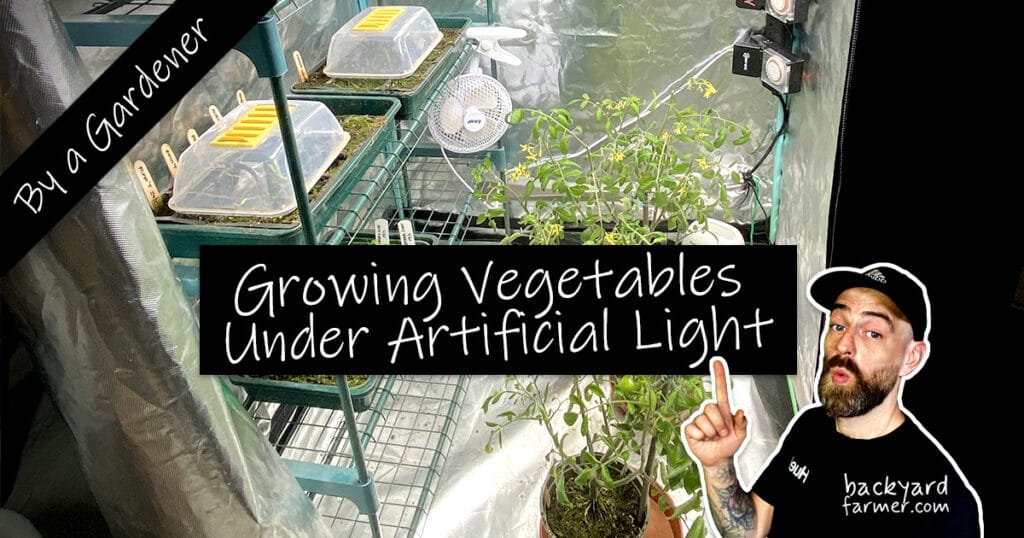
Why Grow Vegetables Under Artificial Light? Imagine harvesting fresh, crisp lettuce in the middle of winter, right from your living room. This might sound futuristic,
Introduction As someone who’s always had more plants than square footage, I’ve mastered the art of affordable indoor gardening. Whether you’re looking to save money
Not all crops are suited to indoor growing. This section focuses on vegetables and herbs that perform reliably indoors, especially in limited space.
Introduction Indoor pepper growing is like bringing a slice of summer into your home all year round. It’s more than just a gardening fad—it’s about
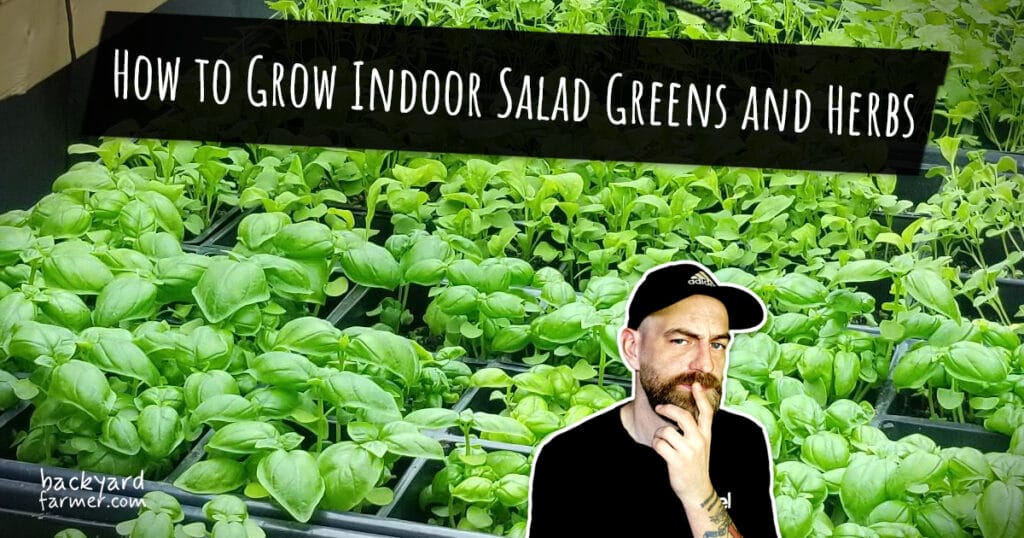
Introduction Growing indoor salad greens and herbs is like bringing a slice of nature into your home. Whether you’re in a snug flat or a
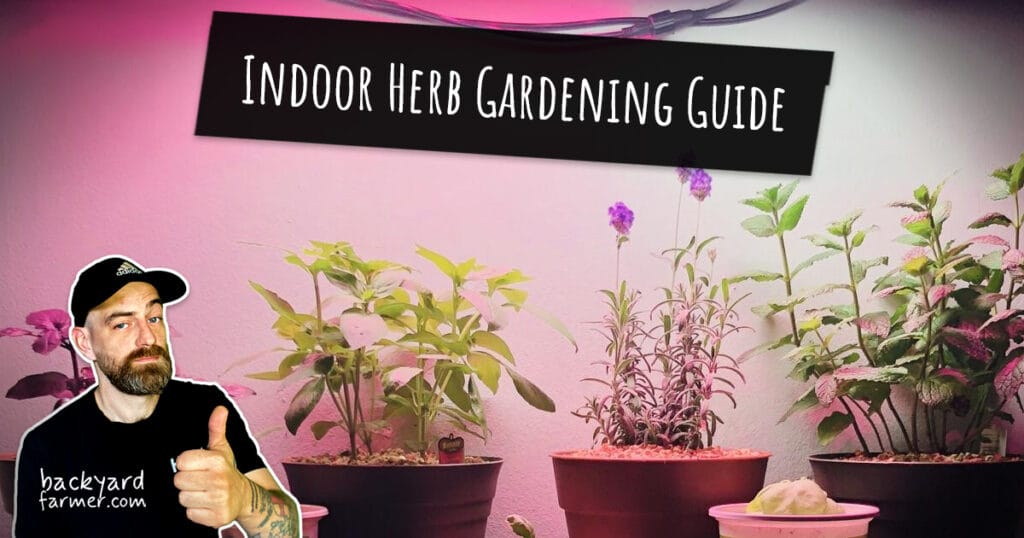
Why Choose Indoor Herb Gardening? Have you ever dreamt of plucking fresh basil straight from your kitchen windowsill, even in the dead of winter? Indoor
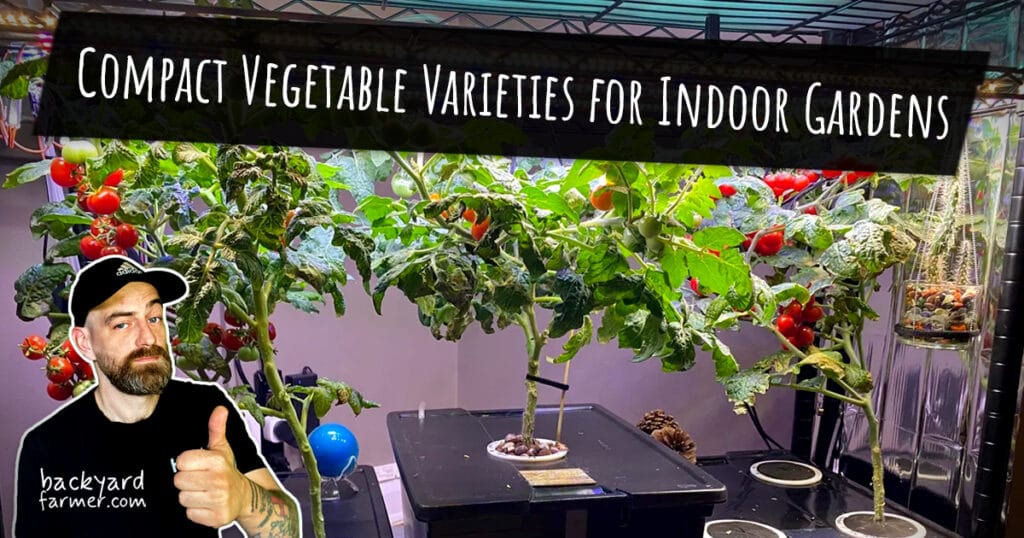
Introduction Compact indoor vegetables are ideal if you’re short on space but still want to grow fresh, home-grown food. As indoor and urban gardening continues
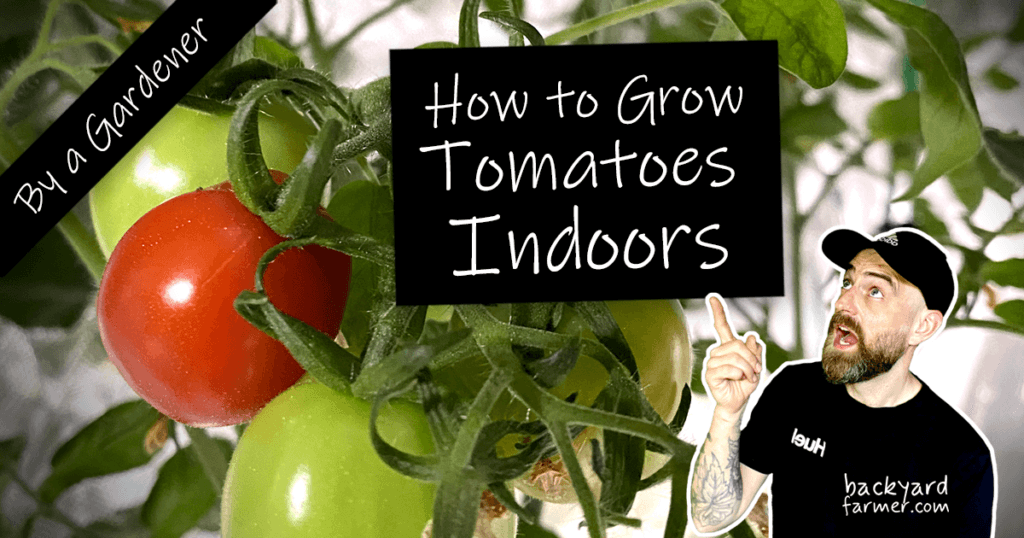
Introduction: How to Grow Tomatoes Indoors If you’re wondering how to grow tomatoes indoors using lights, this guide breaks it all down simply — from
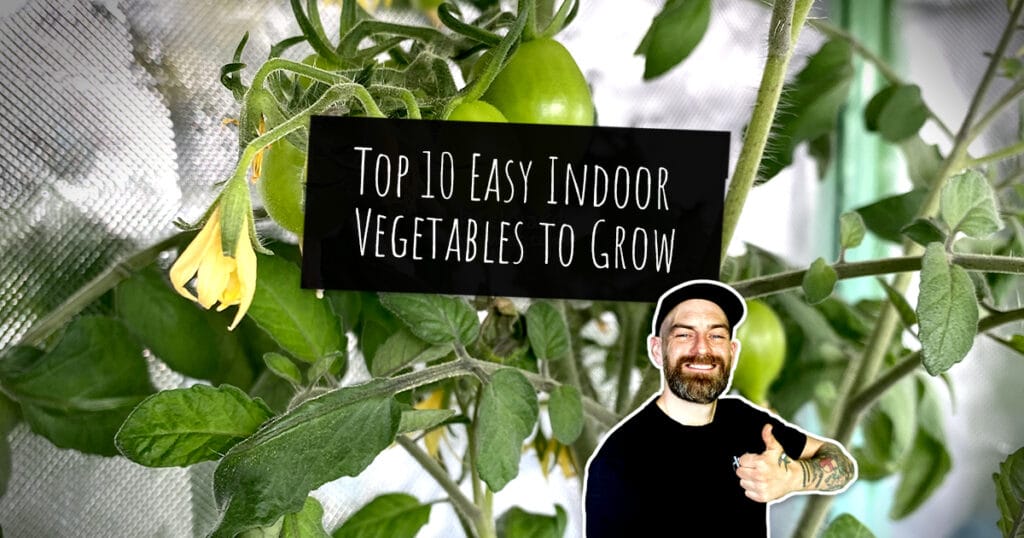
Introduction Did you know that 42% of Brits grew their food in 2023? It’s true! And with our unpredictable weather, indoor vegetable gardening is becoming
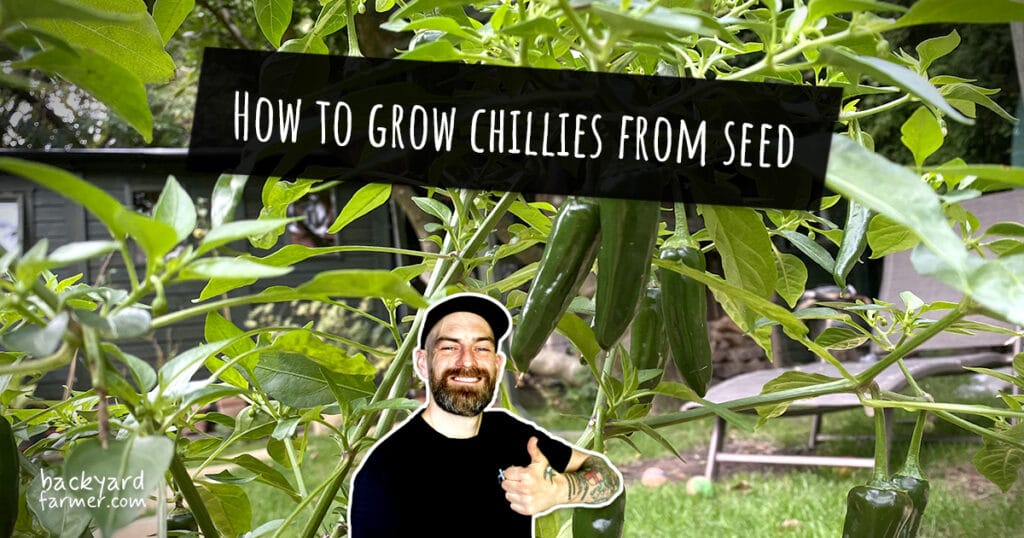
Introduction to Growing your own Chillies Learning how to grow chillies indoors is easier than you might think—and it’s one of the best small‑space gardening
You’ll also find advice on which crops are better left outdoors, saving you time and frustration.
Most indoor growing struggles come down to light — not soil or feeding. Even bright rooms in the UK often don’t provide enough consistent light for strong, healthy growth.
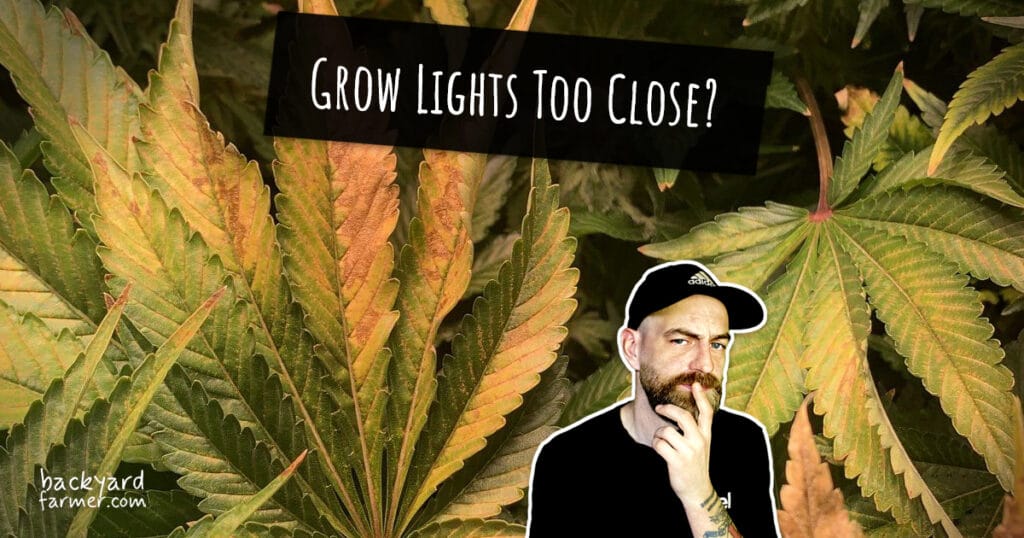
Introduction If you’re growing plants indoors and the top leaves are turning pale, white, or crispy, it’s natural to think something’s gone badly wrong. In
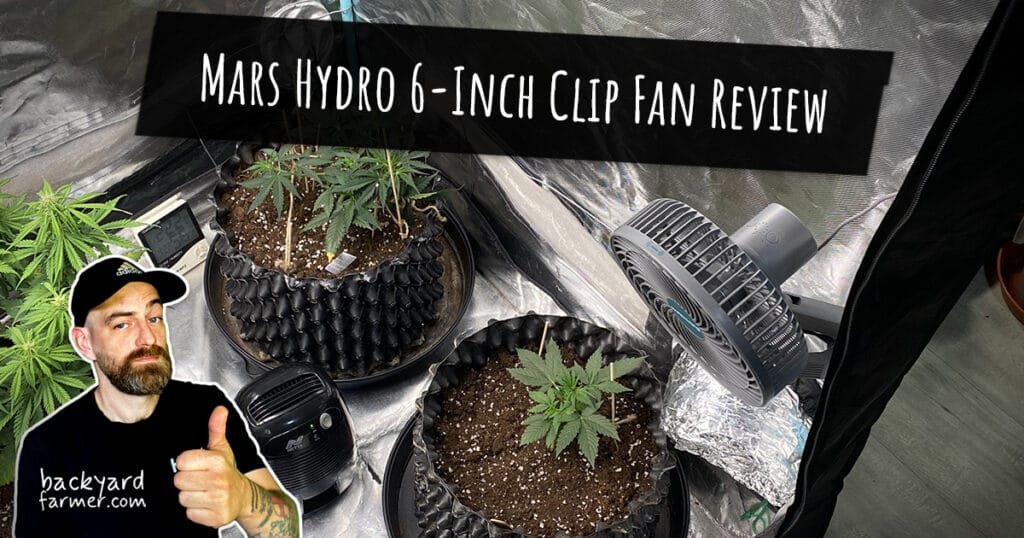
Introduction When you’re growing indoors, air movement is everything — and this mars hydro clip fan review shows why. Good airflow stops hot spots, balances
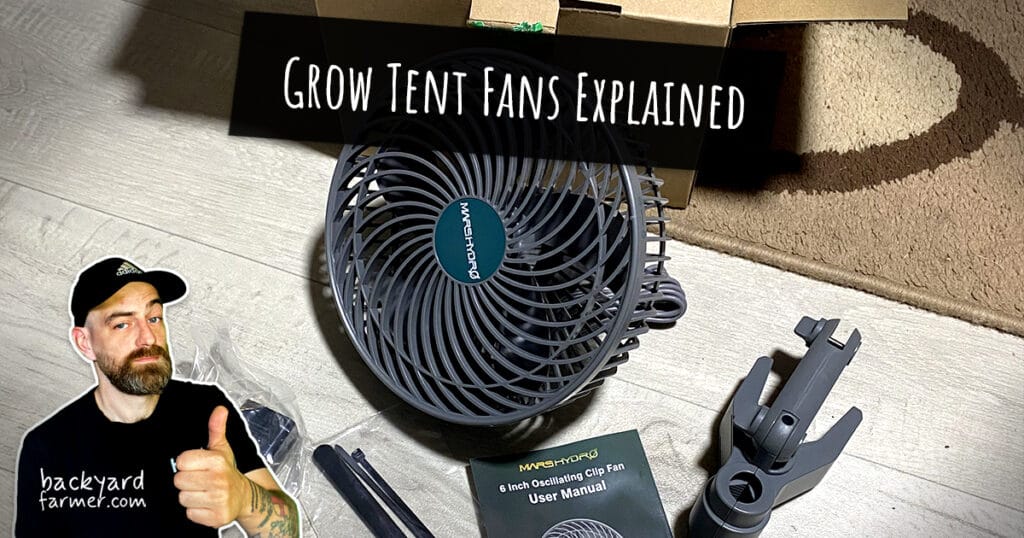
Struggling with humidity or droopy plants in your grow tent? The problem usually isn’t your light—it’s your airflow. Introduction Good airflow and well-placed grow tent
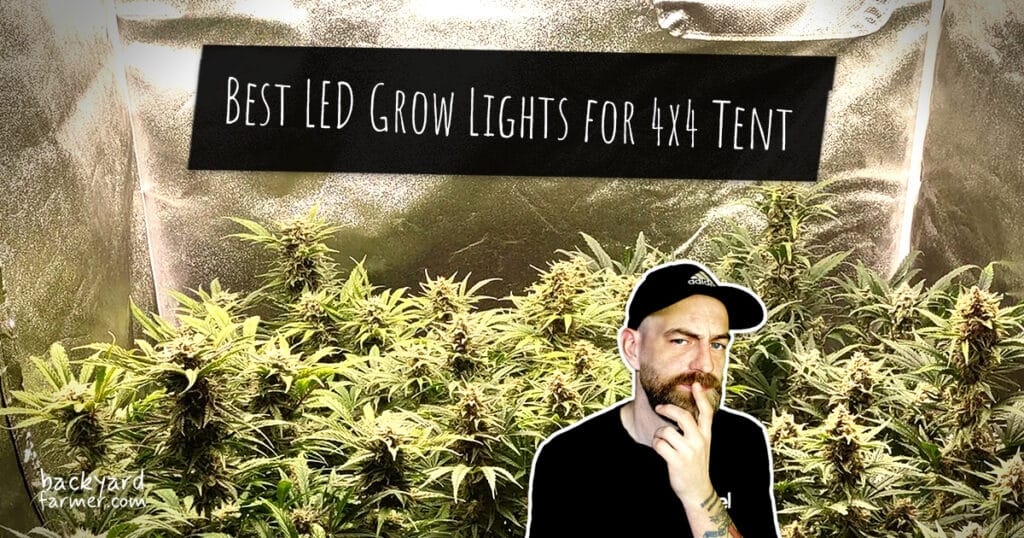
Introduction: Best LED Grow Lights for a 4×4 Grow Tent UK (2026 Guide) The best LED grow lights for a 4×4 grow tent start with
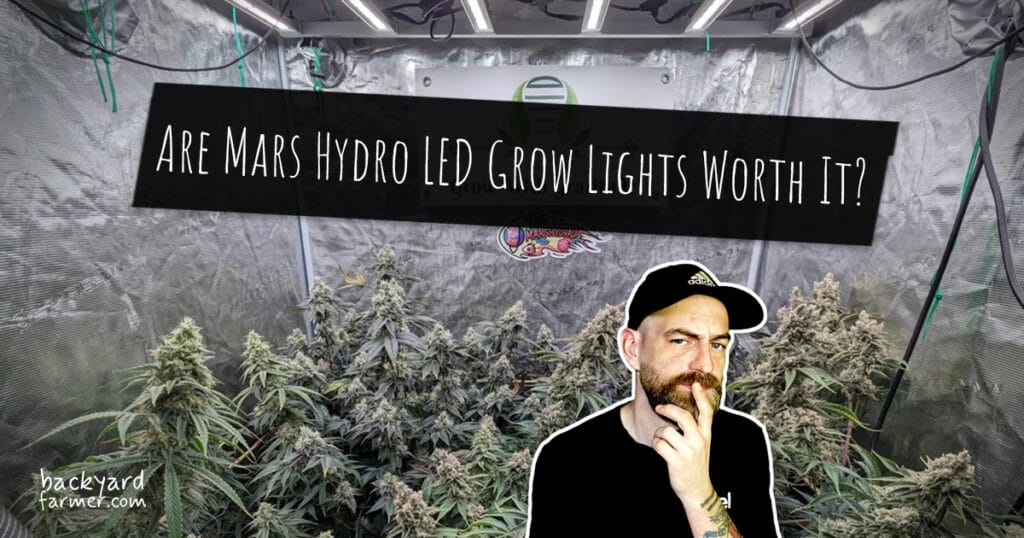
Introduction: Do Mars Hydro Grow Lights Actually Work? Yes, Mars Hydro LED grow lights work. They are a top pick for beginner to mid-level indoor
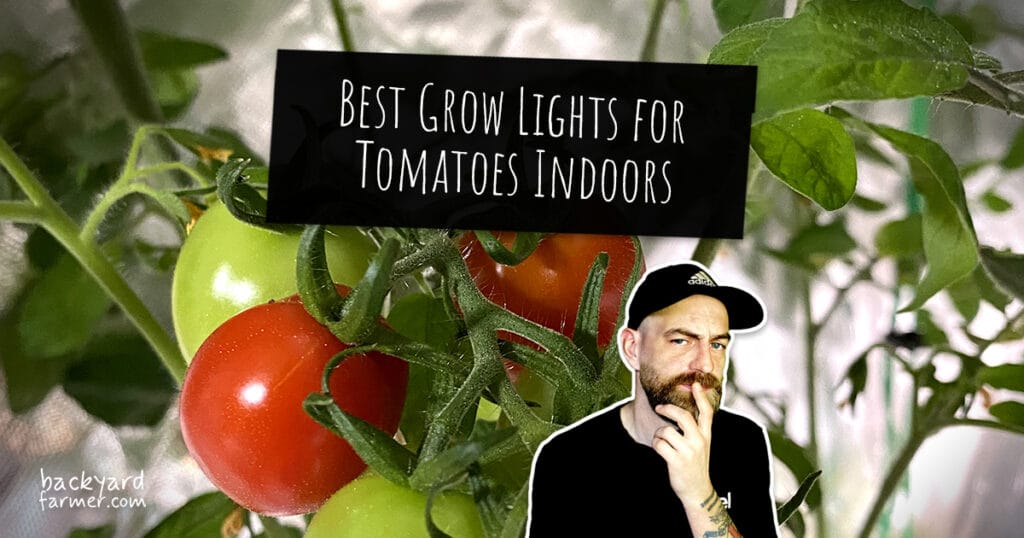
Introduction: Why Grow Lights Matter for Tomatoes Indoors Growing tomatoes indoors can be incredibly rewarding—especially when you get it right. But without proper lighting, even
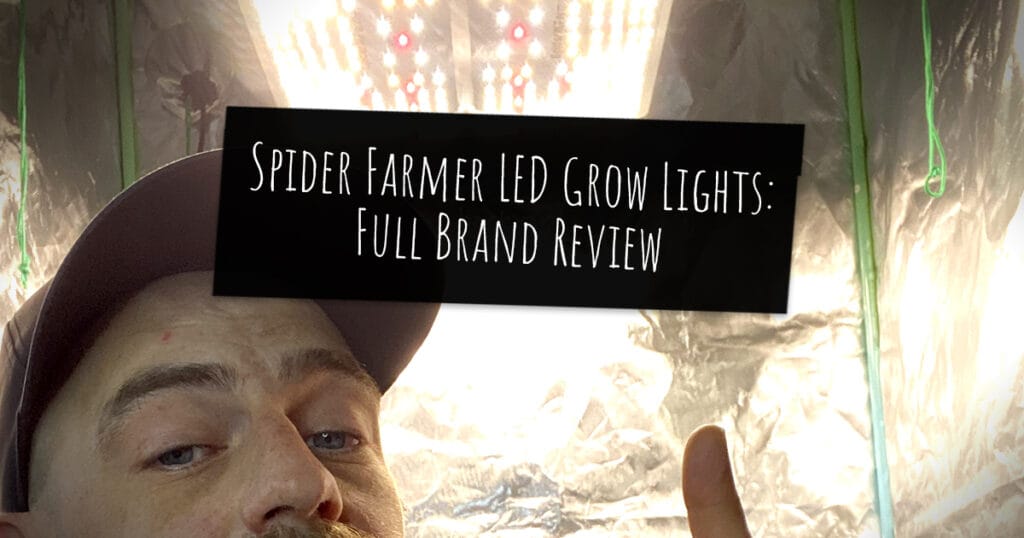
Introduction: Why I’m Reviewing Spider Farmer as a Brand If you’re new to indoor growing — or you’ve already ventured deep into the world of
Introduction: Advanced Tips for Using LED Grow Lights These advanced LED grow light tips will help you maximize light efficiency and ensure your plants thrive
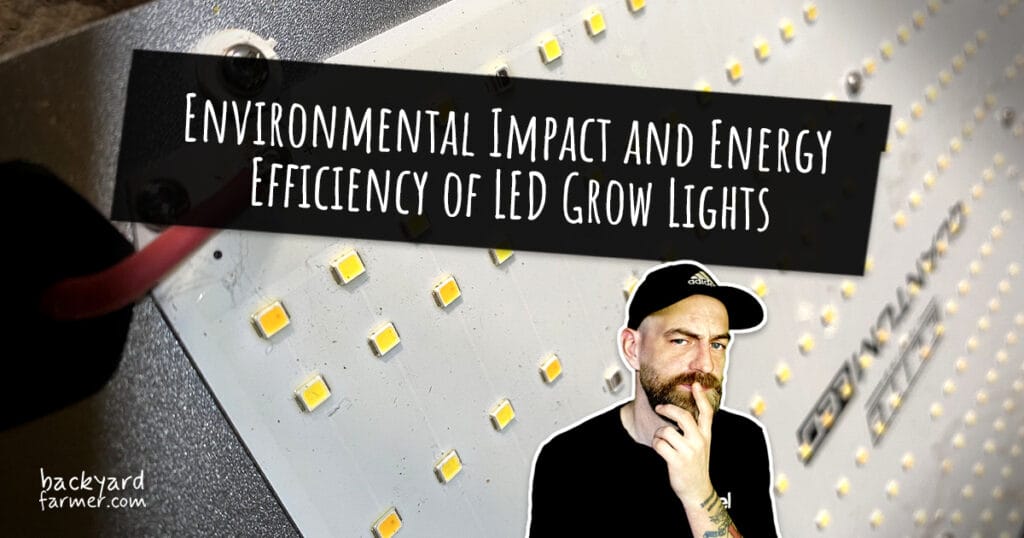
Introduction: Environmental Impact and Energy Efficiency of LED Grow Lights The environmental impact and energy efficiency of LED grow lights make them an ideal choice
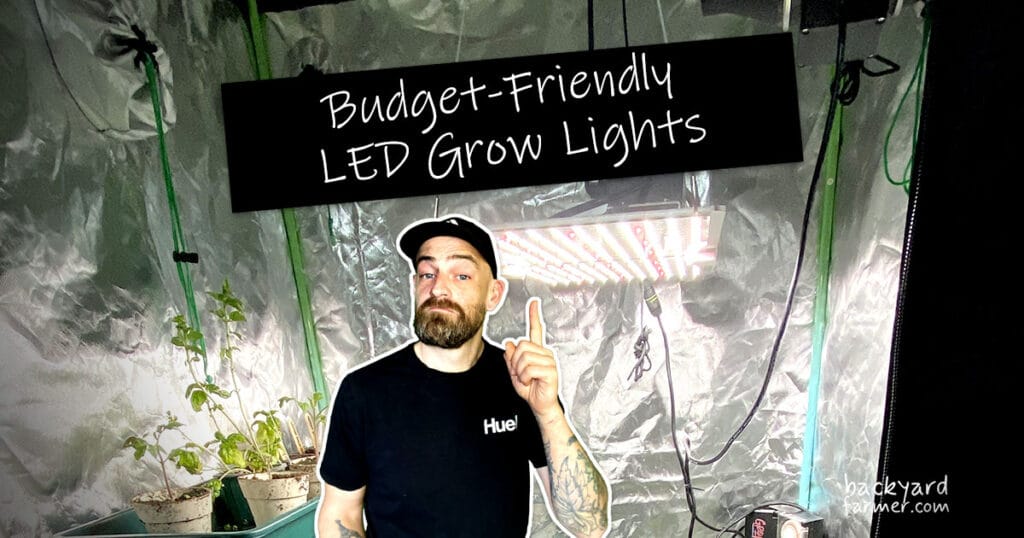
VIPARSPECTRA 600W LED Roleadro Galaxyhydro Series KingLED 1000W LED Continue your indoor gardening & lighting journey Budget-Friendly LED Grow Lights for Indoor Gardening Growing plants
Introduction Unlock Your Garden’s Potential with LED Grow LightsMaximizing plant growth with LED grow lights is the key to successful indoor gardening. These lights provide
Introduction Are you ready to unlock the full potential of your indoor garden? Proper installation and maintenance of LED grow lights are critical for healthy
Introduction Indoor gardening is thriving, and LED grow lights have become essential for anyone growing plants indoors. These lights are energy-efficient and provide the full
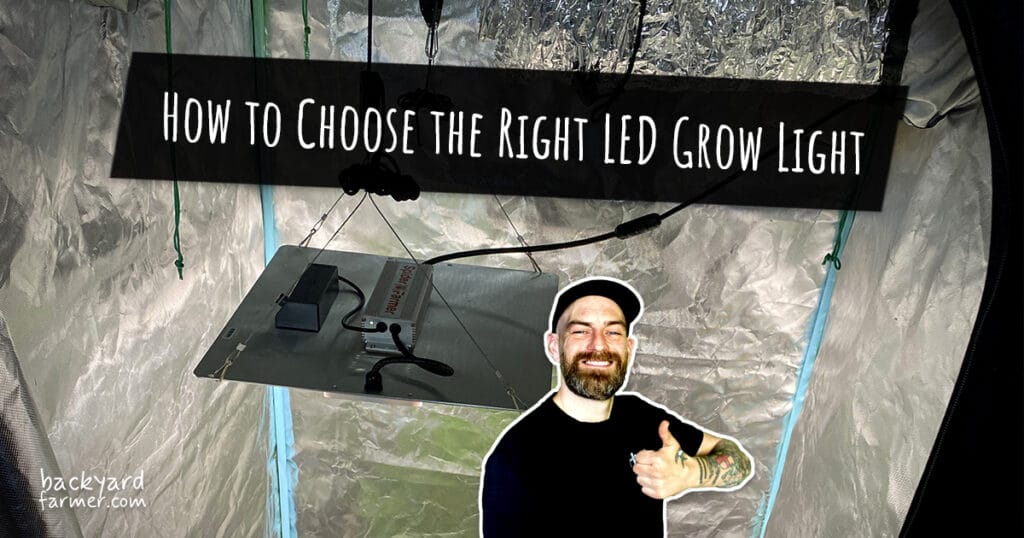
Creating the perfect indoor garden is both an art and a science, and one of the most important tools in your gardener’s toolkit is the
This section shows how to choose the right grow lights, position them properly, and avoid common mistakes that lead to weak or leggy plants.
Once you understand how indoor lighting works, the next step is choosing a grow light that actually suits your space. This section brings together hands‑on LED grow light reviews and comparisons, based on real use rather than spec sheets alone.
Rather than listing every model available, this section features a small number of well‑tested lights across different budgets and grow sizes. The aim is to help you make a confident choice without wading through endless product pages.
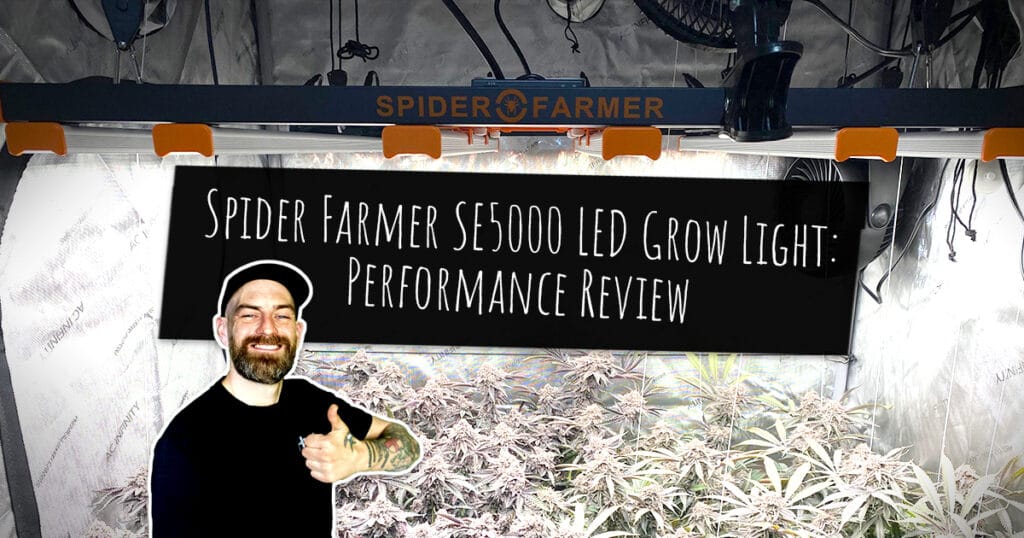
Introduction to Our Review of the Spider Farmer SE5000 Searching for a powerful, efficient, and professional-grade grow light for your indoor garden? The Spider Farmer
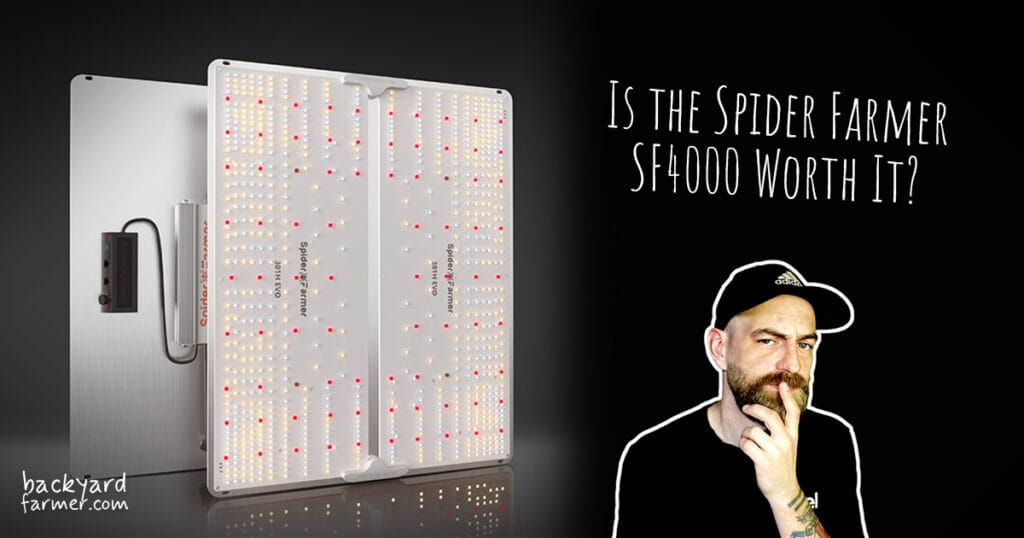
Spider Farmer SF4000 Review: Is It the Right Light for Your Grow? When you’re growing indoors, your light is everything—and the Spider Farmer SF4000 LED
Introduction: Why I’m Reviewing Spider Farmer as a Brand If you’re new to indoor growing — or you’ve already ventured deep into the world of
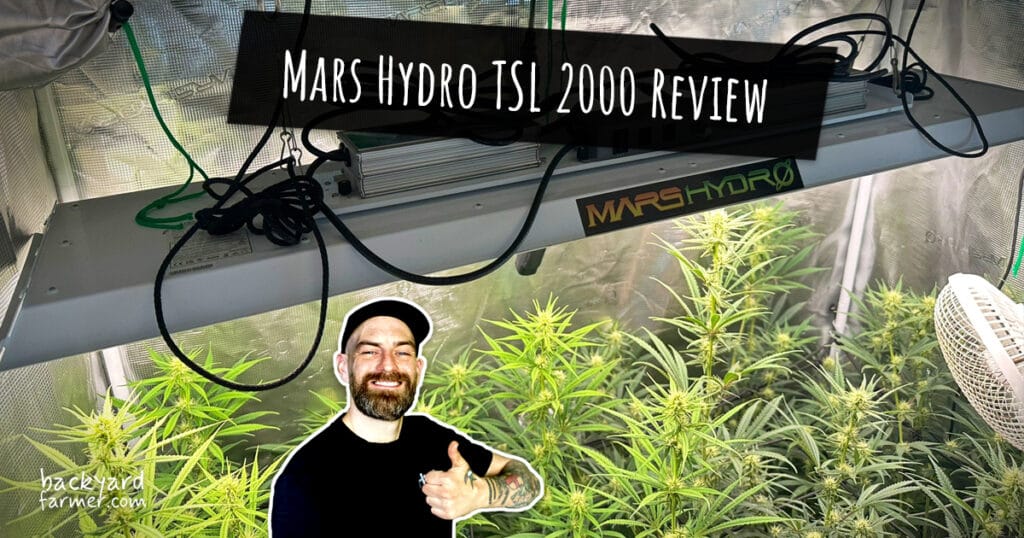
Introduction to the TSL 2000 Welcome to our in-depth review of the Mars Hydro TSL 2000, a high-performance LED grow light designed for indoor gardening
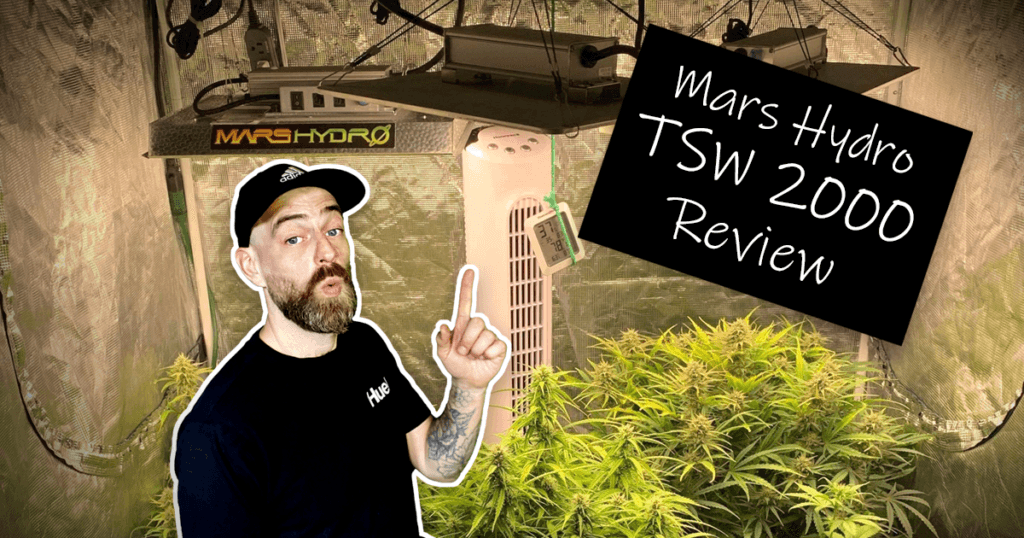
Introduction This Mars Hydro TSW2000 Review highlights why this LED grow light is a top choice for indoor gardeners.. Operating at only 300W of power,
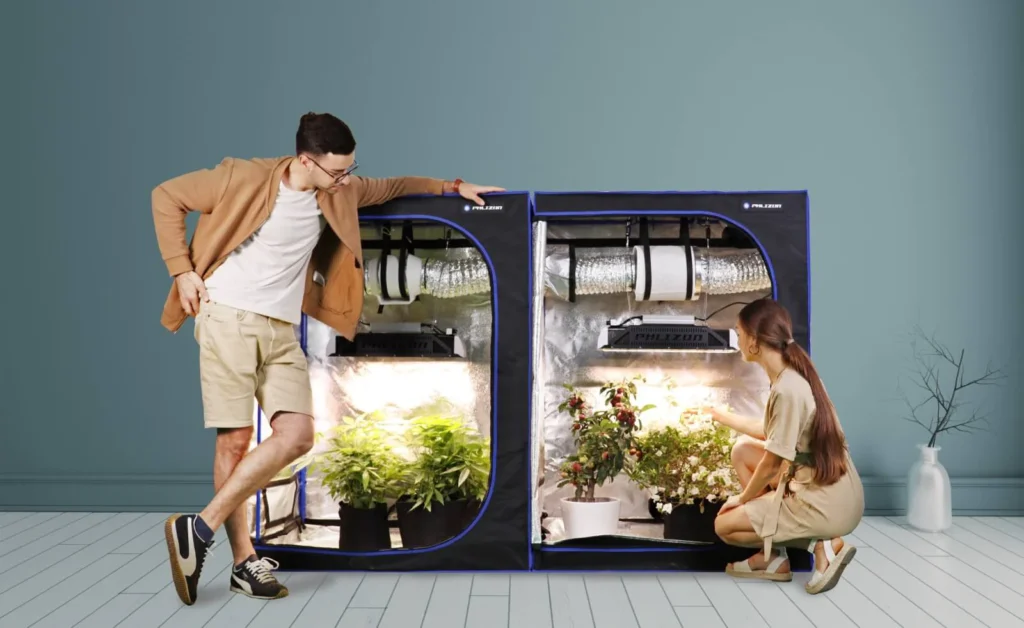
Introduction: Why the Phlizon 2000W Grow Light Stands Out Indoor gardening combines creativity with science, and selecting the right grow light can significantly impact your
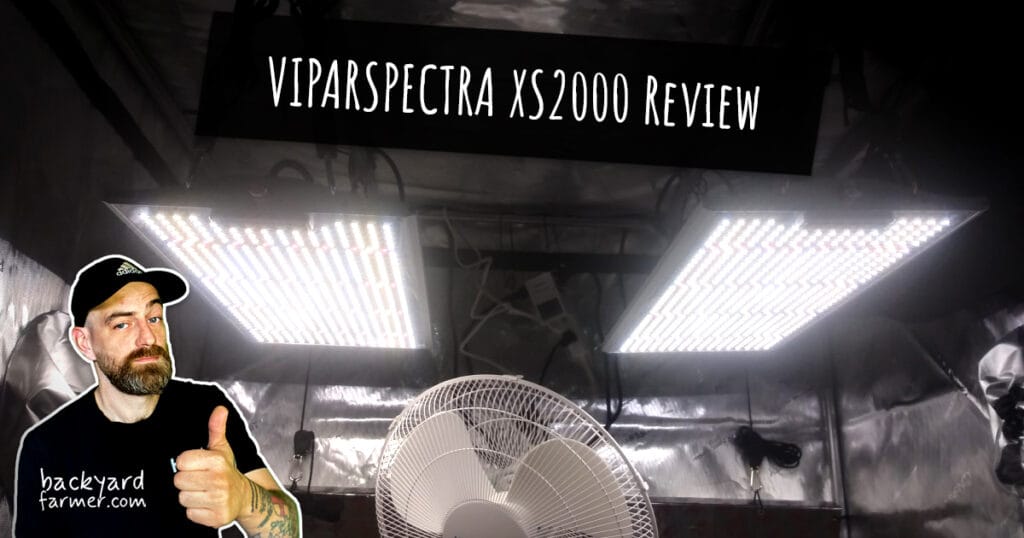
** DISCONTINUED** It looks as though Viparspectra have stopped producing this model! There are now x2 products in the new range, the 1500w Viparspectra LED
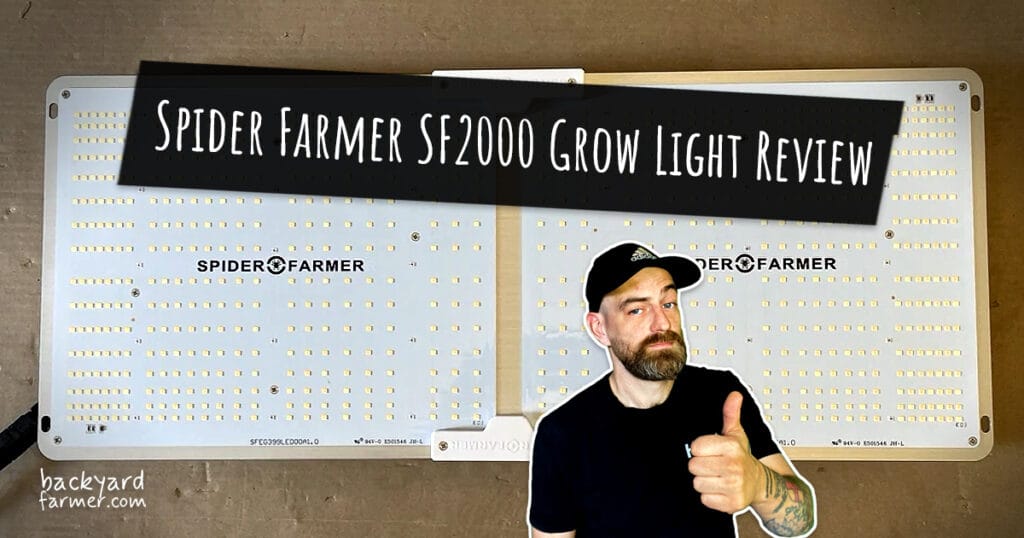
Introduction to our Spider Farmer SF2000 Review If you’re searching for a high-performance, energy-efficient LED grow light, the Spider Farmer SF2000 is a top contender
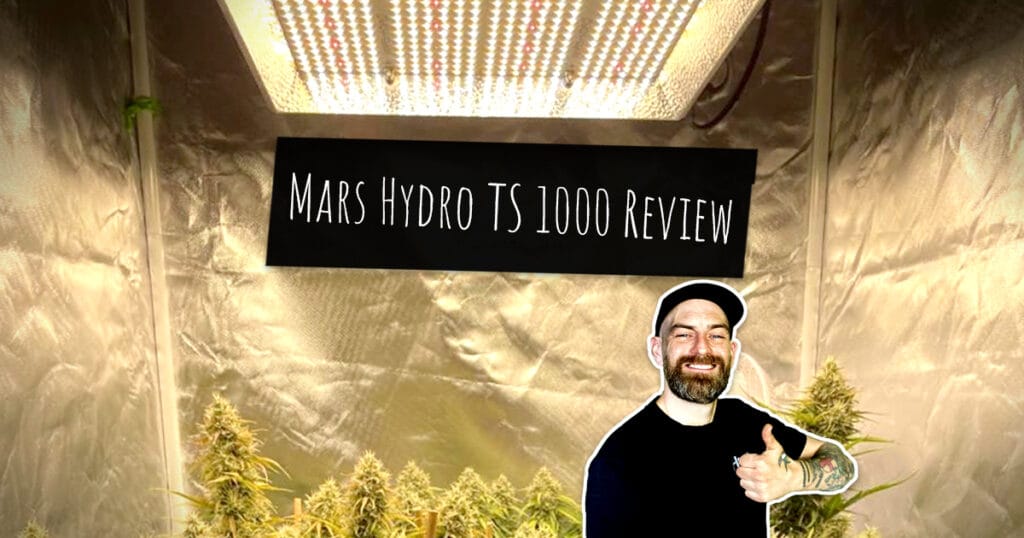
Introduction The Mars Hydro TS1000 LED Grow Light Review has gained immense popularity among indoor gardening enthusiasts for its exceptional performance and energy efficiency. Whether
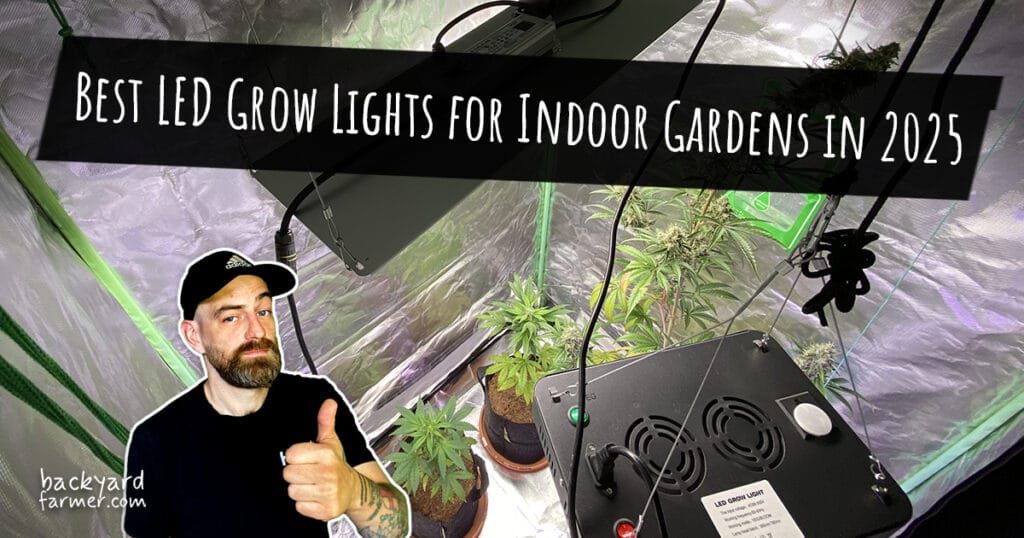
Introduction for Best LED Grow Lights for Indoor Gardens in 2026 Creating a thriving indoor garden starts with choosing the right tools, and LED grow
If you’re comparing brands, wondering whether a popular model is worth it, or trying to match a light to a specific indoor setup, start here.
The wrong setup can hold plants back before they’ve even started. Poor drainage, the wrong compost, or oversized pots are some of the most common indoor growing mistakes.
Introduction If you’re growing autoflowers with BioBizz soil, most problems don’t come from which nutrients you’re using. Instead, they usually come from starting in the
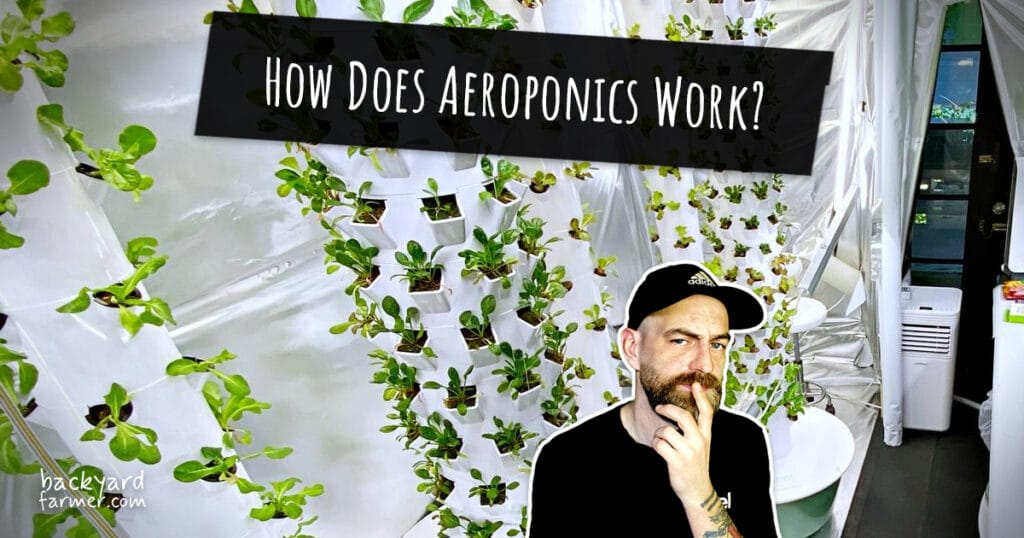
Introduction As an experienced gardener, I often get asked, ‘How does aeroponics work?’ and the answer lies in its innovative use of mist instead of
Introduction Choosing between hydroponics and soil for growing vegetables indoors can be tricky — especially when you’re weighing up the cost, yield, and long-term effort.
Introduction So, you’ve decided to bring a bit of the outside in, eh? Good on you. But before you start planting your tomatoes in that
This section helps you choose the right containers and growing setup, so your plants establish quickly and grow properly from the start.
Indoor plants rely entirely on what you give them — there’s no natural soil system to fall back on. Too much feeding causes problems just as quickly as too little.
Introduction If your grow tent humidity is too high, you’re definitely not alone. In fact, high humidity in a grow tent is one of the
Introduction If you’re using BioBizz with autoflowers, one question tends to come up again and again: How much BioBizz should you use for autoflowers —
Introduction If you’re searching for a BioBizz autoflower schedule, you’re probably not looking for hype or another copy‑and‑paste feeding chart. Instead, you want a simple,
Introduction Unlock Your Garden’s Potential with LED Grow LightsMaximizing plant growth with LED grow lights is the key to successful indoor gardening. These lights provide
Introduction As an experienced gardener, I often get asked, ‘How does aeroponics work?’ and the answer lies in its innovative use of mist instead of
Introduction Growing vegetables indoors is a rewarding experience, but it comes with its own set of challenges—pollination being one of the most critical. Without natural
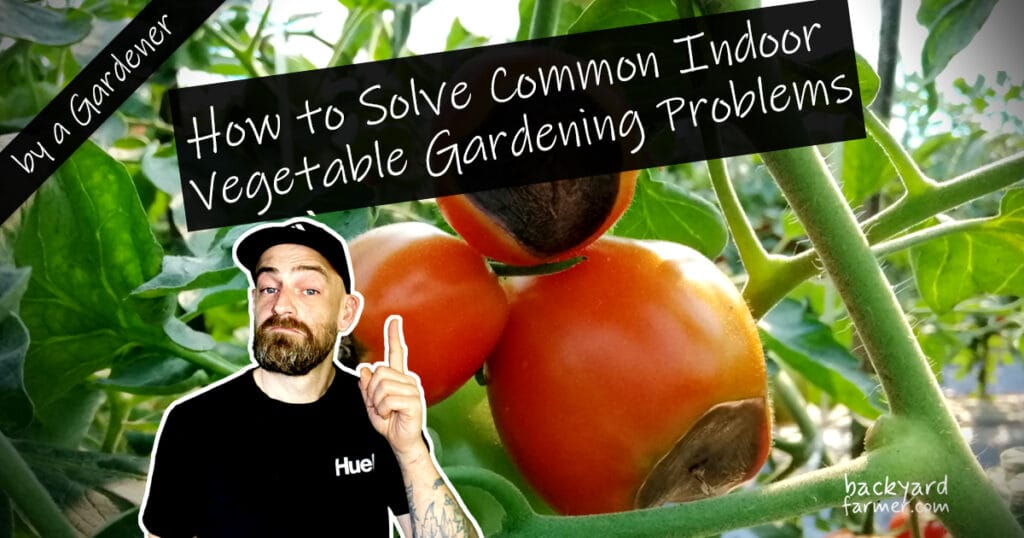
Introduction: Unlock the Secrets to a Thriving Indoor Vegetable Garden Imagine stepping into your home and being greeted by the sight of lush, green vegetables
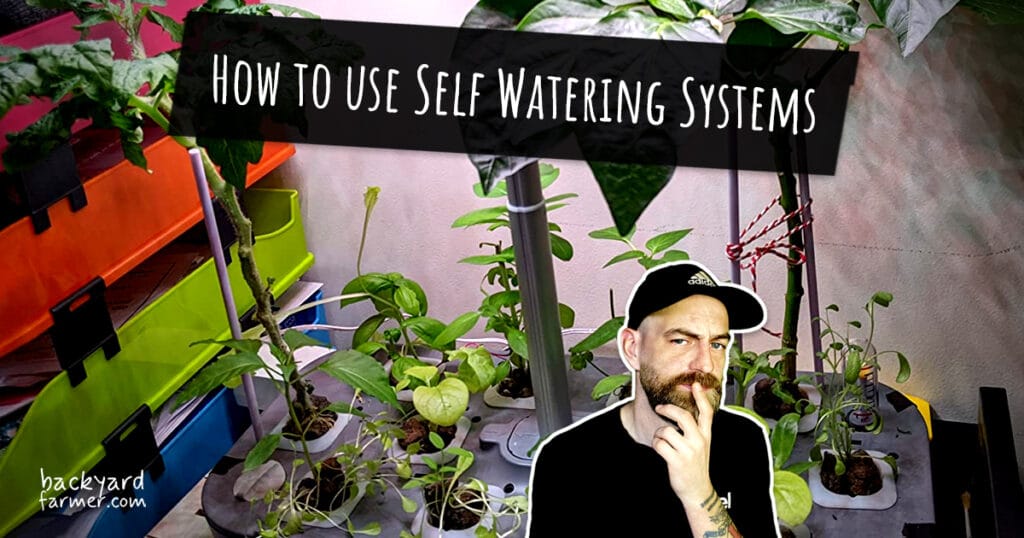
Introduction In today’s fast-paced world, finding time for hobbies like gardening can be a challenge. That’s where self-watering indoor gardens come into play, offering a
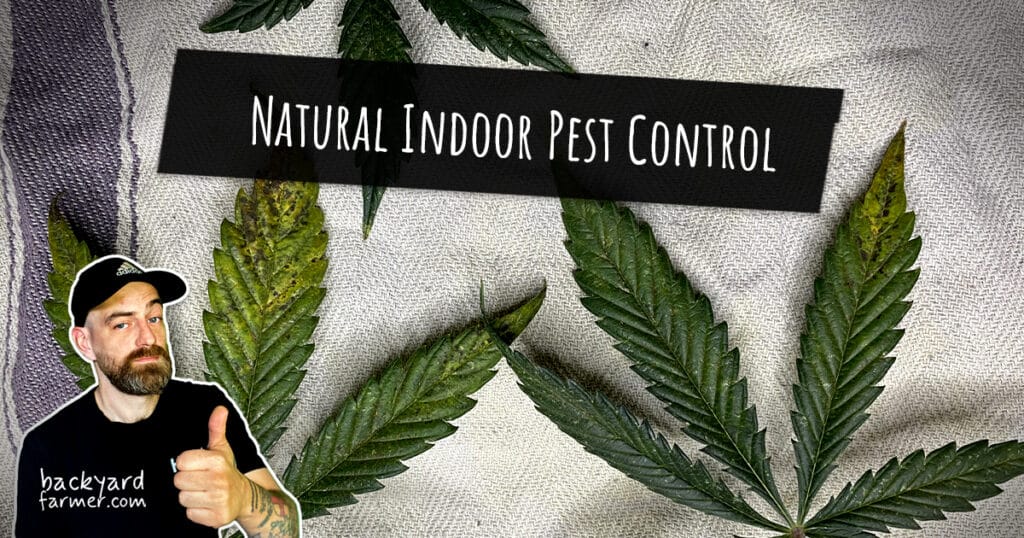
Introduction Dealing with pests indoors can be a real headache, but using harsh chemicals isn’t the only solution. In fact, natural indoor pest control methods
This section explains how to water and feed correctly, so your plants stay healthy, productive, and balanced without overcomplicating things.
Knowing when to harvest matters just as much as how you grow. Pick too early and yields suffer — leave it too late and quality drops.
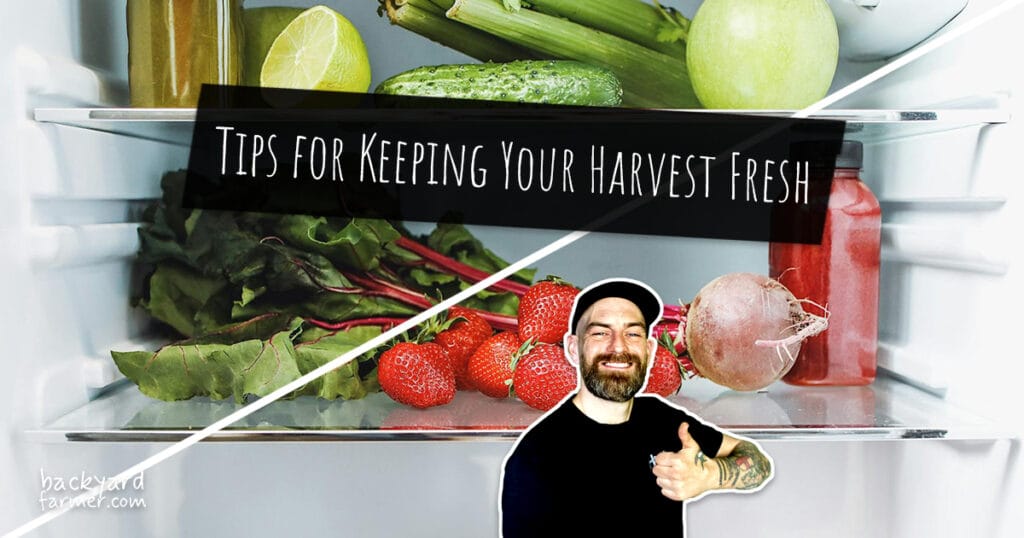
Introduction Storing vegetables after harvesting can be tricky, especially when space and resources are limited. Whether you’re looking for eco-friendly storage options, small-space solutions, or
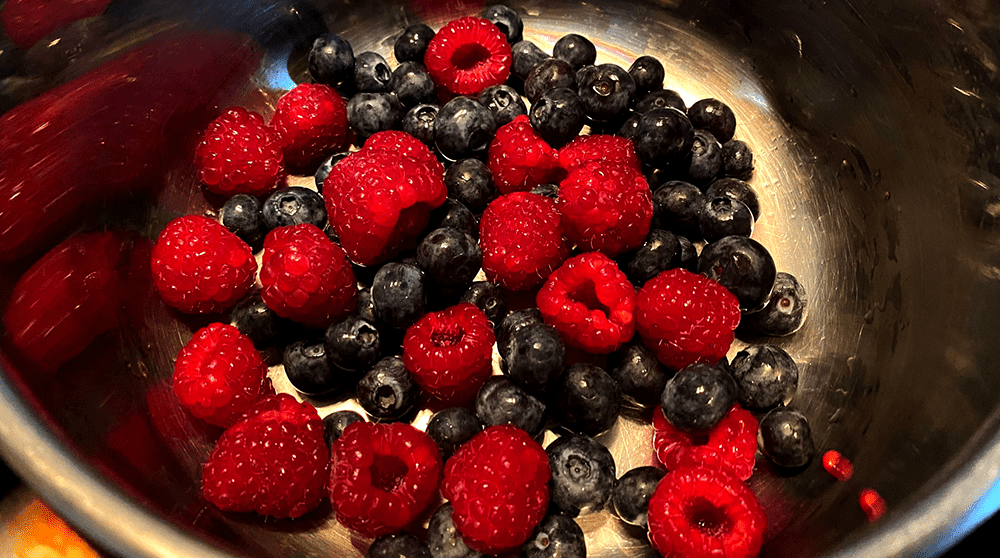
What this article will cover: How to make a small batch of jam in 30 minuites Ingredients: What you will need: Pair your delicious homemade
This section shows how to recognise when crops are ready, how to harvest them properly, and how to store them so nothing goes to waste.
You don’t need much equipment to grow indoors, but the right tools can make things easier and more reliable.
This section focuses on useful, long‑lasting kit, not gimmicks.
Introduction When you’re growing indoors, air movement is everything — and this mars hydro clip fan review shows why. Good airflow stops hot spots, balances
Struggling with humidity or droopy plants in your grow tent? The problem usually isn’t your light—it’s your airflow. Introduction Good airflow and well-placed grow tent
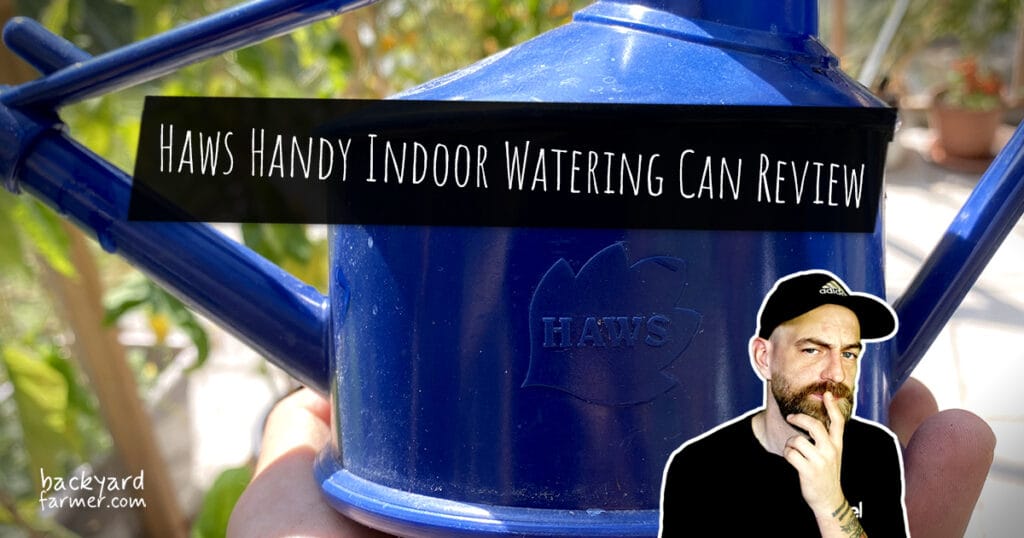
Introduction If you’re after a watering can that’s both practical and stylish, the Haws Handy Indoor Watering Can is hard to beat. This small indoor
Introduction Indoor vegetable gardening is a growing trend, especially for those who want to enjoy fresh produce year-round without worrying about outdoor conditions. However, achieving
Indoor growing works best when it fits naturally into your home. These guides focus on practical setups for real living spaces.
Introduction: Best LED Grow Lights for a 4×4 Grow Tent UK (2026 Guide) The best LED grow lights for a 4×4 grow tent start with
VIPARSPECTRA 600W LED Roleadro Galaxyhydro Series KingLED 1000W LED Continue your indoor gardening & lighting journey Budget-Friendly LED Grow Lights for Indoor Gardening Growing plants
Creating the perfect indoor garden is both an art and a science, and one of the most important tools in your gardener’s toolkit is the
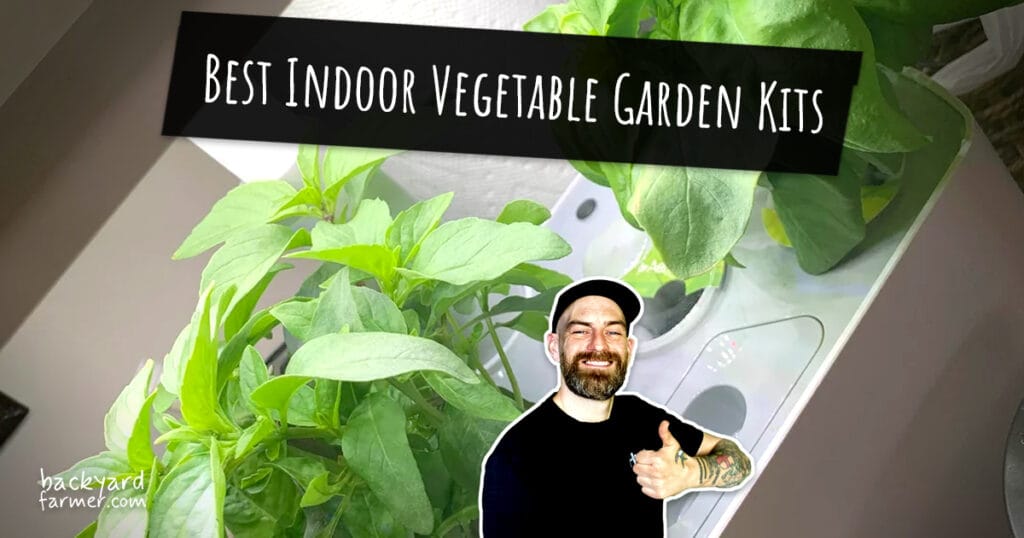
Introduction: Why Indoor Gardening is the Future In today’s fast-paced, urbanized world, the desire to connect with nature and maintain a healthier lifestyle has led
Indoor growing should support your lifestyle — not dominate it.
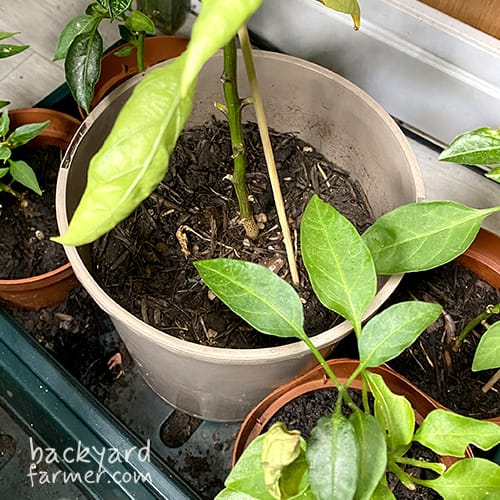
If you’re just starting out, begin with easy indoor vegetables and herbs and a simple lighting setup. If you already grow outdoors, indoor growing can help you extend the season, start plants early, or keep fresh greens going through winter.
This hub will continue to grow as new guides are added. Everything here is written with UK conditions, real homes, and practical budgets in mind.
Use the sections above to explore what fits your space, your energy use, and the way you want to grow food.