Pinching out means removing the growing tip of a plant to encourage new side shoots or control its growth. It’s a simple technique that can produce bushier herbs, more flowering stems and help manage vigorous climbing plants.
But not every plant needs pinching. For some crops, particularly chillies and peppers, removing healthy growth can delay your harvest.
Knowing which plants benefit, when to pinch them and exactly where to remove the growing tip makes all the difference.
Which Plants Should You Pinch Out?
Some plants benefit from early pinching to encourage branching, while others are pinched later to control height or manage fruit production.
| Plant | Pinch out? | When and why |
|---|---|---|
| Basil | Yes | Harvest growing tips regularly to encourage leafy branches |
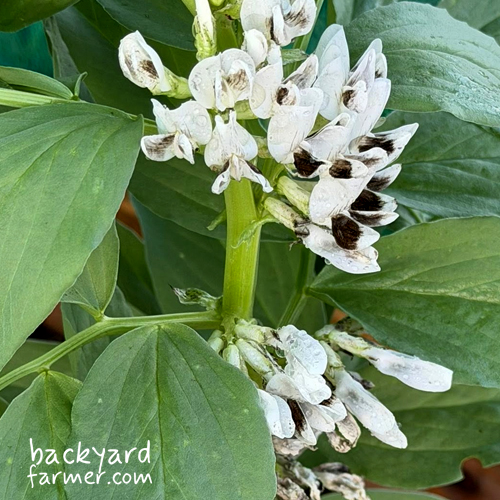
| Broad beans | Often | Once the lowest flowers form small pods; can also remove blackfly |
| Aubergines | Often | Around 30cm tall to encourage side branches |
| Chillies | Optional | Around 30cm; encourages branching but may delay fruiting |
| Sweet peppers | Optional | Around 30cm; may produce more, smaller fruits but delay cropping |
| Cordon tomatoes | Train selectively | Remove side shoots regularly; stop the main stem later |
| Bush tomatoes | Usually no | Allow their natural branching growth |
| Outdoor cucumbers | Depends on variety | Traditionally trained types are pinched after seven leaves |
| Greenhouse cucumbers | Training dependent | Manage the main stem and side shoots according to the variety |
| Runner and climbing French beans | If needed | When shoots reach the top of their supports |
| Sweet peas | Often | Pinch young spring-sown plants to encourage branching |
| Cosmos | Often | Pinch young plants for bushier flowering growth |
| Dahlias | Often | Around 40cm tall to encourage additional stems |
These are general recommendations. Individual varieties and growing methods may require a different approach, particularly with cucumbers. Our guide to growing cucumbers in the UK covers their specific growing and training requirements.
If your plant is already producing the growth or crop you want, there may be no benefit in removing its growing tip.
How to Pinch Out a Plant
Most soft growing tips can be removed using your fingers and thumb. For thicker stems, use clean, sharp scissors or snips.
Basil is a good plant to practise on because the removed tips can also be used in cooking.
- Find the growing tip. Look for the soft new growth at the end of the stem, usually surrounded by small developing leaves.
- Locate a leaf node. Follow the stem down to a healthy pair of leaves or a leaf joint. This is where buds can develop into new shoots.
- Pinch above the node. Remove the growing tip just above the leaves, taking care not to damage the remaining buds or foliage.
- Allow new shoots to develop. Over time, buds below the cut may grow into new branches, creating a fuller plant.
You only need to remove enough growth to take away the leading tip. Leave plenty of healthy foliage to support recovery.
With basil, two new shoots often develop from the leaf joints below the cut. These can be harvested or pinched again once they have grown sufficiently.
When Is the Best Time to Pinch Out Plants?
The best time depends on the plant’s growth stage and what you’re trying to achieve, rather than a particular month.
Pinching Young Plants
Early pinching encourages branching before plants become tall or begin flowering heavily.
This works well for suitable plants such as basil, sweet peas and cosmos.
Wait until the plant is established and has several healthy true leaves. Very young seedlings may not have enough growth to recover well if their main tip is removed.
There is no universal rule about pinching after a particular number of leaves. Follow the requirements of the individual plant.
Pinching Established Plants
Some crops are pinched once they reach a particular stage.
Broad beans can have their tips removed once the lowest flowers have formed small pods, while climbing beans may be pinched when they reach the top of their supports.
Herbs such as basil can be pinched throughout active growth as part of regular harvesting.
When Is It Too Late?
Late pinching can encourage new shoots when there isn’t enough growing season left for them to develop fully.
This is particularly relevant in the UK, where cooler temperatures and shorter days slow growth towards autumn.
For crops such as chillies and peppers, the delay to flowering and fruiting may outweigh the benefit of additional branches.
Once a plant is producing the crop you want, consider whether encouraging more vegetative growth is worthwhile.
Why Does Pinching Out Encourage Bushier Growth?
Plants naturally direct much of their growth towards the leading shoot.
This is partly controlled by a process called apical dominance, where hormones produced near the growing tip help suppress the development of buds lower down the stem.
Removing the leading tip reduces this influence, allowing some of those buds to develop into new branches.
This is why a single upright basil stem can become a bushier plant after pinching.
However, more branches do not automatically mean more fruit or a larger harvest.
Pinching changes how a plant distributes its growth. The additional shoots still need enough light, water, nutrients and growing time to develop.
Pinching Out Different Plants
The basic technique is similar across many plants, but the reasons for pinching can be quite different.
Pinching Out Basil
Basil responds particularly well to regular tip harvesting.
Once plants are established, usually around 10–15cm tall with several healthy pairs of leaves, start harvesting the soft growing tips just above a leaf node.
New shoots can develop below the cut, providing additional stems for future harvests.
Rather than stripping individual leaves from the plant, harvesting short stem tips helps maintain a compact, leafy shape.
Removing developing flower tips can also prolong leafy growth, although flowering is a natural part of the plant’s life cycle.
There’s no need to pinch every stem at once. Harvest a little from different areas and allow the remaining growth to develop.
For more advice, see our guide to growing basil in the UK.
Pinching Out Broad Beans
Broad beans are commonly pinched once the lowest flowers have formed small pods.
Removing the tender growing tips stops further extension of the main shoots and can help manage blackfly infestations.
Black bean aphids favour soft new growth and frequently gather around the tops of broad bean plants. Pinching off infested tips physically removes many of the aphids.
However, pinching does not guarantee blackfly prevention. Aphids can still colonise other parts of the plant, and the level of infestation varies between seasons.
A few aphids aren’t necessarily a problem. Ladybirds, hoverflies and other natural predators can help keep populations in check.
If an infestation is becoming troublesome, see our UK aphid control guide for practical, wildlife-friendly methods.
Healthy, aphid-free broad bean tips are also edible and can be cooked like other leafy greens.
Should You Pinch Out Chillies and Peppers?
Pinching chilli and sweet pepper plants is optional.
Removing the main growing tip at around 30cm can encourage additional side branches and potentially more, smaller fruits. However, the plant must spend time developing replacement shoots, which can delay flowering and cropping.
In the UK’s relatively short growing season, that delay may outweigh the benefit, particularly for outdoor plants.
Many chilli and pepper varieties also branch naturally without intervention.
If your plants are already developing a good shape and starting to flower, there’s usually little reason to remove the growing tip.
Treat pinching as an optional way to manage plant shape, rather than a requirement for a good harvest.
Pinching Out Tomatoes
Tomatoes cause confusion because gardeners often use pinching out to describe two different techniques: removing sideshoots and stopping the main growing stem.
The correct approach depends on whether you’re growing cordon or bush tomatoes.
Cordon tomatoes
Cordon, or indeterminate, tomatoes are usually trained upwards on a single main stem.
Small sideshoots emerge between the main stem and the leaf stalks. These are commonly removed while young to maintain the plant’s structure.
Later in the season, the main growing tip can also be removed to limit further extension growth and concentrate development on the existing fruit.
The RHS recommends stopping cordon tomatoes after approximately four fruit trusses outdoors or seven indoors, leaving two leaves above the uppermost truss. Plants may also need stopping when they reach the top of their supports, with the available growing season helping determine the final number of trusses.
Bush tomatoes
Bush, or determinate, tomatoes naturally produce multiple fruiting branches.
Their sideshoots should normally be left intact, as removing them can reduce the number of flowering and fruiting stems.
Always identify your tomato variety before removing shoots. Taking out a sideshoot is not the same as removing the main growing tip.
For more growing advice, see our outdoor tomato growing guide.
Pinching Out Sweet Peas and Other Flowers
Pinching is useful for flowering plants where the aim is to encourage additional flowering stems.
Spring-sown sweet peas are commonly pinched while young, once they have developed sufficient healthy leaves. This encourages side shoots rather than allowing a single leading stem to continue growing.
Cosmos and zinnias can also be pinched during early growth to encourage bushier plants.
For dahlias, the RHS recommends removing the main growing tip at around 40cm tall, just above a pair of leaves, to encourage additional stems.
However, pinching can delay the first flowers.
If you want taller plants or earlier blooms, leaving some plants unpinched may be preferable.
Which Plants Shouldn’t You Pinch Out?
Pinching isn’t suitable for every plant, particularly where the central growing point is essential to the harvest.
Heading vegetables such as cabbages and lettuces should not be pinched like basil. Removing their central growing point can prevent a normal head from forming.
Bush tomatoes also benefit from retaining their natural branching structure, while plants trained to a single leading stem may need their growing tip preserved until they reach the desired height.
Even plants that normally respond well to pinching are better left alone when they’re weak, recently transplanted or struggling with drought or cold.
If you cannot identify a useful reason to remove the growing tip, it’s usually better to leave it intact.
Common Pinching Out Mistakes
Most problems come from removing too much growth, choosing the wrong shoot or pinching at an unsuitable stage.
Pinching too early: Very young seedlings may not have enough established leaves or buds to recover quickly. Wait until they’re growing strongly.
Removing too much growth: Only remove the portion needed to achieve the desired result. Preserve healthy leaves and buds below the cut.
Removing the wrong shoot: Make sure you can distinguish the main growing tip from sideshoots and developing flower buds, particularly on tomatoes.
Pinching stressed plants: Cold conditions, poor light, drought or damaged roots can slow recovery. Allow plants to regain healthy growth before pruning.
Why Isn’t My Plant Branching After Pinching?
New branches don’t always appear immediately.
Growth depends on the plant’s health, temperature, available light and whether suitable buds remain below the cut.
Cold conditions, insufficient light or restricted roots can slow development. Some plants also have naturally limited branching habits.
Give the plant time to recover and avoid removing more growth until healthy shoots appear.
Pinching Out vs Thinning Out, Sideshooting and Deadheading
Several gardening techniques involve removing plant material, but they serve different purposes.
| Technique | What it means |
|---|---|
| Pinching out | Removing a growing tip to encourage branching or control growth |
| Thinning out seedlings | Removing surplus seedlings to reduce overcrowding |
| Pricking out | Transplanting young seedlings into individual pots or more space |
| Sideshooting | Removing unwanted lateral shoots, particularly on cordon tomatoes |
| Deadheading | Removing faded flowers to encourage further flowering or prevent seed formation |
Understanding the difference is particularly important when following tomato-growing instructions, where pinching and sideshooting are often discussed together.
Frequently Asked Questions
Yes. Suitable plants such as basil and some flowering plants can be pinched repeatedly as new branches develop.
Other crops, including broad beans, are normally pinched at a particular stage rather than throughout the season.
Many plants develop new shoots from buds below the removed tip.
However, recovery depends on the species, remaining buds and growing conditions. Plants that cannot readily produce replacement shoots may be permanently damaged if their only growing point is removed.
Sometimes, but removing growing tips can also remove developing flower buds.
This may delay flowering or reduce the current crop. If a plant is already producing the flowers or fruit you want, leaving it alone is often preferable.
Soft growing tips can usually be removed with your fingers and thumb.
For thicker stems, use clean, sharp scissors or secateurs to avoid tearing the plant. Whichever method you choose, keep the cut clean and protect the remaining buds.