
This article is to help you when you wake up a bit fuzzy on a Sunday, get to the Allotment, and realise you have no idea what to do! (We’ve all been there)
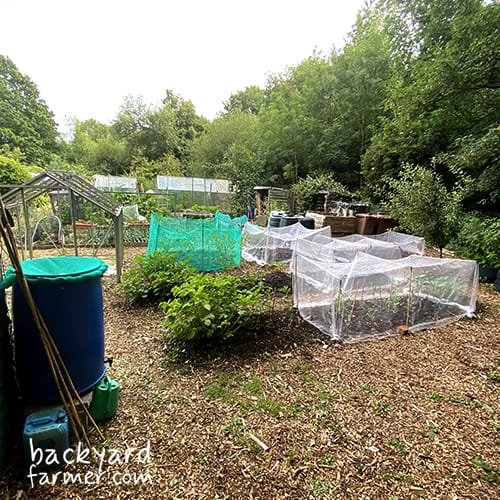
Most gardeners on these little islands don’t need more theory or long explanations. Instead, they require a clear, practical allotment calendar with a stiff upper lip — something that shows what to do and when, even when time is short and the British weather’s doing its thing.
We shall dive into the basic jobs first (below) and if you feel like a bit more info, follow the link in each month. It will take you to a treasure trove of info from the dark realms of real gardeners knowledge (aka further down the page).
January – Planning & prep
- Plan crops and bed layout
- Maintain and sharpen tools
- Add compost and improve soil
February – Early sowing begins
- Start sowing under cover
- Prepare beds for spring
- Organise seeds and space
March – Sowing kicks off
- Start main sowing (watch frost)
- Direct sow hardy crops
- Prep beds and seedlings
April – Rapid growth
- Sow outdoors as soil warms
- Protect young plants
- Keep on top of watering and weeds
May – Planting out
- Plant out once frost risk has passed
- Sow fast-growing crops
- Water, feed, and control weeds
June – First harvests begin
- Harvest little and often
- Keep watering consistent
- Sow little and often (succession)
July – Harvests and maintenance
- Harvest crops frequently
- Re-sow for continuous supply
- Water and support plants
August – Peak harvest
- Harvest and preserve crops
- Sow for autumn and winter
- Clear space for next crops
September – Shift to autumn
- Sow hardy crops for overwintering
- Clear finished beds
- Improve soil with compost
October – Soil care and winter prep
- Clear remaining crops
- Add compost or mulch
- Prepare beds for winter
November – Protection and maintenance
- Protect soil and crops
- Clean and store tools
- Tidy and organise the plot
December – Rest, review, and plan ahead
- Review the past season
- Plan next year’s layout
- Order seeds and supplies early
Download the Free UK Allotment Calendar
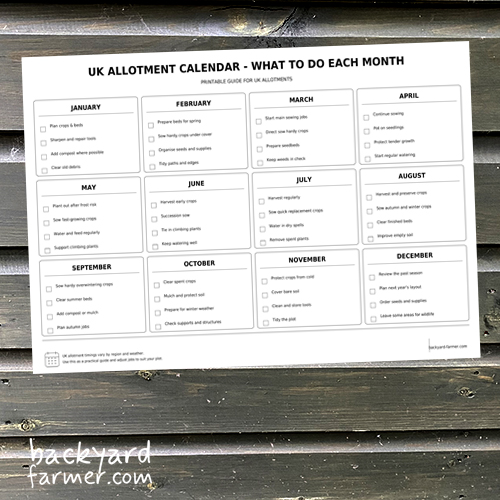
Want something you can print out and keep in the shed? I’ve turned the key jobs from this guide into a simple one-page A4 allotment calendar, covering the main tasks to focus on each month.
It’s deliberately black and white, low-ink and easy to scan, with checkboxes so you can mark jobs off as you work through the year.
Free PDF • A4 landscape • No sign-up required
Tip: Allotment timings vary with weather and location, so use the calendar as a practical prompt rather than a rigid timetable.
Month-by-Month Allotment Calendar (UK)
Lets get stuck into the practical month-by-month allotment calendar designed specifically to get the most out of your plot in UK conditions.
Rather than listing every possible task, each month focuses on the key allotment jobs that matter most at that time of year.
This approach makes the calendar easier to use, as an allotment calendar you can return to throughout the growing season, and its free!
January – Too Chilly for Plants
January is a quiet but important month on the allotment. Growth might be slow, but the decisions you make now will shape how smoothly the rest of the growing year goes. As part of a month-by-month allotment calendar, January focuses on preparation rather than planting.
Key priorities:
- Planning crops and bed layouts
- Tool maintenance and small repairs
- Soil care and compost management
This is an ideal time to:
- Review what worked (and what didn’t) last year on your allotment
- Sketch out rough plans for beds and simple crop rotations
- Check tools, sharpen blades, and replace anything that let you down last season
If conditions allow, you can also:
- Clear remaining debris from beds
- Add compost or organic matter where soil isn’t frozen or waterlogged
- Start a few early sowings under cover, such as onions or broad beans, depending on your setup
While not much is actively growing, the winter growing guide helps you see what you can still sow and how to stay productive through the cold.
February – A Few Hardy Crops
February is when things on the allotment begin to stir. Days slowly lengthen, and although outdoor conditions can still be harsh, there’s plenty you can begin under cover.
February is all about preparation and the first tentative steps into the growing season.
Key priorities:
- Early sowing with protection
- Preparing beds for spring planting
- Organising seeds and growing space
Common February jobs include:
- Sowing early crops in greenhouses, cold frames, or indoors
- Chitting potatoes
- Tidying beds and edging paths before growth accelerates
On milder plots, you may also be able to:
- Sow hardy crops directly outdoors
- Continue adding compost and improving soil structure
As things start to wake up again, use the winter growing guide to see what you can begin sowing now and how to get ahead before spring kicks in.
March – Let the Sowing Begin!
March is when the allotment year really comes alive. As soil temperatures rise and daylight increases, the choice of crops to start grows dramatically. Even so, frost is still a real threat at this time of year in the UK, so take care with more delicate veg.
In a UK allotment calendar, March marks the start of the main sowing season.
Key priorities:
- The main sowing season begins
- Bed preparation and early planting
- Not going mad and sowing everything (harder than you think)
Typical March tasks include:
- Sowing more types of vegetables under cover
- Direct sowing hardy crops outdoors when conditions allow
- Preparing seedbeds and firming soil ready for transplants
This is also the month where timing matters most:
- Sow too early and growth can stall
- Wait too long and you lose valuable growing weeks
If you’re getting going this month, the spring vegetable planting guide shows what’s worth sowing now. Our guide on what to harvest in March (UK) helps you make the most of overwintered crops.
April – Plants Stretch Their Legs
April is when things really get going in the allotment world. The soil begins to warm, seedlings put on visible growth, and the threat of frost is mostly gone but not completely. Keep an eye out for sneaky frosts in most of the UK.
Key priorities:
- Managing rapid growth
- Protecting young plants
- Continuing sowing under cover and outdoors
Common April allotment jobs include:
- Direct sowing hardy vegetables as soil conditions improve
- Potting on seedlings started earlier in the year
- Using fleece, cloches, or cold frames to protect tender plants
At the same time, it’s worth:
- Keeping beds weed-free before weeds get established
- Checking watering routines as days become warmer
- Hardening off plants gradually before planting out
Growth really kicks in here, the spring vegetable planting guide can help you keep some control and plan. Whilst our guide on what to harvest in April (UK) helps you make the most of what’s ready for picking and eating.
May – The Season Gets in Full Swing
May is one of the busiest months in the UK allotment calendar. With longer days and warmer nights, many crops can finally be planted outside and beds start to fill up fast!
Key priorities:
- Planting out young plants
- Regular watering and feeding
- Keeping on top of weeds
Typical May allotment jobs include:
- Planting out hardened-off seedlings once the risk of frost has passed
- Sowing fast-growing crops directly into beds
- Mulching soil to conserve moisture and suppress weeds
As growth accelerates, it also helps to:
- Support climbing plants early, before they flop
- Thin seedlings where needed
- Keep an eye out for pests as activity increases
If plans are unravelling and space is filling up fast, use our spring vegetable planting guide to keep in control. If you’re too tired to think after that, use our what to harvest in May (UK) guide to keep on top of early crops coming through.
June – Maintaining What You Started
June marks the transition from spring into early summer, and at the allotment you will notice things growing quickly. At this stage of the growing season plants are going strong and the first real harvests begin. This is where the balance shifts towards maintaining your plot and enjoying the first proper rewards.
In the British allotment calendar, June is about maintaining growth while enjoying the first harvests of the season. Take a seat, nibble a leaf and enjoy your hard graft.
Key priorities:
- Consistent watering
- Ongoing maintenance
- Harvesting early crops
Common June allotment jobs include:
- Harvesting salads, early roots, and quick crops little and often
- Succession sowing to keep beds productive
- Tying in, supporting, and training fast-growing plants
At this point, it’s also important to:
- Monitor soil moisture closely, especially during dry spells
- Remove bolting plants and replant gaps where needed
- Keep paths and beds accessible as growth becomes dense
Wondering what to plant in July? Check out the summer vegetable planting guide to see what you can still get in the ground. If you’re not sure what’s ready to munch on, check out our ‘What to Harvest in June‘ guide here.
July – Harvests and Succession Sowing
July is a rewarding month on the allotment. Beds are productive, harvests are regular, and growth is fast – BUT don’t get complacent now! July is also the point where things can quickly get away from you if attention slips.
Key priorities:
- Regular harvesting
- Succession sowing
- Watering and general maintenance
Typical July allotment jobs include:
- Harvesting crops little and often to keep them producing well
- Sowing quick-growing vegetables to replace crops as they finish
- Staying on top of watering, especially during warm or windy spells
At the same time, it helps to:
- Remove finished crops and clear space early
- Keep weeds under control before they have a chance to set seed
- Check supports and ties as plants put on size and weight
Still time to squeeze more out of the season — take a look at the summer vegetable planting guide to see what you can plant now for late summer harvests.
August – Peak Harvest and Planning Ahead
August is often the most abundant month in the UK allotment calendar. Harvests are at their peak. At the same time, this is when it pays to start thinking a little beyond summer, even while you’re enjoying the results of your work.
Key priorities:
- Managing heavy harvests
- Sowing for autumn and winter
- Preparing space for the next season
Common August allotment jobs include:
- Harvesting regularly and preserving surplus crops
- Sowing vegetables for autumn and winter harvests
- Clearing beds as crops reach the end of their run
It’s also a good time to:
- Improve soil in cleared beds with compost or organic matter
- Decide which areas will be used for overwintering crops
- Continue watering and feeding where growth remains strong
As things start to shift, the summer vegetable planting guide shows what you can still plant now and what’s worth getting in before the season turns.
September – Autumn Sowing and Clearing Beds
September brings a clear shift in pace on the allotment. Growth slows, daylight shortens, and priorities move away from constant harvesting toward consolidation and preparation.
In a free UK allotment calendar, September focuses on clearing space, improving soil, and setting up crops for the cooler months ahead.
Key priorities:
- Sowing hardy crops
- Clearing summer beds
- Improving soil condition
Typical September allotment jobs include:
- Sowing crops that will overwinter or mature early next year
- Removing spent plants and tidying beds as space opens up
- Adding compost or mulches to protect and feed the soil
At this point, it’s also sensible to:
- Reduce watering as temperatures begin to drop
- Take stock of what worked well — and what didn’t — this year
- Start thinking about bed use for autumn and winter crops
As the season starts to turn, this guide on what vegetables to plant in autumn (UK) shows what’s worth sowing now to keep things going into the colder months.
October – Soil Care and Winter Preparation
October is a month of transition on the allotment. Growth slows noticeably and harvests begin to tail off. As a result, within a month-by-month allotment calendar, attention shifts away from production and towards looking after the soil and structures that will support next year’s crops.
Key priorities:
- Clearing spent crops
- Protecting and improving soil
- Preparing the plot for winter weather
Typical October allotment jobs include:
- Removing finished plants and composting any healthy material
- Adding compost, manure, or leaf mould to empty beds
- Mulching soil to protect its structure and feed soil life
At the same time, it’s worth:
- Repairing paths and edging before winter really sets in
- Covering unused beds to reduce nutrient loss
- Checking sheds, fences, and other structures for winter readiness
If you’re thinking ahead, this autumn planting guide shows what you can still get in the ground before growth slows right down.
November – Protection and Maintenance
November is about holding steady, rather than pushing on. Daylight is short and growth is minimal. As a result, the allotment settles firmly into maintenance mode.
In a UK allotment calendar, November focuses on protection rather than productivity.
Key priorities:
- Protecting soil and overwintering crops
- Tool care and general maintenance
- Tidying and organising the plot
Common November allotment jobs include:
- Protecting crops from cold, wind, and heavy rain
- Checking mulches and bed covers remain in place
- Cleaning, oiling, and storing tools properly
It’s also a sensible time to:
- Reduce activity on wet soil to avoid compaction
- Clear gutters, water butts, and drainage areas
- Review seed stocks and note what needs replacing
There’s still a small window for certain crops — the autumn planting guide helps you see what’s still worth planting now, and what to leave.
December – Rest, Review, and Planning Ahead
December is the quietest month on the allotment — and that’s no bad thing. With very little active growing taking place, this becomes a chance to pause, reflect, and plan without pressure.
Within a free UK allotment calendar, December is about rest and preparation.
Key priorities:
- Reviewing the past growing season
- Planning improvements for next year
- Resting both the plot and the gardener
Useful December allotment activities include:
- Looking back over what grew well and what struggled
- Planning simple rotations and bed layouts for the year ahead
- Ordering seeds and supplies early, before spring rushes in
December is also a good time to:
- Leave soil undisturbed wherever possible
- Allow space for wildlife on the plot
- Step back and enjoy a slower pace
As things slow right down, this winter growing guide (December–February) shows what you can still grow, and how to make the most of the quieter months.
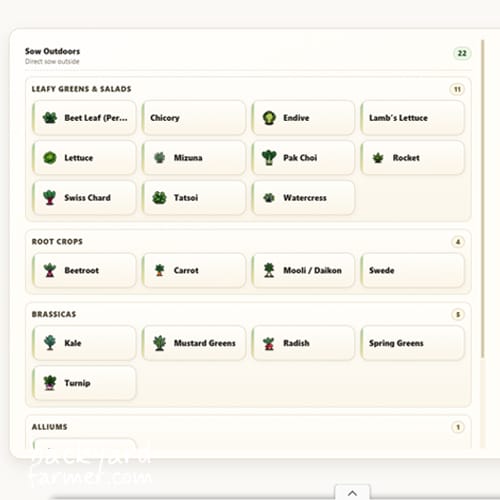
Our Free Vegetable Planting Calendar
Use our Free Vegetable Planting Calendar (No sign-up needed) to see exactly what you can plant this tody, this month or even next year! Designed with growing conditions in good ol’blighty.
Frequently Asked Questions
Yes — it’s genuinely free. There are no sign-ups, subscriptions, downloads, or paid upgrades. As a result, you can access this free allotment calendar online whenever you need a quick seasonal reference, without any friction or commitment.
This is a UK-specific allotment calendar focused on what to do on your allotment each month. However, when you want crop-by-crop detail on what to plant and when, it works alongside the Vegetable Planting Calendar, which is also designed for UK growing conditions.
Yes, absolutely. This allotment gardening calendar is written with clarity and flexibility in mind. As a result, it works just as well for beginners as it does for experienced allotment holders. You don’t need prior knowledge — instead, check the current month and focus on the main allotment jobs.
No. This allotment calendar is a guide, not a rulebook.
Weather, soil type, location, and available time all play a part. Because of that, use the calendar to inform decisions rather than dictate them, and adjust timings to suit your own plot and local conditions.
Yes. The monthly guidance works well for traditional digging, no-dig allotments, raised beds, and mixed growing approaches. While methods can differ, the seasonal priorities in a month-by-month allotment calendar remain largely the same.
This free UK allotment calendar is designed to be seasonal rather than date-locked. In other words, it stays relevant year after year because it reflects typical UK growing patterns, not a single calendar year.
Yes. The layout is mobile-friendly, which means you can quickly check allotment jobs while you’re actually on the plot — whether you’re planning, sowing, or harvesting.
Use the calendar as a baseline, then adjust slightly earlier or later depending on your local climate. For example, northern, coastal, or exposed plots may run a little behind, while sheltered or southern allotments often run ahead.
Start with this allotment calendar by month to understand which jobs matter most right now. Then, use the planting calendar to choose which crops fit those conditions. Used together, they provide clarity without complexity and help you take action with confidence.
Final Notes
An allotment calendar works best as a prompt, not a rulebook. Weather, soil and growing conditions will always shift things slightly, so use the monthly jobs above to keep yourself on track and adjust them to suit your own plot.
You can download the printable A4 calendar above, bookmark this guide for the fuller month-by-month advice, and use our Vegetable Planting Calendar when you need to know what to sow or plant next.
If you’re still looking for a plot, our free Allotment Finder Tool can help you find allotments near you.