How to Grow Cabbage in the UK: Firm Heads, Better Timing and Fewer Pest Problems

This post may contain affiliate links, which means I earn a small commission at no extra cost to you.

Table of Contents (Quick Nav)

Introduction

Growing cabbage in the UK is fairly straightforward once you understand what tends to go wrong. That is the part that catches people out. You can do a nice neat sowing, raise decent seedlings, and still end up with a patch that gets hammered by pigeons, caterpillars, slugs, or poor spacing before a proper head ever forms.

That is why cabbage is one of those crops where the basics matter early. If you get the timing right, plant into firm fertile soil, and protect the crop from day one, it is a lot less troublesome than people sometimes make out.

What matters most:

  • Choose the right cabbage for the season
  • Plant into firm, fertile soil
  • Give plants enough room
  • Keep watering steady
  • Protect the crop early with netting

It also helps to remember that cabbage is not just one thing. Spring, summer, autumn, winter, savoy, red, and pointed cabbages all behave a bit differently, so treating them all the same is where many beginners come unstuck.


When to Plant Cabbage in the UK

When to sow cabbage in the UK depends much more on the type of cabbage than on the word cabbage itself. That is where a lot of people come unstuck. Spring cabbage is usually sown the previous summer, while many summer, autumn, and winter cabbages are started in spring or early summer for harvest later in the year.

If you get the timing wrong, cabbages can:

  • Sit there doing very little
  • Bolt or get checked
  • Stay leafy without forming a decent head
  • Take up space for months without giving much back

The easiest way to think about it is by the season you want to harvest, then work backwards.

Cabbage typeTypical sowing timeTypical harvest
Spring cabbageJuly to AugustMarch to May
Summer cabbageFebruary to AprilJune to August
Autumn cabbageMarch to MaySeptember to November
Winter cabbageApril to MayNovember to February
Savoy cabbageSpring to early summerAutumn to winter
Red cabbageSpringLate summer to autumn
Pointed / Hispi cabbageSpringSummer
January King / hardy winter typesSpring to early summerWinter

What to keep in mind

A few things make a difference in real life:

  • In colder parts of the UK, early sowings are usually better started under cover
  • In milder or more sheltered areas, timings can be a little more flexible
  • A greenhouse, cold frame, or polytunnel can stretch the sowing window slightly
  • Fast, compact, or pointed types are usually more forgiving than big winter cabbages

So, while the table gives you a solid starting point, local weather still has the final say.

The main beginner confusion

Spring cabbage is the one that catches most people out. It is not usually sown in spring for a spring harvest.

Instead, it is normally:

  • Sown in mid to late summer
  • Planted out in autumn
  • Left to overwinter
  • Harvested the following spring

If you do not know that, the timings on the packet can feel completely backwards.

Best starting point for beginners

If you are new to growing cabbage in the UK, the easiest place to start is usually:

  • Summer cabbage
  • Early autumn cabbage
  • Pointed or compact types such as Hispi-style cabbages

They tend to:

  • Crop faster
  • Take up less room
  • Feel less awkward than big winter varieties
  • Give you a clearer return for the space

That matters, especially if you are trying cabbage for the first time and do not want half the bed tied up all season.

Are late sowings worth it?

Sometimes, yes — but only if you are realistic.

Late sowings are more likely to work with:

  • Fast varieties
  • Smaller varieties
  • Pointed cabbage types

They are much less reliable with:

  • Large winter cabbages
  • Big storage types
  • Slow-maturing varieties

If you are sowing later than ideal, it usually makes more sense to go for a quick summer type than to force a large winter crop that may never properly size up.


Best Types of Cabbage to Grow in the UK

The best cabbage to grow in the UK depends on what you actually want from it. Some types are quick, compact, and easier to manage. Others are better for winter use, storage, or filling the hungry gap. Choose the wrong type for your space or season and cabbage can start to feel like more effort than it is worth.

For most beginners, the easiest place to start is a pointed or compact summer cabbage. They usually crop faster, take up less room, and feel a lot more manageable than big winter cabbages sitting in the ground for months.

GoalBest cabbage type
First-time growerHispi, Greyhound, Golden Acre, compact summer cabbage
Small householdPointed cabbage, mini cabbage, Minicole
Winter self-relianceSavoy, Tundra, January King, winter cabbage
StorageRed cabbage, autumn or winter roundheads
Hungry gapSpring cabbage
Small gardenPointed or compact varieties

Best cabbage for beginners

If this is your first time growing cabbage, go for something quick and forgiving.

Good beginner-friendly options include:

  • Hispi-type cabbages
  • Greyhound-type cabbages
  • Compact summer cabbages
  • Smaller pointed varieties

They are usually:

  • Quicker to mature
  • Less bulky in the bed
  • Easier to use up in the kitchen
  • Less frustrating if you only want one or two decent heads

That is a big part of their appeal. You get a crop without feeling like half the plot has been taken hostage.

Best cabbage for small gardens

In a small garden, cabbage is only really worth growing if you actually like eating it and choose the right type.

Usually the most practical choices are:

  • Pointed cabbage
  • Mini cabbage
  • Smaller summer varieties
  • One or two heads at a time rather than a full row

Pointed cabbage is often the easiest fit because it crops faster, stays neater, and is easier to use up in a smaller household.

Best winter cabbage

If your aim is winter food, look towards hardy types such as:

  • Savoy cabbage
  • January King
  • Other winter cabbages bred for standing through colder weather

These are useful if you want something solid in the ground through the colder months, but they do need:

  • Patience
  • More space
  • Decent early protection

That is why winter cabbage usually makes more sense on an allotment or in a larger bed than in a tight little garden.

Best cabbage for storage

If you want a cabbage that keeps better after harvest, red cabbage and some autumn or winter roundheads are usually the better fit.

Compared with quick summer cabbages, they are often:

  • Slower to grow
  • Longer in the ground
  • Better for storing
  • More useful for batch cooking, pickling, or winter use

So, if storage matters to you, it is worth choosing with that in mind from the start.


Where to Grow Cabbage

Cabbage grows best in a sunny, open spot with fertile soil and steady moisture, but the bit people often miss is the soil wants to be firm rather than fluffy. That matters more than it sounds. If the ground is loose and freshly dug, cabbage can wobble about, establish poorly, and struggle to form solid heads later on.

So, in most UK gardens, the best place to grow cabbage is somewhere that is:

  • Sunny
  • Fertile
  • Easy to water
  • Easy to net
  • Firm underfoot rather than loose and airy

If you can give it that, you are already avoiding a lot of the problems that trip people up later.

Best conditions for cabbage

In most situations, cabbage does best in:

  • Full sun for strong growth and better heads
  • Fertile soil with decent organic matter
  • Moisture-retentive ground that does not stay waterlogged
  • Beds that have been weeded and firmed before planting
  • A spot where netting or a brassica cage is easy to set up

If your soil is not perfect, do not overthink it. Cabbage is fairly adaptable as long as it does not dry out badly and the roots can settle into reasonably rich ground.

ConditionWhat cabbage prefers
LightFull sun is best, though light shade is tolerated
SoilFertile, rich, and reasonably firm
MoistureSteady moisture, but not waterlogged ground
DrainageFree-draining enough to avoid sitting wet
Bed typeOpen ground, raised beds, or larger containers

Different soil types

Different soils can all grow decent cabbage, but they each come with their own quirks.

  • Heavy clay: Often works well for brassicas if improved with organic matter and not left waterlogged
  • Lighter soil: Can still grow good cabbage, but usually needs closer attention with watering
  • Freshly worked soil: Often too loose for cabbage unless it is allowed to settle or is firmed before planting

That is one reason brassicas often do well in ground that has a bit of body to it. They generally prefer solid footing.

Cabbage in raised beds

Raised beds are a very good place to grow cabbage in the UK, especially if you want better control over:

  • Weeds
  • Spacing
  • Soil condition
  • Netting and crop protection

They also make it easier to set up hoops, mesh, or a proper brassica cage neatly.

The main thing to watch is that raised beds can be a bit too loose if they have recently been filled or heavily worked. Before planting cabbage, it helps to:

  • Firm the bed surface
  • Avoid leaving the soil too airy around the roots
  • Check that the bed will hold moisture well enough in dry weather

Cabbage on allotments

Cabbage is well suited to allotments because it works well as:

  • A main crop
  • A winter crop
  • Part of a wider brassica rotation

Bigger plots also make it easier to justify slower winter varieties that would feel like too much of a commitment in a small garden.

That said, allotments often come with a bit more pest pressure. Common issues include:

  • Pigeons
  • Cabbage white butterflies
  • Slugs
  • Clubroot on older brassica ground

So, if you are growing on an allotment, it is worth choosing a section where you can protect the crop properly and avoid known problem ground if possible.

Wind, shelter, and exposure

Young cabbage plants do not need a completely sheltered corner, but they do not enjoy being battered about in a very exposed spot either. Wind can:

  • Loosen roots
  • Stress young plants
  • Make netting harder to keep secure

If your garden or allotment is windy:

  • Plant firmly
  • Use secure netting or a proper brassica cage
  • Avoid loose covers flapping against young leaves
  • Check that plants have not rocked loose after strong weather

A bit of exposure is fine. Constant battering is not.

Can cabbage tolerate a little shade?

Yes, up to a point. Full sun is best, especially for strong growth and decent heads, but cabbage will usually tolerate light shade better than many fruiting crops.

It is still better to avoid:

  • A dark corner
  • Damp stagnant spots
  • Areas where growth will be slow and weak

If the choice is between perfect sun with very dry soil or light shade with better moisture, the second option can sometimes work better in real life.


How to Sow and Plant Cabbage

For most people, the easiest way to grow cabbage in the UK is to sow in modules or trays first, then plant out later once the seedlings have a bit of strength behind them. Direct sowing can work, but it is usually less forgiving. Young seedlings are far more exposed to slugs, pigeons, flea beetle, patchy germination, and rough weather if they are left out in the open from day one.

If you want the simplest reliable approach, modules are usually the better bet.

Best method for most gardeners

  1. Sow cabbage seed about 1cm deep in modules or trays.
  2. Keep the compost moist, but not waterlogged.
  3. Grow seedlings somewhere bright and cool enough to stop them getting leggy.
  4. Thin or pot on if they start crowding each other.
  5. Harden them off before planting outside.
  6. Plant into firm, prepared soil.
  7. Firm each plant in well by hand.
  8. Water thoroughly after planting.
  9. Net the crop straight away.

Written down it looks like a lot, but in practice it is a very simple routine.

StageWhat to do
SowingSow in modules or trays about 1cm deep
Early careKeep moist, bright, and not too warm
Before planting outHarden off for a few days to a week
PlantingSet into firm soil at the right spacing
After plantingWater well and net immediately

Why modules are usually easier

Sowing cabbage in modules gives you much more control than scattering seed straight into the bed.

Main benefits of module sowing:

  • Easier to protect young plants
  • Easier to space plants properly later
  • Less wasted bed space from patchy germination
  • Stronger, more manageable transplants

A small tray or module set is usually plenty to get started. Sow one or two seeds per cell, keep them in good light, and do not overdo the watering. Seedlings kept too warm or too dim tend to stretch, and once they go leggy they are never quite as nice to plant out.

Direct sowing vs transplanting

You can direct sow cabbage, especially if you have plenty of room and do not mind thinning. In decent conditions it works well enough. Still, for many beginners it creates more problems than it solves.

Direct-sown seedlings are more likely to be:

  • Nibbled by slugs
  • Pecked by birds
  • Checked by dry weather
  • Lost in weedy ground
  • Damaged by flea beetle while young

That is why transplanting from modules is usually the more practical route. You are planting out something that already has a bit of backbone, which makes life easier.

Before you plant out

Before planting cabbage outside, get the bed ready properly.

Checklist before planting:

  • Remove weeds
  • Add organic matter if the soil is poor
  • Make sure the bed is not loose and fluffy
  • Rake level if needed
  • Firm the surface slightly before planting

Cabbage does best when planted into ground that is fertile but also firm around the roots. That part is easy to overlook, but it makes a real difference with brassicas.

Planting cabbage outside

Once seedlings are sturdy and hardened off, plant them out at the correct spacing for the type you are growing.

At planting time:
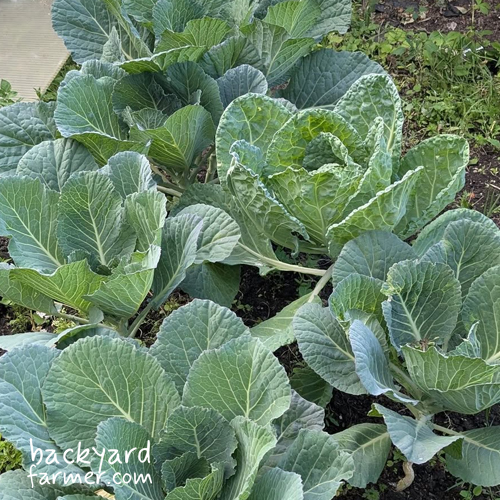
  • Set each plant a little deeper than it was in the module if needed
  • Firm the soil around it well
  • Water each plant in properly
  • Cover the crop with mesh or netting straight away

A cabbage seedling should not wobble around loosely after planting. If it does, firm it in again. It sounds obvious, but it is one of those little details that makes brassicas settle better.

Hardening off matters

If your seedlings have been raised indoors, in a greenhouse, or in another protected space, do not move them straight into open ground without hardening them off.

A good hardening-off routine:

  • Move them outside for short periods at first
  • Increase exposure gradually over several days
  • Protect them from harsh wind or cold nights early on
  • Plant out once they look settled and sturdy

It is a small step, but it saves a lot of sulking after planting.

Extra protection options

In some areas, cabbage root fly can be another nuisance, especially with young transplants.

Worth considering:

  • Root fly collars if this pest is common where you garden
  • Fine mesh or netting from day one
  • Early protection rather than waiting for visible damage

With cabbage, protection nearly always works better when it goes on early rather than late. That is one lesson most growers learn sooner or later.

Common planting mistakes to avoid

  • Starting seedlings too early, then leaving them too long in trays
  • Growing them too warm and dim so they go leggy
  • Planting into loose soil
  • Forgetting to harden them off
  • Spacing them by eye and ending up too tight
  • Leaving them uncovered after planting

Get sowing, planting, and early protection right, and the rest of the crop is usually much easier to manage.


Cabbage Spacing and Layout

Spacing is one of the biggest factors in whether cabbage feels worth growing or not. If plants are too close together, they compete for light, moisture, and nutrients, airflow drops, pest checking becomes awkward, and the heads often stay smaller or looser than you hoped.

A lot of beginners underestimate how much room cabbage really needs. The head itself is only half the story. The outer leaves want space too, and once those leaves start overlapping heavily, the whole patch becomes harder to weed, harder to inspect, and much more inviting for slugs and damp problems.

Cabbage size/typePlant spacingRow spacing
Small or compact cabbage30cm30–45cm
Medium cabbage45cm45–60cm
Large winter or storage cabbage60cm60–75cm
Spring greens or young cut cabbage20–30cm30–45cm
Pointed or Hispi cabbageCan often be spaced a little closer than large round types

Easy rule of thumb

If you want a simple guide, use this:

  • 30cm spacing for small or compact cabbages
  • 45cm spacing for medium heads
  • 60cm or more for big winter or storage cabbages
  • Slightly closer spacing for pointed or Hispi types if you are happy with smaller, neater heads

That will get you close enough in most real gardens without overcomplicating it.

What happens if you plant too close?

Overcrowding usually leads to:

  • Smaller or looser heads
  • Poorer airflow
  • Harder pest checking
  • More damp around the leaves
  • A bed that becomes awkward to manage

If you are growing large winter or storage varieties, crowding them almost never pays off. You usually end up with more plants, but a worse result.

Smaller heads vs bigger heads

Tighter spacing is not always a mistake. It can make sense if you want:

  • Smaller heads
  • Quicker-use harvests
  • A better fit for a small household
  • A neater layout in a raised bed

That is one reason pointed cabbage works well in smaller gardens. It is usually more forgiving of slightly tighter spacing than big round winter types.

What rarely works well is squeezing in large varieties and still expecting big, solid heads at the end.

Cabbage spacing in raised beds

Raised beds make spacing easier because you can see the layout clearly before planting.

A good raised bed approach is to:

  • Mark out the spacing before planting
  • Leave enough room to reach plants easily
  • Avoid filling every spare gap just because the bed looks empty at first
  • Remember the leaves will spread much wider than the young plants suggest

That last bit catches people out all the time. A bed can look almost bare on planting day, then feel packed a few weeks later.

Is cabbage worth the space?

This is a fair question, especially in small gardens.

Cabbage is usually worth the space if:

  • You actually use it in the kitchen
  • You choose the right type for your space
  • You are willing to protect it properly

In tighter spaces, these are often the most practical choices:

  • Pointed cabbage
  • Mini cabbage
  • Compact summer cabbage
  • One or two well-spaced plants rather than a crowded row

That tends to give a much better return than trying to cram in too many heads and hoping for the best.


Can You Grow Cabbage in Pots?

Yes, you can grow cabbage in pots, but it works best if you are realistic about the type you choose. Compact, pointed, or smaller summer cabbages are usually the sensible option. Large winter cabbages can be grown in containers, but they take up a lot of room for a long time and need much steadier watering and feeding to justify the effort.

If you are growing cabbage in containers, it is better to think in terms of small but worthwhile rather than trying to force a giant crop into a pot that is too small.

Best cabbage types for pots

The easiest cabbages for containers are usually:

  • Pointed cabbage
  • Mini cabbage
  • Compact summer cabbage
  • Smaller red cabbage varieties, if you have a generous pot

These are usually the best fit for:

  • Patios
  • Small gardens
  • Raised planters
  • Households that only need one or two heads at a time

Pointed cabbages are especially useful because they:

  • Crop faster
  • Stay tidier
  • Take up less room
  • Are easier to use up in a smaller household

So, if you are short on space, that is usually where I would start.

Pot size matters

If you want to grow cabbage in pots successfully, do not skimp on container size. A cabbage plant needs enough root room to hold moisture and build a decent head.

Container guide at a glance

Container pointPractical advice
Best typeCompact, pointed, or mini cabbage
Pot sizeUse a large, deep container rather than a shallow pot
PlantingOne strong cabbage is usually better than several crowded plants
WateringPots dry out faster and need closer checking
Best useGood for small-space growing, less ideal for huge winter cabbages

As a rough guide:

  • Small compact cabbages need a large deep pot rather than a shallow container
  • Bigger varieties need very generous containers and are often more practical in the ground
  • One good cabbage in the right pot is usually better than several crowded into one container

If the pot is too small, the plant is much more likely to:

  • Dry out quickly
  • Stall in growth
  • Form a disappointing head

That is usually where container cabbage goes wrong.

Compost, watering, and feeding

Container-grown cabbage needs rich compost and more regular attention than cabbage in open soil. Pots dry out faster, warm up faster, and lose moisture much more quickly in wind or warm weather.

That means the basics matter more:

  • Use a rich, moisture-retentive compost mix
  • Water steadily rather than letting the pot dry out hard
  • Feed as needed once the plant is established
  • Check moisture more often during hot or breezy spells

A cabbage in a container will usually need more hands-on watering than one growing in a bed, especially once it starts bulking up.

Is cabbage worth growing in containers?

It can be, but only if you choose the right sort.

Cabbage in pots makes the most sense if:

  • Your space is limited
  • You choose a compact variety
  • You only want one or two heads
  • You are happy to water regularly

It tends to make less sense if:

  • You want huge winter cabbages
  • You are using very small pots
  • You want the biggest possible yield from a patio

For many small-space growers, the sweet spot is:

  • One or two compact cabbages
  • A large container for each plant, or enough room between plants
  • A variety that matures reasonably quickly

That gives you the satisfaction of growing cabbage without tying up half the season on an oversized plant that never quite performs.


Watering, Feeding, and Care

Cabbage does not need constant fussing, but it does need steady growth. If plants are allowed to dry out badly, get checked by weeds, or sit hungry in poor soil, they are much more likely to stall, stay leafy, or form disappointing heads later on.

In real terms, good cabbage care usually comes down to a few basics done consistently rather than lots of clever extras.

What matters most

  • Water steadily, especially in dry weather
  • Keep young plants weed-free
  • Feed the soil if it is poor
  • Check netting and leaves regularly
  • Do not let the crop get stressed and then expect it to recover perfectly

Care guide at a glance

JobWhat matters
WateringKeep moisture steady, especially once heads begin to form
FeedingStart with fertile soil and feed only if growth is weak
MulchingHelps hold moisture and reduce weeds
WeedingKeep young plants clear so they establish strongly
Checking the cropLook for pests, loose netting, and wind rock regularly

Watering cabbage properly

Cabbage likes consistent moisture, especially once it starts putting on serious leaf growth and heading up. If the soil swings from very dry to very wet, plants can:

  • Become checked
  • Struggle to size up properly
  • Split once the head is mature

The aim is to water deeply enough that the roots can draw from below, rather than just wetting the surface lightly.

As a general guide:

  • Water young transplants well until they settle in
  • Keep an eye on plants during dry or breezy spells
  • Pay particular attention once heads begin to form
  • Water container-grown cabbage more often than cabbage in open ground

If a mature head is nearly ready and the weather turns very wet after a dry spell, splitting becomes more likely. In that situation, harvesting often makes more sense than trying to stretch the crop further.

Feeding cabbage

Cabbage is a hungry crop compared with some quicker leafy vegetables, so it does appreciate fertile ground. If the bed was prepared well with compost or other organic matter, that often does most of the heavy lifting for you.

On poorer soil, an extra feed can help support steady growth, especially early on.

A sensible feeding approach:

  • Start with fertile soil
  • Use extra feeding only if growth looks weak or the soil is clearly lacking
  • Avoid overdoing high-nitrogen feeding late on if the crop is already very leafy

Feeding is not a magic fix. If cabbage is badly spaced, stressed, waterlogged, or planted at the wrong time, simply adding more feed will not solve the real problem.

Mulching and moisture control

Mulching can be very helpful with cabbage, especially in summer plantings or on lighter soil.

A good mulch helps:

  • Hold moisture in the soil
  • Reduce weed competition
  • Keep root conditions more even
  • Cut down the stop-start growth that cabbage dislikes

It does not need to be overcomplicated. The main thing is to help the soil stay steadier for longer.

Weeding and general upkeep

Young cabbage plants do not like competition while they are trying to establish. Keep the area around them reasonably clean so they are not fighting weeds for moisture, light, and nutrients.

Once the crop is growing strongly, the main upkeep jobs are usually:

  • Pull or hoe weeds before they get established
  • Remove yellowing or badly damaged lower leaves if needed
  • Check for trapped pests under netting
  • Make sure covers, hoops, or cages are still secure after wind
  • Keep an eye out for plants rocking loose in exposed weather

Much of cabbage care is really pest care

With cabbage, a lot of the ongoing “care” is really about protection rather than feeding. A well-fed cabbage can still be ruined by:

  • Pigeons
  • Cabbage white caterpillars
  • Slugs
  • Root damage

That is why regular inspection matters so much. A quick look every few days is often enough to catch problems before they get out of hand.

Common care mistakes to avoid

  • Letting plants dry out too hard, then soaking them suddenly
  • Assuming fertile soil means the crop no longer needs checking
  • Feeding heavily when the real issue is spacing, timing, or pest pressure
  • Ignoring weeds while plants are still small
  • Forgetting to check netting after windy weather

Common Cabbage Problems

This is usually the section that decides whether cabbage feels straightforward or like a complete faff. In the UK, the same problems come up again and again: caterpillars, pigeons, slugs, and clubroot, with cabbage root fly, whitefly, aphids, loose heads, and split heads also turning up often enough to matter.

The good news is most cabbage problems are easier to prevent than they are to fix once the crop is struggling. That is why netting, spacing, steady watering, and sensible rotation matter so much with brassicas.

Common cabbage problems at a glance

ProblemLikely causeWhat to do
Cabbage white caterpillarsButterflies laying eggs on leavesUse fine mesh or netting and check leaf undersides
Pigeon damageBirds stripping young plantsNet plants from planting time
Slug damageDamp soil, young seedlings, hiding placesProtect seedlings and reduce hiding spots
ClubrootSoil-borne brassica diseaseRotate crops, improve drainage, avoid infected beds
Cabbage root flyMaggots damaging rootsUse root fly collars and strong transplants
Whitefly / aphidsBrassica pest pressureImprove airflow, inspect plants, remove worst leaves
Loose headsPoor spacing, weak growth, wrong timingGive enough space and grow in the right season
Split headsHeavy rain after dry spells, delayed harvestingWater consistently and harvest mature heads promptly
BoltingStress, poor timing, temperature swingsSow at the right time and avoid checking young plants

The biggest problems to watch for

In most UK gardens and allotments, the main troublemakers are:

  • Cabbage white caterpillars
  • Pigeons
  • Slugs and snails
  • Clubroot on older brassica ground

If you stay ahead of those four, the crop usually becomes much easier to manage.

1. Cabbage white caterpillars

What happens:

  • Butterflies lay eggs on the leaves
  • Caterpillars chew through the crop fast
  • Damage often gets worse once they work their way into the centre

Best prevention:

  • Use fine mesh or netting from the start
  • Check leaf undersides regularly
  • Do not wait until you see obvious damage

Key point:
Hand-picking eggs can help, but it is backup rather than the main defence. If butterflies keep reaching the crop, you are usually on the back foot.

2. Pigeon damage

What happens:

  • Leaves get hammered, especially on young plants
  • Whole plants can be stripped back quickly
  • Damage is often worse than people expect

Best prevention:

  • Net the crop from planting time
  • Use a proper frame, hoops, or brassica cage
  • Avoid loose netting birds can peck through or press against

Key point:
Pigeons can ruin a brassica patch surprisingly fast, especially on exposed plots. It is one of those jobs that is best dealt with before it starts.

3. Slugs and snails

What happens:

  • Seedlings get nibbled or cut back early on
  • Older plants can be damaged inside folds and dense heads
  • Damp, crowded beds usually make the problem worse

Best prevention:

  • Protect plants early while they are still small
  • Reduce obvious hiding places
  • Keep the crop growing strongly so it does not get badly checked

Key point:
Slugs are often worst at the start, but they can still make mature cabbages miserable to harvest if they get inside the heads.

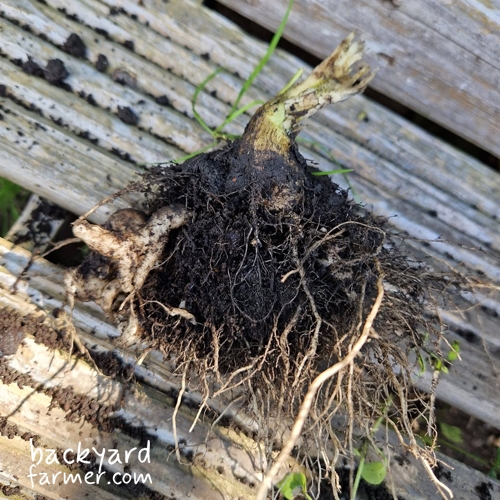
4. Clubroot

What happens:

  • Plants look stunted or wilt even when the soil is moist
  • Roots become swollen and distorted
  • Growth stays poor no matter how much you water

Best prevention:

  • Rotate brassicas where possible
  • Improve drainage
  • Avoid infected ground
  • Be careful with hygiene and moving soil around

Key point:
Resistant varieties may help in some situations, but they are not a cure-all. If clubroot is in the ground, it is better to work around that reality than pretend it is not there.

5. Cabbage root fly

What happens:

  • Young plants wilt, stall, or collapse
  • Roots are damaged below the soil surface

Best prevention:

  • Use root fly collars if this pest is common in your area
  • Plant strong, sturdy transplants rather than weak seedlings

This one is easy to miss because the damage is happening below ground, but it can knock back a crop quickly.

6. Whitefly and aphids

What happens:

  • Pests build up on stressed or crowded plants
  • Older leaves often become the worst affected
  • The crop becomes unpleasant to deal with, even if it survives

Best prevention:

  • Keep airflow reasonable
  • Inspect plants regularly
  • Remove the worst affected outer leaves if needed

These are often more irritating than disastrous, but they are still worth getting on top of before the patch becomes a mess.

7. Why cabbages stay leafy and do not form heads

If a cabbage looks healthy enough but never really hearts up, the usual causes are:

  • The wrong type for the season
  • Poor spacing
  • Weak or checked growth early on
  • Stress from drought or pests
  • A variety that naturally takes longer than expected

Practical takeaway:
This is one reason it helps to choose the cabbage type carefully from the start. A big winter cabbage that is supposed to take its time is very different from a quicker pointed summer cabbage.

8. Split cabbage heads

Typical cause:

  • Stop-start growth
  • A dry spell followed by heavy rain or sudden watering
  • Leaving mature heads sitting too long

How to reduce the risk:

  • Water steadily
  • Do not leave mature heads too long
  • Harvest once heads feel ready

If it happens:
A split head is often still usable if you cut it promptly, so it is not always a total loss.

9. Bolting and stress

Bolting is less common than pest damage, but it can still happen if plants are checked by:

  • Poor timing
  • Cold stress
  • Drought
  • Other sudden disruption

This is another reason not to sow too early for your conditions or leave seedlings hanging around too long before planting.


Cabbage Growing Stages

Understanding the basic cabbage growing stages makes the crop much easier to read. It also stops you worrying too early if the plants look leafy but have not started forming a proper head yet.

Cabbage does not go from seedling to firm heart overnight. It moves through a few clear stages, and each one tells you something about how the crop is getting on.

StageWhat happens
Seedling stageRoots establish and the first true leaves develop
Leaf growthThe plant builds strong outer leaves and size
Hearting upThe centre begins to tighten into a head
Mature headThe cabbage feels firm and full
Harvest stageThe head is ready to cut before splitting or decline

1. Seedling stage

This is the earliest stage, when the plant is still small and putting most of its effort into building roots and producing its first true leaves.

At this stage, cabbage is most vulnerable to:

  • Slugs
  • Pigeons
  • Poor light
  • Cold checks
  • Rough handling

What you want to see:

  • Sturdy young plants
  • Good light levels
  • Steady moisture
  • Short, stocky growth rather than soft, stretched seedlings

If seedlings get checked badly here, they often never really make up for it later.

2. Leaf growth stage

Once cabbage settles in, it starts building bulk through its outer leaves. This is the stage where the plant is gathering strength for the head it will form later.

What matters most here:

  • Proper spacing
  • Steady watering
  • Weed control
  • Pest protection

Healthy leaf growth is a good sign, even if the plant still looks like “just leaves” for a while. In fact, that is completely normal.

3. Hearting up

This is the stage most growers are waiting for. The centre of the plant begins to tighten and form the head.

A few things to keep in mind:

  • Some varieties heart up much faster than others
  • Pointed and compact summer cabbages often feel quicker here
  • Larger winter types can take their time
  • Leafy growth does not always mean something is wrong

If the plant looks healthy and steady, it may simply not be at the hearting-up stage yet. This is where patience helps.

4. Mature head

As the head fills out, it starts to feel firmer and denser. This is when you shift from “let it grow on” to “keep an eye on it.”

At this stage, watch for:

  • Heads becoming properly firm
  • Slug damage inside folds
  • Splitting after sudden rain or watering
  • A drop in quality if the crop is left too long

This is especially worth watching after a dry spell, because heavy rain or sudden watering can push a mature head into splitting surprisingly quickly.

5. Harvest stage

The final stage is when the cabbage feels properly firm and ready to cut. That is usually the best guide, more than size alone.

A good harvest-ready cabbage should:

  • Feel solid
  • Look healthy overall
  • Suit the size expected for the variety
  • Be cut before splitting or decline sets in

A large cabbage can still be loose, while a smaller one may already be ready. That is why it is always worth checking firmness rather than judging it from a distance.

How long does each stage take?

That depends on the type and the season.

As a rough guide:

  • Quick summer or pointed cabbages move through the stages much faster
  • Autumn, winter, or storage cabbages usually take much longer
  • Weather, spacing, and stress all affect how quickly the crop develops

So, it helps to think in broad stages rather than expecting every cabbage to move at the same pace.


When and How to Harvest Cabbage

Harvesting cabbage is mostly about timing it before the crop goes over, splits, or starts gathering problems inside the head. The best guide is not just how big it looks from a distance, but how firm it feels when you gently check it.

A cabbage can look impressive and still be loose, while a smaller head may already be ready to cut. That is why it pays to check the head itself rather than guessing from across the bed.

Harvest pointWhat to look for
Head firmnessThe head should feel solid rather than loose
SizeIt should look right for the variety, not just “big”
Plant healthThe plant should still look sound overall
TimingDo not leave ready heads sitting too long in wet or changeable weather
Storage potentialRed, autumn, and winter cabbages often store better than tender summer types

How long does cabbage take to grow?

That depends on the type, the variety, and the season.

As a broad guide:

  • Quick summer or pointed cabbages are usually ready much faster
  • Large autumn, winter, or storage types take longer
  • Most cabbages fall somewhere around 70 to 180 days from sowing

That is a wide range, but it makes sense when you remember not all cabbages behave alike. A quick pointed cabbage and a slow winter cabbage are not working to the same timetable.

Signs cabbage is ready to harvest

A cabbage is usually ready when:

  • The head feels firm and solid
  • It has reached a good usable size for the variety
  • The plant still looks healthy overall
  • The head feels tight rather than loose and airy

The key thing is firmness.

If you wait only for maximum size, you are more likely to run into:

  • Split heads
  • Pest damage
  • Lower quality leaves
  • More waste at harvest time

That is usually where people lose the sweet spot.

How to harvest cabbage

The simplest way to harvest cabbage is to cut the head at the base with a sharp knife.

When harvesting:

  • Make a clean cut rather than twisting or tearing it out
  • Remove badly damaged material if the crop has had pest or disease issues
  • Clear away messy leftovers if the bed needs tidying afterwards

In some cases, if you leave the stump in the ground, you may get a few smaller secondary shoots afterwards. They will not replace the main head, but they can still be worth picking.

Spring cabbage vs heading cabbage

Spring cabbage is a little different from some of the firmer heading types.

It can be:

  • Picked younger as leafy spring greens
  • Left longer to form a more solid heart

That is one reason spring cabbage is useful, but it also means you should not judge every cabbage by exactly the same harvest standard.

Harvest before heads split

Split heads are one of the main reasons not to leave cabbage sitting too long once it is ready.

This often happens after:

  • A dry spell
  • Heavy rain
  • Sudden watering once the head is mature

To reduce the risk:

  • Keep watering steady while the crop is growing
  • Check heads regularly once they begin to firm up
  • Harvest once they feel ready rather than pushing your luck

If a cabbage is firm and ready and heavy rain is on the way, it often makes more sense to cut it than gamble on a split head.

Storage notes

Not all cabbage stores equally well.

Usually best eaten fairly soon:

Tender summer cabbages

Usually better for keeping:

Red cabbage

Autumn cabbage

Winter cabbage

If storage matters to you, it is worth choosing the type with that in mind before sowing rather than assuming every cabbage will keep the same way.

Companion Planting

Companion planting can be useful with cabbage, but it helps to keep it in proportion. It is not a magic fix for the biggest brassica problems in the UK.

A few well-chosen companion plants may help you:

  • Make better use of space
  • Attract beneficial insects
  • Add diversity to the bed
  • Get more value from the same area

What they will not do is replace proper spacing, crop rotation, or physical protection.

For cabbage, netting matters far more than companion planting if you are trying to avoid pigeons and cabbage white butterflies.

Good companion plants for cabbage

Useful companions often include:

  • Onions
  • Spring onions
  • Lettuce
  • Beetroot
  • Celery
  • Herbs such as thyme or sage
  • Calendula
  • Nasturtiums
Companion typeWhy it can help
Onions / spring onionsGood use of space around slower crops
LettuceQuick crop while cabbages are still small
BeetrootCan share the bed without dominating it
CeleryAdds diversity in mixed planting
HerbsUseful for variety and beneficial insect interest
Calendula / nasturtiumsBring flowers and pollinator activity nearby

What companion planting can realistically do

At its best, companion planting can help by:

  • Filling spare space around slower-growing cabbage plants
  • Bringing in pollinators and beneficial insects nearby
  • Making the bed feel less uniform
  • Giving you a more productive mixed planting

That is all worthwhile.

The problem comes when it gets oversold as a way to stop pest pressure on its own. In real gardens and allotments, cabbage white butterflies and pigeons are not usually put off just because a few flowers or herbs are nearby.

What to avoid or be careful with

It usually makes sense to avoid packing cabbage in too closely with other large brassicas, especially if:

  • Pest pressure is already high
  • Airflow is poor
  • You are trying to manage brassica rotation carefully
  • Clubroot has been an issue in the ground before

That does not mean cabbage can never sit near related crops, but a bed full of brassicas can make pest and disease pressure harder to manage if problems are already present.


FAQ

Can you grow cabbage in pots?

Yes, you can, but compact varieties are usually the best fit. Pointed cabbage, mini cabbage, and smaller summer cabbages are much more practical than large winter types, which need more root room, steadier watering, and a bigger commitment of space.

How long does cabbage take to grow?

That depends on the type. Fast summer or pointed cabbages are quicker to mature, while large autumn or winter cabbages take longer. Most cabbages take somewhere around 70 to 180 days from sowing, but firmness matters more than the number of days. A smaller head can be ready before a larger one that still feels loose.

Is cabbage easy for beginners?

Yes, it can be, if you get the basics right. The main things that matter are choosing the right type for the season, planting into firm fertile soil, spacing plants properly, and protecting them from pigeons and cabbage white butterflies. It is one of those crops that feels much easier once the setup is right.

What is the most common mistake when growing cabbage?

Leaving the crop unprotected. A lot of growers do everything right up until planting out, then lose the crop to pigeons, caterpillars, or slugs because it was left uncovered.

Can you sow cabbage late?

Sometimes, yes, but it depends on the type. Late sowings are more likely to work with fast summer cabbages, compact varieties, and pointed types. They are much less reliable with large winter or storage cabbages, so it is usually better to switch to a quicker variety than force the wrong one.

Do cabbages need netting in the UK?

In most gardens and allotments, yes. Netting is one of the simplest and most reliable ways to protect cabbage from pigeons and cabbage white butterflies, so it is best treated as standard cabbage-growing practice rather than an optional extra.

Why are my cabbages all leaves and no head?

This is usually caused by poor timing, overcrowding, stress, a type that naturally takes longer to heart up, or early setbacks from drought, pests, or weak growth. Sometimes the plant is simply not at that stage yet, but if it has been checked badly early on, heading often suffers later.

What is the easiest cabbage for beginners?

Pointed and compact summer cabbages are usually the easiest place to start. They are quicker, tidier, easier to manage, and better suited to smaller spaces, which is why they are often the least frustrating option for a first go.

Why has my cabbage split?

Split heads are usually caused by uneven growing conditions, especially a dry spell followed by heavy rain, sudden watering once the head is mature, or leaving a ready cabbage sitting too long. Once a cabbage is firm and ready, it is usually better to harvest it than push your luck.

Can I grow cabbage without pesticides?

Yes, but you need to be proactive. Strong seedlings, proper spacing, crop rotation, regular checks, and physical protection such as fine mesh usually do far more for home growers than spraying ever would.

Is cabbage worth growing in a small garden?

It can be, but only if you choose the right type and actually use it. Pointed cabbage, mini cabbage, and compact summer cabbage are usually the best options. Large winter cabbages often take up too much room for too long, which is why they are not always the best use of a small bed.

What winter cabbage is best to grow over winter?

Savoy, January King, and other hardy winter types are usually the best fit. They are useful if you want food standing through colder months or a crop that suits a larger bed or allotment, but they do need space and patience.

Can you grow red cabbage in the UK?

Yes, red cabbage grows well in the UK and can be a good choice if you want better storage potential. Compared with quick summer cabbage, it is usually slower, longer in the ground, and better for storing or batch cooking.

Why are my cabbage seedlings leggy?

Leggy seedlings are usually caused by not enough light, too much warmth, or overcrowding in trays. To avoid it, keep young plants bright, cool enough, evenly moist, and spaced well enough as they grow. Once cabbage seedlings go soft and stretched, they are never quite as sturdy as they should be.

Facebook
X
Pinterest
Reddit

Related Articles

Scroll to Top