UK Bee Identification & Species Guide
Bees in the UK – Identification, Seasons, and Real‑World Context
Bees are a familiar sight in the UK — from gardens and allotments to parks, hedgerows, and even city streets. However, while most people see them regularly, telling one species from another can feel surprisingly difficult. On top of that, it’s not always obvious why certain bees appear at specific times of year.
This hub is designed to make UK bee identification clear, approachable, and reliable. Instead of relying on vague labels or quick guesses, it encourages you to look at a mix of size, colour, behaviour, season, and habitat.
You don’t need specialist knowledge to get started. In fact, by slowing down and paying attention to a few consistent details, most people can learn to recognise common UK bees — and understand their role — far more easily than they expect.
What this hub helps you do
This hub is built around practical, real‑world understanding of UK bees. It helps you:
Start here: Identify a bee
If you’ve arrived here because you’ve seen a bee and want to know what it is, start with the identification tool.
Bee Identification Tool
This interactive tool guides you through identifying bees based on:
It’s designed to narrow possibilities calmly and logically, without rushing to a single answer.
Understanding UK bees (foundations)
Types of bees in the UK
The UK is home to several distinct groups of bees, each with its own behaviours and life cycle. Understanding these broad groups makes identification far easier and helps prevent common confusion early on:
Bee species profiles
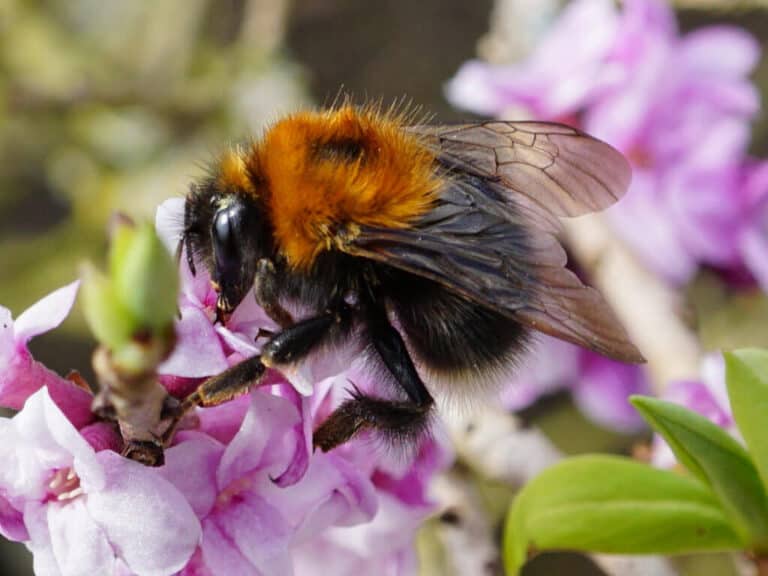
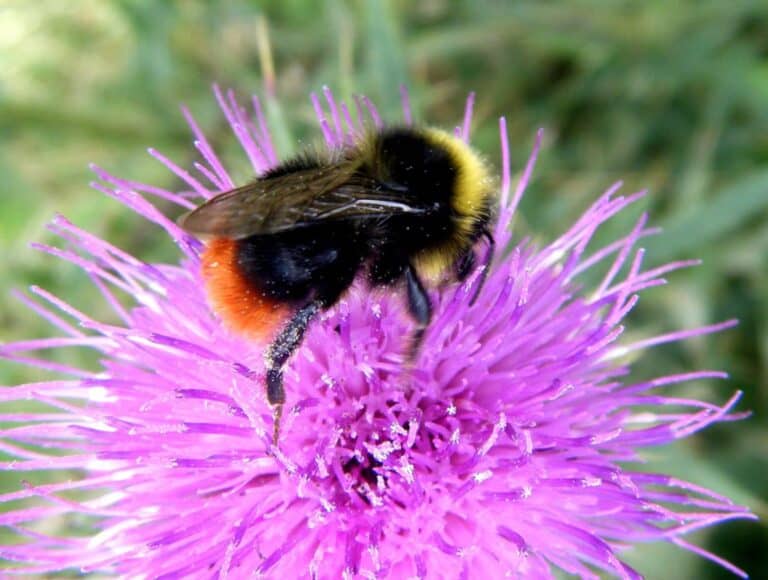
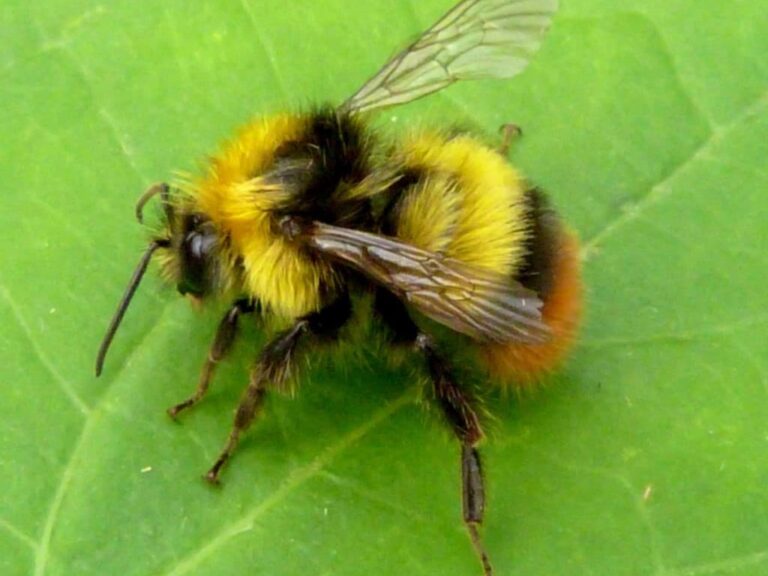
This section brings together a representative spread of UK bee species, helping you explore the range of bees you’re most likely to encounter. Rather than listing every species at once, it highlights a mix of familiar and lesser‑known bees from different groups.
Each profile focuses on:
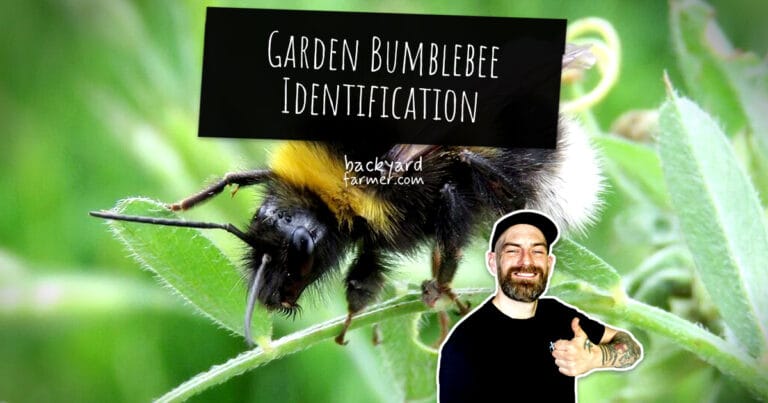
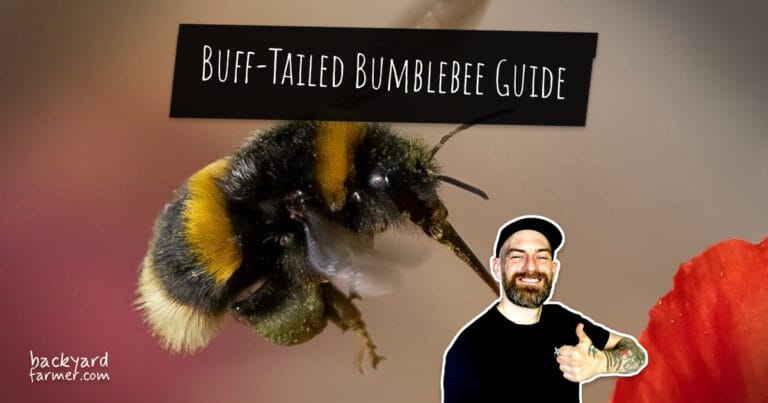
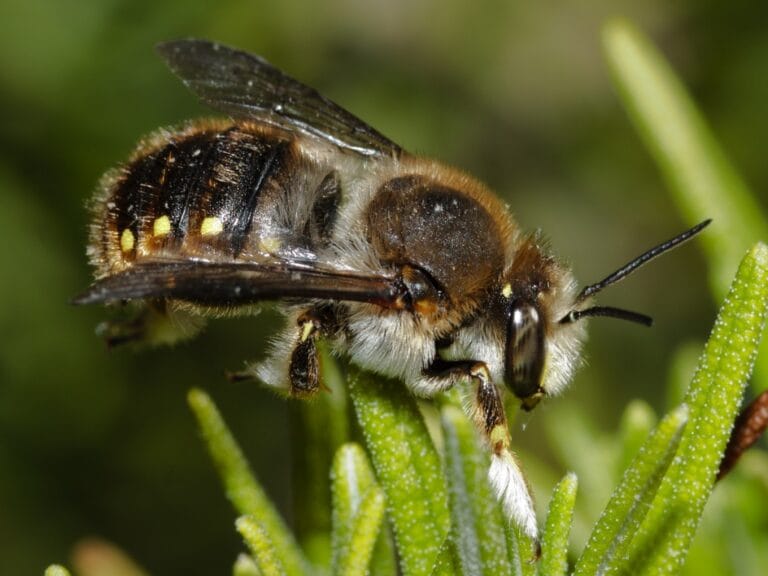
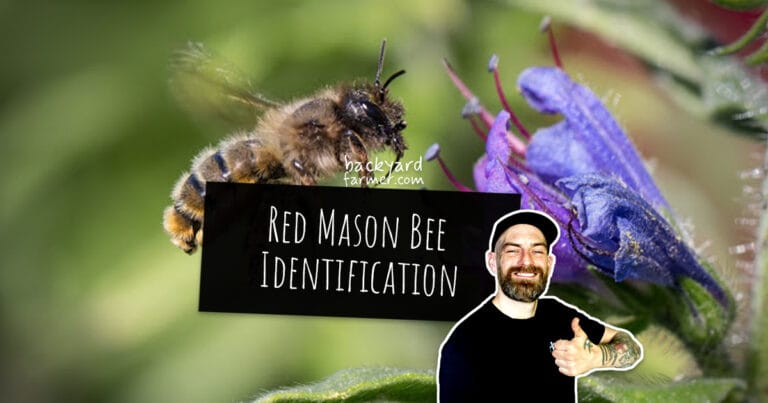
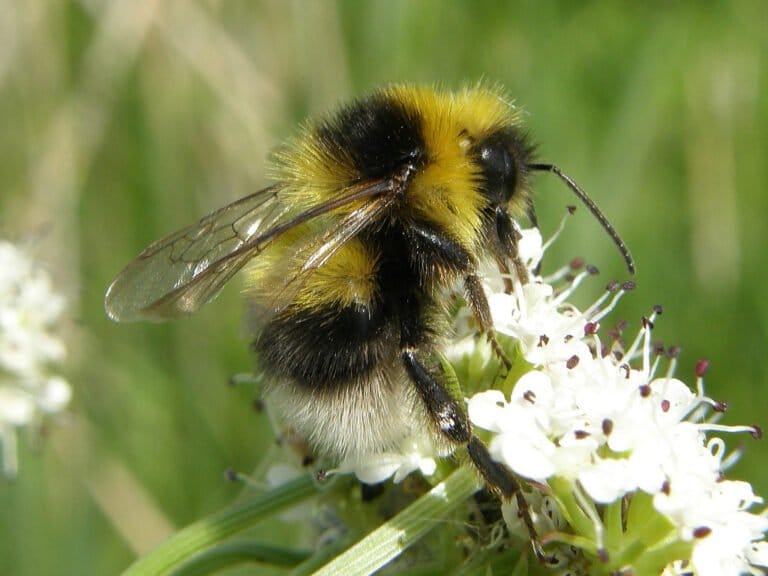
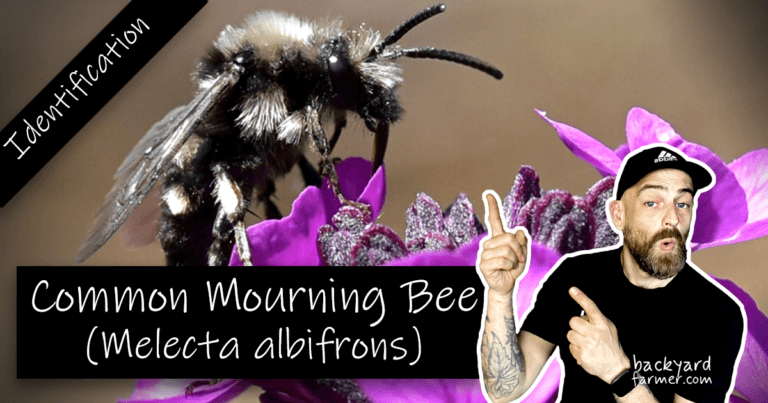
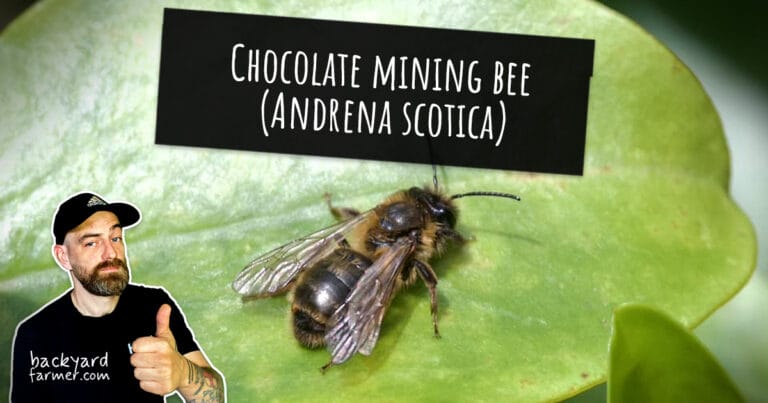
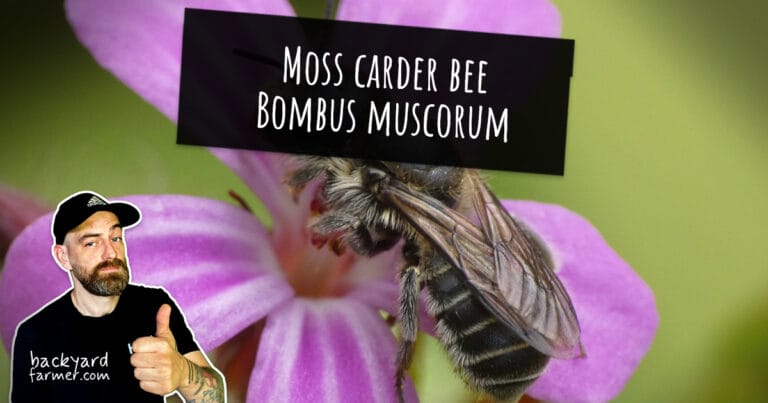
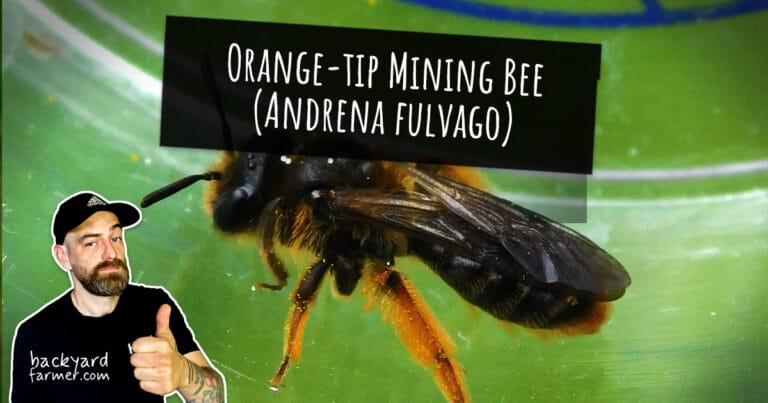
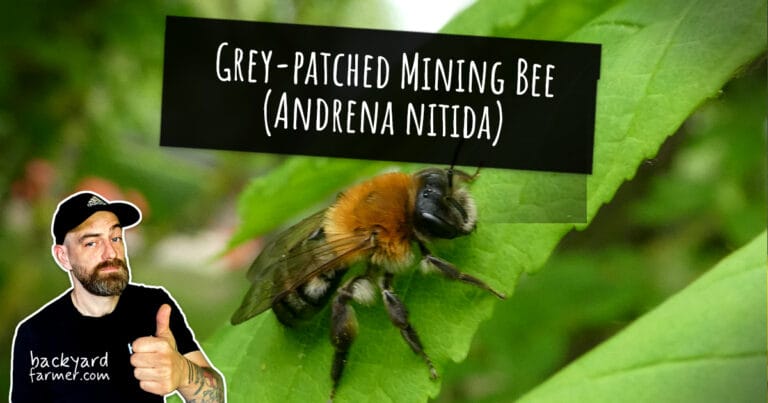
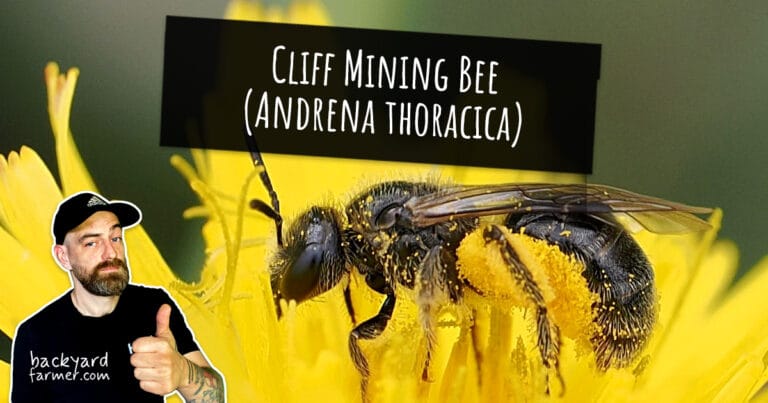
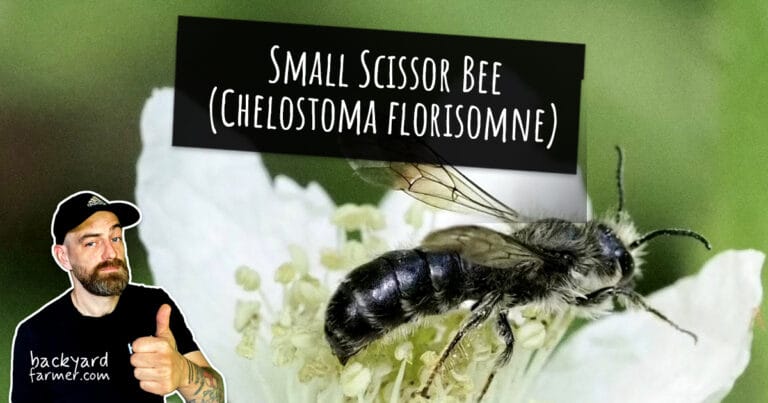
To give a sense of that range, these profiles include bumblebees, mining bees, leafcutters, cuckoo bees, and other solitary species:
Together, these examples show how varied UK bees can be. From here, you can dive deeper into individual profiles or browse the full species list as the database continues to grow.
Seasonal bee activity
Bees follow strong seasonal patterns, and timing is often one of the most useful clues when identifying a species. A bee seen in early spring is likely to be very different from one spotted in midsummer or autumn.
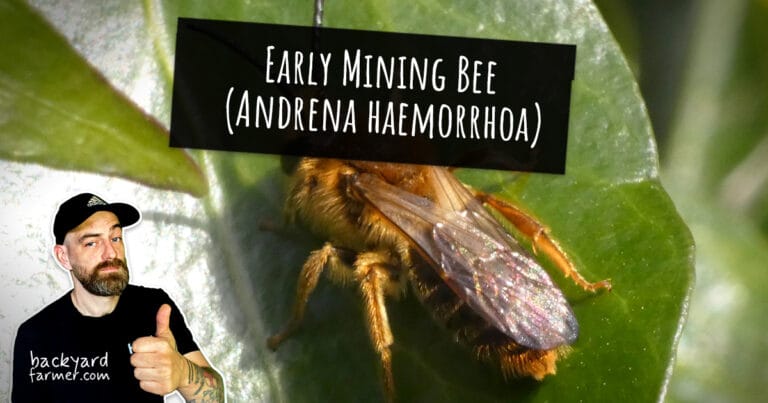
In this section, seasonal examples help illustrate how bee activity changes through the year. Early‑flying mining bees, summer bumblebees, and habitat‑specific species all appear at different points in the calendar.
These guides are useful reference points when you’re narrowing down an identification:
By combining what you see with when you see it, seasonality helps rule species in or out and makes identification far more reliable.
Bees in gardens & everyday spaces
Most people first notice bees in familiar places — gardens, allotments, patios, parks, and even along pavements or walls. Because of that, this section focuses on everyday UK spaces rather than rare habitats or specialist environments.
Gardens, in particular, offer a steady mix of flowering plants, shelter, and warmth. As a result, they often attract a wide range of bee species, from common bumblebees to solitary bees passing through or nesting nearby. Urban and suburban areas can be just as active, especially where green spaces, hedges, and old brickwork create pockets of suitable habitat.
Seeing bees repeatedly in the same spot usually isn’t random. It’s often linked to flowering cycles, sun‑traps, or nearby nesting opportunities. Rather than encouraging interference, the aim here is simply to help you make sense of what you’re already noticing — and understand why certain bees appear where they do.
Bee‑friendly gardening (practical, low‑key)
This section links bee identification and behaviour with everyday growing in a simple, grounded way. Rather than telling you what you should or shouldn’t do, it focuses on how ordinary gardening habits naturally intersect with bee activity.
In practice, that often comes down to noticing small details: which plants are flowering at different points in the year, how long blooms are left to run, and where bees tend to linger or return. Even modest gardens can offer useful clues about seasonal cycles and local bee behaviour.
The emphasis stays on working with your garden as it already is — observing patterns, learning what works in your space, and avoiding the pressure to chase perfect conditions or prescribed fixes.
Common identification mistakes
Many insects are commonly mistaken for bees, especially at a quick glance. This section helps clear up that confusion by looking at the most frequent mix‑ups and explaining why they happen.
In practice, this often includes:
Learning what something isn’t is often just as useful as learning what it is. By ruling out lookalikes early on, you can narrow your focus and make identification far more accurate and less frustrating.
How this hub fits with the rest of the site
If you’re already growing food, gardening, or spending time outdoors, bees quickly become part of the bigger picture. This hub is here to help you make sense of those encounters, rather than treating bees as a separate or specialist topic.
You’ll naturally see connections with other parts of the site:
Taken together, these areas build a clearer picture of how seasons unfold. Bees sit alongside growing and foraging as a way of reading the landscape, not as a replacement for either.
Latest bee guides & profiles
This section highlights a rotating selection of recent and lesser‑known UK bee profiles. It’s designed to help you discover species you may not have encountered before, while also showing how the bee database continues to expand.
Recent additions and featured profiles include:
Over time, this section can be updated to surface newer profiles or rotate in different species, helping spread attention across the full range of UK bees.
A calm way to get started
You don’t need to know every species to understand bees better.
Learning a handful of common UK bees, recognising seasonal patterns, and paying attention to behaviour is more than enough to build confidence.
Observation comes first. Identification follows.
One bee at a time.