
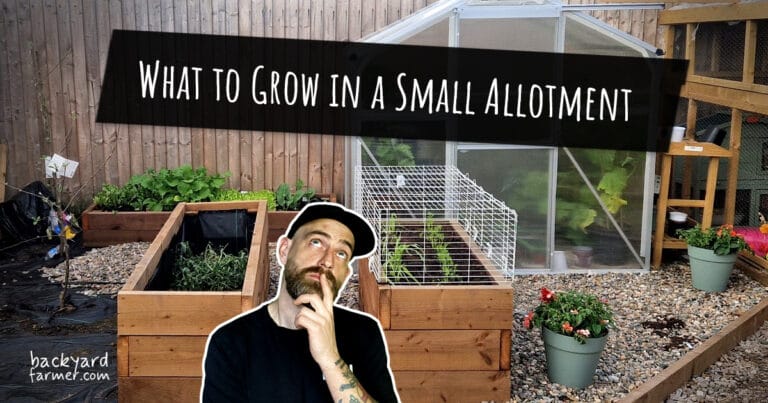
Why Small Allotments Can Be Surprisingly Productive
If you’ve taken on a small allotment — or you’re working with a compact garden space — it’s completely normal to wonder whether you’ve got enough room to grow anything meaningful. But honestly? Small plots can be incredibly productive when you follow a simple plan and choose the right crops.
With the right approach, even a tiny 10×10 allotment layout can deliver a surprising amount of food. Focus on:
- Smart spacing
- Intensive planting methods (ideal for small allotment ideas)
- High‑value crops that genuinely earn their space
These small adjustments quickly turn your plot into a productive little patch without adding any stress.
Planning is where everything starts to click. A clear layout helps you:
- Avoid overcrowding, one of the biggest beginner mistakes in a small allotment layout
- Match crops that grow well together (natural companion planting)
- Keep harvests flowing throughout the season instead of all at once
If you want to test ideas as you read, open the Free Allotment Planner App. You can drag and drop crops, shuffle layouts, and instantly see how much fits into a small allotment or small garden.
Whether you’re completely new or already growing at home, remember this: small spaces respond brilliantly to good design. Once you understand how to use every square foot efficiently, you’ll realise:
- You don’t need a huge plot to grow plenty of food
- Compact gardens can produce more than you’d expect
- Often, all you need is a simple plan and the right crops to get started
Plan Your Garden Layout the Easy Way
Design your veg plot, test spacing, and build a productive layout in minutes with the free BYF Allotment Planner.
If You’re Starting Fresh This Spring
If you’re starting fresh this spring, the biggest mistake is trying to grow everything at once. In a small allotment or small garden, early success usually comes from choosing a handful of reliable vegetables that cope well with cool spring conditions and still leave room for later plantings as the season unfolds.
Instead of filling every bed straight away, it’s far more effective to focus on easy, high‑yield crops that build confidence quickly, give fast results, and help you settle into a steady, manageable growing rhythm in a compact space.
Early Wins to Get Your Small Plot Moving
- Salad leaves – quick results and regular cut‑and‑come‑again harvests
- Radishes – ready in weeks and perfect for filling small gaps
- Spring onions – compact, forgiving, and easy to slot in anywhere
- Peas (dwarf or climbing) – early productivity without taking over the bed
- Herbs – high value from very little space
Once you’ve picked a few priority crops, planning how they fit together makes a noticeable difference in a small allotment layout. Because overcrowding is easy to do early on, a simple garden layout plan or quick companion planting check helps keep everything balanced and productive as spring rolls into summer.
Continue your small-space gardening journey
- Square foot gardening UK – complete guide + free planner – A structured, space-efficient planting method that pairs perfectly with small allotment layouts
- What vegetables are good to grow? – Practical recommendations for productive, space-friendly crops ideal in small plots
- Top-10 easy indoor vegetables to grow – Extend your growing space indoors with beginner-friendly veg that complement your outdoor allotment
How Much Food Can a Small Allotment Produce?
A small allotment might look limiting at first glance, but with the right approach, even a compact 10×10 allotment layout can become incredibly productive. The key is choosing crops that earn their space, mixing fast growers with long‑season staples, and harvesting little and often to keep your beds moving.
What You Can Realistically Expect From a 10×10 Space
A well‑planned small allotment can comfortably give you:

- Fresh salads every week (lettuce, rocket, herbs)
- Regular handfuls of beans and peas through summer
- Months of root veg (carrots, beetroot, onions)
- A steady stream of leafy greens like spinach, kale, or chard
- One or two heavy producers such as courgettes or dwarf beans
With good planning and succession sowing, many growers harvest 30–50kg of food from a plot this size over a single season — ideal for anyone looking for high‑yield small allotment ideas.
Best‑Value Crops for Tiny Plots
When space is tight, prioritise crops that offer the strongest return. These options work well in any small garden allotment or productive small garden design:
- High‑yield plants: French beans, chard, spinach
- Quick‑turnover growers: radish, salad leaves, spring onions
- Long‑season pickers: kale, herbs, perpetual spinach
- Reliable staples: beetroot, onions, potatoes (in bags)
These choices keep the food coming without creating extra work and make the most of every square foot.
Crops That Aren’t Worth the Space
Some vegetables seem appealing but rarely earn their keep in small allotment layouts:
- Sweetcorn – needs block planting
- Large brassicas – bulky, slow, and needy
- Giant squash or pumpkins – take over the whole bed
- Asparagus – ties up space for years
They grow brilliantly in larger plots, but in a small allotment they often create more hassle than harvest — especially if your aim is a productive small allotment plan.
If you want to visualise how these ideas fit into your own plot, open the Free Allotment Planner App and build a quick 10×10 or 4×4 layout while you read. It’s the easiest way to explore small allotment ideas and see what genuinely works in your space.
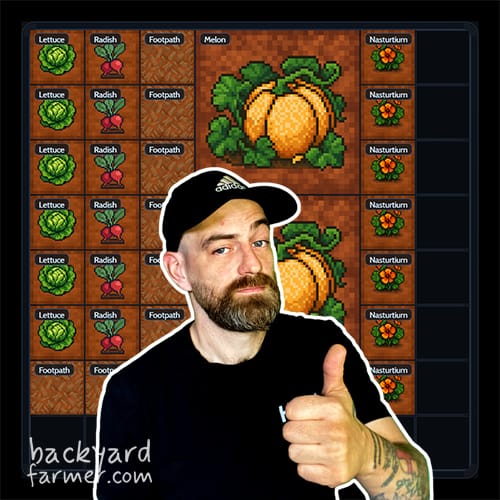
Our FREE Allotment Planner App
- A true square-foot grid system
- Automatic plant spacing rules
- One-tap crop placement
- A mobile-friendly layout you can use right at the allotment
What to Grow in a Small Allotment (Beginner-Friendly Crop List)
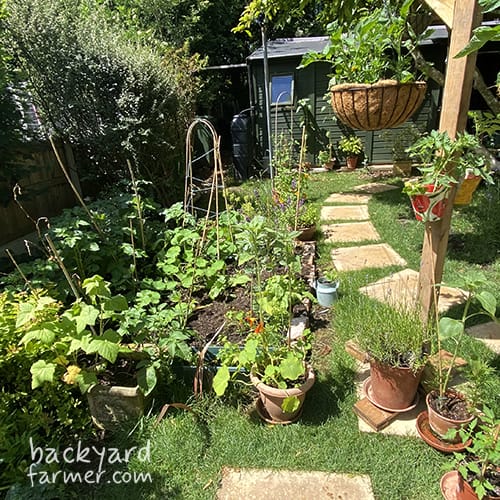
Choosing the right crops is one of the quickest ways to make a small allotment feel productive rather than cramped. The goal is simple: grow veg that gives you plenty back, thrives in UK weather, and suits the amount of time you actually have. This section answers the key question many growers ask: what to grow in a small garden or compact allotment to get the best results?
Below is a practical, beginner-friendly guide packed with high-yield options, easy growers, and space-efficient choices — ideal if you’re planning a small allotment layout or building your first grid in the planner.
Easiest Crops for Beginners
These crops are perfect if you’re new, want quick wins, or need low-maintenance ideas for a small garden allotment:
- Lettuce & salad mixes – fast, forgiving, and cut-and-come-again.
- Radishes – ready in 3–4 weeks and brilliant for filling little gaps.
- Beetroot – easy to sow, tolerant, and you can eat the leaves too.
- Spring onions – compact and ideal for interplanting.
- Dwarf French beans – tidy plants that don’t need support.
- Courgettes – one plant usually produces loads.
- Chard or perpetual spinach – tough, long-lasting, and productive.
These crops are reliable staples for any small plot vegetable plan, giving you steady harvests without much effort.
High-Yield Crops for Small Plots
If you want to squeeze out as much food as possible per square foot, prioritise crops known for strong returns — perfect if you’re researching small allotment ideas or building a productive small garden design:
- Climbing beans – grow upwards and churn out pods.
- Kale – harvest for months from a tiny footprint.
- Chard – huge output from each plant.
- Rocket & cut-and-come-again salads – endless pickings when staggered.
- Turnips – fast-growing and great for quick rotations.
- Onions & garlic – compact, reliable, and ideal for winter storage.
- Carrots – short or early varieties thrive in tight beds.
Mixing quick growers with slower staples keeps your small allotment full and productive all season long.
Low-Maintenance Crops for Time-Poor Gardeners
If you’re juggling work, family, or a busy routine, these forgiving crops make a small allotment easy to manage:
- Potatoes (in beds or bags) – low effort, high reward.
- Onions – plant them and let them do their thing.
- Garlic – minimal care, great flavour, great storage.
- Squash (compact bush types) – easy growers if given room.
- Beetroot – handles missed waterings.
- Mangetout / sugar snap peas – simple climbers with good yields.
- Herbs (rosemary, thyme, mint, sage) – hardy, long-lasting, and incredibly useful.
These choices are ideal for a low-maintenance allotment layout or for anyone wanting consistent results without constant attention.
If you want to see how these crops fit into 10×10 or 4×4 allotment layouts, open the Free Allotment Planner App to test combinations, check spacing, and explore companion planting ideas. It’s the easiest way to design a productive small allotment layout that works for real-life growing.
Small Allotment Layout Ideas (10×10 Grids) (10×10 Grids)
A 10×10 allotment layout might look small at first, but with some smart planning it can become a genuinely productive, well‑balanced food garden. Below are four space‑efficient small allotment ideas designed for beginners, time‑poor growers, and anyone trying to make the most of a compact plot.
Each layout includes:
- A clear purpose (high‑yield, salad‑heavy, low‑maintenance, or family‑friendly)
- Space‑efficient crop choices ideal for a small garden allotment
- Companion‑friendly pairings to boost growth
- A quick link to recreate or customise the plan in the Free Allotment Planner App
You can use these grids exactly as they are, or tweak them to suit your own small allotment layout. If you want a deeper walkthrough of layouts, spacing, and planning strategy, you’ll find everything you need in my Allotment Planner Guide.
Layout 1 — High‑Yield Food Patch
If you want maximum output with minimal hassle, this high‑yield layout is a great place to start. It’s perfect for growers wanting a productive small garden design.
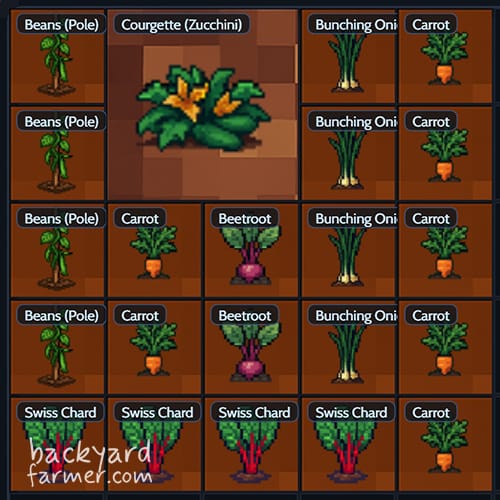
What’s included:
- Climbing or dwarf French beans
- Courgettes (1–2 plants)
- Beetroot
- Carrots
- Chard or perpetual spinach
- Spring onions (to fill spare gaps)
Why it works: These crops deliver reliable harvests, produce heavily in small spaces, and fit naturally into compact beds.
➡️ Copy this layout in the Free Allotment Planner App.
Layout 2 — Salad Lover’s Plot
Perfect if you eat salads most days or want quick, weekly harvests. This layout works brilliantly for anyone searching for what to grow in a small garden or planning a fast‑turnover bed.
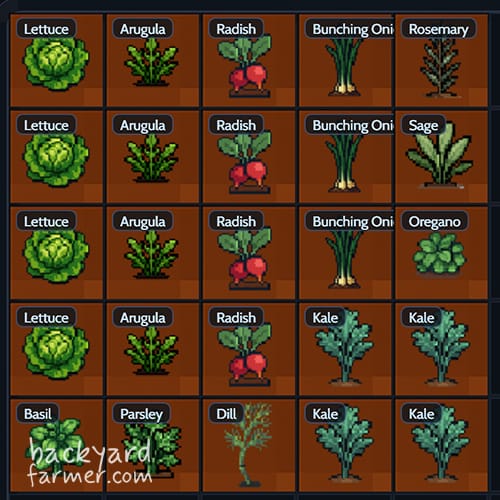
What’s included:
- Lettuce mixes
- Rocket
- Spring onions
- Radishes
- Herbs (coriander, parsley, chives, basil in summer)
- A small area for chard or kale
Why it works: Fast‑growing crops mean regular pickings, and cut‑and‑come‑again leaves keep the bed productive for months.
➡️ Copy this layout in the Free Allotment Planner App.
Layout 3 — Low‑Maintenance Beginner Plot
Ideal for busy growers or anyone who wants a simple, low‑effort small allotment layout.
What’s included:
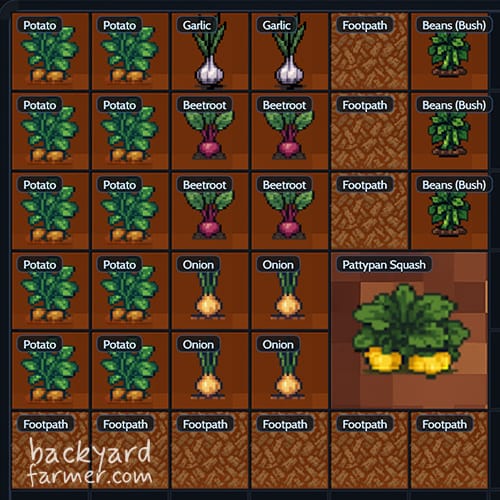
- Potatoes (half the bed)
- Onions
- Garlic
- Beetroot
- Dwarf beans
- A compact bush squash (optional)
Why it works: These hardy, resilient crops tolerate missed waterings and don’t need much attention, making this layout perfect for time‑poor gardeners.
➡️ Copy this layout in the Free Allotment Planner App.
Layout 4 — Family‑Friendly Mixed Plot
This playful, varied layout suits families, beginners, or anyone wanting a mix of easy, rewarding crops in a 10×10 small allotment.
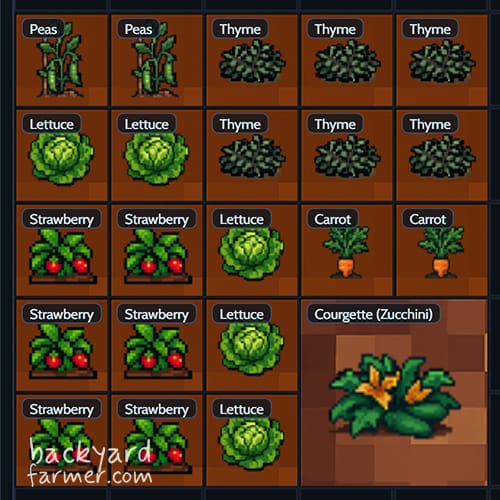
What’s included:
- Strawberries
- Peas or mangetout
- Baby carrots
- Courgettes
- Lettuce
- A small herb corner (mint in a pot, thyme, oregano)
Why it works: These crops are fun to grow, reliable, and offer long, tasty harvest windows — ideal for keeping everyone engaged.
➡️ Copy this layout in the Free Allotment Planner App.
Mix and match ideas from these layouts if you like. And if you want to experiment with spacing, companion planting, or build your own small allotment plan from scratch, open the Free Allotment Planner App and start customising your grid.
Mini 4×4 Raised Bed Ideas (Perfect for Small Gardens) (Perfect for Small Gardens)
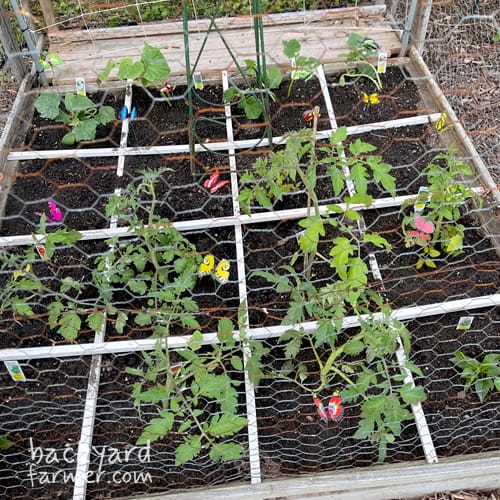
If you don’t have space for a full allotment — or you’re working with a compact garden — a 4×4 raised bed is one of the easiest ways to grow an impressive amount of food. These small, tidy layouts work brilliantly for beginners, time-poor gardeners, or anyone researching small allotment ideas and looking for simple, space-efficient designs.
Below are four practical 4×4 grid ideas you can copy as they are or customise in the Free Allotment Planner App. They’re ideal if you’re exploring what to grow in a small garden or planning a compact plot.
4×4 Herb Bed (Low-Maintenance & All-Season)
This compact herb garden adds fresh flavour all year with barely any effort — perfect for a small garden allotment or patio setup.
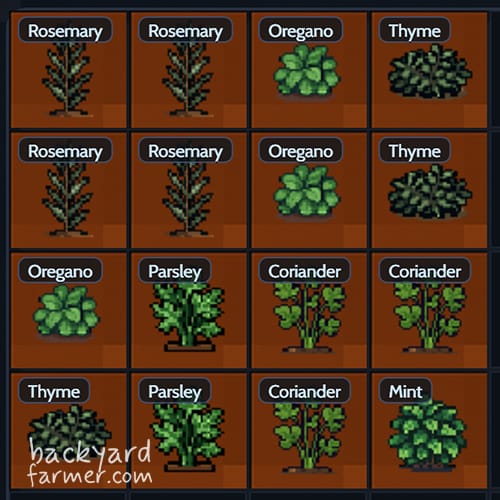
What’s included:
- Rosemary (1 corner, perennial)
- Thyme
- Oregano or marjoram
- Parsley
- Chives
- Coriander (spring–summer)
- Mint (in a pot to stop it spreading)
Why it works: Herbs thrive in tight spaces, handle dry spells easily, and offer huge value in the kitchen — a great choice if you’re building a productive small garden design.
➡️ Recreate this herb bed in the Free Allotment Planner App.
4×4 Salad Bed (Fast Turnover & Reliable Harvests)
A quick, productive layout ideal for anyone who eats salads often or wants continuous, weekly harvests.
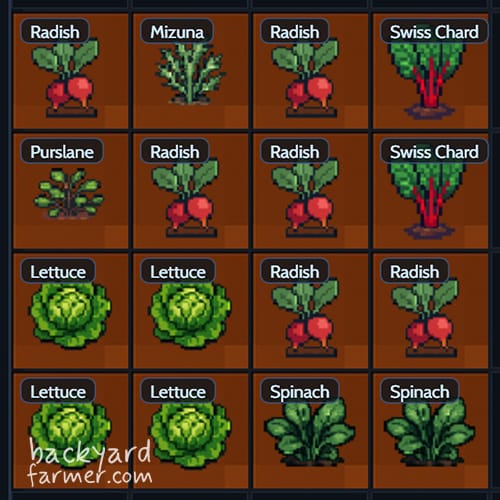
What’s included:
- Cut-and-come-again lettuces
- Rocket
- Spinach or chard
- Spring onions
- Radishes (sown between rows)
Why it works: Fast-growing crops mean steady pickings with minimal effort, making this one of the most useful small allotment layouts for beginners.
➡️ Copy this layout in the Free Allotment Planner App.
4×4 Kids’ Garden (Fun & Easy to Grow)
A colourful, child-friendly layout that’s fun to plant and rewarding to harvest — perfect for families creating a mini allotment at home.
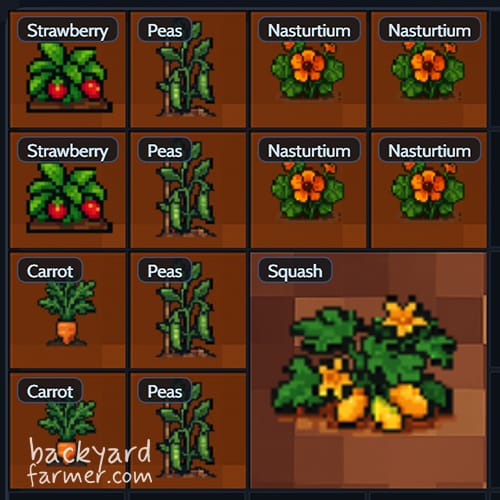
What’s included:
- Strawberries (2 squares)
- Peas or mangetout (on a mini trellis)
- Baby carrots
- Mini pumpkin or bush squash (1 square)
- Nasturtiums (edible flowers + natural pest distraction)
Why it works: Easy, tasty crops keep kids engaged and help them learn how food grows — ideal for small back gardens.
➡️ Build this kids’ garden in the Free Allotment Planner App.
4×4 Root Bed (Compact Winter-Prep Plot)
A simple, reliable layout focused on hardy root crops — great for both allotments and small garden growing.
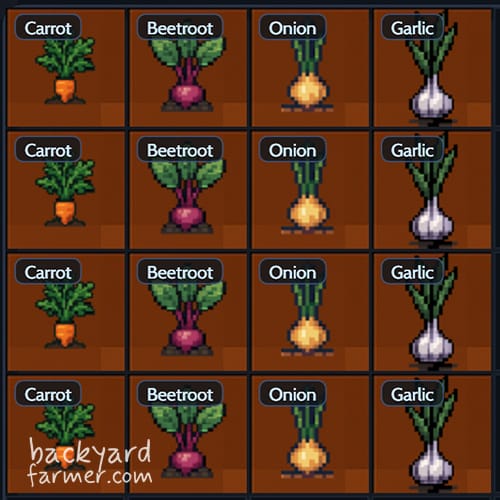
What’s included:
- Carrots
- Beetroot
- Onions
- Garlic
- Turnips (optional)
Why it works: These low-maintenance crops grow steadily, store well, and don’t need constant attention — making this bed ideal for time-poor growers.
➡️ Try this root bed layout in the Free Allotment Planner App.
These 4×4 grids work perfectly as standalone raised beds or add-ons to a small allotment layout. If you want to tweak spacing, swap crops, or explore companion planting ideas, open the Free Allotment Planner App and customise your own version.
Companion Planting for Small Allotments
Companion planting is one of the simplest ways to get more from a small allotment. By pairing crops that naturally support one another, you can:
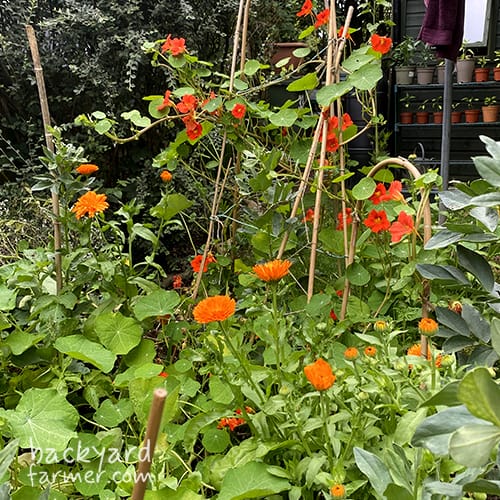
- Save valuable space
- Reduce pests without chemicals
- Improve pollination
- Boost overall harvests in a compact garden or raised bed
You don’t need to follow strict rules — companion planting is really about making smart, common‑sense combinations that help your plot work harder. It’s especially useful if you’re exploring small allotment ideas and want to maximise limited space.
Simple Companion Pairings for Small Allotments
These reliable, space-efficient combinations work brilliantly in compact beds and small garden allotment layouts:
- Carrots + Onions
The onion scent helps deter carrot fly, and both crops sit neatly beside one another — perfect for tight beds. - Beans + Squash
Beans climb upwards while squash sprawls across the soil, shading weeds and locking in moisture — a classic space-saving team. - Lettuce + Taller Crops (Beans, Sweet Peas, Tomatoes)
Lettuce stays crisper with a bit of shade, and taller plants create the ideal microclimate. Great for productive small garden designs. - Beetroot + Garlic
Garlic helps discourage pests while beetroot grows happily next to it. - Herbs + Anything
Aromatic herbs like thyme, rosemary, sage, and contained mint attract beneficial insects and improve plant health across your bed.
Shade Layering: A Small-Space Strategy
Shade can actually be an advantage in a small allotment layout. Try placing:
- Leafy greens under climbing beans
- Coriander or parsley between taller crops
- Chard or kale on the north side so smaller plants aren’t shaded out
This simple technique helps you fit more into every square foot.
Vertical Growing Boosts Companion Planting
Vertical growing is one of the best techniques for anyone planning a small allotment. Add:
- Bamboo wigwams for beans
- A‑frame trellises for peas
- Netting panels for cucumbers
- Vertical herb towers
By lifting crops off the ground, you free up space for quick growers like lettuce and radishes — essential when designing a productive small garden layout.
If you want to explore plant combinations visually, the Free Allotment Planner App highlights companion-friendly pairings automatically. It’s a simple, beginner-friendly way to plan smarter layouts without needing to memorise every rule.
Succession Sowing for Bigger Harvests in Small Allotments
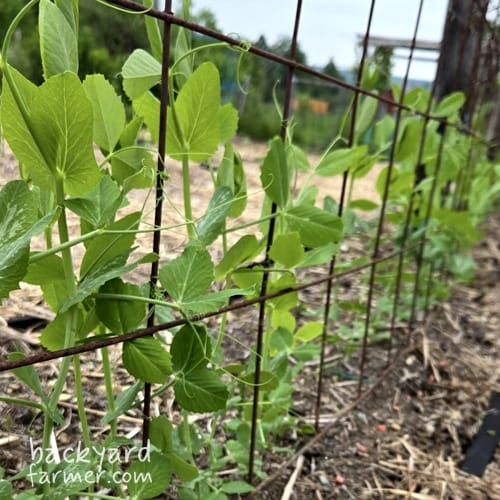
One of the easiest ways to boost productivity in a small allotment is through succession sowing — planting a new crop as soon as the previous one finishes. Instead of leaving gaps, you keep your small allotment layout working all season and get far more food from the same space.
You don’t need extra room — just good timing and a bit of forward planning. This technique is perfect for growers searching for small allotment ideas that maximise yield.
How Succession Sowing Works
The idea is simple:
- Grow a quick crop.
- Harvest it.
- Replace it immediately with another crop.
This approach keeps the soil covered, reduces weeds, improves soil health, and dramatically boosts your total harvest — especially useful in compact garden setups.
Easy Succession Examples for Small Allotments
These reliable combinations work brilliantly in UK conditions and fit neatly into most small allotment layouts:
- Radish → Lettuce → Spring onions
Radishes mature fast, making space for salad leaves, which can then be followed by spring onions. - Spinach → Beetroot
Spinach often bolts as temperatures rise, so beetroot takes over as a long-season crop. - Early potatoes → Winter kale or chard
Once early potatoes lift in June/July, hardy greens slot in perfectly. - Peas → Turnips or pak choi
Peas finish early and leave nitrogen behind, which fast-growing roots love. - Garlic (autumn-planted) → Summer salads
After the July harvest, the space is ideal for quick summer greens.
These rotations are ideal for anyone wondering what to grow in a small garden throughout the year.
What to Plant in Late Summer and Autumn
These suggestions match common search queries such as “what to plant in August, September, or October in a small allotment?” and help keep your compact plot productive:
August:
- Spinach
- Lettuce
- Rocket
- Turnips
- Pak choi
September:
- Garlic
- Spring cabbage
- Lamb’s lettuce (corn salad)
- Winter spinach
October:
- Broad beans (for early crops next spring)
- Garlic
- Overwintering onions
These cool-season crops thrive in a small garden allotment and extend the harvest well into winter.
Why Succession Sowing Works So Well in Small Spaces
- No wasted space
- Steady, continuous harvests
- Fewer weeds
- Better soil protection
- More food per square foot (ideal for productive small garden designs)
Even replacing just two crops per year can noticeably increase your yield — a huge win when you’re working with a small allotment.
If you want to map out a full year of successions, the Free Allotment Planner App helps you visualise how each crop follows the next. It’s an easy way to plan a more productive small allotment layout without memorising every sowing date.
Common Mistakes Small Allotment Growers Make (And How to Avoid Them)
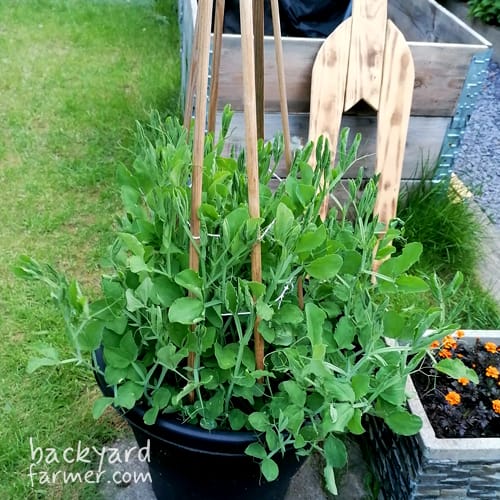
A small allotment can be incredibly productive, but a few common mistakes can quickly hold you back or make the space feel more stressful than it needs to be. The good news? Every one of these issues is easy to fix once you know what to avoid — especially if you’re planning a small allotment layout or researching practical small allotment ideas.
Here are the pitfalls most beginners run into, along with simple ways to avoid them.
1. Overcrowding the Bed
It’s always tempting to squeeze in “just one more plant,” but overcrowding:
- Reduces airflow
- Encourages pests and diseases
- Slows growth and cuts your yields
The fix: Stick to sensible spacing or use the Free Allotment Planner App to check plant sizes and spacing before sowing. This keeps your compact garden healthier and more productive.
2. Growing Too Many Low-Value Crops
Some vegetables simply don’t earn their space in small allotment layouts — especially full-size cabbages, sweetcorn, or giant squash.
The fix: Prioritise high-yield crops like beans, salads, chard, beetroot, and carrots. These crops give the strongest return in a small garden allotment and help you grow more food in less space.
3. Planting Everything at Once
It’s easy to sow all your seeds in one go, but this often leads to gluts followed by empty beds.
The fix: Aim for succession sowing instead — little-and-often planting keeps your harvest steady and your small allotment productive for longer.
4. Neglecting Vertical Growing
In a compact space, every inch upwards counts.
The fix: Add trellises for peas and beans, use bamboo wigwams, or grow compact vertical varieties. This simple change frees up ground space and transforms a small allotment layout into a far more productive one.
5. Forgetting About Maintenance Gaps
It’s surprisingly common to fill every inch of soil and then realise you can’t reach the middle of the bed.
The fix: Leave small stepping zones or arrange crops so you can reach everything without compacting the soil. This helps you maintain a productive small garden design without frustration.
6. Not Planning Ahead
Without a clear plan, it’s easy to end up with mismatched crops, pest issues, and wasted space.
The fix: Map out your layout before planting. The Free Allotment Planner App makes this simple with drag-and-drop tools and built-in companion planting guidance — ideal for designing a clear, effective small allotment plan.
Avoiding these mistakes makes your small allotment easier to manage, more enjoyable to work in, and noticeably more productive — even in your first year of growing.
Plan Your Small Allotment with the Free Planner App
A small allotment becomes far easier to manage when you can actually see your layout before planting. That’s exactly where the Free Allotment Planner App helps. It’s designed for beginners, small‑space growers, and anyone looking for practical small allotment ideas or planning a productive small allotment layout without overthinking the process.
With the simple drag‑and‑drop layout, you can:
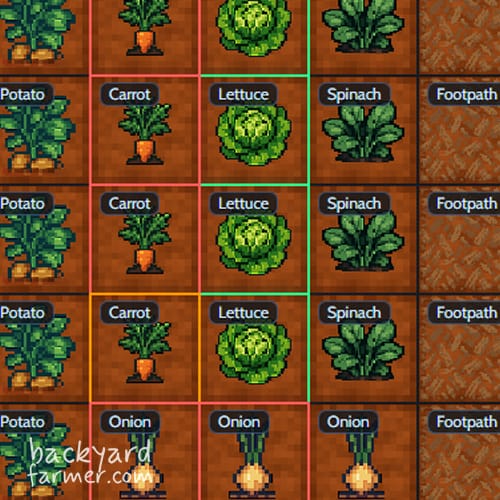
- Build 10×10 or 4×4 allotment plans in seconds
- Swap crops easily without redrawing anything
- Check companion planting suggestions instantly
- Avoid overcrowding and common spacing mistakes
- Plan this year’s bed alongside next year’s
- Export your layout for printing or saving
Whether you’re designing a single raised bed or mapping out your whole small garden allotment, the app removes the guesswork and helps you create a clearer, more productive layout.
If you haven’t tried it yet, open the Free Allotment Planner App and have a play. You can build a layout from scratch or recreate any of the example grids from earlier in this guide — a perfect starting point for designing a productive small allotment plan.
FAQs About Small Allotments
These quick answers cover the questions beginners ask most often when planning a small allotment. They’re simple, practical, and ideal if you’re working with a tight space and want clear direction without overthinking things. This FAQ section also supports popular search queries around small allotment ideas, small allotment layouts, and what to grow in a small garden.
Lettuce, radish, beetroot, spring onions, and dwarf French beans are the most reliable beginner crops. They grow quickly, need little fuss, and fill small gaps beautifully — perfect for anyone starting a small garden allotment.
Start with high-yield crops and add quick-turnover plants like salads. Avoid anything that eats space without giving much back, such as sweetcorn or full-size cabbages. After that, build your layout in the Free Allotment Planner App so you can check spacing, companion planting matches, and the overall flow of your small allotment layout.
Avoid sweetcorn (needs block planting), cabbages (slow and bulky), giant squash, and asparagus (ties up space for years). These crops offer poor returns in small allotment or compact garden spaces.
Cut-and-come-again salads, herbs, climbing beans, spring onions, beetroot, and spinach deliver the best yield per square foot. They’re ideal for money-saving or small-scale selling from a small allotment plan.
Use succession sowing (little-and-often planting), mix crops with different harvest timings, and keep the soil covered between sowings. Regular top-ups through spring, summer, and autumn help maintain steady harvests — essential for a productive small garden design.
If you’ve got more questions or want to experiment with ideas before planting, open the Free Allotment Planner App and try building a quick 10×10 or 4×4 layout. It’s the easiest way to visualise your small allotment ideas and plan a layout that works in your space. For practical guidance on allotment rules, tenancy rights, and national standards, the National Allotment Society (NAS) is a brilliant resource.
Final Thoughts for Your Small Allotment
A small allotment doesn’t need to feel limiting — with the right crops and a clear plan, even a compact 10×10 allotment layout or 4×4 raised bed can become a steady, reliable source of fresh food. By choosing high‑yield plants, using vertical space wisely, and topping up beds with quick succession sowings, you can keep your plot productive from early spring right through to late autumn.
Whether you prefer salads, herbs, family‑friendly favourites, or low‑maintenance staples, the real key is creating a small allotment layout that genuinely works for your space and lifestyle. Once you see how much you can squeeze into a compact garden, it becomes far easier to grow with confidence.
If you’re ready to build your own layout — or tweak one of the example grids from this guide — open the Free Allotment Planner App and start planning. It only takes a few minutes to design a practical, productive small allotment plan that’s fully tailored to your garden.