Introduction
August is one of the busiest harvest months in the UK. Beans, courgettes, tomatoes and soft fruit need regular picking, while onions, shallots and some potatoes may be ready to lift for storage.
Use the guide below to see what may be ready, how to check it and what is better left a little longer.
What Can You Harvest in August in the UK?
In August, UK gardeners can often harvest courgettes, cucumbers, tomatoes, beans, beetroot, carrots, sweetcorn, potatoes, onions and summer brassicas, alongside berries, plums and early apples. Exact timing depends on the weather, sowing date, location and whether crops are grown under cover.
| Crop group | What may be ready in August |
|---|---|
| Vegetables | Courgettes, cucumbers, tomatoes, beans, beetroot, carrots, salads, sweetcorn, potatoes, onions, shallots and summer brassicas |
| Fruit | Blackberries, raspberries, blueberries, plums, damsons, early apples, early pears and late or perpetual strawberries |
| Herbs | Basil, mint, parsley, coriander, dill, chives, oregano, thyme, rosemary, sage and lemon balm |
| May need longer | Pumpkins, winter squash, late maincrop potatoes, leeks, parsnips, Brussels sprouts, winter brassicas and main-season apples and pears |
Use this as a guide rather than a fixed calendar, and check each crop for signs of readiness before picking.
Vegetables to Harvest in August UK
Some crops, such as beans and courgettes, need picking every few days in August. Others, including onions, shallots and some potatoes, may be ready to lift or prepare for storage.

Courgettes
Ready when: Fruits are small to medium-sized with tender skin
Watch for: Hidden oversized fruits, mildew and rotting in damp weather
August tip: Check plants every few days—missed courgettes quickly become marrows.
Cucumbers
Ready when: Fruits have reached a useful size but are still firm and tender
Watch for: Tough skin, developing seeds, mildew and inconsistent watering
August tip: Greenhouse cucumbers are usually earlier and more reliable than outdoor crops.
Tomatoes
Ready when: Fruits have developed their expected colour, give slightly when gently pressed and come away easily
Watch for: Blight, splitting after rain and slow ripening outdoors
August tip: Cherry tomatoes often ripen first, while outdoor crops may still be green in cooler areas.
Runner Beans
Ready when: Pods are young and tender, before the beans swell noticeably inside
Watch for: Tough, stringy pods and reduced cropping if mature pods are left on the plant
August tip: Harvest every two to three days to keep the plants producing.
French Beans
Ready when: Pods are slim and tender, before the beans swell inside
Watch for: Pods becoming leathery
August tip: Pick regularly to encourage continued cropping.
Root Vegetables: Beetroot, Carrots and Turnips
Ready when: Roots have reached a useful size
Watch for: Woody beetroot or turnips and split carrots
August tip: Lift roots selectively rather than clearing the entire row.
Salads, Radishes and Spring Onions
Ready when: Leaves or roots are large enough to use but still tender
Watch for: Bitterness, pests and plants bolting in hot weather
August tip: Harvest during the cooler morning and keep the soil consistently moist.
Sweetcorn
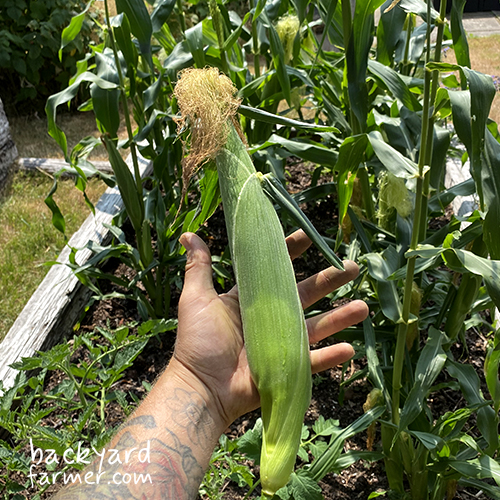
Ready when: The silks are brown and dry, and a kernel near the top releases a milky liquid when pierced
Watch for: Clear liquid, which means the cob needs longer, or thick, doughy liquid, which means it is past its best
August tip: Test individual cobs rather than judging the whole plant.
Potatoes

Second Early Potatoes
Ready when: The tubers have reached a useful size—check beneath one plant before lifting the whole crop
Watch for: Slug damage or signs of blight if the crop is left in the ground
August tip: Second earlies are usually best eaten fresh rather than stored.
Maincrop Potatoes
Ready when: Some early maincrop varieties may be ready from late August
Watch for: Blight, slug damage and skins that rub away easily
August tip: If storing the crop, wait until the foliage has died back and the skins have properly set.

Onions and Shallots
Ready when: The foliage yellows and folds over naturally
Watch for: Uneven maturity and soft, bruised or damaged bulbs
August tip: Lift carefully and cure the bulbs thoroughly before storage. Use damaged bulbs first.
Summer Brassicas: Calabrese, Cabbage and Cauliflower
Ready when: Cabbage heads are firm, calabrese buds remain tightly closed and cauliflower curds are compact
Watch for: Calabrese beginning to flower, cabbage splitting and pest damage
August tip: After cutting the main calabrese head, leave the plant in place because it may produce smaller side shoots.
Chard and Kale
Ready when: Healthy outer leaves have reached a useful size
Watch for: Tough, yellowing or badly damaged foliage
August tip: Take a few outer leaves from each plant and leave the centre intact so it can continue growing.
Peas and Broad Beans
Ready when: Remaining pods are filled but still tender
Watch for: Peas becoming starchy, broad beans developing tough skins and plants reaching the end of production
August tip: Clear finished plants to make room for another sowing.
Peppers, Chillies and Aubergines
Ready when: Peppers and chillies have reached a useful size or their desired colour; aubergines are firm with glossy skin
Watch for: Slow ripening outdoors and aubergines becoming dull or seedy
August tip: Greenhouse and polytunnel crops are generally more reliable in UK conditions.
Fruit to Harvest in August UK
Most August fruit ripens gradually rather than all at once. Check plants and trees every few days, picking only the fruit that is ready.
| Fruit | When to pick | What to watch for |
|---|---|---|
| Blackberries | Fully black, plump and easy to remove | Birds, wasps and mould |
| Autumn raspberries | Richly coloured and easy to pull away | Wet or overripe fruit becoming mouldy |
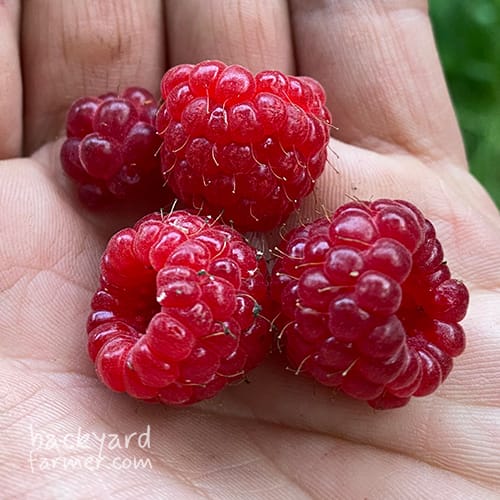
| Summer raspberries | Fully coloured fruit that slips away with a gentle pull | Squashed fruit and late varieties reaching the end of production |
| Blueberries | Deep blue, sweet and easy to detach | Birds and berries that have coloured before developing their flavour |
| Plums and gages | Fully coloured, slightly soft and easy to remove with a gentle twist | Wasps and fruit ripening unevenly |
| Damsons | Deep blue-purple and easy to remove; pick slightly firm for preserving | Picking before the colour and flavour have developed |
| Early apples | Fruit comes away when lifted and gently twisted | Immature fruit that remains firmly attached |
| Early pears | Mature fruit lifts away when raised towards a horizontal position | Allowing pears to become soft on the tree |
| Late or perpetual strawberries | Fully red, with no pale area around the stalk | Slugs, birds and mould |
| Gooseberries and currants | Any remaining fruit or late varieties with developed colour and flavour | Bursting, mould and overripe fruit |
| Figs | Soft fruit that hangs down and may begin to split near the base | Firm, upright fruit that has not developed its sweetness |
Pick soft fruit when it is dry and use, chill or preserve it promptly. Remove damaged and mouldy fruit as you go.
Herbs to Harvest in August UK
Regular harvesting keeps many herbs producing through August. Pick them when the leaves are dry, preferably in the morning, and avoid taking too much from woody herbs at once.
| Herb | What to harvest | What to watch for |
|---|---|---|
| Basil | Young shoot tips, cut just above a pair of leaves | Flowering, yellowing leaves and cooler nights |
| Mint | Soft, non-flowering shoot tips | Rust, coarse leaves and tired growth |
| Parsley | Outer stems, cut close to the base | Yellowing, dry soil and bolting |
| Coriander | Young leaves before flowering, followed by green seeds or fully ripened, dry seeds | Bolting and leaves becoming coarse |
| Dill | Feathery leaves, flower heads or developing seeds | Leaf production slowing once flowering begins |
| Chives | Fresh leaves cut close to the base | Tough leaves and signs of rust |
| Oregano and marjoram | Soft, leafy shoots | Older, coarse growth after flowering |
| Thyme | Young, non-woody shoot tips | Cutting into old woody stems |
| Rosemary | Young, flexible shoot tips | Over-harvesting or cutting into old bare wood |
| Sage | Young leaves and soft shoot tips | Coarse leaves and excessive cutting |
| Lemon balm | Young leafy shoots | Coarse growth and damaged leaves |
Once coriander and dill begin flowering, allow some seed heads to develop. The seeds can be harvested green for immediate use or left to ripen and dry for storage.
Crops That May Not Be Ready in August
August may be peak harvest month, but some crops still need time. Winter vegetables will continue developing, while potatoes and squash may be edible before they are mature enough to store.
| Crop | Why it may need longer | What to do in August |
|---|---|---|
| Pumpkins and winter squash | The skins and stalks have not matured for storage | Leave fruits attached until the skin hardens and the stalk becomes dry and corky |
| Late maincrop potatoes | The tubers and their skins are still developing | Leave them until the foliage dies back, unless blight or slug damage makes earlier lifting necessary |
| Leeks | The stems are still thickening for autumn and winter | Keep them watered during dry weather and harvest only if needed |
| Parsnips | The roots are still swelling and usually develop a sweeter flavour later | Leave them in the ground unless needed |
| Brussels sprouts | The buttons have not yet become firm and tightly closed | Support tall plants and remove yellowing lower leaves |
| Winter brassicas | Heads, stems or leaves are still developing | Keep plants watered and protect them from caterpillars and pigeons |
| Main-season apples and pears | Later varieties have not reached picking maturity | Test individual fruits regularly rather than picking by date alone |
| Outdoor peppers and chillies | Fruits may colour slowly in cooler conditions | Harvest them green if wanted or leave healthy fruits to ripen |
| Late tomatoes | Fruits may still be green, particularly outdoors | Continue feeding, maintain airflow and watch closely for blight |
| Sweetcorn in cooler areas | The kernels may not yet be fully filled | Leave the cobs attached and repeat the kernel milk test after a few days |
Some crops are edible before they are mature enough to store. If you plan to keep potatoes, onions or squash, judge them by their skins and stalks rather than size alone.
How Weather and Location Affect August Harvests
Harvesting dates vary across the UK. Southern and sheltered gardens are often ahead of northern, exposed or higher-altitude sites, while greenhouses and polytunnels can bring tomatoes, peppers and other heat-loving crops forward. Variety and sowing date can be just as important as location.
Cool or dull weather delays ripening, while prolonged heat can cause salads to bolt and some crops to become tough. Heavy rain may split fruit, damage soft crops and increase the risk of blight in tomatoes and potatoes. Use this guide to decide what to check, but judge each crop by its own signs of readiness.
August Harvest Tips for UK Gardeners
August harvests can move quickly, particularly during warm weather. Regular picking, careful watering and prompt storage will help you make the most of what is ready.
- Pick little and often. Check beans, courgettes, cucumbers and soft fruit every few days. Regular harvesting keeps productive crops going and prevents produce from becoming tough or overripe.
- Look beneath the foliage. Courgettes, cucumbers and beans are easily missed under large leaves and can become oversized surprisingly quickly.
- Choose the right conditions. Harvest leafy crops during the cooler part of the day and pick soft fruit when it is dry. Lift onions and storage potatoes in dry weather where possible.
- Keep productive crops watered. Water around the base of tomatoes, beans, courgettes and cucumbers. Irregular watering can contribute to split tomatoes, bitter cucumbers and stalled growth.
- Watch for disease and pests. Check tomatoes and potatoes for blight during warm, wet weather, and continue inspecting brassicas for caterpillars and other damage.
- Act before heavy rain. Pick ripe tomatoes before prolonged rain where possible, particularly after a dry spell, as sudden changes in moisture can cause splitting.
- Remove damaged produce. Clear split, mouldy or pest-damaged crops promptly before problems spread or attract wasps and slugs.
- Prepare storage crops carefully. Avoid bruising onions, shallots and potatoes. Cure or dry them properly, and store only sound, undamaged produce.
- Plan ahead if you are going away. Harvest thoroughly before leaving and ask someone to pick beans, courgettes, cucumbers and soft fruit while you are away.
Managing an August Glut
Deal with surplus produce while it is still fresh. Preserve only sound fruit and vegetables, removing anything mouldy or badly damaged first.
| Surplus crop | Ways to use or preserve it |
|---|---|
| Beans and sweetcorn | Blanch, cool and freeze |
| Tomatoes | Roast them or make sauces, soups and chutneys |
| Berries and plums | Freeze, cook into compotes or use for jam |
| Courgettes | Add to soups and sauces, make chutney or grate and freeze for cooked dishes |
| Cucumbers | Make pickles or relish |
| Herbs | Dry woody herbs or chop and freeze softer herbs |
| Chillies | Freeze whole or dry thoroughly for later use |
Share surplus produce with neighbours, friends or other allotment holders. Avoid leaving ripe crops on the plant, as this can slow further production and attract pests.
What to Sow After an August Harvest
Lifting potatoes and onions or clearing finished peas and beans creates useful space for another crop. Remove weeds and old plant material, lightly prepare the soil and water it before sowing if conditions are dry.
Good follow-on options can include salad leaves, rocket, oriental leaves, winter radishes, spring onions, coriander and dill. What will succeed depends on when in August you sow, your location and whether you can provide protection later in the season.
For crop-by-crop timings and advice on sowing outdoors or under cover, see our complete guide to what to sow in August in the UK.
If another food crop is unlikely to mature, sow a green manure or cover the bed with organic matter rather than leaving the soil bare.
FAQ – What to Harvest in August UK
Courgettes, cucumbers, runner and French beans, tomatoes, beetroot, carrots, sweetcorn, potatoes, onions and summer brassicas may all be ready. Check each crop for signs of maturity rather than relying on the calendar alone.
Blackberries, raspberries, blueberries, plums, gages, damsons and early apples are commonly ready during August. Exact timing depends on the variety, weather and location.
Cool or dull weather, late planting, larger-fruited varieties and a lack of direct sunlight can delay ripening. Green outdoor tomatoes are normal during August, particularly in cooler areas.
Some early maincrop varieties may be ready from late August, but many continue growing into September or October. Potatoes intended for storage should have firm skins that do not rub away easily.
The silks should be brown and dry, while a kernel near the top should release a milky liquid when pierced. Clear liquid means the cob needs longer; thick, doughy liquid means it is past its best.
Onions are usually ready when their foliage yellows and folds over naturally. Lift them during dry weather where possible and cure them before storage.
Pumpkins, winter squash, leeks, parsnips, late maincrop potatoes and main-season apples and pears often need more time.
Quick follow-on crops can include salad leaves, rocket, oriental leaves, radishes, spring onions and herbs. See our complete guide to what to sow in August in the UK for crop-specific timings.
Check them every two to three days, or more frequently during warm weather. Regular picking maintains production and prevents them from becoming tough or oversized.
Freeze beans and berries, turn tomatoes and courgettes into sauces or chutneys, make pickles and share surplus produce while it is still fresh.
Final Thoughts: August Is Peak Harvest Month
August is often when occasional picking becomes a regular harvesting routine. Courgettes, beans, cucumbers, tomatoes, soft fruit and herbs may need checking every few days, while onions, shallots and potatoes require more careful judgement if they are being prepared for storage.
Do not worry if outdoor tomatoes, sweetcorn or winter squash are still developing. Weather, variety, sowing date and location all affect timing. Pick what is ready, leave later crops to mature and deal with gluts while they are still fresh. As beds become empty, sow a suitable follow-on crop or protect the soil with mulch or green manure.