
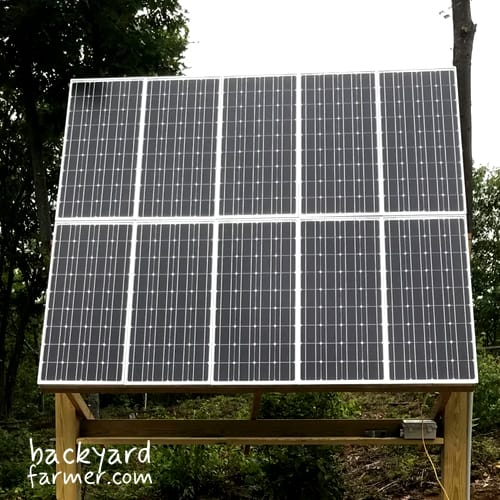
Solar panels turn sunlight into electricity using photovoltaic cells. The panels generate direct current (DC) electricity, which an inverter converts into alternating current (AC) that can be used by normal household appliances.
Depending on the system, the electricity can be used straight away, stored in a solar battery, or exported to the grid. Here’s how that process works, step by step.
How Solar Panels Work — in 5 Steps
The basic process is straightforward: solar panels generate DC electricity, an inverter converts it into usable AC electricity, and the system then decides where that electricity goes.
- Sunlight hits the solar cells
Photovoltaic cells inside the panel absorb energy from sunlight. - The cells generate DC electricity
The photovoltaic effect causes electrons within the cells to move, creating an electrical current. - Electricity flows from the panels
The direct current (DC) electricity travels from the solar array into the rest of the system. - The inverter converts DC into AC
Most household appliances use alternating current (AC), so an inverter converts the electricity into a usable form. - The electricity is used, stored or exported
Solar power can be used immediately, stored in a battery for later, or — on a grid-connected system — exported when more electricity is being generated than you need.
That is the basic journey from sunlight hitting the panel to usable electricity powering your home or off-grid setup.
How Photovoltaic Cells Generate Electricity
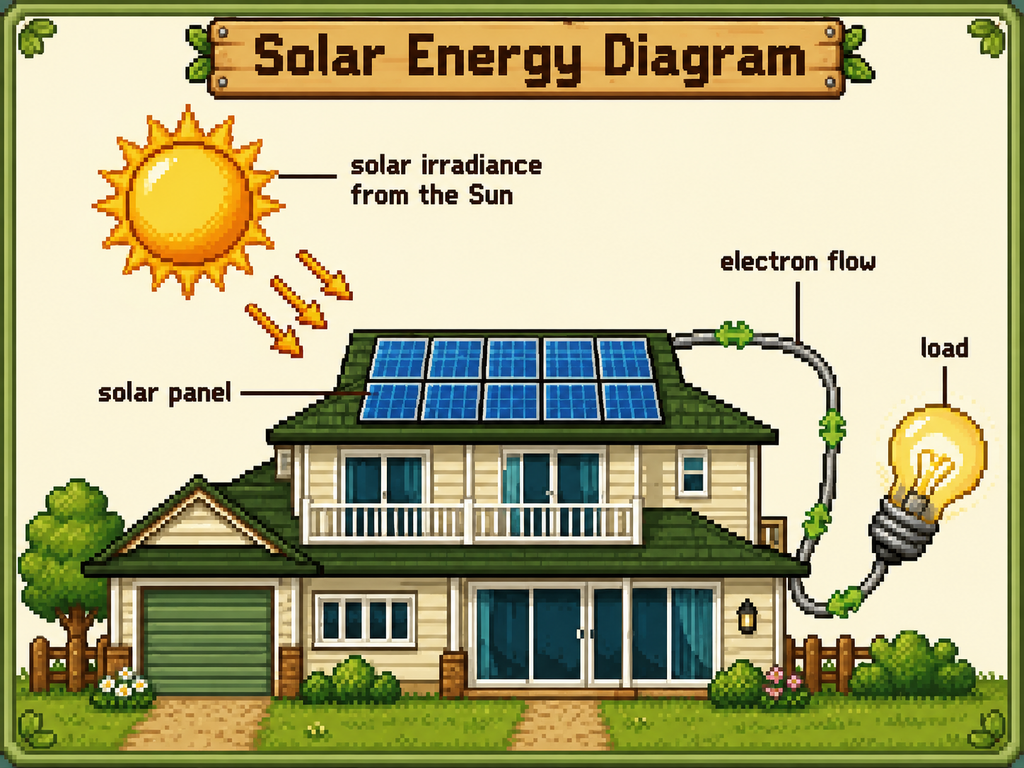
Solar panels are made from many photovoltaic cells, usually built from semiconductor materials such as silicon. When sunlight reaches a cell, energy from the light causes electrons within the material to move.
The cell’s internal electric field directs that movement, creating direct current (DC) electricity. That electricity then flows out of the panel and into the rest of the solar system, where an inverter can convert it into usable alternating current (AC).
| Stage | What happens |
|---|---|
| Sunlight reaches the cell | Light transfers energy to electrons in the semiconductor material. |
| Electrons begin to move | The cell’s electric field directs their movement into an electrical current. |
| DC electricity leaves the panel | The current flows into the solar system ready for conversion and use. |
This is the photovoltaic effect — the process that allows a solar panel to generate electricity without any moving parts.
Solar Panel Components Explained
A solar panel system needs a few key components to turn sunlight into electricity you can actually use. Some parts are essential in almost every setup, while others depend on whether the system is grid-connected, battery-based or off-grid.
| Component | What it does |
|---|---|
| Solar panels | Generate direct current (DC) electricity from sunlight. |
| Inverter | Converts DC electricity into alternating current (AC) for household appliances. |
| Mounting system | Holds the panels securely and positions them to receive sunlight. |
| Solar battery | Stores electricity for later use where battery storage is fitted. |
| Charge controller | Manages the electricity going into batteries in many off-grid systems. |
For a simple grid-connected setup, the main journey is panel → inverter → home. Off-grid systems add battery storage and other components so power remains available when the panels are not generating.
If you’re planning an independent setup, see our Off-Grid Solar Systems UK guide for a closer look at how those components work together.
What Happens to Electricity You Don’t Use?
Solar panels only generate electricity while light is reaching them, and your system may sometimes produce more power than you are using at that moment. What happens to the surplus depends on the type of solar setup.
Grid-Connected Solar
If your system is connected to the electricity grid, surplus generation can be exported to the grid rather than going unused.
Solar With Battery Storage
With a battery, excess solar electricity can charge the battery. That stored energy can then be used later, such as in the evening or when solar generation falls.
Off-Grid Solar
An off-grid system has no grid connection, so battery storage is normally essential. Surplus electricity charges the battery, providing power when the panels are not generating enough on their own.
Small compliant plug-in solar systems are now another option in Great Britain.
What Affects How Much Electricity Solar Panels Produce?
Solar panel output changes throughout the day and year, and several factors influence how much electricity a system actually generates.
- Sunlight: More direct sunlight generally means more electricity generation.
- Shading: Trees, buildings and other obstructions can reduce output, particularly when they shade part of the array.
- Orientation and tilt: The direction and angle of the panels affect how much sunlight they receive.
- Panel efficiency: Different panels convert sunlight into electricity at different rates.
- Temperature: Solar panels can become slightly less efficient as they get hotter.
- System losses: Inverters, cables and other components introduce small losses between generation and usable power.
For the practical positioning side, see our guide to the best orientation for solar panels in the UK, which looks specifically at direction, tilt and shading.

Want to Know What Size Solar System You Need?
If you know what you want to power but aren’t sure how much solar capacity, battery storage or inverter power you’ll need, use our free sizing tool to get a practical estimate.